Jumping Worms Could Be Wrecking Your New York Garden Soil, And Most People Never Notice
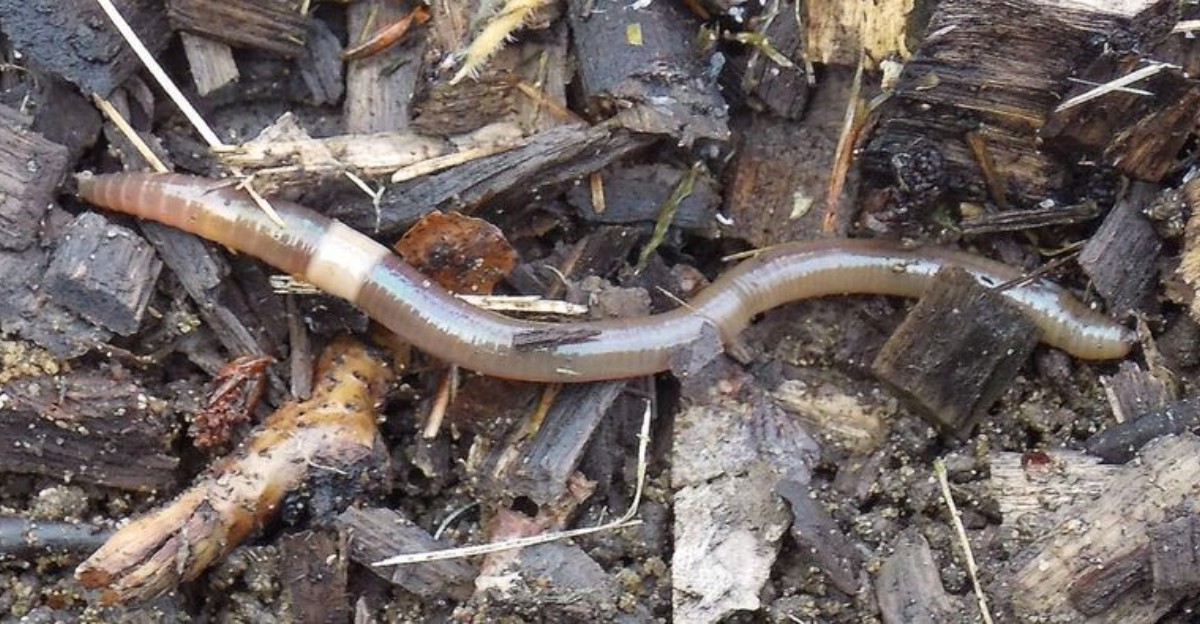
Soil that crumbles like old coffee grounds can be a warning sign. Dig a little deeper, and something may flip and thrash like a tiny angry snake.
That wriggler is a jumping worm, an Asian invader spreading through New York yards, parks, and woodlands. Many gardeners mistake it for an ordinary earthworm, so the trouble can go unnoticed for years.
Underground, these worms devour the leafy organic layer your plants depend on. Flowers can droop, vegetables can stall, and young trees can struggle in loose, grainy soil.
Spotting them is easier than you’d think. A smooth, milky band and a kitchen mustard trick can reveal who’s hiding in your beds.
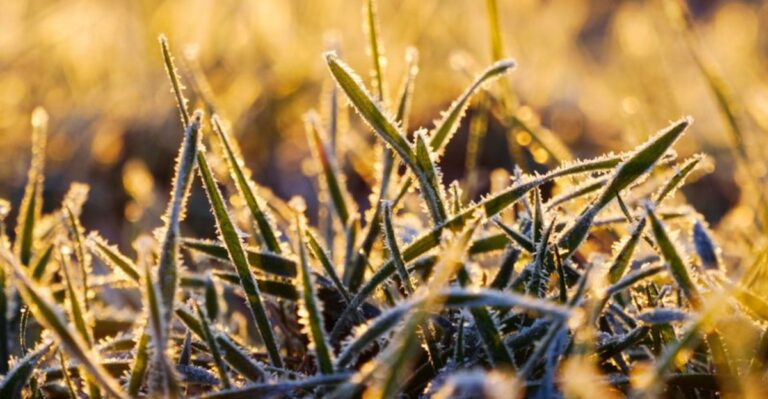
Fall is a smart time to check, since adults stay active until the first hard frost. The clues below show how to confirm them and what to do next.
Your Soil Looks Like Dried Coffee Grounds
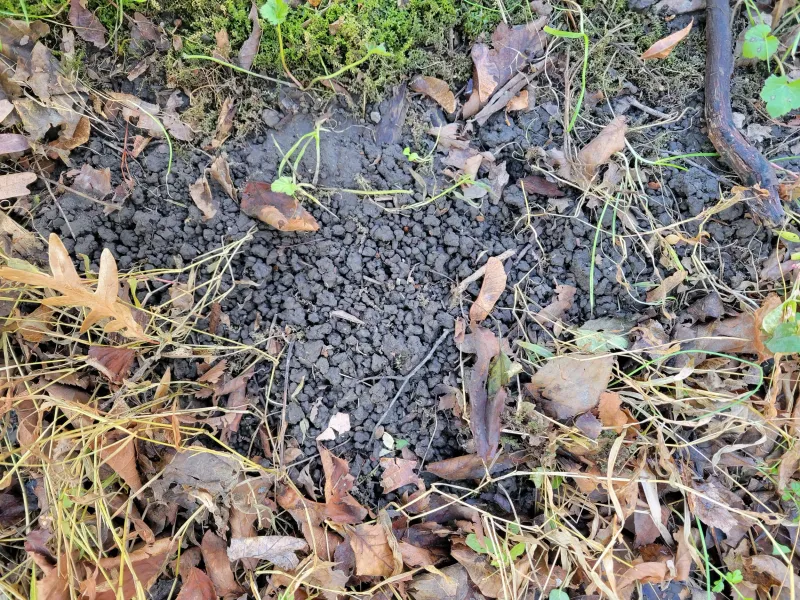
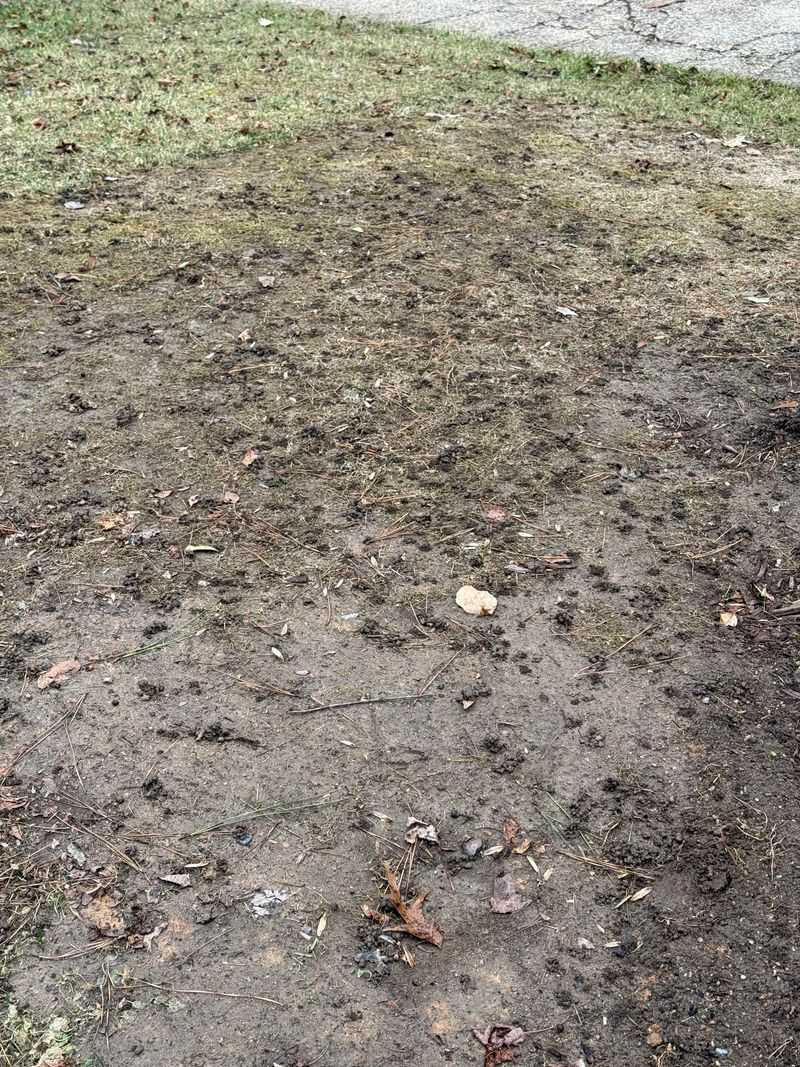
Run your fingers through a healthy bed, and the soil usually feels spongy and clumps together. Infested ground feels different, almost like a scoop of loose, dry coffee grounds.
Jumping worms leave behind small, grainy pellets called castings. Those pellets pile up on the surface and replace the soft, crumbly texture plants love.
Gardeners often notice the change first in mulched beds or shady woodland edges. The top few inches turn loose and granular, with very little leaf litter left behind.
Healthy soil holds together because roots, fungi, and organic matter bind it. Castings from jumping worms lack that glue, so the layer stays crumbly and unstable.
Heavy rain can wash this loose material away with surprising ease. You may spot bare patches, exposed roots, or little gullies after a summer storm.
Try a quick squeeze test the next time you weed. Grab a moist handful and press it gently in your palm.
Good garden soil should hold a loose shape for a moment. Infested soil tends to fall apart instantly, spilling grains between your fingers.
Look closely at the surface too, especially in late summer. Tiny pellets that resemble ground coffee or small seeds are a strong warning sign.
Take photos of suspicious spots and note where they appear in your yard. Mapping problem areas helps you track spread and decide where to focus your attention.
Catching the change early gives you more options. Soil texture is often the very first clue, long before you see a single worm.
The Worms Thrash Like Snakes When Disturbed
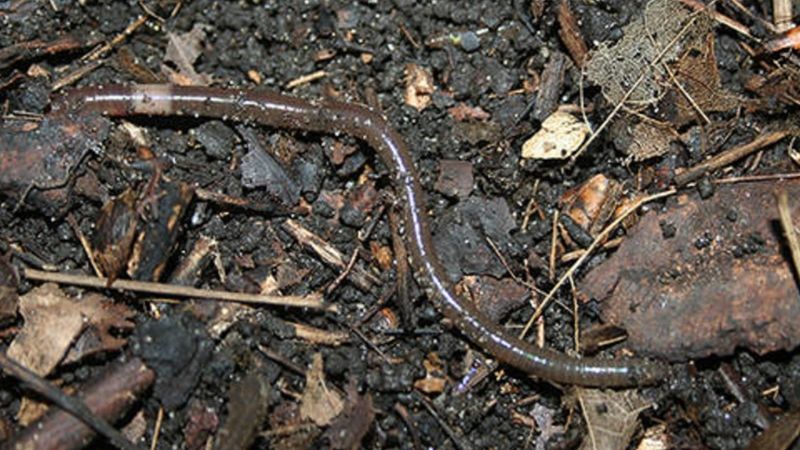
Lift a rock in your garden, and an ordinary nightcrawler usually stretches out and slowly slides away. A jumping worm reacts like it just touched a hot stove.
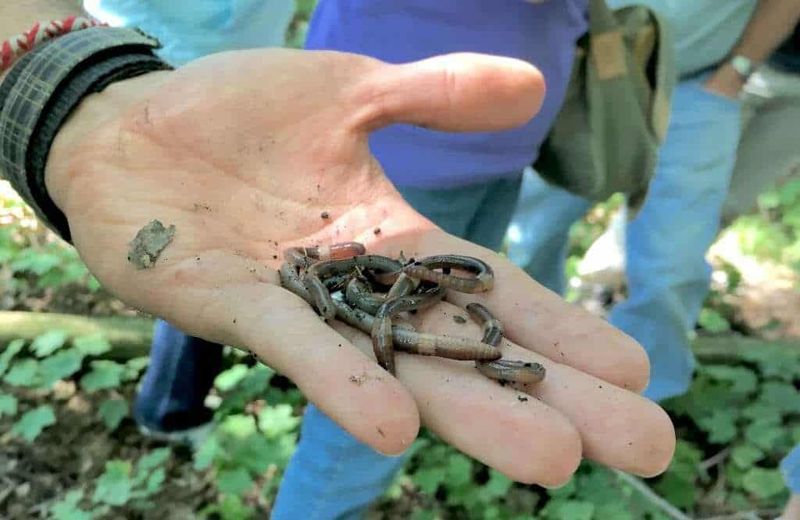
The moment it feels disturbed, it whips, twists, and flips its body wildly. Some gardeners say the worms seem to leap right out of their hands.
That frantic motion earned them nicknames like crazy worms, snake worms, and Alabama jumpers. Their behavior is one of the easiest ways to tell them apart.
Some will even shed the tail end of their body to escape. The dropped piece keeps wriggling, which can startle anyone who isn’t expecting it.
Your New York Garden Changes Every Week. Your Plan Should Too.
Gardening in New York changes quickly throughout the season. Every Friday you’ll receive a simple weekly plan showing exactly what to plant, prune, fertilize, harvest, and protect so you never miss the right timing.
They also move with a slithery, side-to-side wave. Regular earthworms tend to stretch and contract like an accordion instead.
Here is a handy test while weeding or planting. Gently poke a worm near the surface with a stick and watch what happens.
A slow, lazy wiggle points to a common earthworm. Rapid thrashing and snake-like moves suggest you may have jumping worms.
Wear gloves when handling any worm you suspect. Their skin feels firm and slick, and handling them bare-handed can feel unpleasant.
Jumping worms also live closer to the surface than many native-friendly worms. You’ll often find them right under mulch or leaf litter.
Keep a small jar with a lid in your garden shed. Capturing one for a closer look makes identification and reporting much easier.
A Smooth, Milky Band Sets Them Apart
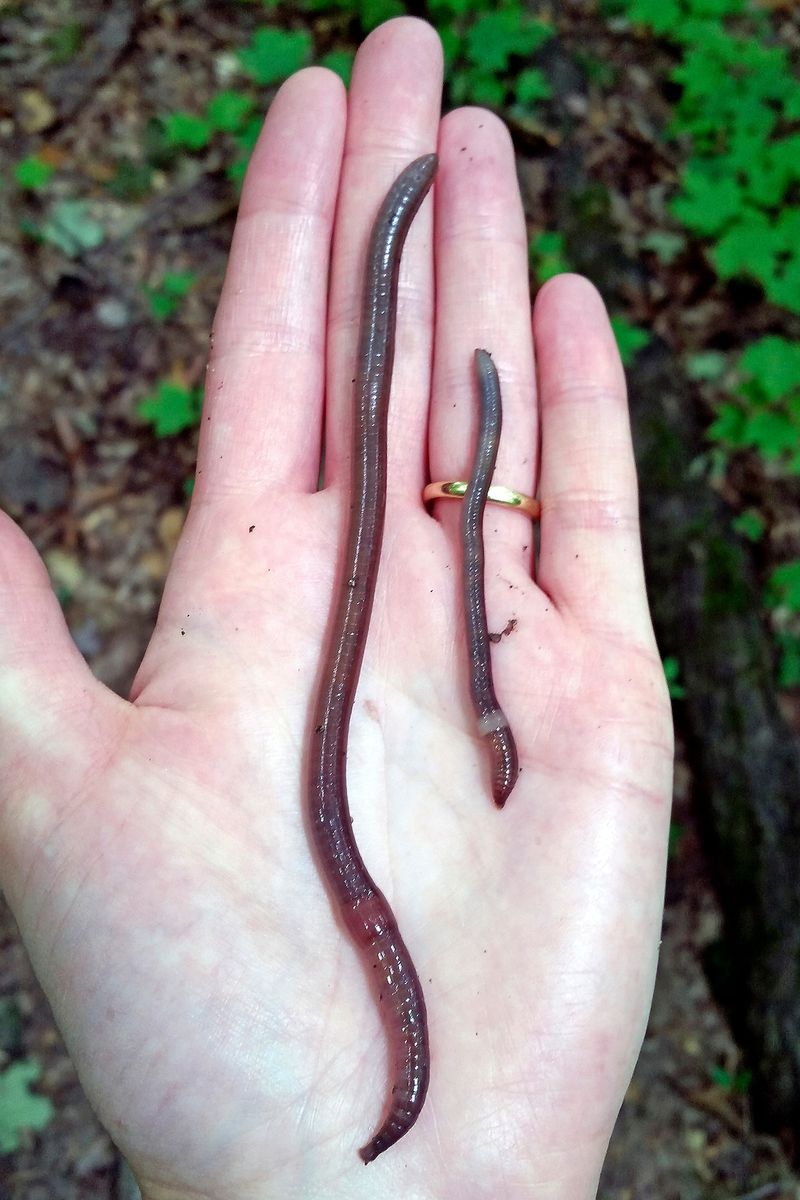
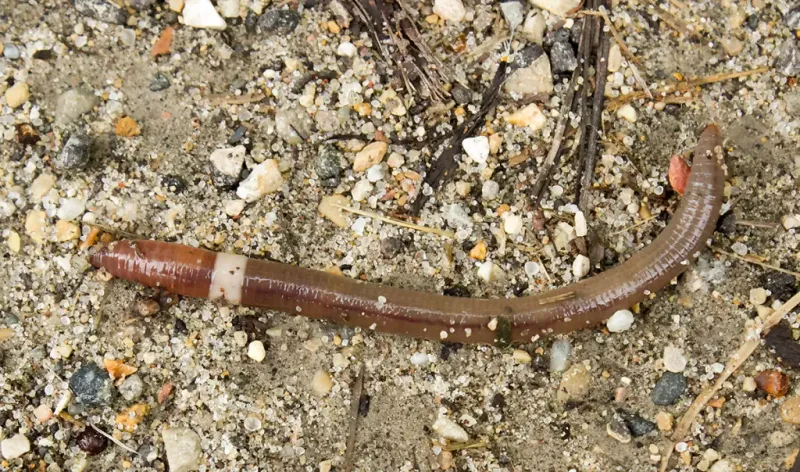
Every adult earthworm wears a kind of belt called a clitellum. On jumping worms, that belt tells you nearly everything you need to know.
Look for a smooth, flat band that is milky white or light gray. It wraps fully around the body, like a ring on a finger.
Common European earthworms, the familiar kind used for fishing, look different. Their band is raised, pinkish, and shaped like a saddle that doesn’t circle the whole body.
Position matters too, so check how far the band sits from the head. On jumping worms, it sits fairly close to the front end.
Body color offers another hint. Jumping worms are often glossy brown or gray with a sleek, almost metallic sheen.
Their bodies also feel firm and smooth rather than soft and slimy. Many measure about four to eight inches long when fully grown.
Young worms can be tricky because they haven’t developed the band yet. If you only see juveniles, check again later in summer.
By mid-July through fall, most adults show their bands clearly. That window is the best time for confident identification.
Bring a magnifying glass or use your phone camera’s zoom feature. A sharp close-up photo helps experts confirm what you found.
Comparing worms side by side is the fastest way to learn. Once you see that milky ring, you’ll recognize it again instantly.
They Gobble Up The Organic Matter Plants Need
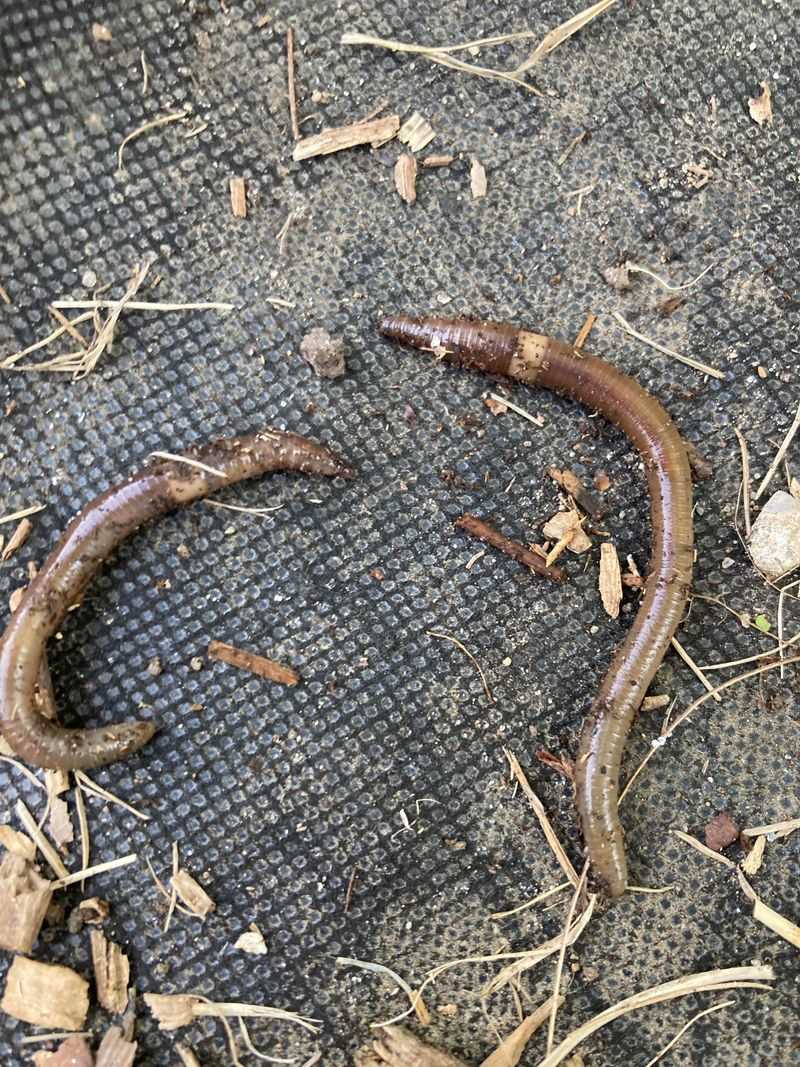
Imagine a houseguest who empties your fridge in a single weekend. Jumping worms treat leaf litter and mulch the same way.
They feast on the organic layer at the top of the soil. That spongy layer of decaying leaves acts like a pantry for plants and soil life.
Common earthworms eat organic matter too, but usually at a slower pace. Jumping worms grow fast, breed quickly, and can pack an area in large numbers.
Once the mulch disappears, the soil loses its natural blanket. Moisture escapes faster, and temperatures swing more on hot or chilly days.
Nutrients get released quickly, then often wash away with rain. Roots miss out on the slow, steady feeding they need.
Helpful fungi and tiny soil creatures suffer as well. Their homes vanish when the leaf layer gets eaten away.
In New York forests, scientists have watched the forest floor turn bare in infested areas. Wildflowers and tree seedlings struggle to get started there.
At home, you might notice mulch vanishing much faster than usual. A layer that once lasted all season may be gone by midsummer.
Keep an eye on how quickly your mulch breaks down. Unusually fast loss, paired with grainy soil, is a red flag worth checking.
Consider using fewer fresh layers in infested spots. Feeding the worms more food can help their population grow larger.
Plants Struggle For No Obvious Reason
You water on schedule, add fertilizer, and pick sunny spots. Still, your hostas sulk and your tomatoes seem stuck in slow motion.
Jumping worms could be the hidden reason behind that frustration. The damage happens underground, so the cause isn’t easy to see.
Loose, grainy soil makes it hard for roots to anchor firmly. Young plants may wobble or tip over after wind or heavy rain.
Water drains through the pellet-like soil too quickly. Plants can wilt during dry spells even when you water regularly.
Nutrient loss adds to the problem. Leaves may look pale, yellow, or smaller than normal for the season.
Gardeners often report trouble with seedlings and new transplants. Tender roots have a tough time settling into unstable ground.
Before blaming pests or disease, dig a small test hole. Look at the soil texture and watch for wriggling worms near the surface.
A soil test from your local Cornell Cooperative Extension office can help too. It shows nutrient levels and rules out other common problems.
Planting in containers with clean, bagged potting mix can offer a temporary fix. Raised beds lined with landscape fabric may also reduce trouble.
Add a note to your garden journal when plants falter. Tracking patterns over time helps you connect struggling plants with infested areas.
They Hitch Rides In Mulch, Compost, And Potted Plants
Jumping worms don’t travel far on their own. People give them a free ride, usually without realizing it.
Bulk mulch, compost, and topsoil are common carriers. A single truckload can hide adults or tiny cocoons in every scoop.
Plant swaps and gifted perennials pose a risk too. That sweet division from a neighbor might carry hitchhikers in its root ball.
Cocoons are about the size of a mustard seed and blend right into soil. Spotting them by eye is nearly impossible.
Landscaping equipment can move them between properties. Mud stuck in tire treads, rakes, and even boot soles can carry cocoons.
Ask suppliers how they handle their mulch and compost. Proper heating to about 130 degrees for three days can destroy cocoons.
When buying plants, gently tip them out of the pot. Look for grainy soil or worms before bringing them home.
Choose bare-root plants when possible, especially from unknown sources. Rinsing soil off roots lowers the chance of bringing in cocoons.
Brush off shoes and tools before leaving a garden. A stiff brush and a quick rinse take only a minute.
Many garden clubs now screen plants before sales. Supporting those careful efforts helps protect gardens across your whole community.
Adults Fade With Frost, But Cocoons Survive Winter
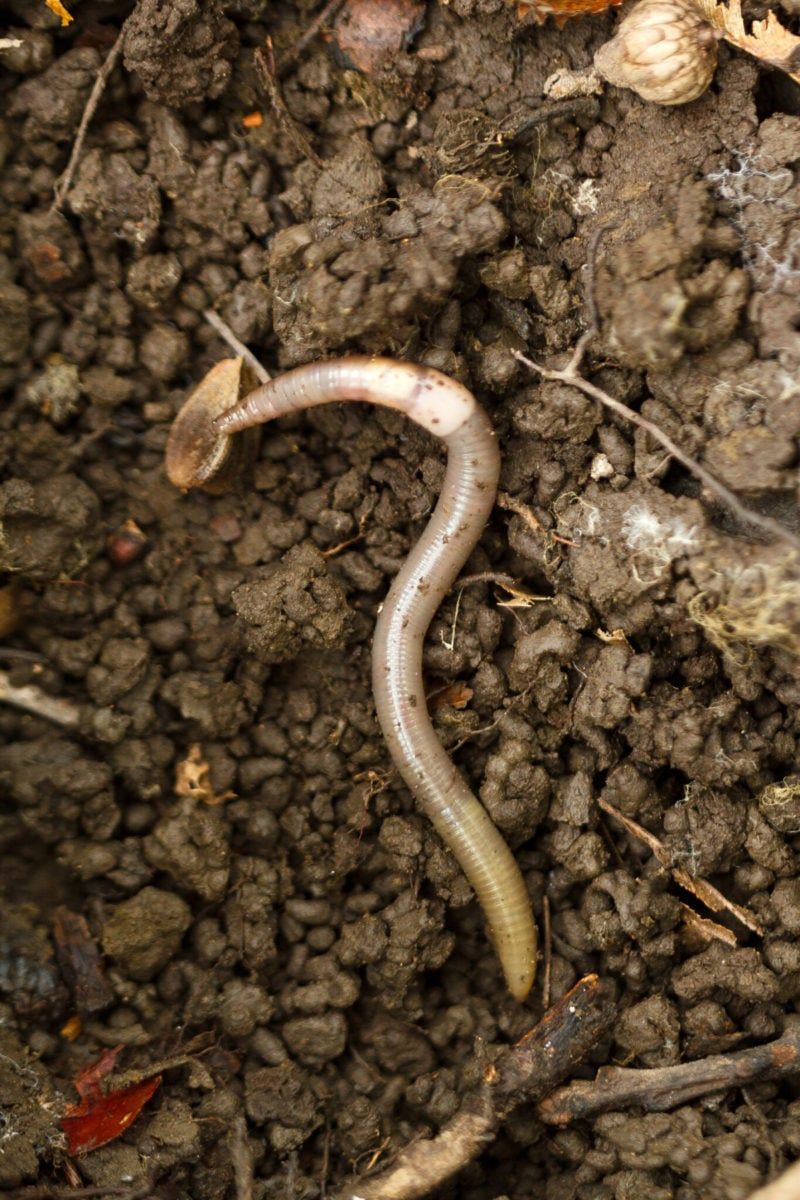
Here is a twist that fools plenty of gardeners each year. When frost arrives, the adult jumping worms vanish, and the problem seems solved.
Sadly, the story isn’t over. Before cold weather hits, adults leave behind tiny cocoons tucked into the soil.
Each cocoon looks like a small brown speck, easy to mistake for dirt. These hardy packages ride out freezing temperatures without trouble.
Jumping worms follow a yearly cycle in New York’s climate. Cocoons hatch in spring, usually around April or May, as soil warms.
Young worms grow quickly through early summer. By midsummer, they reach adulthood and start producing cocoons of their own.
A single worm can reproduce without a mate. That trick helps populations grow fast from just a few hitchhikers.
Winter is a smart time to plan, even without visible worms. Mark infested beds so you remember them when spring planting begins.
Avoid moving soil or compost from flagged areas during cold months. Cocoons travel just as easily as adults do.
Solarizing soil can help in small spaces. Covering moist soil with clear plastic in hot sun may heat cocoons past survival levels.
Try checking again in late spring once the soil warms. Early detection of young worms gives you a head start on control.
A Simple Mustard Pour Brings Them To The Surface
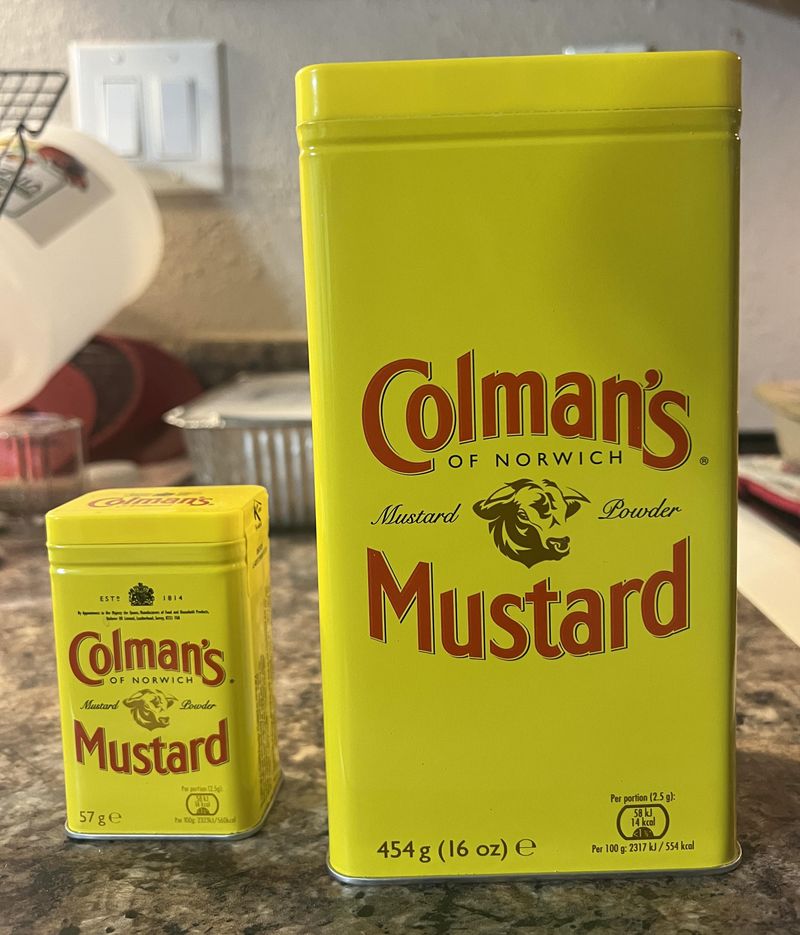
Your spice cabinet holds one of the best detective tools in gardening. Ground yellow mustard can coax hidden worms right out of the ground.
Mustard irritates worm skin without causing lasting harm. They wiggle up to the surface to escape it, making counting easy.
Mix about one-third cup of ground yellow mustard seed into a gallon of water. Stir well so the powder doesn’t clump.
Pick a test spot about one foot square. Clear away loose mulch or leaves so you can see the soil.
Pour the mixture slowly and evenly over the area. Give it a few minutes and watch closely.
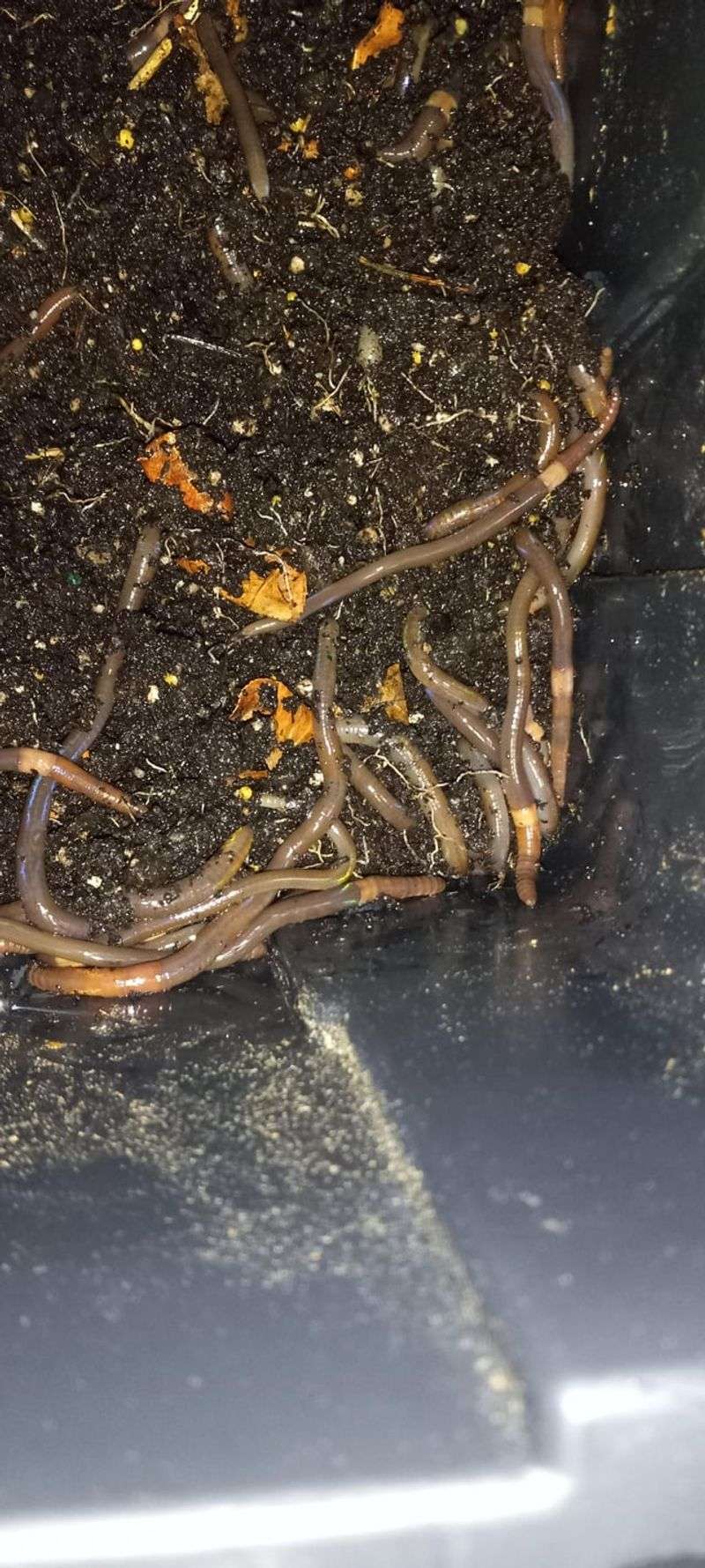
Worms living there will start popping up. Look for the milky band and frantic thrashing that signal jumping worms.
Run the test on a mild, damp day for the best results. Worms stay deeper during hot, dry spells.
Try several spots around your yard for a fuller picture. Shady beds and mulched areas deserve extra attention.
Collect any jumping worms you find in a sealed bag. Disposing of them properly stops them from returning to your garden.
Fun fact: scientists use a similar mustard method in field research. Your backyard test borrows a trick from real soil biologists.
They’re Prohibited In New York, So Never Buy Or Share Them
Some invasive species arrive by accident, but people have sold jumping worms on purpose. Ads once promoted them for composting, fishing bait, and garden health.
New York lists jumping worms as a prohibited invasive animal. Under state rules in 6 NYCRR Part 575, selling, buying, or transporting them knowingly is not allowed.
That rule covers anyone, from big companies to backyard hobbyists. Even passing a few to a friend counts as spreading them.
Watch out for products labeled Alabama jumpers, snake worms, or crazy worms. Some online sellers still list them under different names.
Composting fans should stick with red wigglers for worm bins. Those well-known composting worms are a safer choice for indoor systems.
Anglers should buy bait from trusted local shops. Toss leftover bait in the trash rather than dumping it on the ground.
Plant sales and swaps also fall under this concern. Sharing infested soil can spread worms just as easily as sharing the worms themselves.
The rules exist to protect forests, farms, and gardens across the state. Jumping worms harm soil that many plants and animals depend upon.
If a seller claims their worms are great for gardens, ask questions. Request the species name before buying anything.
A little caution goes a long way. Responsible choices help keep these invaders from reaching new neighborhoods.
Keep Infested Soil Put And Report What You Find
Finding jumping worms can feel discouraging, but you still have real power. Smart habits slow the spread and help researchers track these invaders.
Start by keeping infested soil right where it is. Avoid moving dirt, mulch, compost, or plants from affected beds to new spots.
Clean tools and boots after working in those areas. A stiff brush and a quick water rinse can remove hidden cocoons.
Remove any adult worms you catch by hand. Seal them in a plastic bag and leave it in the sun for a few hours.
Another option is soaking them in rubbing alcohol. Afterward, toss them in the trash rather than the compost pile.
Reporting sightings matters more than many people realize. In New York, you can log finds on iMapInvasives or iNaturalist.
Include clear photos of the worm’s band, plus details about location. Good records help experts map where the worms are spreading.
Let neighbors and garden club friends know what you found. Sharing knowledge helps others check their own yards sooner.
Your local Cornell Cooperative Extension office offers helpful advice too. Staff can answer questions and suggest next steps for your garden.
Every careful choice adds up. Together, gardeners can protect the soil that keeps our plants thriving.