Scarlet Beeblossom: The Arizona Native Perennial Whose Blooms Deepen in Color as They Age
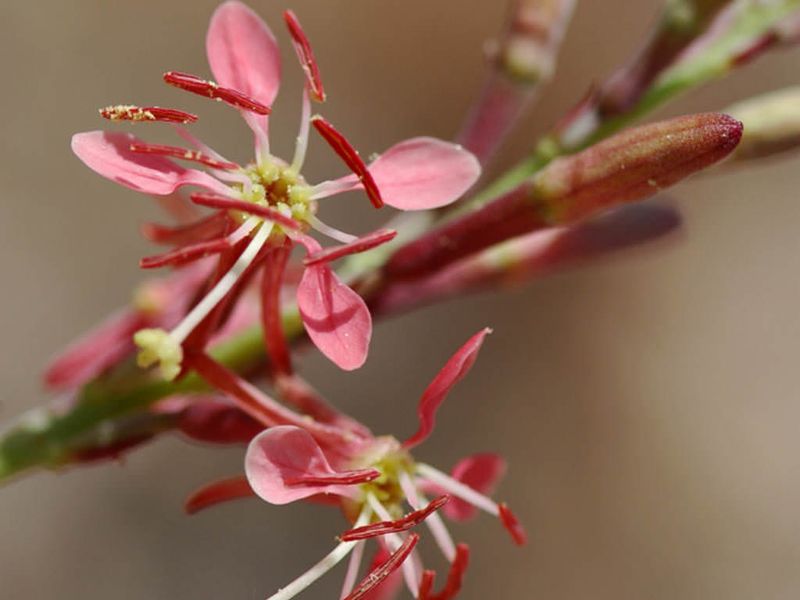
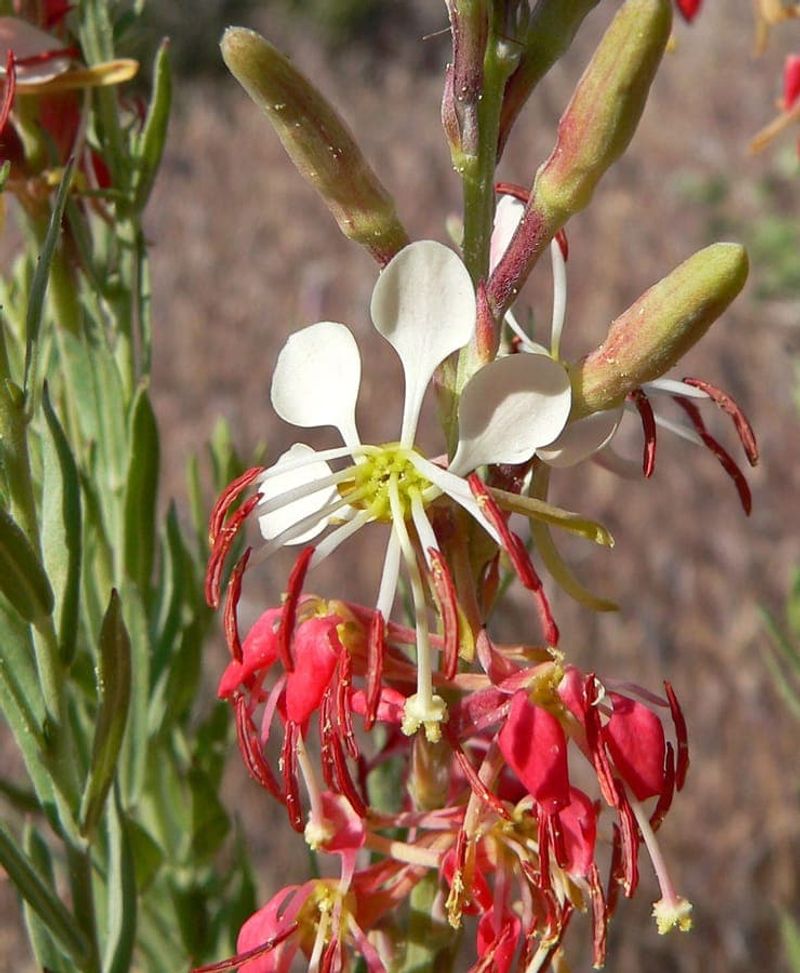
Picture a single flower stem holding white, pink, and red blooms all at once. That is the everyday show of scarlet beeblossom, a plant native to Arizona.
The color change happens one flower at a time as each bloom ages, not across the whole plant. Here is what to know before you decide whether it belongs in your yard.
A native perennial with blooms that change as they age
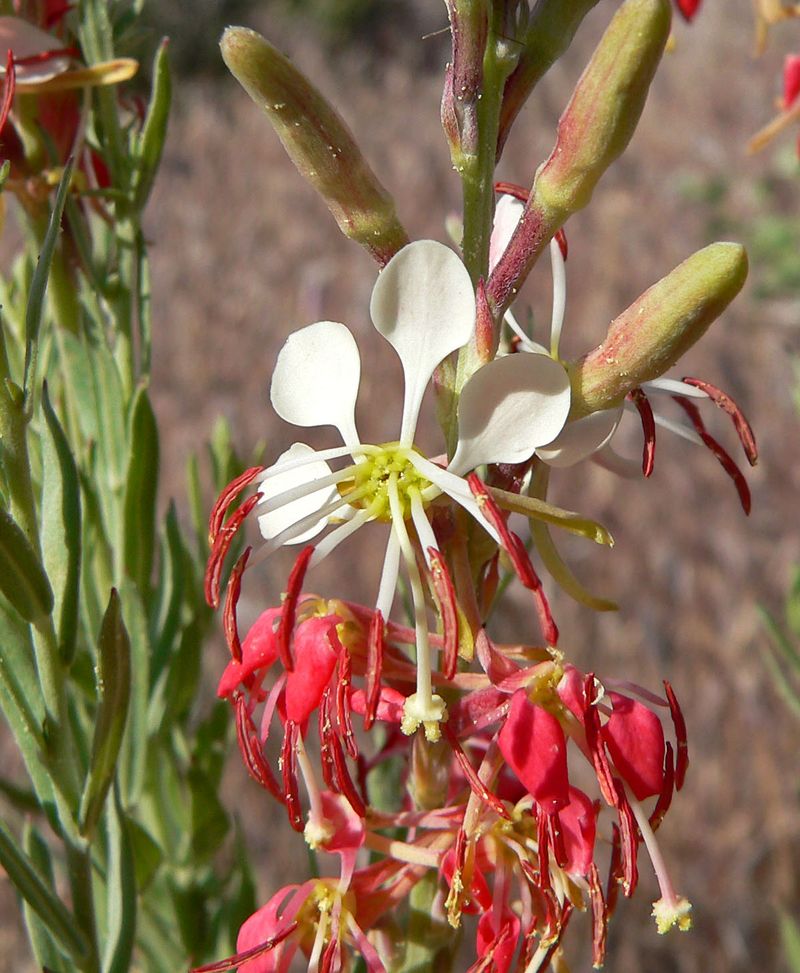
Scarlet beeblossom goes by Oenothera suffrutescens in current botanical references, and many Arizona plant lists still use the older name Gaura coccinea. Both names point to the same plant, so searching with either one helps at the nursery or in a native plant catalog.
Calling it a shrub misses the mark. It is a perennial forb with a woody base, often described as a subshrub, meaning it is woody low down and soft-stemmed above.
Stems reach about two feet tall, according to a regional plant profile, and the plant can spread into colonies through underground stems.
The famous color change belongs to individual flowers, not the whole plant. One bloom opens pale and darkens as it ages, while the plant keeps producing fresh flowers that start the process over.
At any moment a single stem can carry blossoms in several shades. That mix is the real show, and the rest of this article treats it that way.
Each flower opens pale and deepens toward red
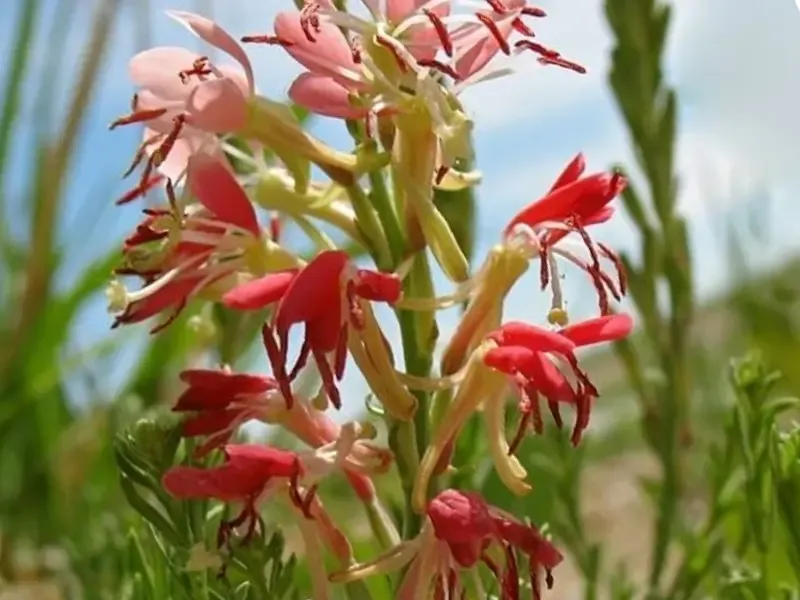
Follow one flower from the start. It opens in the evening, and at that point the petals are almost white.
By the next morning they have flushed pink.
As the day moves into afternoon, the same flower deepens toward red. Nothing about this is a quick flip, and it does not run backward.
Each bloom travels in one direction, from pale to rosy to red, as it ages.
That one-way trip explains why a stem looks multicolored. Fresh buds open beside flowers from the night before and others that are a day old, so white, pink, and red can share one spray.
To catch the earliest stage, step outside at dusk. For the deepest red, check in the afternoon.
Scientists studying a few related evening primroses have linked petal darkening to pigment, but that explanation has not been confirmed for scarlet beeblossom. The exact cause in this Arizona plant remains unknown, so enjoy the progression without needing a tidy explanation.
Moths and butterflies are documented visitors
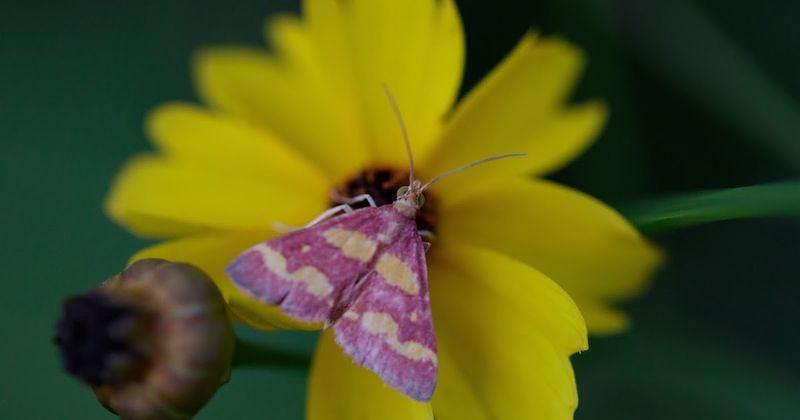
Flowers that open at dusk are built for the night shift. Moths are reported to pollinate scarlet beeblossom after the blooms open in the evening, which fits the pale petals that show up well in low light.
Daytime tells a second story. According to a desert plant care sheet, the rose-red flowers stay open through the day and attract butterflies.
So the same plant has documented ties to night moths and daytime butterflies, depending on the flower’s age and the hour.
Treat these as patterns seen in nature, not promises for your yard. Whether a moth or butterfly appears depends on your neighborhood, nearby plants, outdoor lighting, and the season.
Your Arizona Garden Changes Every Week. Your Plan Should Too.
Gardening in Arizona changes quickly throughout the season. Every Friday you’ll receive a simple weekly plan showing exactly what to plant, prune, fertilize, harvest, and protect so you never miss the right timing.
Nothing in the documented traits suggests the plant helps with scorpions, mosquitoes, or ticks, so handle those problems with separate steps.
Arizona native does not mean right for every yard
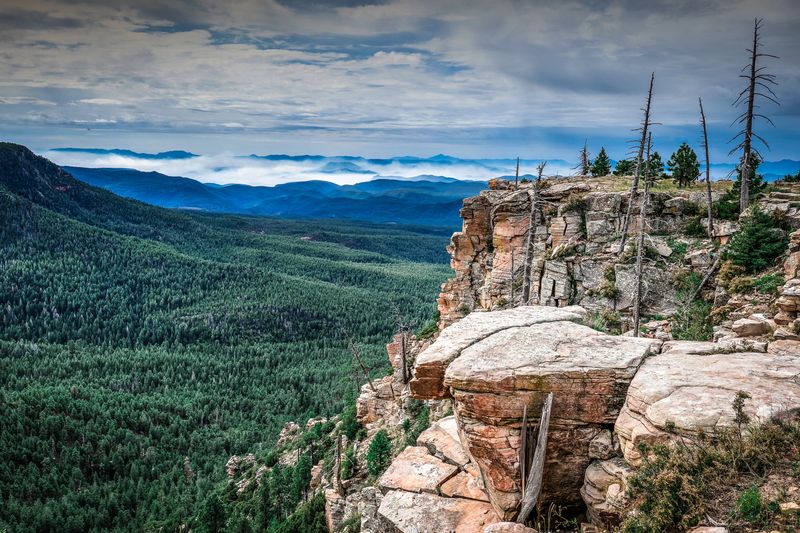
Arizona spans desert basins, grasslands, and pine country, and a native plant does not automatically belong in all of them. The plant profile lists scarlet beeblossom in habitats from roughly 2,000 to 8,000 feet in elevation.
That is a wide band, and it covers very different weather.
The desert plant sheet narrows things down. It calls the plant common at mid-elevations in southeastern Arizona and above the Mogollon Rim.
Those areas generally run cooler than the hottest low-desert neighborhoods.
If you garden in Phoenix or another scorching low-elevation spot, treat the plant as a trial, not a sure thing. Start with one plant, give it the afternoon shade and moderate watering covered next, and watch how it handles its first summer.
Gardeners at mid-elevations, or in cooler pockets of southeastern Arizona, sit closer to the plant’s usual range.
Choose a well-drained spot and leave room to spread
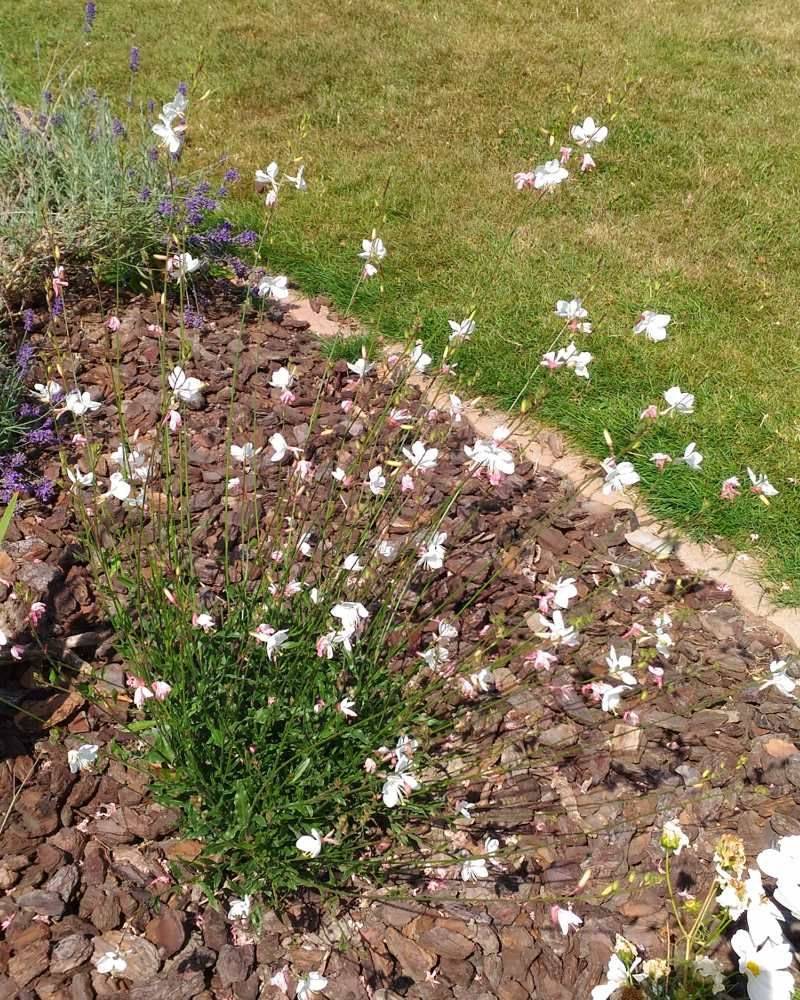
Think of placement as three questions: how much sun, how much water, and how much room. The care sheet suggests flower beds, patio containers, rock gardens, or planting beneath desert trees.
Full sun is tolerated, though the plant appreciates afternoon protection in the hottest zones. A spot with morning light and dappled afternoon shade under a palo verde fits that description well.
Water moderately, since this is not a no-water plant, and choose well-drained to sandy-clay soil so roots never sit wet.
Fertilizer is generally unnecessary in the ground. Container plants are the exception, because nutrients wash out of pots with regular watering.
Now the part that surprises people. Although it forms a tidy clump about a foot and a half tall and wide, it can sucker when moisture is available, and underground stems can build colonies.
A bed edged by pavement or a large container keeps it in bounds. In an open bed, leave a few feet of space and pull unwanted shoots as they appear.
Match the plant to the site
Here is a simple rule: choose scarlet beeblossom when the site matches the plant, not just because it is native. Good candidates sit at mid-elevations or in cooler pockets, offer well-drained soil, and can receive moderate irrigation.
A bed with room to roam, or a large container, suits its habit of spreading.
Skip it if you want a zero-water planting or a guaranteed performer in the hottest low-desert exposure. It is one good option for the right spot, not a universal desert fix.
What you get in return is a flower-by-flower color show: white at dusk, pink by morning, red by afternoon. Plant one, watch it for a season, and let your yard give the answer.
A single stem holds a whole day of color, one bloom at a time.