The Weeding Mistake That’s Making Your Dandelion Problem Worse
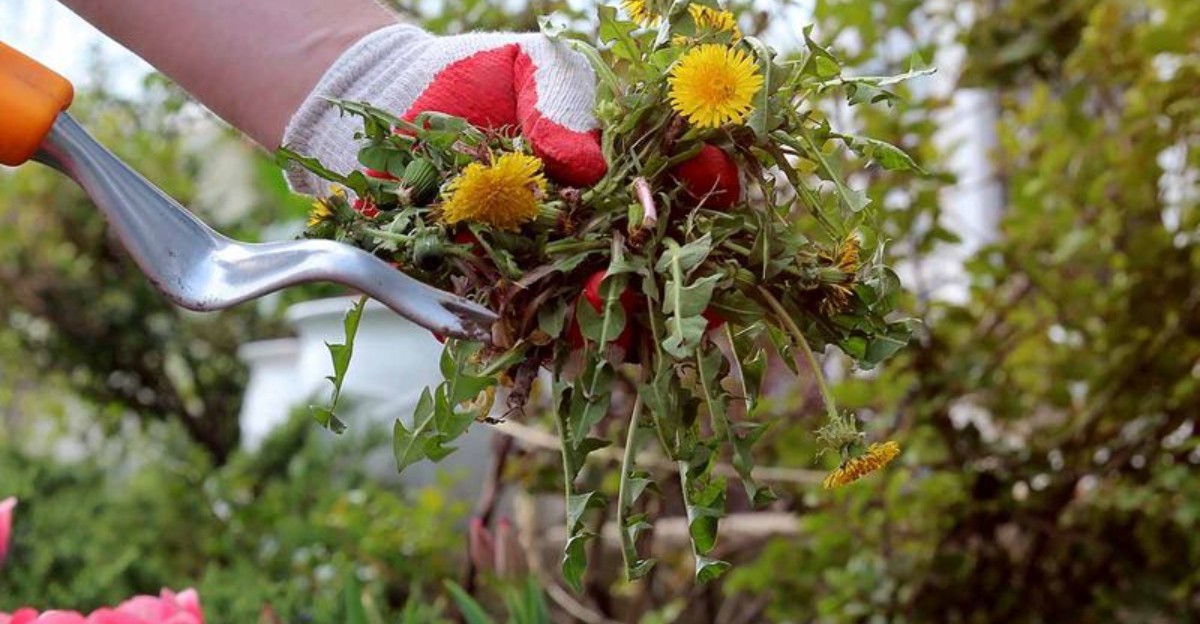
A single broken root piece about the size of your fingertip can sprout a brand new plant within weeks. I learned that the hard way after a proud afternoon of pulling yellow flowers from my front lawn.
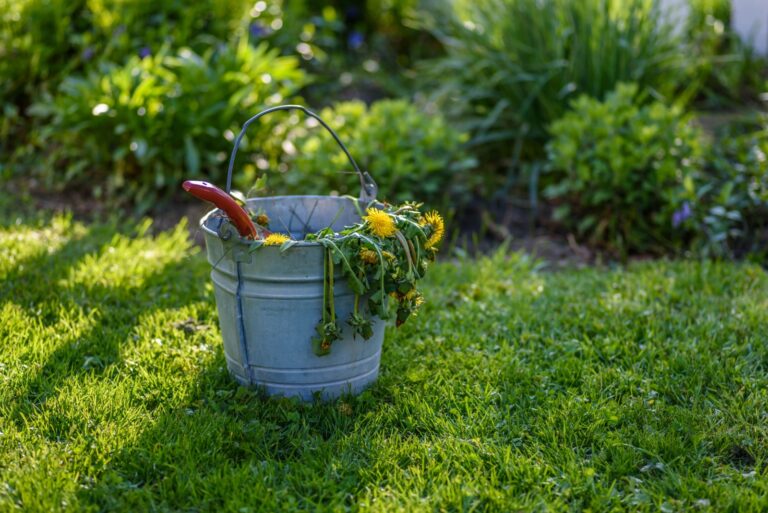
My hands smelled like bitter green sap, and my bucket overflowed with leafy rosettes and fuzzy seed heads. Two weeks later, the same spots looked busier than before, with fresh leaves pushing up through the grass.
I believe plenty of us make this same move every year without realizing the problem hides underground. The part you toss in the bucket is often the least important piece of the whole weedy puzzle.
October happens to be one of the smartest months to tackle this weed, according to many university extension experts. Cool air and moist soil change the game, so your timing right now matters more than you might expect.
You’re in for a big surprise once you see what your trusty weeding habit has been quietly doing. So, could the way you pull weeds be helping them come back?
Broken Root Pieces Can Grow Back
Most of us grab the leaves, give a quick tug, and hear that satisfying little snap near the soil. Sadly, that snap often means part of the root stayed behind in the ground, ready to grow again.
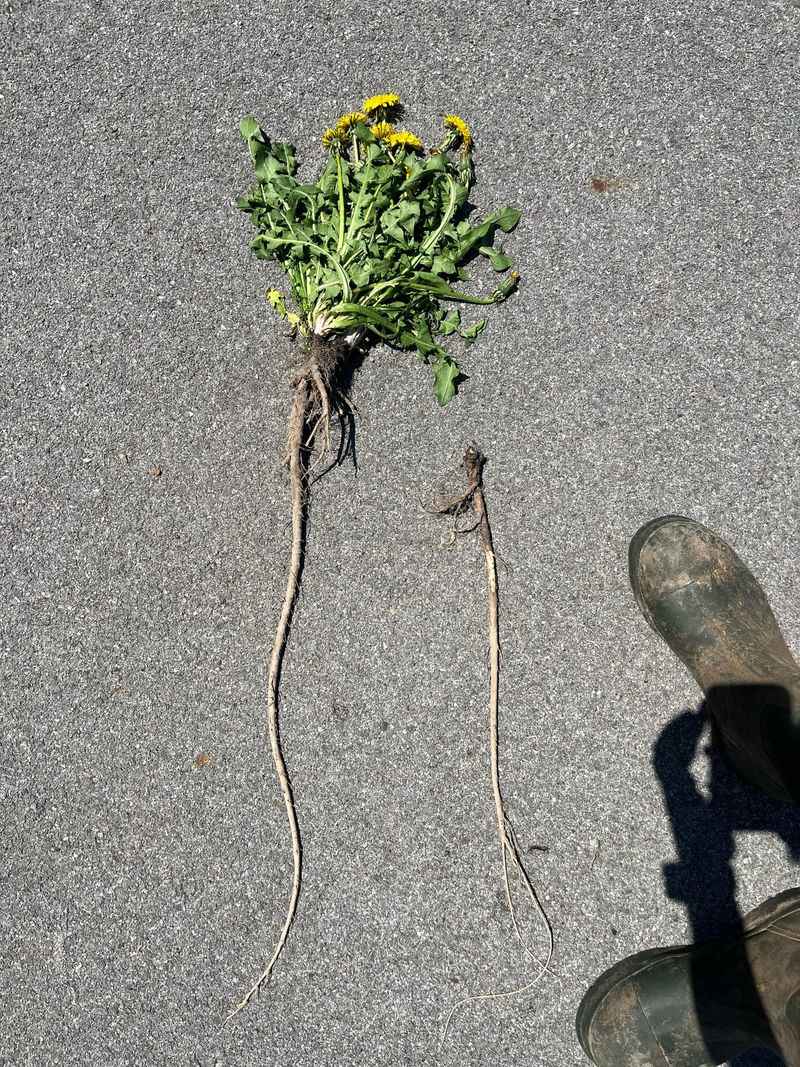
Dandelions store food in a thick taproot, and extension services note that broken root pieces can regenerate new plants. Even a short chunk left in moist soil can push up fresh leaves within a few weeks.
In some cases, a damaged crown may send up more than one shoot, making the patch look fuller. Researchers do not agree on exactly how often this happens, but the regrowth itself is well documented.
Chopping the plants with a hoe causes a similar problem, since it slices the root into several living pieces. Rototilling a weedy patch can scatter those fragments around, spreading the trouble to new parts of your yard.
Pulling also loosens the soil, which can bring buried weed seeds up toward the light where they sprout. Bare patches left behind give windblown seeds a cozy, open spot to settle in and start growing.
None of this means hand weeding is useless, because careful pulling can work well on small, young plants. The trick is removing as much root as possible instead of settling for the leafy top alone.
Think of every leftover root as a tiny battery, still charged and waiting for the right moment to restart. Once you see it that way, those quick tugs start to look a lot less helpful.
That Long Taproot Is Tougher Than You Think
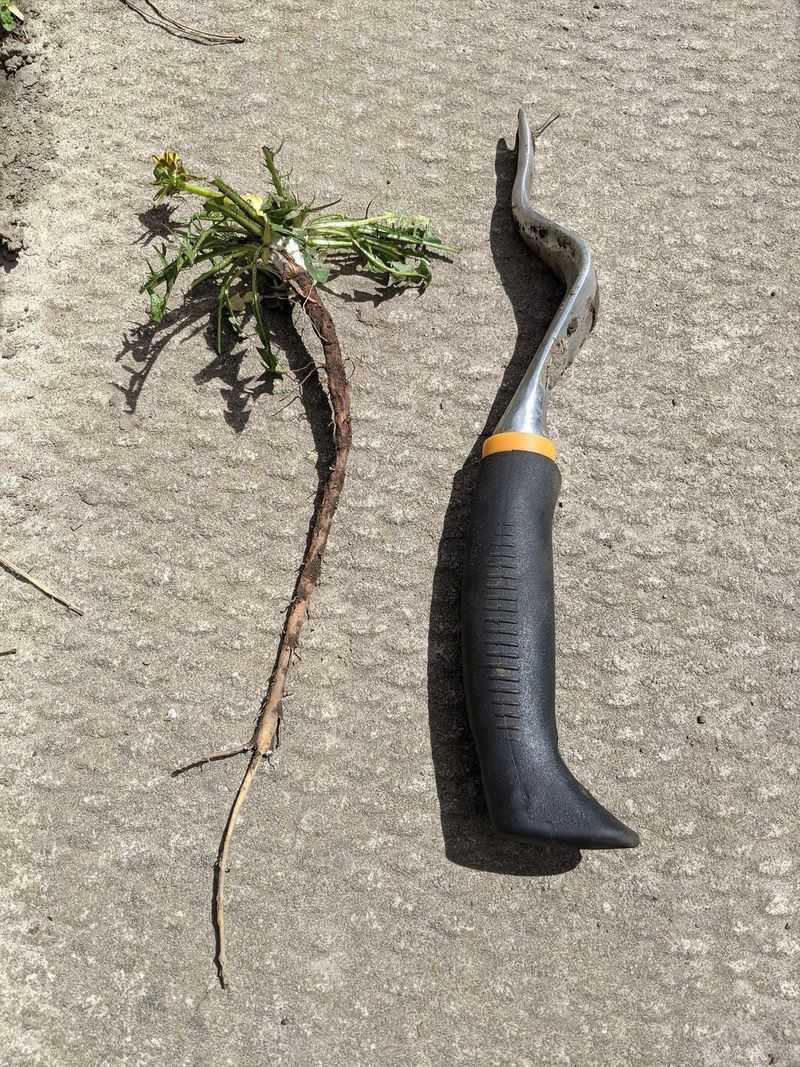
Underneath every cheerful yellow bloom sits a root that acts like a pantry, packed with stored sugars and starches. That stored food lets the plant bounce back quickly after mowing, pulling, or a rough stretch of weather.
University extension sources report that dandelion taproots often reach 10 inches deep, and some grow much longer. In loose, rich soil, the root can stretch down further than most garden trowels can comfortably reach.
The plant also has a clever growing point called the crown, sitting right at or just below ground level. New leaves and flower stems form there, which explains why mowing alone rarely slows these weeds down much.
Fun fact for your next garden chat, the name comes from the French phrase dent de lion, meaning lion’s tooth. That nickname points to the jagged leaf edges, which do look a bit like rows of tiny teeth.
Another reason these plants hang on is their ability to make seeds without needing pollination from other flowers. A single plant can produce hundreds or even thousands of fluffy seeds that ride the breeze across neighborhoods.
When you combine a deep pantry root with wind-powered seeds, you get a plant built for staying power. Honestly, you have to admire the design, even while you grumble about it on your hands and knees.
Knowing how this root works is the first step toward outsmarting it instead of feeding its comeback story. Every inch you remove means less stored energy left behind for the plant to use next season.
Fall Is Your Best Window For Real Control
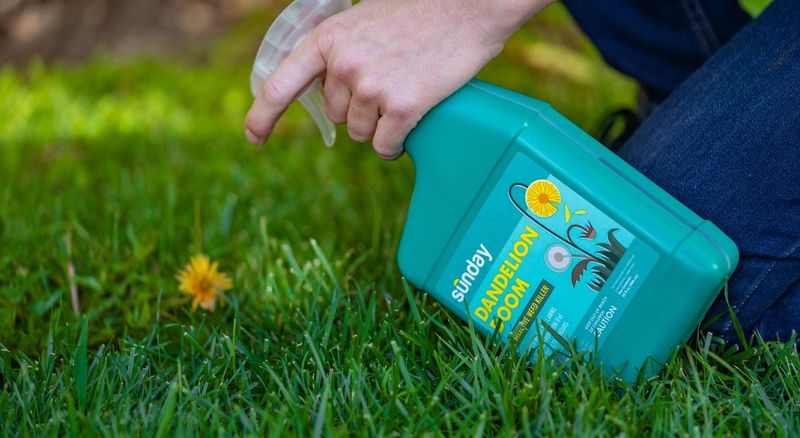
Crunchy leaves and cooler mornings signal more than sweater weather, because they mark a turning point for lawn weeds. During fall, perennial weeds like dandelions move sugars from their leaves down into their roots for winter.
Extension specialists at schools like Purdue and Penn State point out that this downward flow matters for control. Weed treatments applied in early to mid fall tend to travel along with those sugars into the root.
That makes October treatments more effective than spring sprays for many gardeners who choose to use herbicides. If you go that route, read the label carefully and follow every direction about temperature and timing.
Gardeners who prefer to skip chemicals still benefit, since autumn rain often leaves the soil soft and easy to dig. Moist ground lets a long taproot slide out in one piece instead of snapping off halfway down.
Try weeding the day after a good soaking, when the earth smells fresh and feels almost spongy underfoot. Dry, compacted soil grips roots tightly, which raises the odds of leaving broken pieces behind to regrow.
Fall weeding also stops young rosettes before they settle in, since many seedlings sprout during cool autumn weeks. Small plants have shorter roots, so pulling them now takes far less effort than waiting until next year.
Plan your weeding sessions before the ground freezes, because frozen soil makes clean root removal nearly impossible. A few cozy afternoons in the yard this month can save you plenty of frustration down the road.
You Need The Right Digging Tool For The Job
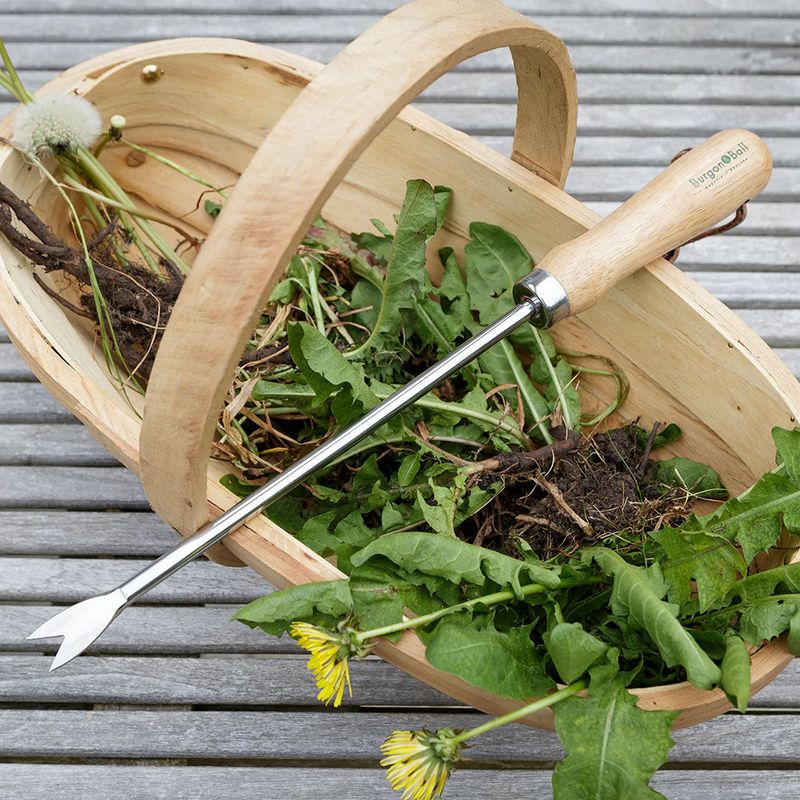
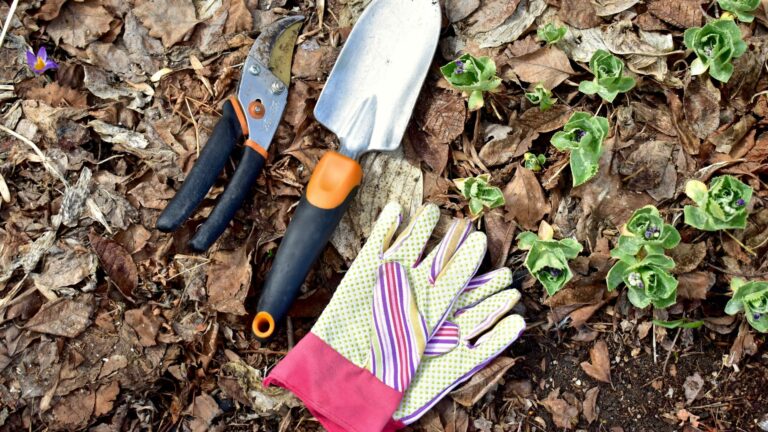
My grandfather swore by an old forked weeder with a wooden handle worn smooth from decades of use. He was onto something, because the right tool makes removing the whole root far easier than bare hands.
A long, narrow weeder with a notched tip slides alongside the taproot and pries it up gently. Stand-up weeders with claw feet are another option, and your knees and back will appreciate the break.
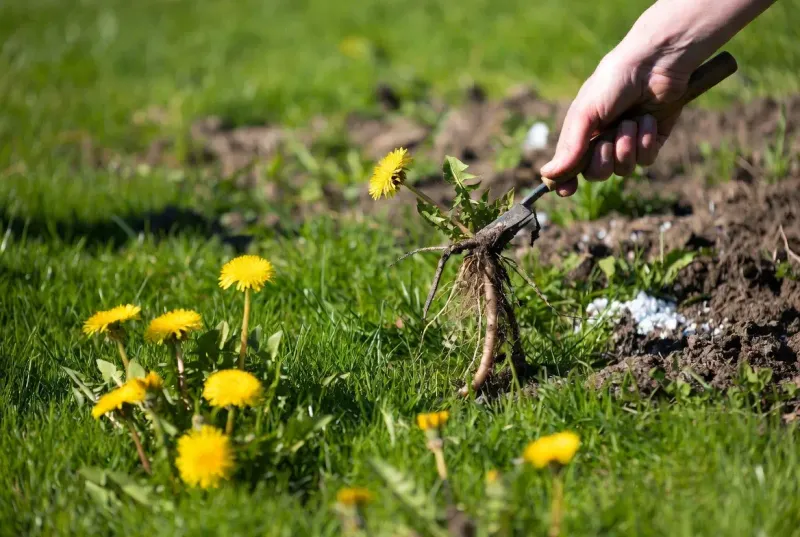
Start by pushing the tool straight down beside the plant, aiming for several inches of depth if possible. Rock the handle back slowly to loosen the soil, then lift the plant while holding its leaves together.
Check the bottom of the root once it comes free, looking for a tapered tip instead of a clean break. A blunt, snapped end means some root remains, so dig a little more or mark the spot.
Keep an eye on marked spots over the next few weeks, since any regrowth will show up as fresh leaves. Removing those new leaves repeatedly can wear down the stored energy in the leftover root over time.
After pulling, fill the hole with a handful of soil and a pinch of grass seed right away. Open dirt invites new weeds, while quick patching helps your lawn close the gap before winter arrives.
Toss pulled plants with seed heads into the trash rather than the compost pile, just to stay safe. Home compost often does not get hot enough to stop every seed from sprouting later in your beds.
A Thick Lawn Does The Hard Work For You
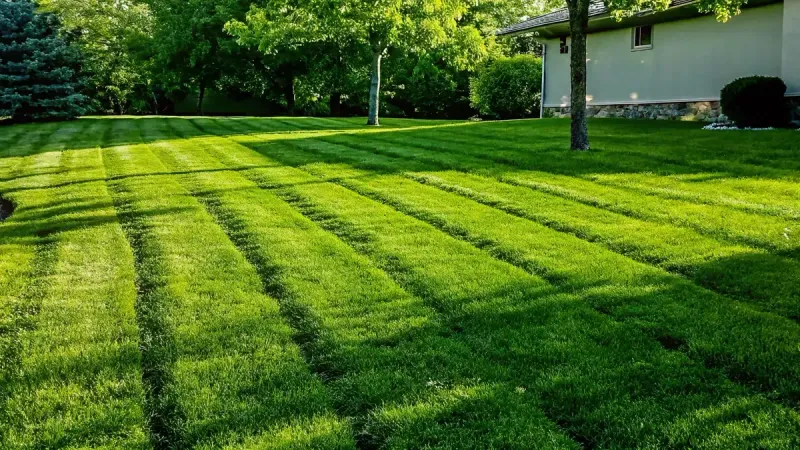
Grass can be your quiet bodyguard, crowding out weeds before they ever get a chance to take hold. Extension experts agree that a dense, healthy lawn is one of the best long-term defenses against dandelions.
Thin turf lets sunlight hit the soil surface, which gives windblown weed seeds the warmth they need to sprout. Thick grass shades that surface, so fewer seeds manage to germinate and grow into stubborn new plants.
Early fall is the best time for overseeding cool-season lawns like tall fescue, Kentucky bluegrass, and perennial ryegrass. Northern lawns do best when seeded at least six weeks before the first frost, while milder regions can often seed well into October.
Mowing height matters too, and many university guides suggest keeping cool-season grass around three inches tall. Taller blades shade the soil better, while scalping the lawn short opens the door for sun-loving weeds.
A fall feeding is another helpful habit, since cool-season grasses use those nutrients to build stronger roots. A soil test from your local extension office can show exactly what your lawn needs before you spread anything.
Compacted soil also favors dandelions, because their tough taproots push through hard ground better than shallow grass roots. Core aeration in fall loosens things up, letting air, water, and nutrients reach the grass more easily.
I like to think of a thick lawn as a crowded bus with no empty seats left for troublemakers. The more space your grass fills, the less room remains for weeds to sneak in and settle down.
Your Spring Lawn Will Thank You For Acting Now
Come spring, your yard will tell the story of what you did this fall, one yellow bloom at a time. Gardeners who remove whole roots and thicken their turf now often notice fewer flowers popping up next year.
Results usually build gradually, because seeds already resting in the soil can keep sprouting for a few seasons. Patience pays off here, so try not to judge your progress by the first warm week of the year.
A simple habit helps a lot, which is walking the yard each week with a weeder tucked in your pocket. Catching small plants early keeps their roots short and stops flowers from turning into puffy seed heads.
If seed heads do appear, snip them off before the fluff takes flight across your yard and garden beds. Fewer seeds released today means fewer seedlings to chase later, which makes your future weekends much more relaxing.
Some homeowners decide to let a few dandelions stay, since early blooms offer food for bees and other pollinators. The leaves are also edible, and many people toss young greens into salads for a pleasantly bitter bite.
Only harvest from areas free of chemical treatments, pet traffic, and roadside runoff to keep things safe. Finding a balance that fits your yard and your goals is part of the fun of gardening.
The biggest lesson is simple, so dig deep, fill the gaps, and give your grass every advantage possible. Your future self, sipping coffee while admiring a tidier lawn next spring, will be very glad you did.