Want Privacy Fast? These Virginia Plants Practically Grow Themselves
Your backyard shouldn’t feel like a fishbowl. Nosy neighbors, busy roads, and wide-open sightlines can turn a peaceful patio into a stage.
A fence costs a small fortune and rarely looks as inviting as a wall of living green. The right plants can do the same job for a fraction of the price.
Plenty of tough options handle Virginia’s hot summers, chilly winters, and stubborn clay with little fuss. Some are native shrubs that birds adore, while others are speedy evergreens that shoot skyward fast.
A few even bring sweet scents, bright berries, or glossy leaves to the party. One wildly popular pick, though, can turn into an expensive headache down the road.
Fall is prime planting time, so roots settle in before winter and growth takes off in spring. These smart choices can turn your yard into a cozy, private retreat.
1. American Holly Brings Year-Round Green And Bright Winter Berries
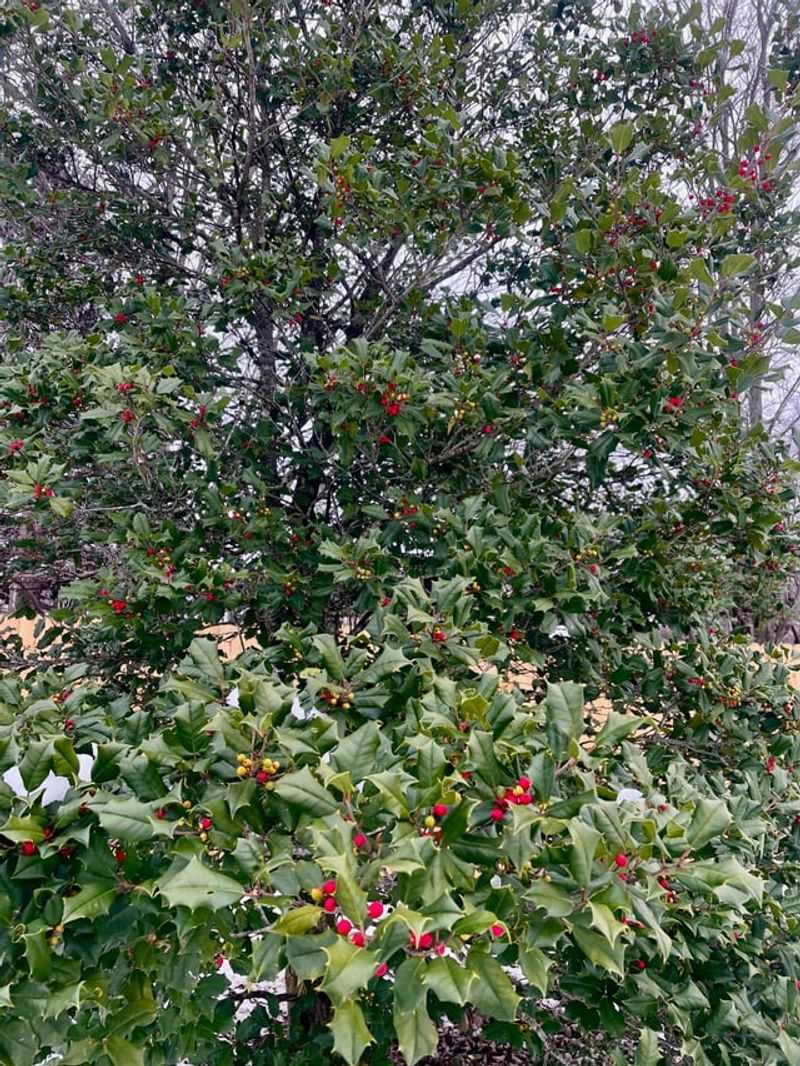
Picture a snowy December morning with cardinals perched among glossy leaves and bright red berries. American holly makes that scene happen in your own yard.
Known as Ilex opaca, this tree grows wild across the Coastal Plain of Virginia. Its dark, leathery leaves have spiny edges that stay green through every season.
Patience pays off with this native beauty, since it adds roughly one foot of height per year. Over time, it reaches 15 to 40 feet tall and 10 to 20 feet wide.
The natural pyramid shape fills in thick from top to bottom. Those prickly leaves also discourage people and animals from pushing through your screen.
Berries appear only on female plants, and they need a male nearby for pollination. A good rule is one male holly for every two or three females.
Birds love snacking on the fruit through the colder months. You get a living bird feeder and a privacy wall in one handy package.
Plant your holly in full sun or partial shade for the best growth. Moist, well-drained soil that leans slightly acidic keeps it happy and healthy.
Young trees need shelter from harsh, drying winter winds during their first few years. A burlap wrap or a spot near a building can help a lot.
Deer usually leave American holly alone, which saves you plenty of frustration. It also handles city pollution well, making it a smart pick near busy streets.
Fun fact: holly wood is so pale it was once used for piano keys. Your hedge has a surprisingly musical history.
2. Eastern Red Cedar Shrugs Off Drought, Wind, And Poor Soil
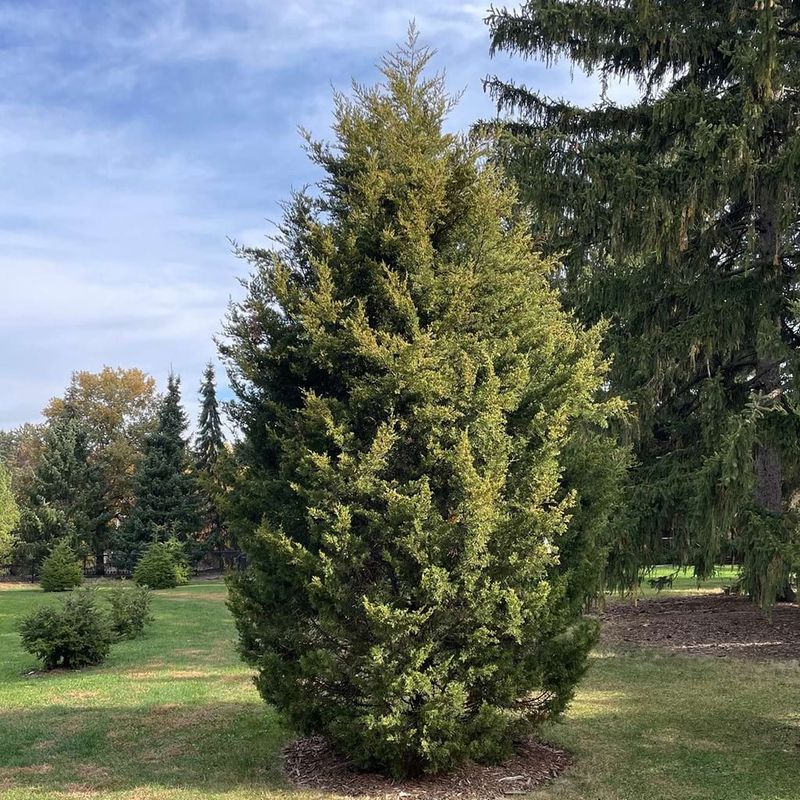
Some plants sulk when life gets rough, but Eastern red cedar barely notices. Drive any Virginia back road and you will spot it thriving in rocky fields.
Scientists call it Juniperus virginiana, and the name itself honors the Old Dominion. It grows naturally in nearly every region of the state.
Poor, dry, rocky soil suits this tough evergreen just fine. Heavy clay and alkaline ground rarely slow it down.
Just skip spots where water sits after rain, since soggy roots are its one real weakness.
Your Virginia Garden Changes Every Week. Your Plan Should Too.
Gardening in Virginia changes quickly throughout the season. Every Friday you’ll receive a simple weekly plan showing exactly what to plant, prune, fertilize, harvest, and protect so you never miss the right timing.
Growth runs medium to fast, usually one to two feet each year. In ideal spots, it can stretch even more during a good season.
Mature trees reach 30 to 65 feet tall and 8 to 25 feet wide. The shape stays conical, so it works beautifully as a windbreak or tall screen.
Summer foliage looks gray-green to blue-green and feels soft and scaly. In winter, it often takes on a bronze or rusty tint.
Gardeners near the coast appreciate its salt tolerance and resistance to air pollution. Road salt and ocean breezes are not a big problem for this cedar.
The small blue berries feed cedar waxwings, bluebirds, and many other creatures. Planting a few trees turns your yard into a winter wildlife diner.
Here is a helpful tip for apple growers in your neighborhood. Cedar can host cedar-apple rust, so give fruit trees some distance when possible.
Plant cedars about eight to ten feet apart for a solid screen. Give them sun, and they will handle the rest with very little help.
3. Southern Wax Myrtle Shoots Up Fast And Smells Amazing
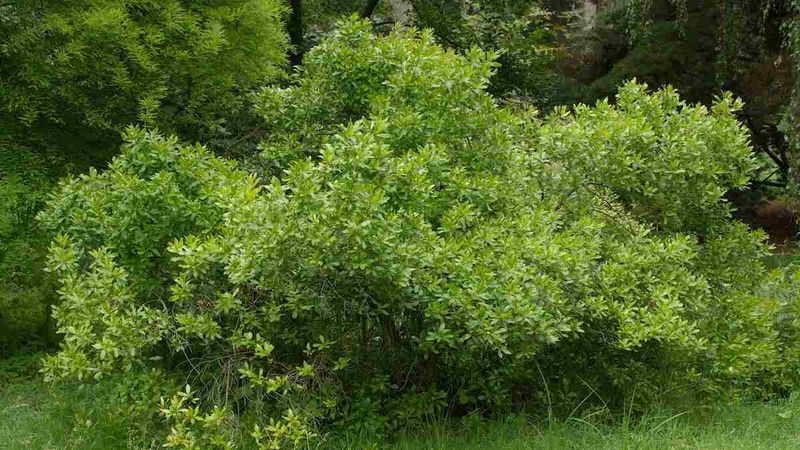
Crush a single leaf between your fingers, and a fresh, spicy scent fills the air. Colonial families once boiled the berries to make fragrant bayberry candles.
Southern wax myrtle, or Morella cerifera, grows wild across the Virginia Coastal Plain. Its light olive leaves shine in the sun and stay green year-round.
Speed is the big selling point here. Most shrubs add two to three feet each year, and some jump five feet in a season.
At maturity, expect a height of 10 to 20 feet and a width of 8 to 15 feet. Regular trimming keeps it smaller if your space is tight.
Soil rarely causes trouble for this flexible native. Sand, clay, wet spots, and occasional dry spells all seem acceptable to it.
Beach homes love it because salt spray and strong wind do little harm. It makes a cheerful buffer along a breezy waterfront lot.
Female plants grow gray-blue, waxy berries in fall and winter. They need a male plant close by for that crop to appear.
Birds like yellow-rumped warblers depend on those waxy berries during cold months. Your hedge quietly becomes a winter survival station for them.
One caution worth sharing: heavy snow and ice can bend the branches. Shake off big snow loads gently to avoid breakage.
For a quick screen, space plants about six feet apart in full sun or light shade. Within two seasons, you will likely have a fragrant green wall.
4. Inkberry Holly Thrives Where Other Shrubs Struggle
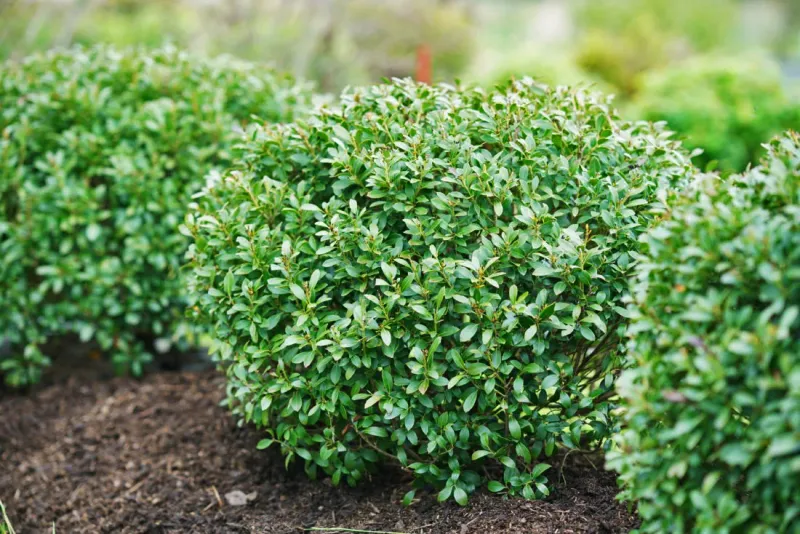
Every yard has that one soggy corner where boxwoods turn yellow and give up. Inkberry holly moves right in and makes itself at home.
This native shrub, called Ilex glabra, grows naturally in the Coastal Plain of Virginia. Small, glossy, dark green leaves cover it from top to bottom.
Wet soil and even short floods do not bother it much. It handles full sun and moderate shade, which gives you lots of planting choices.
Growth is slow, so think of it as a long-term friend. Mature shrubs usually stand 5 to 10 feet tall and 5 to 8 feet wide.
That modest size makes it ideal for screening patios, air conditioning units, or low windows. You get privacy without a towering giant blocking the sun.
Female plants produce pea-sized, shiny black berries that hang on through winter. As with other hollies, a male partner nearby is needed for fruit.
Hungry birds rely on these berries when food runs short in late winter. The name comes from the inky color of the fruit, not ink-filled leaves.
Sandy, loamy, or clay soil all work as long as it stays acidic to neutral. Alkaline soil can cause yellow leaves, so test before planting.
Deer and rabbits tend to skip inkberry, and pollution causes few problems. Moderate salt tolerance also helps near roads treated in winter.
Here is a handy tip for lanky older plants. Cutting them back hard in early spring encourages fresh, bushy growth.
5. Thuja ‘Green Giant’ Can Add Feet Of Height Every Year
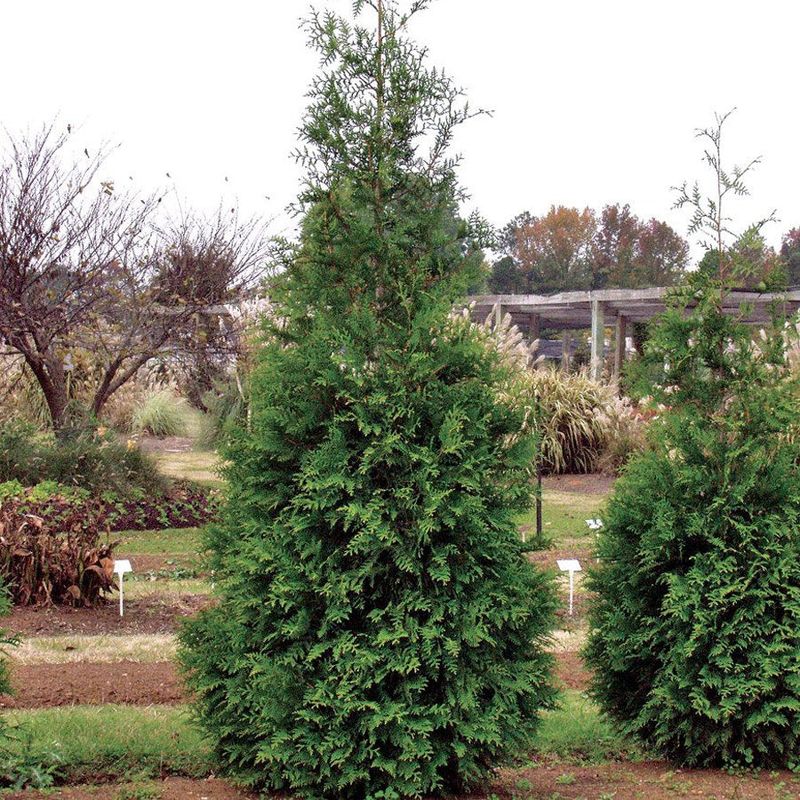
Want a screen that seems to grow while you sleep? Thuja Green Giant earns its name faster than most homeowners expect.
Once settled in, this hybrid evergreen often adds two to three feet of height each year, sometimes more in ideal spots. That kind of speed makes it a favorite across Virginia subdivisions.
Mature trees reach 40 to 60 feet tall and 12 to 20 feet wide. The shape stays neat and pyramid-like without much trimming.
Rich green, scaly foliage holds its color through winter. Some arborvitae turn brown in cold weather, but this one stays fresh.
Sunlight makes a big difference in how full it grows. Full sun produces the thickest foliage, while partial shade leads to a looser look.
Soil can range from sandy to heavy clay, as long as water drains well. Avoid low spots where rain collects for days.
Deer generally leave Green Giant alone, unlike the common American arborvitae they love to munch. Most insects and diseases also pass it by.
Spacing matters more than people think. Plant trees five to eight feet apart for a single row screen.
Remember that these trees get wide at the base. Leave plenty of room from fences, sidewalks, and your house.
During the first two summers, deep watering once or twice a week helps roots spread. After that, the tree mostly takes care of itself.
6. ‘Nellie R. Stevens’ Holly Builds A Dense Wall Of Glossy Leaves
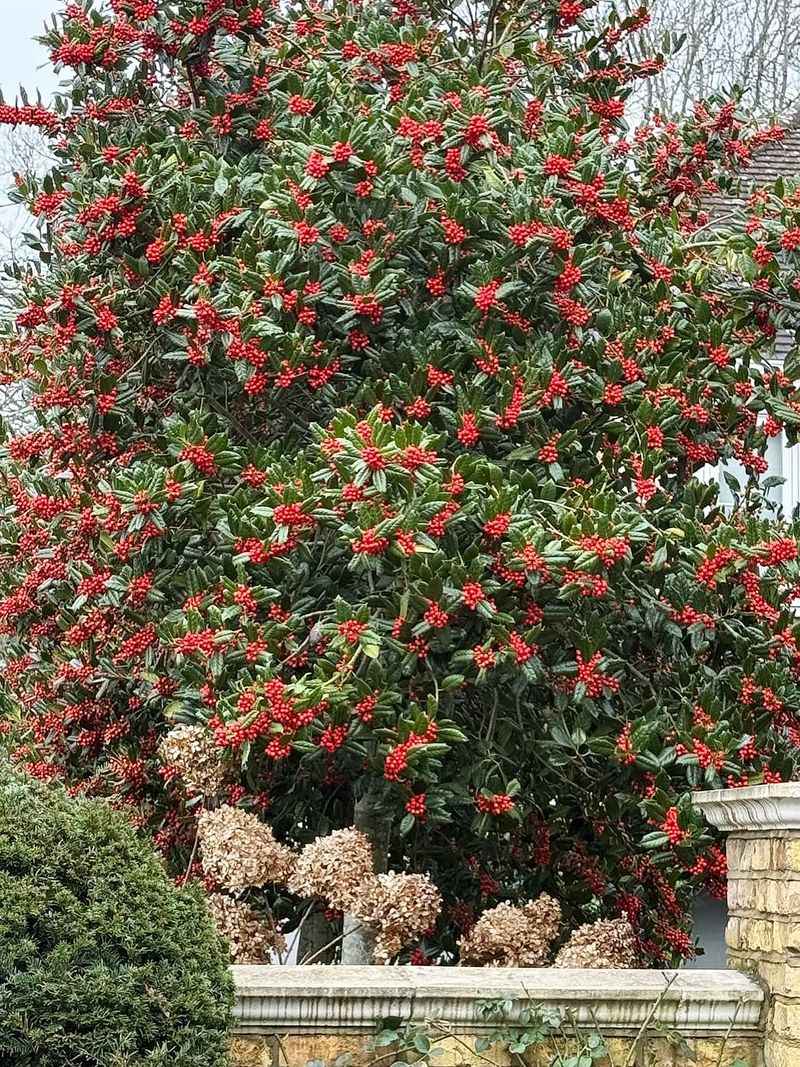
Back in 1900, a woman named Nellie Stevens planted holly seeds in Maryland. One seedling grew into a star that landscapers still praise today.
Nellie R. Stevens holly is a hybrid with shiny, dark green leaves.
Those leaves look polished, almost like someone waxed them by hand.
For a holly, it grows surprisingly fast. Healthy plants often add two to three feet in a single year.
Mature size lands around 15 to 30 feet tall and 8 to 15 feet wide. The natural cone shape fills in thick, creating a true living wall.
Bright red berries cover the branches in fall and stay through winter. Remarkably, this female holly often sets fruit without a nearby male.
Robins and mockingbirds visit for a snack during chilly months. Holiday decorators also love clipping a few berry-filled branches for wreaths.
Full sun to partial shade works well for this tough shrub. It adapts to many soils, including the red clay found across the Piedmont.
After the first year or two, it handles dry spells with ease. Light pruning in late winter keeps the shape tidy and dense.
Plant shrubs about six to eight feet apart for a seamless screen. Closer spacing fills gaps faster but may need more trimming later.
Spiny leaf tips make this hedge a natural security guard. Few people want to push through a wall of prickly leaves.
7. ‘Little Gem’ Magnolia Gives You Privacy With Fragrant Blooms
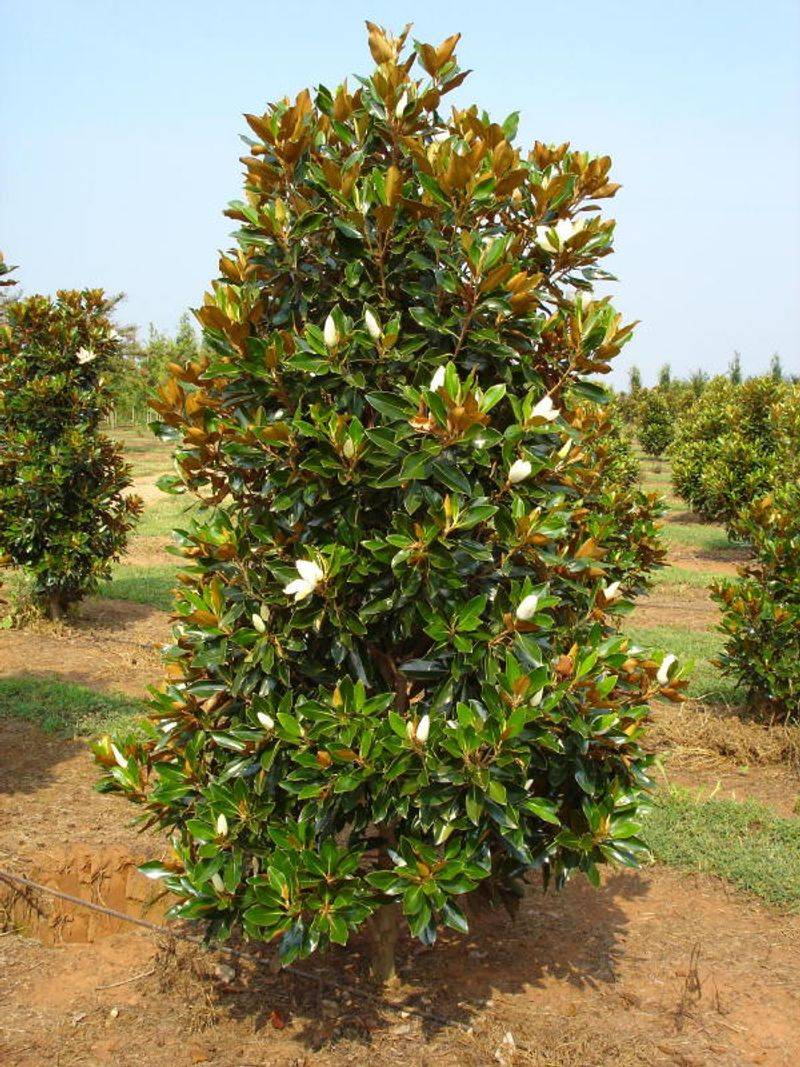
Imagine sitting on your porch in June, with a lemony perfume drifting across the yard. Little Gem magnolia delivers that dreamy moment along with solid privacy.
This compact form of the classic Southern magnolia stays much smaller than its giant parent. It usually reaches 15 to 25 feet tall and only 8 to 12 feet wide.
Glossy, dark green leaves stay on the tree all year. Flip one over, and you will find a soft, rusty-brown underside.
Growth runs slow to moderate, about one to two feet per season. Still, it makes up for that pace by blooming at a young age.
Big, creamy white flowers appear from late spring into summer. Scattered blooms sometimes keep popping up into early fall.
The upright, narrow shape fits nicely in tight side yards. Townhouse owners love it because it screens without eating up space.
Plant it in full sun or partial shade for steady flowering. Slightly acidic, well-drained soil keeps the roots healthy and strong.
Once established, it handles moderate dry spells with little trouble. Mulching around the base helps hold moisture during hot summers.
Fallen leaves can be a small chore, since magnolias shed some old foliage. Raking a few times a year keeps things looking neat.
For a softer screen, space trees about eight feet apart. The mix of blooms and greenery makes it a standout in any landscape.
8. Switchgrass Builds A Living Fence In Just A Few Summers
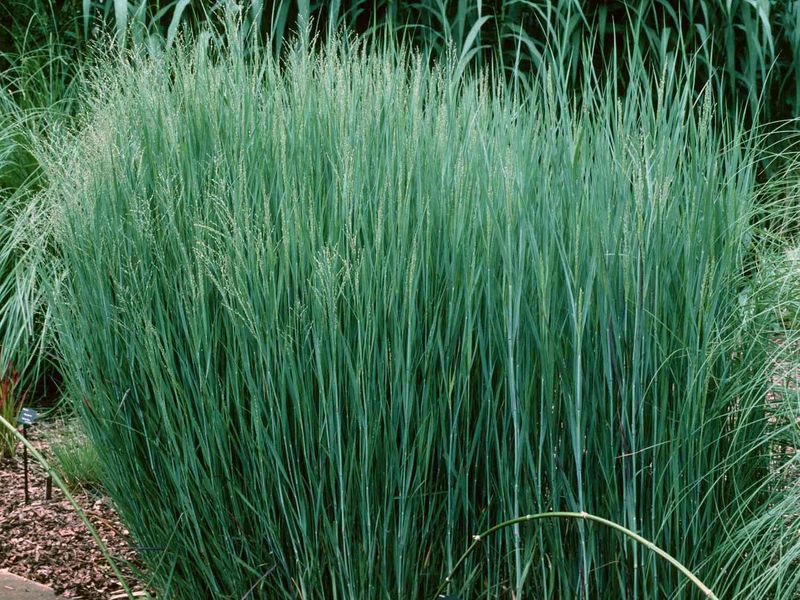
Plant switchgrass in spring, and by August you’ll see a green curtain starting to rise. Give it two or three summers, and it’ll fill in thick and tall.
Few privacy plants work this quickly.
Panicum virgatum is a native warm-season grass found across the Piedmont and Coastal Plain. Its clumps grow thick and upright, standing three to eight feet tall.
Each clump spreads about one and a half to five feet wide. Planting them in a line creates a soft, swaying fence.
Color changes give it a fresh look through the seasons. Summer green turns golden, yellow, or reddish-purple when fall arrives.
Tan plumes hang on through winter, so your screen does not vanish in cold months. Just cut the clumps back to a few inches in late winter.
Full sun is a must for strong, upright growth. Shade causes floppy stems that lean and sprawl.
Dry, sandy, clay, or occasionally soggy soil all suit this flexible grass. After the first season, it shrugs off drought with ease.
Deep roots help hold soil in place on slopes. Homeowners with erosion problems get a two-for-one benefit.
Wildlife adores switchgrass too. Birds eat the seeds, small mammals hide inside, and certain skipper butterflies lay eggs on the leaves.
Try cultivars like Northwind or Heavy Metal for upright, sturdy stems. Space plants about two to three feet apart for a full look.
A Mixed Hedge Beats One Long Row Every Time
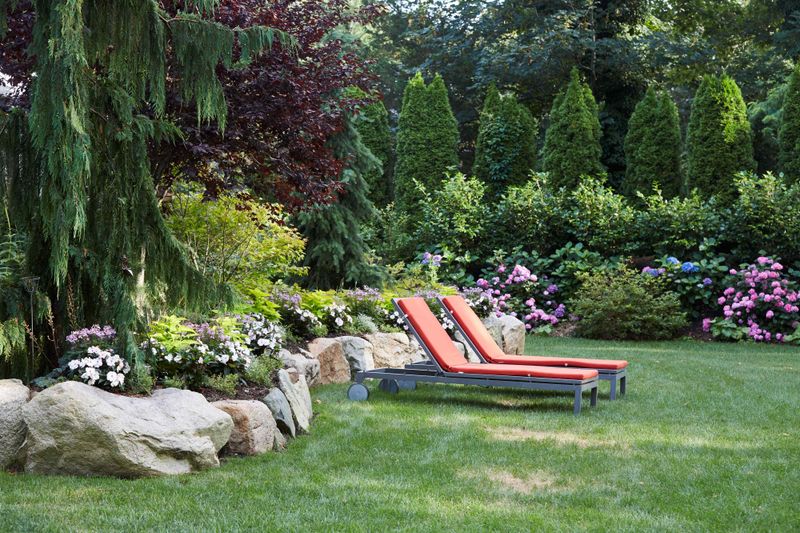
Think of a hedge like an investment portfolio. Putting everything into one plant is risky, while mixing several spreads out the danger.
Single-species rows look tidy at first glance. Yet one disease or pest can sweep down the line and wreck the whole screen.
Mixed plantings hold up much better against those troubles. If one shrub struggles, its neighbors keep your privacy intact.
Variety also brings fun to your yard throughout the year. Spring blooms, summer scents, fall berries, and winter color can all show up together.
Wildlife benefits in a big way too. Different plants offer nesting spots, shelter, and food for birds, bees, and small animals.
Layering heights adds even more screening power. Try tall cedars in back, hollies in the middle, and switchgrass or inkberry up front.
A staggered zigzag layout fills gaps faster than a straight line. It also looks more natural, like a hedgerow along a country lane.
Layered greenery muffles traffic noise and slows strong winds. Homes near busy roads often notice a quieter backyard.
Maintenance usually gets easier with this approach. Informal hedges need less precise shearing than a perfectly trimmed wall.
Start by choosing three to five plants that share similar sun and soil needs. Repeat them in small groups so the hedge looks planned, not random.
Leyland Cypress Looks Tempting, But It’s A Costly Mistake
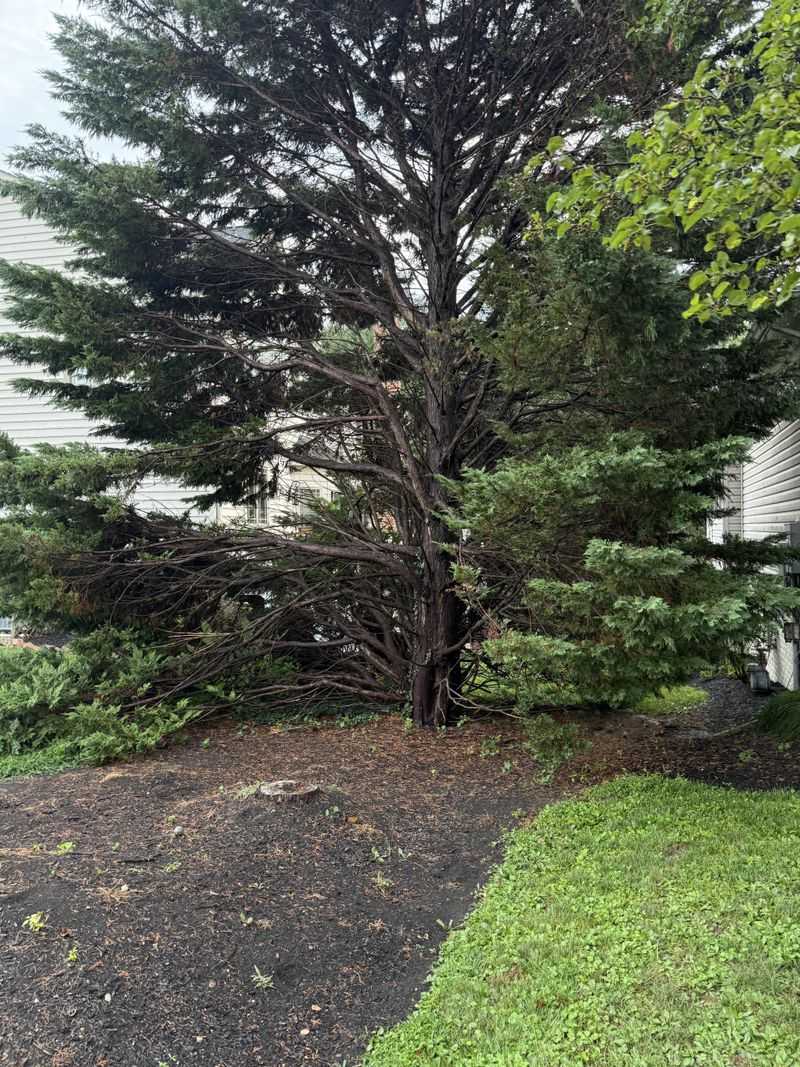
Garden centers love selling Leyland cypress, and the reason is easy to see. Small, cheap trees promise a tall green wall in just a few years.
The trouble starts once those trees keep growing. Leylands can reach 40 to 75 feet tall and up to 20 feet wide.
That size quickly overwhelms most yards in Virginia. Branches crowd driveways, rub against roofs, and tangle with power lines.
Keeping them in check takes constant, heavy pruning. Cut into bare brown wood, and those spots will not grow back.
Disease is an even bigger worry. Seiridium and Botryosphaeria cankers turn branches brown and often spread down the whole row.
Stress from drought, crowding, or poor planting makes those problems worse. Chemical treatments rarely fix the damage once it takes hold.
Soggy soil invites root rot, another common issue in clay-heavy yards. Trees can decline fast when roots sit in water.
Lifespan is also short, often only 20 to 30 years. Removing and replacing a long row of tall trees can cost thousands of dollars.
Nursery shearing sometimes creates multiple trunks on young trees. Heavy snow or ice can then split them apart during winter storms.
Skip the headache and choose Green Giant, Nellie Stevens, or native cedar instead. Your future self and your wallet will thank you.