What Temperature Gets Rid Of Cabbage Worms? Indiana Gardeners Are Asking As Fall Brassicas Get Chewed
Last week I found a bright green visitor napping on a frosty leaf, still munching by lunchtime. A light Indiana frost had silvered the whole garden, yet that little chewer acted like nothing happened.
I believed cold mornings would send these pests packing, so I waited for the weather to handle my problem. The holes in my fall crops kept growing, and green droppings piled up like tiny pepper flakes.
You’re in for a surprise if you trust a chilly night to clean up the garden for you. Many of these soft little eaters shrug off frost that turns our noses pink and our fingers stiff.
Gardeners across Indiana often ask the same question each October, and it pops up at garden centers too. I can’t blame anyone for wondering, because watching your hard work turn into lace feels pretty rotten.
Experts have a rough number for how cold it needs to get, and it is lower than expected. So how frosty does your garden need to be before those green munchers finally pack up for the year?
A Hard Freeze In The Mid 20s Is Usually Needed
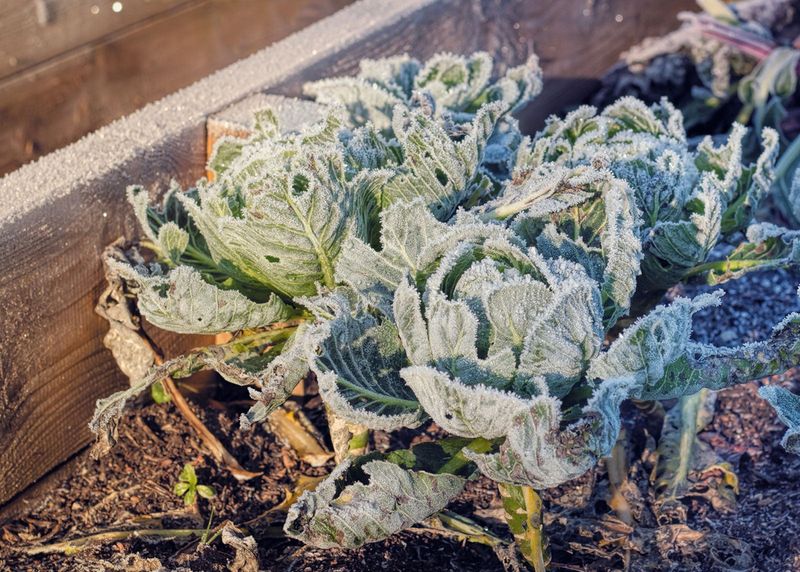
Frost on the lawn looks dramatic, but most cabbage worms can handle a light frost without much trouble. Gardeners generally see the worms disappear only after a hard freeze, with temperatures in the mid 20s or lower.
A hard freeze usually means several hours at or below about 28 degrees Fahrenheit, and cabbage worms often need it to drop into the mid 20s or lower before they die off. Brief cold snaps near 30 degrees often slow the caterpillars, yet many of them bounce back on sunny afternoons.
There is honest uncertainty here, because no single magic temperature removes every larva in every garden. Leaf cover, wind, soil warmth, and the age of each caterpillar all change how well they handle the cold.
Larger caterpillars tucked deep inside a broccoli head or cabbage core stay warmer than ones on outer leaves. Dense plants act like a cozy blanket, holding a little ground heat through the coldest part of the night.
In much of Indiana, temperatures in the low 20s often show up in November rather than early October. That gap gives hungry larvae several extra weeks to chew holes in your kale, collards, and Brussels sprouts.
Waiting for the thermometer to do your work can cost you a lot of tender leaves this fall. Brassicas themselves often tolerate the cold better than you might expect, so the plants usually outlast the pests.
Keep a simple outdoor thermometer near your garden bed and check it on clear, still mornings this month. Those readings tell you more about your own yard than any regional forecast on the evening news.
Velvety Green Caterpillars Hiding Under Broccoli Leaves
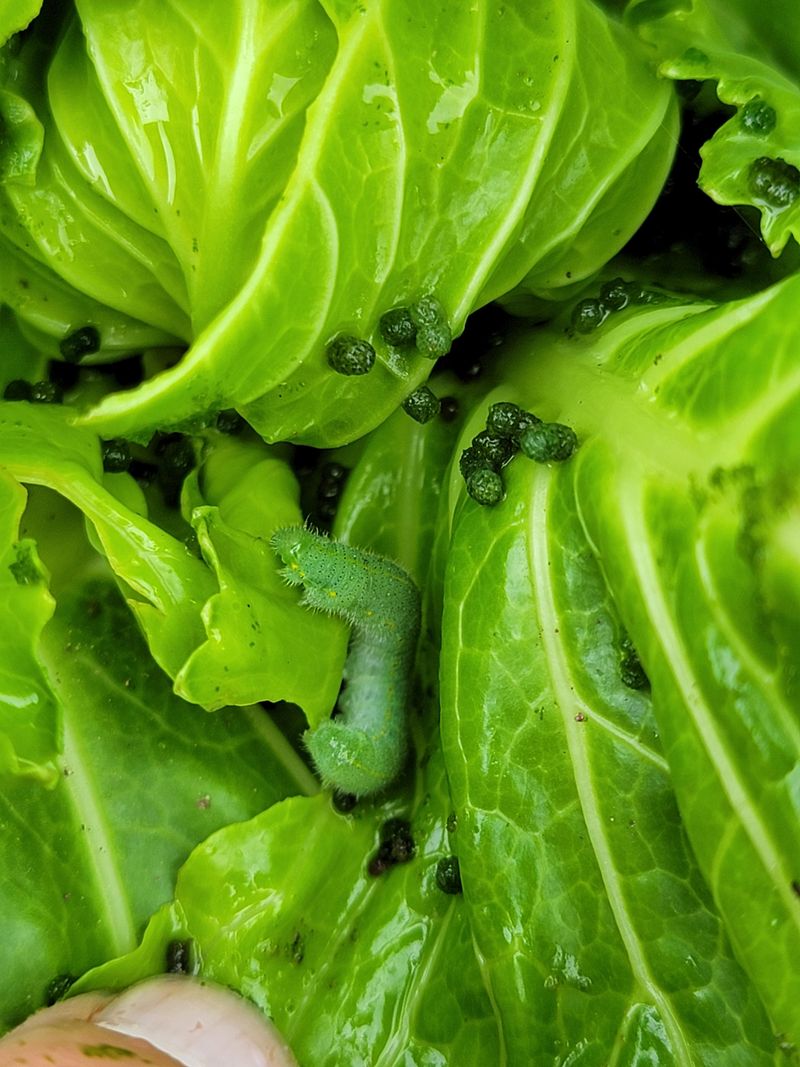
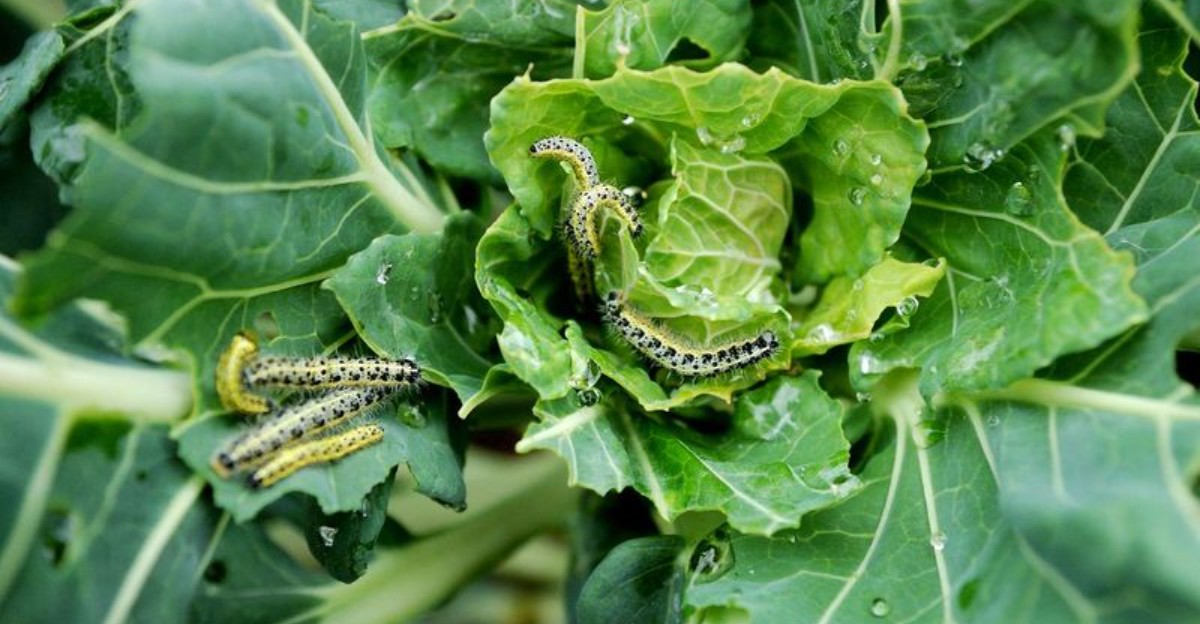
Spotting one feels like a game of hide and seek, because the imported cabbageworm matches leaf color almost perfectly. Its body is soft, velvety, and pale green, often with a faint yellow stripe running down its back.
Your Indiana Garden Changes Every Week. Your Plan Should Too.
Gardening in Indiana changes quickly throughout the season. Every Friday you’ll receive a simple weekly plan showing exactly what to plant, prune, fertilize, harvest, and protect so you never miss the right timing.
Fully grown larvae reach about an inch long, and they move slowly when you nudge them with a finger. Most of the time they rest along the midrib on the underside of leaves, right where shadows hide them.
Their parents are the small white butterflies you probably noticed fluttering over the garden on warm afternoons. Each female lays single yellowish eggs on leaves, and those eggs hatch into hungry larvae within about a week.
Purdue Extension notes that several generations can appear in Indiana each year, so fall plantings often get hit hard. Two other caterpillars, the cabbage looper and diamondback moth larva, sometimes join the party on the same plants.
Loopers arch their backs like tiny inchworms, while diamondback larvae wiggle wildly and drop on silk threads. Knowing who you are dealing with helps, since loopers migrate in from the south each year and generally don’t survive Midwest winters.
The easiest clue is often the droppings, which look like dark green crumbs scattered across lower leaves. Ragged, irregular holes in the leaves, often alongside dark green droppings, point toward these sneaky chewers.
Flip a few leaves every couple of days, and pick off any caterpillars you find into soapy water. Hand picking takes only minutes in a small bed, and it feels oddly satisfying on a crisp morning.
Chilly Nights Barely Slow These Caterpillars Down
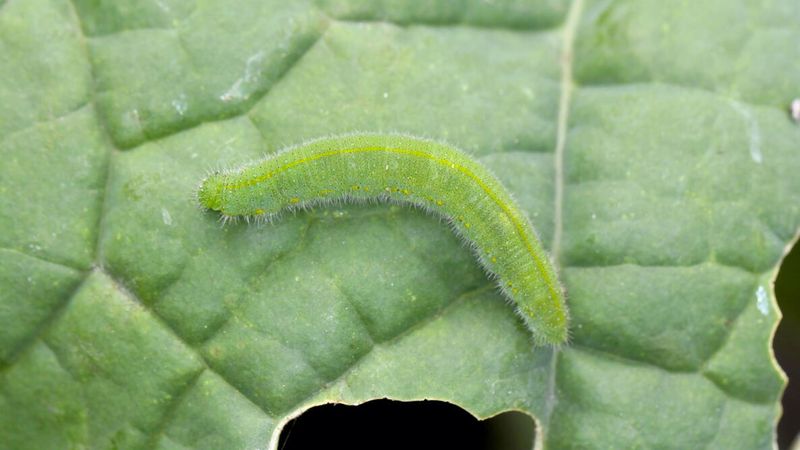
Cold-blooded creatures run on outside heat, so a 35 degree night simply turns their engines down a notch. Once the sun warms the leaves by midmorning, the caterpillars wake up and start eating again.
Feeding slows in cool weather, which is why damage seems to pause for a day and then suddenly return. Growth also stretches out, so a caterpillar that matured in two weeks might take a month in October.
That slower pace sounds helpful, yet it also means larvae stick around longer on your fall greens. Sunny October afternoons in Indiana can climb into the 60s, giving them plenty of comfortable snacking time.
Frost also affects the plants differently than the pests, which surprises a lot of first-time fall gardeners. Kale and collards actually get sweeter after frost, because the plants convert some starch into natural sugars.
Sadly, those sweeter leaves taste just as good to a hungry caterpillar as they do to you. Brussels sprouts are a common target, since the larvae can crawl between tight sprouts and stay protected.
Watch for fresh droppings after a cold night, because new crumbs mean somebody is still dining on your crop. Older, dry droppings may simply be leftovers from earlier weeks, so brush them away to track new activity.
A quick afternoon scout works best, since caterpillars are more active and easier to spot when leaves warm. Bring a flashlight for checking deep inside heads, and you might find a surprise or two hiding there.
Overwintering Pupae Tucked Into Garden Debris
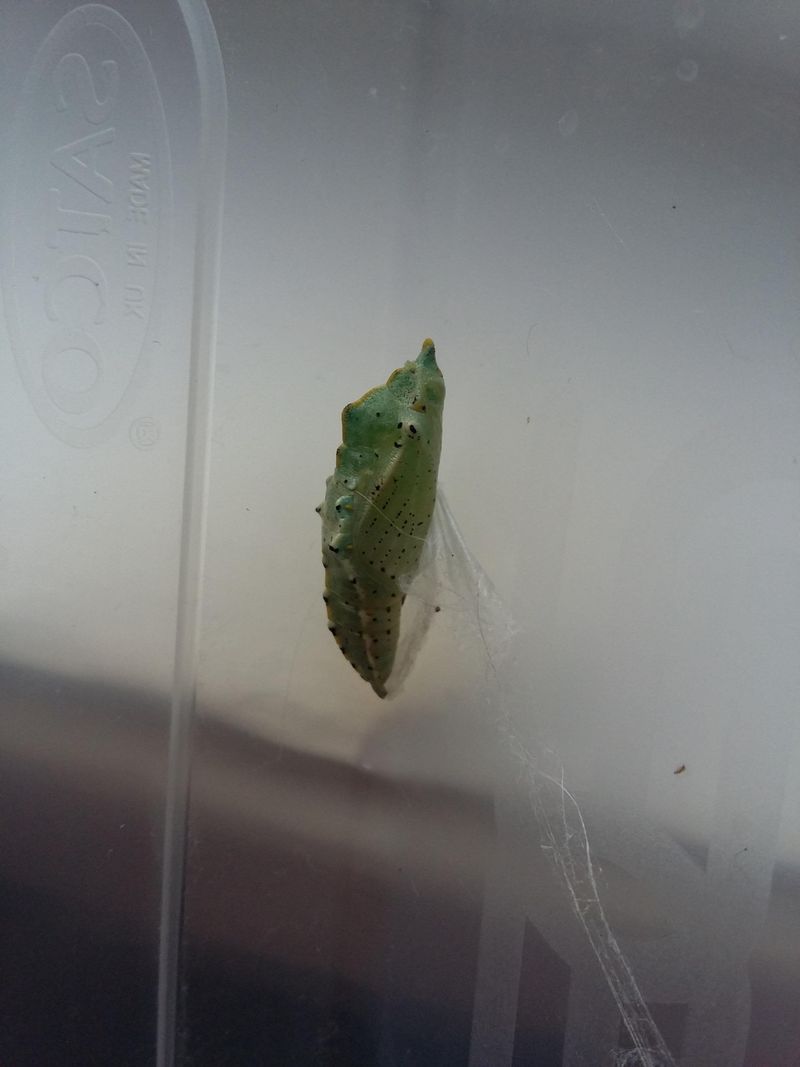
Long after the leaves fall, a sneaky survivor waits quietly in your garden wearing a tough little shell. Imported cabbageworms spend winter as pupae, called chrysalises, which handle freezing weather far better than the caterpillars.
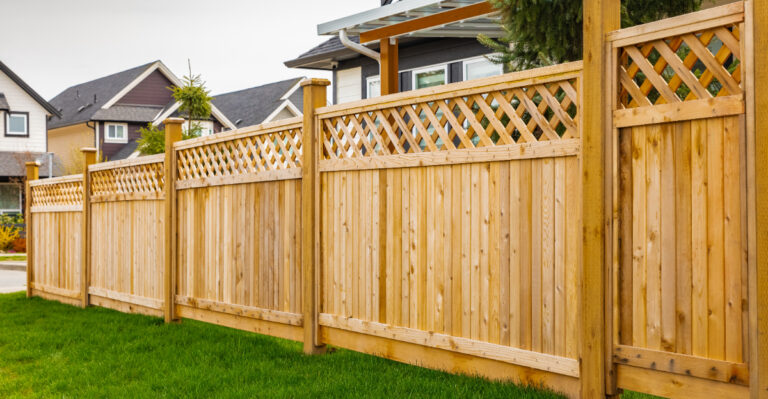
Each chrysalis is about the size of a fingernail, often green or tan, and attached by a silk thread. You might find them on old stems, fence boards, plant stakes, or the underside of a wooden raised bed.
Mature larvae crawl away from the plants to find a sheltered spot before turning into a chrysalis. Leftover broccoli stalks and piles of wilted leaves give them perfect cover through the coldest months in Indiana.
When spring warms up, adult butterflies emerge from those hiding places and start laying eggs right away. That early start is one reason the first spring brassicas can get chewed before you even notice butterflies.
Cleaning up after harvest is one of the simplest ways to reduce next year’s pest pressure. Pull spent brassica plants, chop the stems, and bury them deeply or send them off with yard waste.
Home compost piles often stay too cool in winter to break down pupae, so skip composting infested stalks. Tilling lightly in late fall can also expose hidden pupae to cold air, hungry birds, and drying winds.
Still, leave some leaf litter in other areas of the yard, because many helpful insects overwinter there too. Focus your tidy work on the vegetable bed, and let flower borders stay a little wild for pollinators.
Bt Sprays For Fast Control On Fall Brassicas
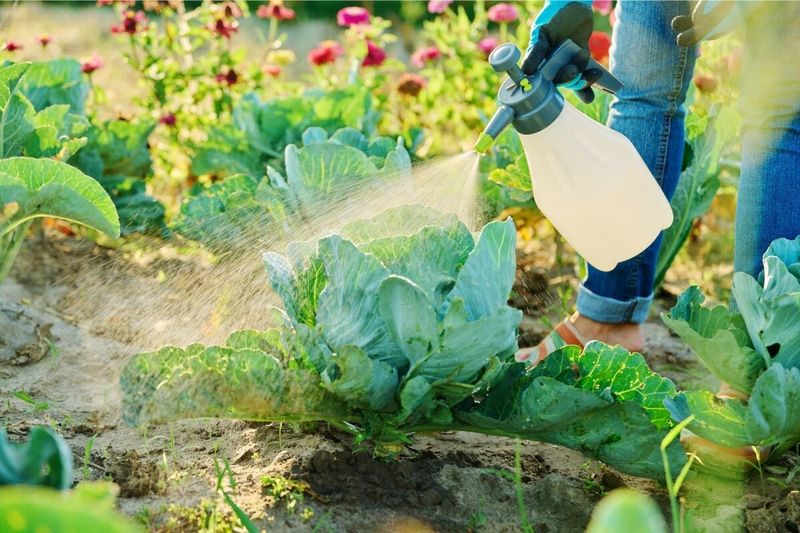
Gardeners have relied on a natural soil bacterium for decades, and it works wonders on leaf-eating caterpillars. Bacillus thuringiensis, usually shortened to Bt, is sold under many brand names at most Indiana garden centers each fall.
The kurstaki strain targets caterpillars, which must eat treated leaves for the product to do its job. After a few bites, the larvae stop feeding within hours, even though they may linger on plants a few days.
Bt is considered low risk for people, pets, bees, and birds, according to university extension guidance and EPA reviews. Ladybugs and other helpful insects are usually unaffected, so the garden’s natural balance mostly stays in place.
Spray thoroughly, and make sure the mist reaches leaf undersides, where the larvae like to hang out. Young caterpillars respond best, so treating early in an infestation gives you the strongest results this fall.
Sunlight breaks Bt down within a few days, so most labels suggest reapplying about once a week. Rain also washes it off, which means a fresh coat after a soggy October storm makes good sense.
Spinosad is another option many extension services recommend, especially when diamondback moth larvae show up too. Spray it in the evening when bees are resting, because it can harm them while still wet.
Read the label carefully, and pay attention to how many days you must wait before harvesting. Most Bt products allow picking the same day, which is handy when frost-sweetened kale looks too good to skip.
Row Covers For A Cleaner Spring Garden
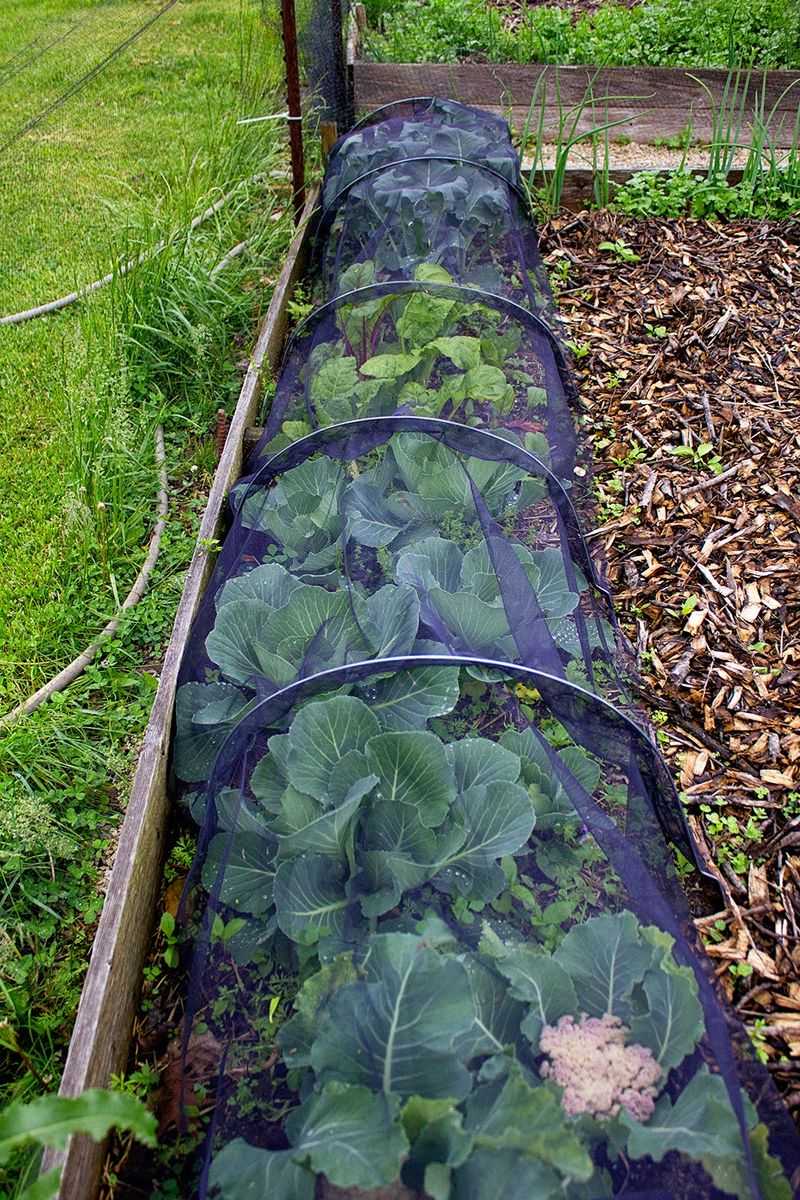
Think of a row cover as a lightweight bug screen that lets sunshine and rain pass right through. Butterflies cannot land on the leaves to lay eggs, so the caterpillar problem mostly stops before it starts.
Late October is a smart time to plan, because next year’s first butterflies may appear by April. Ordering fabric now means you will be ready the moment cool spring transplants go into the garden soil.
Cover new plants right after planting, since an uncovered day can give a butterfly the chance to sneak in. Seal the edges with soil, rocks, or sandbags so no gaps let curious insects crawl underneath on warm days.
Rotate your brassica beds each year, because covering a spot where pupae overwintered can trap emerging butterflies inside. That common mistake turns your protective tent into a cozy nursery, which is the opposite of the goal.
Use wire hoops to hold the fabric above the leaves, giving plants room to grow without rubbing. Cabbage, broccoli, and kale do not need bees for pollination, so you can leave covers on until harvest.
Covers also help this fall, adding a few degrees of frost protection on chilly Indiana nights. Your remaining greens can keep producing a little longer, while late butterflies lose access to the leaves.
Pair covers with good cleanup this autumn, and you will likely notice far fewer holes next season. Few things beat slicing into a spotless head of broccoli and finding nothing green except the broccoli itself.