How To Keep A Rubber Plant Shiny And Dust-Free Through Winter
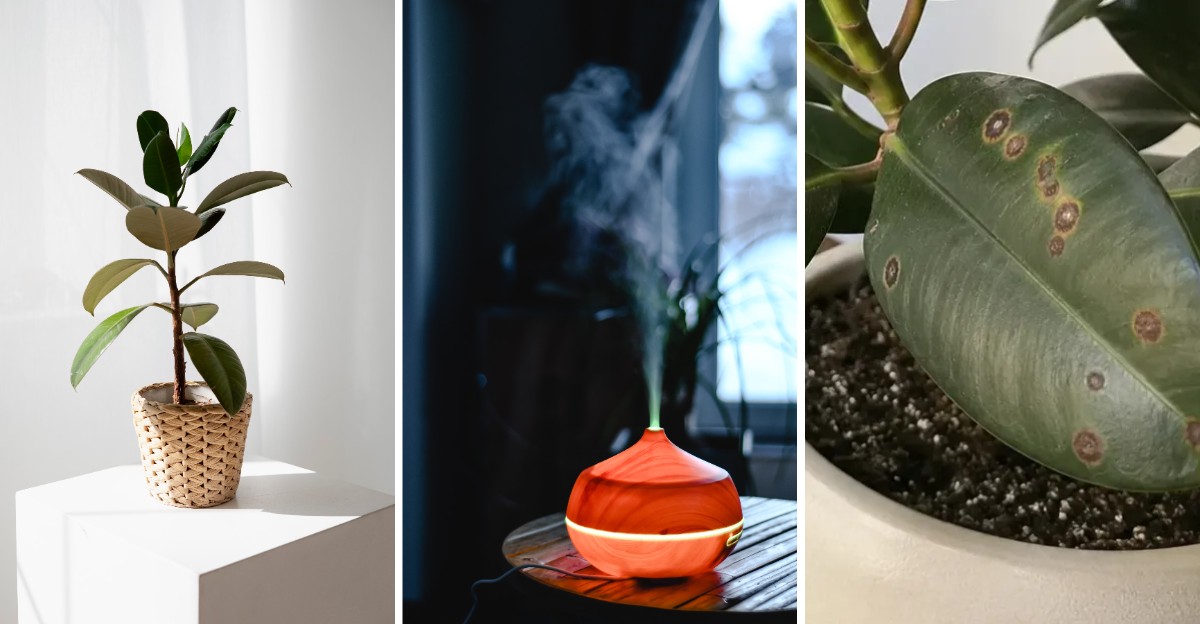
Your glossiest houseplant may be hiding a secret from you. Heaters stir fine dust into the air, and it lands on leaves.
That gray film softens the light your plant uses for energy. Winter sunlight is brief and pale, so you want each ray.
Closed windows keep that dust indoors for months. You can refresh the surface with a damp microfiber cloth.
Support the leaf from below and wipe the top with gentle strokes. Clean leaves absorb light efficiently, so your plant stays healthy through winter.
Visitors may ask whether your glossy foliage is plastic. Some commercial leaf shine sprays attract dust and leave a sticky coating.
Technique matters more than you expect. Hard water may leave marks hiding your shine. Tepid water noticeably improves the finish. Discover the water temperature that makes your leaves shine like freshly polished glass.
1. Wipe Each Leaf With A Damp Microfiber Cloth
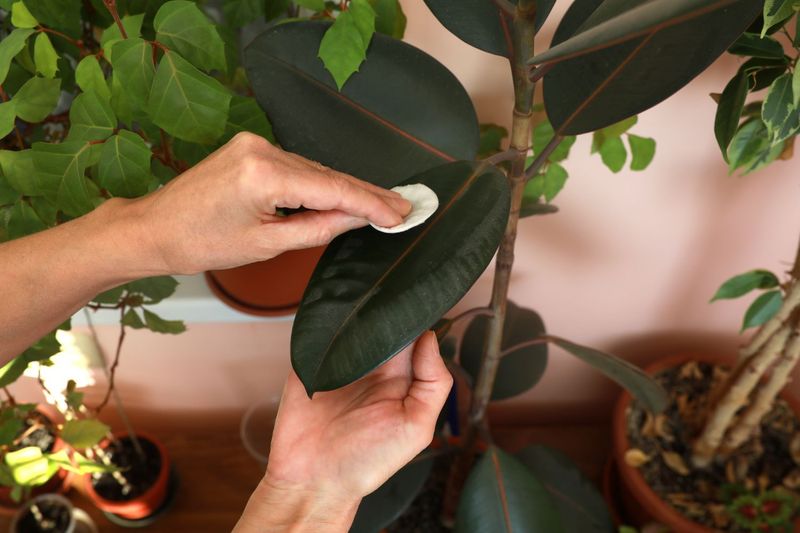
Think of a microfiber cloth as a tiny dust magnet you can hold in your hand. Its split fibers grab fine particles instead of pushing them around the leaf.
Start by filling a small bowl with room-temperature water, not cold tap water. Room temperature means roughly 68 to 77 °F (20 to 25 °C). Cold water can stress the leaves, and hard water can leave marks.
Dip the cloth, then wring it out until it feels only slightly damp. Dripping water can slide into the soil and make it soggy.
Hold each leaf from below with one flat palm for support. Gently wipe from the stem end toward the pointed tip in one smooth stroke.
Wiping toward the tip follows the natural shape of the leaf. It also helps dust slide off instead of piling up near the stem.
Do not forget the undersides, because dust and tiny bugs like to hide there. A quick pass with a second clean cloth keeps both sides fresh.
In winter, aim to wipe the leaves every two to three weeks. Heating systems circulate dust indoors throughout winter.
Wash your microfiber cloths without fabric softener, since softener coats the fibers. Coated cloths smear dirt around like butter on toast.
The whole job takes about ten minutes for a medium plant. Put on a favorite song, and the time will fly by.
Your reward is a deep green shine that looks almost polished. A glossy plant can make a room feel brighter.
2. Give The Plant A Lukewarm Shower Once A Month
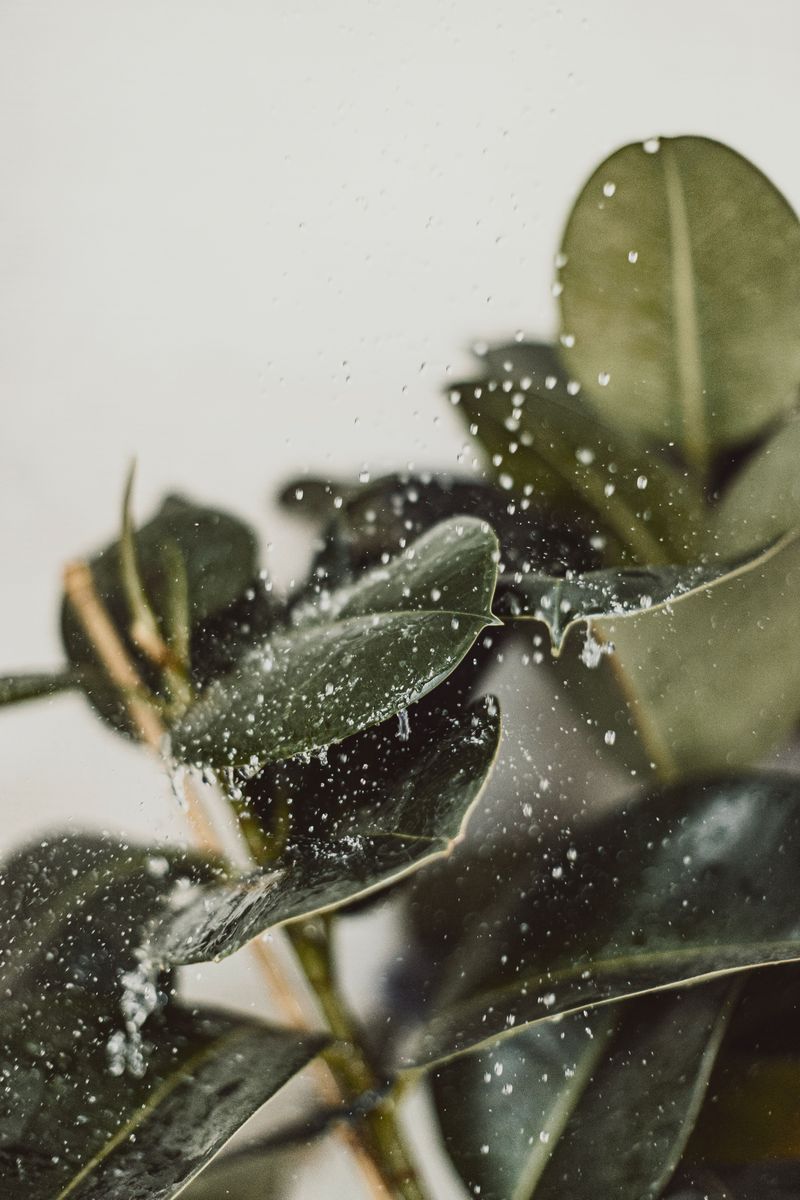
Picture your plant standing in the bathtub like a kid waiting for a bath. It sounds silly, but a monthly shower works wonders on big leafy plants.
Carry the pot into the tub or shower stall with care. Larger plants can be heavy, so ask a friend to help lift.
Set the water to lukewarm, about the temperature you would use for a baby. Very hot water can damage leaves, and cold water can stress the roots.
Use a gentle spray setting rather than a hard, pounding stream. Let the water flow over the top and bottom of every leaf.
Cover the soil with a plastic bag or a piece of plastic wrap. That keeps the dirt in the pot and stops the roots from getting waterlogged.
After rinsing, let the plant drip dry in the tub for about an hour. Water left pooling in the pot can lead to root rot.
Pat any remaining droplets with a soft towel before moving the plant back. Hard tap water can leave white spots if it dries on the leaves.
If your water is very hard, try filtered or rain water instead. Many gardeners collect rainwater in buckets for this exact reason.
A shower also rinses off many spider mites before they spread, though some eggs may remain. In early autumn, it makes a great fresh start before the heater season begins.
Once a month is plenty during the cooler months. Your plant will come out looking like it just visited a spa.
3. Use Store-Bought Leaf Shine Sprays Sparingly
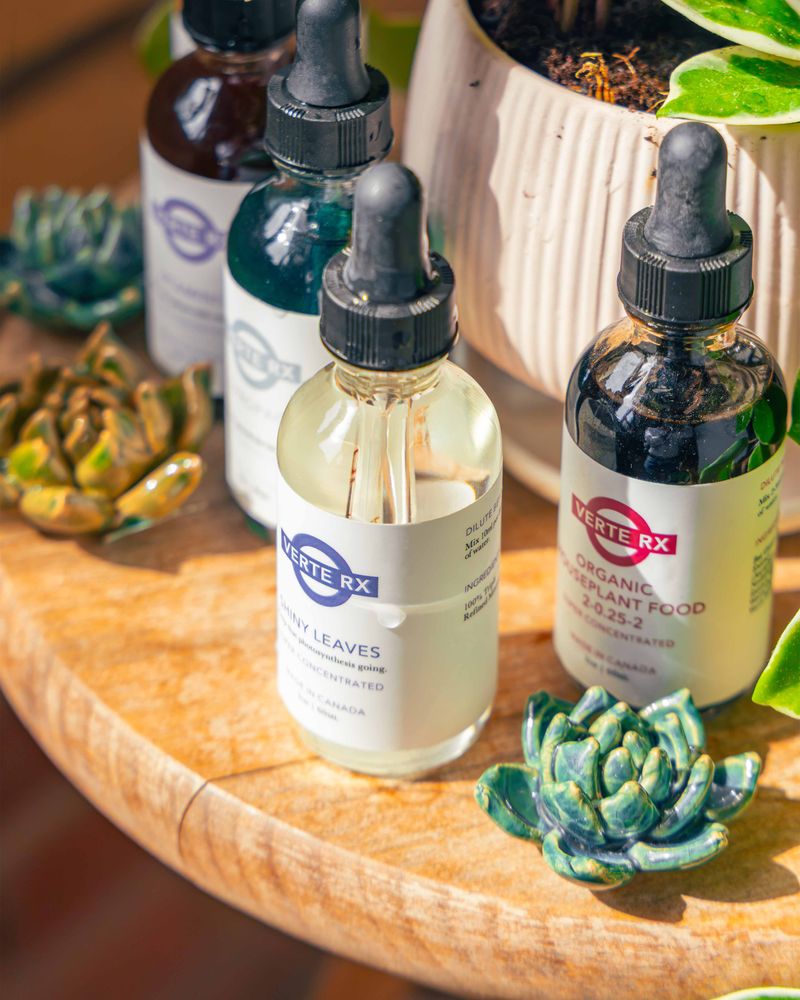
Store shelves are packed with leaf shine sprays that promise a showroom gloss. Many of them use oils or waxes that can build up on leaves.
Plant leaves have tiny openings called stomata, which work a bit like breathing holes. Thick sprays can cover these openings, which sit mostly on the underside, and may slow the plant down.
Coated leaves also hold dust more easily, which is the opposite of what you want. The sticky film holds onto airborne dust.
Some people try mayonnaise or milk as a homemade polish. Both can turn sour, smell funny, and attract gnats to your living room.
Olive oil is another popular trick that can build up residue over time. It looks great for a day, then collects grime like a greasy pan.
A healthy leaf already makes its own natural shine from a waxy layer called the cuticle. Cleaning simply uncovers the gloss that was there all along.
If you want extra sparkle, test one leaf first, then mix a few drops of mild dish soap into warm water. Wipe gently, then follow with a plain water rinse.
Neem oil is the one exception that some growers use carefully. Dilute it well and use it mainly for pest control, not for looks.
Read labels closely if you still choose a store product. Look for sprays marked safe for houseplants and use them only now and then.
Your wallet will thank you too, since water and a cloth cost almost nothing. Simple care usually beats the fanciest bottle on the shelf.
4. Add Moisture To The Dry Winter Air
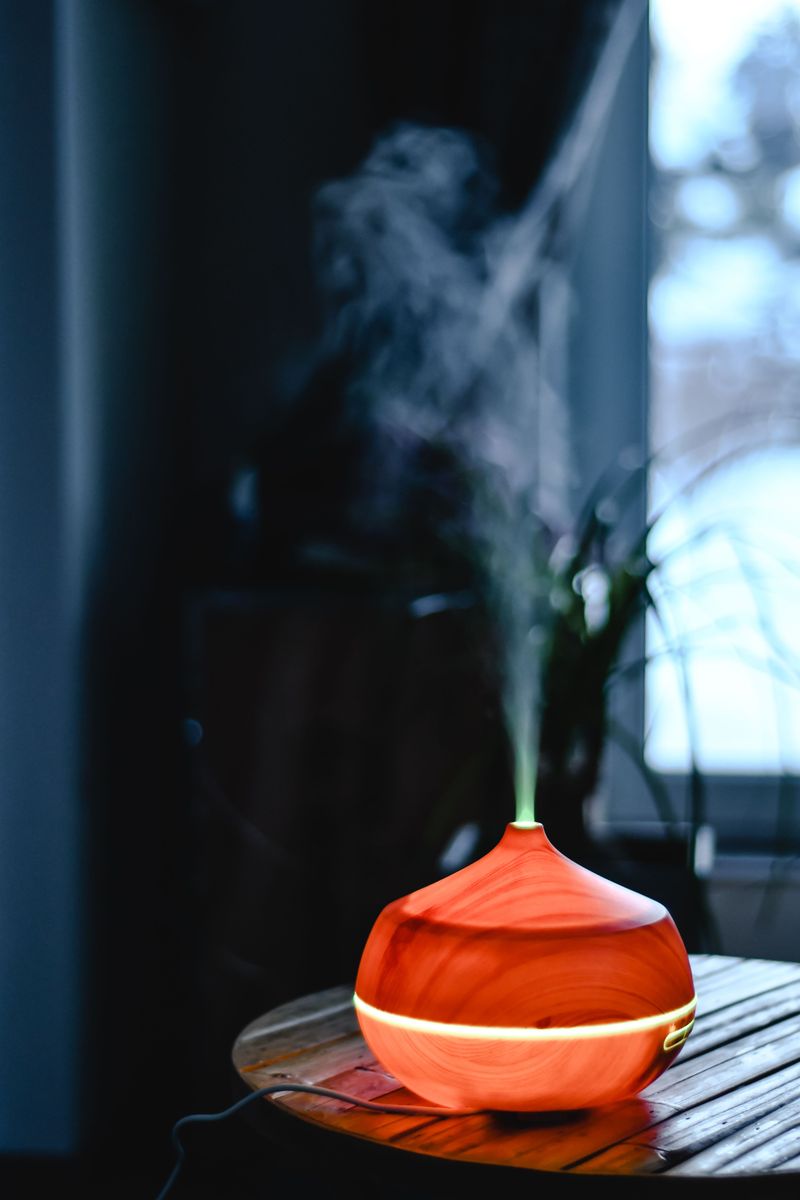
Indoor air in winter can feel very dry. Rubber plants come from steamy tropical forests in South and Southeast Asia, so they notice.
Dry air makes leaves brittle and dull, and the edges may turn crispy and brown. It also invites spider mites, which love low humidity.
Many heated homes drop to around 20 to 30 percent humidity once the heat kicks on. These plants feel happiest closer to 40 or 50 percent.
A small cool-mist humidifier placed nearby is the easiest fix. Fill it each morning and keep it a few feet away from the leaves.
No humidifier at home? Try a pebble tray, which is a shallow dish filled with small pebbles and water.
Set the pot on top so it sits above the water line. As the water evaporates, it adds a small amount of moisture near the plant.
Grouping plants together also helps, since each one releases moisture through its leaves. Think of it as a plant sleepover that keeps everyone comfy.
Misting is popular, but the effect usually fades within a few minutes. It can also leave water spots that make the leaves look cloudy.
A cheap digital hygrometer shows the exact humidity level in your room. It costs a few dollars and takes the guessing out of plant care.
Moist air helps keep leaves flexible and smooth. Better humidity supports a healthier sheen through winter.
5. Move The Pot Away From Heat Vents And Drafts
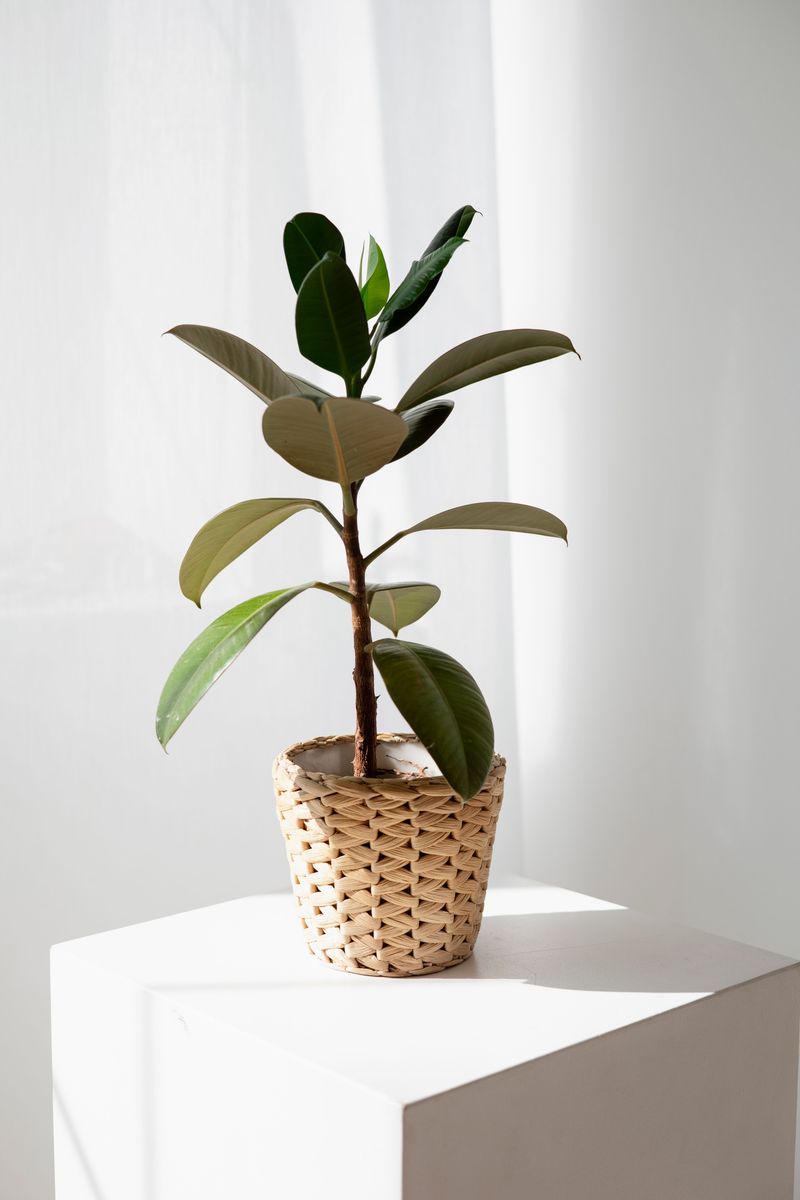
A heating vent might feel cozy to you, but it can dry out leaves. Hot air pulls moisture out of the foliage.
Dried-out leaves lose their shine quickly and may curl at the edges. Vents also blow dust straight onto the plant every time the heat turns on.
Cold drafts can be equally stressful for a tropical houseplant. A spot near a leaky window or busy front door can chill the leaves overnight.
Rubber plants like temperatures between 60 and 75 degrees Fahrenheit (about 16 to 24 °C). Anything below 55 degrees Fahrenheit (about 13 °C) can cause leaves to drop suddenly.
Walk around your home in autumn and feel for warm or cold air currents. Hold your hand near windows, doors, and vents to find trouble spots.
Aim to keep the plant at least three feet from any heater or radiator. Keep it a few inches back from cold window glass, too.
If moving the pot is tricky, try a vent deflector. These cheap plastic covers redirect warm air toward the ceiling or the floor.
Fireplaces and space heaters deserve extra caution because they get very hot. Leaves that touch a hot surface can be damaged quickly.
A steady, calm spot keeps leaves firm and glossy instead of limp and dusty. Your plant will settle in and stop dropping leaves from stress.
Think of it like choosing a good seat at the movies. Most people avoid sitting right under the noisy air conditioner all night.
6. Turn The Pot Toward Bright, Indirect Light
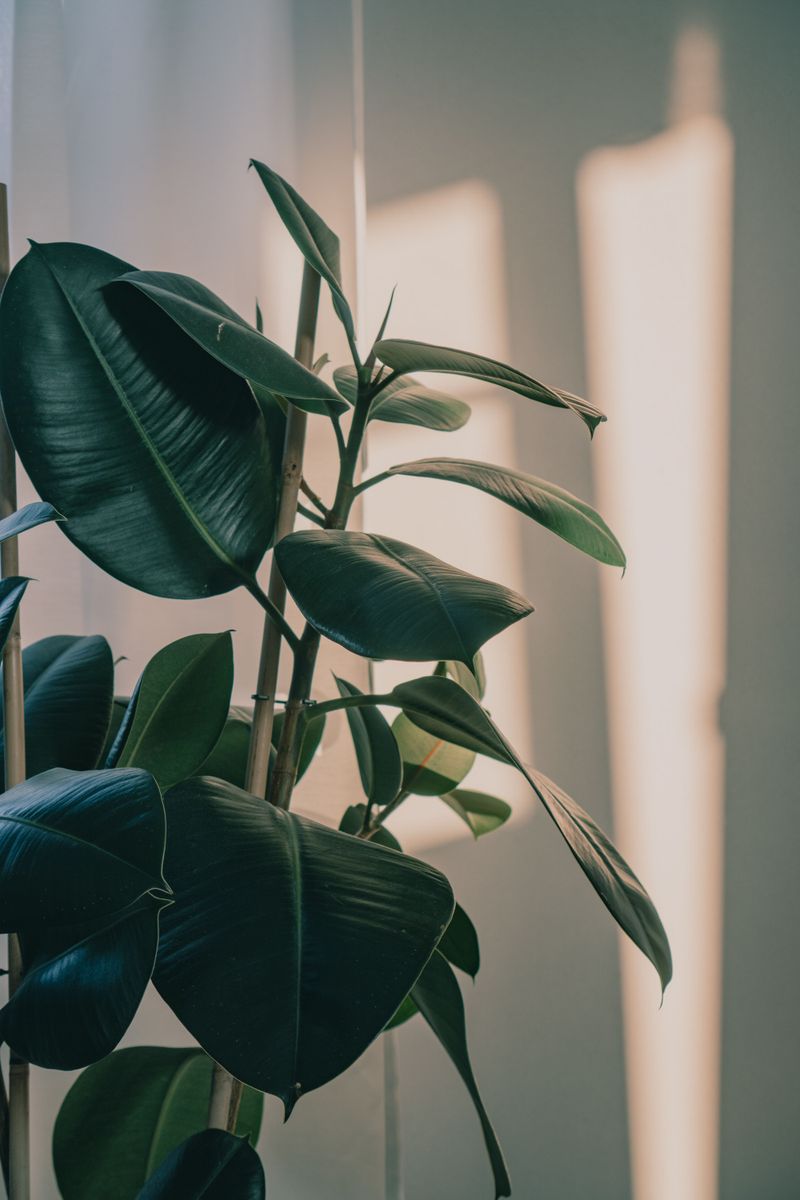
Short winter days leave many houseplants in need of more light. Leaves that sit in shade too long grow smaller, paler, and less shiny.
Rubber plants love bright, indirect sunlight, like the glow near an east or west window. A sheer curtain softens harsh rays while still letting plenty through.
In autumn, the sun sits lower in the sky, so light patterns in your home shift. A spot that worked in July may feel gloomy by November.
Give the pot a quarter turn every week or two. That way every side gets its fair share of sunshine and grows evenly.
Without turning, the plant leans toward the window as it reaches for light. Leaves on the shady side may fade and lose their deep color.
Clean windows matter just as much as clean leaves. A grimy pane can block a surprising amount of light during dim months.
If your home is dark, a simple LED grow light can fill the gap. Set it on a timer for about ten to twelve hours each day.
Good light helps the plant build strong, thick leaves with a natural gloss. Weak light leads to thin, floppy leaves that collect dust easily.
Burgundy and variegated rubber plants need even more light to keep their bold colors. Their pinks and creams can turn muddy in a dim corner.
Mark the pot with a small sticker so you remember which way it faced. It is an easy trick that saves plenty of guesswork.
7. Check The Undersides For Hidden Pests
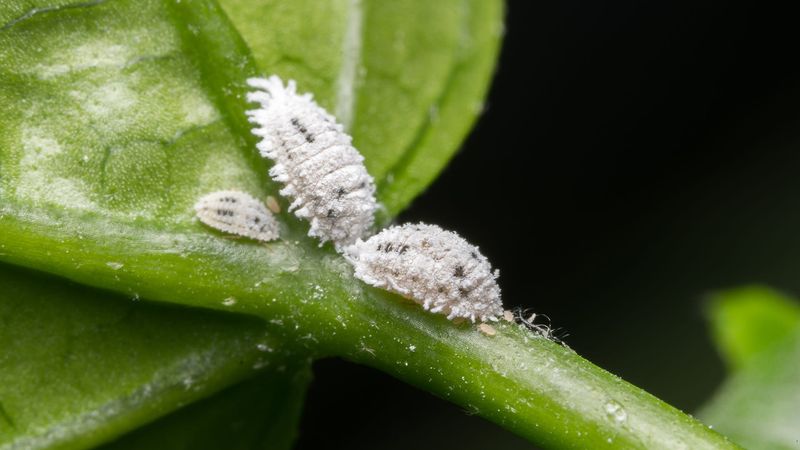
Spider mites are so small that they look like moving specks of pepper. They love warm, dry homes, which makes winter their favorite season.
Flip a few leaves over each time you clean them. Look for fine webbing, tiny dots, or a dusty look that does not wipe away.
Mealybugs are another common visitor, and they look like little blobs of cotton. Scale insects appear as small brown bumps stuck along the stems.
Pests feed on sap from the leaves, leaving behind yellow spots and a dull surface. Some also drip a sticky goo called honeydew that traps dust.
A magnifying glass or your phone camera can help you spot trouble early. Zoom in on the leaf joints, where bugs like to tuck themselves away.
If you find a few pests, wipe them off with a cloth dipped in soapy water. For mealybugs, dab them with a cotton swab soaked in rubbing alcohol.
Insecticidal soap works well for bigger problems and is easy to find at garden centers. Spray both sides of each leaf and repeat as the product label directs.
Keep an infested plant away from your other houseplants until it is clean. Bugs can crawl or hitch a ride on your hands to nearby pots.
Catching pests early keeps the leaves smooth and shiny instead of speckled and sticky. A quick weekly peek is much easier than dealing with a full infestation.
Consider yourself the plant’s personal detective this winter. Catching signs early helps protect the leaves.
8. Trim Away Damaged Or Yellowing Leaves
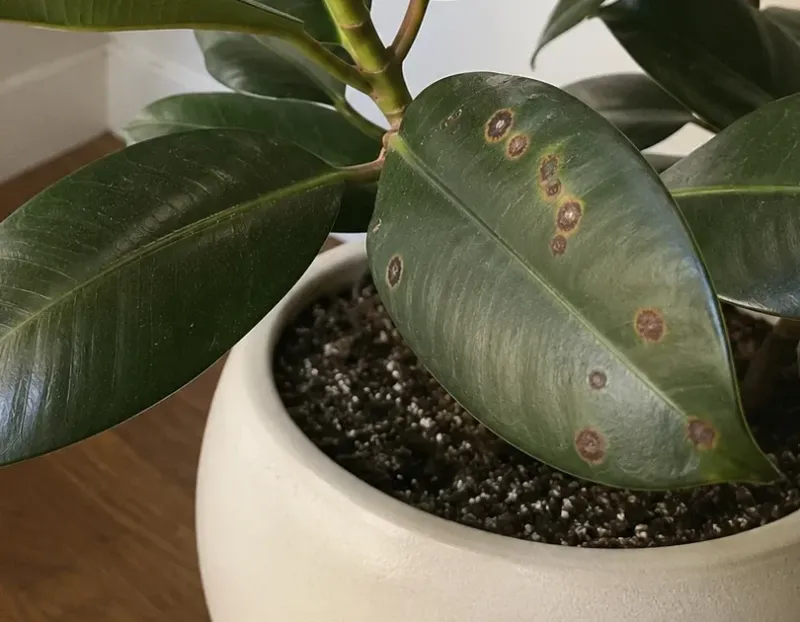
Many plants have a few worn leaves by late fall. Holding on to them only makes the whole plant look dull and messy.
Older lower leaves often turn yellow as the plant grows taller. A little yellowing is normal, but brown, crispy, or torn leaves can go too.
Grab a pair of clean, sharp pruning shears or scissors. Wipe the blades with rubbing alcohol first to avoid spreading germs.
Cut the leaf stem close to the main trunk, at a slight angle. A clean cut heals faster than a ragged tear.
Rubber plants ooze a milky white sap when cut, so wear gloves. The sap can irritate skin and stain floors, so lay down an old towel.
That sticky sap was once used to make natural rubber, which explains the plant’s name. Today most natural rubber comes from a different tree, though.
Winter is not the time for heavy pruning, since growth slows down. Save big shape changes for spring, and stick to small cleanups for now.
Removing worn leaves can help the plant focus on its healthy, shiny ones. It also makes cleaning quicker because you have fewer leaves to wipe.
Brown tips on otherwise healthy leaves can be trimmed with scissors, following the natural leaf shape. Leave a thin edge of brown so you do not cut green tissue.
Step back after each snip to check how the plant looks. A tidy, glossy plant can make any corner feel like a fancy hotel lobby.