Plant These Berries In June And Start Harvesting All Summer In Indiana
Bare hands in warm Indiana dirt, and suddenly you understand why people get obsessed with this.
The soil in June has a smell that is almost embarrassingly good, rich and alive and ready.
I still remember pulling my first handful of homegrown blueberries off a scraggly fence-line plant, eating them standing up, dirt still under my nails.
Nobody warned me it would ruin store-bought fruit forever.
What if your backyard could actually feed you something worth remembering every single summer?
Indiana’s growing season carries a quiet generosity most people never tap into, especially when it comes to berries.
You do not need a sprawling garden or a complicated setup. A sunny corner, the right plants in the ground, and a little stubbornness will take you further than you think.
Some of these berries will sweeten your breakfast bowl. Others will become the jam your neighbors start requesting by name.
The harvest does not wait for perfect conditions. Neither should you.
1. Everbearing Strawberries
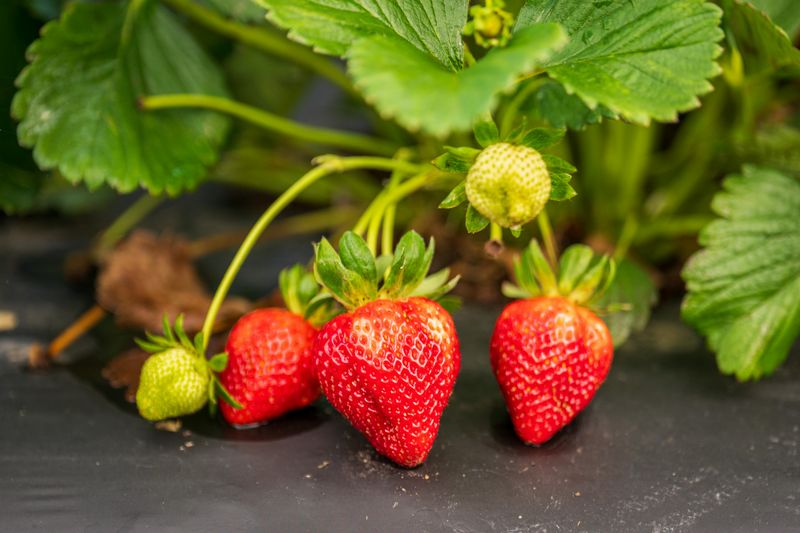
No berry works harder than a strawberry. Two to three harvests a season, summer to fall, without missing a beat.
Plant in June and you’ll be picking by August.
Indiana gardeners swear by everbearing varieties. Quinault and Ozark Beauty shrug off the state’s humid summers and just keep producing.
These plants prefer full sun and well-drained soil, so pick a raised bed or a slope where water does not pool after rain.
Space them about twelve inches apart to give each plant room to breathe and spread. Runners are sneaky thieves of energy.
Pinch them off during the first season so the plant focuses all its power on producing berries instead of spreading sideways. You will thank yourself when the clusters start coming in thick and red.
Feeding matters more than most new growers expect. A balanced fertilizer applied every four to six weeks keeps production strong through the heat of July and August.
Avoid overhead watering when you can, since wet foliage invites fungal problems that can slow the whole operation down.
Freshly picked everbearing strawberries taste nothing like the ones from the grocery store. They are smaller, yes, but the flavor is concentrated and almost candy-sweet.
Once you taste one warm from the vine, store-bought strawberries will never feel the same again.
2. Everbearing Raspberries
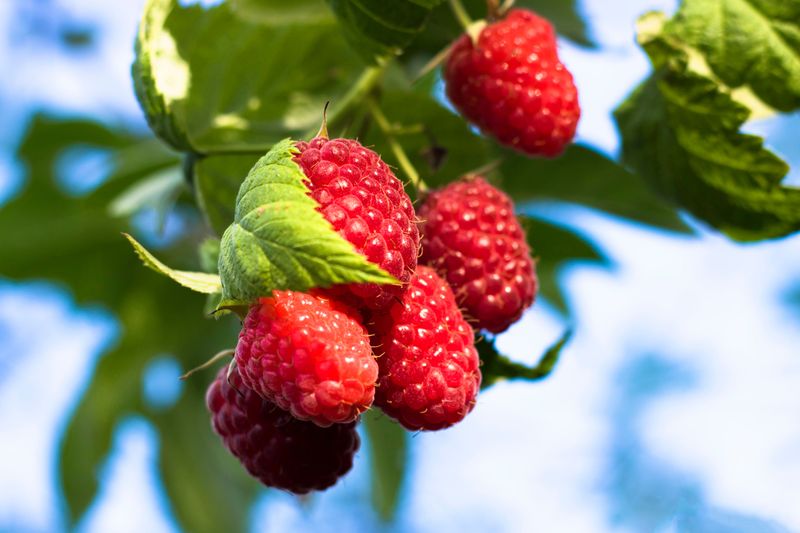
Few things in a summer garden beat the smell of warm raspberries hanging heavy on the cane. Everbearing raspberries like Caroline produce a moderate summer crop in July from second-year canes.
The real payoff comes later, with a heavier and more impressive fall harvest that runs from September right through first frost. For Indiana gardeners, that means fresh fruit from July all the way into October.
Varieties like Heritage and Caroline are top choices for the Midwest because they bounce back from heat and humidity without much fuss.
Plant bare-root canes in June in a spot that gets at least six hours of direct sun daily. They prefer slightly acidic soil, so a pH between 5.5 and 6.5 is your sweet spot.
Your Indiana Garden Changes Every Week. Your Plan Should Too.
Gardening in Indiana changes quickly throughout the season. Every Friday you’ll receive a simple weekly plan showing exactly what to plant, prune, fertilize, harvest, and protect so you never miss the right timing.
Support is not optional with raspberries. Set up a simple trellis or T-post wire system before the canes get tall, because trying to wrangle them after the fact is a frustrating afternoon you do not want to have.
Keep the row width narrow so air can circulate freely through the middle. Pruning is where most beginners go wrong.
For everbearing types, the simplest method is to cut all canes to the ground in late winter, which sacrifices the summer crop but makes the fall harvest enormous and easy to manage.
Choose what fits your schedule and stick with it. Raspberries freeze beautifully, so any surplus from a heavy picking day is never wasted.
Spread them on a sheet pan, freeze solid, then transfer to bags for smoothies and baking all winter long. That second harvest will have you grinning like you found free money.
3. Blackberries
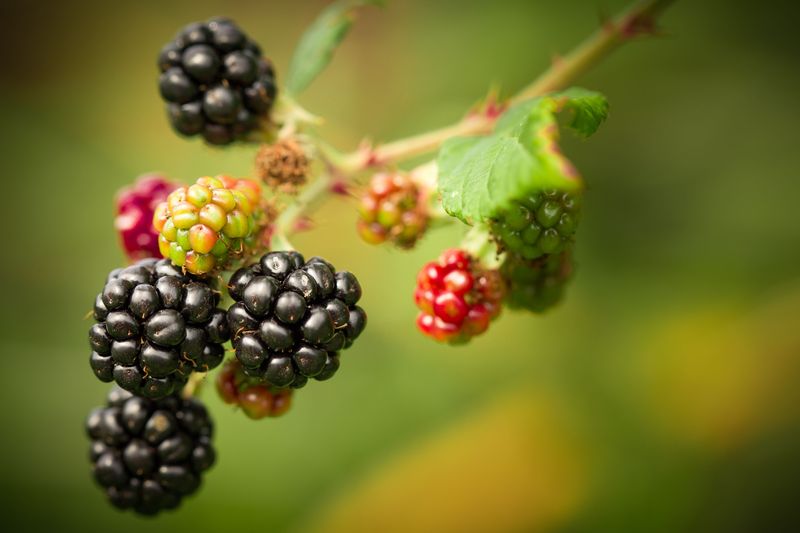
Blackberries are practically wild at heart, and that is exactly what makes them so easy to grow. They are one of the most forgiving fruits you can plant in Indiana, tolerating a range of soil types.
They bounce back from neglect that would flatten more delicate plants.June planting gives roots time to establish before peak summer heat arrives.
Thornless varieties like Triple Crown and Chester have become favorites among Indiana home growers because harvesting is a much more pleasant experience without bleeding hands.
These varieties produce large, glossy berries with a rich, slightly tart flavor that works beautifully in cobblers, jams, and straight off the cane.
Full sun is non-negotiable for the biggest and sweetest fruit. Blackberry canes follow a two-year cycle worth understanding.
First-year canes, called primocanes, grow tall and leafy but produce no fruit. Second-year canes, called floricanes, are the ones that flower and give you berries.
Do not cut everything down at the end of the season. Water deeply but infrequently once plants are established.
Aiming for about one inch of water per week keeps the roots happy without encouraging root rot.
Mulch around the base generously to lock in moisture and crowd out weeds that would otherwise compete for nutrients.
A mature blackberry patch in full production can feel almost overwhelming in the best possible way. A single established plant can yield well over several quarts of fruit in a season.
Start with just two or three plants and you will have more than enough to share with every neighbor on the block.
4. Blueberries
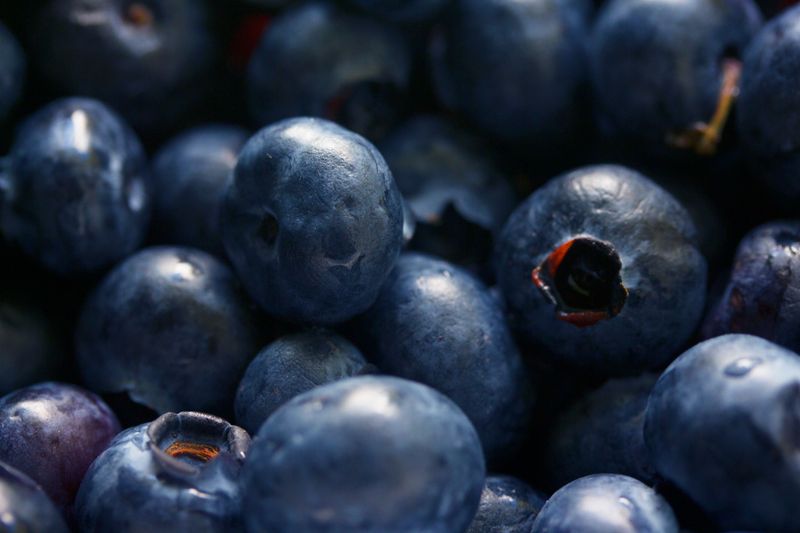
Blueberries are the long game of the berry world, and they pay off in a big way. These bushes take a couple of seasons to hit full stride.
Once they do, a single mature plant can produce anywhere from six to fifteen pounds of fruit per year, depending on the variety and how well established it is.
June is a smart time to get them in the ground so roots can settle in during warm soil conditions.
Soil prep is the most important step with blueberries, and skipping it is the number one reason people struggle.
They need acidic soil with a pH between 4.5 and 5.5, which is lower than most Indiana garden beds naturally sit.
Work sulfur or peat moss into the planting area well before you put the plant in the ground. Highbush blueberries are self-fertile, meaning one plant will produce fruit on its own.
That said, planting two different varieties together consistently improves berry size, yield, and earliness, so a pair will always outperform a solo bush.
Blueray and Bluecrop are reliable midseason varieties that thrive in Indiana’s climate and ripen around the same time.
Birds absolutely love blueberries, sometimes more than you do. Covering bushes with bird netting once fruit starts forming is not paranoia, it is just smart gardening.
Without it, you may walk out one morning to find the whole crop has been claimed overnight.
Blueberries also double as gorgeous landscaping shrubs, turning brilliant red and orange in fall.
They are one of those rare plants that earn their spot in the yard every single season. Beauty and breakfast in one bush is a deal that is hard to beat.
5. Elderberries
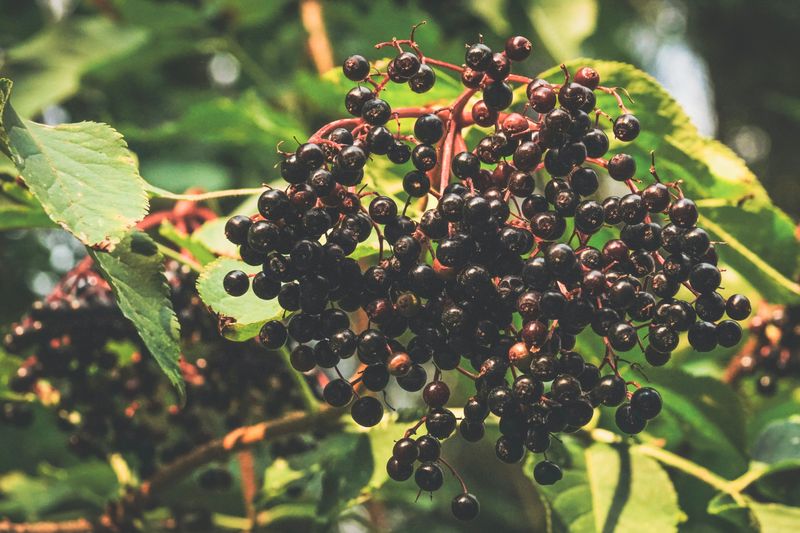
Elderberries might be the most underrated plant you can grow in the Midwest. These fast-growing native shrubs can reach eight to ten feet tall within a couple of seasons.
By late summer, they produce massive umbrella-shaped clusters of deep purple-black fruit that practically drip off the branches.
Plant them in June and expect your first modest harvest by late August. Adams and Bob are two popular varieties well-suited to Indiana’s growing conditions.
Elderberries produce more generously when two different varieties are planted near each other.
Cross-pollination between them consistently improves both fruit set and overall yield. They are flexible about soil but genuinely thrive near low spots or areas that stay moist after rain.
Elderberry syrup has had a major moment in recent years, and for good reason. The berries are packed with antioxidants.
They have been used for generations in folk wellness traditions across North America and Europe.
Making your own syrup from homegrown fruit feels both old-fashioned and ahead of the curve at the same time.
One important note for new growers: raw elderberries contain compounds that can cause stomach upset, so always cook the fruit before eating or using it in recipes.
Jams, syrups, and wines are the most common preparations, and all of them require heating the berries thoroughly. Following a trusted recipe keeps everything safe and delicious.
Elderberry shrubs also attract pollinators in huge numbers when they bloom in early summer.
The flat white flower clusters are a magnet for bees and butterflies before the fruit even sets. You are not just growing food, you are building a whole little ecosystem in your backyard.
6. Mulberries
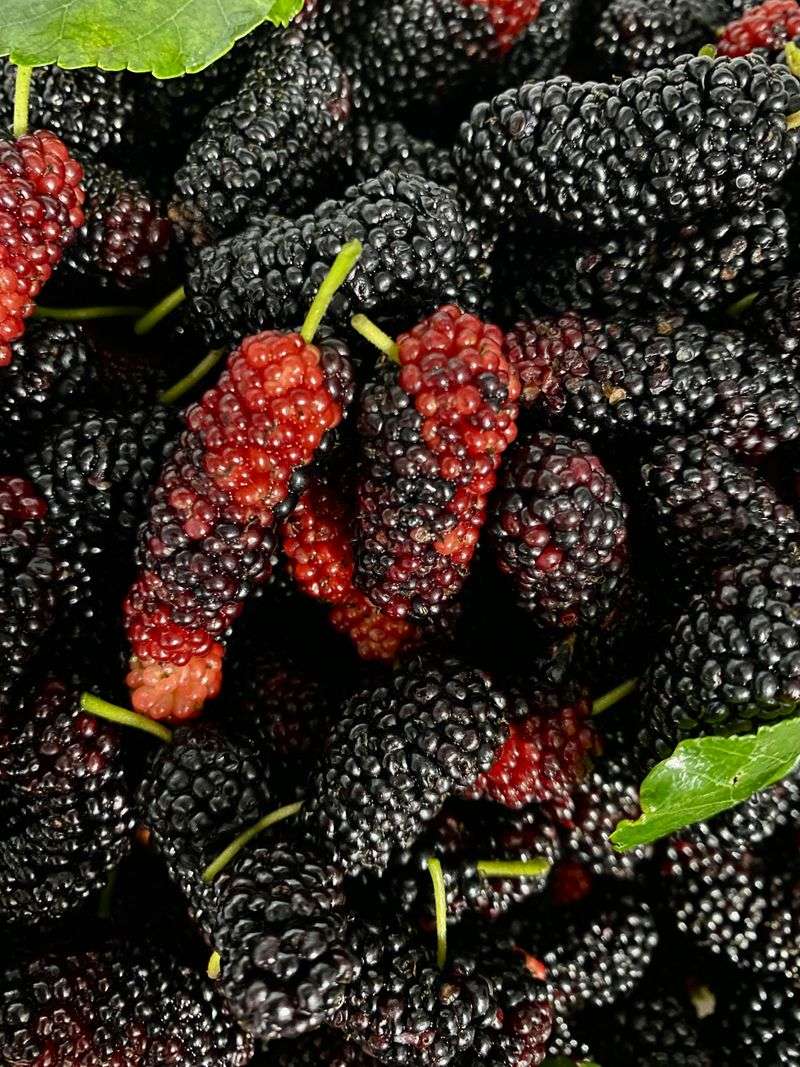
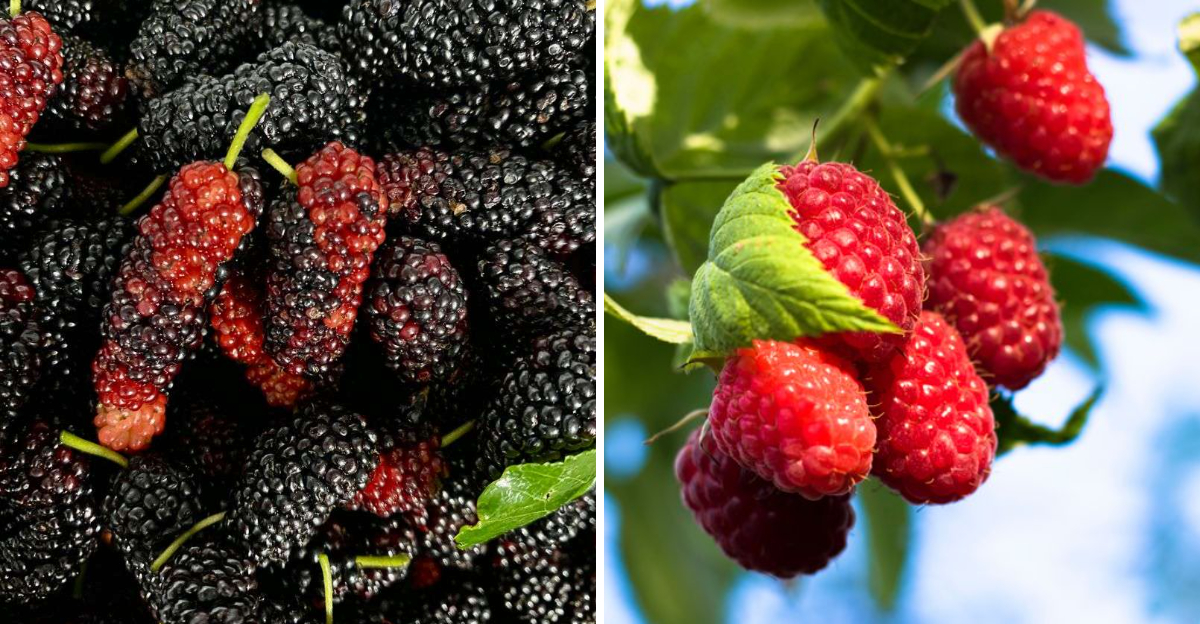
Mulberries are the berry most people walk right past without realizing what they are missing. These trees grow wild across Indiana.
Planting a named variety like Illinois Everbearing in your own yard gives you fruit that is bigger, sweeter, and more consistent than anything you would find along a fence row.
June-planted trees from containers settle in fast and can begin fruiting within a season or two.
Illinois Everbearing lives up to its name by producing fruit over a span of four to six weeks rather than dumping everything at once.
That extended season means you get a steady supply of berries from mid-June through early September instead of a two-week frenzy followed by nothing.
For home growers who want a low-drama, high-reward berry, mulberries check every box. Mulberry trees are remarkably tough once established.
They handle drought, clay soil, and summer heat without much complaint, making them one of the most forgiving fruiting trees you can grow in the Midwest.
Minimal pruning and occasional watering during dry spells is about all the maintenance they ask for.
The fruit tastes like a blackberry and a grape had a very good summer together. Fresh mulberries are exceptional in pies, smoothies, and homemade wine.
They also freeze well, so a heavy harvest day is never a loss. Fair warning: ripe mulberries stain everything they touch.
Harvesting over a tarp or wearing clothes you do not mind ruining is genuinely good advice. A little purple on your hands is a small price for a tree that basically grows itself.
7. Black Raspberries
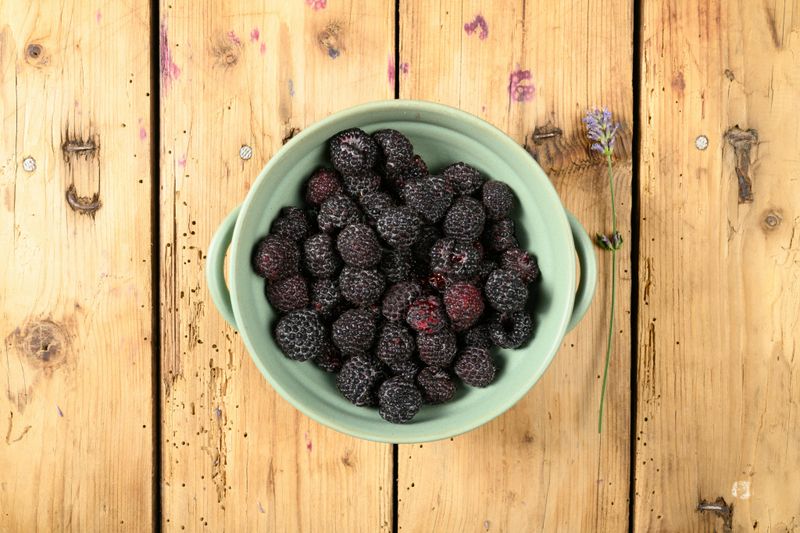
Black raspberries are not the same as blackberries, and the difference is worth knowing. Also called black caps, they pick hollow, just like red raspberries.
The flavor is bolder and more complex, with a deep, almost earthy sweetness that sets them apart.
They ripen earlier than blackberries, often ready to pick in late June or early July in Indiana.
Jewel and Mac Black are two varieties that perform consistently well in the Midwest, handling the region’s humidity and temperature swings without too much trouble.
Plant them in full sun with excellent drainage, since standing water around the roots is the fastest way to lose a cane to root rot.
Space plants about three feet apart to allow good airflow through the row. Black raspberry canes have a habit called tip layering that is honestly kind of magical.
When an arching cane tip touches the soil, it roots itself and starts a brand new plant.
You can use this to expand your patch for free, or simply train canes upward on a trellis to keep things tidy.
The flavor profile of black raspberries makes them a standout ingredient in jams, baked goods, and infused spirits.
A small-batch black raspberry jam made from homegrown fruit is genuinely one of those things that makes people ask for the recipe every single time.
They also freeze exceptionally well, holding their flavor and color for months. Black raspberries round out a summer berry garden in the most satisfying way.
Once established, a mixed berry planting can provide fruit from early summer into fall. That is a whole summer of harvests waiting for you right outside your back door.