Roof Rats Move Into Arizona Attics As Nights Cool, So Seal These Spots Before Winter
When desert nights finally cool off, you are not the only one looking for a cozy spot indoors. Roof rats across Phoenix and Tucson start hunting for warm attics just as citrus ripens and temperatures drop.
These nimble climbers can squeeze through a gap about the size of a quarter, so a tiny opening can turn into a big problem fast. Sealing a few key spots now can help keep your attic quiet all winter long.
1. Gaps Where Roof Sections Meet
Picture a rat scurrying along your roof at 2 a.m., testing every seam with its nose. Roof rats are expert climbers, and the joints where two roof sections meet are some of their favorite places to probe.
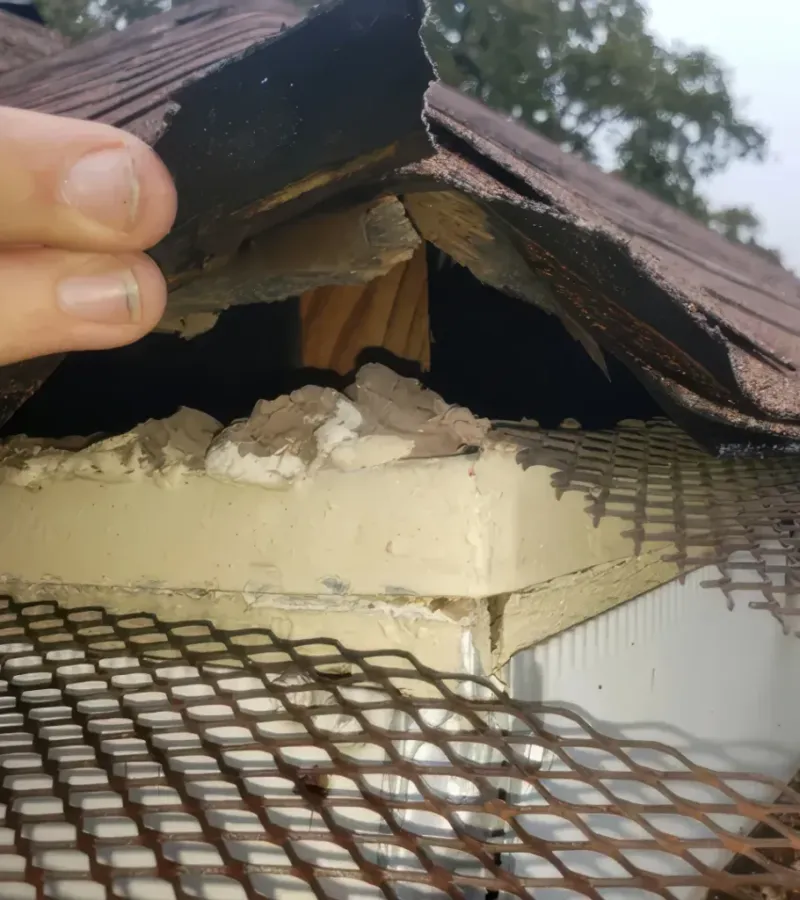
Over years of brutal Arizona sun, materials shrink, shift, and pull apart just enough to leave an opening.
A gap of roughly half an inch is all a roof rat needs. That is smaller than most people expect, which is why these spots get missed so often.
Valleys, ridges, and places where an addition was built onto the original house deserve a careful look.
Grab binoculars or a sturdy ladder on a cool morning and scan these joints slowly. Look for dark gaps, rub marks, or droppings nearby.
Greasy brown smudges are a classic sign, since rats leave oils from their fur along the paths they travel.
For sealing, pack small gaps with steel wool or copper mesh, then cover them with exterior-grade sealant. Larger openings may need hardware cloth cut to fit and secured with screws.
If climbing feels risky, a roofer can handle this quickly, and the peace of mind is well worth the visit before winter arrives.
2. Openings Beneath Tile Edges
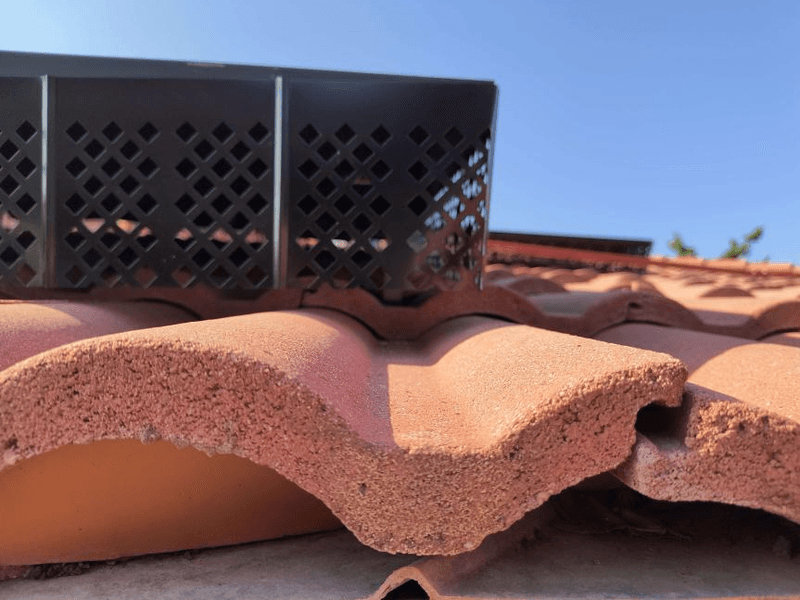
Barrel tile roofs look gorgeous against a desert sunset, but they come with a sneaky weakness. The rounded tiles leave hollow tunnels at the eaves, and to a roof rat, those open ends look like a welcome mat.
Once inside, rats can travel under the tiles and find a route into the attic.
Many Arizona homes were built with bird stops, which are small closures that plug those tile ends. Over time, they crack, fall out, or were never installed in the first place.
Walk around your home and look up at the lowest row of tiles to see whether the openings are covered.
Here is a quick way to tell trouble is brewing. Nesting debris, shredded insulation, or scattered droppings near the eaves often point to activity under the tiles.
You might also hear light scratching overhead in the early evening.
Replacing missing bird stops is one of the most effective fixes for tile roofs. Metal or sturdy plastic versions hold up better against chewing than foam.
Pair them with a check for loose or broken tiles, since a single slipped piece can expose the underlayment and give rats a fresh doorway to explore.
3. Unscreened Roof and Gable Vents
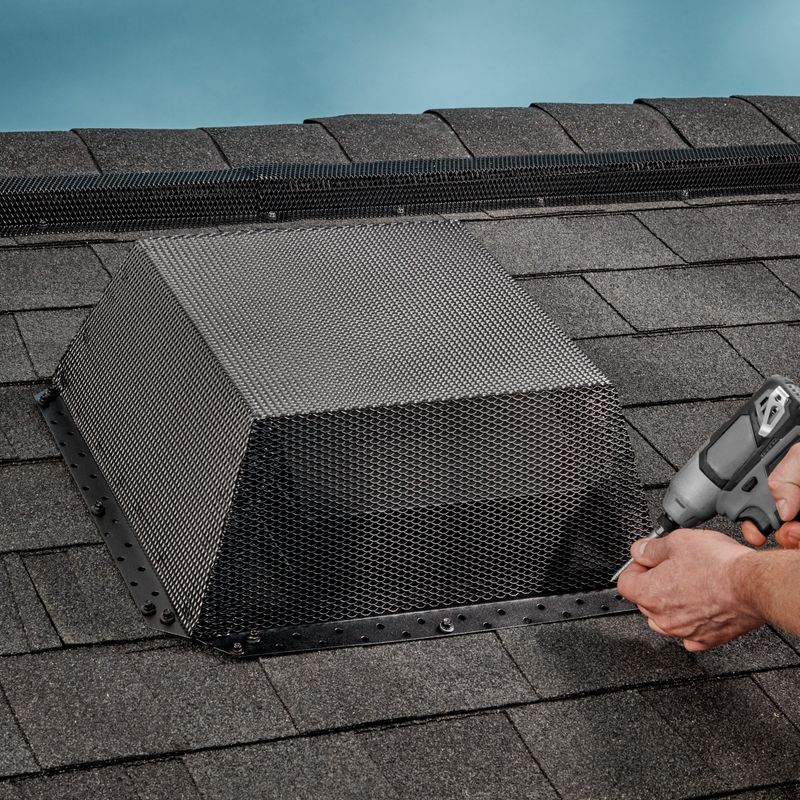
Vents are supposed to let hot air out, not let critters in. In a place where attics can bake well past 140 degrees in summer, good ventilation matters a lot.
Your Arizona Garden Changes Every Week. Your Plan Should Too.
Gardening in Arizona changes quickly throughout the season. Every Friday you’ll receive a simple weekly plan showing exactly what to plant, prune, fertilize, harvest, and protect so you never miss the right timing.
The catch is that those same openings become an open invitation once nights start to chill.
Gable vents on the sides of the house and roof vents up top often have thin screens that tear easily. Sun exposure makes them brittle, and a determined rat can chew or push through in minutes.
Some older homes have vents with no screen at all.
Fun fact: roof rats are so agile they can climb stucco walls and leap several feet from a branch to a vent opening. So even a vent high on a two-story wall is not out of reach.
Swap flimsy screening for quarter-inch galvanized hardware cloth, which holds up far better against teeth. Secure it with screws and washers rather than staples, since staples can pop loose.
While you are up there, check that the vent covers themselves are not cracked. Keeping airflow strong while blocking entry gives you the best of both worlds, a cooler attic in July and a rodent-free one in January.
4. Soffit and Eave Gaps
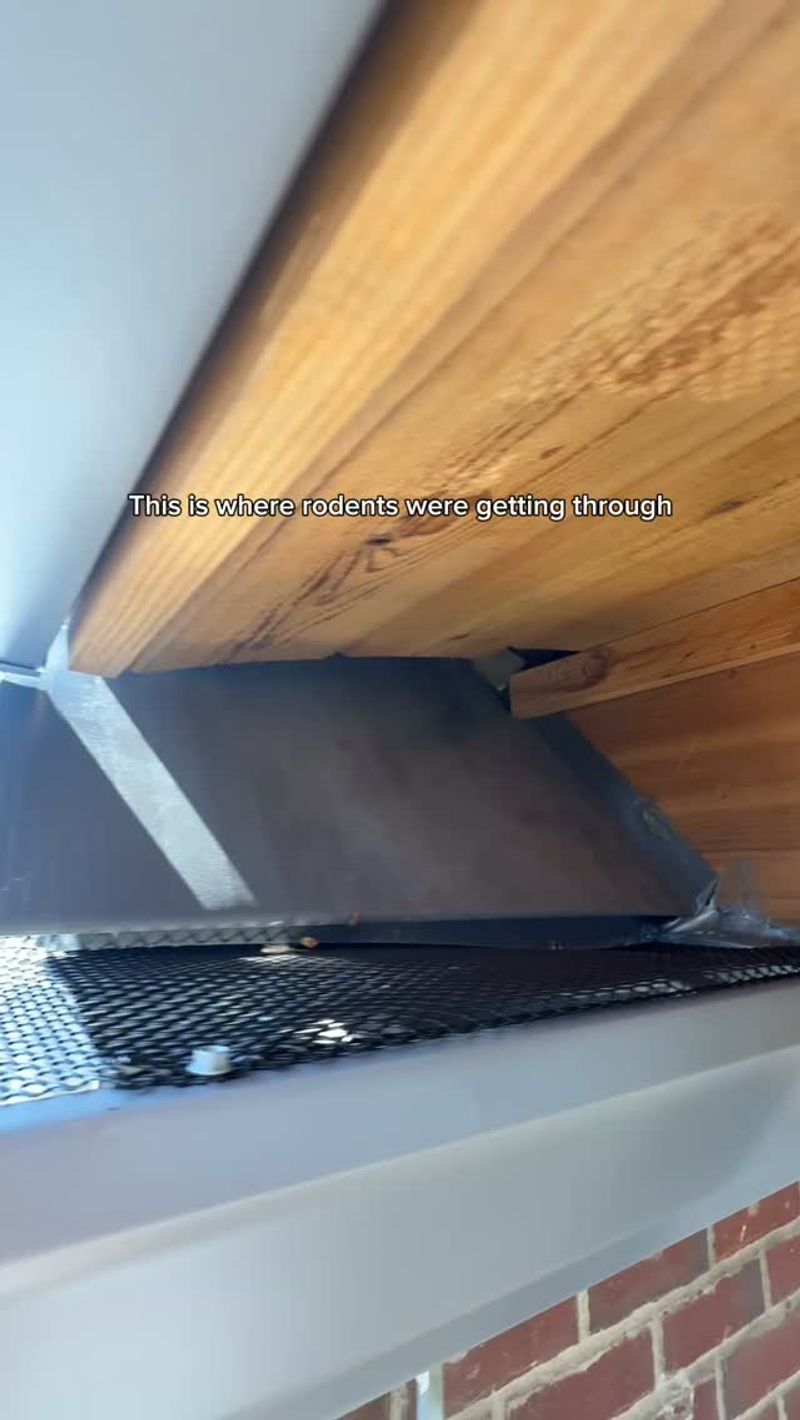
Soffits are the boards tucked under your roof overhang, and most homeowners rarely give them a second glance. Roof rats, on the other hand, pay very close attention.
A warped board or a corner that has pulled loose can lead straight into the attic.
Monsoon storms are often the hidden culprit here. Wind-driven rain soaks into wood soffits, and the summer heat then dries them out quickly.
That repeated cycle causes warping, cracking, and gaps along the edges.
Take a slow walk around the house and look up at the underside of every eave. Pay special attention to corners, spots near downspouts, and places where the soffit meets the fascia board.
Chew marks, small holes, or dark stains around an opening are worth investigating right away.
Small cracks can be filled with steel wool and sealant. Bigger damage usually means replacing a section of board or adding a metal flashing piece to cover the gap.
Vented soffit panels should have intact mesh behind them, too. Fixing soffits in fall also helps keep out bats and birds looking for winter shelter, so you get extra protection for a single afternoon of work.
5. Plumbing Stacks and Utility Lines
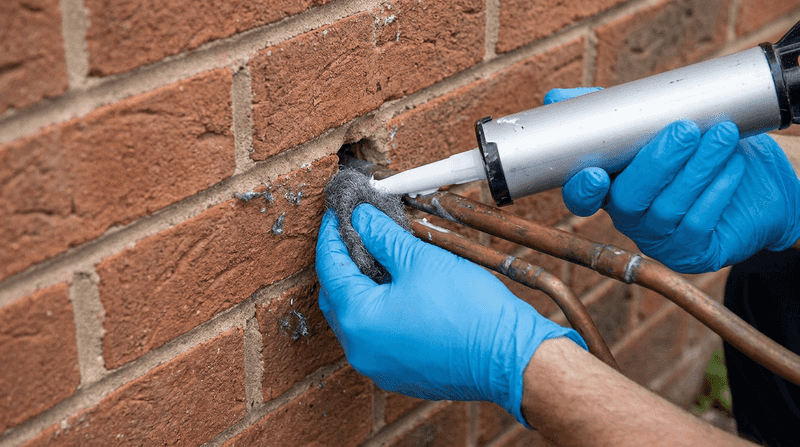
Every pipe and wire that enters your home creates a hole somewhere. Builders usually seal these spots well at first, but time and heat have a way of undoing good work.
Roof rats seem to know it, too.
Plumbing vent stacks poke up through the roof, and the flashing around them can crack or lift. Down at ground level, cable, phone, and electrical lines often pass through walls with gaps left around them.
Rats can follow these lines like highways, climbing straight up into wall voids and attics.
Think of it this way. If you can slide a pencil into the gap around a pipe, a young rat can probably follow.
Check every penetration you can find, both on the roof and along exterior walls.
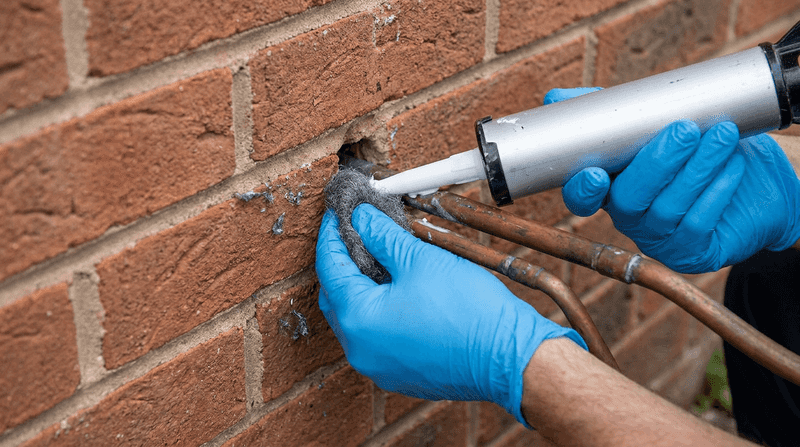
For gaps around pipes, stuff steel wool or copper mesh firmly into the opening, then seal over it with a durable caulk or expanding foam rated for pests. Foam alone gets chewed through quickly, so always use a metal layer first.
Replace cracked flashing boots on roof stacks as well. These small fixes take little time and can block some of the most commonly used routes into Arizona homes.
6. AC Line Covers and Exhaust Fan Openings
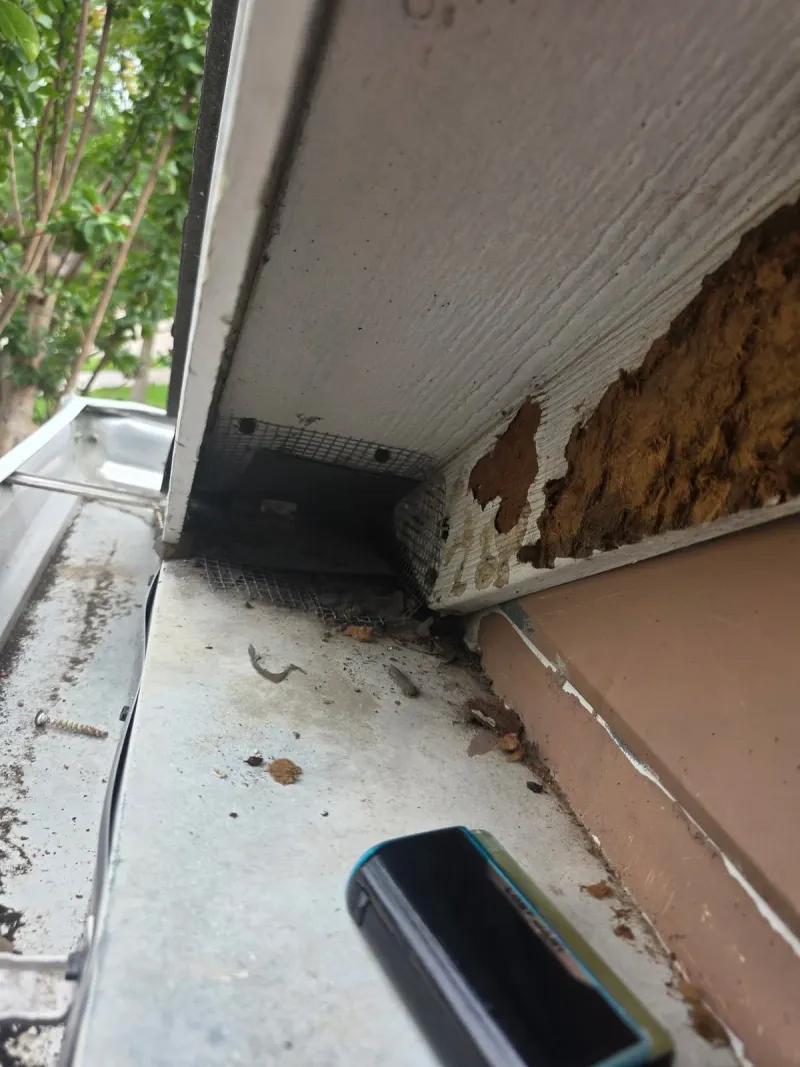
Air conditioning is a lifeline in the desert, but the lines that feed it can become a backdoor for rodents. Refrigerant lines run from the outdoor unit into the house, usually covered by a plastic or metal channel.
When those covers loosen, crack, or were never sealed at the wall, rats can slip right in.
Exhaust fans are another weak spot. Bathroom, kitchen, and dryer vents all exit through walls or roofs, and their flaps sometimes stick open.
A damaged or missing flap is an easy path for a curious rodent searching for warmth.
Start with the AC unit. Follow the line set from the condenser to the wall and look for gaps where it enters the house.
Then check every exhaust cap, gently pressing each flap to make sure it closes on its own.
Gaps where lines enter can be packed with steel wool and sealed with caulk. Damaged line covers are inexpensive to replace.
For exhaust vents, install caps with sturdy louvers or add a mesh guard made for that purpose, keeping airflow clear. Dryer vents need special care, since lint buildup can be a fire concern, so choose guards designed specifically for dryers.
7. The Gap Under Your Garage Door
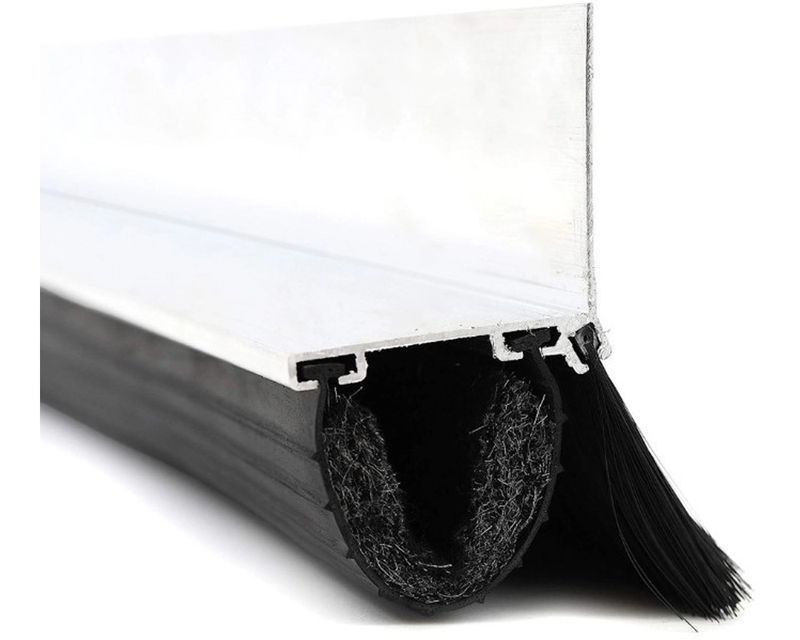
Kneel down by your garage door tonight and look for light peeking through. If you see a glow along the bottom, a roof rat sees a doorway.
Just half an inch of space is enough for one to squeeze underneath.
Garages are especially tempting because they often hold pet food, birdseed, and stored items perfect for nesting. Many garages also connect to the attic through access panels or open framing.
One sneaky visitor in the garage can quickly become a household problem.
Arizona heat is rough on rubber. Bottom seals on garage doors dry out, crack, and curl over a few summers, leaving gaps that grow wider each year.
Concrete driveways can also settle unevenly, creating dips at one corner.
Replace a worn bottom seal with a heavy-duty version, and consider one with a rodent guard built in. Check the side and top weatherstripping, too.
Store pet food and seed in sealed metal or thick plastic containers rather than bags. Finally, look at any doors leading from the garage into the house and make sure their sweeps fit snugly.
A few dollars in weatherstripping can save you from expensive cleanup later.
8. Worn Weatherstripping on Doors and Windows
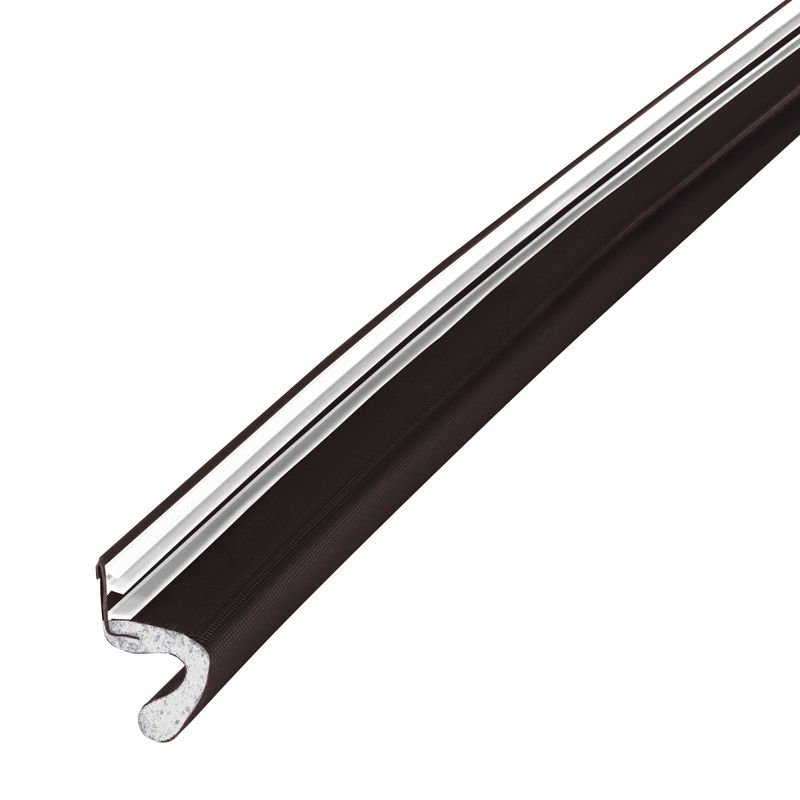
Ever notice a draft by the back door on a chilly January evening? That breeze is a clue.
Where air slips through, small pests often follow.
Weatherstripping takes a beating in the low desert. Intense UV rays and temperature swings make foam and rubber strips brittle and flat.
Before long, the seal around a door or window turns into a narrow gap that rats, scorpions, and crickets can all exploit.
Here is a simple test anyone can try. On a bright day, turn off the lights in a room and look at the edges of exterior doors and windows.
Any line of light showing through is a spot worth fixing. You can also slide a sheet of paper into a closed door; if it pulls out easily, the seal is weak.
Replacing weatherstripping is an easy weekend project. Choose durable silicone or vinyl options built for hot climates.
Add a solid door sweep to the bottom of exterior doors, preferably one with a metal backing. Bonus benefit: tight seals also help your home hold cooler air in summer, so this fix may trim your energy bill while making your home less inviting to pests year round.
9. Citrus and Palm Tree Bridges

Your backyard orange tree might be the best friend a roof rat ever had. In Arizona, citrus ripens right as nights cool, giving rats a ready food supply.
Branches that touch the roof turn that snack bar into a direct path to your attic.
Palm trees are another hotspot. Their thick skirts of old fronds offer shelter, and tall palms near the house can let rats reach the roofline easily.
Dense vines climbing walls work the same way, acting like a ladder straight to the eaves.
A good rule of thumb is to trim branches back at least three to four feet from the roof. That distance may help reduce the chance of rats leaping across.
Remove dead palm fronds regularly, especially on trees close to the house, and keep vines trimmed below the roofline.
Picking up fallen fruit matters, too. Gather dropped citrus every day or two during harvest season, and pick ripe fruit promptly rather than leaving it hanging.
Native desert landscaping with open, airy plants like brittlebush or desert marigold tends to provide less cover near walls. A tidier yard is not just about looks here, it is part of a smart defense plan.
10. Your Seasonal Inspection Routine
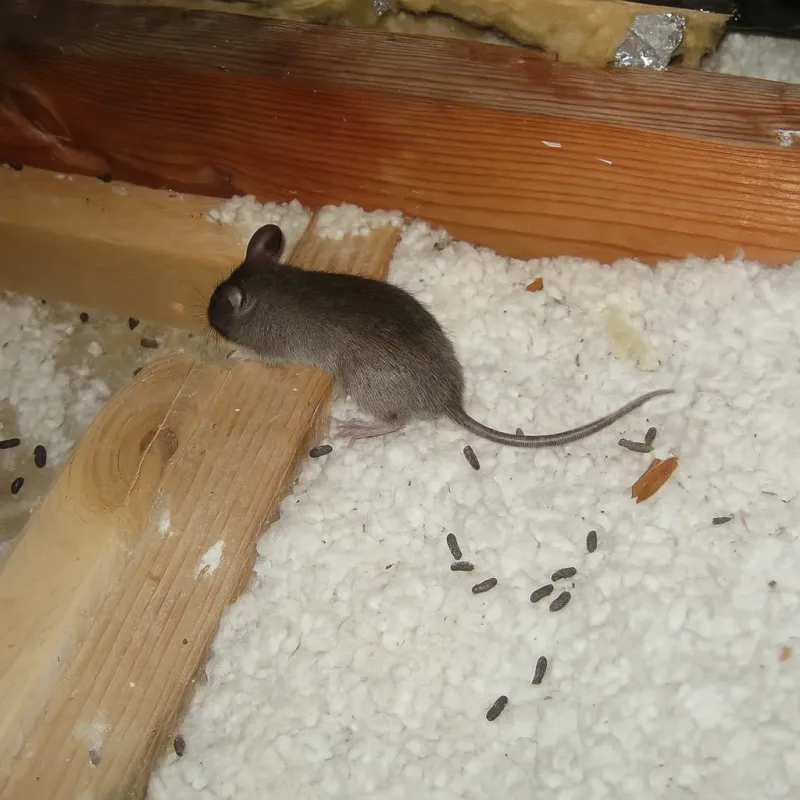
Sealing your home once is great, but keeping it sealed is where the real win happens. Roof rats are persistent, and new gaps can appear after a monsoon storm, a roof repair, or a long summer of heat.
A simple routine helps you catch trouble early.
Plan a full exterior walk in late September or early October, right before rat season ramps up. Check the roofline, vents, soffits, pipe openings, garage door, and trees.
Repeat a quick check in midwinter and again in spring as activity winds down.
Keep a few supplies on hand so small fixes are easy. Steel wool, copper mesh, hardware cloth, exterior caulk, and a flashlight cover most jobs.
Snap photos of problem spots so you can track changes over time.
Inside, listen for scratching in the walls or ceiling after dark, and peek into the attic with a flashlight for droppings or chewed insulation. Spotting signs early can make the difference between a quick fix and a bigger headache.
If you find evidence of rats already inside, a local pest professional can help remove them before you seal the final openings, so no one gets trapped inside.