These Are The Arizona Vegetables Worth Growing In The Monsoon Window Before Heat Returns
Arizona summers have a reputation, and honestly, it’s well deserved. But here’s the part that surprises a lot of people, including some who have lived here for years.
Right in the middle of all that heat, something shifts. The monsoon rolls in, the humidity climbs, afternoon clouds start showing up like they actually mean it, and the occasional rain shower makes the whole desert feel different.
For gardeners, this is not just a weather event. It’s an opportunity.
The warm soil is still active, heat-loving crops are ready to perform, and the conditions that make growing vegetables feel impossible for most of the summer suddenly become a lot more workable.
The monsoon window is shorter than you think though, and knowing exactly what to plant and when is what separates a productive second round from a missed chance.
1. Tomatoes Set Up For A Fall Harvest
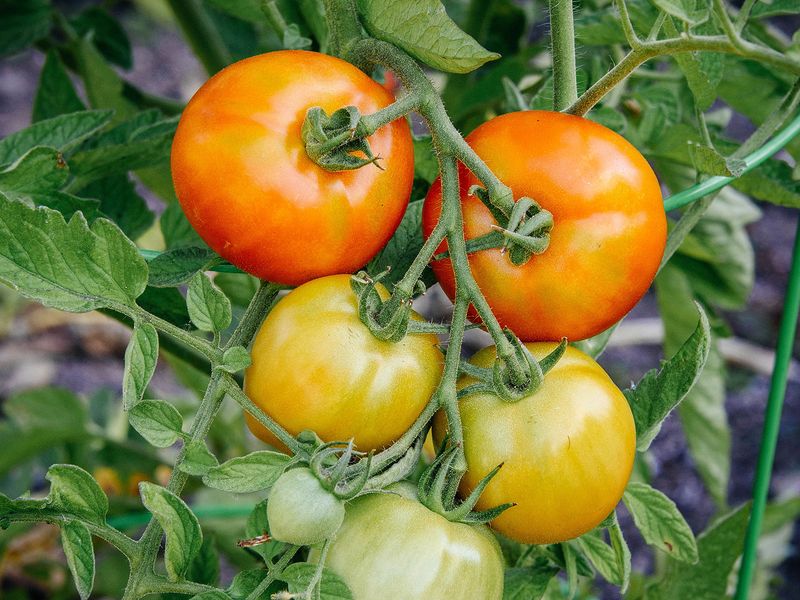
Warm soil and rising humidity during monsoon season create conditions that can help tomato transplants settle in faster than most Arizona gardeners expect.
Planting tomatoes in late July or early August gives them time to establish roots while temperatures are still high, then push fruit as the heat gradually softens heading into fall.
In low-desert Arizona, heat-tolerant varieties tend to do better during this window than standard supermarket types.
Look for varieties bred to set fruit at higher temperatures, since standard tomatoes may struggle to set fruit when daytime highs stay above 95 degrees.
Cherry tomato types often handle heat stress more reliably than larger beefsteak varieties during this period.
Transplants are the smarter choice for monsoon-window planting rather than starting from seed, since the timeline is tight. Afternoon shade from a shade cloth rated around 30 to 40 percent can help reduce stress on young plants during the hottest part of the day.
Keep watering consistent between rain events, because monsoon rain can be unpredictable and uneven across different parts of the yard.
Mulch around the base of plants helps hold soil moisture and keeps roots from overheating on days when clouds clear and full sun returns suddenly.
2. Peppers And Chiles Keep Growing Through Heat
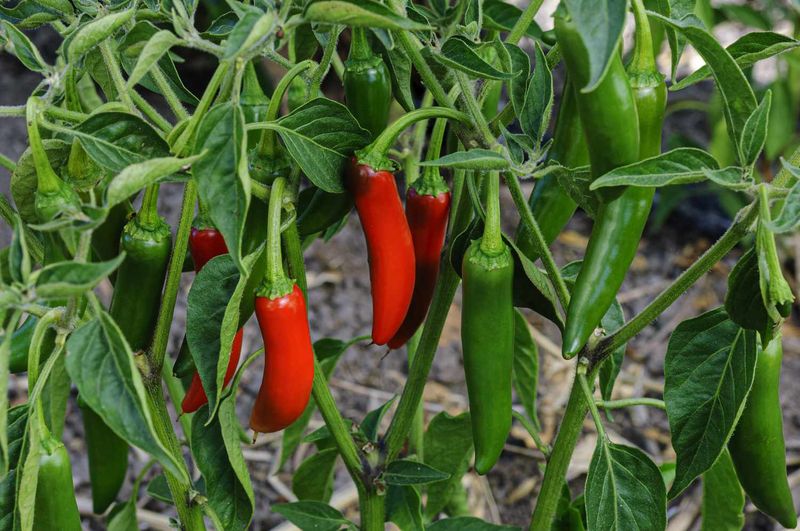
Few vegetables handle Arizona’s relentless heat as confidently as peppers and chiles.
While many crops slow down or stall when temperatures climb past 100 degrees, established pepper plants tend to keep growing and flowering, making them one of the most practical choices for monsoon-window planting in low-desert gardens.
Transplants started in late June or early July can be well-rooted by the time monsoon rains arrive, which helps them push new growth and fruit development as humidity climbs.
Bell peppers, Anaheim chiles, jalapeños, and serranos all tend to perform well in Arizona’s late-summer conditions.
Hot pepper varieties generally handle heat stress better than sweet bell types, though both can work if given some afternoon shade during peak heat hours.
One thing worth watching is blossom drop, which can happen when temperatures spike sharply after a brief cool spell.
Keeping plants consistently watered between rain events and using mulch to moderate soil temperature helps reduce that stress.
Your Arizona Garden Changes Every Week. Your Plan Should Too.
Gardening in Arizona changes quickly throughout the season. Every Friday you’ll receive a simple weekly plan showing exactly what to plant, prune, fertilize, harvest, and protect so you never miss the right timing.
Peppers planted during the monsoon window can continue producing well into November in many low-desert locations, making them one of the better long-season investments a home gardener can make during this time of year.
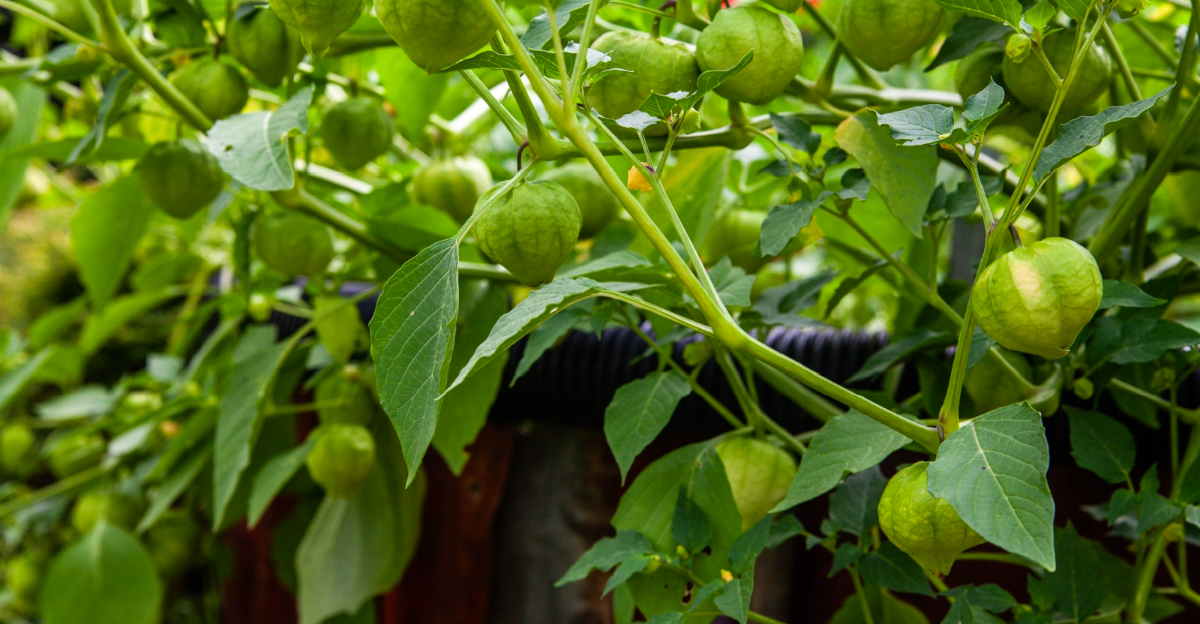
3. Tomatillos Make The Most Of Monsoon Warmth
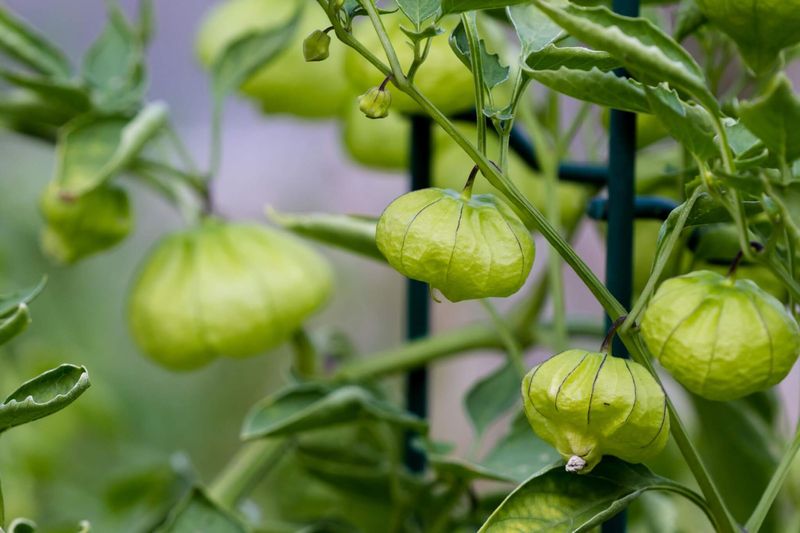
Tomatillos have a way of thriving in conditions that slow other vegetables down.
Native to Mexico and accustomed to hot, humid growing seasons, they adapt well to Arizona’s monsoon window and can produce a generous harvest with relatively little fuss from home gardeners.
Planting tomatillo transplants in mid-July gives them enough time to establish and begin fruiting before cooler weather arrives. They grow into large, spreading plants, so spacing matters.
Give each plant at least two to three feet of room and plan for some kind of support, since tomatillo plants can get top-heavy once they start producing the small, husk-covered fruits they are known for.
One important detail: tomatillos need at least two plants nearby for cross-pollination to produce fruit reliably. A single plant may flower heavily but set very little fruit without a companion plant close by.
Monsoon humidity tends to support good pollinator activity, which helps. Keep the soil consistently moist between rain events and watch for aphids, which tend to appear more frequently during humid monsoon weather.
In Arizona’s low-desert gardens, tomatillos planted during the monsoon window can produce fruit well into October and sometimes beyond, making them a rewarding late-summer crop.
4. Eggplant Handles The Late-Summer Window Well
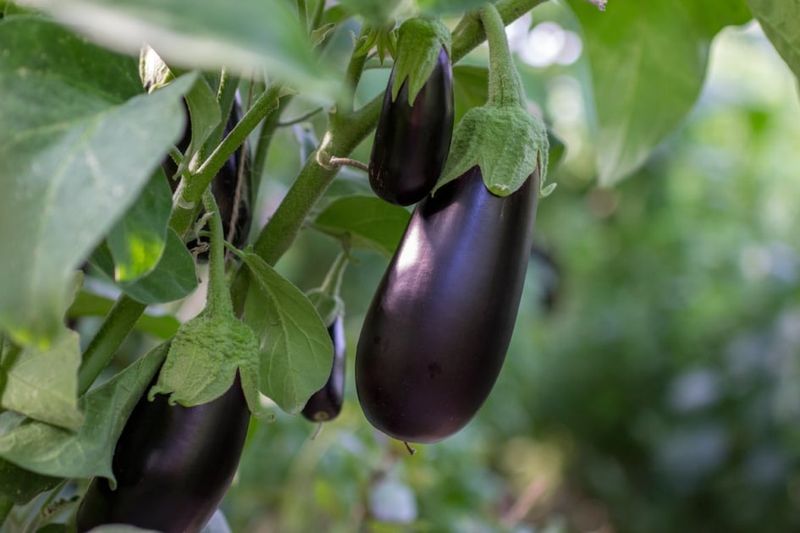
Hot soil is not a problem for eggplant. It is practically a requirement.
Eggplant is one of those vegetables that genuinely thrives when temperatures are high, making it a natural fit for monsoon planting window when the ground stays warm day and night.
Transplants set out in late July or early August have a solid chance of producing fruit before the season winds down. Eggplant takes some time to mature, so the earlier in the monsoon window you can get transplants in the ground, the better.
Varieties that produce smaller fruits tend to mature faster than large Italian-style types, which can be helpful when working within a tighter seasonal window.
Flea beetles and spider mites tend to be more active on eggplant during warm, humid monsoon conditions, so checking leaves regularly is a good habit. Row cover or shade cloth can offer some protection for young transplants while they are getting established.
Eggplant does well in both raised beds and containers in Arizona, and consistent watering between monsoon rain events is important since the plant does not handle drought stress well once it starts flowering.
A thick layer of mulch around the base of each plant goes a long way toward keeping soil moisture steady.
5. Cowpeas Or Black-Eyed Peas Thrive In High Heat
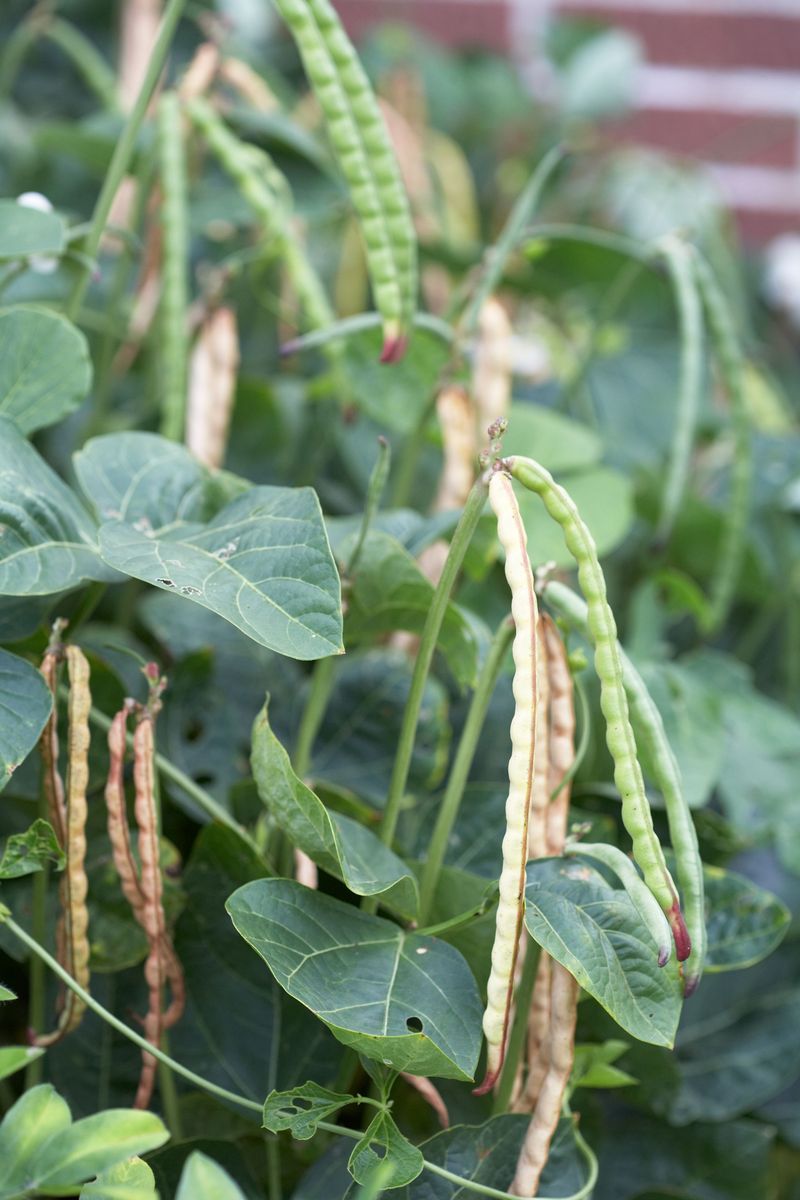
Cowpeas, which include black-eyed peas and several other related varieties, are among the most heat-tolerant legumes a home gardener can grow.
They were practically built for conditions like Arizona’s monsoon season, when temperatures are high, rain is occasional, and humidity adds a subtropical edge to the air.
Direct seeding works well for cowpeas, and the monsoon window is a good time to get seeds in the ground. They germinate quickly in warm soil and can go from seed to harvest in as little as 60 to 70 days depending on the variety.
That timeline fits well within the late-summer planting window that Arizona low-desert gardeners work with.
Beyond producing edible pods and seeds, cowpeas also fix nitrogen in the soil, which benefits the garden long after the plants are pulled.
They are relatively drought-tolerant once established, though consistent watering between monsoon rain events will support better pod production.
Crowder peas, cream peas, and purple hull peas are all worth trying in monsoon garden alongside classic black-eyed pea varieties.
Bush types tend to be easier to manage in raised beds and smaller backyard gardens, while vining types can be trained up a simple trellis to save space.
6. Yardlong Beans Stretch Across Warm Garden Beds
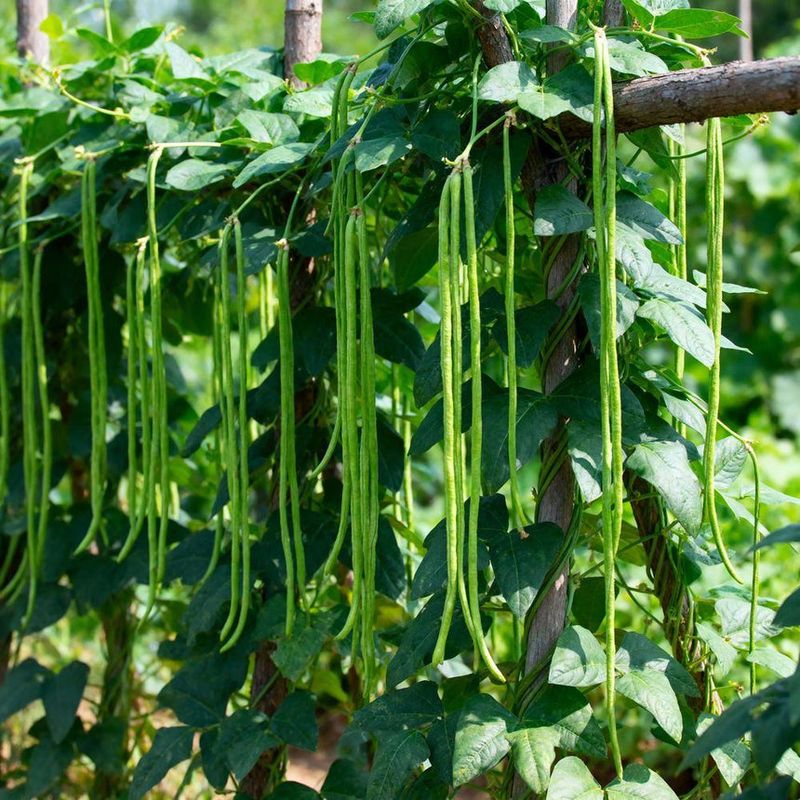
There is something almost theatrical about yardlong beans. The pods, which can grow close to a foot and a half long under good conditions, dangle from climbing vines in a way that makes the garden feel productive and lively.
They are also one of the better warm-season choices for gardeners working with the monsoon window.
Yardlong beans are closely related to cowpeas and share the same preference for hot weather and warm soil. They can be direct-seeded during the monsoon window and will climb quickly once established, so a sturdy trellis or fence is helpful from the start.
Plants can reach six feet or more in height, making vertical gardening a practical approach for smaller backyard spaces in Arizona.
Harvest timing matters with yardlong beans. Pods picked young, around eight to twelve inches long, tend to be more tender and flavorful than pods left to grow to full length.
Checking plants every couple of days during peak production keeps the harvest coming and encourages the plant to keep producing new pods.
Pest pressure from aphids and whiteflies can increase during humid monsoon weather, so monitoring the undersides of leaves regularly is a smart habit throughout the growing season.
7. Tepary Beans Bring Desert-Grown Resilience
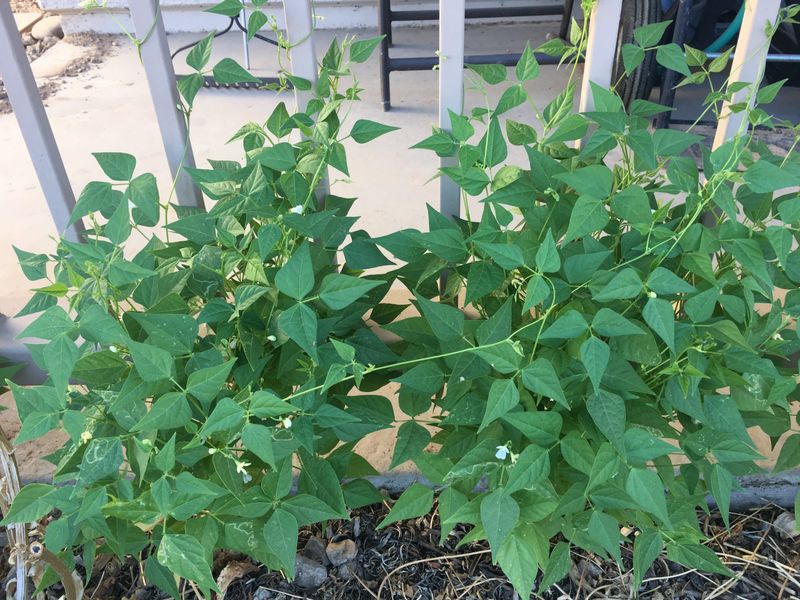
Few vegetables carry as much history in Arizona’s soil as tepary beans. Indigenous communities across the Sonoran Desert have grown them for centuries, and for good reason.
Tepary beans are exceptionally well-adapted to hot, arid conditions, making them one of the most reliable legumes a low-desert gardener can grow during the monsoon window.
They are direct-seeded rather than transplanted and prefer to be planted when soil temperatures are warm and consistent. The monsoon window offers exactly that.
Tepary beans do not need as much water as most common bean varieties, and overwatering can actually reduce their productivity.
Letting the soil dry out between waterings, even during the monsoon season, tends to work better than keeping it consistently moist.
White tepary and brown tepary are two of the more commonly available varieties for home gardeners in Arizona. Both mature relatively quickly and produce nutritious, flavorful beans that can be dried and stored.
Because tepary beans are so well-suited to desert conditions, they often outperform standard green beans and other common legumes during Arizona’s hottest months.
For gardeners interested in growing regionally significant crops with deep roots in the Sonoran Desert, tepary beans are a rewarding and historically meaningful choice for the monsoon-season garden.
8. Okra Loves The Hot Summer Garden
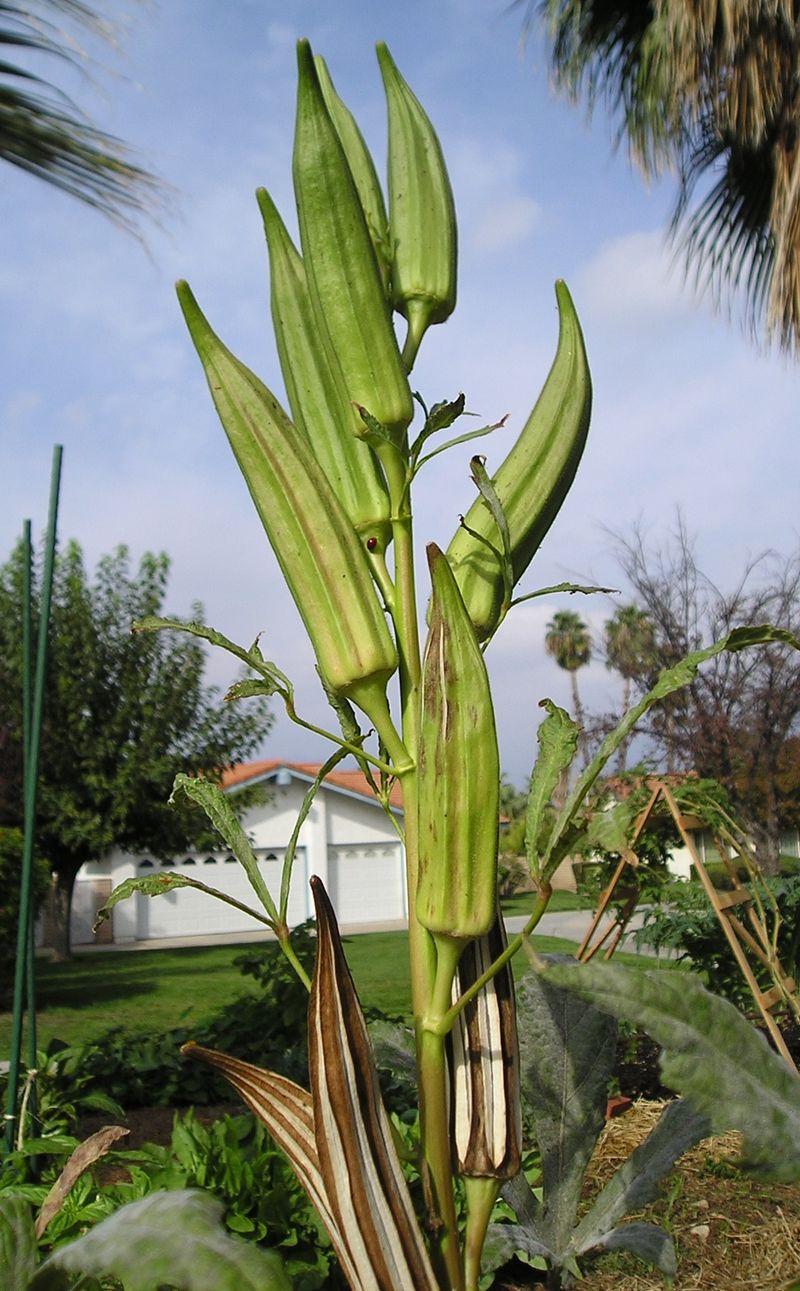
Ask any experienced Arizona gardener which vegetable seems completely unbothered by triple-digit heat, and okra will come up quickly.
This tall, productive plant thrives in conditions that stress most other vegetables, and the monsoon window gives it the warm soil and occasional rain it needs to get going strong.
Okra can be direct-seeded or started from transplants during the monsoon planting window. Seeds germinate well in warm soil, and soaking them in water for a few hours before planting can speed up germination.
Plants grow tall, sometimes reaching five to six feet, so placing them where they will not shade smaller crops nearby is worth thinking about when planning the garden layout.
Harvesting okra at the right time makes a significant difference in quality. Pods left on the plant too long become tough and fibrous quickly in the heat.
Checking plants every one to two days and harvesting pods when they are two to four inches long keeps production going and the quality high. Okra planted during the Arizona monsoon window can produce abundantly through the late summer and into early fall.
It handles the heat with ease, requires relatively little fuss once established, and is one of the more forgiving vegetables available to home gardeners during this season.
9. Armenian Cucumbers Handle Heat Better Than Most
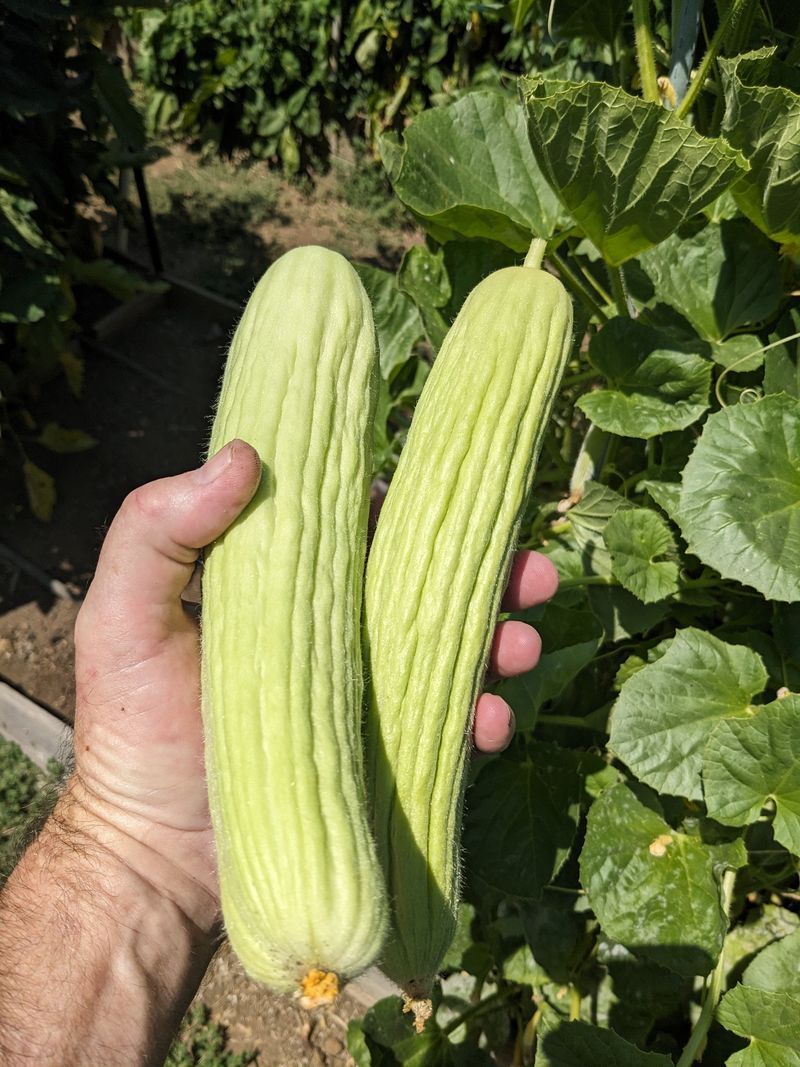
Standard cucumbers tend to struggle when Arizona heat climbs past 95 degrees, but Armenian cucumbers are a different story.
Technically a type of muskmelon that looks and tastes very much like a cucumber, the Armenian cucumber handles high temperatures far better than common slicing or pickling cucumber varieties, making it a standout choice for the monsoon planting window.
Vines grow quickly and produce long, pale green, ribbed fruits that are mild, crisp, and refreshing. Direct seeding works well during the monsoon window since soil temperatures are warm enough to encourage fast germination.
A trellis or fence gives the vines something to climb, which keeps fruit off the ground and makes harvesting easier. Plants can cover a lot of ground if left to sprawl, so vertical growing is generally the better approach for home gardens with limited space.
Harvesting Armenian cucumbers before they grow too large keeps the flavor mild and the texture crisp. Fruits left on the vine past about 18 inches can become seedy and slightly bitter.
Monsoon humidity can bring increased pressure from powdery mildew on the leaves, so good air circulation around the vines helps.
In Arizona’s low-desert gardens, Armenian cucumbers planted during the monsoon window can produce reliably through September and sometimes into October.