Why Your Arizona Citrus Is Dropping Fruit in Fall and What to Do Now
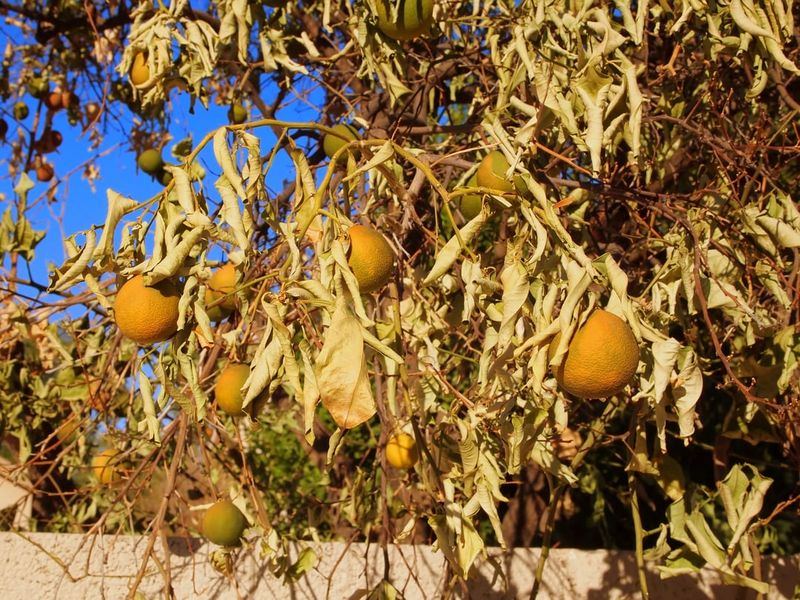
Walking out to find oranges or grapefruit scattered under your tree can make your stomach sink. In Arizona, a little fruit drop is normal, but the size of the fruit and the time of year change what it means.
A few simple checks can tell you whether to relax or look closer. Here is how to size up the situation calmly and care for your tree.
Start with the fruit’s size and the season
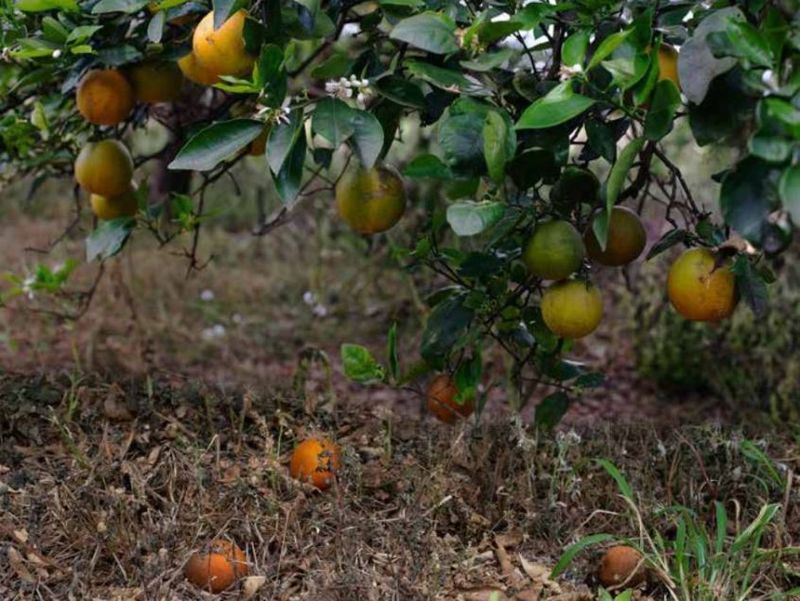
Before changing anything, pick up a few fallen fruit and note two things: how big they are and what time of year it is. Tiny fruitlets that fall soon after bloom or in late spring often follow a normal pattern, as described in Arizona citrus diagnostic guidance.
Larger, older fruit landing on the ground in fall is a different pattern. Here, “early” simply means the fruit is bigger and has dropped before you would expect to pick it.
October timing does not make a drop abnormal on its own.
This size-and-season check does not name a cause. It just tells you what to inspect next.
Some fruit loss is expected, and California pest management guidance notes that excessive drop cannot always be avoided.
Small spring fruitlets often fall naturally
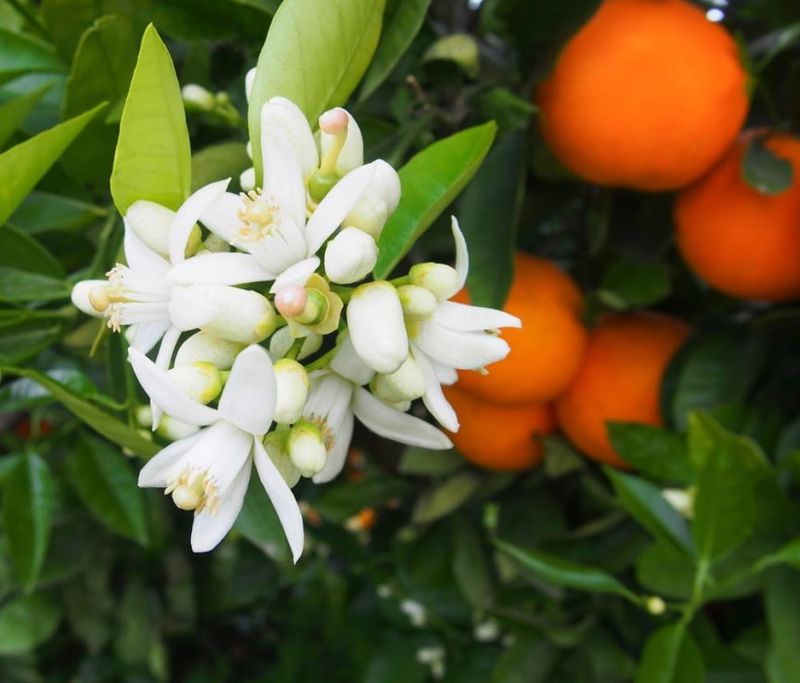
A citrus tree blooms heavily and sets far more fruit than it can carry. Shedding the extra tiny fruitlets after bloom and into late spring is part of its natural thinning, so a carpet of little green marbles is often nothing to fix.
See the Arizona diagnostic guide for that normal pattern.
Arizona springs can push the loss higher. Hot, dry, or windy weather around bloom and fruit set, along with water stress, may make more fruitlets fall than usual.
Navel oranges are especially sensitive to spring heat stress, according to
southern Arizona orange guidance. That does not mean every variety reacts the same way.Since it is now October, spring shedding is behind us. Think of it as background knowledge, and no practice can stop every fruitlet from falling.
A notable fall drop deserves a measured check
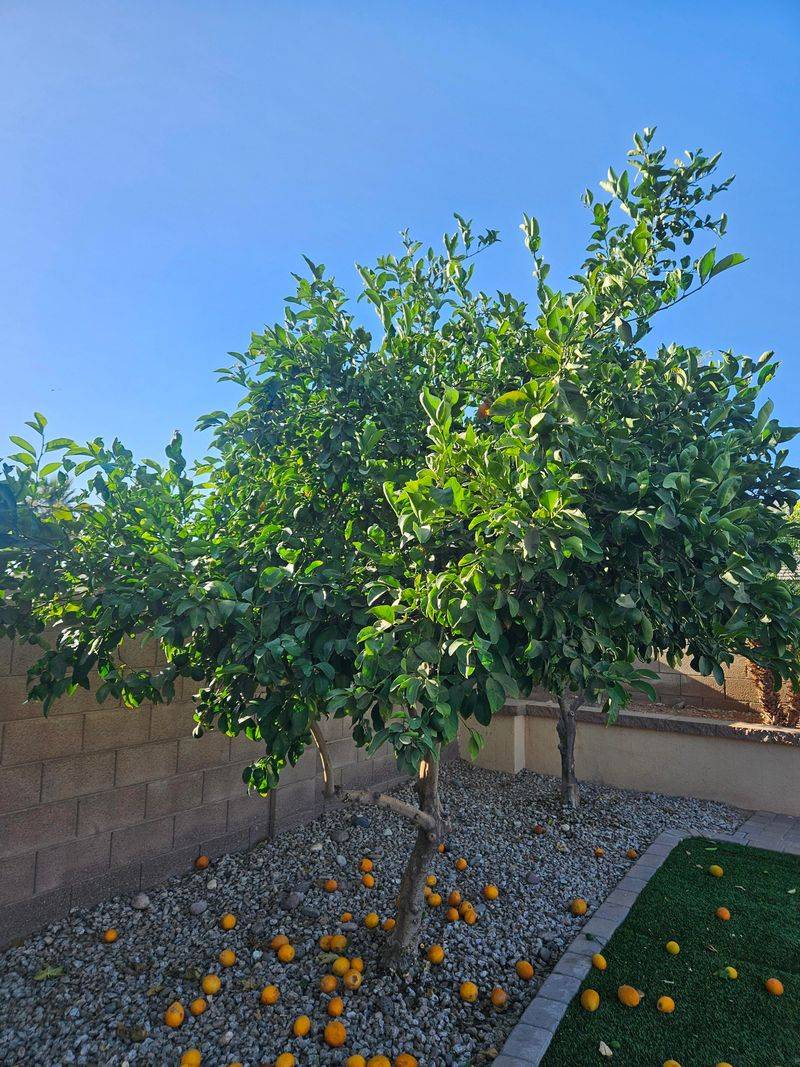
When larger, older fruit lands under the tree in fall, it looks different from spring thinning. It is worth a calm look at the tree, the recent weather, and how you have been caring for it.
The Arizona citrus problem guide treats these situations as something to investigate rather than assume.
Water stress is one possibility on the list. A long hot summer, a changed irrigation schedule, or a clogged emitter could all play a part, though none of them is a conclusion.
Timing alone cannot identify the cause, and neither can the drop itself. Some shedding happens even in healthy trees, as pest management guidance for citrus explains.
So gather clues first: leaf condition, soil moisture, fruit condition, and any recent changes.
Water deeply and adjust to your site
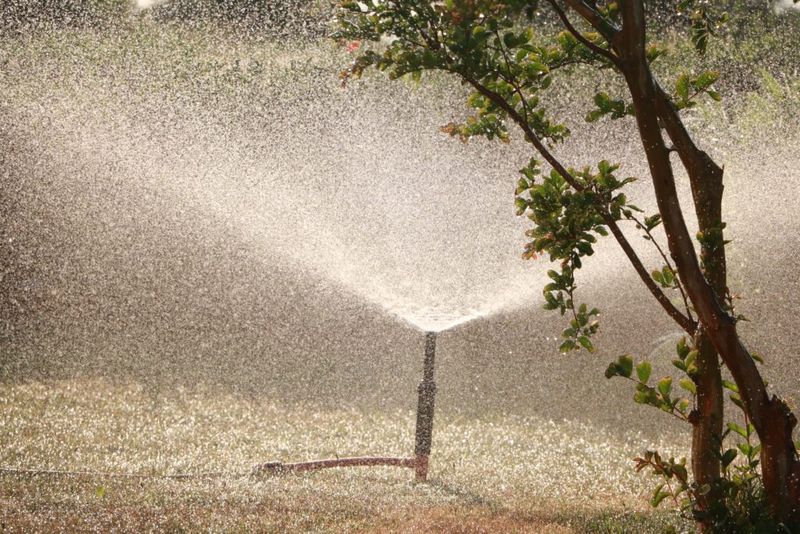
Check irrigation before you touch fertilizer or sprays. A noticeable sign of water stress is leaves that curl inward and look dull green.
Your Arizona Garden Changes Every Week. Your Plan Should Too.
Gardening in Arizona changes quickly throughout the season. Every Friday you’ll receive a simple weekly plan showing exactly what to plant, prune, fertilize, harvest, and protect so you never miss the right timing.
If stress continues, the tree can drop leaves and fruit, according to Arizona citrus irrigation guidance.
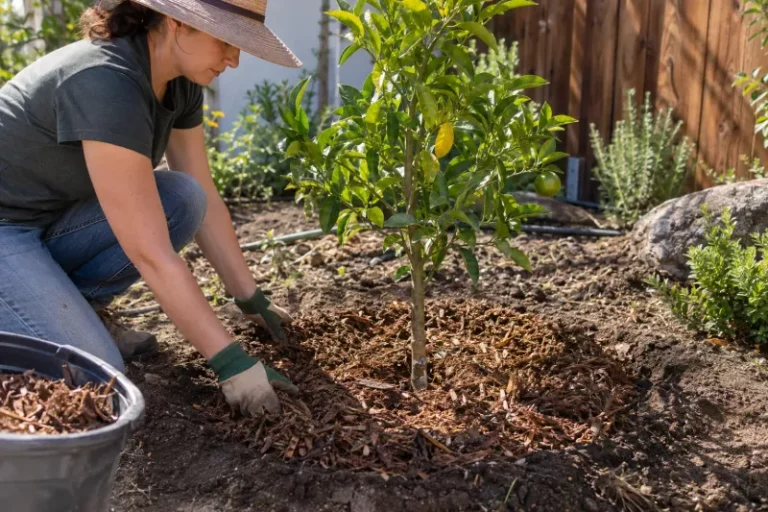
Established trees do best with deep watering that wets the soil from near the trunk to just beyond the canopy’s drip line, down to about two feet. Frequent, shallow watering often fails to reach the roots and can worsen salt problems.
Let the soil dry about six inches down before watering again.
For trees three years or older, the Extension schedule offers 14 to 21 days in October and November as a starting guideline. It is not a rule for every tree or yard.
Soil type, weather, tree size, nearby grass or other plants, and your irrigation method all change the timing and amount. Dig down and look before you adjust.
Fertilizer and sprays are not emergency fixes
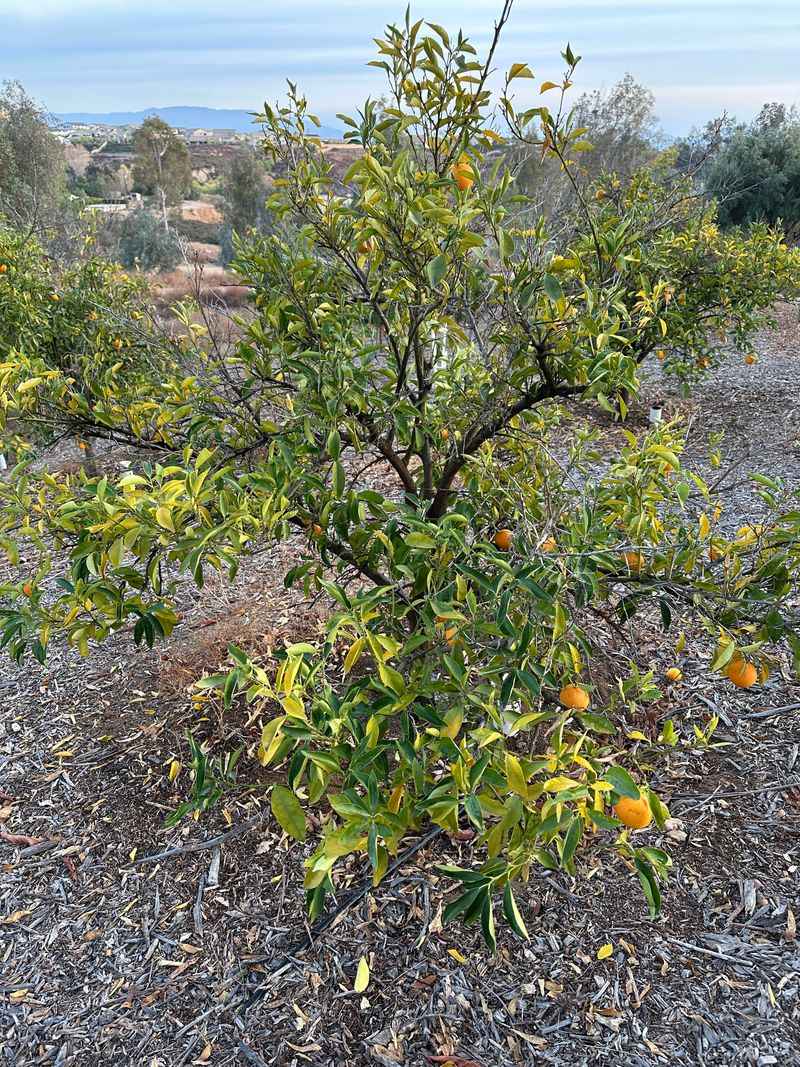
Extra fertilizer will not rescue the fruit that is falling now. Nutrition works best as steady, measured care, and the Arizona citrus fertilization chart splits yearly nitrogen into seasonal applications that vary by citrus type and tree size.
Follow the amount that fits your tree rather than doubling up. Too much nitrogen can bring other fruit-quality problems of its own.
Sprays deserve the same patience. Fruit drop alone does not justify treating for pests, because many different things can cause it.
The Arizona diagnostic guide points toward identifying the problem first.
If you cannot find a cause, get a diagnosis before choosing any treatment. A product applied to the wrong problem costs money and may do nothing for the tree.
Know which symptoms call for expert diagnosis
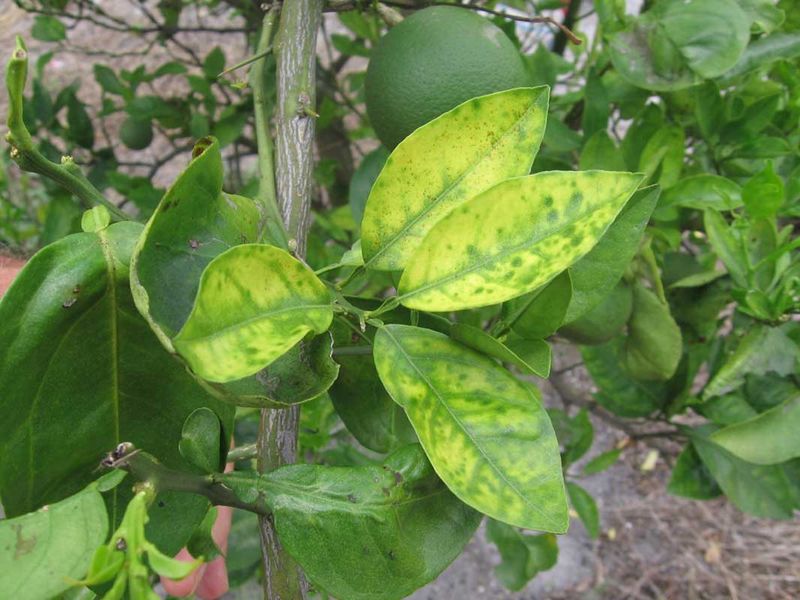
Ordinary shedding usually comes without other trouble. Take a closer look if you see decay on fallen fruit, leaves with uneven, blotchy patterns, yellow shoots, or misshapen fruit that stays green.
These signs call for diagnosis from an expert, as the Arizona diagnostic guide suggests.
One symptom is not proof of anything, and fruit drop by itself does not point to citrus greening. The Arizona homeowner guide to citrus greening describes the added signs to look for, so avoid deciding on your own that your tree has it.
If you suspect citrus greening, contact the Arizona Department of Agriculture. Do not remove the tree, and do not move citrus fruit or plant material off your property.
Current commercial management guidance exists too, but it does not tell you how far the disease has spread today.
Focus on the tree, not every fallen fruit
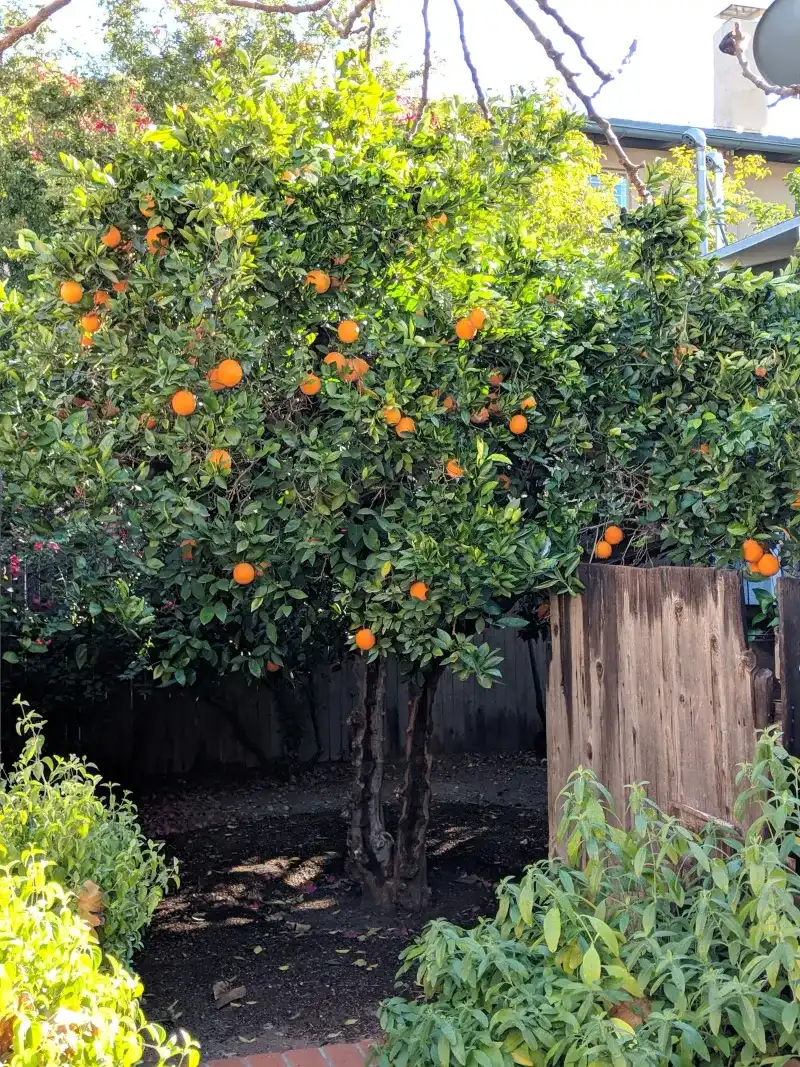
Start with the basics: note how big the fallen fruit is and what season it is. Then check for stress, especially water.
Adjust care to your tree and site, and call for diagnosis if warning signs show up.
The aim is sound care, not a yard with zero fallen fruit. Shedding is a normal part of citrus growing, and pest management guidance acknowledges that excessive drop cannot always be avoided.
No routine can guarantee a full crop.
A tree that gets steady attention will tell you more than any single fallen orange.