How To Set Up Your Arizona Garden To Attract More Dragonflies
Spending time outdoors becomes much more enjoyable when a garden feels alive. Flowers bring color, but movement is often what catches the eye first.
Butterflies drift between blooms, birds visit throughout the day, and unexpected wildlife can make even a familiar space feel more interesting.
Certain visitors seem to attract attention wherever they appear. Their quick movements, bright colors, and ability to dart effortlessly through the air make them hard to ignore.
Seeing them around a garden often gives the impression that the space is healthy, active, and full of life.
Warm weather creates ideal conditions for noticing more of this activity. Gardens that attract a variety of wildlife tend to share certain characteristics, and those details can make a surprising difference over time.
In Arizona, dragonflies are among the most fascinating visitors to watch, and some outdoor spaces naturally appeal to them more than others.
1. Add A Water Feature Where Dragonflies Can Gather
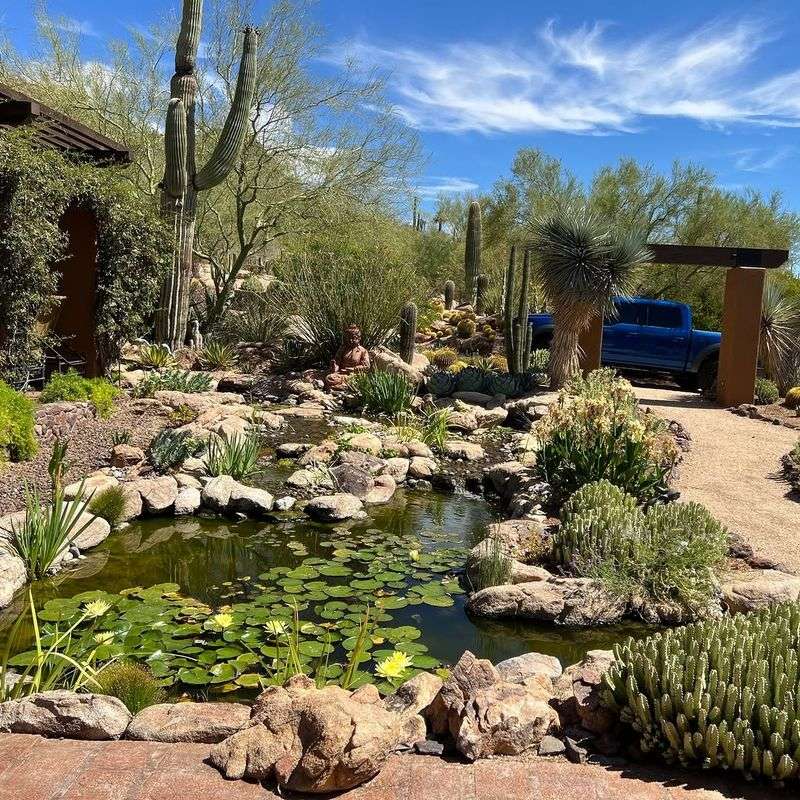
Still water is the single most important thing a dragonfly needs. Without it, they simply will not show up, no matter how beautiful your garden looks.
Dragonflies breed in water, lay eggs in water, and spend the early part of their lives completely underwater as larvae.
A pond does not need to be large or expensive. Even a half-barrel filled with water and placed in a sunny spot can attract them.
Depth matters too. Aim for at least two feet deep in part of the pond so larvae have room to develop safely.
Keep the water as still and clean as possible. Moving water from strong fountains can actually discourage dragonflies.
Gentle water movement is fine, but powerful jets or waterfalls create turbulence that makes it harder for them to land and breed comfortably.
Avoid adding fish if you want dragonflies to thrive. Fish eat dragonfly larvae aggressively and quickly reduce populations before they ever get a chance to emerge.
A fish-free pond creates a much safer environment for larvae to mature fully.
Place flat rocks near the water’s edge. Dragonflies love to perch on warm surfaces close to water.
Rocks absorb heat from the sun and give dragonflies a comfortable spot to rest, warm up, and watch for prey nearby.
2. Grow Native Plants That Support More Insect Life
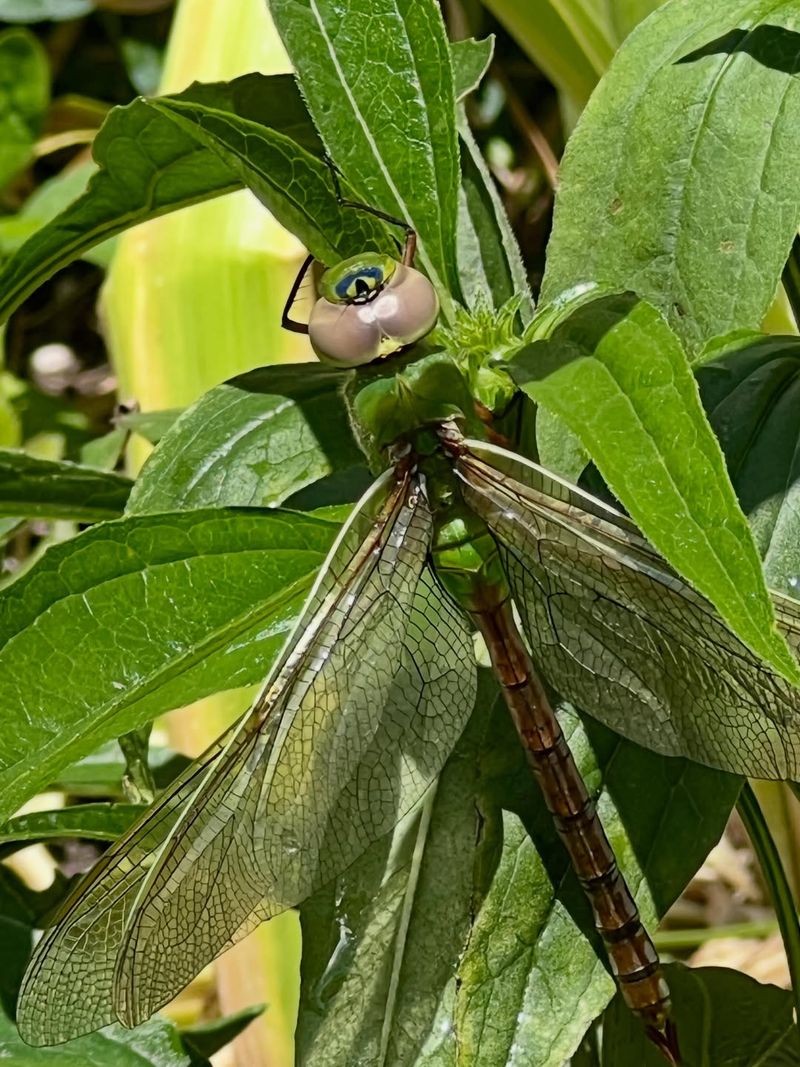
Native plants do something store-bought ornamentals simply cannot: they feed the entire local food web. Dragonflies eat other insects, so the more insects your garden supports, the more dragonflies will show up to hunt there regularly.
Plants like desert marigold, penstemon, and Arizona poppy attract midges, gnats, and small flies. Those tiny insects are exactly what dragonflies hunt every single day.
Grow plants that bloom across different seasons so there is always something feeding the insect community your garden hosts.
Avoid hybrid plants bred purely for appearance. Many hybrids produce little to no pollen or nectar, which means fewer insects visit them.
Fewer insects means fewer reasons for dragonflies to spend time in your space.
Milkweed is another strong option. Beyond supporting monarch butterflies, milkweed attracts a wide variety of small insects that dragonflies actively prey on.
Your Arizona Garden Changes Every Week. Your Plan Should Too.
Gardening in Arizona changes quickly throughout the season. Every Friday you’ll receive a simple weekly plan showing exactly what to plant, prune, fertilize, harvest, and protect so you never miss the right timing.
Plant it near your water feature for the best results.
Native sedges and rushes planted near water edges provide shelter for small insects that live near the waterline. Dragonfly larvae also use these plants as climbing structures when they emerge from the water as adults for the first time.
Grouping plants together in clusters rather than spreading them out individually creates denser insect habitat. Dense plantings hold more moisture, provide more shade at ground level, and generate more insect activity overall.
3. Create Sunny Open Areas For Daily Activity
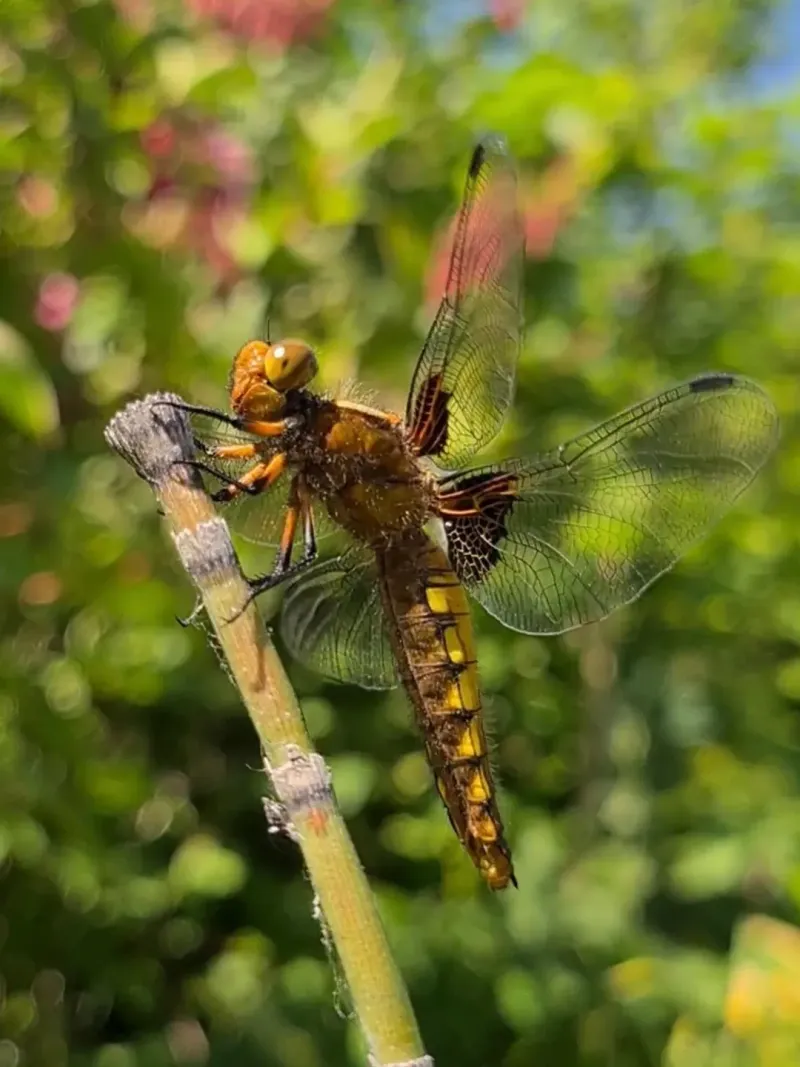
Dragonflies are aerial hunters. Open space is not optional for them; it is where they do almost everything.
They hunt, patrol territory, find mates, and chase off rival dragonflies all in open, sunlit air.
Clear out overgrown sections near your water feature. A garden packed with tall dense shrubs from edge to edge leaves no room for dragonflies to fly freely.
Open corridors of air, especially in full sun, give them the space they actively look for.
South-facing areas receive the most consistent sunlight throughout the day in the northern hemisphere.
Positioning open spaces on the south side of your garden maximizes warmth and light exposure, which dragonflies strongly prefer when choosing territories.
Keep grass or ground cover low in these open zones. Dragonflies rarely hunt in tall grass because visibility drops significantly.
Short, sparse vegetation at ground level allows them to spot and chase prey without obstacles slowing them down.
Open areas also serve as warmup zones in the morning. Dragonflies are most active once their body temperature rises enough for flight.
A sunny patch of bare ground or flat stone in an open area gives them a quick warmup spot early in the day.
Balance is key here. You want open space alongside dense plantings and water, not instead of them.
4. Provide Tall Stems For Resting Dragonflies
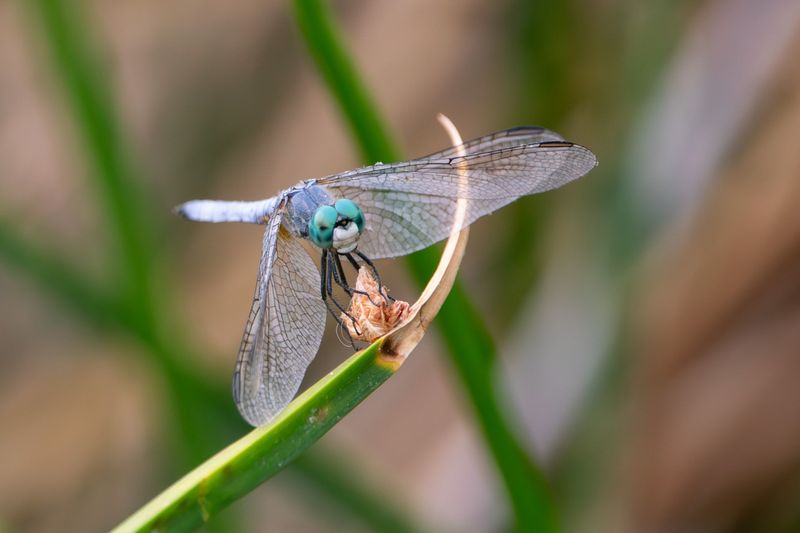
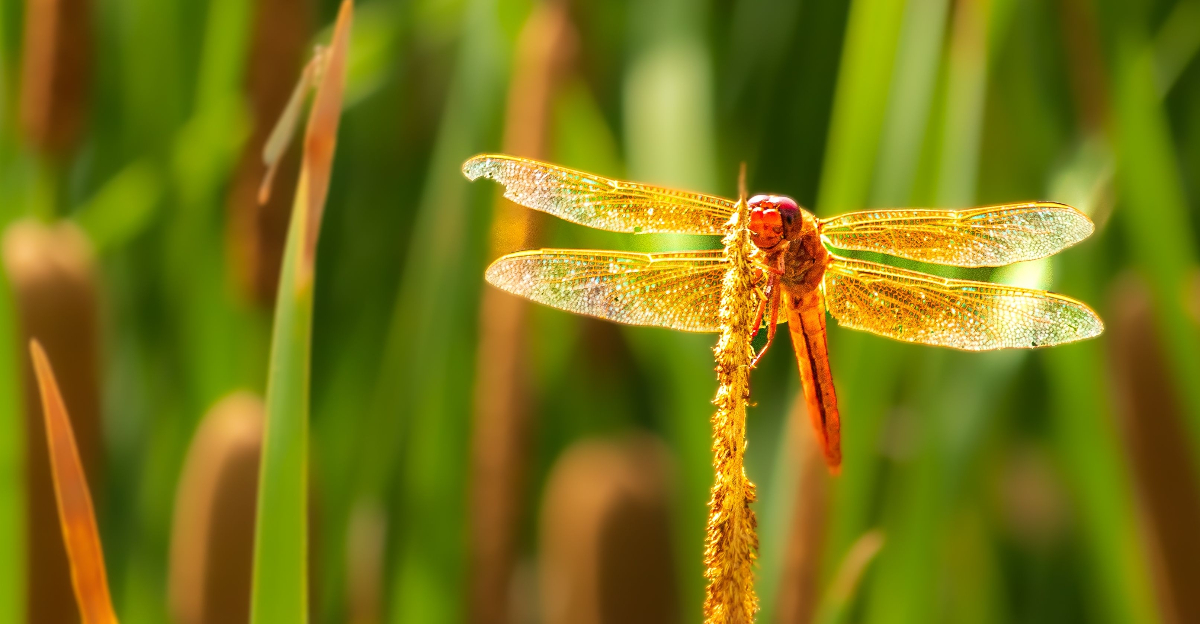
Watch a dragonfly long enough and you will notice something consistent: they always come back to the same perch. Dragonflies are highly territorial and use elevated perches to survey their space, rest between hunts, and warm up in the sun.
Tall plant stems are their favorite resting spots. Grasses like sacaton and giant sacaton grow naturally in parts of the Southwest and provide exactly the kind of upright structure dragonflies prefer.
Let them grow tall rather than cutting them back aggressively.
Dried flower stalks work just as well as living ones. Many gardeners cut back spent stalks too early in the season.
Leaving them standing through late summer and fall gives dragonflies reliable perches during peak activity months.
Wooden garden stakes placed strategically around a pond or open area can also serve as artificial perches. Push them into the ground at varying heights between two and four feet tall.
Dragonflies will find and use them quickly, sometimes within just a few days.
Position perches in sunny spots rather than shaded areas. Dragonflies use perches not just for resting but also for thermoregulation.
A warm, sun-exposed stem gives them a spot to raise their body temperature quickly between bursts of flight activity.
5. Reduce Pesticide Use Around The Garden
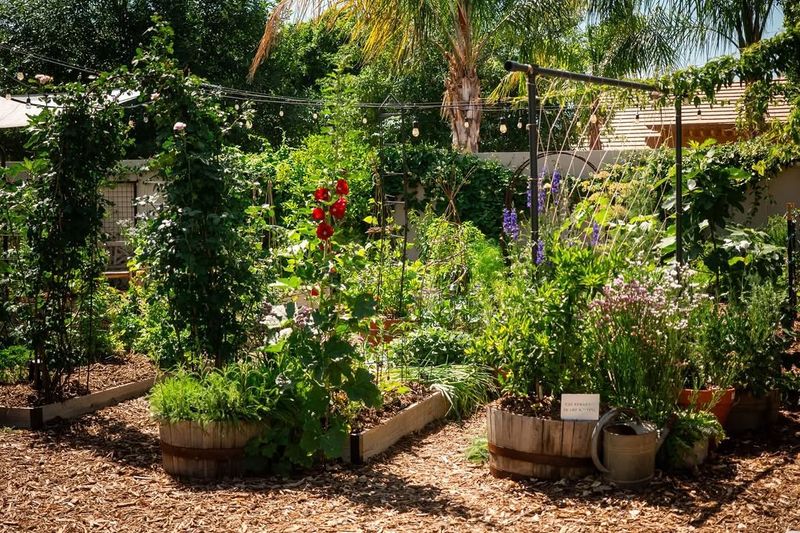
Pesticides do not distinguish between pests and beneficial insects. Broad-spectrum sprays wipe out the very insects dragonflies depend on for food, disrupting the garden food web quickly and significantly.
Dragonfly larvae are especially vulnerable. They live in water, and any pesticide that runs off into a pond or water feature can reduce or eliminate larvae populations before they ever emerge.
Even small amounts of runoff cause measurable harm to aquatic insect communities.
Switch to targeted methods instead of sprays. Hand-picking large pests, using insecticidal soap on specific problem areas, and encouraging natural predators like birds and spiders all reduce pest pressure without broad chemical impact on the garden.
Companion planting also helps. Basil, lavender, and yarrow naturally repel certain pest insects when planted alongside vegetables or ornamentals.
Using plants this way reduces the need for any chemical intervention while keeping beneficial insect populations healthy and active.
If you must use a pesticide, apply it in the evening when most beneficial insects are less active. Avoid spraying near water features entirely.
Read labels carefully and choose products with the shortest environmental persistence available for your specific pest problem.
Reducing pesticide use often leads to a noticeable increase in overall garden biodiversity within a single growing season.
6. Surround Water Features With Native Vegetation
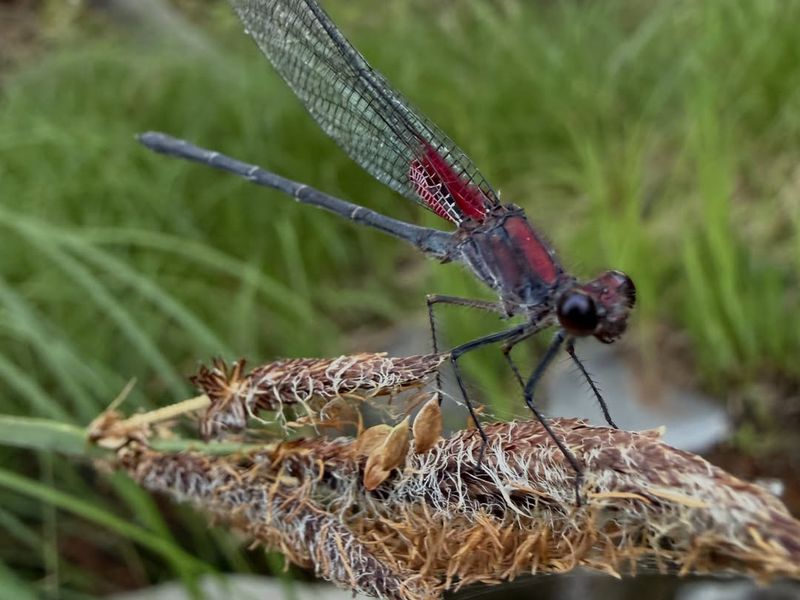
Bare edges around a pond are missed opportunities. Planting native vegetation directly around your water feature transforms it from a simple water container into a complete dragonfly habitat with everything they need nearby.
Rushes and sedges are the most practical choices for pond edges. They tolerate wet soil, grow upright, and provide structure that dragonfly larvae use when climbing out of the water during their final transformation into adults.
Without these plants, larvae often struggle to find a stable surface to emerge from safely.
Native shrubs like desert willow or Apache plume planted slightly farther back from the water edge provide shade and wind protection.
Dragonflies rest in sheltered spots during the hottest part of the afternoon, especially during intense summer heat common across the desert Southwest.
Avoid invasive water plants like water hyacinth. They spread rapidly and can cover a pond’s surface completely, blocking sunlight from reaching larvae below and reducing the open water dragonflies need for landing and egg-laying.
Low-growing native groundcovers along the water edge also help retain moisture in the surrounding soil. Moist soil near a pond supports a richer community of small insects, which in turn draws more dragonflies to hunt in that zone consistently.
Leave some areas of the bank with exposed mud or bare soil.
7. Leave Some Natural Areas Undisturbed
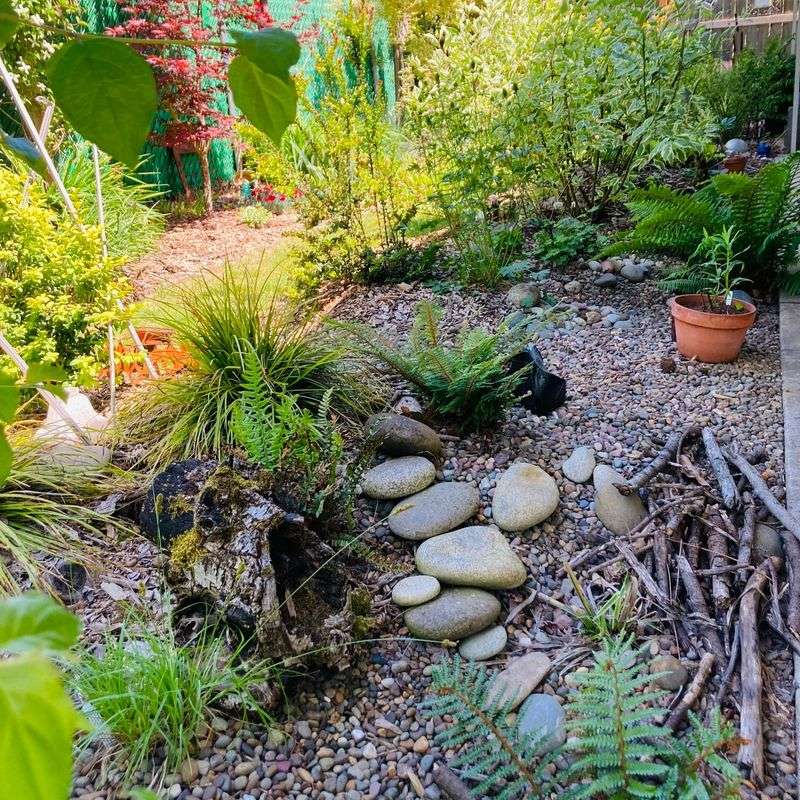
Not every part of your garden needs to be neat and tidy. Dragonflies and the insects they eat thrive in spaces that are left alone, messy, and full of natural debris.
A perfectly manicured garden often has far less wildlife activity than one with a few intentionally wild corners.
Leaf litter is valuable. Decomposing leaves harbor hundreds of small insect species that form the base of the food chain dragonflies tap into.
Raking everything away removes a critical layer of habitat that supports the entire insect community in your outdoor space.
Fallen branches and logs also matter. Many insects nest in rotting wood, and those insects attract the predatory insects that dragonflies feed on.
Even a single small log left in a shaded corner adds measurable habitat value over time.
Bare soil patches in undisturbed areas allow ground-nesting bees and wasps to establish themselves. Both groups are prey for dragonflies and contribute to a richer, more active insect community throughout the growing season in warm climates like Arizona.
Undisturbed areas near water edges are especially important. Dragonfly nymphs sometimes crawl several feet from the water before emerging as adults.
Soft soil, low plant cover, and debris-free paths from water to vegetation give them the best chance of completing that journey successfully.