7 Things in Your Arizona Garage That Invite Bark Scorpions Inside This Fall
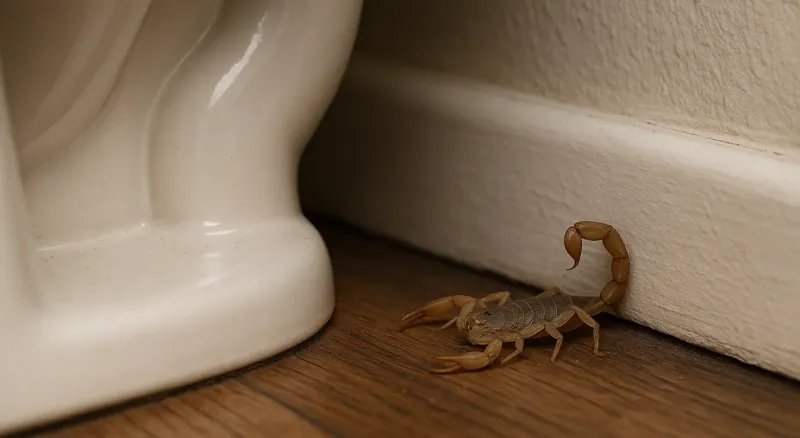
When the desert nights finally cool off in October, bark scorpions start hunting for a cozy place to settle in. For many Arizona families, that place turns out to be the garage, and from there it is a short trip into the kitchen or a kid’s bedroom.
The good news is that most of what draws them in is stuff you can spot and fix in a single weekend. Here are seven common garage habits that roll out the welcome mat, plus simple ways to make your space far less inviting.
1. Worn Garage Door Seals
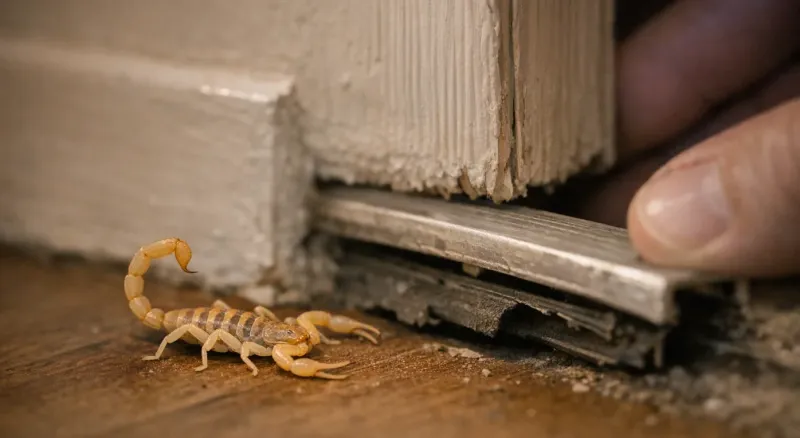
Slide a credit card under your garage door. If it fits, a bark scorpion can fit too.
These slim, flat-bodied hunters squeeze through gaps that most people would never notice.
Arizona sun is brutal on rubber. After a few summers of 110-degree afternoons, the bottom seal on many garage doors turns stiff, cracks, or curls up at the corners.
Settling concrete slabs can also leave the floor uneven, so one side of the door closes tight while the other leaves a tiny tunnel open all night long.
Fall is the perfect time to check. Close the door in the evening, turn off the garage lights, and look for daylight or streetlight peeking in along the bottom, sides, and top.
Any glow you see is an open invitation.
Replacing a bottom seal is a cheap, easy job that most homeowners can handle in under an hour. Add brush-style or vinyl weatherstripping to the side jambs and top for a fuller barrier.
If your slab dips, a threshold strip glued to the floor can close that gap nicely.
A snug door will not guarantee zero visitors, but it can cut down one of the most common entry routes in desert homes.
2. Cardboard Box Clutter
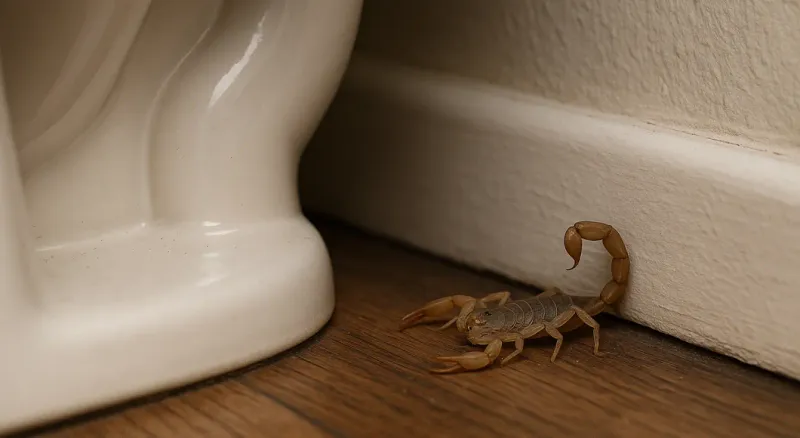
Grandma’s holiday dishes, three boxes of baby clothes, and that bin of camping gear you swear you will use again. Every Arizona garage has a stack like this, and bark scorpions think it is a five-star hotel.
Scorpions spend daylight hours tucked into dark, tight, quiet spots. Cardboard is especially appealing because its corrugated layers create endless little crevices, and the material holds a bit of moisture.
Boxes sitting directly on the concrete give scorpions an easy climb from the floor straight into your stored treasures.
The fix is less about tossing everything and more about smart storage. Swap cardboard for plastic bins with tight-fitting lids, which are harder to crawl into and easier to inspect.
Then get those bins off the floor with metal shelving that stands a few inches away from the walls.
Leaving a gap between shelves and walls matters more than people think. Scorpions love to travel along edges, so a clear strip of floor makes them easier to spot and gives them fewer places to hide.
Before pulling out fall decorations, wear gloves and use a flashlight. A quick peek can save you from an unpleasant surprise hiding in the wreath box.
Your Arizona Garden Changes Every Week. Your Plan Should Too.
Gardening in Arizona changes quickly throughout the season. Every Friday you’ll receive a simple weekly plan showing exactly what to plant, prune, fertilize, harvest, and protect so you never miss the right timing.
3. A Thriving Cricket Population
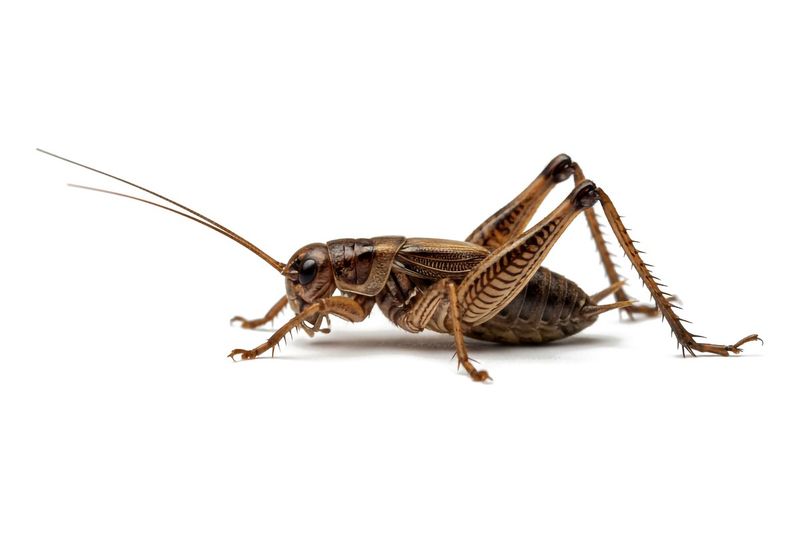
Hear chirping in the garage at night? That cheerful little sound is basically a dinner bell for scorpions.
Bark scorpions are predators, and they follow their food. Crickets, cockroaches, silverfish, and spiders are all on the menu.
A garage that hosts plenty of these smaller bugs can quietly become a hunting ground, especially in fall when insects start seeking shelter from cooler nights.
So the real question is not just how scorpions get in. It is why they would want to stay.
Cut the food supply and your garage loses much of its appeal.
Start by sweeping regularly, paying extra attention to corners and the spaces beneath shelves. Store pet food and birdseed in sealed containers, since spilled kibble draws crickets and roaches fast.
Sticky traps placed along walls can help you see what is moving around and where.
Out in the yard, a bit of help from nature goes a long way. Encouraging native lizards, toads, and even roadrunners with desert plantings like brittlebush and globe mallow can help keep insect numbers in check.
Fewer bugs outside often means fewer bugs inside, and that can make your home less inviting to the scorpions that chase them.
4. Leaky Pipes and Water Bowls
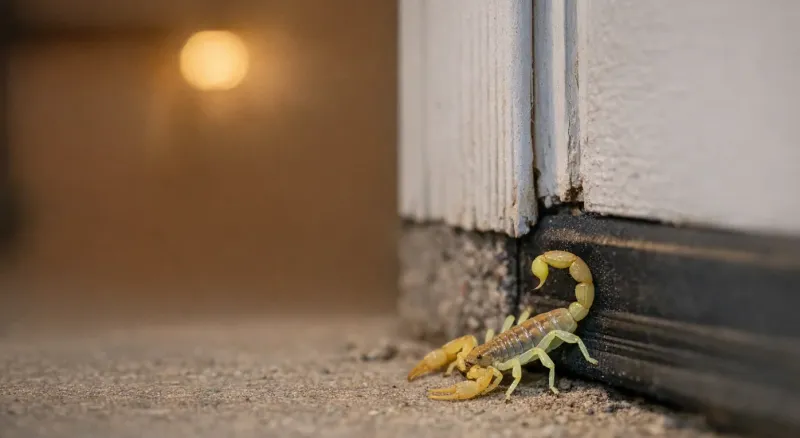
In a place where rain can vanish for months, a single drip is a big deal. Desert critters notice moisture long before we do.
Bark scorpions can survive a long time without much water, but they still seek out damp spots, especially after a dry summer. Garages often hide several sources.
Water heaters, utility sinks, washing machines, and AC condensate lines can all leak slowly, leaving a small puddle or damp patch that never fully dries.
Pet bowls are another common culprit. Many Arizona families keep a water dish in the garage for dogs or cats, and an open bowl overnight is an easy drink for thirsty pests.
Take a slow walk around the garage with a flashlight once a month. Look under appliances, around pipe fittings, and along the base of the water heater for stains or wet concrete.
Tighten loose connections and call a plumber for anything bigger.
For pets, bring water bowls inside at night or set them on a raised stand that is wiped dry each evening. Check that your AC drain line empties well away from the garage wall too.
Keeping things dry can make your garage a lot less appealing to moisture seekers.
5. Woodpiles and Rocks Against the Wall
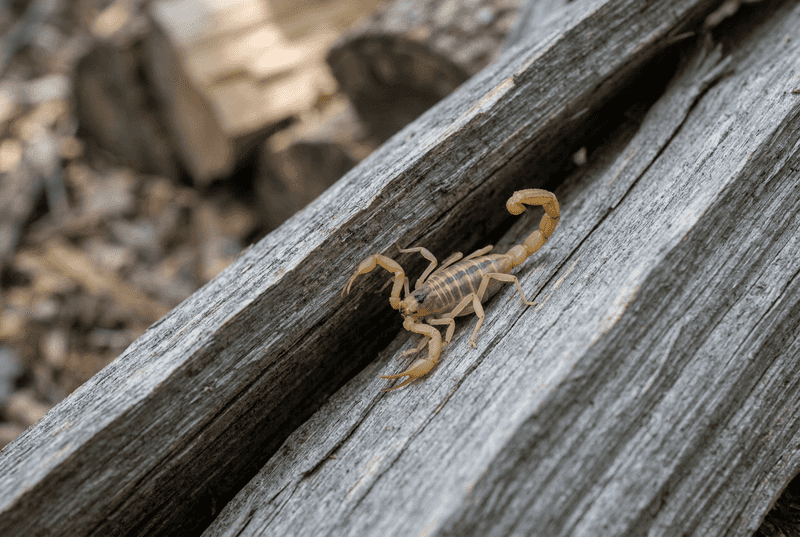
Picture a scorpion’s ideal commute. It sleeps under a log against your garage wall, wakes at dusk, and strolls a few inches to the gap beside your door.
No traffic, no hassle.
Landscaping right next to the garage creates exactly that shortcut. Firewood stacks, loose decorative boulders, piled landscape rock, and thick shrubs pressed against stucco all give bark scorpions shaded hiding spots close to entry points.
Moving things back can make a real difference. Store firewood at least 20 feet from the house and keep it raised off the ground on a metal rack.
Pull decorative rock piles away from the foundation and leave a clean strip of bare ground or fine gravel about two feet wide along the walls.
You can still have a beautiful, functional yard. Choose open, airy native plants for areas near the house, such as desert marigold, penstemon, or a small agave set a few feet out from the wall.
Trim larger shrubs so branches do not touch the structure.
Fall, from October through November, happens to be the best planting window in the low desert. It is the perfect season to rethink that crowded strip beside the garage.
6. Bright White Porch Lights
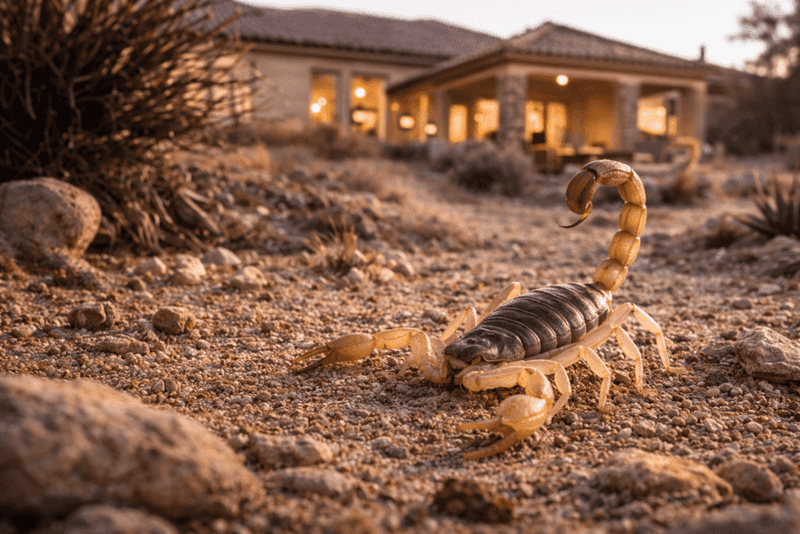
Here is a fun twist. Scorpions do not actually care about your porch light, but the bugs swirling around it certainly catch their attention.
Bright white bulbs over the garage pull in moths, beetles, and other night fliers from all over the neighborhood. Those insects land on walls and drop to the ground, creating a nightly snack bar right next to your garage door.
Hungry scorpions are happy to show up for the feast.
A simple bulb swap can help. Warm yellow LED bulbs, often sold as bug lights, tend to attract far fewer insects than cool white ones.
Fewer bugs near the door may mean fewer predators lurking nearby.
Motion sensor lights are another smart option. They stay off most of the night and only switch on when someone walks by, so insects never have time to gather in big swarms.
Fun fact for curious families: bark scorpions glow bright blue-green under a black light. Grab an inexpensive UV flashlight, head outside on a warm fall evening, and scan the walls around your garage.
It is a little spooky, a lot fascinating, and a great way to see whether your lighting changes are working.
7. Unsealed Cracks and Utility Gaps
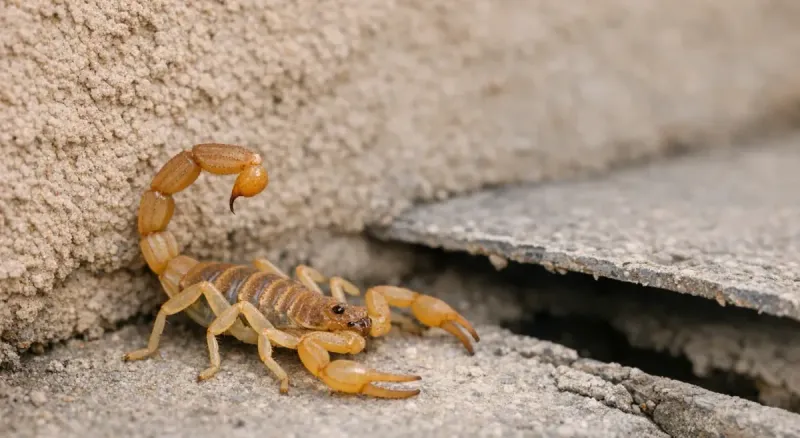
Most homeowners never look at the spot where the water line enters the garage wall. Scorpions, on the other hand, find it right away.
Every pipe, wire, cable, and vent that passes through your garage needs a hole, and those holes are often cut a little bigger than necessary. Over time, foam and caulk shrink or crack in the dry heat.
Add in hairline foundation cracks from shifting caliche soil, and you have a network of hidden doorways leading straight into the walls.
Grab a flashlight and a notepad. Check where hose bibs, gas lines, electrical conduit, cable lines, and dryer vents come through, both inside and outside.
Look closely at the joint between the slab and the wall, as well as around the door leading into the house.
Seal small gaps with a quality silicone caulk. For larger openings, stuff copper mesh or steel wool into the space first, then caulk over it.
Fine mesh screens over weep holes and vents keep airflow open while blocking crawlers.
Finally, add a sturdy door sweep to the entry door between the garage and your home. That last barrier can help keep any wanderers in the garage and out of your living space.