How New York Gardeners Can Get Their Christmas Cactus To Bloom Twice A Year
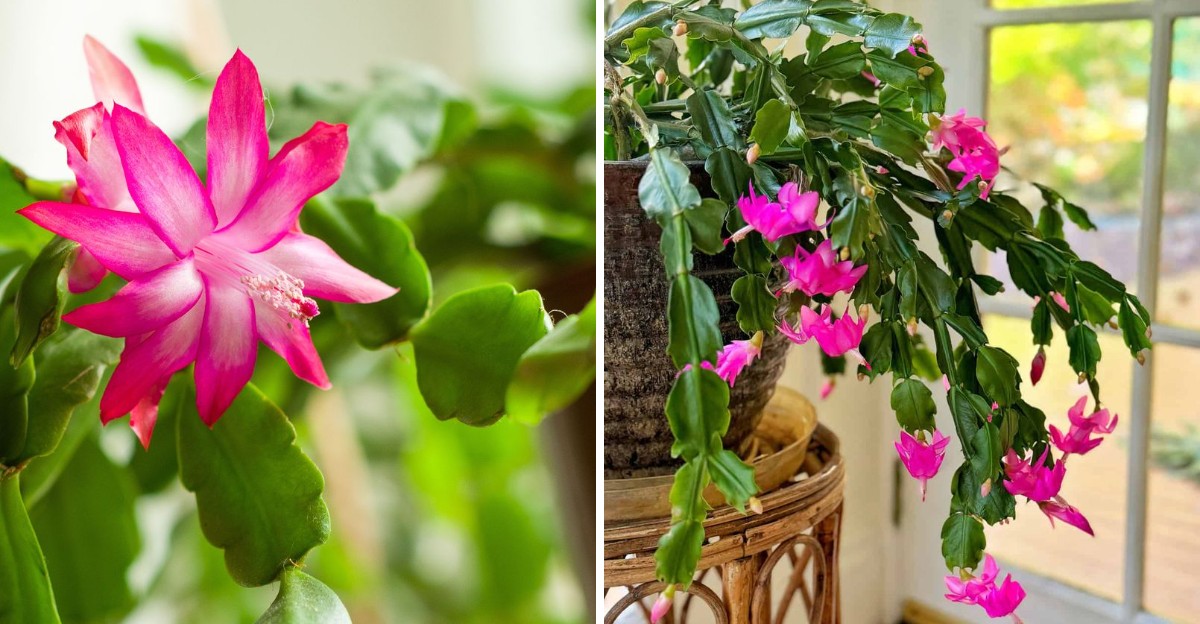
Your Christmas cactus hides a flowering trigger, and you keep missing it. Lush leaves fool you into thinking the job is finished.
Sitting in your New York apartment, your plant senses plenty of light and skips flowering. Darkness is the cue it craves.
Give it long, uninterrupted nights, with no lamp glow or hallway light creeping in. Chilly air near the glass tells the buds to form.
Pull it back from the radiator, because dry heat makes buds drop. Stop rotating the pot after color shows.
Reward that patience and hot pink blossoms can dangle from many tips by December. Winter in New York looks very different from your windowsill.
Then comes the plot twist some growers swear by. Rest it after December ends and it can flower again when tulips surface. That encore hinges on a quiet February trick.
1. Give It Long, Dark Nights In Fall
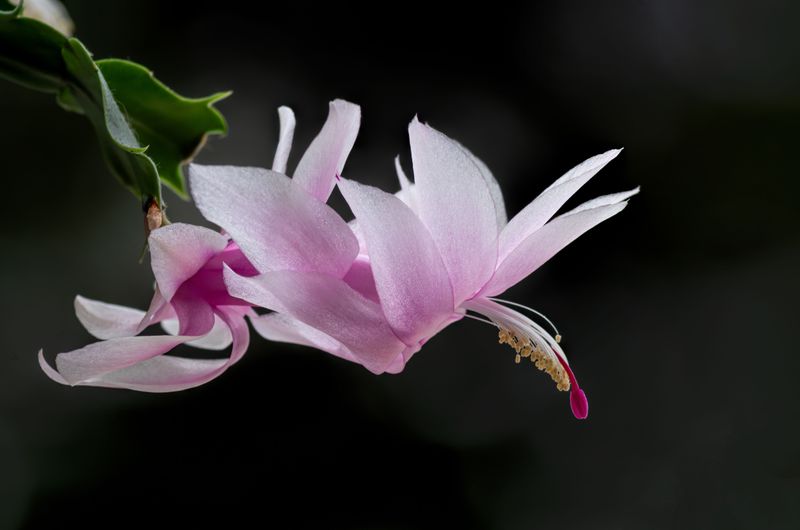
Darkness is the key signal for this plant. Starting in early October, it needs about 12 to 14 hours of darkness each night.
New York nights are getting longer right now, which helps a lot. The trouble is that lamps, TVs, and streetlights can confuse your plant.
Even a quick flip of a bedroom light can disturb its internal clock. That small slip may delay buds a little.
Try moving the pot to a spare room, closet shelf, or quiet corner each evening. Bring it back to bright, indirect light in the morning.
Some gardeners simply drape a dark cloth or cardboard box over the plant at night. That trick suits small city apartments.
Stick with this routine for about six weeks. Tiny bumps can start forming at the tips of the stem segments.
Once you spot those buds, you can relax the schedule a bit. Normal household light will not bother the plant much after buds appear.
Results can feel slow at first. Buds often show within six to eight weeks, and blooms can take a few more weeks to open.
Write the start date on a calendar or set a phone reminder. Keeping track makes the process feel less like guesswork. Missed early October? Start tonight, and expect blooms a little later.
Think of it as tucking your plant into bed each night. A well-rested cactus repays you with a burst of color right on time.
2. Keep Temperatures Cool And Steady

Picture a crisp autumn evening upstate, sweater weather with a light breeze. Your Christmas cactus loves that kind of chill too.
Cool nights between roughly 50 and 60 degrees Fahrenheit help trigger flower buds. Warm rooms near radiators can pause the process.
Steam radiators are a classic feature in many New York apartments. They push out heat in uneven bursts that dry out plants quickly.
Move your pot at least a few feet away from any heat source. A chilly windowsill or unheated sunroom often works beautifully.
Watch out for frost, though, because this plant is tropical at heart. Temperatures below 45 degrees can bother stems and drop buds.
Your New York Garden Changes Every Week. Your Plan Should Too.
Gardening in New York changes quickly throughout the season. Every Friday you’ll receive a simple weekly plan showing exactly what to plant, prune, fertilize, harvest, and protect so you never miss the right timing.
If you grow it outside in summer, bring it in before October frosts. Hudson Valley and Buffalo gardeners should check local forecasts carefully.
Steady conditions matter as much as the actual numbers. Sudden swings from hot to cold can make buds fall right off.
Avoid spots near doors that open often in winter. Gusts of icy air from the hallway or street can stress the plant.
A cheap indoor thermometer helps you find the best spot. Check which window stays coolest overnight.
An unused drafty room often holds the ideal cool air. Your cactus will reward that quiet corner.
Cool nights and long darkness work together as a strong pair. Together, they send a clear message that blooming season has arrived.
3. Cut Back On Water Before Buds Form
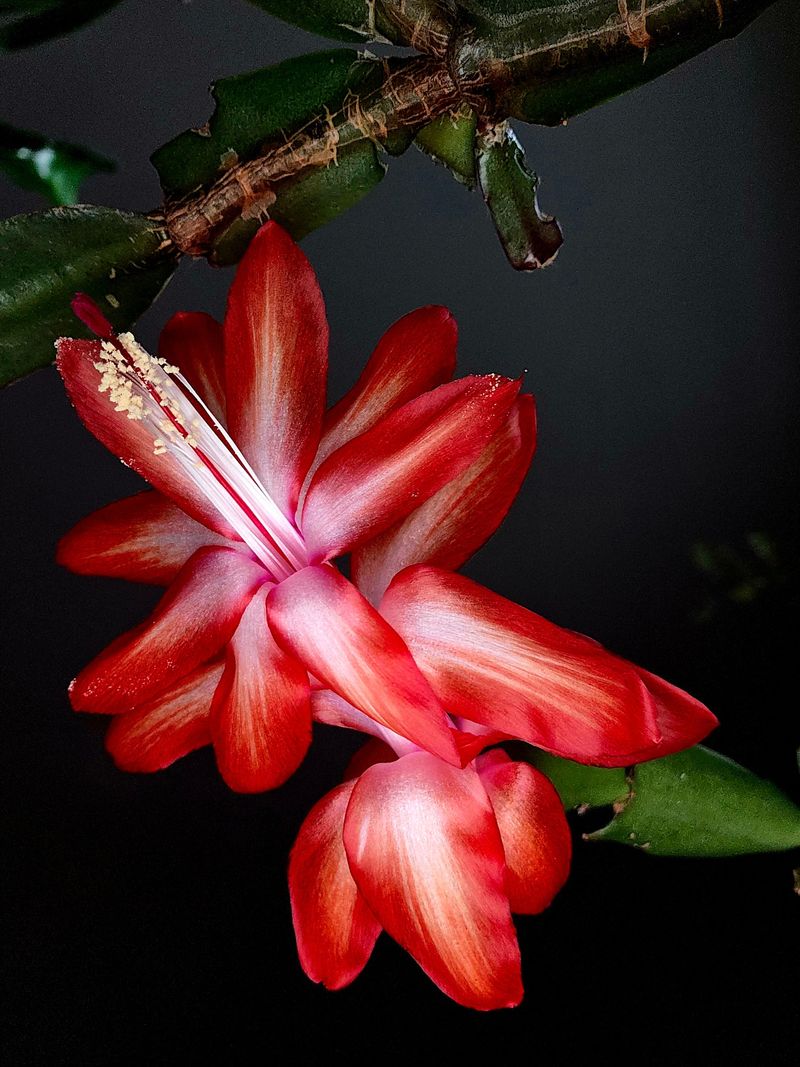
Lighter watering suits this plant right now. Slightly drier soil in fall is a common way to encourage buds, though soil that stays bone dry can make buds drop.
During fall, let the top inch of soil dry out between drinks. Poke your finger into the soil to check before you pour.
Overwatering is a common slip for indoor gardeners. Soggy roots can struggle quickly, especially in cool rooms with little sunlight.
Check the soil weekly in October and water only when the top inch feels dry. Your home’s humidity and pot size can change that timing a lot.
Once buds appear, switch back to more regular watering. Steady moisture keeps those buds plump and helps them open fully.
Choose a pot with drainage holes at the bottom. Empty the saucer after watering so roots are not sitting in puddles.
Room temperature water works best for this sensitive plant. Cold tap water straight from the faucet may stress the roots.
Some city tap water is chlorinated, which certain plants dislike. Letting water sit overnight can help, and filtered water works too.
Stems that look wrinkled or limp may mean the plant needs a drink, though root problems can cause this too. Mushy, soft stems often point to too much water instead.
Lift the pot before and after a drink. That habit teaches your hands when watering is due. Reading signals takes practice. Soon you will know your plant’s needs as well as your own.
4. Rest The Plant After The First Bloom
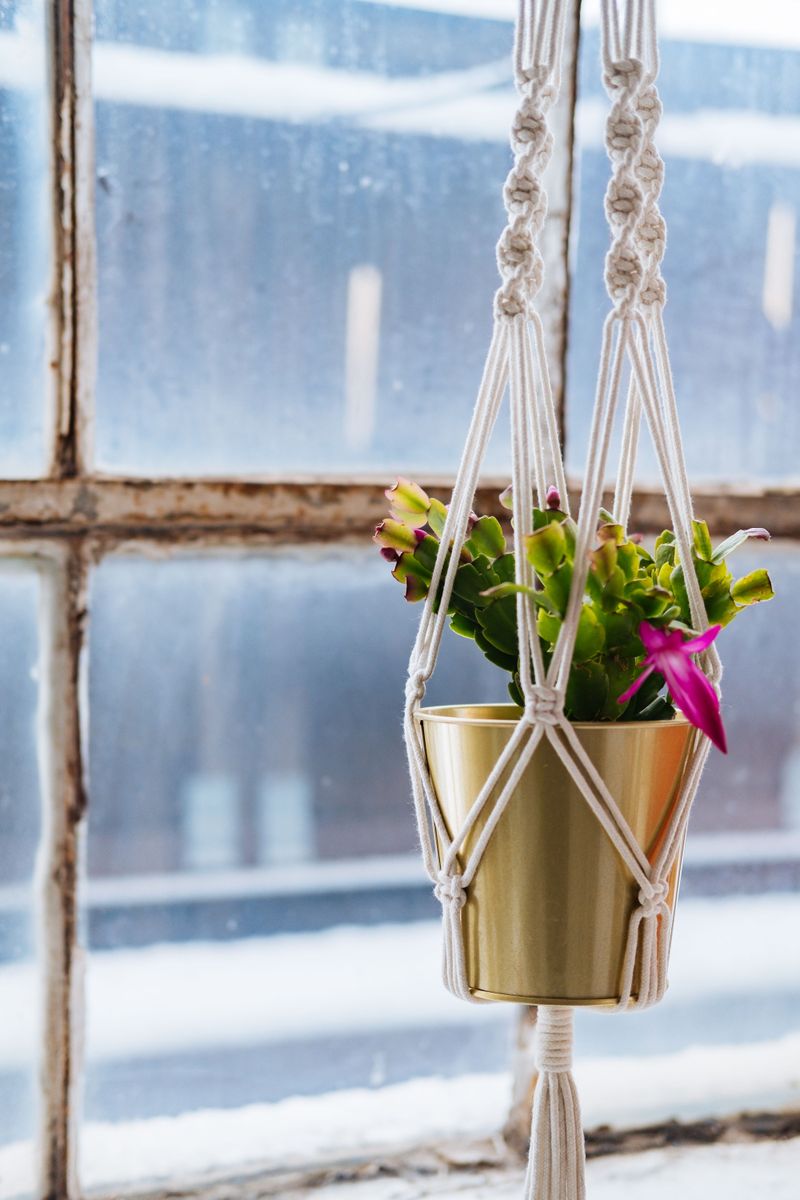
Great performers need a break after the big holiday show. Your cactus is no different once those December flowers fade.
Plan for a resting period of about four weeks after blooming ends. This usually falls between early January and early February in New York.
During rest, water lightly and skip fertilizer for now. The plant is recharging, not trying to grow fast.
Keep it in bright, indirect light during these short winter days. A north or east window often provides just the right glow.
Pinch off old, wilted flowers gently with your fingers. Clearing them away keeps the plant tidy and discourages mold.
Gardeners who skip this step may find spring blooms less likely. The rest phase quietly sets the stage for round two.
Treat this season like a cozy winter nap under a warm blanket. Little seems to happen on the surface, but energy builds underneath.
Watch for fresh green segments appearing near the end of rest. They signal the plant is ready to wake up again.
Keep watering light as the rest period ends. Rushing the wake-up can cause stress and fewer buds.
Resist the urge to move the pot around. A settled plant tends to set more buds. This might be the easiest step on the whole list. Sometimes the best gardening move is simply leaving things alone for a while.
5. Repeat The Dark Treatment In Late Winter
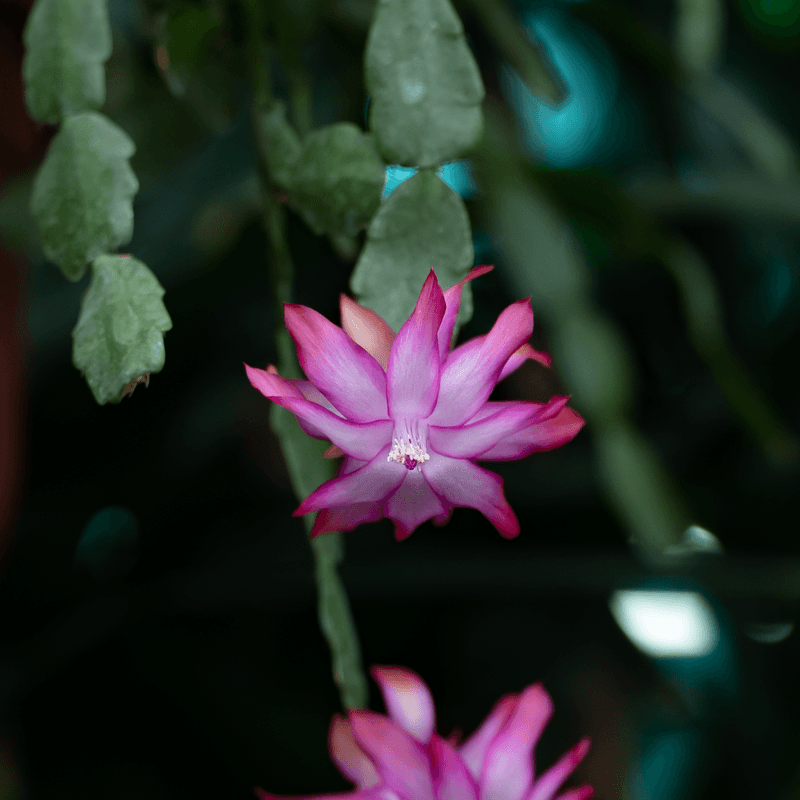
Here comes the clever trick that makes a second bloom possible. You signal to the plant that fall has returned.
Starting around mid-February, give it long nights once again. Aim for 12 to 14 hours of total darkness each evening.
Indoor lamps and streetlights can interrupt winter nights in apartments. That means you may need a closet, box, or cloth to help.
Pair the darkness with cool nighttime temperatures if possible. A chilly spare room or entryway can make a big difference.
Keep watering on the lighter side during this six-week stretch. Remember, a slightly dry plant puts more energy into flower buds.
Many growers see new buds forming by late March or early April, and regular watering can resume then. With luck, flowers open by mid-spring.
Christmas, Thanksgiving, and Easter cactus are separate but related plants, named for their usual bloom times. All three come from Brazilian mountain forests.
Plants respond differently the first year you try this. The second round is often smaller, and older plants may handle it better than young ones.
Keep a simple journal noting start dates and results. Next year, tweak your timing. Set an evening alarm so darkness arrives on schedule. Buds respond to a steady rhythm.
Getting a spring encore feels like a rewarding win. Friends may wonder how your plant blooms while theirs sit green and quiet.
6. Feed It At The Right Time
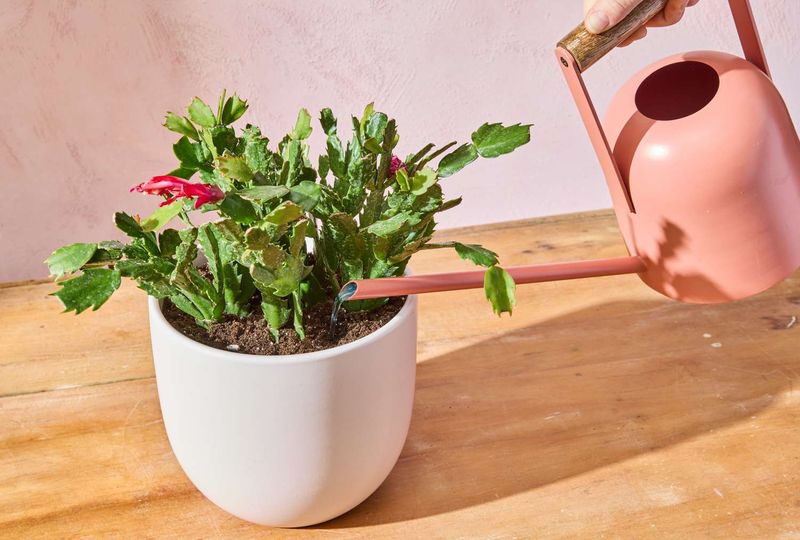
Hungry plants struggle to put on a big flower show. Smart feeding gives your cactus the fuel it needs for two bloom seasons.
Start fertilizing in spring, right after the second bloom fades. Continue at two to four week intervals through about late August.
Choose a balanced houseplant fertilizer, such as one labeled 20-20-20. Mix it at half strength to protect the roots.
Some growers swear by a fertilizer slightly higher in phosphorus. That middle number on the label is linked to flower production.
Stop feeding by early September in New York. Late feeding pushes leafy growth instead of the buds you want.
Some growers add magnesium via Epsom salt. A quarter teaspoon in a gallon of water once monthly in summer is a common approach, though evidence is limited.
Avoid pouring fertilizer onto bone-dry soil, since it can bother roots. Water lightly first, then feed with the diluted mix.
Yellowing segments may hint at a nutrient problem or too much water. Reddish stems often mean the plant is getting strong sun or chilly air.
Jot down each feeding date in a small notebook. Patterns can help explain next season’s bloom.
Think of feeding like packing a good lunch before a long trip. Your plant stores those nutrients for the busy blooming months ahead.
Keep your fertilizer bottle somewhere easy to spot. A visible reminder helps you stay consistent all summer long.
7. Move It Outdoors For A Summer Vacation
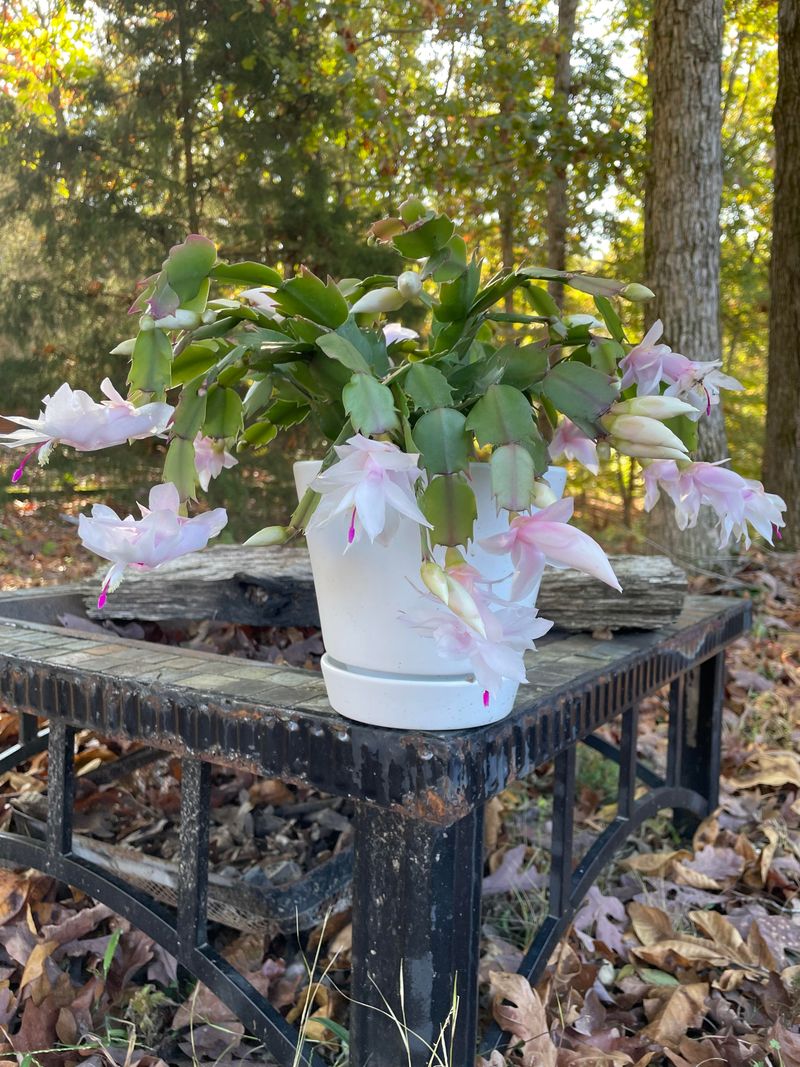
Imagine your houseplant sipping summer air on a shady Brooklyn fire escape. A few warm months outdoors can help the plant thrive.
Once nights stay above 55 degrees, usually by early June, move it outside. Pick a spot with bright shade, not strong afternoon sun.
Direct summer sun can bleach the flat green stems quickly. Dappled light under a tree or porch roof is ideal.
Fresh air and gentle rain help the plant grow strong segments. More segments mean more places for flowers to form later.
Check the soil often, since outdoor pots dry out faster. Hot New York heat waves can surprise you in July.
Look for pests like mealybugs or aphids under the stems. A quick spray of water often removes aphids, while mealybugs may need rubbing alcohol.
Bring the plant indoors before night temperatures drop below 50 degrees. In much of New York, that means late September or early October.
Rinse the leaves and inspect closely before it comes inside. You do not want hitchhiking bugs spreading to other houseplants.
Many gardeners notice their cactus looks fuller after summer outdoors. That extra growth sets up a stronger holiday bloom.
Turn the pot a quarter each week outdoors. Even growth gives you a rounder, fuller plant.
City dwellers without yards can still join the fun. A bright balcony or open window ledge can give similar benefits.
8. Prune And Repot For Better Blooms
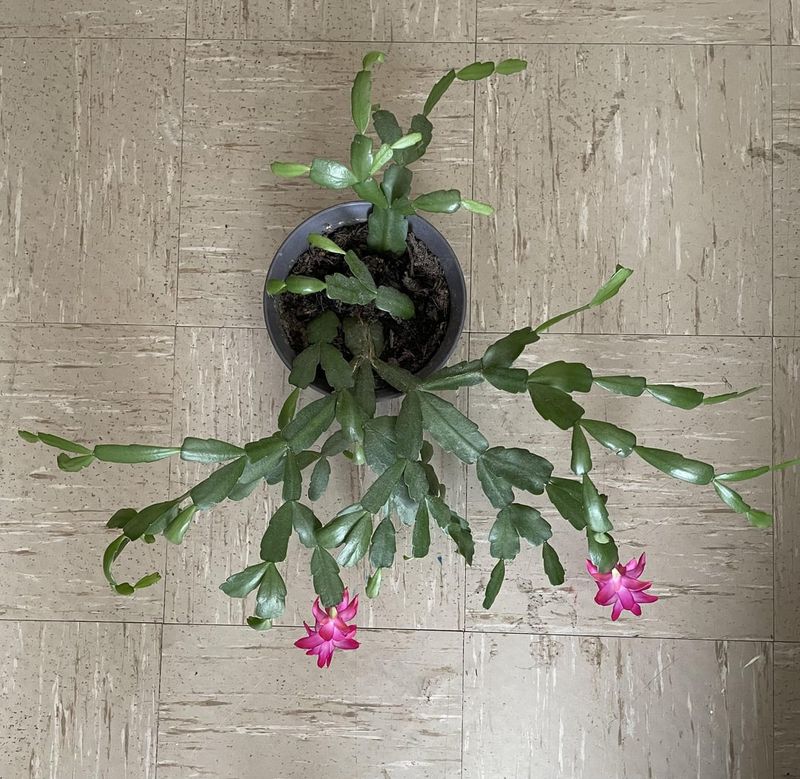
A little trim can turn a lanky plant into a fuller, more productive one. Pruning encourages branching, and each branch tip can hold a bud.
The best time to prune is late spring, after the second bloom. Twist off one to three segments from each long stem.
Do not toss those pieces in the trash just yet. Let them dry for a day, then plant them in moist soil.
Within weeks, roots can form and you can have brand new plants. They make thoughtful holiday gifts for neighbors and friends.
Repotting is a different story, since this cactus likes snug roots. Crowded roots often trigger more flowers than roomy pots.
Move it to a new pot only once in two to four years. Choose one just an inch wider than the current container.
Use a light mix made for cactus or succulents. Adding a handful of orchid bark improves drainage and airflow.
Some Christmas cactus plants in families have lived for decades. Passing cuttings down through generations is a sweet tradition.
Avoid pruning or repotting in fall when buds are forming. Disturbing the plant then can make it drop its buds.
Wipe your scissors with rubbing alcohol first. Fresh cuts heal faster on a protected plant.
With careful trimming and patience, your cactus grows fuller each year. A bushier plant means bigger, brighter shows twice a year.