How to Tell When Your Arizona Oranges Are Actually Ripe
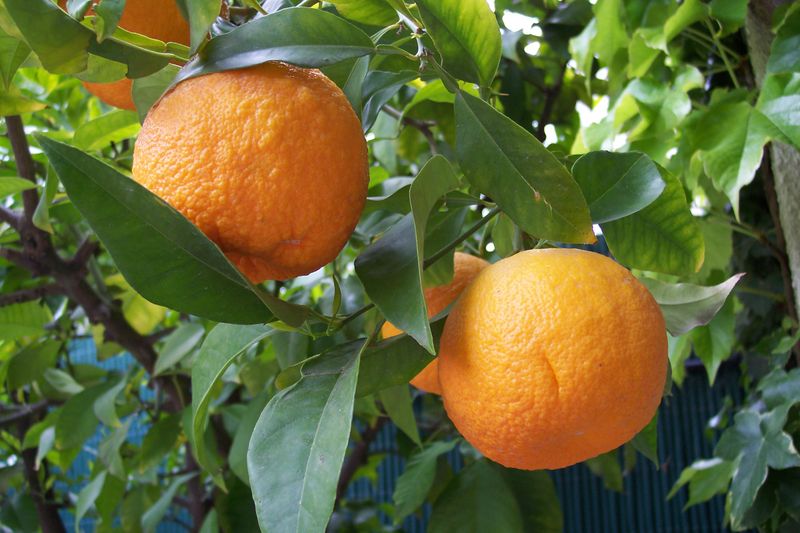
That orange tree in your yard can fool you. The peel may look green when the fruit inside is juicy, or look bright orange when the fruit is still sharp and sour.
Arizona growers get better results with a simple habit than with guessing by color. Here is how to know when your oranges are ready to enjoy.
Peel color can mislead Arizona growers
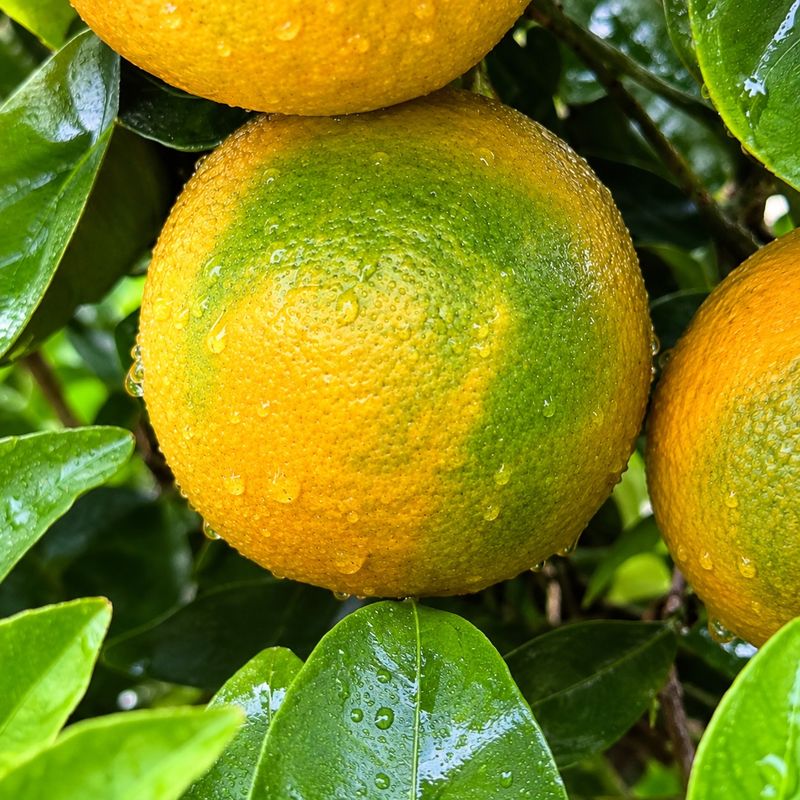
Peel color seems like an easy signal, but it does not tell the whole story. Temperature changes how an orange looks on the outside, and that can happen separately from what is going on inside the fruit.
A greenish orange may already taste great.
Valencia trees show this clearly. As warm weather returns in the desert, the peel can turn green again, a change called regreening.
According to Arizona extension guidance, the flesh keeps its color and flavor even while the skin shifts. Regreening is mostly an appearance change, so a green Valencia in late spring is not a spoiled one.
Blood oranges are a special case. Cold conditions help bring out red pigment, and a red-blushed peel does not guarantee red flesh inside.
Do not treat red color as a general sign of readiness for any orange.
Variety and season tell you when to start checking
Your calendar can tell you when to begin checking, even though it cannot tell you when to pick. Each variety has its own window, and weather in a given year can nudge it earlier or later.
Hamlin is an early orange, and University of Arizona information notes it may ripen as early as November. Valencia runs much later.
In the desert, Valencia fruit may be harvestable from around February and can hang on the tree into May or June.
Think of these dates as a reminder to start tasting, not a deadline. If you are not sure which variety you own, check the plant tag or ask the nursery where it was bought.
A tree that looks ready by the calendar still needs a taste test before you pick.
Taste a sample to judge whether it is ready to eat
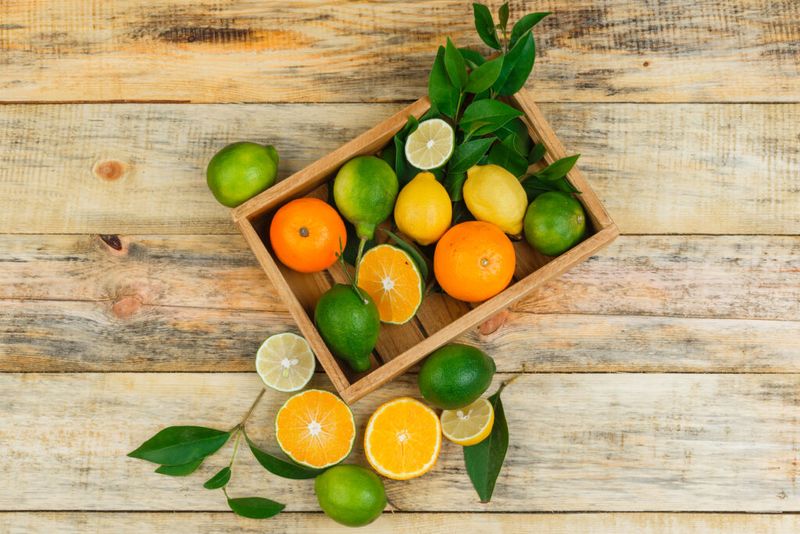
Tasting is the most dependable backyard test. Pick one orange, peel it, and see how it tastes to you.
Do this before you harvest a large amount, since you cannot undo a full bucket of fruit.
Here, “ripe” simply means ready and pleasant to eat. Citrus does not ripen after picking the way some fruit does.
Instead, as UC extension guidance explains, it moves on the tree from immature to mature to overmature, which is why taste beats rind color.
Do not expect every variety to taste the same. Some are sweeter, some have a tangy edge, and people simply like different flavors.
Ask yourself whether the fruit is juicy, balanced, and something you would happily eat. If the answer is yes, it is ready for you.
If the sample is too tart, wait and test again
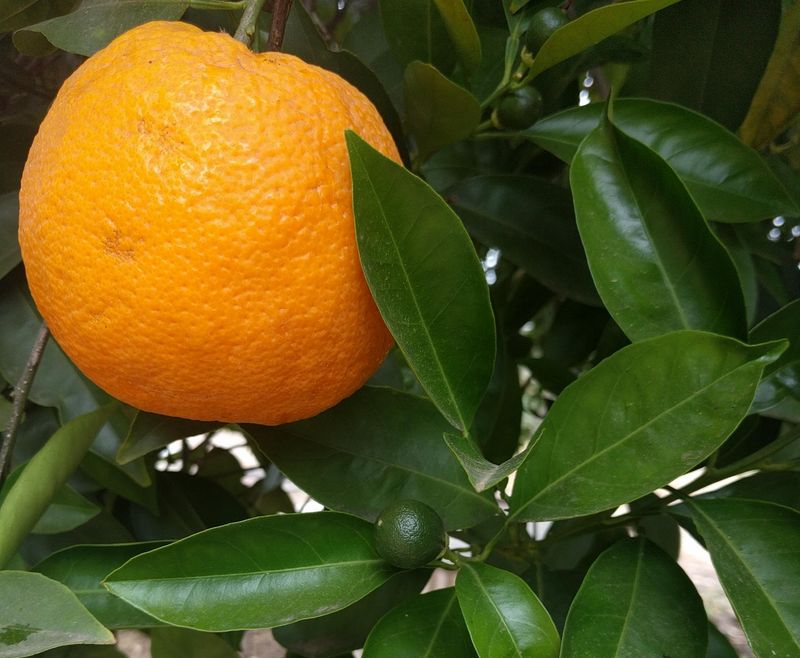
A sour first bite is not a failure. It is a signal to leave the rest of the fruit on the tree.
Your Arizona Garden Changes Every Week. Your Plan Should Too.
Gardening in Arizona changes quickly throughout the season. Every Friday you’ll receive a simple weekly plan showing exactly what to plant, prune, fertilize, harvest, and protect so you never miss the right timing.
Oranges hold well while they hang, so you can check again in a week or two.
Late in the season, oranges may keep getting sweeter on the tree, according to University of Arizona advice. That is a tendency, not a promise, so keep tasting rather than assuming.
Variety matters here too. Diller oranges, for example, hold onto some tartness even when they are fully mature.
If you love a tangy orange, that may be perfect. If you want candy-sweet fruit, a tart variety may never get there, and that is a trait of the tree, not a mistake you made.
Picked oranges will not sweeten on the counter
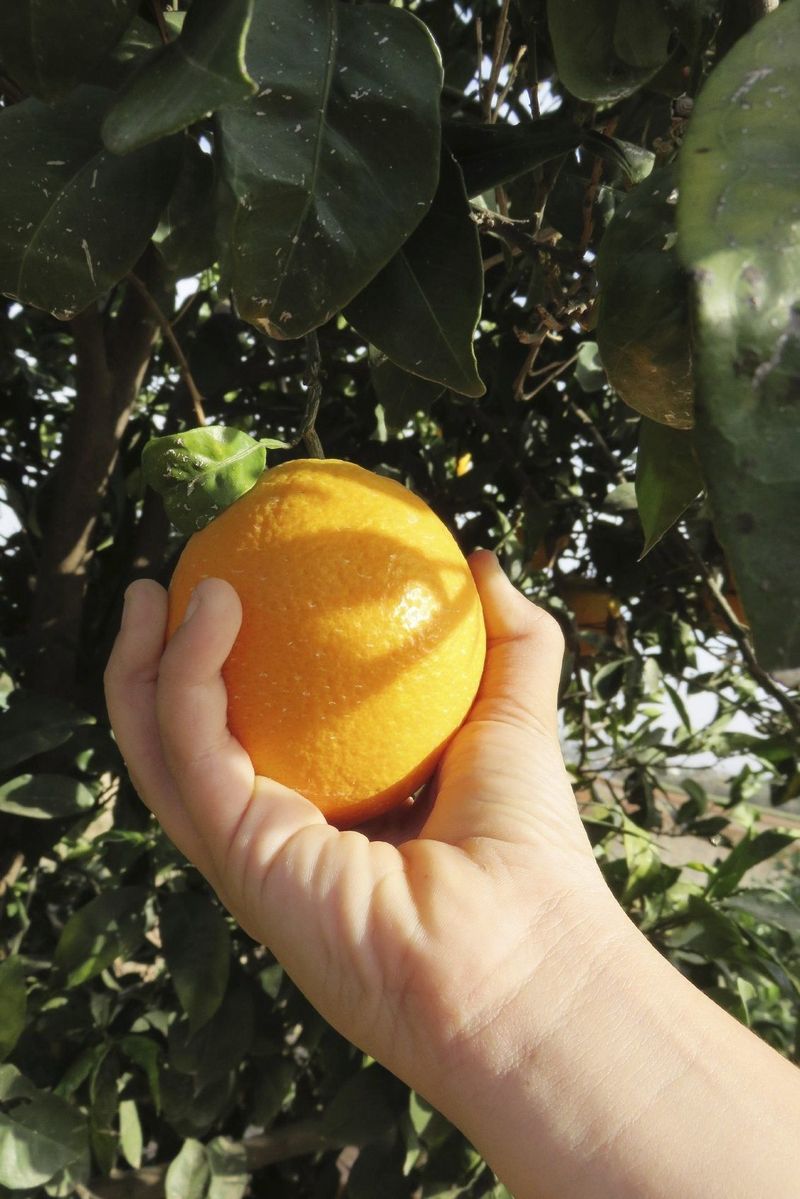
A bowl on the kitchen counter will not rescue sour fruit. Unlike a peach, an orange does not build more sweetness once it is off the tree, as noted in low desert citrus guidance.
The flavor you taste at picking is about what you will get.
That is why the tree is the place to wait. Storing fruit after harvest can keep it fresh for a while, but it is not the same as the slow development that happens while it hangs on the branch.
When you are ready to pick, use clippers or snips. UC Davis postharvest advice recommends clipping citrus rather than pulling it, which protects the fruit and the branch.
Let taste—not color—make the final call
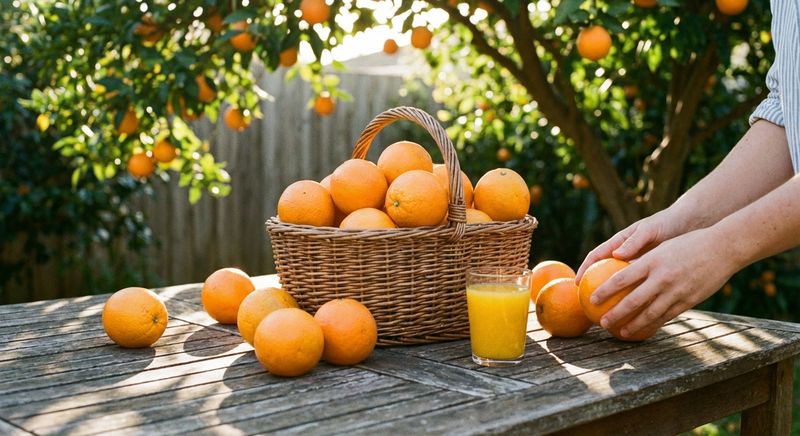
Start checking when your variety’s season rolls around, then taste one fruit. If it is not enjoyable, wait and try again.
Clip only what you plan to use, as Arizona growers’ guidance supports.
The tree is a better pantry than any counter. Your tongue, not the peel, knows when dinner is ready.