Houseplants That Struggle in Arizona’s Dry Indoor Air and the Ones That Thrive
Arizona homes can feel as dry as the desert outside, especially when the AC runs all summer. Indoor humidity often drops to 20 percent or lower, and many popular houseplants simply cannot handle it.
Picking the right plants saves you water, money, and the heartbreak of crispy brown leaves. Here are the plants that tend to sulk in Phoenix and Tucson homes, plus the tough ones that seem to love the dry air.
1. Boston Fern
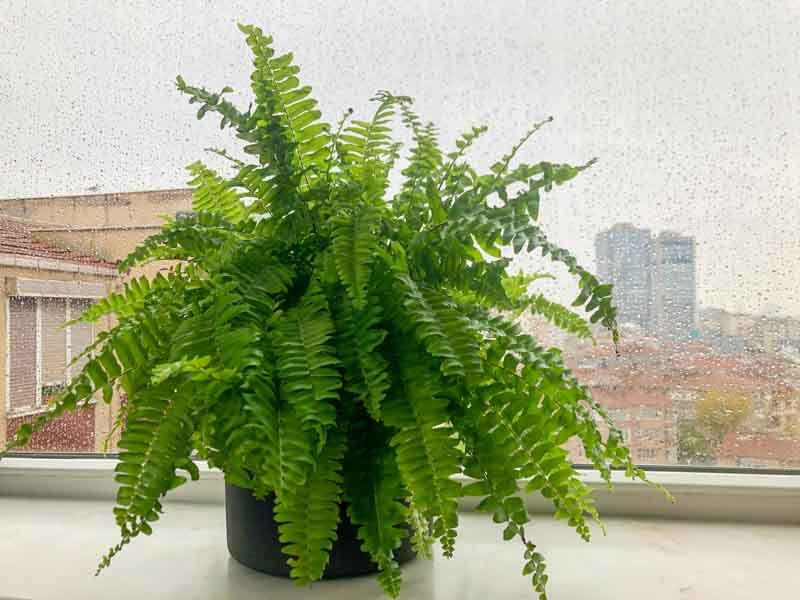
Picture a lush green fern spilling from a hanging basket at the garden center. Two weeks later in a Scottsdale living room, the fronds are crunchy and shedding tiny leaflets all over the floor.
Sound familiar?
Boston fern grows wild in humid tropical forests, where the air feels like a warm, damp towel. Arizona homes rarely offer that.
With air conditioning pulling moisture out of the room from May through October, humidity can sit near 15 to 20 percent, far below the 50 percent or more this fern craves.
The first warning signs are brown, papery tips on the fronds. After that, leaflets turn yellow and drop by the handful.
Misting gives only a few minutes of relief before the desert air wins again.
If you truly love ferns, keep one in a bathroom with a window, where showers add moisture. Setting the pot on a tray of pebbles and water can help a little, too.
Still, most Arizona plant owners find this fern needs more attention than it gives back.
Fun fact: Boston fern got its name in the 1890s after a Boston nursery shipped a popular form across the country. It was never meant for desert living rooms.
2. Calathea
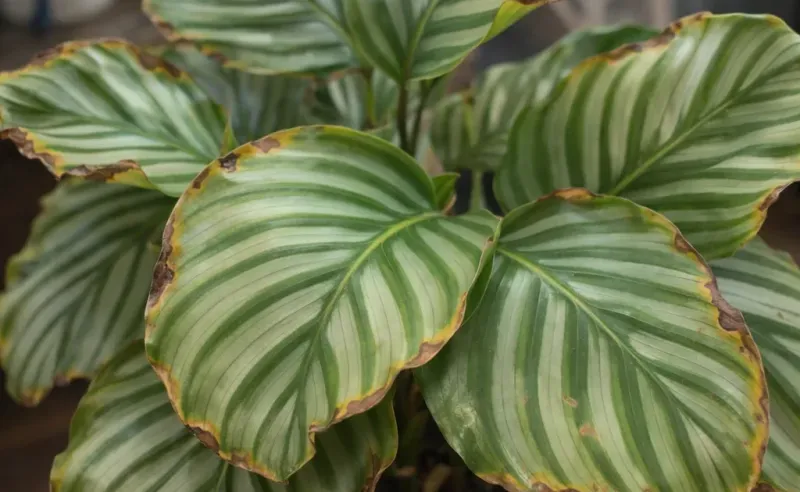
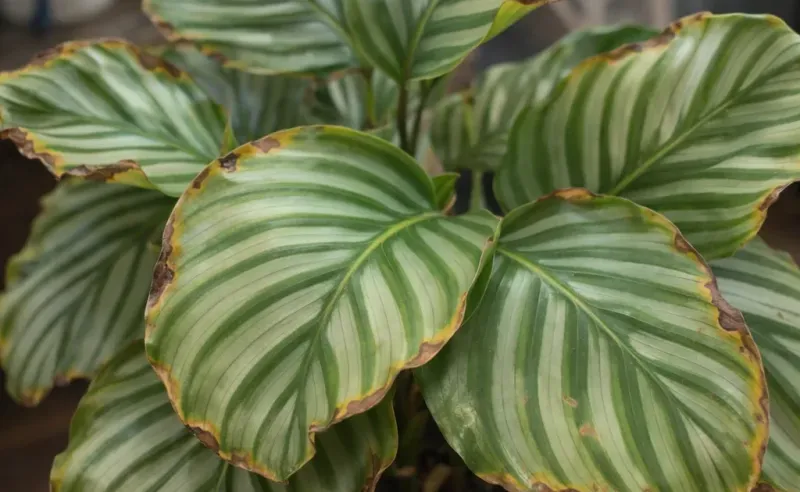
Calathea is the drama queen of the houseplant world, and Arizona air gives her plenty to complain about. Those gorgeous striped and painted leaves fold up at night like praying hands, which makes the plant fun to watch.
Unfortunately, the show often ends fast in a desert home.
Native to the rainforest floor of South America, calathea grows under a thick canopy where the air stays moist all day. Put one near an AC vent in Mesa, and the leaf edges start curling and browning within days.
Even tap water can cause trouble, since Arizona water is hard and full of minerals that lead to burned leaf tips.
Some owners have luck with a small humidifier running nearby and filtered or rain water for watering. Grouping several plants together also helps raise moisture in the air around them.
That is a lot of gear for one plant, though.
If you want bold patterns without the stress, consider Chinese evergreen instead. It offers colorful leaves and handles dry rooms with far less fuss.
Save calathea for the plant lover who enjoys a challenge and does not mind trimming crispy edges every week.
3. Nerve Plant
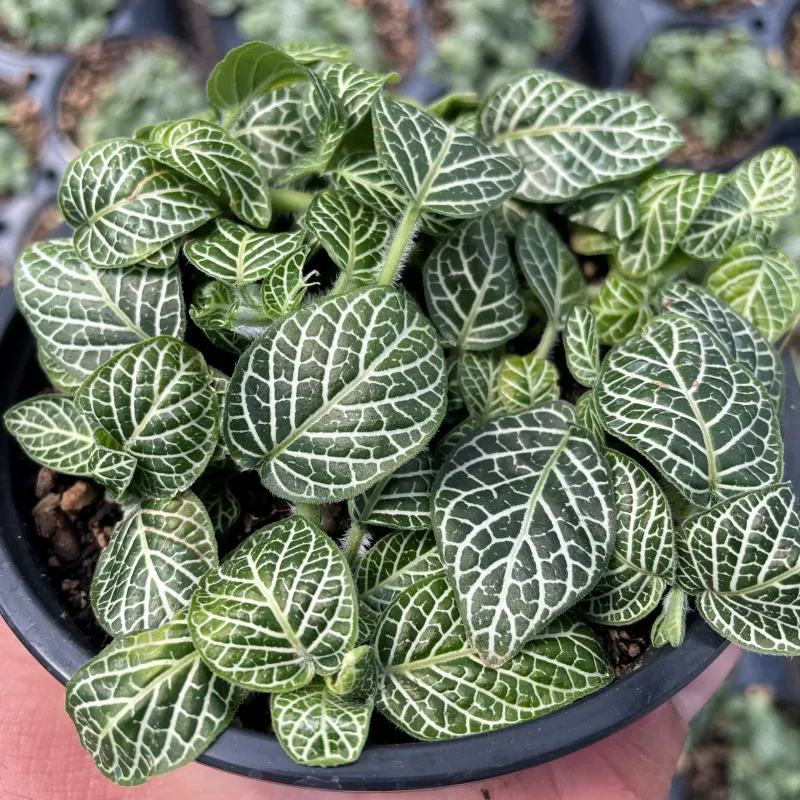
Few plants faint quite as dramatically as the nerve plant. Forget to water for a single day, and fittonia flops over like it gave up on life.
Your Arizona Garden Changes Every Week. Your Plan Should Too.
Gardening in Arizona changes quickly throughout the season. Every Friday you’ll receive a simple weekly plan showing exactly what to plant, prune, fertilize, harvest, and protect so you never miss the right timing.
Give it a drink, and it perks back up within hours, which is charming until you have to do it three times a week.
Those pretty pink, white, or red veins look amazing on a shelf. The problem is that fittonia comes from steamy Peruvian rainforests and expects humidity well above anything an Arizona home provides.
In dry air, the small leaves turn crispy at the edges and the soil dries out almost overnight.
Desert water bills matter too. Constant watering to keep a tiny plant happy is not the low-effort, water-wise approach most Arizona homeowners want.
Here is the secret for die-hard fans: grow fittonia inside a closed glass terrarium. The glass traps moisture, creating a mini rainforest on your counter.
Keep it out of direct sun, since glass can heat up quickly in a bright Phoenix window.
Outside of a terrarium, though, nerve plant tends to be one of the quickest houseplants to struggle in the low desert. It is cute, but it is high maintenance.
4. African Violet
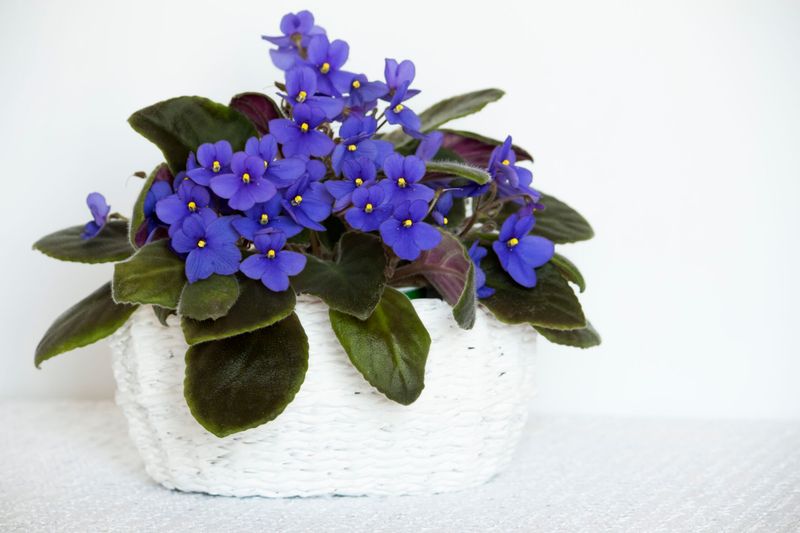
Grandma probably had a windowsill full of these fuzzy-leaved beauties, blooming purple and pink all year. In a cooler, moister climate, African violets can be easy.
In the low desert, they often turn into a source of frustration.
The fuzzy leaves and delicate flowers prefer humidity around 50 percent. When the air drops much lower, flower buds tend to shrivel before they open, or drop off early.
That is a big letdown for a plant grown mostly for its blooms.
Light is another puzzle in Arizona. Our sun is intense, and an unshaded south or west window can scorch the soft leaves.
Move the plant too far back, though, and it stops flowering.
Watering takes care too. Cold or splashed water leaves pale spots on the leaves, so bottom watering with room-temperature water works best.
Arizona hard water can also build up salty crust on the soil.
If you want to try, place violets in a bright east window with a pebble tray underneath. For easier color in dry air, kalanchoe is a sturdier pick that shrugs off low humidity and still delivers cheerful flowers in winter.
5. Snake Plant
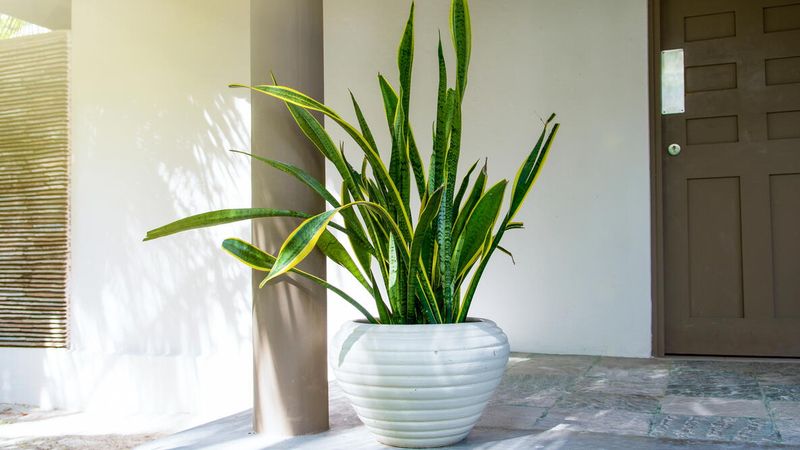
Forget to water for a month? The snake plant will barely notice.
Few houseplants are better suited to a busy Arizona household than this upright, sword-leaved survivor.
Originally from dry parts of West Africa, snake plant stores water in its thick, stiff leaves. That built-in reservoir means it handles 15 percent humidity without fuss.
In summer, watering every two to three weeks is usually plenty, and in winter you can stretch it to once a month or even less.
Its flexibility with light is another big plus. It grows faster in bright, indirect light but tolerates dim hallways and offices too.
Just avoid harsh afternoon sun through a west window, which can bleach the leaves.
The biggest risk is too much love. Overwatering causes root rot, so use a gritty cactus mix and a pot with a drainage hole.
Let the soil dry completely between drinks.
Bonus for water-wise homeowners: this plant uses very little water over a year, matching the desert mindset you already bring to your yard. Its tall, clean shape also looks great with Southwest decor, fitting nicely next to clay pots and rustic wood.
6. ZZ Plant
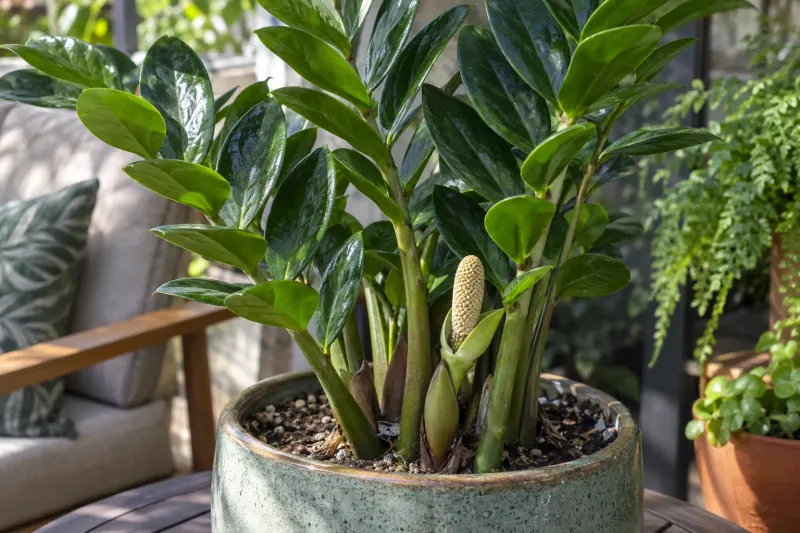
Some people call it the plant that thrives on neglect, and honestly, that nickname fits. ZZ plant looks almost fake with its shiny, waxy leaves, and it stays that polished even in bone-dry Arizona air.
Hidden under the soil are potato-like rhizomes that store water. That means the plant can go weeks without a drink while still looking glossy and green.
The waxy coating on each leaf also helps hold in moisture, so low humidity is not much of a problem.
Do you have a room with only a small window or mostly artificial light? ZZ handles it.
Growth slows in low light, but the plant keeps its good looks.
Here is a simple routine for desert homes. Water deeply when the soil is fully dry, maybe every two to three weeks in summer and monthly in winter.
Dump any water left in the saucer.
One small caution: the sap can irritate skin and is not safe for pets or kids to chew, so keep it on a higher shelf. Wipe the leaves now and then, since Arizona dust settles fast and dulls that shine.
Otherwise, sit back and enjoy one of the easiest plants you will ever own.
7. Ponytail Palm
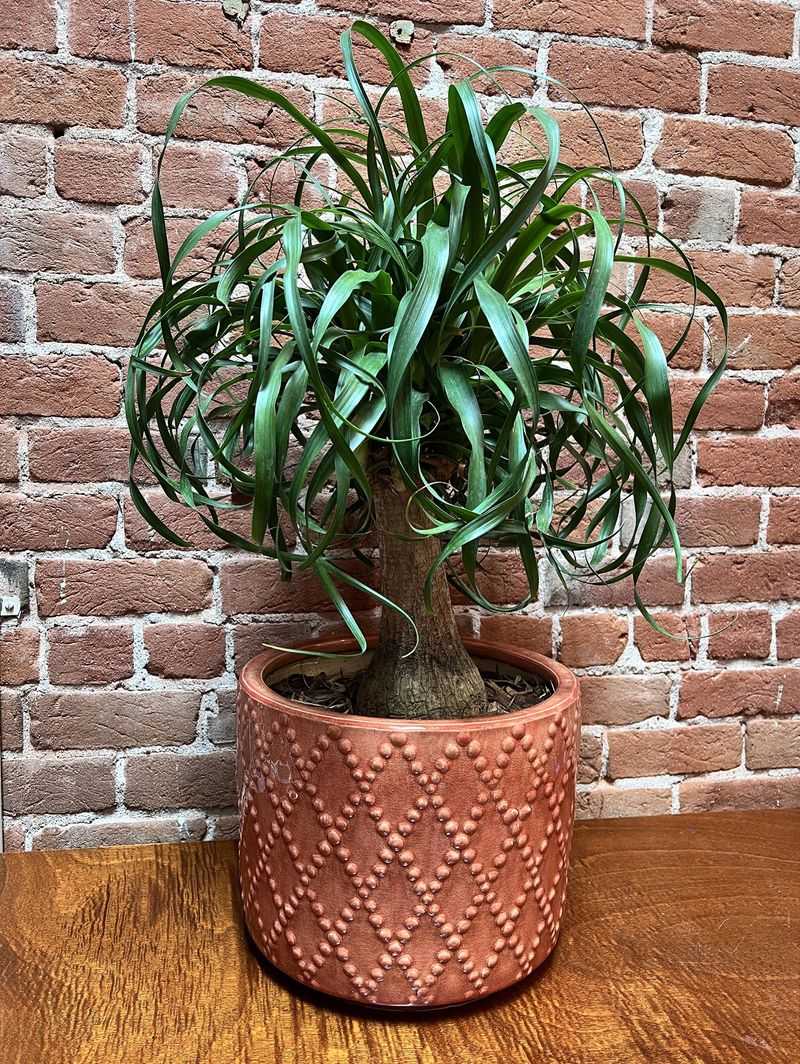
With its bulging gray trunk and wild spray of skinny leaves, ponytail palm looks like a plant having a permanent bad hair day. It is actually not a palm at all.
It is a close cousin of agave and yucca, the same desert family you might already have in your yard.
That swollen base works like a water tank. Native to dry regions of eastern Mexico, the plant is built for long stretches without rain, so dry indoor air feels like home.
Watering every two to four weeks is usually enough, depending on the season and pot size.
Bright light makes it happiest. A spot near a sunny window works well, though very hot afternoon sun through glass may brown the leaf tips.
A little filtered light is a good balance.
Use a fast-draining cactus mix and a heavy pot, since a mature plant can get top heavy. It grows slowly, so you will not need to repot often.
For Arizona plant owners who love the look of native landscapes, ponytail palm brings that desert character indoors. It pairs nicely with clay pots and stone accents, and it asks for very little in return.
8. Aloe Vera
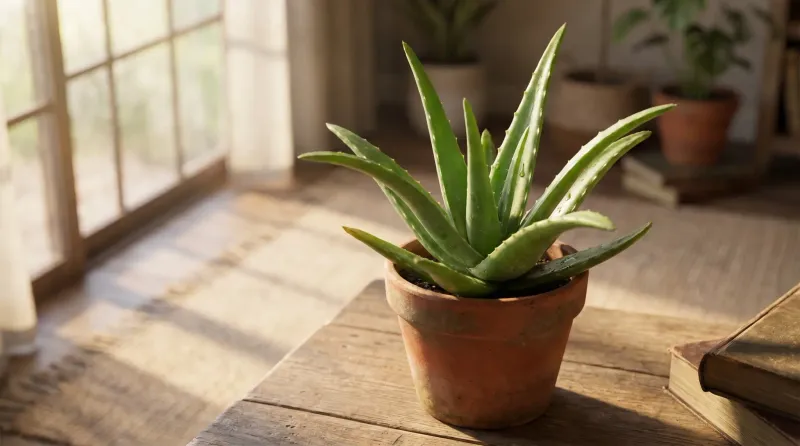
Every Arizona kitchen could use an aloe on the windowsill. After a day of yard work in 110-degree heat, a snapped leaf of cool gel may help soothe minor sunburned skin.
It is a plant that works for you.
Aloe is a true succulent from the dry Arabian Peninsula, and its thick leaves are packed with water. Low humidity does not bother it one bit.
In fact, damp conditions cause more problems than dry ones.
Give it the brightest spot you have indoors. A south or west window works well, though a sheer curtain may prevent sunburn during peak summer.
If leaves start stretching or flopping, the plant wants more light.
Water deeply only when the soil is fully dry, then let it drain. In summer that might be every two weeks, while winter waterings can drop to once a month.
A terracotta pot helps extra moisture escape.
Aloe also grows babies called pups around its base. Pull them gently and pot them up to share with neighbors or friends.
It is an easy way to spread water-wise plants around your community, one small pot at a time, without spending a dime.
9. Jade Plant
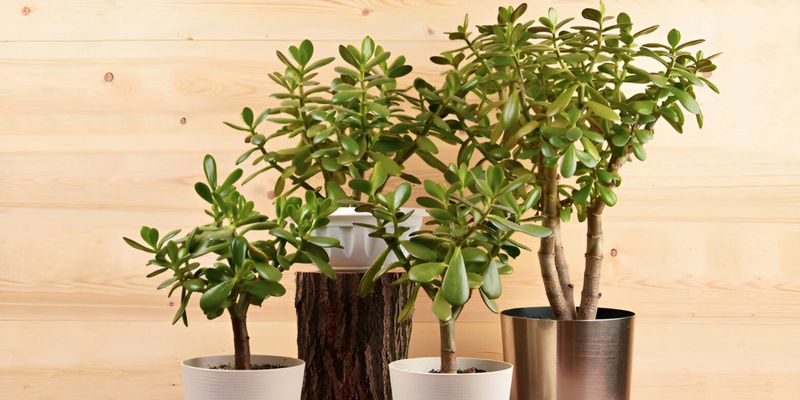
Jade plants have a way of becoming family heirlooms. Many folks have one that started as a cutting from a parent or neighbor decades ago, now grown into a thick-stemmed little tree.
In Arizona, these plants can live a very long time indoors.
Coming from the dry hills of South Africa, jade stores water in its plump, coin-shaped leaves. That makes low humidity a non-issue.
The plant actually prefers dry air and dry soil to anything soggy.
Bright light keeps jade compact and healthy. In a sunny window, leaf edges may even blush red, which is a natural response to strong light.
In dim rooms, stems get leggy and weak.
Water when the soil dries out completely and the leaves feel slightly soft. Overwatering is the most common mistake, leading to mushy stems and leaf drop.
Use a gritty mix and a pot with good drainage.
Here is a fun bonus: jade is easy to share. Snap off a stem, let the cut end dry for a few days, and stick it in dry soil.
Roots usually form within weeks, giving you a fresh start for a friend.
10. Cast Iron Plant
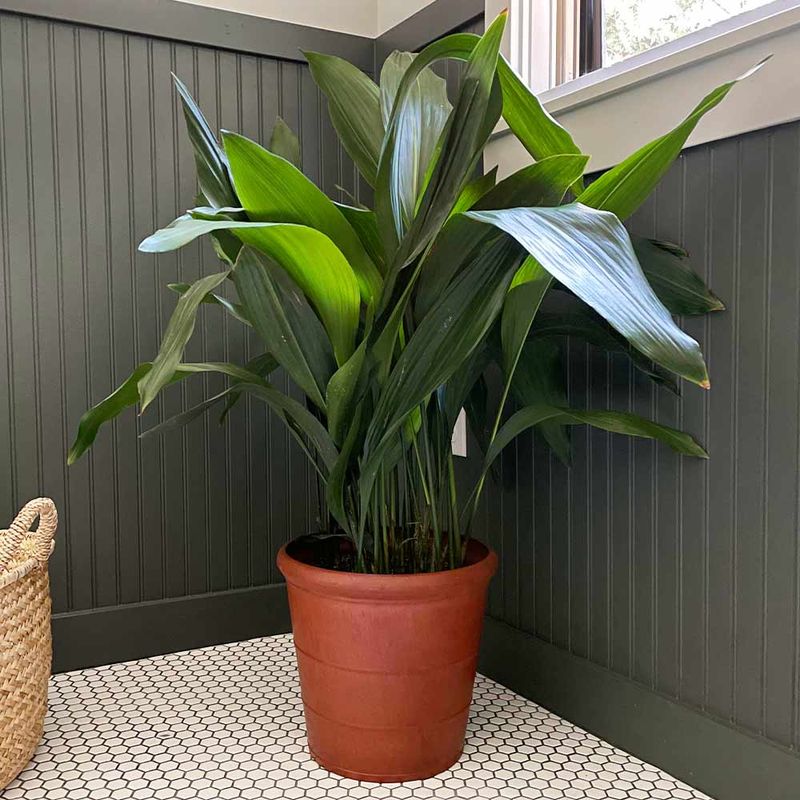
Its name says it all. Back in Victorian times, cast iron plant earned its tough reputation by surviving in dark, drafty parlors filled with smoky lamps.
Arizona’s dry air seems mild by comparison.
Thick, leathery leaves help this slow grower hold moisture, so low humidity rarely causes trouble. It also handles missed waterings, low light, and temperature swings better than most leafy plants.
That makes it a great fit for the dim corners where succulents would stretch and struggle.
Think of it as the leafy green option for shady rooms. If you miss the lush look of ferns or calatheas, cast iron plant offers a similar tropical feel without the crispy edges.
Care is simple. Water when the top couple of inches of soil are dry, usually every week or two in summer and less in winter.
Keep it out of direct sun, which can scorch the leaves.
Growth is slow, so buy the size you want. A large plant can fill an entry or hallway beautifully for years.
Wipe the leaves occasionally to clear desert dust, and this sturdy survivor will keep looking fresh with very little help from you.