The Banana Peel Rose Trick Arizona Gardeners Swear By For Bigger Blooms In Poor Desert Soil
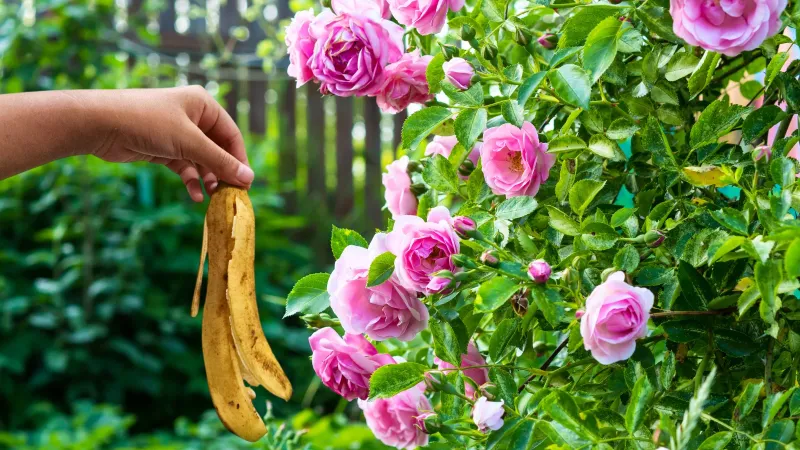
A viral kitchen-scrap tip has been making the rounds in Arizona gardening groups: bury banana peels near your roses and watch the blooms get bigger. It sounds easy, and for Phoenix and Tucson homeowners wrestling with rocky, alkaline soil, the promise of a free fix is hard to ignore.
The truth is more complicated, and understanding it can save you from wasted effort and possibly damaged roots. This article breaks down what banana peels can actually do for low-desert Arizona roses, and what they cannot.
The Banana-Peel Bloom Promise Is Not Proven in Low-Desert Arizona
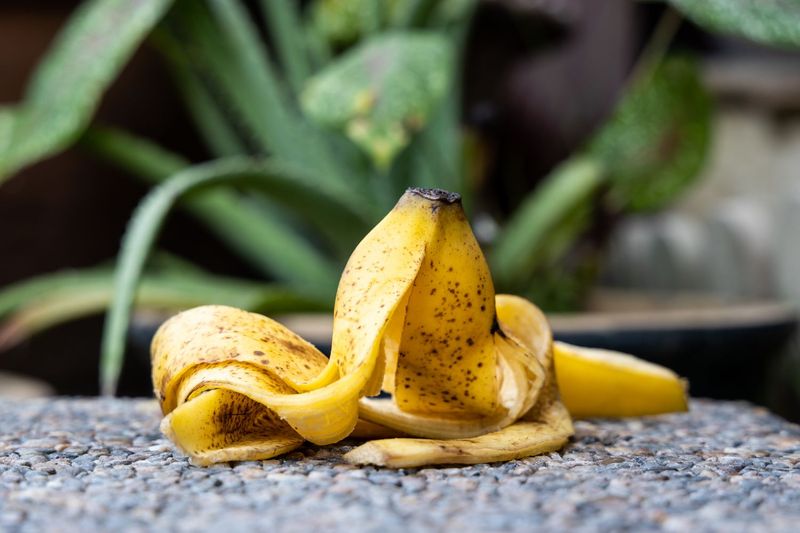
Scroll through any Arizona gardening group and you will spot the claim within minutes: tuck banana peels near your rose roots and prepare for bigger, bolder blooms. The hack has spread fast, partly because it sounds both thrifty and logical.
Banana peels do contain potassium, and potassium is a real plant nutrient, so the idea feels scientific enough to share.
Research on composted banana residues has confirmed relatively high potassium content after decomposition. One peer-reviewed study found that aerobic and anaerobic composting of banana peels produced material with meaningful potassium levels, and a separate paper documented banana peel compost as a potassium-rich biofertilizer in controlled crop trials.
Those findings are real, but neither study tested raw peels or banana-peel water on established landscape roses growing in Arizona alkaline soil, and neither measured bloom size or flower count as an outcome.
That gap matters a great deal for Arizona gardeners. A nutrient being present in a raw peel is not the same as that nutrient reaching a rose root in a measurable, useful dose.
Raw peels decompose slowly and unpredictably in the low desert, and homemade banana-peel water has no known, consistent nutrient concentration without laboratory analysis.
The practical conclusion for Arizona: banana peels belong in a compost system, not pressed against a rose crown as a bloom trigger. Treating them as a targeted fertilizer substitute skips the diagnosis, soil testing, and balanced care that low-desert roses actually need to perform well.
Low-Desert Soil Does Not Automatically Need More Potassium
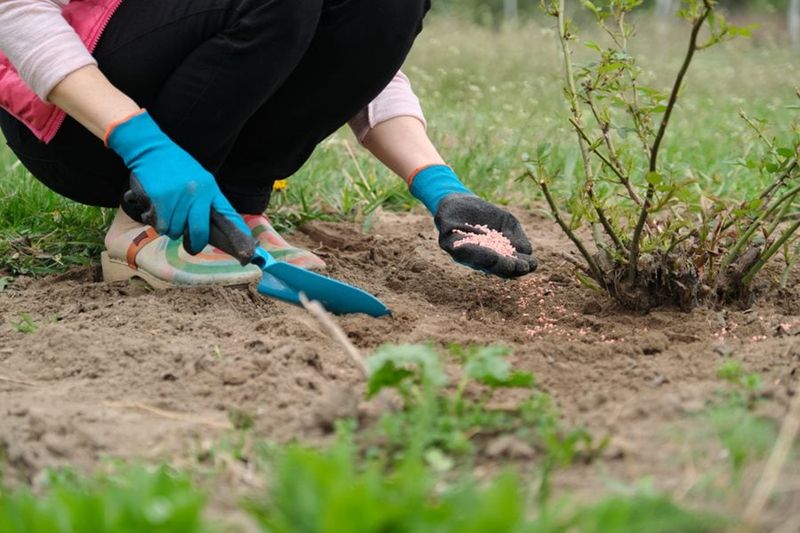
One reason the banana-peel hack spreads so easily is that it attaches to a real nutrient, potassium, and frames it as the secret ingredient Arizona roses are missing. For low-desert gardeners already frustrated by poor soil, that framing feels believable.
The problem is that Arizona’s alkaline, calcareous soils are not typically short on potassium.
A separate University of Arizona fertilizer guide reinforces this, noting that potassium is rarely needed in Arizona soils and that fertilizer selection should be based on actual soil nutrient levels rather than assumption.
Arizona yards can suffer from low organic matter, high pH that locks up iron and other micronutrients, salinity from water or amendments, and caliche layers that block roots and trap moisture. None of those problems are solved by adding more potassium.
Potassium does serve essential functions in any plant, supporting enzyme activity, water movement through cells, and tissue strength, but adding it to soil that already has enough is not expected to reliably increase flowering in Arizona roses.
Your Arizona Garden Changes Every Week. Your Plan Should Too.
Gardening in Arizona changes quickly throughout the season. Every Friday you’ll receive a simple weekly plan showing exactly what to plant, prune, fertilize, harvest, and protect so you never miss the right timing.
Before reaching for any potassium source, banana-based or otherwise, Arizona rose growers should identify what the soil actually lacks. A proper soil test is the only reliable way to answer that question, and it prevents the common mistake of adding a nutrient the plant and soil do not need.
Compost Banana Peels Instead of Feeding Roses Raw Scraps
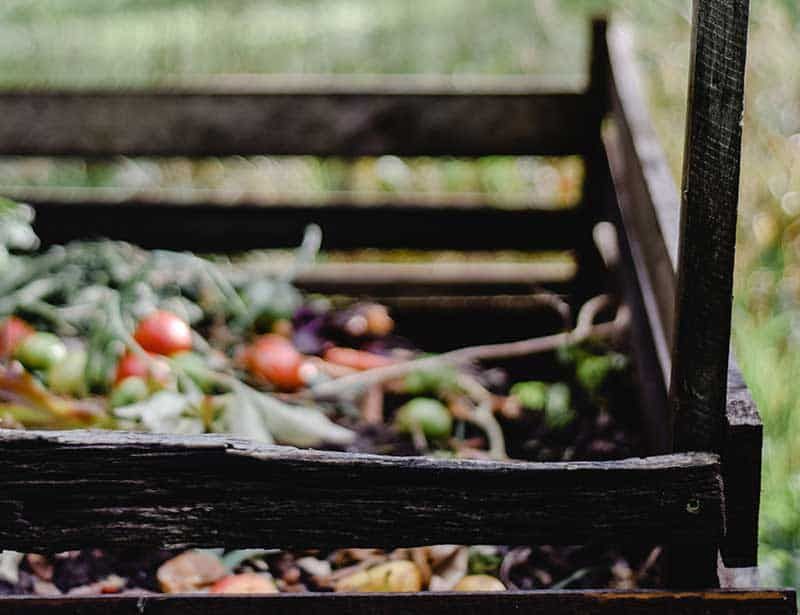
Banana peels earn a legitimate place in a low-desert Arizona garden, just not the place the viral posts suggest. Rather than pressing raw peels into the soil around a rose or soaking them in water to make a homemade tea, the safer and more effective approach is to run them through a proper compost system.
The EPA describes finished compost as dark, crumbly material with an earthy smell and no recognizable food scraps remaining. Reaching that stage in Arizona’s heat takes active management: a balanced mix of carbon-rich and nitrogen-rich materials, regular turning, and adequate moisture.
Once active heating stops, the pile should cure for several additional weeks before the material is used. That curing period matters because partially decomposed organic matter can still tie up soil nitrogen or introduce pathogens.
Finished compost made with banana peels may contribute a modest, slow-release amount of potassium and organic matter to Arizona rose beds, but its nutrient concentration is variable and should not be treated as a measured fertilizer application. Think of it as a soil conditioner rather than a targeted nutrient fix.
Leaving fresh peels exposed on the soil surface or burying large amounts near the rose crown creates different problems. Unfinished food scraps attract insects and wildlife, which is a genuine concern in Phoenix and Tucson neighborhoods.
Raw material also releases nutrients unpredictably, which is the opposite of the steady, measured feeding that low-desert roses need.
Let a Soil Test Decide Whether Fertilizer Belongs
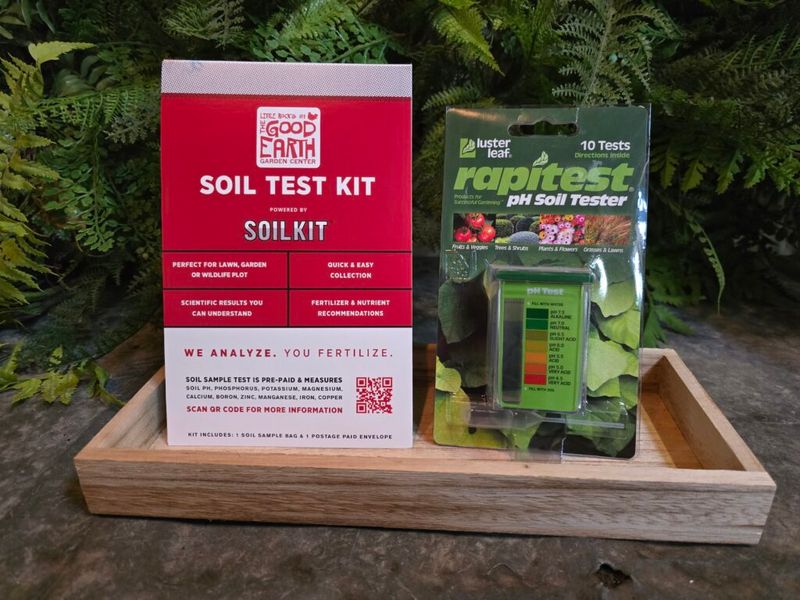
Correcting a myth is most useful when it points toward a better action, and for Arizona rose growers that action is a soil test. Testing before adding any fertilizer or large quantities of compost removes the guesswork that makes viral hacks so appealing in the first place.
A standard Arizona soil analysis can cover potassium, phosphorus, nitrogen, pH, electrical conductivity, calcium, magnesium, and sodium. That combination gives a clear picture of what the soil actually contains and what a rose might genuinely be missing.
Soil test results also reveal problems that banana-peel compost simply cannot fix. High pH in Arizona’s calcareous soil commonly reduces iron availability, leading to the yellowing between leaf veins known as iron chlorosis.
That condition requires chelated iron applications and sometimes pH management, not potassium. Caliche layers that restrict root growth and drainage need physical correction or strategic planting, not compost additions on the surface.
Salinity is another concern in many Arizona yards, particularly where water quality is poor or where fertilizer has accumulated over years. Adding more amendments without testing can raise salt levels further and injure roots.
Knowing your numbers first means every amendment or fertilizer decision is based on what the Arizona soil and your specific roses actually need.
Follow the Low-Desert Rose Feeding Calendar
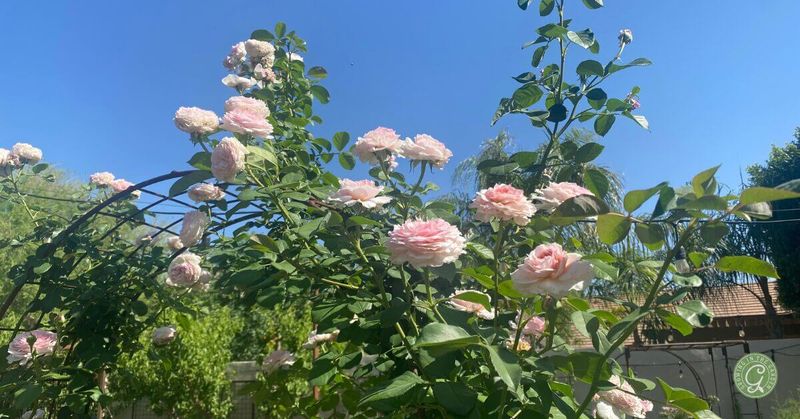
No banana-peel schedule, however creative, matches the timing that low-desert Arizona roses actually require. The University of Arizona has developed rose-feeding guidance specifically for the Phoenix and Tucson areas, and it is built around the region’s unusual climate rather than the four-season calendar used in most national gardening advice.
The Arizona feeding window opens after winter pruning, which typically happens in January or February in the low desert. From that point, small applications of fertilizer about every six weeks carry roses through their active spring growth and into June.
After June, the approach changes because summer heat in Phoenix and Tucson creates real risk. Liquid or foliar fertilizers should not be applied when temperatures are high because the solution can burn foliage and stress roots that are already working hard to survive.
Feeding can resume in September as temperatures begin to moderate, and a final application around mid-October is appropriate when conditions allow. That fall window supports root development and prepares plants for the mild Arizona winter without pushing tender new growth that could be caught by an occasional frost.
Selecting the right fertilizer matters as much as timing. Soil test results should guide the choice, and label directions should set the rate.
More fertilizer does not produce more flowers in Arizona roses. Excess nitrogen pushes leafy growth at the expense of blooms, and excess salts from over-application can damage roots in soil that may already carry a salt load from irrigation water.
Improve the Root Zone Before Chasing a Kitchen-Scrap Fix
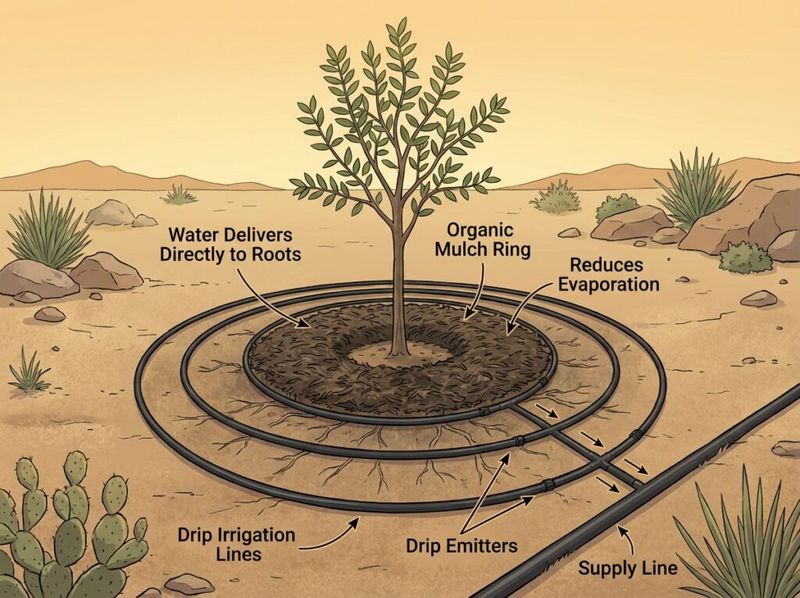
Healthy blooms on a low-desert Arizona rose start underground, not with whatever amendment a gardener drops on the surface. Before worrying about potassium sources, it pays to look honestly at the root zone conditions that determine how well any nutrient can actually reach and benefit the plant.
Water delivery is the first place to examine. Arizona roses need slow, deep irrigation that moves moisture down through the entire root zone rather than wetting only the top few inches.
Shallow watering encourages surface roots that are vulnerable to heat and dry spells. Deep, consistent moisture supports the root system that pulls in nutrients, and no fertilizer, composted or otherwise, compensates for a rose that is thirsty at the root level.
Mulch is the next practical step. University of Arizona rose care guidance recommends approximately 3 to 4 inches of mulch around rose plants in the low desert.
That layer conserves soil moisture, moderates soil temperature during Phoenix and Tucson summers, suppresses weeds competing for water and nutrients, and gradually improves soil structure as the mulch decomposes over time. Those are concrete, measurable benefits that a banana peel pressed into dry caliche simply cannot replicate.
Caliche itself deserves attention when it is present. A hardpan layer close to the surface restricts how deeply roots can grow and how well water drains, which affects how the plant responds to any fertilizer or amendment added above it.
Addressing caliche through physical removal or by selecting planting locations with better natural drainage is a foundational fix, not a seasonal tweak. Compost may support soil health over time, but it cannot break through a caliche layer or correct heat stress caused by inadequate irrigation.
Use the Peel as One Small Part of a Bloom Plan
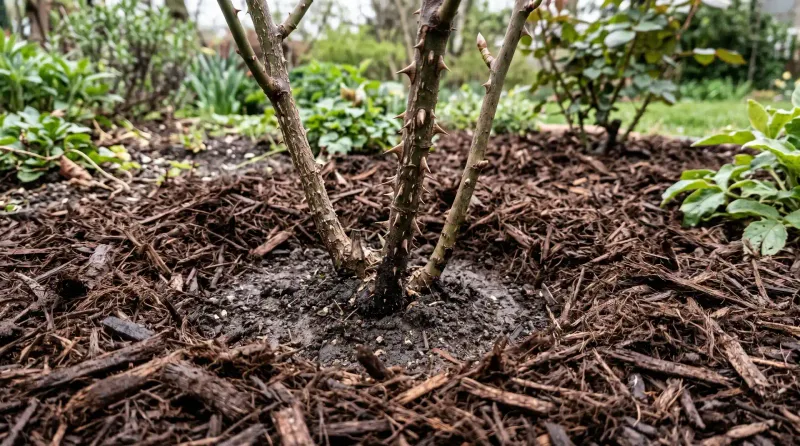
Banana peels have a legitimate role in a low-desert Arizona rose garden, just a modest one. Composted peels can contribute a small amount of potassium and organic matter to the soil after they have fully broken down, and that contribution fits neatly into a broader care plan without requiring any special technique or inflated expectations.
The action sequence for Arizona rose growers is straightforward: add peels to a balanced compost system, wait for the material to become finished compost, test the soil before applying anything, follow the seasonal fertilizer schedule that University of Arizona has developed for low-desert conditions, and maintain deep irrigation and a proper mulch layer around every plant. That combination addresses the real variables that drive bloom quality in Phoenix and Tucson yards, including root health, moisture consistency, nutrient balance, and heat management.
Finished banana-peel compost is not a guaranteed bloom trigger, and it is not a substitute for a soil test or a tested fertilizer program. Potassium from composted peels helps most when a soil test actually shows a shortfall, which in Arizona’s low desert is less common than many viral posts imply.
Healthier blooms in Arizona come from getting the whole system right. The peel is just one small ingredient in that system, and the compost bin is exactly where it belongs.