The Meaning Behind A Garden Spider Spinning Webs In Your Ohio Yard
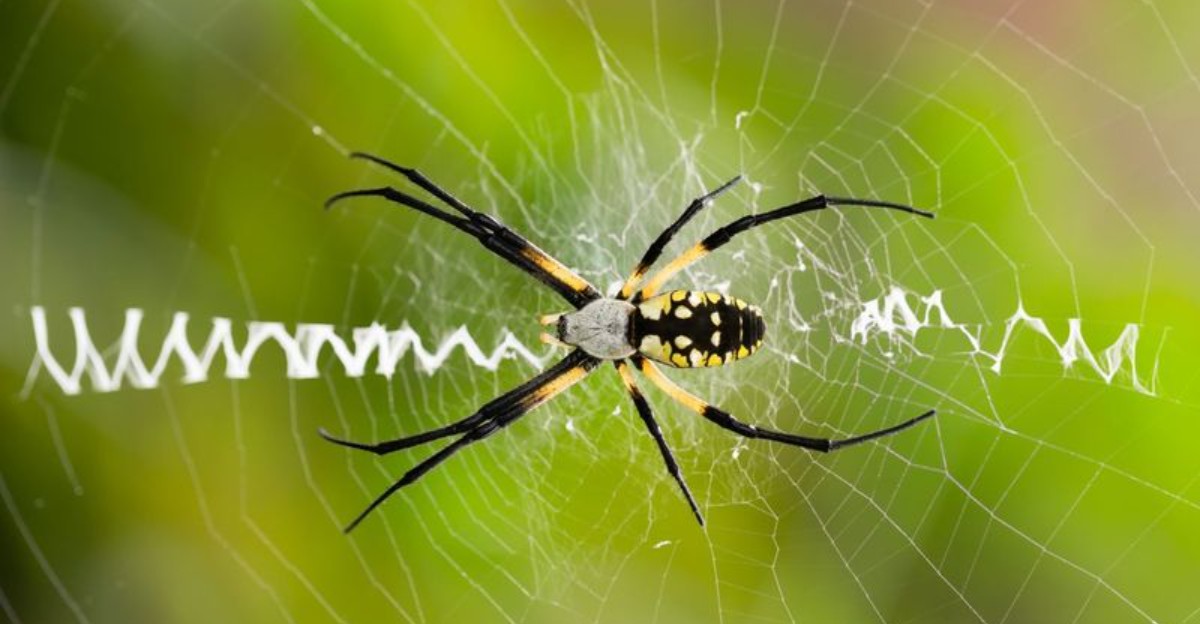
Each night, a certain striped spider in my yard eats most of her own web and rebuilds it by morning. I first noticed it in October, when a white zigzag appeared across her silk like a stitched seam.
Fall in Ohio is when these big webs suddenly seem to appear everywhere, glinting with dew between tall flowers. You may be walking to the mailbox and nearly brush one with your nose before you even see it.
I believe most of us ask the same quick question at that moment, usually while stepping back fast. Is this spider some kind of warning, or simply a hungry neighbor setting up shop near your porch?
Ohio gardeners have plenty of opinions, but scientists at university extension offices tell a calmer and far more fascinating story. So what is that striped visitor really trying to do in your yard before the first hard frost arrives?
Your Yard Is Hosting A Hungry Mother-To-Be
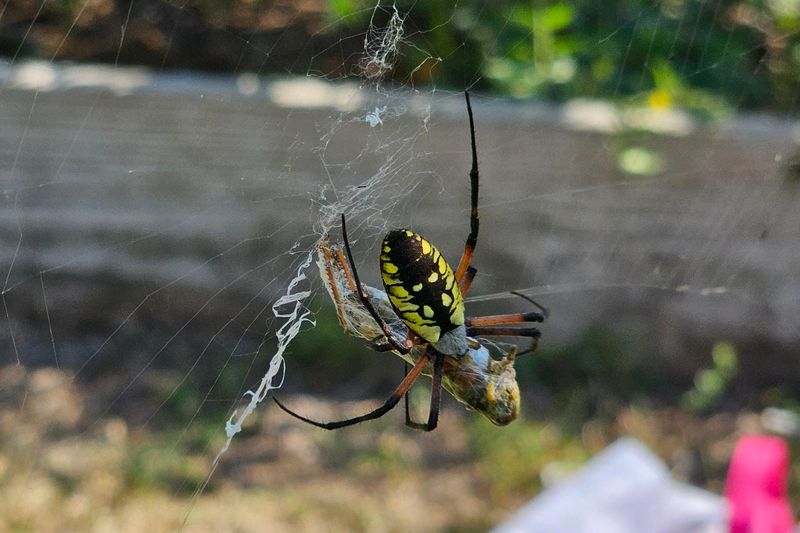
That bold black and yellow spider stretched across your tomato cage is most likely a mature female yellow garden spider. Her scientific name is Argiope aurantia, and she is one of the most familiar orb weavers in Ohio.
The main meaning behind her web is simple, because she is eating as much as possible before laying eggs. Every grasshopper or moth she catches helps her body build the eggs that will carry her family forward.
Females grow much larger than males, often reaching about an inch long in body length by early fall. Males stay small and usually spin a modest web close by, hoping to court her when the timing works.
So a big web near your porch is not a sign of bad luck or a hidden pest problem indoors. It mostly tells you that a healthy, well-fed predator has found a sunny spot with plenty of flying insects.
Many folk tales link spider webs with weather changes or visitors arriving, but scientists have not confirmed those beliefs. Enjoy the stories if you like them, yet trust the biology when deciding what to do next.
Practical advice here is easy, since the best move is usually to leave her right where she is. If the web blocks a walkway, gently guide her with a stick to nearby shrubs or tall perennials.
Moving her a few feet rarely causes harm, and she will often rebuild a fresh web by morning. Think of her as a free pest control helper who clocks in just as the garden season winds down.
Fall Is Her Big Season For Building
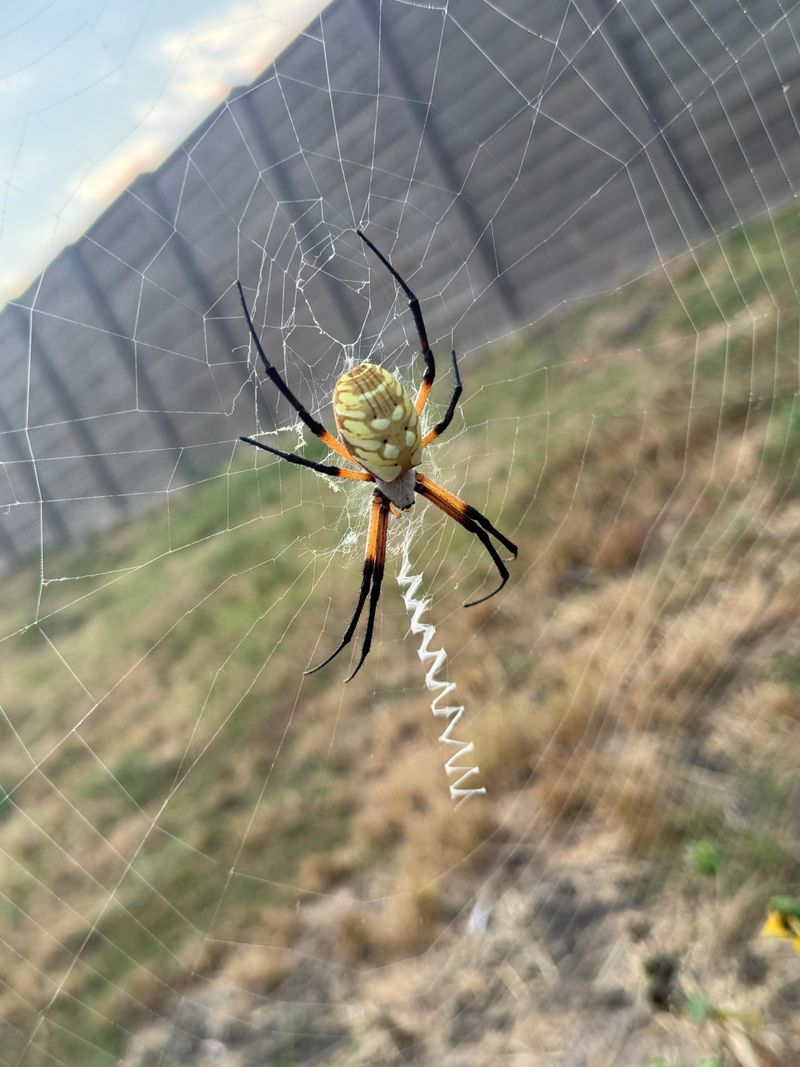
Late summer gives these spiders their size, but October is when many Ohio gardeners finally notice their huge webs. Cooler mornings bring heavy dew, and those tiny drops cling to silk until every strand sparkles in the light.
Spiders that emerged from their egg sacs this spring spent the summer growing quietly in tall grass where few people paid attention. By fall the females are full grown, so their webs can stretch two feet across between sturdy stems.
Your Ohio Garden Changes Every Week. Your Plan Should Too.
Gardening in Ohio changes quickly throughout the season. Every Friday you’ll receive a simple weekly plan showing exactly what to plant, prune, fertilize, harvest, and protect so you never miss the right timing.
Fun fact for curious kids, many orb weavers eat the center of their web and rebuild it each day. Recycling silk this way saves protein, which matters a lot when a mother spider needs energy for eggs.
You will often spot webs in sunny sheltered places like flower beds or among tall ornamental grasses. She tends to hang head down in the center, waiting patiently for a buzzing insect to hit the threads.
As nights turn colder, insect traffic slows down, and you may see her catching fewer meals each week. Her web might look ragged or loose in late October, which is a normal part of her seasonal rhythm.
These spiders are active for a single season, so the first hard frost usually brings her time in the garden to a close. That cycle may seem short, yet it is the natural way her family continues from year to year.
Enjoy watching her during these last weeks of the season, because each web is a small piece of autumn engineering worth noticing. Snap a photo on a misty morning, and you might capture something that looks like delicate lace.
That Zigzag Silk Has Scientists Guessing
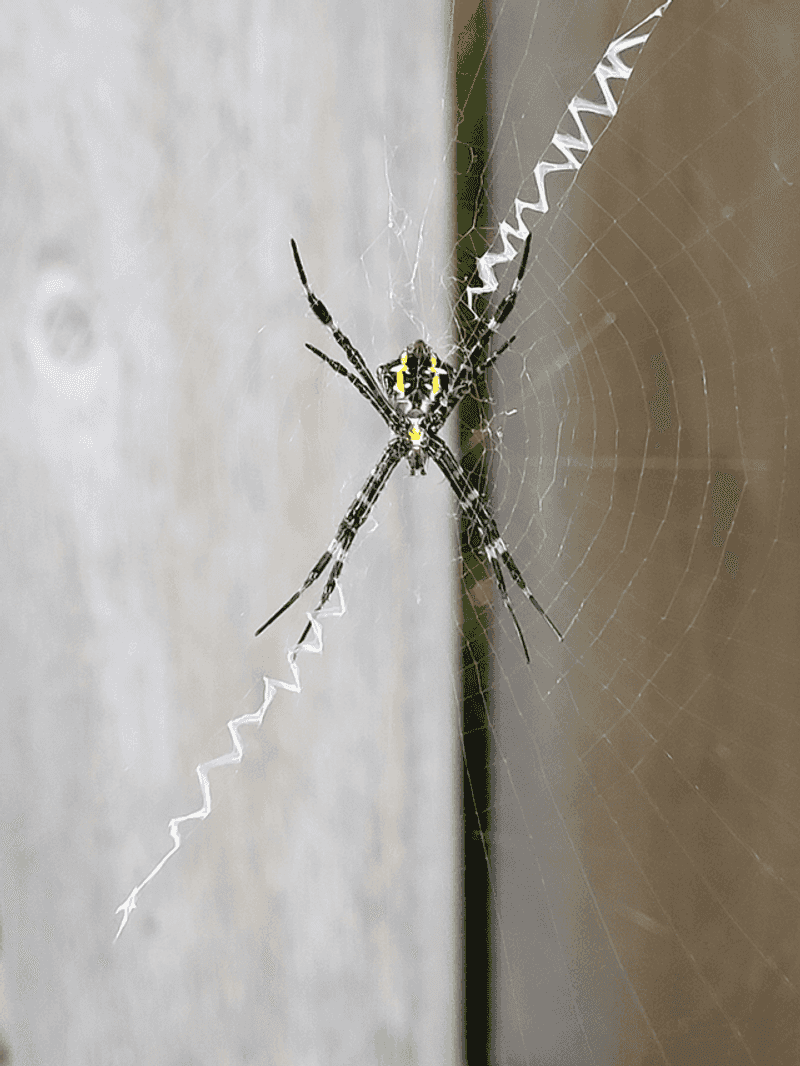
Right down the middle of her web, you will usually find a thick white zigzag band of extra silk. Researchers call it a stabilimentum, and it is one of the most recognizable features of this spider.
Oddly enough, experts still debate its purpose, and no single explanation has been proven for every spider. Several ideas have support from field studies, so it may serve more than one job at once.
One popular theory says the zigzag warns birds about the web, so they fly around instead of through. Saving a web from a bird crash means the spider wastes less silk and less energy each day.
Another idea suggests the bright silk reflects ultraviolet light, which may attract certain insects toward the sticky threads. Some scientists also think it could help hide the spider by breaking up her outline from hungry predators.
Young spiders often weave a round, fuzzy pad of zigzag silk, while adults build a straighter vertical stripe. Watching for that difference is a fun way to guess how old a spider is in your yard.
Argiope spiders are sometimes nicknamed writing spiders because of the bold zigzag, but the silk is only a structural feature and spells nothing. The nickname is just a playful comparison to handwriting.
Next time you pass a web, try counting the zigzag segments and comparing them with webs nearby. Kids in Ohio often love this quick nature puzzle, and it turns a scary moment into real curiosity.
You Can Relax About Bites Around Your Family
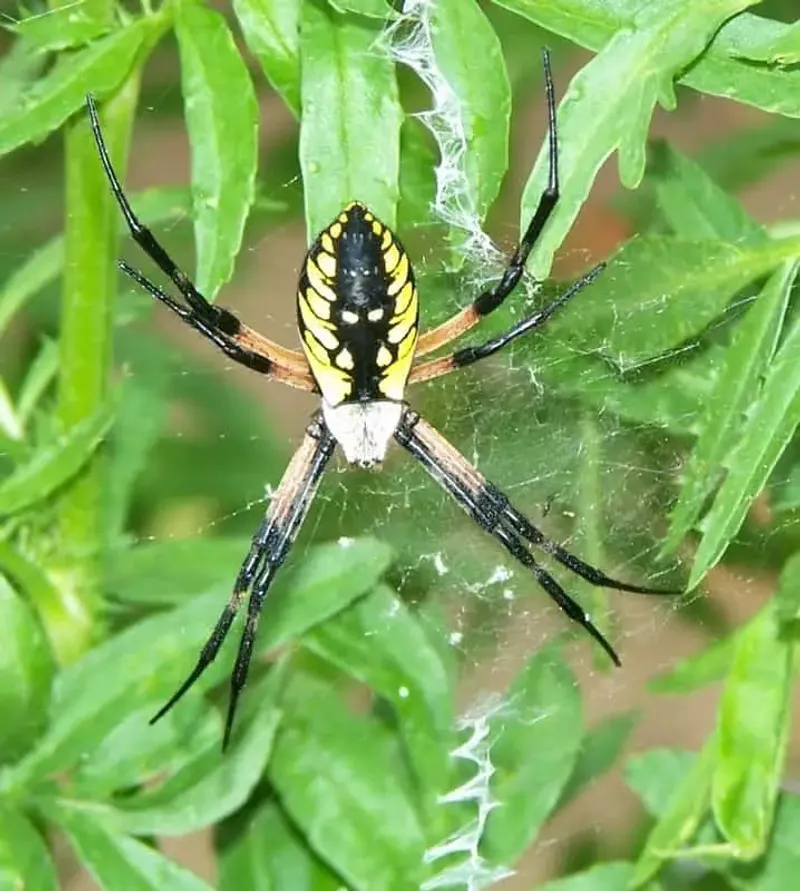
Plenty of people jump at the sight of such a large spider, and that reaction makes perfect sense. Still, extension entomologists describe yellow garden spiders as shy, calm creatures that rarely bite humans at all.
She would much rather drop from her web or shake it hard than confront a curious gardener. That shaking motion is a defense trick, making her look blurry and bigger to anything that comes close.
A bite usually happens only if someone grabs or squeezes her, which most of us would rather avoid anyway. Most sources compare the feeling to a mild bee sting, with some redness and swelling that fades quickly.
Her venom is designed for insects, and it is not considered medically serious for healthy adults or children. Anyone with allergies or unusual symptoms should still call a doctor, just as they would with any sting.
Pets usually ignore these spiders, although a playful dog might sniff a web out of plain curiosity. Teach kids to look with their eyes rather than their hands, which keeps both spider and child happy.
Wearing gloves while cutting back perennials in fall is smart, since spiders often hide among dry stems. Give each plant a gentle shake before pruning, and any resident spider will usually scramble away safely.
Ohio is home to very few spiders that pose a real medical concern, and this one is not among them. Knowing that fact can turn fear into respect, and maybe even a little bit of backyard friendship.
Those Brown Paper Sacks Hold Next Spring’s Brood
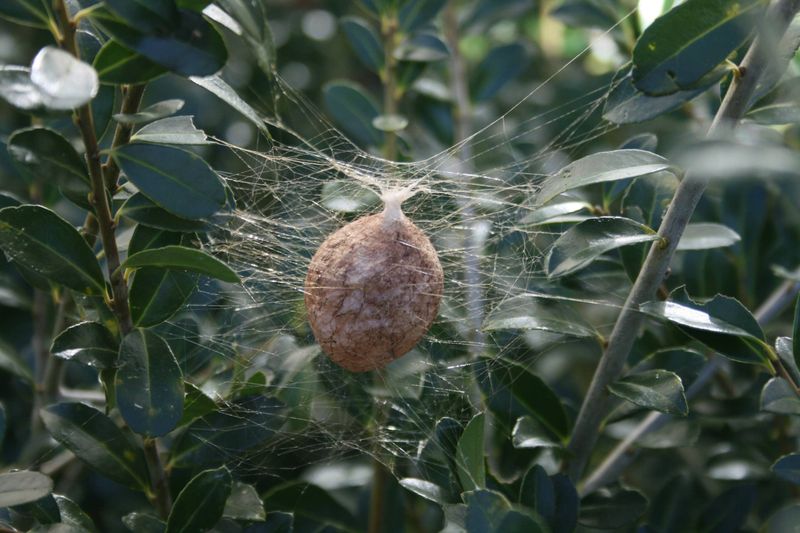
Look closely near an old web in late October, and you might find a round brown pouch dangling there. That papery sac is her greatest work, holding hundreds or even more than a thousand tiny eggs inside.
Females often make one to several sacs, and each looks a bit like a small vase or teardrop. The tough outer layer protects the eggs from cold weather and from some hungry birds and insects.
Interestingly, the baby spiders hatch inside the sac during fall but stay tucked in there through winter. They wait until warmer spring days arrive, then crawl out and drift away on fine threads of silk.
That floating trip is called ballooning, and it helps young spiders spread across yards and nearby meadows. Only a small share survive to adulthood, which explains why a mother produces such a huge number.
If you find a sac during fall cleanup, try leaving it attached to the stem or fence where it hangs. Cutting that stem and tossing it into yard waste removes a whole future family of insect hunters.
When moving it is necessary, tie the cut stem section to a sturdy shrub that is sheltered from wind. Avoid bringing sacs indoors, because warm rooms could trigger an early emergence with no insects around for food.
Gardeners across Ohio sometimes mistake these sacs for strange seed pods, which is an easy mix-up to make. Once you know what they are, spotting one feels like finding a little promise tucked into the garden.
Your Garden Habits Can Welcome Her Back Next Year
Spiders settle where insects are plentiful and sturdy plants offer safe anchor points, so your choices really matter. A few small changes this fall can make your yard a welcome nursery for next year’s striped hunters.
Ohio State University Extension and many other programs encourage leaving some plant stems standing through the winter months. Those stems shelter egg sacs along with native bees until spring sunshine warms the soil again.
Cutting back on broad insecticide sprays also helps, since these spiders depend on a steady supply of flying insects. Fewer chemicals mean more grasshoppers and flies for her to catch, which keeps your garden in natural balance.
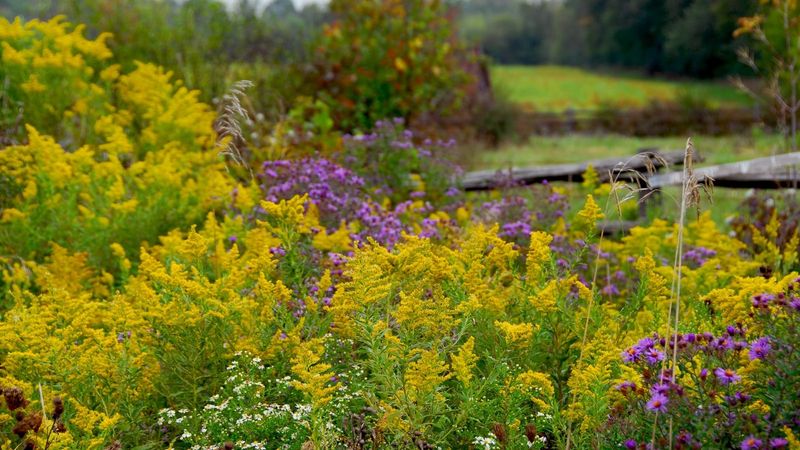
Tall native flowers like goldenrod or asters give her strong stems for building webs in bright sunny spots. Those same blooms feed pollinators in October, so you help two groups of garden allies at the same time.
Try raking leaves into beds instead of bagging every single one, because leaf litter shelters insects her offspring will hunt. A slightly messy garden looks natural to wildlife, even if it feels untidy to a neat gardener at first.
Outdoor lights can draw moths, and some spiders take advantage by building webs near porch lamps and windows. Switching to warm yellow bulbs may reduce insect crowds if you prefer fewer webs close to the front door.
Every big web you spot next fall can be a sign that your yard is thriving with life. Many gardeners who learn her story end up rooting for her, and I suspect you will too.