These Tough Perennials Crowd Out Weeds In New York Gardens
You pull weeds on Saturday, and by Wednesday they’re back with friends. Pulling harder won’t win this fight, but planting smarter will.
Tough perennials can fill bare soil so thickly that weed seeds struggle to find light. Plenty of New York gardeners are swapping endless weeding for beds that practically take care of themselves.
Some of these plants smell like a spice cabinet, while others sparkle with morning dew. A few even handle the dry shade under old maples or the baking heat beside a driveway.
Spacing matters just as much as the plants you choose. A few pretty spreaders are also worth skipping, since they can turn into a bigger problem than the weeds.
Fall is a great time to plant, so roots settle in before winter. Your easiest gardening season might be just a few plants away.
1. Catmint Forms A Dense, Fragrant Carpet
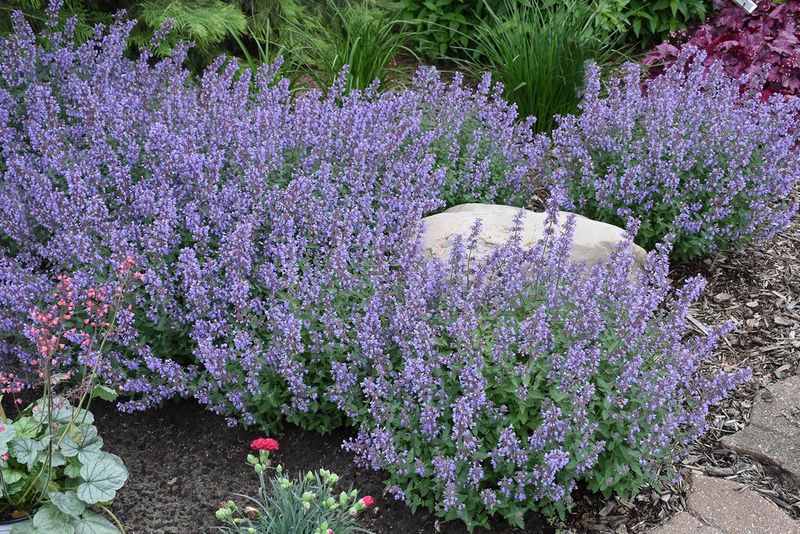
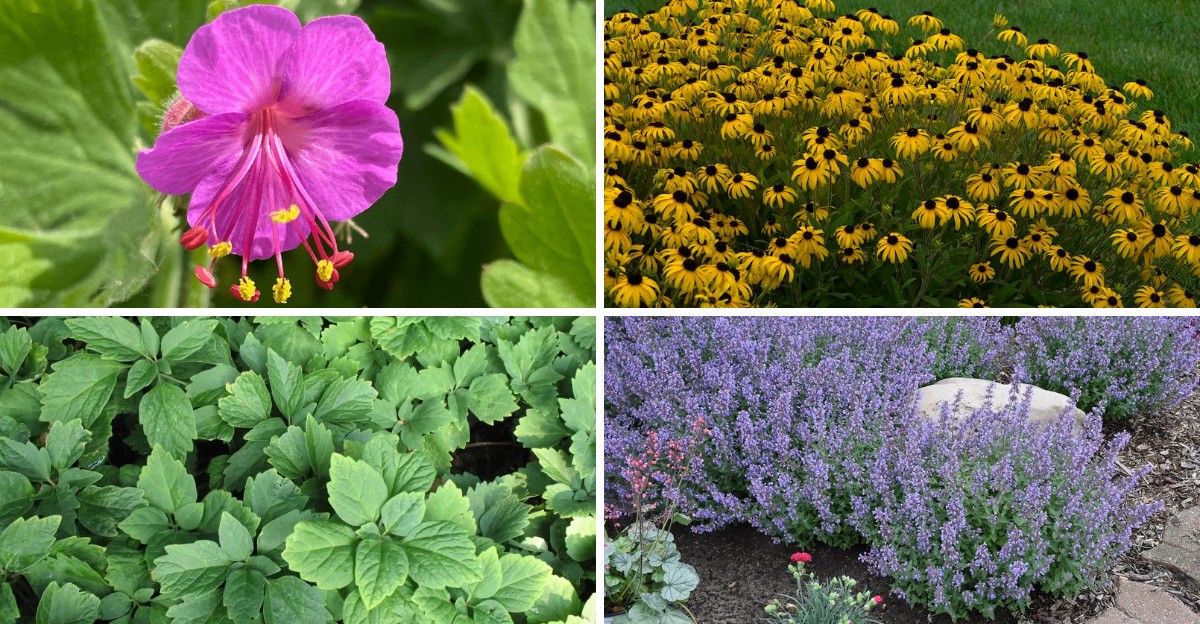
Brush past catmint on a warm June morning, and a spicy, minty scent rises around your ankles. Gardeners across New York love it for that smell and for its weed-fighting muscle.
Catmint, known to botanists as Nepeta x faassenii, wakes up early each spring. Its silvery green leaves quickly form a dense mat that shades the soil below.
Weed seeds need sunlight to sprout, so that shade makes a big difference. Fewer seedlings pop up, and the ones that do often look weak and stretched.
‘Walker’s Low’ is the star hybrid most people know. It grows about two feet tall and can spread up to three feet wide.
Good news for tidy gardeners is that it produces little viable seed. You get wide coverage without baby plants sprouting all over your yard.
Smaller choices like ‘Kitten Around’ or ‘Cat’s Pajamas’ work well along borders and walkways. ‘Purrsian Blue’ and ‘Cat’s Meow’ offer neat, rounded shapes with plenty of blooms.
Full sun and well-drained soil keep catmint happiest. It even handles poor, rocky ground and salty air near the coast.
Here is a handy spacing tip for better weed control. Set plants so their mature widths overlap by roughly ten percent.
After the first big flush of flowers fades, shear plants back by about a third. Fresh leaves and a second round of blooms usually follow within weeks.
Bees and butterflies will thank you all summer long. Deer and rabbits, on the other hand, tend to leave this fragrant plant alone.
2. Bigroot Geranium Smothers Weeds In Dry Shade
Picture the bare, dusty patch under a big old maple tree. Grass gives up there, and weeds usually move in fast.
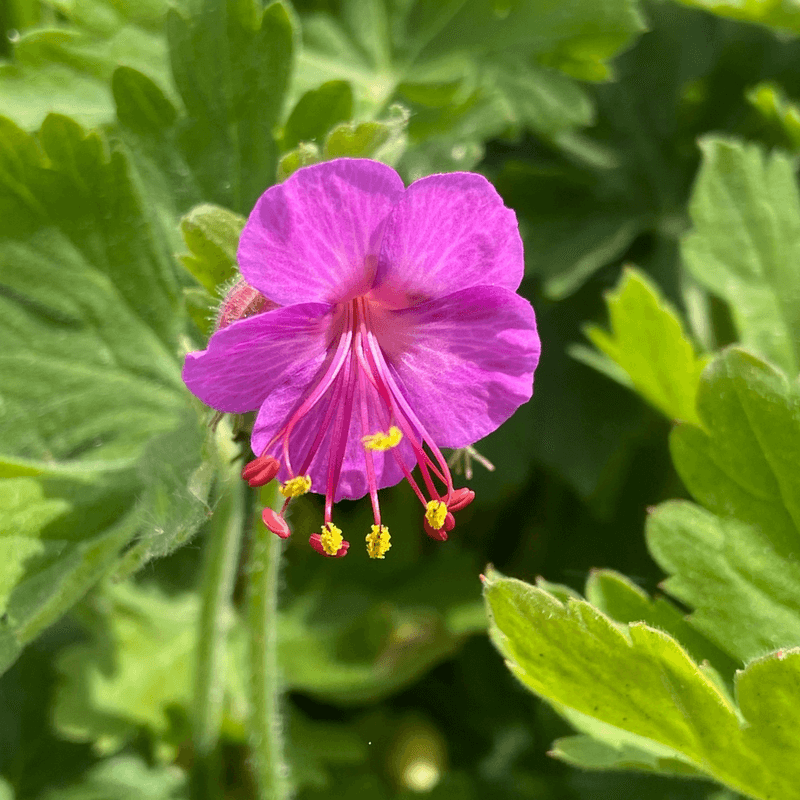
Bigroot geranium happily claims that tough spot instead. Its thick roots creep along just under the surface, building a solid mat of leaves.
Gardeners call Geranium macrorrhizum one of the best plants for dry shade. Once settled, it handles drought better than most shade lovers can.
Crush a leaf between your fingers, and you will notice a spicy, citrus-like smell. Many people find that scent pleasant, though deer and rabbits clearly disagree.
Your New York Garden Changes Every Week. Your Plan Should Too.
Gardening in New York changes quickly throughout the season. Every Friday you’ll receive a simple weekly plan showing exactly what to plant, prune, fertilize, harvest, and protect so you never miss the right timing.
The deeply cut leaves stay partly green through mild winters. In autumn, many of them blush red and orange for a bonus show.
Several varieties grow well across the state, which spans zones 3 to 7. ‘Bevan’s Variety’ has bold magenta flowers, while ‘Spessart’ blooms in crisp white.
Prefer something softer? ‘Ingwersen’s Variety’ offers pale pink blossoms that glow nicely in shady corners.
Getting started is easy and affordable. Plant three geraniums about a foot apart, then let them knit together over a season or two.
Water regularly during the first summer while roots grow deep. After that, rainfall usually handles the job without much help from you.
Slopes benefit too, since the spreading roots hold soil in place. Fewer weeds and less erosion make this plant a true double winner.
Dividing crowded clumps every few years is simple. Share the extras with neighbors who are battling their own shady weed patches.
3. Creeping Phlox Blankets Sunny Slopes
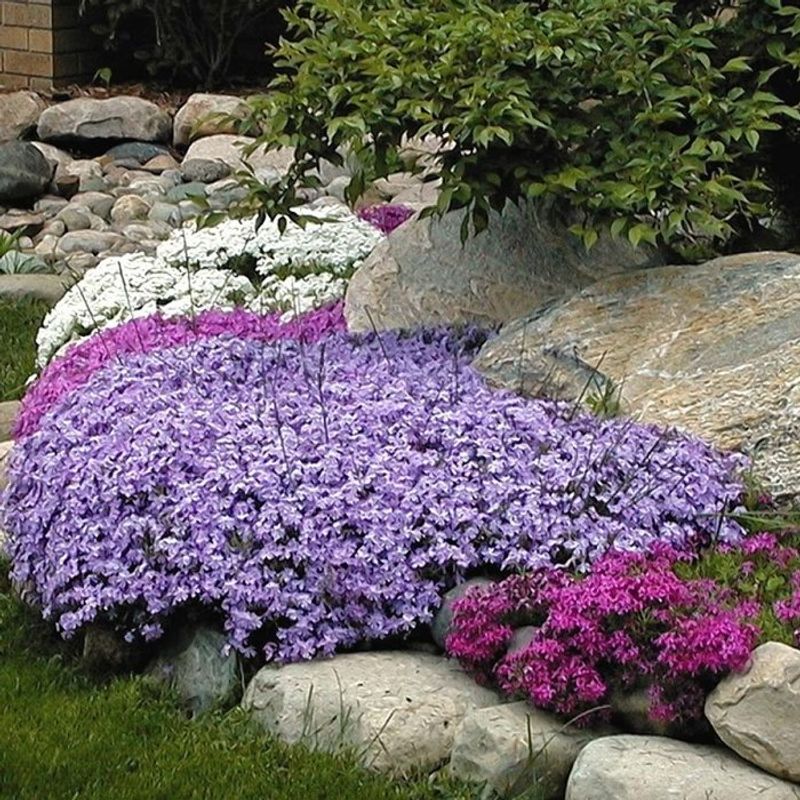
Every April, certain hillsides around New York turn bright pink almost overnight. Drivers slow down to stare, and the reason is usually creeping phlox.
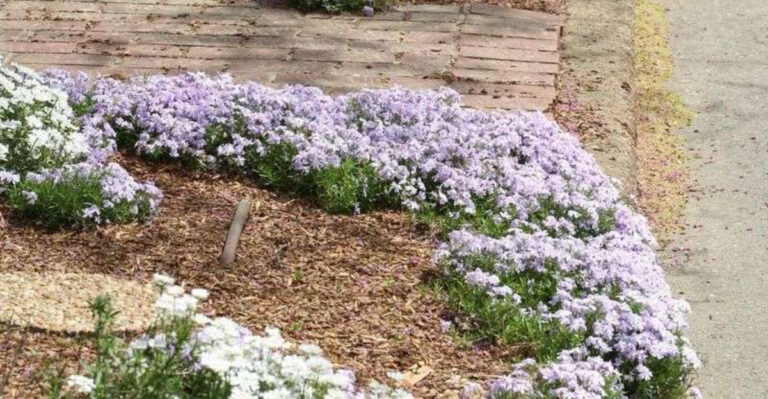
Phlox subulata is a low, mat-forming plant native to parts of the state. Its short, needle-like leaves pack together so tightly that weeds struggle to break through.
Here is the clever part about that thick mat. Spring bulbs like crocus and daffodils can still poke through without trouble.
Flowers arrive in mid-spring, usually April into May. You can choose shades of pink, lavender, purple, or white, and some gardeners mix them.
Sunny slopes are where this plant truly shines. Mowing a steep hill is tricky, but phlox covers it with almost no upkeep.
Full sun and sandy or gravelly soil suit it best. Heavy, soggy ground can cause roots to rot, so drainage matters a lot.
Once established, creeping phlox shrugs off heat and dry spells. The foliage stays green or semi-green for much of the year.
Try this trick after the flowers fade. Cut the stems back by about half to keep plants dense and sometimes coax a lighter rebloom.
Worried it might spread too far? Its shallow roots make extra pieces easy to lift and move elsewhere.
Rock walls and the edges of raised beds look wonderful draped in phlox. Let it spill over the stones for a soft, cascading effect.
4. Black-Eyed Susans Fill Gaps Fast
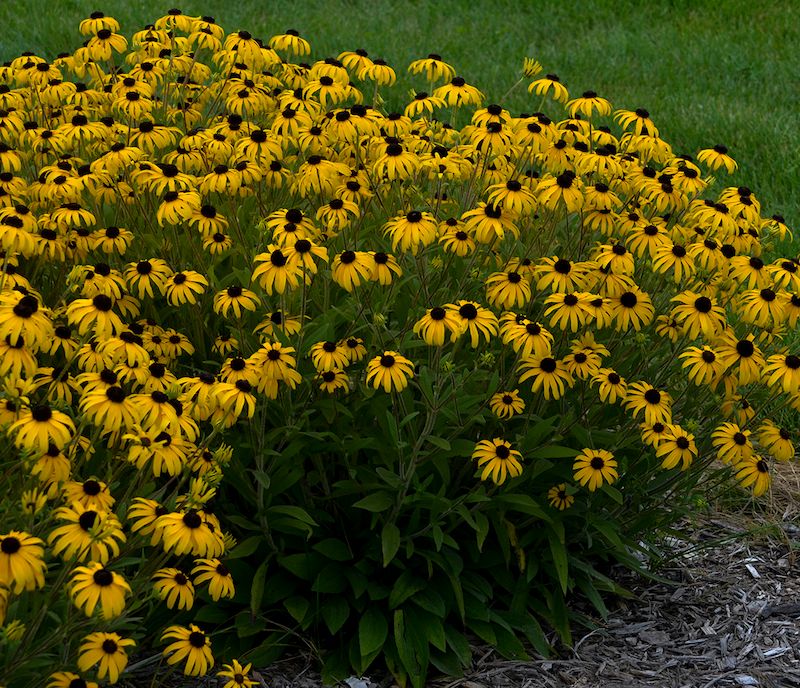
Some plants take years to settle in, but black-eyed Susans seem to be in a hurry. Plant a few in spring, and you may see a golden crowd by August.
Rudbeckia fulgida ‘Goldsturm’ is the most popular choice. Its thick clumps of basal leaves form a carpet that leaves little room for weeds.
Landscape designers often praise it for creating a nearly solid green layer near the ground. Weed seeds landing there rarely find the light they need.
Spreading happens two ways with these cheerful flowers. Creeping roots push outward, and seeds drop to start new plants nearby.
A cousin, Rudbeckia hirta, grows wild along roadsides throughout much of the state. It acts more like a short-lived plant but reseeds reliably year after year.
Sunshine is the main ingredient for success. Give them at least six hours of direct sun, and blooms will pile up.
Soil is rarely a problem for these toughies. Sandy, clay, dry, or average ground all work well once roots are established.
Want to keep them from taking over? Snip faded flowers to limit seeding, and divide clumps every two to three years in early spring.
Leaving a few seed heads in fall is a nice compromise. Goldfinches love picking at them on chilly autumn mornings.
Pair them with purple coneflowers or ornamental grasses for a classic look. The mix fills empty corners and blocks weeds from sneaking in.
5. Bee Balm Spreads Into Thick, Weed-Blocking Patches
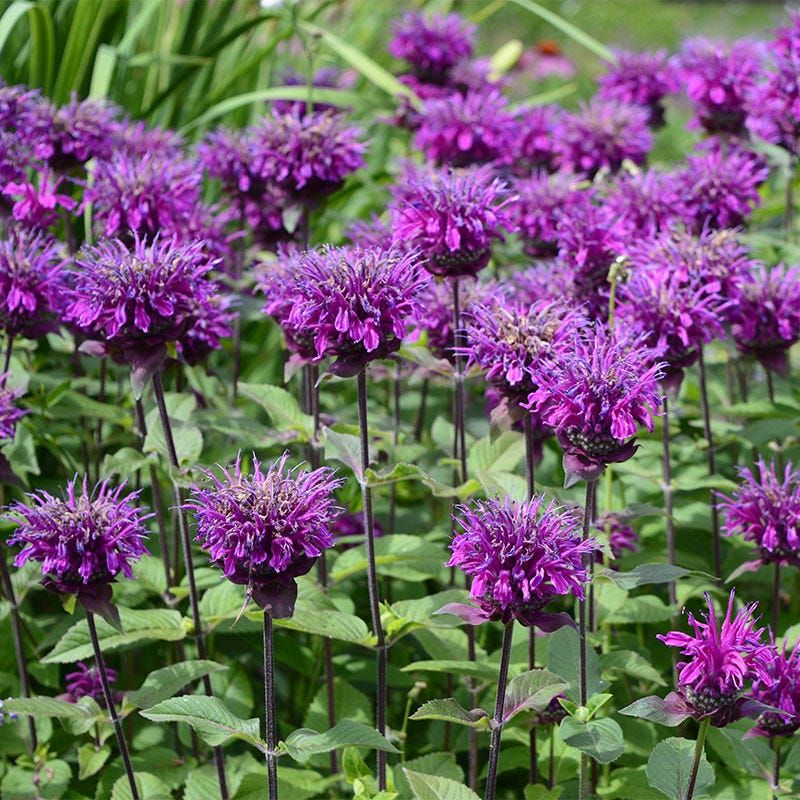
Hummingbirds seem to have a map with every bee balm patch marked on it. Plant some, and you will likely spot one zipping by within days.
Monarda belongs to the mint family, and it spreads like a mint should. Underground runners push outward, forming thick patches where weeds have trouble competing.
Many garden varieties behave more politely than wild types, though. The compact ‘Sugar Buzz’ series stays tidier and fits small yards nicely.
Flowers look like little fireworks in red, pink, or purple. They bloom in summer and draw bees, butterflies, and those busy hummingbirds.
Bee balm is native to eastern North America, including New York meadows. Its leaves smell like oregano mixed with citrus when brushed.
Full sun brings the most flowers, but light shade works too. Rich, moist soil keeps plants lush and healthy.
Powdery mildew is the main headache, showing up as a white dust on leaves. Steady watering and good airflow between plants help keep it away.
Spreading can be managed with a little effort. Divide clumps every two or three years in spring or fall, and toss unwanted pieces.
Root barriers sunk eight to twelve inches deep also work well. Growing bee balm in large containers is another smart option for small spaces.
Fun fact: early American colonists brewed the leaves as a tea. Some called it Oswego tea, named after a region in New York.
6. Lady’s Mantle Shades Out Weed Seedlings
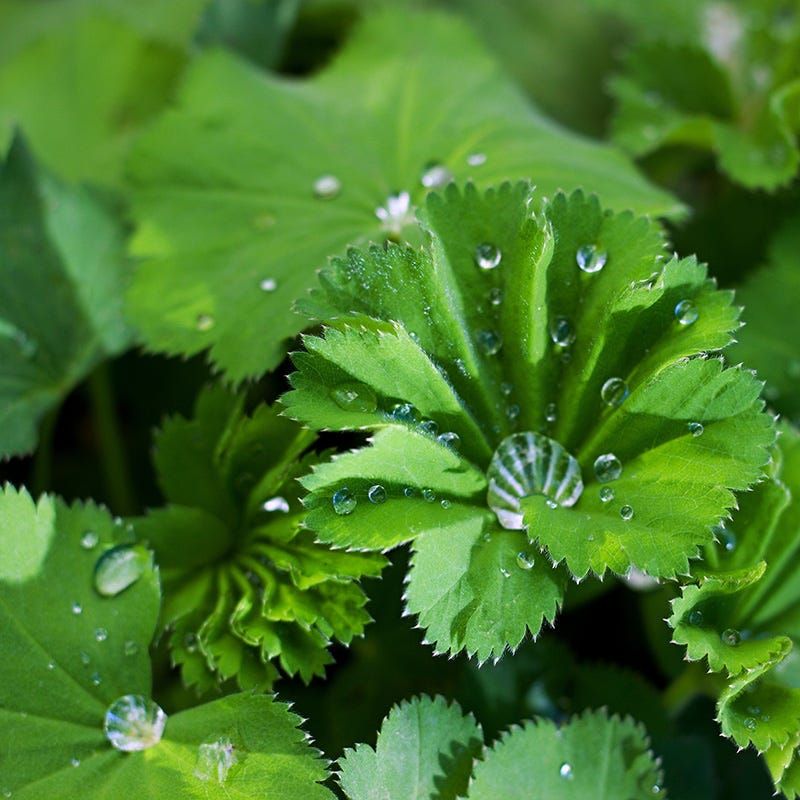
Step outside after a rain shower, and lady’s mantle looks like it is wearing jewelry. Tiny water beads sit on its soft leaves like scattered diamonds.
Alchemilla mollis has round, scalloped leaves covered in fine hairs. Those hairs make water roll into shiny droplets instead of soaking in.
Beyond the sparkle, the plant works hard below. Its wide leaves overlap into low mounds that cast steady shade on the soil.
Weed seedlings under that leafy umbrella struggle to grow. Most fade away before they ever reach the light.
Hardy in zones 3 to 8, lady’s mantle handles winters easily. Part shade suits it best, though it tolerates deeper shade with fewer flowers.
Moist, well-drained soil keeps leaves looking fresh. Still, it adapts to rocky or poor ground better than you might expect.
Pests usually skip it entirely. Slugs, snails, deer, and rabbits tend to look elsewhere for a snack.
Frothy sprays of lime-green flowers show up in late spring. Florists love tucking them into bouquets for a soft, airy touch.
One caution is that it can reseed freely. Snip off flowers before seeds ripen to keep things under control.
Leaves looking tired in midsummer? Cut them back to the ground, and a fresh flush of foliage will return in a few weeks.
Use it to edge shady paths where its soft mounds can spill over. The look is relaxed, charming, and nearly weed-free.
7. Allegheny Spurge Is A Native Groundcover For Shade
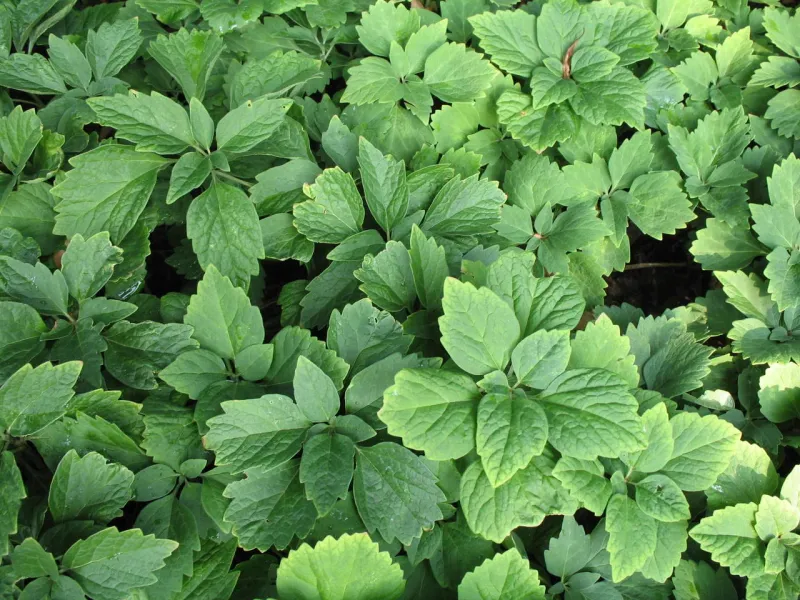
Plenty of shady yards are covered in Japanese pachysandra, that glossy green carpet seen everywhere. Allegheny spurge is its quieter American cousin, and many gardeners prefer it.
Pachysandra procumbens grows mainly in the Southeast. Still, it fits well in woodland gardens in much of the state, though the coldest upstate areas can be a stretch for it.
Underground runners slowly weave a dense mat of leaves. That leafy cover blocks weeds and helps keep soil from washing away.
Look closely at the foliage, and you will see something special. Matte blue-green leaves often carry silvery mottling, like a watercolor painting.
Early spring brings fuzzy spikes of white or pinkish flowers. They smell sweet and offer pollen to the first hungry bees of the year.
Plants stay low, usually six to twelve inches tall. They spread at a steady pace instead of racing across the yard.
Partial to full shade works best for this groundcover. Moist, rich, slightly acidic soil helps it settle in quickly.
After roots are established, it handles dry spells well. Deer also tend to pass it by, which is a big plus in many areas.
For good coverage, set plugs six to twelve inches apart. Closer spacing fills the space faster, though it costs a bit more upfront.
Patience pays off with this plant. Within a few seasons, you will have a soft, native carpet that needs little attention.
8. Sedum Covers Hot, Dry Spots Weeds Usually Win
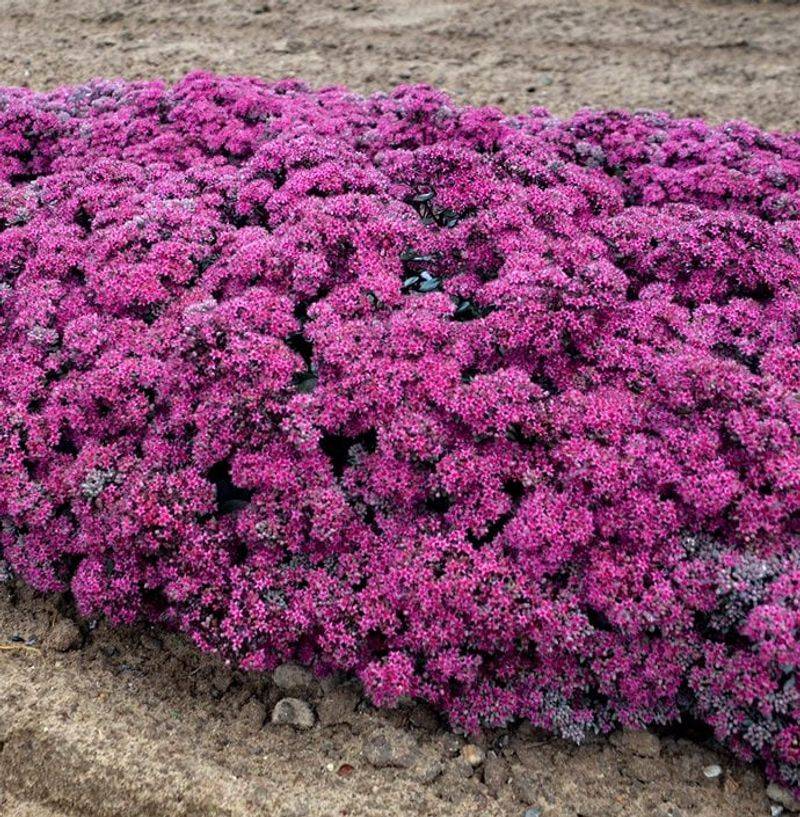
Every yard has that one spot that bakes all summer. Maybe it sits by the driveway or along a sunny sidewalk strip.
Weeds usually take over those places because few garden plants can handle the heat. Sedum, also called stonecrop, is a happy exception.
Thick, fleshy leaves store water like tiny canteens. Because of that, sedum shrugs off drought once its roots are settled.
Low, creeping types spread into dense mats that hug the ground. Those mats leave little bare soil for weed seeds to claim.
Several varieties do well in New York, and many are hardy to zone 3. ‘Dragon’s Blood’ offers deep red leaves and bright summer flowers.
‘Angelina’ glows golden yellow, then turns copper-orange in winter. ‘John Creech’ stays low and green, creating a neat, tight carpet.
Sun is non-negotiable for good results. Give sedum at least six hours of direct light each day.
Drainage matters just as much as sunshine. Sandy or gravelly soil keeps roots healthy, while soggy ground causes rot.
Skip the rich compost and heavy fertilizer here. Overfed sedum grows floppy and weak instead of tight and tidy.
Here is a fun trick for spreading it. Snap off small pieces and press them into the soil, and they often root within weeks.
Rock gardens, green roofs, and stone steps all suit this tough little plant. It brings color and texture where little else will grow.
Plant Close So There’s No Room Left Over
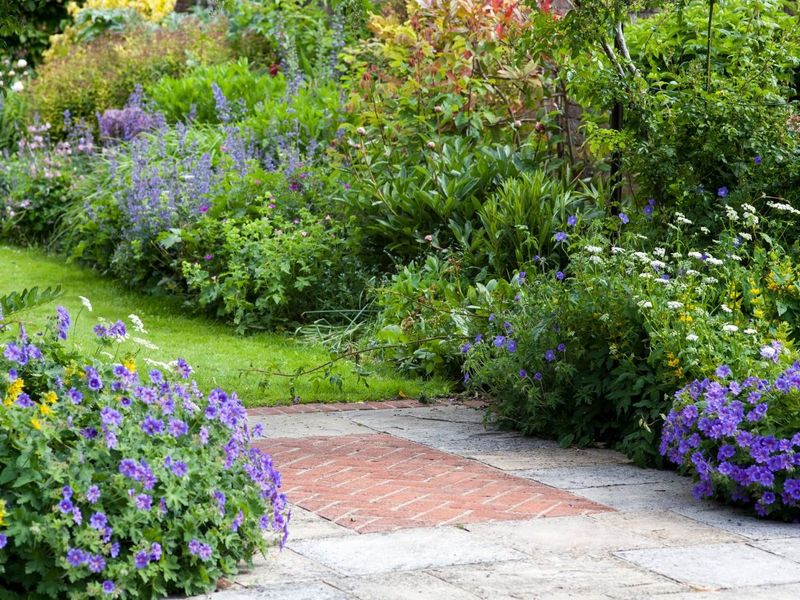
Nature hates empty space, and weeds are its favorite way to fill it. Leave bare soil between plants, and something unwanted will move in.
The fix is simple but often overlooked. Plant your perennials close enough that their leaves eventually touch and overlap.
Gardeners call this a living mulch. Leaves shade the ground, and roots soak up the water and nutrients weeds would steal.
Plant tags usually suggest spacing for single specimens, not full coverage. For weed control, you can often go a little tighter.
Catmint works well when mature widths overlap by about ten percent. Bigroot geranium fills in nicely when three plants sit a foot apart.
Allegheny spurge plugs belong six to twelve inches apart. Closer spacing means quicker coverage, while wider spacing saves money but takes longer.
New beds will still show soil during the first year. Spread two inches of shredded mulch between plants to bridge that gap.
Mulch holds moisture and blocks light while young plants grow. As perennials spread, you will need less mulch each spring.
Layering heights helps too, like a crowded theater. Tall plants in back, mid-size in the middle, and groundcovers along the front leave few openings.
One worry is that crowded plants may develop mildew. Choose disease-resistant varieties and thin clumps when airflow seems poor.
Many gardeners find weeding drops sharply by the third year. A full bed truly becomes its own best defense.
Avoid Pretty Spreaders That Turn Invasive
Purple loosestrife looks lovely along a pond edge, with tall magenta spikes swaying in the breeze. Sadly, it chokes wetlands and pushes out native plants and wildlife.
Not every fast spreader is a good neighbor. Some pretty plants escape gardens and cause serious harm in natural areas.
New York State actually bans the sale and transport of many invasive species. Checking the state’s prohibited list before shopping is a smart habit.
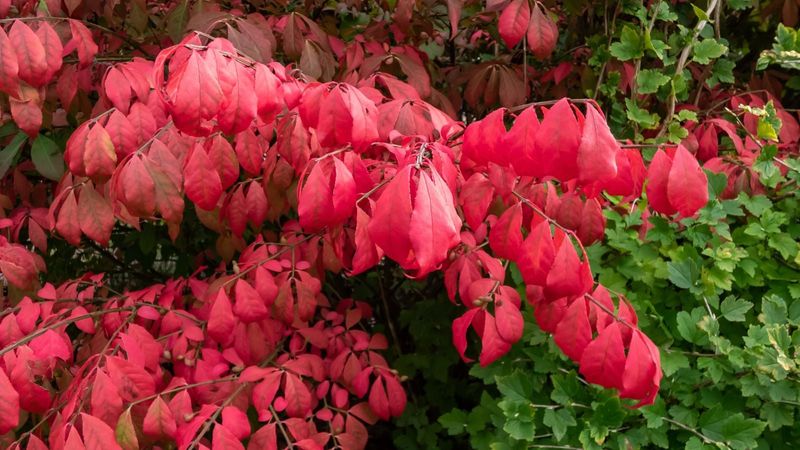
Burning bush and Japanese barberry were once garden favorites. Both now spread into forests, crowding out native shrubs.
Vines can be just as troublesome. Oriental bittersweet, Japanese honeysuckle, and kudzu climb and smother trees and shrubs.
Other troublemakers include Japanese knotweed, garlic mustard, multiflora rose, and common buckthorn. Japanese stiltgrass and giant hogweed belong on that list too.
Giant hogweed deserves extra caution because its sap can burn skin badly in sunlight. Report sightings to local authorities instead of handling it yourself.
Many invasives leaf out earlier in spring than native plants. They grab the sunlight first, leaving local species struggling in their shade.
Some popular garden plants are now under closer watch. Butterfly bush, certain spireas, and orange daylilies are spreading into wild spaces.
Choose natives or well-behaved cultivars whenever possible. Sterile hybrids, like ‘Walker’s Low’ catmint, offer coverage without unwanted seedlings.
Local garden centers and Cornell Cooperative Extension offices can offer guidance. A little research protects your yard and the beautiful wild places across the state.