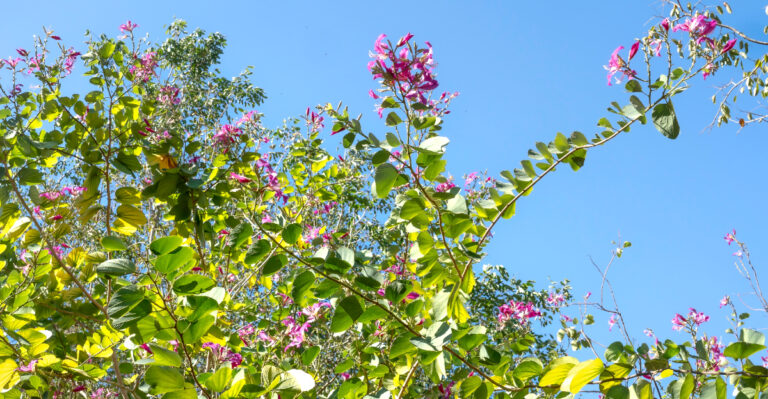
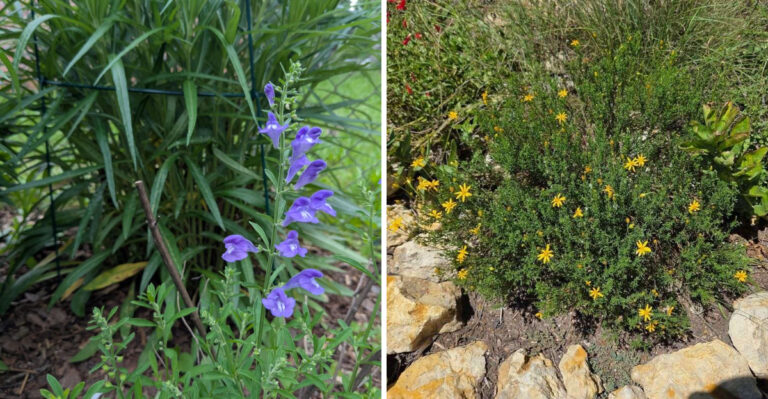
The Arizona Plants That Keep Roof Rats From Climbing Into Your Attic This Winter
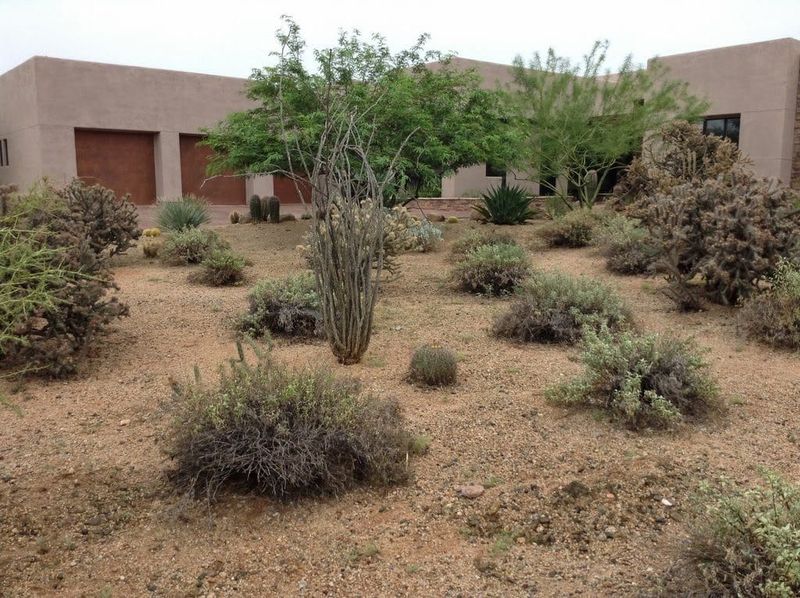
When the desert nights turn cool, roof rats start looking for a warm place to spend the winter, and your attic is high on their list. These sneaky climbers use trees, vines, and bushes as ladders to reach your roofline.
The good news is that the right plants, placed the smart way, can make your yard far less inviting to them. Here are eight Arizona-friendly picks that work hard while asking for very little water.
1. Rosemary
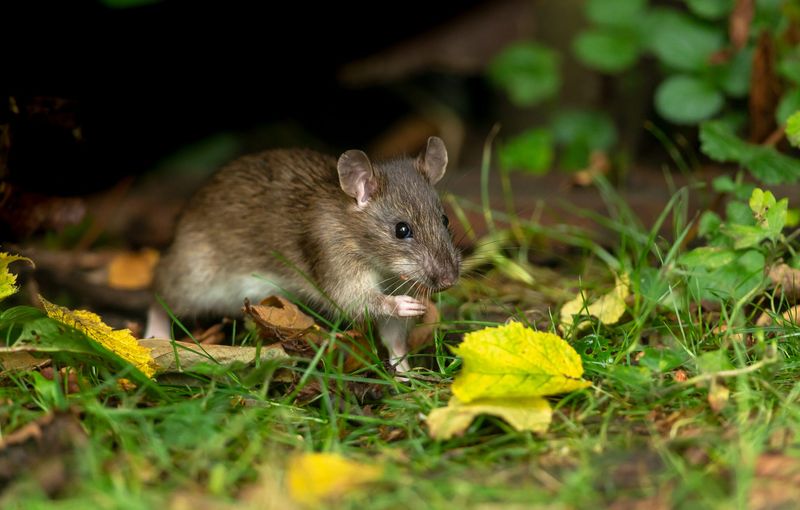
Brush your hand across a rosemary bush and the piney scent sticks to your fingers for an hour. That bold fragrance is exactly why gardeners have long planted it as a rodent-unfriendly border.
Rats rely heavily on their noses, and a strong, resinous smell near the house may help nudge them elsewhere.
Rosemary is also one of the toughest herbs you can grow in the low desert. It shrugs off 110-degree summers, handles alkaline soil, and needs only a deep soak every week or two once established.
Trailing types work well spilling over block walls, while upright varieties like Tuscan Blue form neat, low hedges.
Placement matters more than quantity. Plant it along foundation beds and pathways, but keep it trimmed low and at least a foot or two away from the wall so it never becomes a hiding spot.
Avoid letting it grow into a dense, woody tangle, since thick cover is what rats actually want.
Fall is the ideal time to plant in Phoenix and Tucson, giving roots months to settle before summer heat. As a bonus, winter and spring blooms pull in native bees, so your pest-wary border doubles as pollinator habitat.
2. Lavender
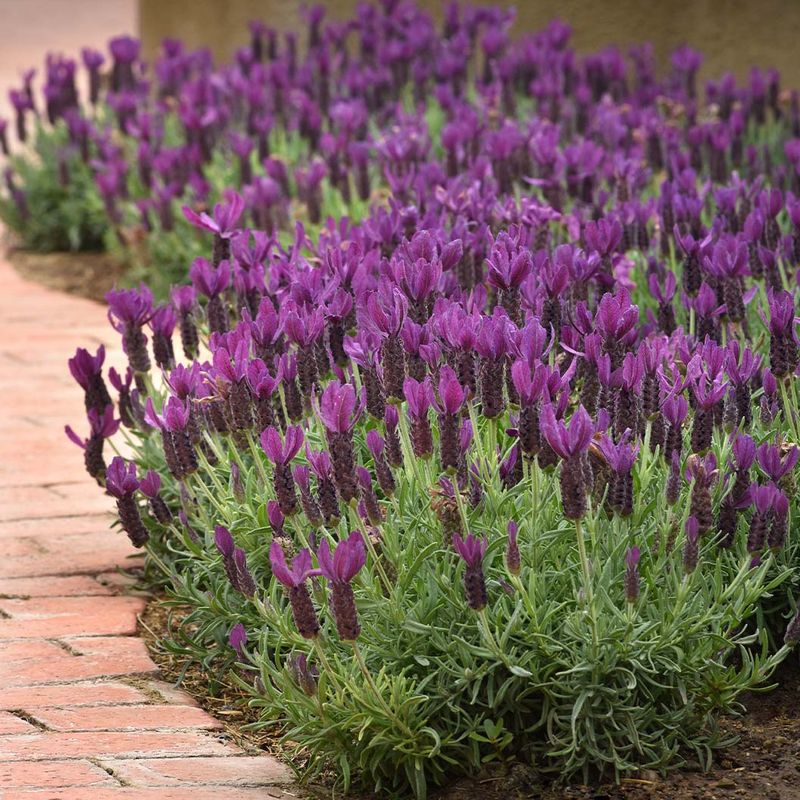
People find lavender soothing. Rodents, on the other hand, may not be fans at all.
Its sharp, camphor-tinged oils are the same compounds that make dried sachets so popular for keeping closets fresh and critter-free.
Now for the honest part. A living plant gives off far less scent than a bottle of concentrated oil, so lavender works best as one layer in a bigger plan.
Pair it with tidy pruning, sealed entry points, and clean fruit trees, and it pulls its weight nicely.
In the low desert, Spanish and French lavenders tend to outperform English types, which can sulk in our heat. Give them excellent drainage, because soggy roots are their biggest enemy here.
A raised bed or a slight mound mixed with gravel keeps them happy in caliche-heavy yards.
Morning sun with a little afternoon relief in summer helps plants look their best. Water deeply but infrequently, letting soil dry between drinks.
Snip spent flower spikes and bring them indoors, tucking bundles into garage corners or storage bins where rodents like to snoop. Your yard smells lovely, the bees get a feast, and roof rats get one less reason to linger.
3. Desert Sage
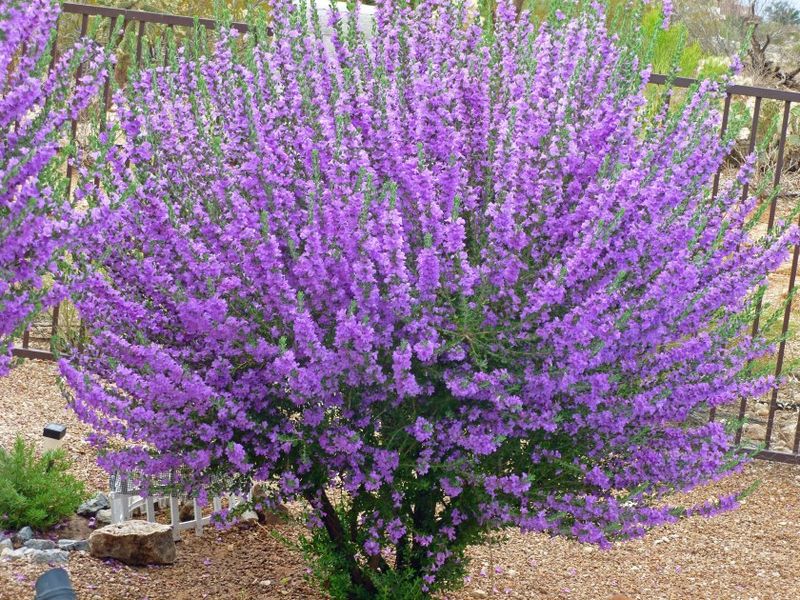
Think of sage as the desert version of a polite but firm bouncer. Both culinary garden sage and the silvery native-adjacent shrubs, like Texas sage and Salvia greggii, carry aromatic foliage that can make a garden bed feel less cozy to snooping rodents.
Your Arizona Garden Changes Every Week. Your Plan Should Too.
Gardening in Arizona changes quickly throughout the season. Every Friday you’ll receive a simple weekly plan showing exactly what to plant, prune, fertilize, harvest, and protect so you never miss the right timing.
What makes sage special on this list is its open growth habit when pruned correctly. Roof rats love dense, dark thickets where they can nest unseen.
A well-shaped sage lets you see the ground beneath it, which leaves rats exposed to owls, hawks, and curious neighborhood cats.
One common mistake is shearing Texas sage into tight green meatballs. That creates a thick shell that hides the interior, exactly the opposite of what you want.
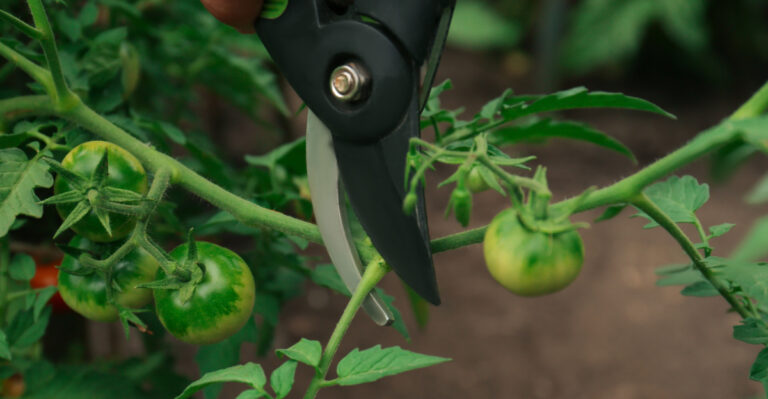
Instead, thin a few branches at the base each winter so light and air move through.
Sages handle reflected heat from walls and driveways like champions. Once established, many get by on occasional summer watering, and the purple bloom bursts after monsoon rains are pure magic.
Plant them in October or November, space them generously, and keep them a couple of feet from stucco. You get water savings, color, and a yard where rats have fewer places to disappear.
4. Marigolds
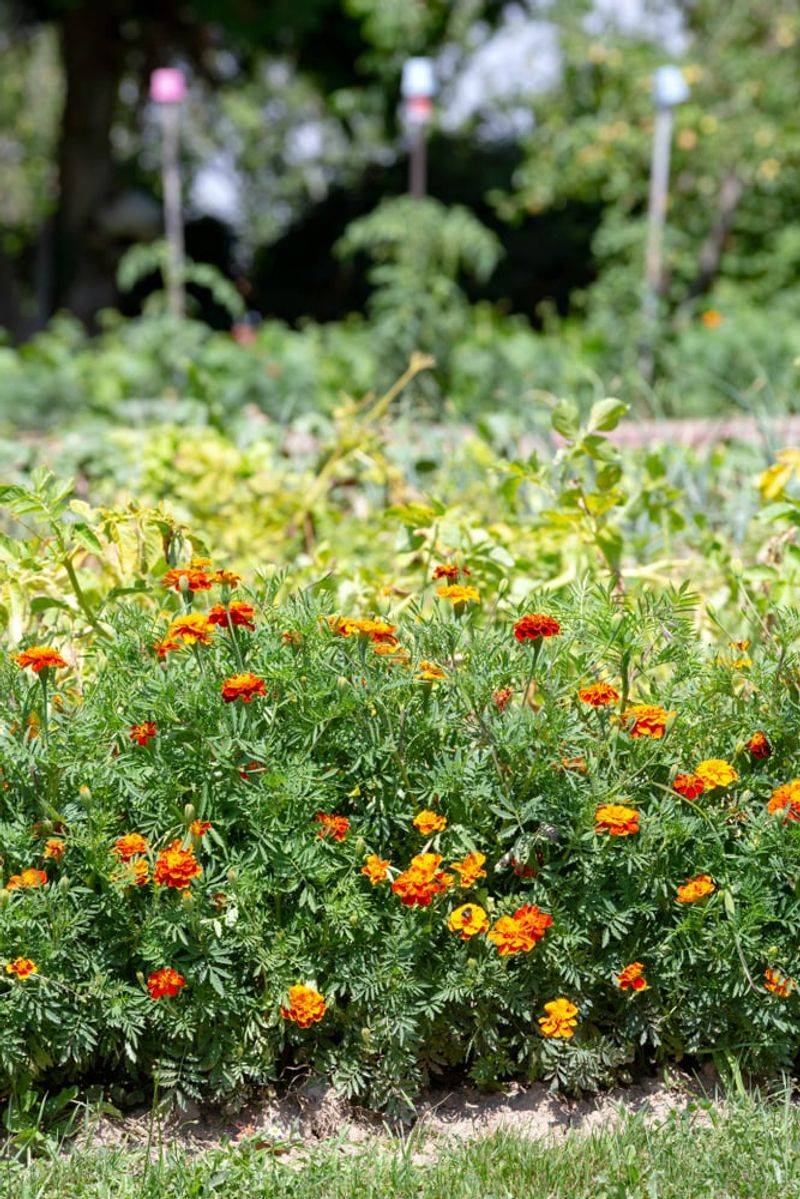
Here is a fun fact: marigolds have been tucked into vegetable gardens for generations because of the strong compounds in their leaves and roots. Their pungent, musky smell is unmistakable, and many gardeners believe it makes beds less appealing to rodents above the soil and pests below it.
For Arizona homeowners, marigolds earn a spot because they fill a seasonal gap. They grow quickly, add instant color, and slot easily into edges of raised beds, citrus wells, and container gardens near patios.
That makes them handy for guarding areas where food tends to attract trouble.
Timing is the trick. In the low desert, sow or transplant marigolds in early fall for a long show through mild winters, or again in late February for a spring display.
They usually fade once June heat hits hard, so treat them as a cool-season border rather than a permanent fixture.
Plant them in a sunny strip around vegetable plots, which often draw rats looking for an easy snack. Keep the soil lightly moist while they settle, then water when the top inch dries.
It is a cheerful, budget-friendly layer of defense that kids can help plant, too.
5. Crown of Thorns
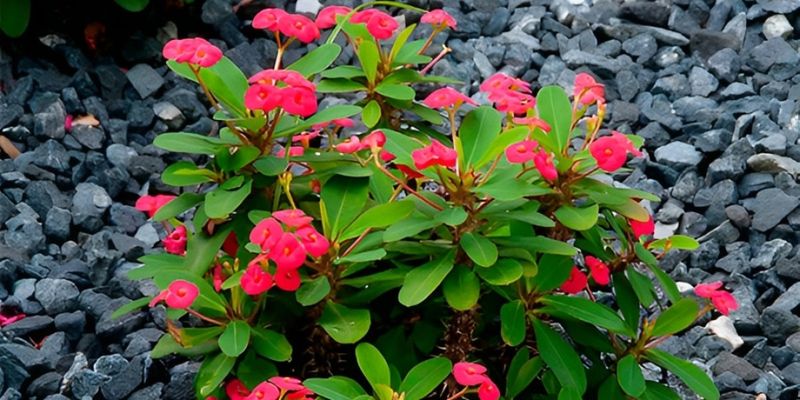
Ever tried grabbing a cactus barehanded? Rats feel much the same about crown of thorns, sometimes called Christ plant.
Its thick stems are lined with sharp spines, turning any spot it occupies into an uncomfortable obstacle course for small climbing feet.
Unlike the scented herbs above, this succulent works through pure texture. Tucked beneath windows, beside utility boxes, or around downspout areas, it adds a prickly zone that rodents tend to avoid rather than cross or shelter in.
It also handles Arizona heat with ease and needs very little water. Bright light keeps the small red, pink, or yellow bracts coming nearly year round.
The one weakness is cold, so in Phoenix and Tucson it does best in pots or sheltered spots near the house, where you can cover it on frosty winter nights.
A word of caution for families: the milky sap can irritate skin and is toxic if chewed, so keep it away from curious pets and toddlers. Wear gloves when trimming.
Used thoughtfully, though, crown of thorns adds a living, spiky guardrail that looks tropical and asks for almost nothing in return.
6. Agave
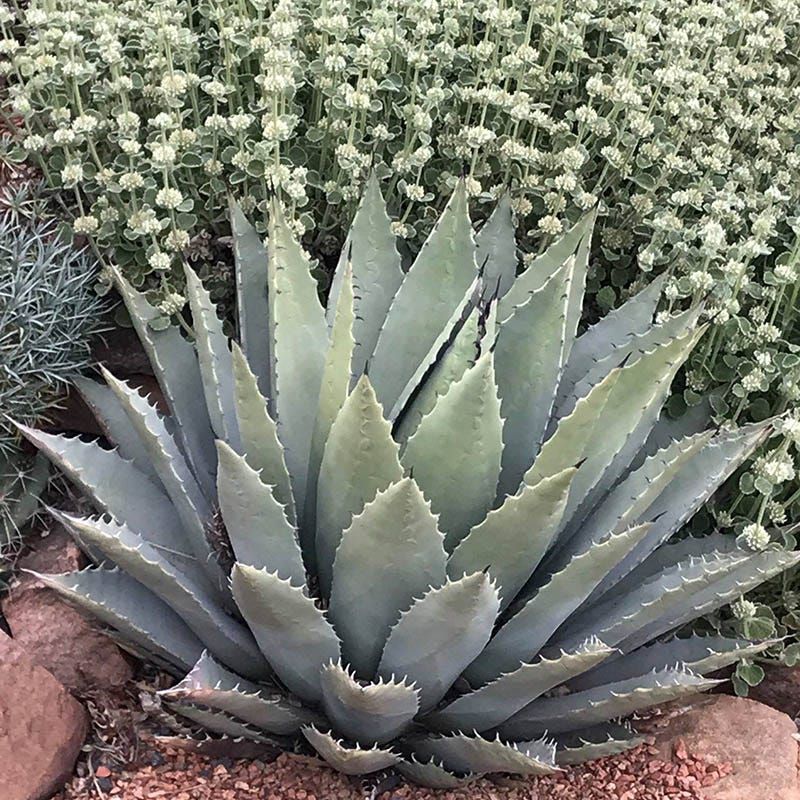
Agave is the strong, silent type of the desert garden. Rigid leaves tipped with needle-sharp spines make it a natural no-go zone, and its open rosette shape leaves nothing cozy for a rat to tuck itself into.
Here is why agave earns its own spot: it gives you structure without creating cover. Many big shrubs eventually become dense hideouts that need constant thinning.
An agave stays clean at the base, so the ground around it remains visible and exposed to predators like owls and roadrunners.
Parry’s agave and Arizona-native species are especially tough, tolerating frost, blazing summers, and rocky caliche soil. Most need water only during long dry stretches once established.
Fall planting lets them root in before summer, and they rarely need fussing after that.
Give agaves room, though. Plant them well away from walkways and walls, since those spines can snag people too, and some species grow wider than you expect.
A grouping near property lines or fence gaps adds a striking sculptural barrier.
When an agave finally blooms, its tall stalk feeds bats and hummingbirds. That is a wonderful bonus for any homeowner who wants a yard that functions as real habitat.
7. Palo Verde
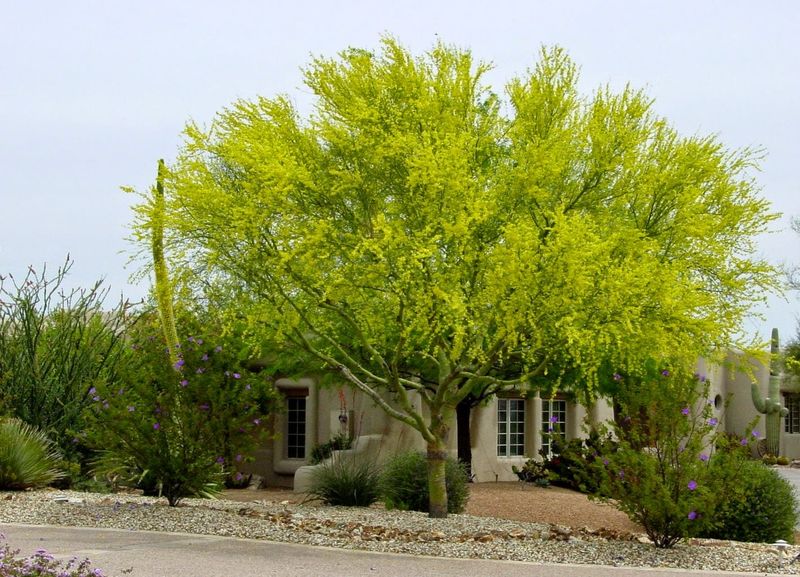
Picture a tree that gives you shade without handing rats a staircase to your roof. That is the beauty of palo verde, Arizona’s state tree, with its green bark and airy, see-through canopy.
Roof rats are acrobats, and dense trees with branches brushing the eaves are their favorite highways. Palo verde naturally grows in a light, open form, which makes it easier to spot nests and simpler to keep trimmed.
Its fine leaves and small thorns also offer less sheltered space than thick, leafy shade trees.
Plant placement is everything. Set your palo verde far enough from the house that, at full size, you can easily keep limbs 3 to 4 feet away from the roofline.
Prune in late winter, before the spring bloom, removing any branches that angle toward gutters or utility lines.
Once established, it thrives on very little supplemental water and laughs at 110-degree afternoons. The yellow spring flowers feed native bees, and the dappled shade cools patios.
Choose Desert Museum, blue, or foothills varieties, and plant in fall. You get a beautiful, water-wise shade tree that helps keep roof rats grounded instead of climbing.
8. Desert Spoon
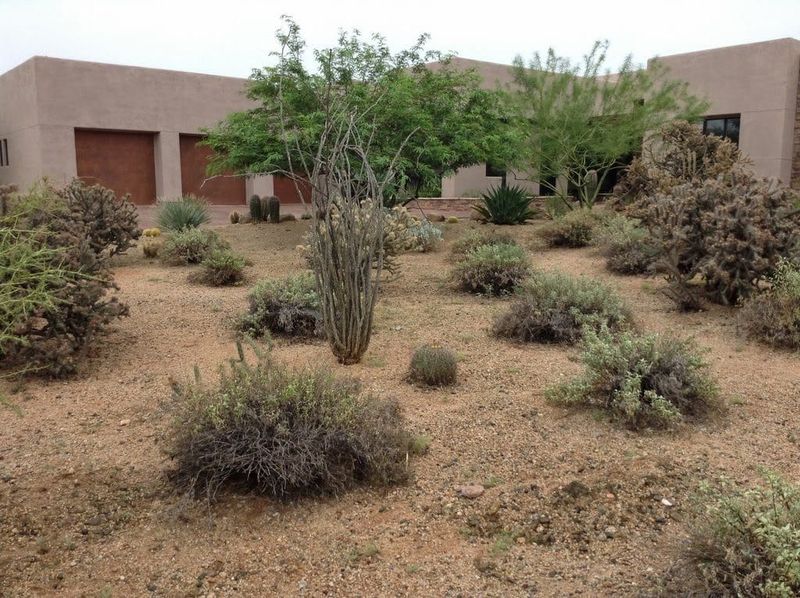
Run a finger along a desert spoon leaf and you will feel tiny teeth lining every edge. Those saw-like margins, packed into a big silvery globe, make this native a quietly effective plant for discouraging rodents from lingering.
Desert spoon is a smart swap for problem plants. Oleanders, overgrown bougainvillea, and unpruned palms often become prime roof rat hotels, with thick skirts and tangled stems close to the house.
Replacing them with a spiky, tidy native removes shelter while keeping the yard green and full.
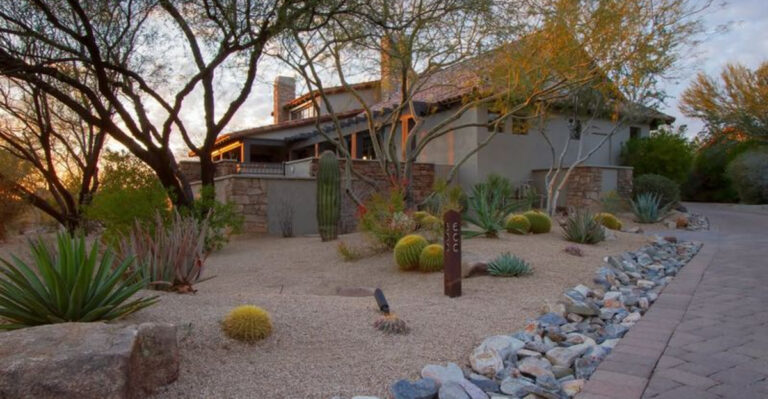
It handles frost, full sun, and poor soil without complaint, and established plants need only occasional deep watering in summer. Plant it in fall, a few feet from walls, and it will form a symmetrical starburst that looks great with boulders and gravel.
Keep the base clean by removing old dried leaves once a year, so debris never builds into a nesting pile. Pair desert spoon with smart habits too: pick citrus promptly, clear fallen fruit, cut vines off walls, and seal attic gaps.
Plants alone cannot guarantee a rat-free home, but this hardy native makes your yard a lot less welcoming this winter.