Should You Bring Your California Poinsettia Indoors Before Nights Get Cold?
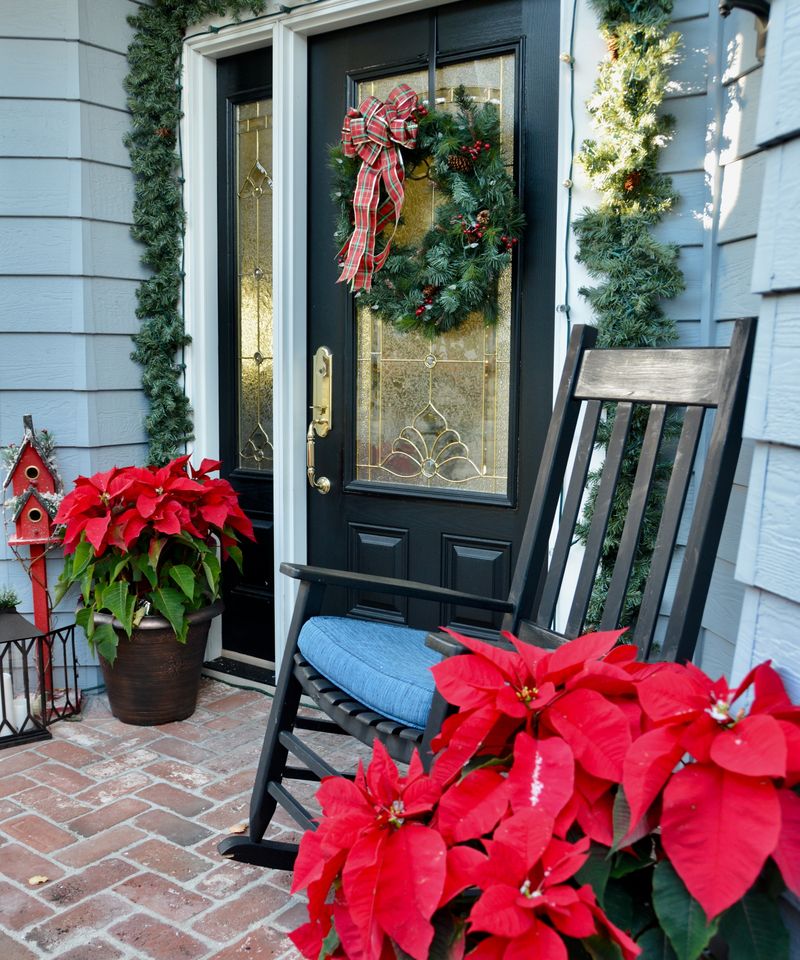
A California patio in late fall can send mixed signals. Afternoons still feel warm and bright, yet evenings cool quickly once the sun drops behind the rooftops.
Some plants shrug off that swing. Others, especially those with tropical roots, feel every degree.
One popular holiday favorite sits squarely in the second group, and the timing of its fall move shapes how it looks come December.
The decision involves more than carrying a pot through the door, since light, temperature, and a few uninvited passengers all come into play.
Coastal gardens and inland valleys follow different schedules, so the right date depends heavily on location.
A little planning now keeps leaves healthy and the season’s color on track.
Move It Before Nights Drop To The Low Fifties
An October glance at the overnight low in a weather app offers the best early warning.
Once forecasts start showing numbers in the low to mid 50s, the move deserves planning, since waiting for a cold snap usually means falling a step behind.
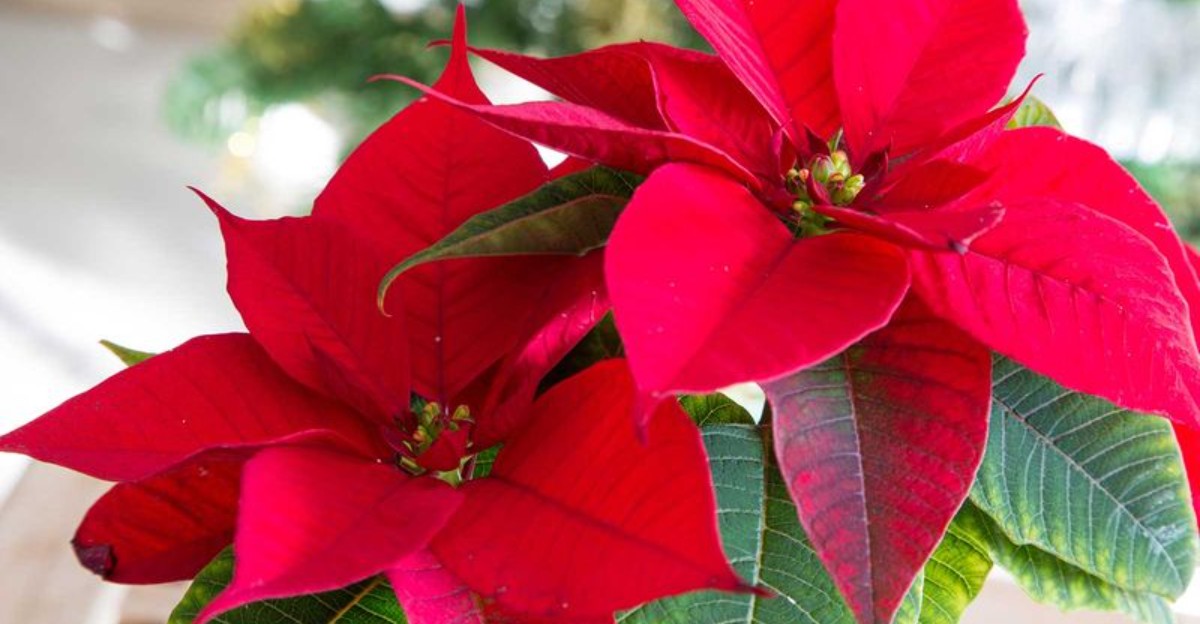
Poinsettias come from warm, frost-free parts of Mexico, where native hillsides rarely turn truly chilly, so the plants never developed much cold tolerance. Their native range sits along Mexico’s Pacific slope.
University sources generally suggest keeping them above about 50 to 55 degrees at night for steady growth.
That 50-degree mark works as a rough guide rather than a strict switch. A single night at 52 won’t ruin a plant, while a string of nights in the 40s can bring yellow leaves and a droopy look.
Daytime warmth can mislead. Many California valleys swing 30 degrees between afternoon and dawn, so a patio may hit 75 at lunch and sink to 45 before sunrise.
The coldest hour of the night is the one that matters most, and it usually arrives just before dawn.
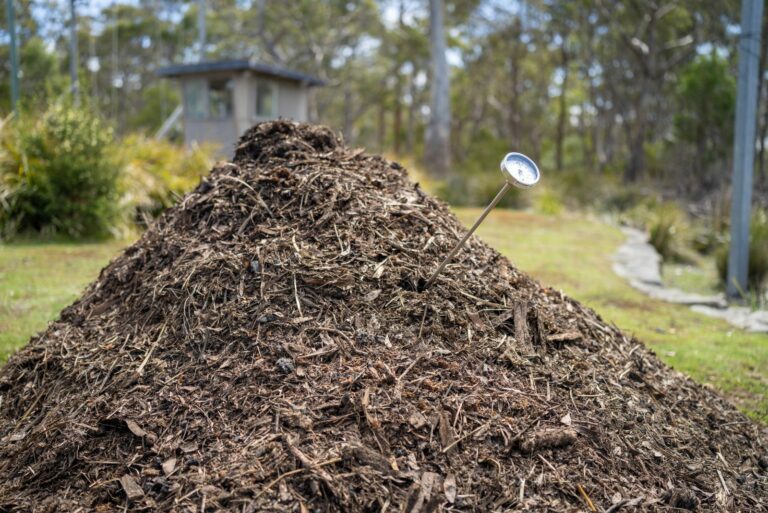
An inexpensive outdoor thermometer near the plant helps considerably. Walls, roofs, and paving can make one corner of a yard warmer or cooler than the forecast suggests, and a week of readings reveals exactly where the plant stands.
Starting early, around when lows reach the mid 50s, builds in a cushion. That extra time allows a gradual transition rather than a rushed, last-minute move indoors.
Cold Below 50 Degrees Damages Leaves
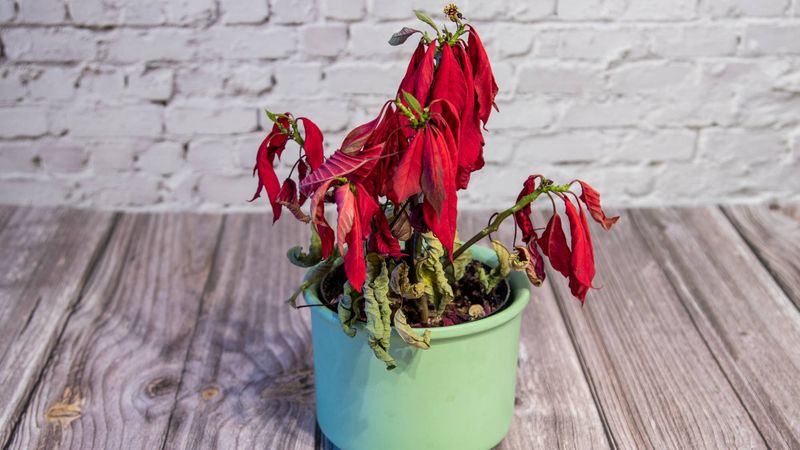
Yellow leaves dropping onto the patio one chilly morning offer a classic warning sign. Gardeners often blame watering first, though in many cases the real culprit is a few nights that dipped below 50 degrees.
Scientists call this chilling injury. Tropical plants such as poinsettias have cell membranes that work best in warmth, and when temperatures fall too low, those membranes stiffen and move water and nutrients poorly, even without ice forming.
The damage often appears a day or two later. Leaves may yellow, curl, or develop dull, dark patches, and lower leaves usually drop first, leaving bare stems below a crown of foliage.
Chilling injury sometimes looks like a nutrient problem, so recent nighttime lows deserve a check before reaching for fertilizer.
Bracts suffer too. Those colorful top leaves can fade, pale, or show brown edges after a cold spell, so a plant that was blushing nicely may look washed out by December.
Your California Garden Changes Every Week. Your Plan Should Too.
Gardening in California changes quickly throughout the season. Every Friday you’ll receive a simple weekly plan showing exactly what to plant, prune, fertilize, harvest, and protect so you never miss the right timing.
Wet soil worsens the problem. Cold, soggy roots struggle to take up water and become more vulnerable to root rot.
During cool weather, letting the top inch of soil dry before watering again protects roots.
Wind adds another layer of stress. A breezy 50-degree night feels harsher to a plant than a calm one at the same temperature.
Tucking the pot against a sheltered wall helps a little, though it only buys time. The most reliable protection comes from bringing the plant inside before the chill settles in for the season.
Frost Is A Hard Stop For Poinsettias
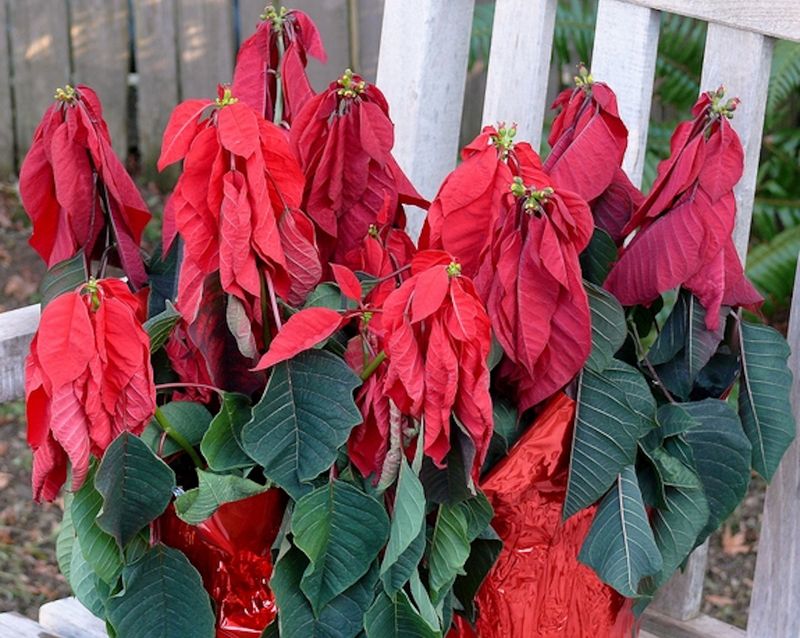
One clear, starry night in an inland valley can undo months of care. By sunrise, a frosted poinsettia looks limp and darkened, as if its leaves had been boiled, and those leaves rarely recover.
Frost forms when temperatures near the ground fall to freezing or below. Ice crystals grow inside plant tissue and tear cell walls apart, and tender tropical leaves have no defense against that kind of damage.
A sneaky detail catches many gardeners off guard. Frost can form even when the forecast reads 35 or 36 degrees, since cold air sinks and pools in low spots, and plant surfaces lose heat to a clear sky faster than the surrounding air.
Inland areas such as the Central Valley, the high desert, and foothill towns see frost far more often than the coast.
Even Southern California suburbs can get surprise frosty mornings in December and January, and a pot sitting in a low corner of the yard faces extra risk.
An old sheet draped over the plant can help in an emergency, removed in the morning so the plant doesn’t overheat. Still, a covering works as a backup plan rather than a strategy.
When frost does strike, patience before pruning helps. Damaged leaves can shelter stems beneath them for a while, and once warm weather returns, trimming off the mushy parts may let the plant push new growth.
That season’s holiday color, though, will likely be gone, which makes frost the one risk worth avoiding entirely.
Harden It Off Gradually Over A Week
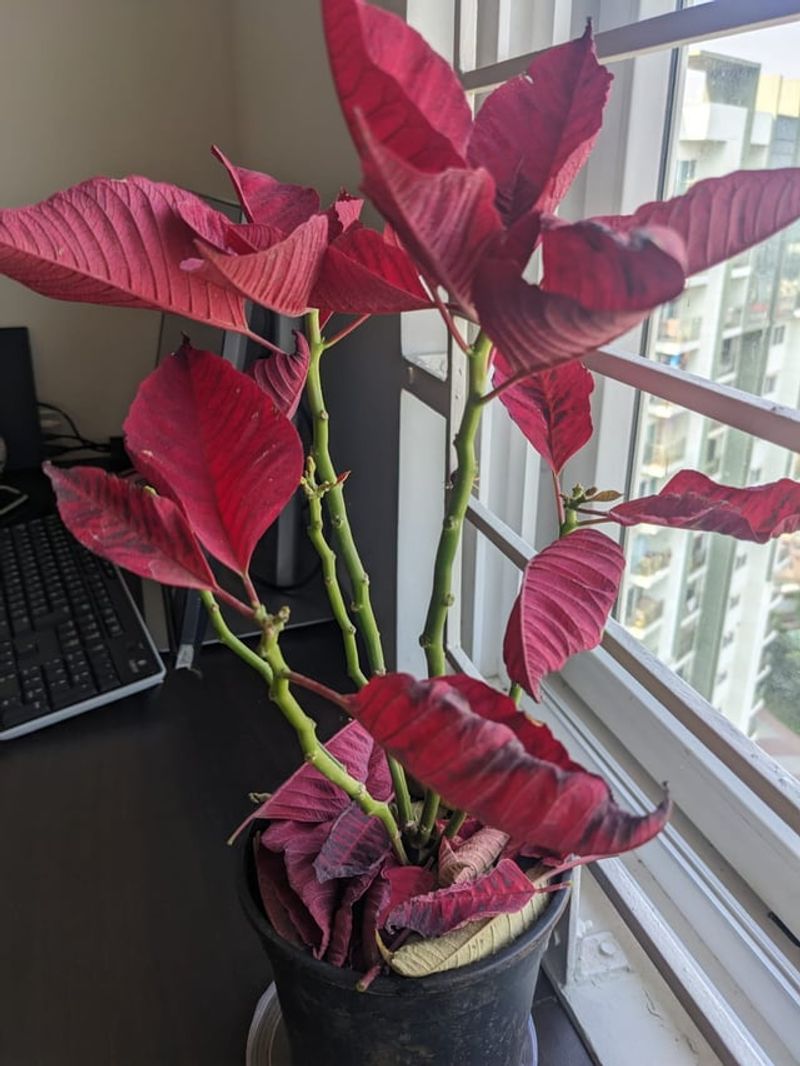
A sudden move from a sunny patio to a dim living room comes as a shock. Many poinsettias respond by dropping leaves within days, while easing the change over about a week helps the plant adjust.
Outdoor light runs far stronger than indoor light, even in a bright room. Leaves grown in full sun are built for that intensity and need time to adapt to softer light, drier air, and steadier temperatures indoors.
A simple schedule works well. For the first two or three days, the pot moves into bright outdoor shade, such as a covered porch.
Next, it comes inside for a few hours each day, starting with the warm afternoon.
Over the following days, indoor time gradually lengthens. The plant stays inside overnight on cooler nights and returns to the porch on mild days, and by the end of the week, it can stay in for good.
The leaves reveal how the transition is going. A few yellow leaves near the bottom are normal, while a sudden drop of many leaves signals the change is happening too quickly.
Watering needs shift too. Indoors, soil dries more slowly with less sun and wind, so a finger test before watering helps, with water added only when the top inch feels dry.
Water left sitting in the saucer is best poured off, since soggy roots lead to rot. A little patience now pays off in a fuller, healthier plant later.
Check For Pests Before It Comes Inside
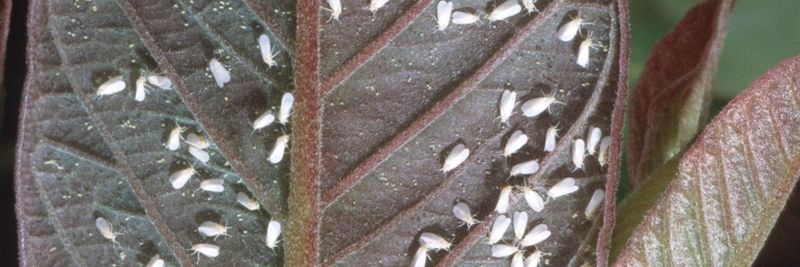
A gentle shake of a poinsettia outdoors can send a small white cloud into the air. Those tiny fliers are whiteflies, a favorite pest of poinsettias, and they make poor houseguests.
Whiteflies suck sap from the undersides of leaves and leave behind sticky honeydew that can grow black sooty mold. Indoors, without birds or other predators, their numbers can climb quickly.
A close inspection before the move pays off. Flipping several leaves reveals small white insects, pale oval eggs, or sticky spots, and a magnifying glass makes the job far easier.
Other hitchhikers like to sneak in too. Mealybugs resemble bits of cotton tucked into leaf joints, spider mites leave fine webbing, and fungus gnats buzz around damp soil.
Problems are easiest to handle while the plant remains outside. A firm spray from the hose, aimed especially at leaf undersides, knocks many pests loose.
Insecticidal soap or horticultural oil can help further when applied according to label directions, and UC IPM Pest Notes cover whitefly management in detail. Spraying during cool morning hours, rather than hot afternoons, reduces the risk of leaf burn.
Yellow sticky cards catch adult whiteflies once the plant moves indoors and double as an early warning system.
A couple of weeks spent apart from other houseplants makes a smart quarantine for any new or freshly treated plant. That short separation keeps a single pest problem from spreading through an entire indoor collection.
Choose A Bright Spot Away From Drafts
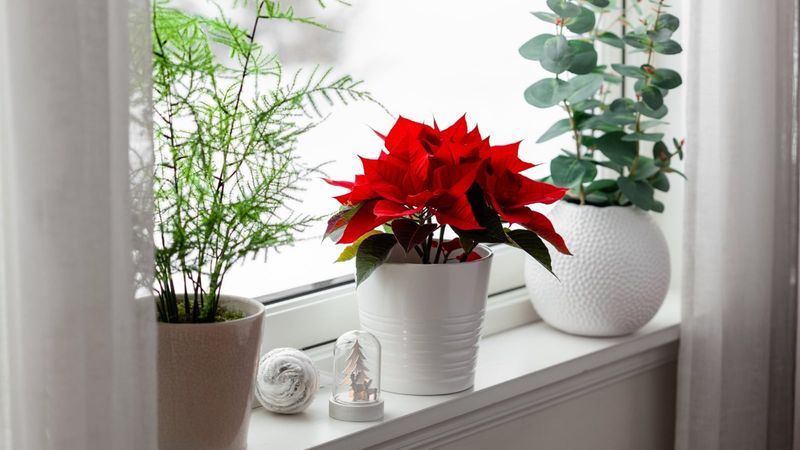
A spot right beside the front door seems convenient, yet every arrival sends a gust of cold air across the plant. A few weeks of that, and leaves start falling like confetti after a parade.
Poinsettias crave bright light indoors. A south, east, or west window often works well, as long as leaves don’t press against cold glass, and several hours of bright, indirect light with some gentle sun keeps the plant sturdy.
Steady temperatures matter almost as much as light. Most homes stay comfortable for poinsettias at around 65 to 70 degrees during the day, and slightly cooler nights near 60 degrees can help bracts hold color longer.
Heating vents, space heaters, and fireplaces are best avoided, since hot, dry air pulls moisture from leaves and makes them curl. Drafty doors and leaky windows cause the opposite problem with sudden chills.
The tops of refrigerators and televisions also give off warmth that can dry a plant quickly. A spot that feels pleasant to people, free of warm or cool blasts, usually suits it best.
A quarter turn of the pot every week or so keeps growth even, since plants lean toward the light. Wiping leaves now and then with a soft, damp cloth helps them absorb every bit of light.
Placement out of reach of curious pets makes sense too, since the ASPCA notes poinsettias can cause mild mouth irritation or stomach upset if chewed.
Keep Nights Dark If You Want Color By Christmas
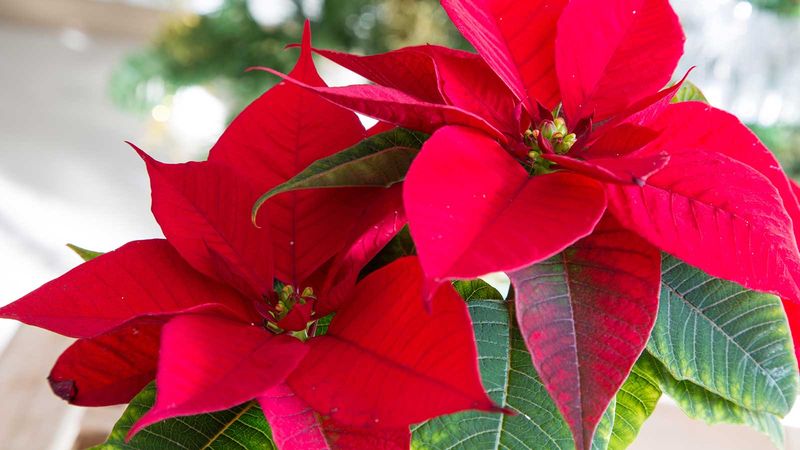
An evening lamp switched on at 9 p.m. can quietly delay a poinsettia’s holiday color. That surprises many people, since those famous red bracts depend on darkness as much as light.
Poinsettias are short-day plants that begin coloring when nights grow long, around 14 hours of unbroken darkness. University sources suggest starting the routine around early October and continuing for about eight to ten weeks.
A mid- to late-October start still works, though color may arrive closer to late December or early January.
Even a little light can interrupt the process. Streetlights, porch lights, or a quick trip with room lights on can reset the clock, so the plant needs true, steady darkness every night.
A simple routine works well. Around 5 p.m., a large cardboard box goes over the plant, or it moves into a dark closet, then comes out around 7 or 8 a.m. to its bright window.
Daytime light still matters a great deal. Six to eight hours of bright light each day give the plant the energy to build strong color, since darkness flips the switch while sunlight powers the show.
Consistency is the real secret. Skipping several nights can delay color or leave it patchy, so a phone reminder for the same time each evening helps.
Once the bracts show full color, often by early to mid December, the covering routine can stop, leaving the plant to shine in normal room light through the holidays.