Why California Citrus Fruit Gets Sunburned And How To Protect It
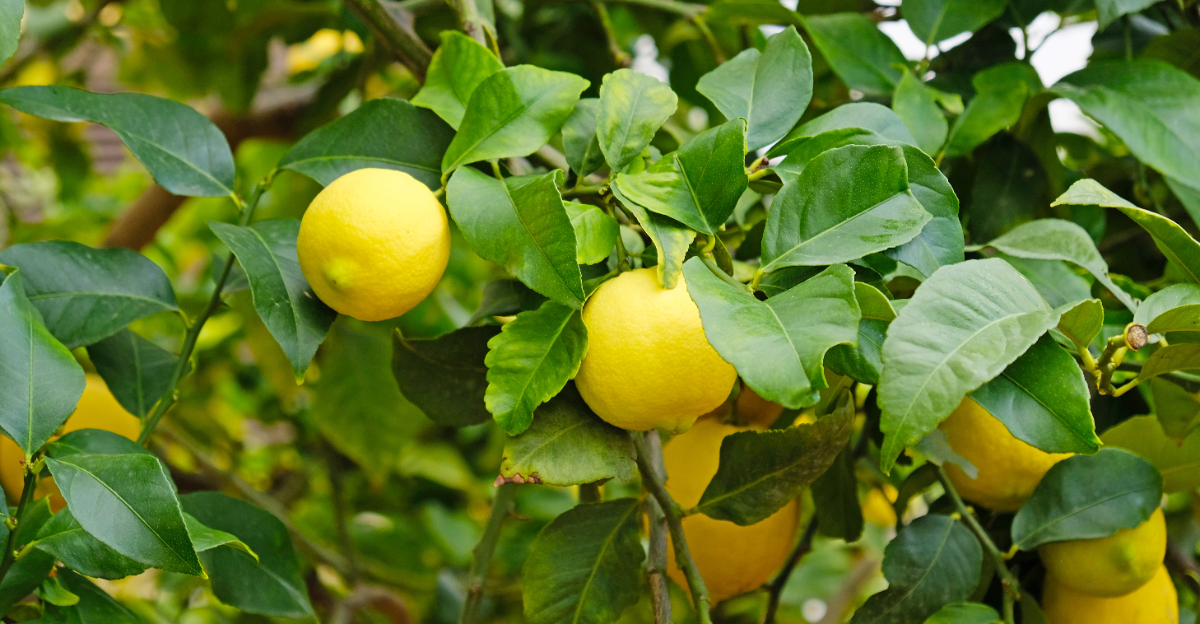
California citrus can get sunburned, and somehow that still feels rude.
One week the oranges look glossy and perfect. The next, the west-facing side turns pale, leathery, or sunken like the fruit spent the afternoon losing an argument with July.
It is easy to blame insects, watering, or some mysterious citrus disease.
But the real trouble is often exposure.
Fruit that hangs in direct afternoon sun can overheat, especially after pruning, a sudden heat wave, or canopy thinning that removes the shade it quietly depended on.
California summers do not always give citrus a gentle warning before the peel damage appears. That is the sneaky part. By the time you see the mark, the burn already happened.
So how do you protect citrus fruit before hot afternoons leave their signature?
Start with shade, careful pruning, steady water, and a canopy that works like a built-in umbrella. The tree may love sunshine, but the fruit still appreciates a little cover.
1. Direct Afternoon Sun Scorches Exposed Fruit
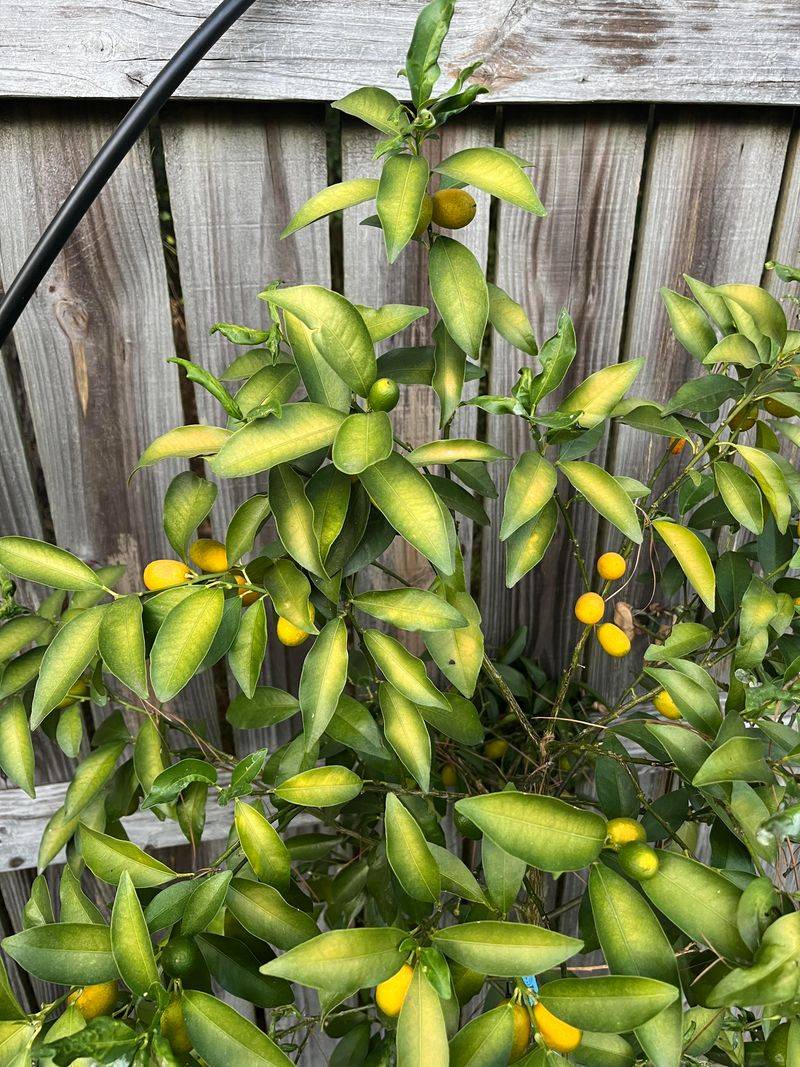
A hot California afternoon can turn a perfectly good orange into a spotted, leathery disappointment faster than most people expect.
When fruit hangs on the outer edge of a tree with no leaf cover above it, the peel absorbs direct solar radiation and heats up well beyond the surrounding air temperature.
UC IPM research shows that fruit surface temperatures can climb 10 to 15 degrees Fahrenheit above air temperature when exposed to full afternoon sun, which is enough to damage the oil glands in the peel.
The damage usually shows up on the west or southwest side of the fruit, right where the late afternoon sun hits hardest.
At first, the peel looks slightly pale or yellowish. Over the next few days, it turns tan, then brown, and eventually the skin becomes dry, flat, and collapsed. The fruit inside may still be edible, but the damaged area does not improve.
Lemons, navel oranges, and mandarins are especially vulnerable because their peels are thinner and contain more exposed oil cells.
Fruit that ripens in late summer or early fall faces the highest risk because it sits on the tree during the hottest weeks of the year.
Paying attention to which parts of your tree get direct western sun helps you spot the problem before the next heat wave rolls in.
2. Thin Canopies Lose Built-In Shade
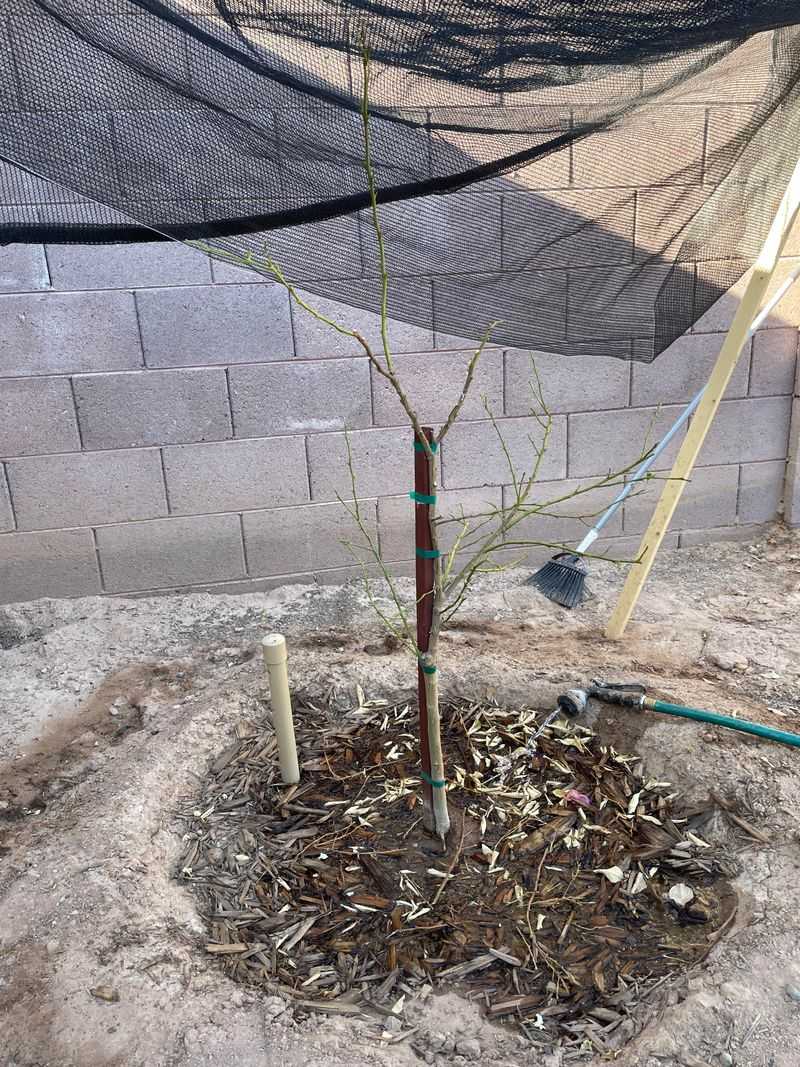
Leaves do more than feed a citrus tree. They act like a natural umbrella, keeping fruit cool and shielded from direct sun during the hottest parts of the day.
A healthy, dense canopy can drop fruit surface temperatures by several degrees compared to fruit hanging in the open. When that canopy gets thin, the protection disappears and the fruit pays the price.
Thin canopies happen for several reasons.
Pest pressure from Asian citrus psyllid or citrus leafminer can slow new leaf growth and leave gaps in the canopy.
Drought stress causes leaves to drop prematurely, opening up the interior to sun exposure. Older trees that have not been managed well sometimes develop a skirt of leaves at the bottom while the top and outer edges go bare.
Your California Garden Changes Every Week. Your Plan Should Too.
Gardening in California changes quickly throughout the season. Every Friday you’ll receive a simple weekly plan showing exactly what to plant, prune, fertilize, harvest, and protect so you never miss the right timing.
A citrus tree with a full, lush canopy is doing exactly what it evolved to do.
The leaves intercept sunlight before it reaches the fruit, and they also release moisture through transpiration, which cools the air around the tree slightly.
UC ANR guidelines recommend monitoring leaf density each spring, especially after a dry winter, so you can catch canopy thinning early and respond before summer heat arrives.
3. Heavy Pruning Opens Fruit Too Fast
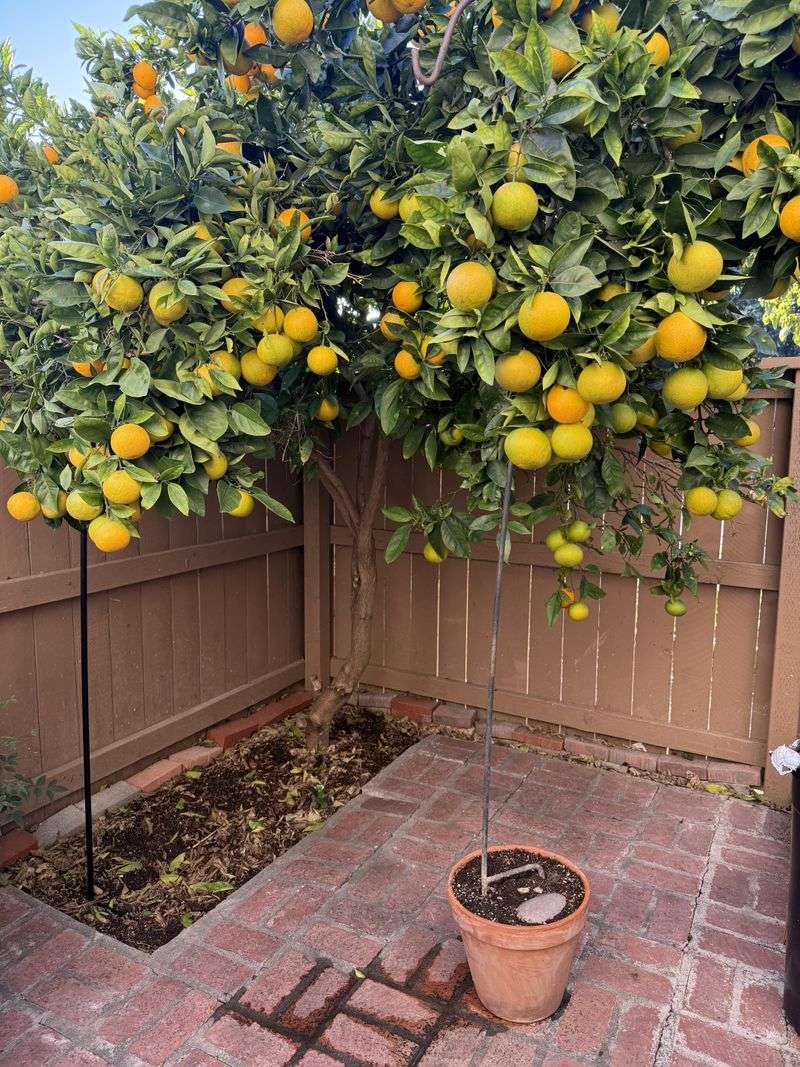
A pruning saw taken to a citrus tree in late spring can feel like progress.
Cleaning up crossing branches, removing deadwood, and opening the center of the tree all sound like good ideas.
The problem is that heavy pruning done right before hot weather removes the leaf cover that was shading the fruit, and fruit that was sitting comfortably in the shade suddenly finds itself in full sun with no protection.
UC Master Gardener guidance is clear on this point: major pruning of citrus should be done in late winter or very early spring, before new growth begins.
That timing allows the tree to push out new leaves that can grow and harden off before summer heat peaks. Pruning in May, June, or July removes mature leaves and exposes bark and fruit to sun at exactly the wrong time.
Even one large cut that removes a scaffold limb can open a window of sun exposure on fruit that was previously shaded.
Growers sometimes call this flash exposure because the fruit goes from shaded to fully exposed in a single afternoon. Sunburn damage can appear within a few days of a poorly timed pruning cut.
If you need to prune in summer, limit cuts to small, dead, or crossing branches, and consider draping shade cloth over any newly exposed area until new growth fills in.
4. Heat Waves Push Peel Temperature Higher
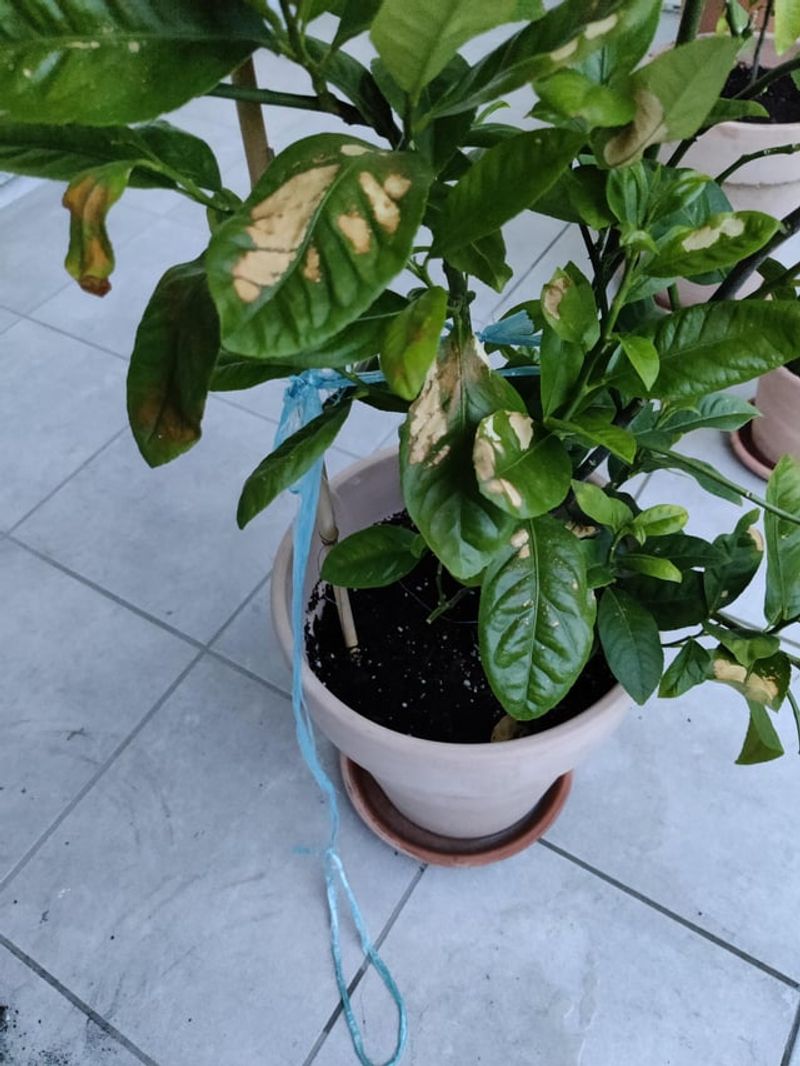
California heat waves are not gentle.
When temperatures climb above 100 degrees Fahrenheit for several days in a row, the stress on citrus fruit becomes severe.
The surface of exposed fruit can reach 120 degrees or higher during a heat wave, which is hot enough to break down the cell structure in the peel and cause permanent damage.
UC IPM notes that citrus fruit sunburn risk increases sharply when daytime temperatures exceed 95 degrees, especially when heat arrives suddenly after a cooler stretch of weather.
Fruit that has been developing under mild conditions has not had a chance to harden its peel. A sudden spike in temperature catches that soft, developing peel off guard.
The damage from heat waves often looks different from ordinary sun exposure.
Instead of a single bleached patch on the west side, heat wave damage can appear all around the outer surface of the fruit, including the top. The peel may shrivel slightly, develop a rough texture, or show a pattern of small sunken spots.
Watching long-range weather forecasts during summer gives you a short window to act before a heat wave hits.
Running sprinklers over the tree canopy in the early morning on expected extreme heat days can help lower canopy temperature.
Applying shade cloth the day before a predicted heat event is one of the most effective short-term strategies available to home growers.
5. Young Trees Need Temporary Shade
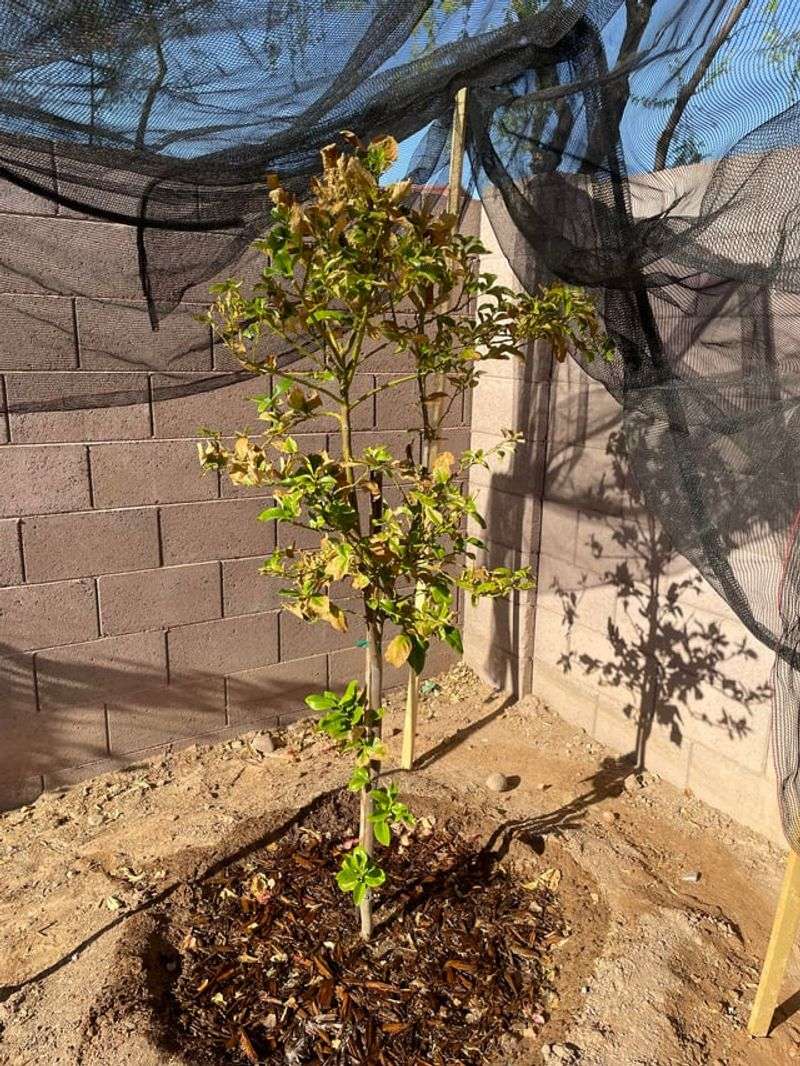
Planting a young citrus tree in a California backyard is exciting, but those first few summers can be rough on a tree that has not yet grown enough leaves to shade its own trunk and fruit.
A one- or two-year-old tree may only have a foot or two of canopy spread, which means the trunk, lower branches, and any developing fruit are almost entirely exposed to direct sun all day long.
UC ANR recommends protecting young citrus trees from sunburn for at least the first two to three summers after planting, or until the canopy is wide enough to provide meaningful self-shading.
Temporary shade structures work really well for young trees.
A simple frame made from wooden stakes or PVC pipe with shade cloth draped over it can reduce sun exposure significantly without blocking air circulation.
Thirty to fifty percent shade cloth is usually enough. You do not want to block so much light that the tree cannot grow properly.
Painting the trunk of a young tree with diluted white latex paint also helps protect the bark from sunscald.
This is especially useful on the south and west sides of the trunk where sun exposure is most intense. Remove the shade structure in fall once temperatures drop and leave the paint on through winter.
6. Whitewash Protects Exposed Bark
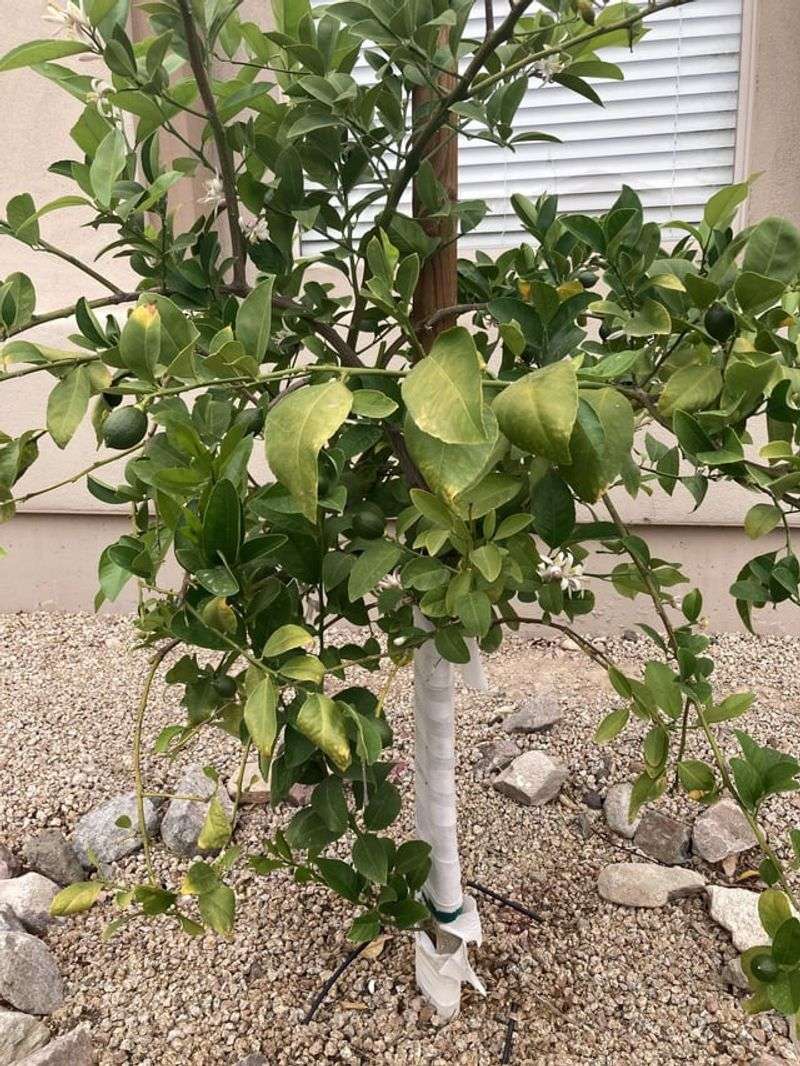
Bark on a citrus tree is not as tough as it looks.
When a limb or trunk is suddenly exposed to direct sun, whether from pruning or a thin canopy, the bark heats up rapidly and can crack, blister, or develop sunscald lesions that create entry points for disease and pests.
Whitewashing exposed bark is a simple and inexpensive fix that has been used by California growers for generations.
The method involves diluting white interior latex paint with water, usually in a one-to-one ratio, and brushing it onto exposed trunks and limbs.
The white surface reflects sunlight instead of absorbing it, which keeps bark temperature much lower on hot afternoons.
UC IPM recommends whitewashing any newly exposed bark as soon as possible after pruning or after any event that removes canopy cover.
Do not wait for the next pruning season. If bark is already starting to crack or look pale, apply the whitewash right away and keep an eye on the area for signs of pests moving in.
Avoid using oil-based paint or any product that is not water-based latex.
The whitewash does not hurt the tree and can be reapplied each year as needed. Touching up before summer each year is a smart habit that takes about twenty minutes and costs almost nothing.
7. Shade Cloth Shields The West Side
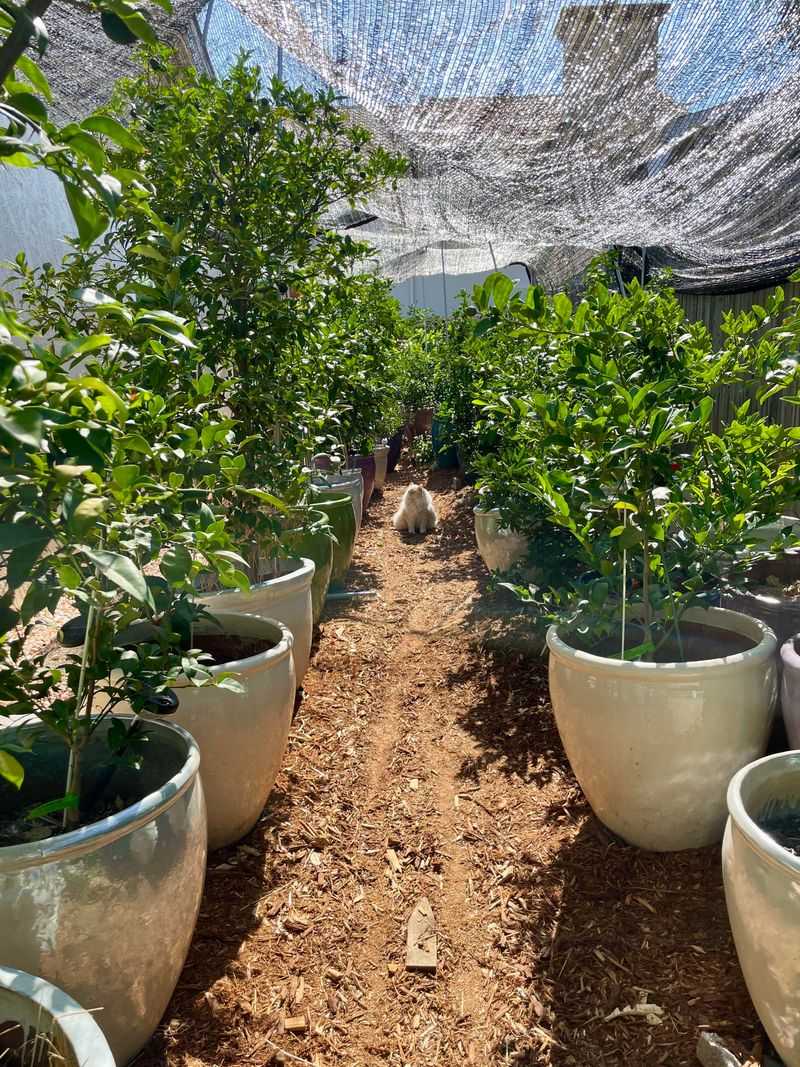
The west side of a citrus tree takes the hardest hit during a California summer afternoon.
By the time the sun swings around to the west, temperatures have already peaked and the light angle is low and direct, hitting the side of the fruit rather than the top.
A shade cloth barrier on the west side of the tree can make a dramatic difference in how much sunburn damage occurs during the hottest months.
For citrus, a thirty to fifty percent shade cloth is the standard recommendation from UC Cooperative Extension advisors.
Anything heavier than fifty percent can reduce photosynthesis and slow fruit development, so there is a balance to strike between protection and productivity.
Installing shade cloth is easier than it sounds.
A few T-posts or wooden stakes set up on the west and southwest sides of the tree, with the cloth clipped or tied to them, creates a moveable shade screen that can go up before a heat wave and come down when temperatures return to normal.
Some growers leave it in place from June through September.
Shade cloth works especially well for trees planted near walls, fences, or driveways that radiate heat in the afternoon.
Blocking the incoming sunlight before it hits the fruit is far more effective than trying to cool things down after damage has already started.
8. Steady Water Supports Leaf Cover
Water and leaf cover are more connected than most people realize.
A citrus tree that does not get enough water during summer will drop leaves to reduce water loss, and every leaf that drops is one less piece of shade protecting the fruit below.
Keeping a full, healthy canopy through the hottest months depends directly on giving the tree steady, consistent irrigation.
UC ANR guidelines suggest deep, infrequent watering for established citrus rather than light daily sprinkles.
Watering deeply encourages roots to grow down into cooler soil, where moisture stays available longer. Shallow watering keeps roots near the surface where soil dries out quickly, and the tree ends up stressed even if you water often.
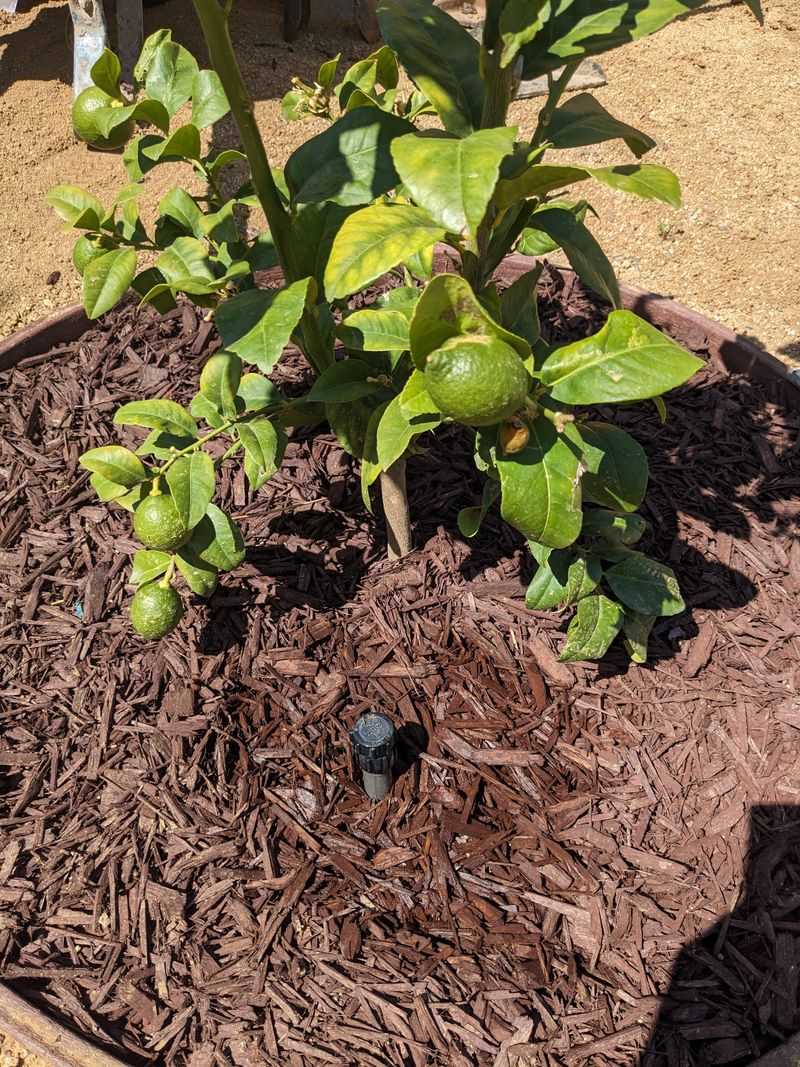
Mulching around the base of the tree helps a lot.
A three- to four-inch layer of wood chip mulch keeps soil moisture from evaporating too quickly between watering sessions.
Keep the mulch a few inches away from the trunk to avoid creating conditions that encourage rot near the base.
During extreme heat events, a citrus tree may need supplemental water even if you are already on a regular schedule.
Checking soil moisture at a depth of six to eight inches before and after a heat wave helps you know whether the tree got enough.
A tree with a full, well-watered canopy has its best natural defense against sunburn already in place.