What It Means When A Snake Suddenly Disappears From A Spot It Always Used In Your California Yard
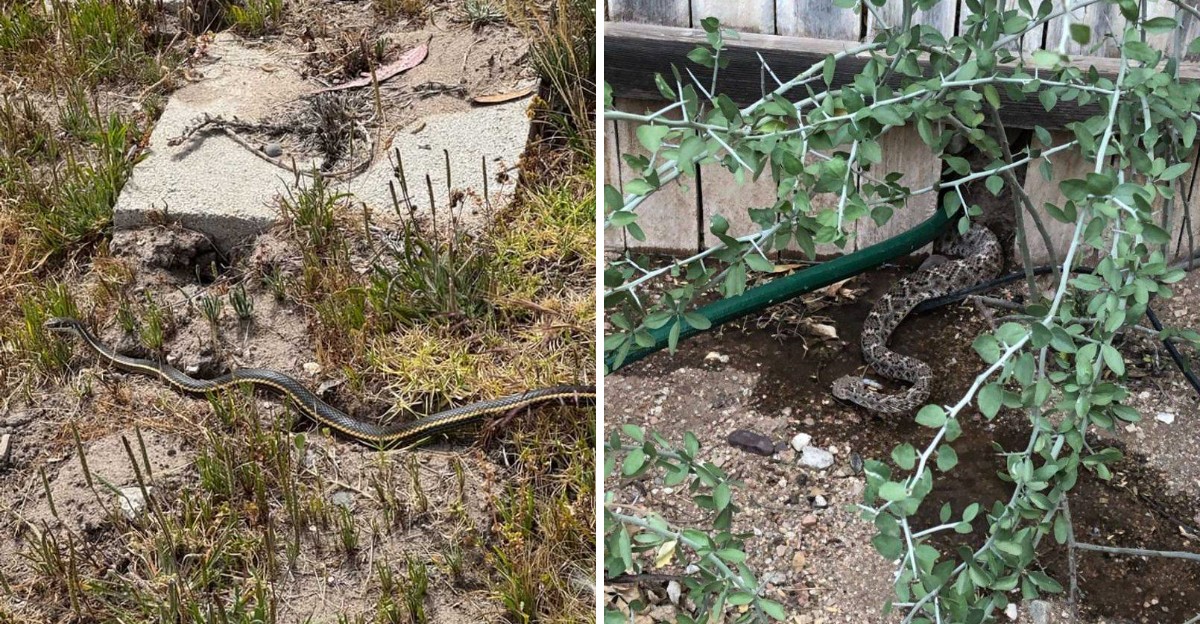
Some backyard visitors become so predictable that their absence feels strange. A familiar basking spot sits empty, day after day, and questions start to pile up.
In most cases, the explanation turns out to be ordinary rather than alarming.
Snakes live by rhythms that shift with temperature, food, shelter, and safety, and a change in any one of those can send an animal somewhere new.
An empty spot, however, doesn’t always mean a snake has left the property for good.
Understanding the likely reasons helps keep worry in check while encouraging habits that prevent surprise meetings later.
Fall brings several of these changes at once, which explains why so many familiar visitors seem to vanish as the days shorten.
Cooler Weather Sends Snakes Seeking Shelter
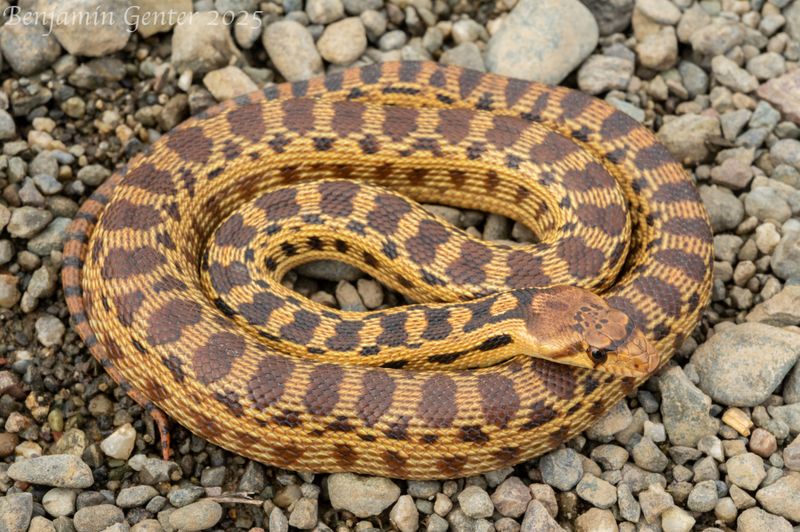
A porch thermometer dropping from 90 degrees to the low 60s within a few weeks marks a major change for a snake.
As cold-blooded animals, snakes take on the temperature of the air and ground around them.
Warm sunshine powers everything a snake does, helping it move, hunt, and digest food.
Once fall nights turn chilly, a snake grows slow and sluggish, which makes it easy prey, so staying out in the open stops making sense.
The snake goes looking for safer, steadier places instead. Rodent burrows, rock piles, woodpiles, and gaps under sheds all hold heat better than open ground.
A snake that once lounged on a sunny rock may now rest a few feet underground. Warm afternoons can still draw one out to bask between cold snaps.
Sunny south-facing walls and rock walls often attract them on those days.
Fall in California varies widely. Coastal areas may stay mild well into November, while foothill and desert yards cool faster at night, so snakes follow the weather rather than the calendar.
A smart seasonal habit involves gloves and a tool when moving stacked wood, flowerpots, or boards. Those warm hiding spots are exactly where a sheltering snake may rest.
Given space, a snake usually stays put and quiet until spring. Gopher snakes, kingsnakes, and rattlesnakes all follow this pattern, though rattlesnakes deserve the most caution when disturbed.
Winter Dens Replace Summer Hideouts
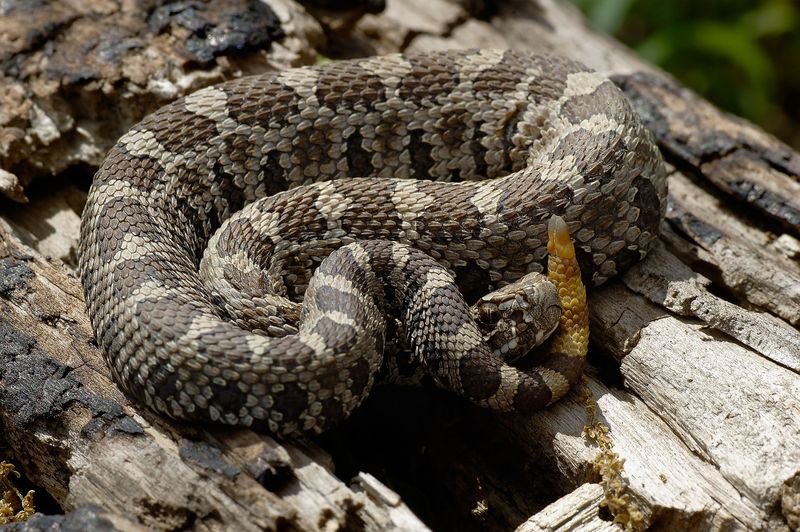
Deep inside a rocky hillside, dozens of snakes may rest right now, barely moving at all. That state, called brumation, works as a reptile’s version of a long winter slowdown.
A summer visitor may have traded its patio spot for a den like this.
The California Department of Fish and Wildlife explains that rattlesnakes are inactive in fall and winter, brumating for months in rock crevices, rodent burrows, or thick vegetation.
During this time, heart rate and breathing slow considerably, and the snake rarely eats.
Brumation differs a bit from true hibernation. A brumating snake can wake on a warm day, drink water, and even bask briefly before settling back in.
An unusually sunny January afternoon could therefore bring a surprise appearance.
Some snakes travel a fair distance to reach a good den. Rattlesnakes are known to return to the same winter shelter year after year, and several may share one spot.
Your California Garden Changes Every Week. Your Plan Should Too.
Gardening in California changes quickly throughout the season. Every Friday you’ll receive a simple weekly plan showing exactly what to plant, prune, fertilize, harvest, and protect so you never miss the right timing.
A yard may have served only as a summer stop on a longer seasonal route.
Winter offers a good time to plan ahead. Gaps under doors, cracks in foundations, and openings near pipes deserve sealing so a curious snake can’t choose a crawl space for winter.
Poking into burrows or rock piles to find a hidden snake is best avoided, since an undisturbed den stays safer for everyone involved. Sealing work goes best during the coldest months, when snakes are least active.
The Prey Supply May Have Moved
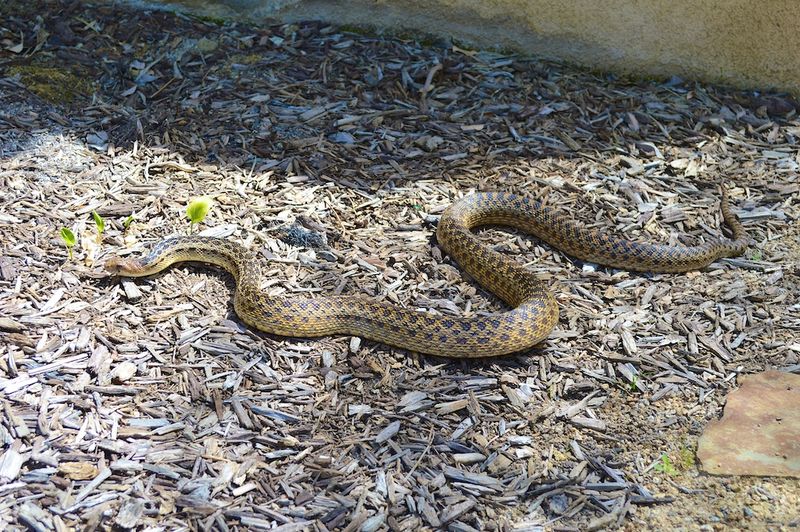
Fewer gopher mounds in the lawn this fall than last spring may explain a missing snake. Snakes go where the food goes.
Many California snakes eat rodents such as mice, rats, gophers, and ground squirrels, while young rattlesnakes and some smaller species often eat lizards.
Once those meals grow scarce, a hungry snake starts searching new ground, and a yard that served as a busy buffet may have closed for the season.
Plenty of factors shift prey numbers. Rodent control on nearby properties, an empty bird feeder dropping fewer seeds, and fruit trees finished for the year all reduce visits.
Even a dry year can thin out the local lizard population. Ground squirrels in colder areas also go dormant for part of winter, removing another food source.
That connection works in a homeowner’s favor. UC IPM suggests that reducing rodents ranks among the best ways to make a yard less inviting to snakes.
Cleaning up fallen fruit, storing pet food and birdseed in sealed containers, and addressing rodent nesting spots all help.
The reverse holds true as well. When mice return to a garage or shed, a snake may follow their scent trail right back.
A tidy, low-rodent yard signals that the menu has changed. Persistent rodent problems call for a licensed pest professional.
Watching rodent activity offers a helpful clue about whether a snake might return once warmer weather arrives in spring.
Yard Cleanup Removes Favorite Cover
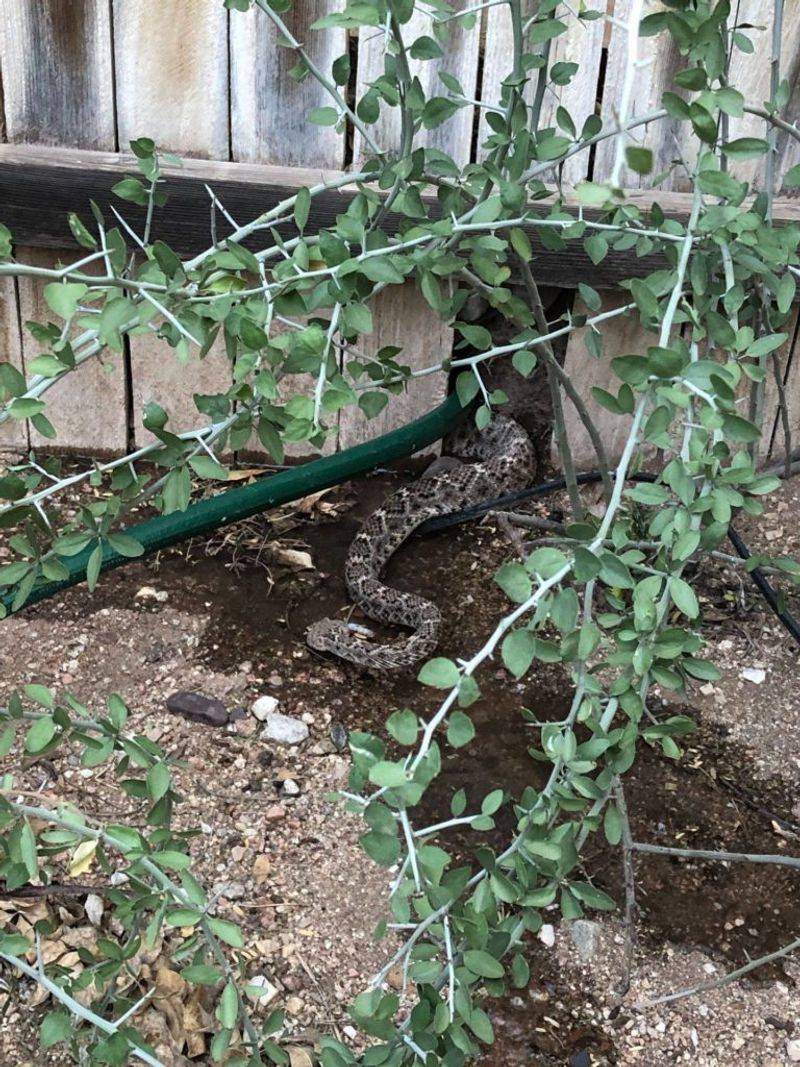
A messy corner finally tackled, with an old lumber pile gone, tall weeds trimmed, and ivy cut back, changes more than appearances. Snakes notice too.
Snakes depend on cover to stay safe and comfortable. Dense plants, boards on the ground, rock piles, and stacked firewood offer shade in summer and protection from predators.
Removing that cover quickly reduces a spot’s appeal, so a snake usually moves on in search of a more secure hiding place.
UC IPM recommends exactly this approach for homeowners hoping for fewer snakes nearby. Short grass, cleared brush and debris, and wood stored off the ground all help.
Fewer hiding places also mean fewer rodents, a double benefit.
A word of caution applies, though. Cleanup is the moment most likely to bring a face-to-face encounter, so long-handled tools, boots, and gloves matter.
Reaching into spaces that can’t be seen is best avoided, and lifting boards toward the body lets them act as a shield.
A snake uncovered during cleanup deserves a slow step back and room to leave on its own. Grabbing, trapping, or relocating it without training is best avoided.
A rattlesnake that needs removal belongs with a professional, and some native snake species carry state protections.
A tidier yard tends to be a calmer one, and fall’s cooler weather makes cleanup more comfortable. Firewood moved at least 30 feet from the house also meets CAL FIRE defensible space guidance.
Snakes Shift Ranges Through The Year
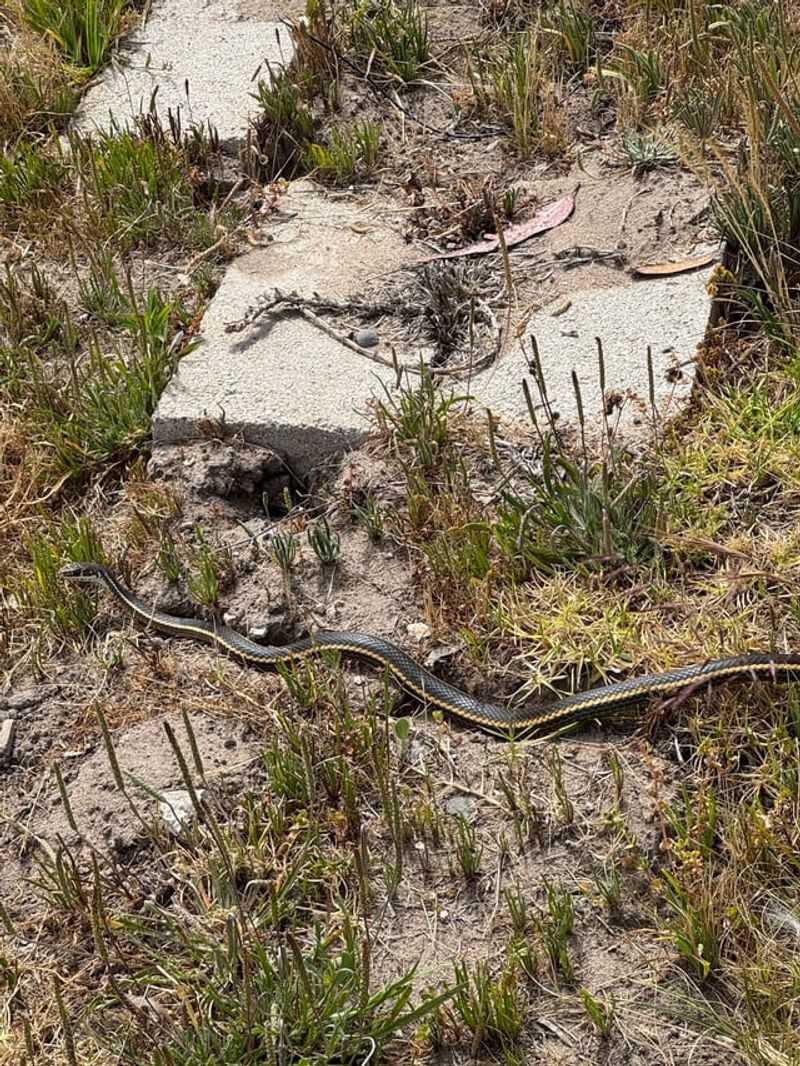
A yard often serves as just one stop on a snake’s yearly route. Snakes rarely stay in a single spot all year, since favorite places change with the seasons.
Spring often brings snakes out of their dens to warm up and look for mates. Summer sends them hunting across a wider area, into yards near open land, creeks, or hillsides.
Fall pulls them back toward denning areas, so a snake may simply have reached a new part of its route.
Each season shapes the daily schedule too. On hot summer days, many snakes stay active at dawn, dusk, and even night to avoid the heat.
In spring and fall, they tend to emerge during warm midday hours, so a snake once seen every afternoon may now move around while people are indoors.
Homes near wild spaces see this pattern most. Foothill neighborhoods, canyon edges, and properties beside farmland or open fields serve as natural snake corridors.
Knowing the yearly rhythm helps with planning. Extra watchfulness makes sense in spring, when snakes emerge, and in summer, when they roam most widely.
A flashlight for evening walks and closed shoes outdoors reduce risk, and children can learn to look before stepping over logs or rocks.
A little awareness goes a long way in snake country, especially along paths that border brush or open land.
Shedding Snakes Hide For Days
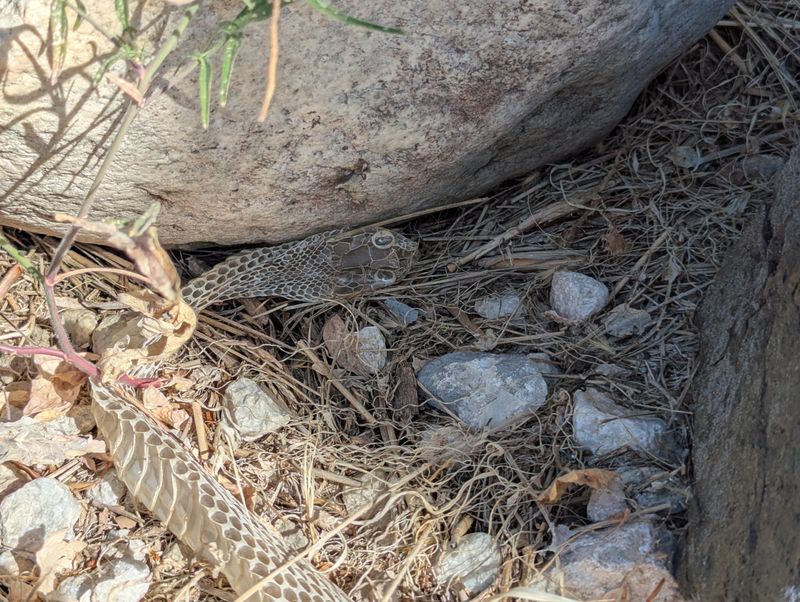
A papery, see-through tube stretched along a garden wall reveals a shed snake skin. That ghostly leftover explains plenty about vanishing acts, since a snake often hides for days before shedding.
Snakes grow throughout their lives, yet their skin doesn’t stretch with them. They shed the old outer layer, sometimes several times a year, with young snakes shedding most often.
Shortly before shedding, a snake’s eyes turn cloudy and bluish as fluid builds beneath the old skin, making clear vision difficult.
Feeling vulnerable, the snake slips into a safe hiding place and waits, often skipping meals and barely moving.
When ready, the snake rubs its nose against a rough surface such as a rock or branch.
The old skin peels back and comes off inside out, usually in one long piece.
Afterward, the snake looks bright and shiny, and its eyesight clears.
A shed skin signals that a snake has been around recently, so extra alertness makes sense in that area.
Gloves allow picking up the skin for a closer look, since its pattern and scale arrangement sometimes help identify the species. Photos can also help a local nature center or wildlife expert with identification.
A pause of a week or so remains perfectly normal, as a familiar visitor may simply be finishing a fresh new coat. Shedding happens year-round in warm weather, though it slows as snakes enter brumation.
Predators And Traffic Change Their Routes
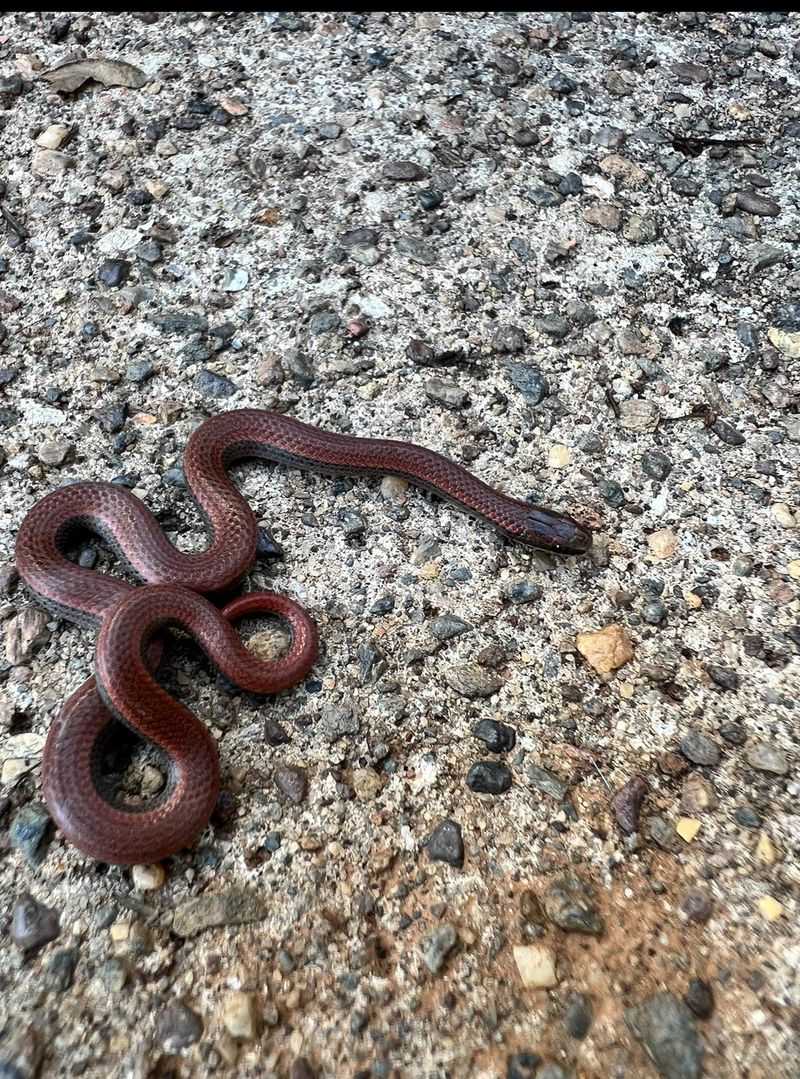
A red-tailed hawk perching on the fence each morning, or new dogs arriving next door, can change a snake’s habits. To a snake, both spell trouble.
Snakes face plenty of enemies. Hawks, owls, roadrunners, coyotes, foxes, raccoons, and even some other snakes hunt them, and free-roaming cats and dogs bother them too.
A snake sensing danger near its usual spot often chooses a new, safer path.
Human activity matters just as much. Construction, new fences, landscaping crews, and busier streets can all change how snakes travel.
Snakes sense ground vibrations, so loud machines and heavy foot traffic may send them toward quieter places. A new pool or patio nearby could block an old route entirely.
Roads add another factor. Snakes crossing streets face real danger from cars, and warm pavement can tempt them at night, so busy roads may break up old paths.
Pet owners can take a few simple precautions. Leashed walks near brush and trails, especially during warm months, reduce risk for curious dogs.
A conversation with a veterinarian about rattlesnake safety, plus knowing the nearest emergency animal hospital, prepares households for the unexpected.
A curious nose remains the most common spot for a pet bite. Rattlesnake avoidance training for dogs is offered in parts of California.
Fewer disturbances can mean fewer snakes, though watchfulness still matters, since a snake changing its route may still pass close by.