Why You May Need A Permit To Trim An Oak Tree In California
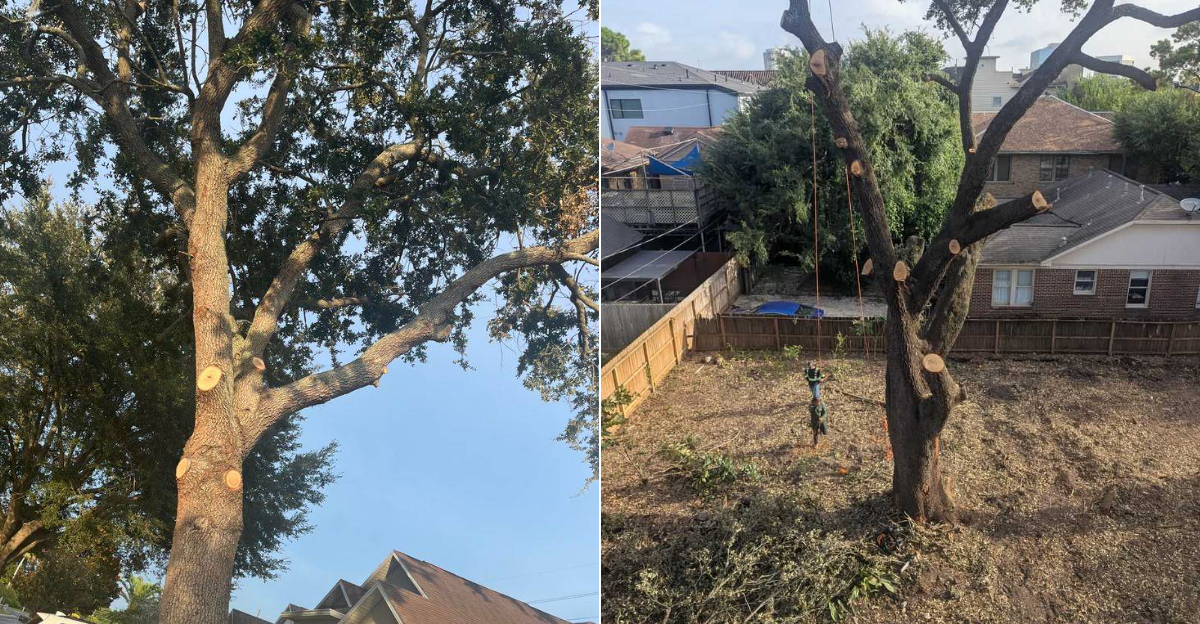
Oak trees have a way of making even a simple pruning job feel official. One overhanging branch catches your eye, the clippers come out, and suddenly the question is not just where to cut, but whether you are even allowed to start.
That can surprise California homeowners who assume anything growing on their property is theirs to manage however they like.
Oaks, however, often come with extra attention because of their size, age, location, and importance in local landscapes. Apparently, trimming a tree can involve more paperwork than expected.
Rules can also vary depending on where the property is located, which makes the situation even less straightforward.
A perfectly ordinary pruning job in one community may deserve a closer look somewhere else.
The safest approach is to know the local requirements before ladders, saws, and ambitious weekend plans enter the picture.
A few minutes spent checking first can save a lot of frustration later, especially when the tree in question is one of California’s most recognizable landscape giants.
1. Oak Tree Rules Can Change From City To City
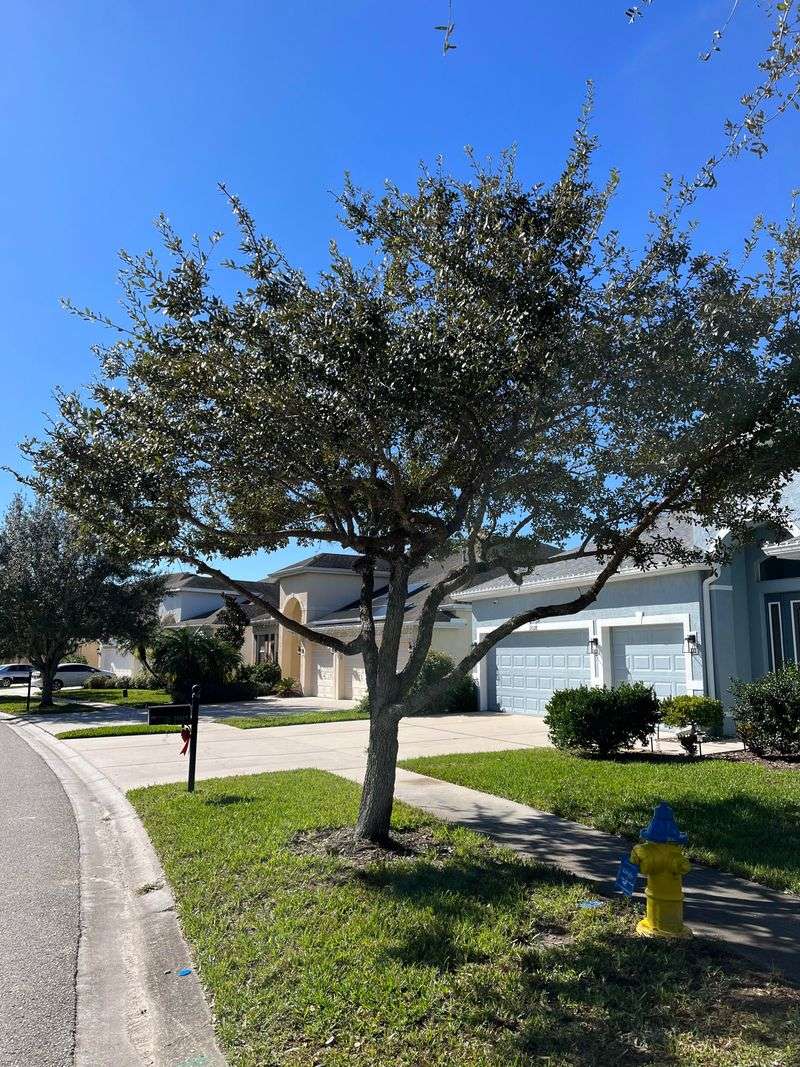
Not every California city plays by the same rulebook when it comes to oak trees. One town might let you trim freely, while the city next door could require paperwork before you even pick up a saw.
This is one of the most confusing parts of oak tree care for homeowners. Local governments have the power to create their own tree ordinances.
These are laws that decide which trees need permits, how much can be trimmed, and what counts as damage. Some cities have very detailed rules, while others keep things simple.
Before you do any work on an oak tree, check with your local planning or public works department. A quick phone call or visit to your city’s website can save you a lot of trouble.
Some cities even have online tools where you can look up tree rules by address. Ignoring local rules is not worth the risk. Fines for unpermitted tree work can run into the hundreds or even thousands of dollars.
Some cities also require you to replant trees or pay restoration fees if damage is done. Every homeowner should take a few minutes to learn what their city requires.
The rules are there to protect trees that took decades to grow. Knowing your local laws is the first and most important step in responsible oak tree care.
2. Some Oaks Are Protected Even On Private Property
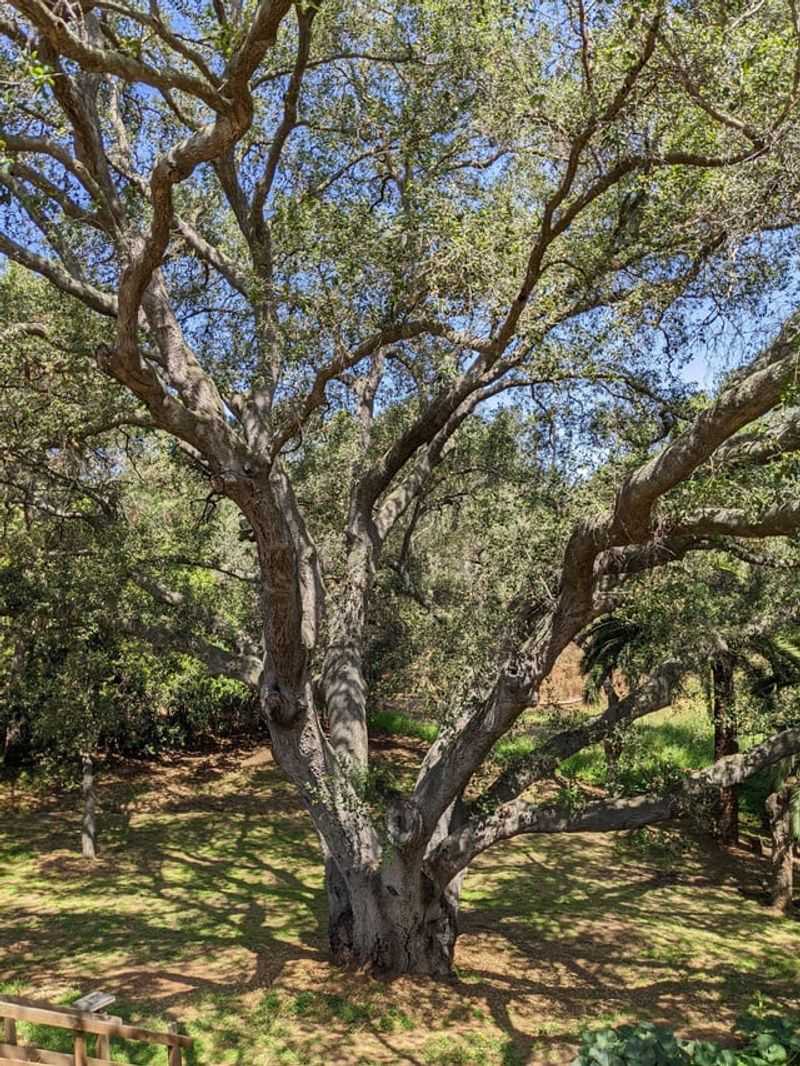
A lot of people assume that if a tree is on their land, they can do whatever they want with it. That is not always true when it comes to oak trees.
Many local California laws protect certain oaks no matter who owns the property.
Protected oaks are usually identified by their size, species, or age. For example, a valley oak or blue oak above a certain trunk diameter might be protected under local rules.
Even if the tree is in your backyard, cutting or trimming it without approval could land you in legal trouble.
Your California Garden Changes Every Week. Your Plan Should Too.
Gardening in California changes quickly throughout the season. Every Friday you’ll receive a simple weekly plan showing exactly what to plant, prune, fertilize, harvest, and protect so you never miss the right timing.
Some counties and cities have created specific lists of protected tree species. Oak trees appear on these lists more than almost any other type of tree. This is because oaks support hundreds of species of birds, insects, and other wildlife.
If you are not sure whether your tree is protected, a certified arborist can help you find out. They know the local rules and can assess your tree quickly. Getting a professional opinion before starting any work is always a smart move.
Owning land does not always mean having full control over every living thing on it. Trees that took a century to grow deserve a layer of protection.
Respecting these rules helps preserve natural beauty for everyone in the community, not just the property owner.
3. Light Trimming May Be Allowed Without A Permit
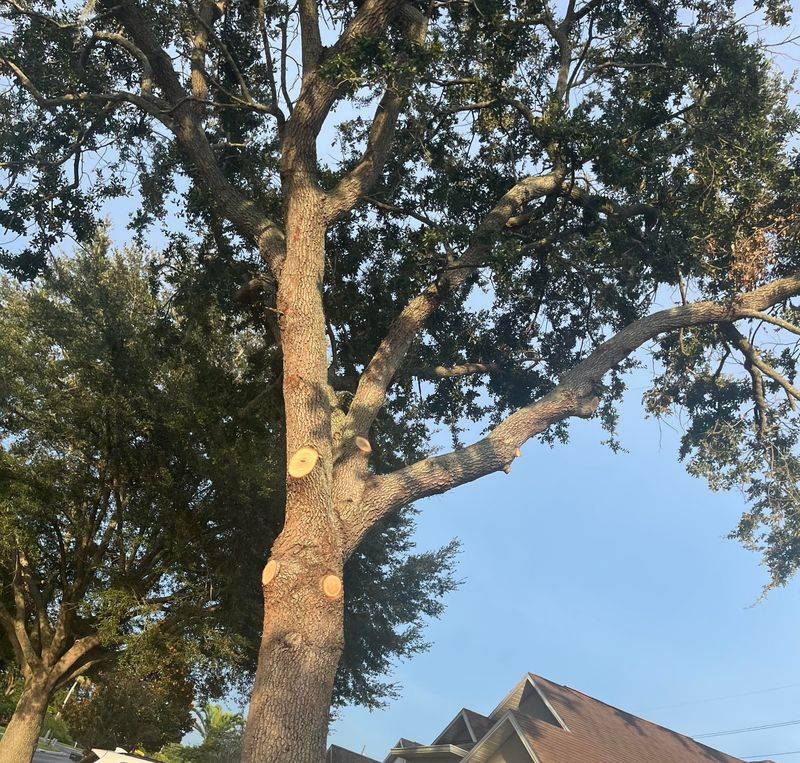
Good news for California homeowners who just want to tidy things up a bit. In many areas, light trimming of an oak tree does not require a permit.
But the key word here is “light.” There is usually a limit to how much you can remove before rules kick in.
Light trimming typically means removing small, withered, or low-hanging branches. It does not mean cutting back large limbs or reducing the overall size of the tree by a significant amount. Staying within these boundaries usually keeps you in the clear.
Most tree ordinances define light trimming as removing less than a certain percentage of the tree’s canopy. This is often around 10 to 15 percent.
Going beyond that can trigger permit requirements or inspections. Even when permits are not needed, there are still best practices to follow. Always use clean, sharp tools to avoid tearing the bark.
Cut just outside the branch collar, which is the swollen area where the branch meets the trunk. This helps the tree heal properly.
Trimming during the right season also matters. Many experts recommend avoiding trimming oaks during the spring and early summer.
That is when oak wilt, a serious fungal disease, spreads most easily. Knowing these basics can keep your tree healthy and keep you out of trouble with local authorities.
4. Heavy Pruning Can Trigger Permit Requirements
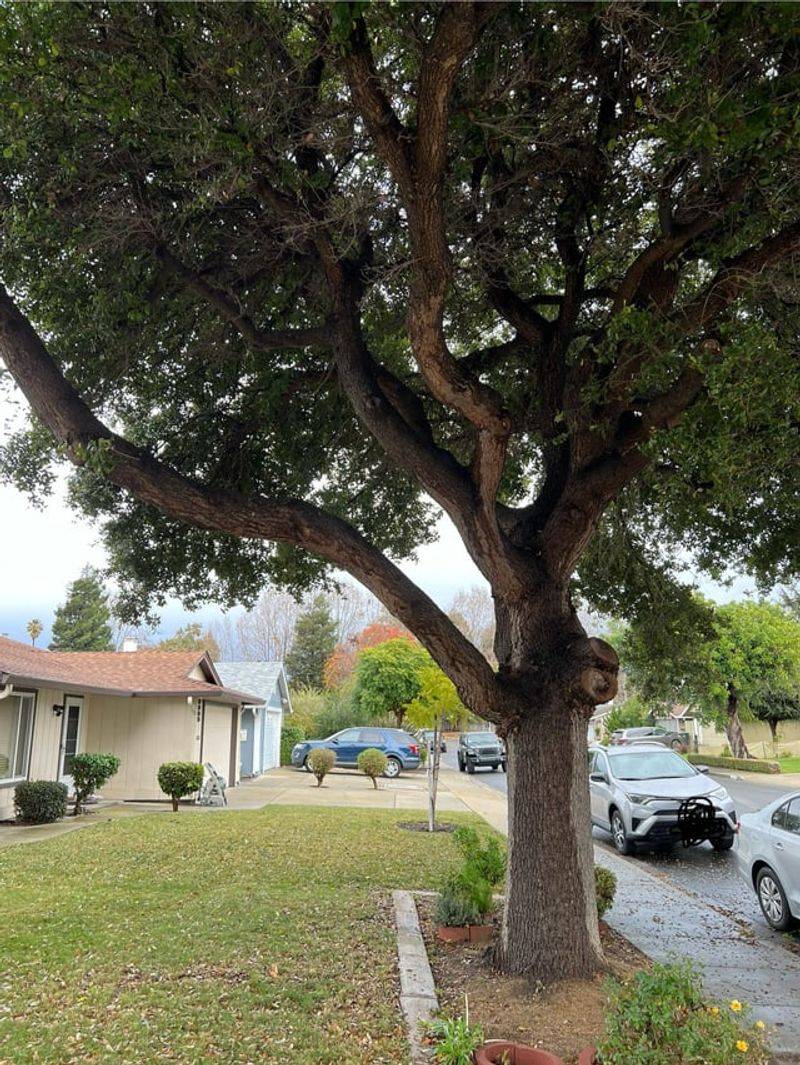
There is a big difference between a light trim and heavy pruning. When a lot of branches come off at once, your local government may consider it a major alteration to the tree. That is when permit requirements often come into play.
Heavy pruning usually means removing a large portion of the tree’s canopy or cutting back major limbs. Some ordinances define this as removing more than 25 percent of the canopy in a single year.
Others have stricter limits, especially for protected species. Why do cities care so much about heavy pruning? Because removing too many branches at once can seriously stress a tree.
A stressed oak becomes more vulnerable to pests, disease, and structural problems. Over time, this kind of damage can shorten the tree’s life significantly.
If your tree needs heavy pruning, start by contacting your local planning department. Ask about permit requirements and whether an inspection is needed. Some cities require a site visit before approving any major tree work.
The permit process might feel like extra work, but it exists for good reasons. It ensures that tree work is done safely and responsibly.
It also gives city officials a chance to catch problems early, like disease or structural weakness, before they become bigger issues. Taking this step protects both you and the tree in the long run.
5. Large Branches Can Come With Extra Rules
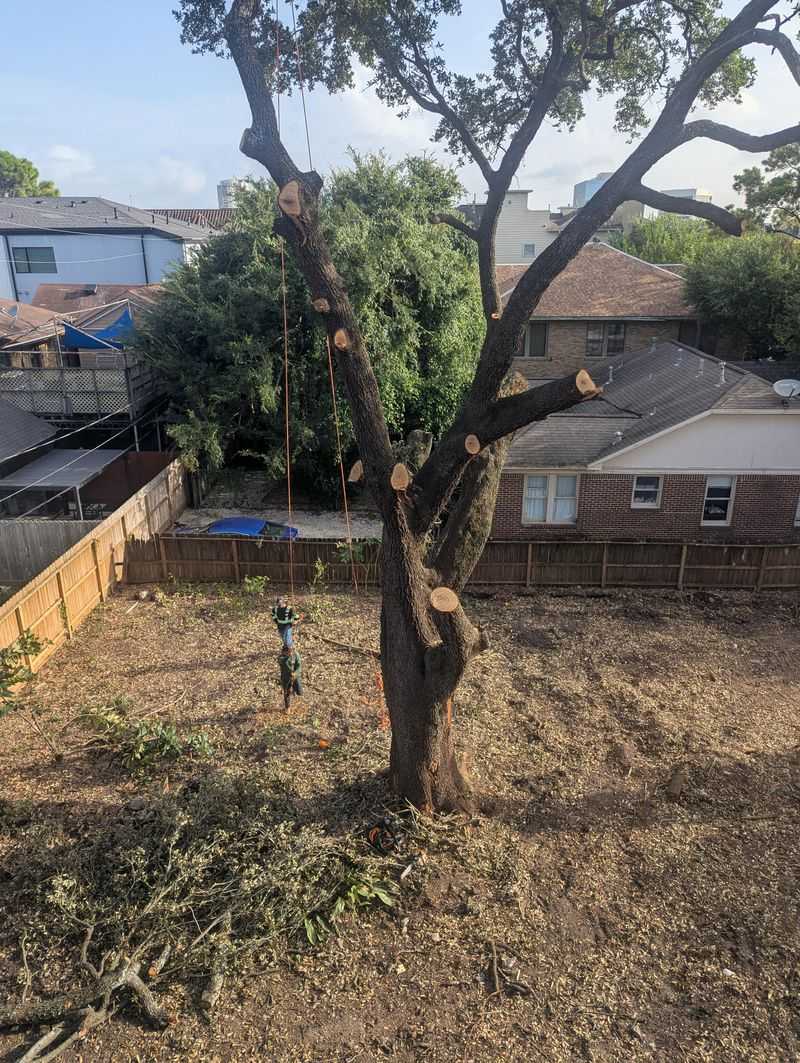
Not all branches are treated equally under tree protection laws. Large branches, especially those above a certain diameter, often fall under stricter rules than smaller ones.
This surprises many homeowners who thought all trimming was the same. Some ordinances define a large branch as anything with a diameter of four inches or more. Others use six inches as the cutoff.
When you cut a branch this size, you are making a significant change to the tree’s structure, and many cities want a say in that.
Removing a large branch without proper approval can count as tree damage under local law.
Even if the tree survives, you could face fines or be required to hire a certified arborist to assess the tree afterward. In some cases, you may have to pay for a replacement tree.
Large branches also carry more risk during removal. If they fall the wrong way, they can damage property, power lines, or injure someone nearby.
This is another reason why cities want licensed professionals handling jobs of this size.
Before cutting any branch that looks thick or heavy, measure it if you can. If it seems large, err on the side of caution and check with your local authority first.
A short delay is always better than a fine or an accident. Being cautious here is truly the smarter path forward.
6. Heritage Oaks Often Get Stronger Protection
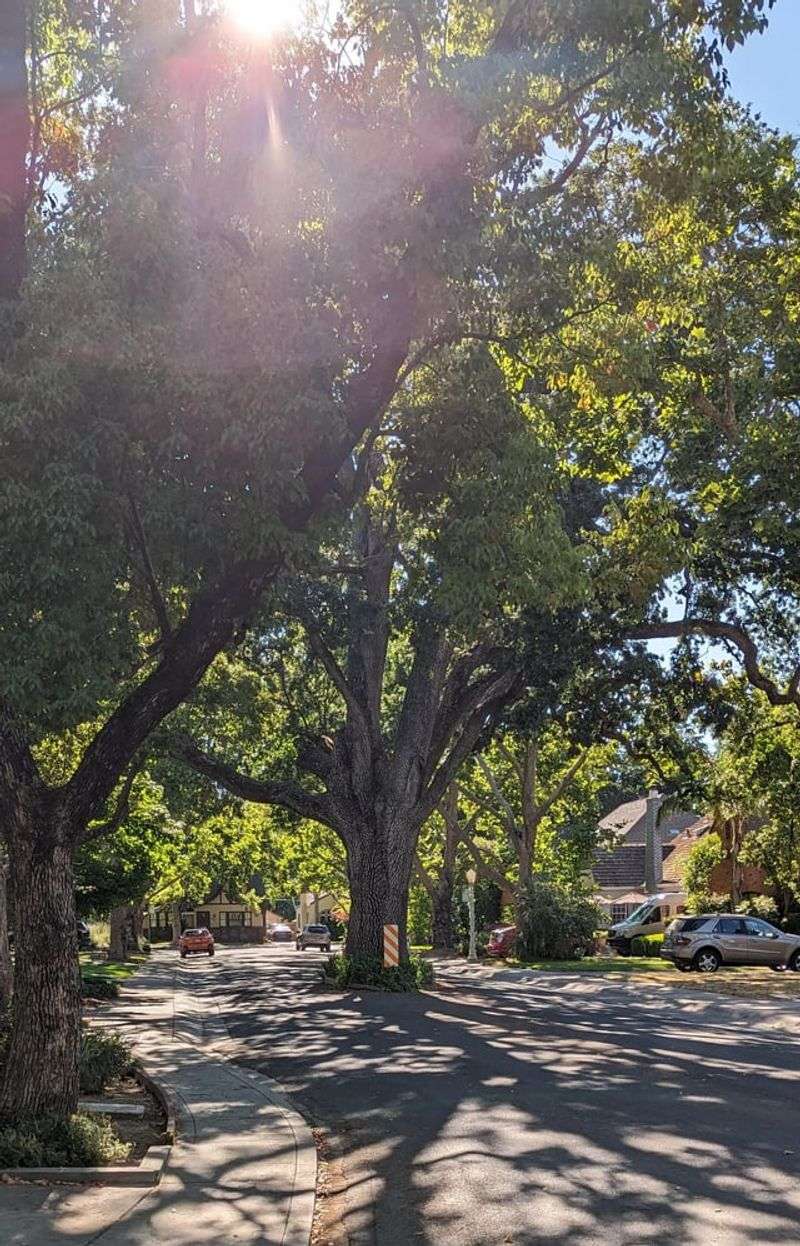
Some oak trees are so old, so large, or so historically significant that they earn a special title: heritage trees.
These trees get extra layers of protection that go well beyond standard tree ordinances. Touching them without approval can lead to serious consequences.
A heritage oak might be hundreds of years old, with a trunk so wide it would take several people to wrap their arms around it.
These trees have survived droughts, storms, and generations of human activity. Many communities treat them as living landmarks.
Cities designate heritage trees through a formal process. Once a tree receives that status, it is usually protected from trimming, removal, or any significant alteration without a permit.
Some cities require a public hearing before any work can be approved. If you have a heritage oak on your property, consider it a privilege and a responsibility. These trees add tremendous value to your land and your neighborhood.
They also attract birds, insects, and other wildlife that depend on mature oaks for shelter and food.
Working with a certified arborist who has experience with heritage trees is highly recommended. They understand the specific rules and can help you navigate the permit process.
Caring for a heritage oak the right way ensures it continues to thrive and remains a treasured part of the local landscape for future generations to enjoy.
7. Street Trees Usually Have Their Own Rules
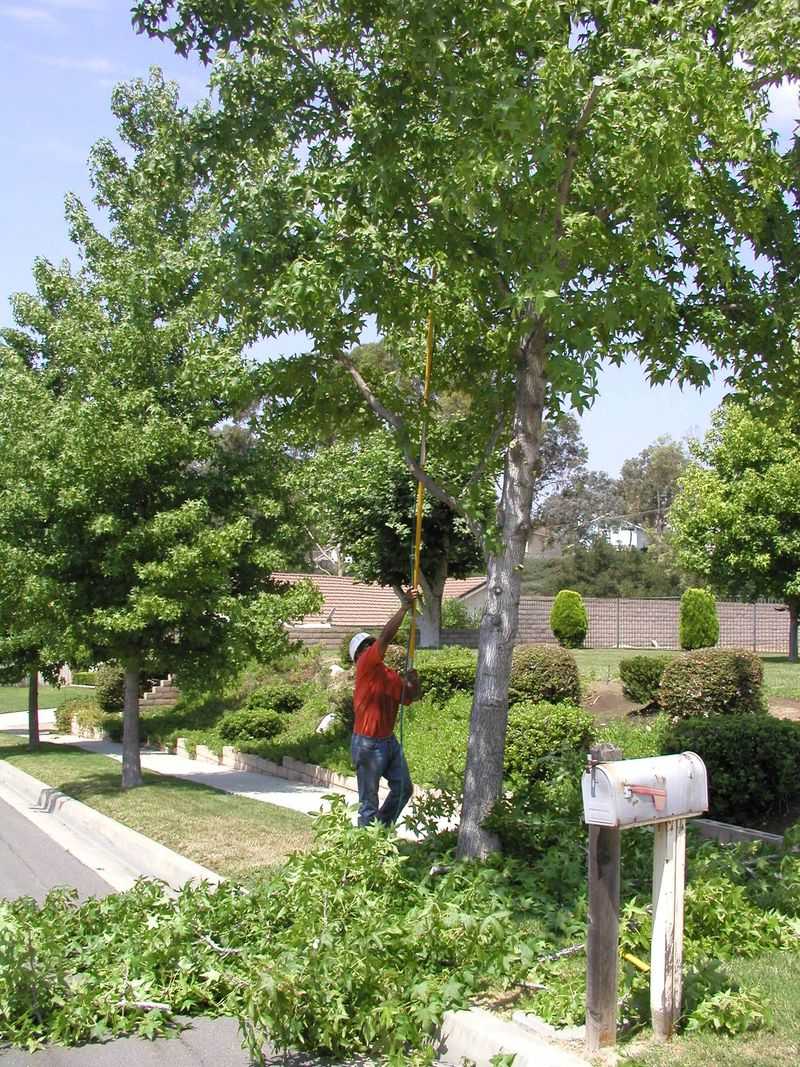
Oak trees planted along California sidewalks and streets are a common sight in many neighborhoods.
But these trees are usually owned by the city or county, not the homeowner. That changes everything when it comes to who can trim them and when.
Street trees are managed by public works departments or urban forestry programs. If you try to trim a street oak without permission, you could be fined even if the branches are hanging over your property.
The city controls what happens to these trees, full stop. Many cities have scheduled maintenance programs for street trees. They send out crews at regular intervals to prune, inspect, and care for them.
If you think a street tree needs attention, the right move is to call your city and submit a service request.
Sometimes a street tree branch hangs dangerously low or drops debris into your yard. It is tempting to just cut it yourself, but resist that urge.
Contact your local public works department and explain the problem. They will usually respond within a reasonable timeframe.
Street trees provide enormous benefits to neighborhoods. They cool sidewalks, reduce stormwater runoff, and make streets more pleasant to walk along.
Protecting them through proper management keeps those benefits alive for everyone. Respecting city rules around street trees is not just about following the law.
It is about being a good neighbor and caring for shared community resources.
8. Removing Too Much Can Count As Tree Damage
You might think that trimming a tree, no matter how much you remove, is always better than leaving it alone. But that thinking can get you into trouble fast.
Removing too much from an oak tree can actually be classified as tree damage under local ordinances.
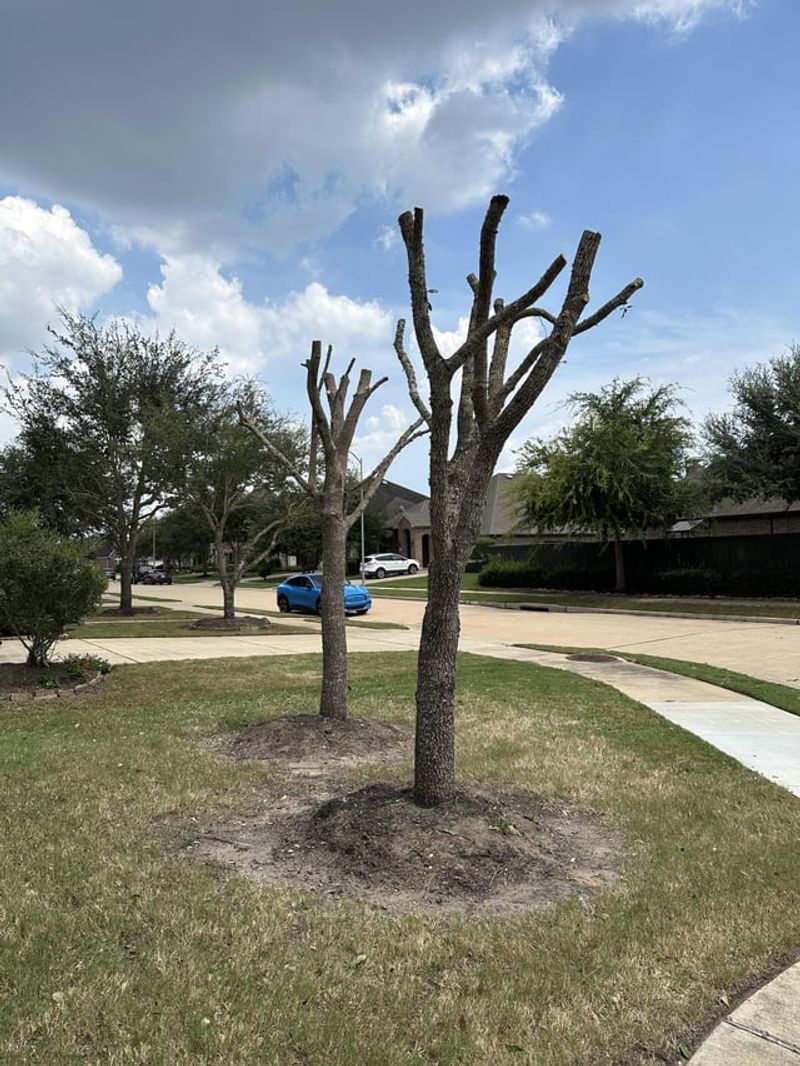
Over-pruning, sometimes called “topping,” is one of the most harmful things you can do to an oak.
It involves cutting back the main branches to stubs, which strips the tree of its ability to feed itself through photosynthesis. Trees that are topped often grow back with weak, poorly attached branches.
Many cities specifically list over-pruning as a form of tree damage in their ordinances. If an inspector determines that your trimming job went too far, you could face the same penalties as someone who removed the tree entirely.
This includes fines and mandatory replanting. Even if your intentions were good, the outcome is what matters to local authorities. This is why hiring a professional matters so much.
A certified arborist knows how much to remove and how to do it in a way that keeps the tree healthy and structurally sound.
Healthy pruning follows the natural shape of the tree. It removes only what is necessary and leaves the rest intact.
When done right, trimming actually helps an oak grow stronger. Getting it wrong, though, can set the tree back by years and bring unwanted legal attention your way.
9. An Arborist May Be Required For Bigger Jobs
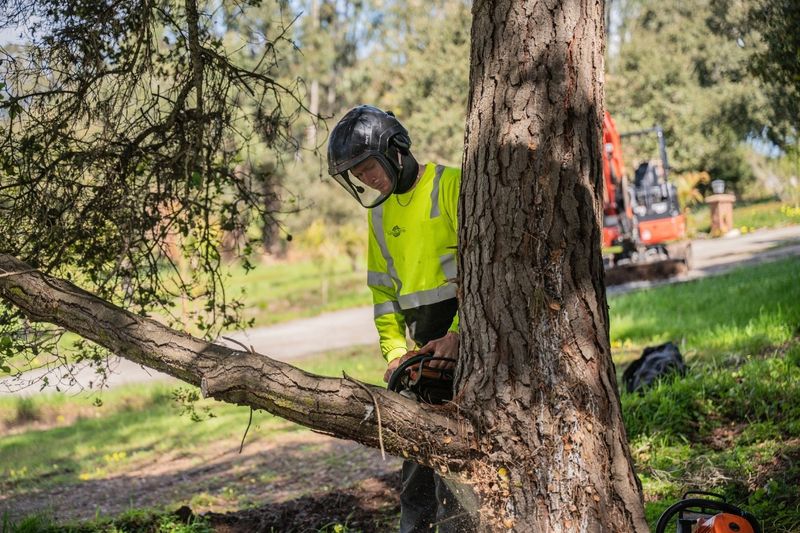
For certain tree jobs, hiring a certified arborist is not just a good idea. It may actually be required by law.
Many cities and counties specify that significant work on protected trees must be performed or overseen by a licensed professional.
A certified arborist has gone through formal training and passed exams to earn their credentials. They understand tree biology, safe pruning techniques, and local regulations.
When it comes to oak trees, their expertise can make the difference between a healthy trim and serious tree damage.
Some permit applications require a written assessment from a certified arborist before they are even considered.
The arborist evaluates the tree’s health, recommends a pruning plan, and sometimes signs off on the work after it is completed. This adds a layer of accountability that protects both the tree and the property owner.
Hiring an arborist also protects you from liability. If an unlicensed worker damages your oak or causes an accident, you could be held responsible.
A licensed professional carries insurance and follows safety standards that reduce that risk significantly.
Finding a certified arborist is easier than you might think. The International Society of Arboriculture has an online directory where you can search by location.
Look for someone with experience in oak trees specifically, as they can be more complex to care for than other species. Spending a little more upfront can save you a lot of headaches later on.