9 Easiest Privacy Plants To Grow In California
My backyard used to feel like a stage, with every upstairs window nearby holding front row seats to my coffee. A tall fence felt cold and costly, so I started looking at living walls that grow instead.
What surprised me most is how many leafy screens in California shrug off dry spells and forgetful gardeners. Some grew wild on local hillsides long before us, while others traveled from faraway continents years ago.
October is honestly the sweet spot for planting, because cooler air and coming rains help new roots settle. I believe a shrub planted this fall can look twice as confident in your yard by next summer.
One pick is often linked to the name of a famous Los Angeles neighborhood, and another has tangy berries. Your future green wall is probably waiting somewhere on this list, ready for a cool fall planting day.
1. Indian Laurel Fig
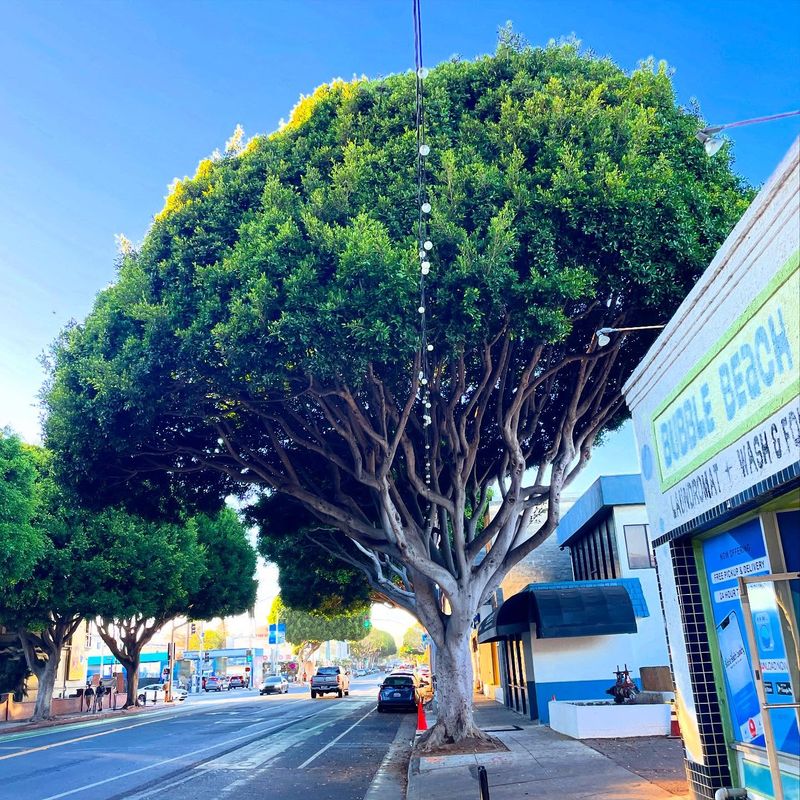
Few hedges grow as fast as this glossy fig, which can add two or more feet in a single year. You will spot it lining whole streets in Los Angeles, trimmed into tidy green walls that look painted.
Its official name is Ficus microcarpa ‘Nitida,’ and the leaves stay shiny and dense all year long. That thick foliage blocks curious eyes and even softens some of the traffic noise drifting from the road.
Warm coastal and inland valleys suit it best, since hard frost can scorch the tender new growth badly. It handles full sun with ease and becomes fairly drought tolerant once the roots settle in deeply.
Space young plants about three to five feet apart, and they will knit together into one solid screen. Early fall planting gives those roots a gentle head start before the cooler winter months slow things down.
I have to be honest about one big catch, because the roots of this fig are famously aggressive. They can lift sidewalks and crack patios, so keep plantings well away from pipes and house foundations.
Regular trimming keeps the hedge narrow and tidy, and many gardeners shear it a few times each year. Watch for curled leaves too, since tiny thrips sometimes roll up new foliage on plants in warmer areas.
Give this fig plenty of room, and you will get a lush green curtain faster than almost anything else. It rewards patience with pruning shears more than patience with waiting, which suits impatient gardeners like me.
2. Australian Brush Cherry
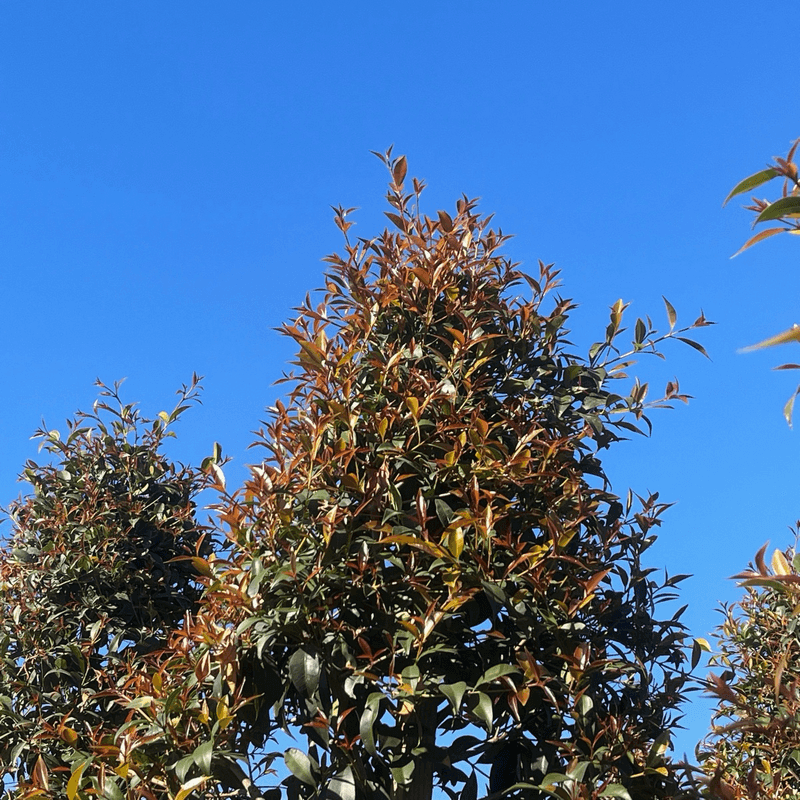
New leaves on this shrub open in a coppery red blush, like the whole hedge is quietly embarrassed. Within a few weeks that rosy flush fades into a deep glossy green that looks polished and neat.
Nurseries often sell it as Eugenia myrtifolia, though botanists now list it under the name Syzygium paniculatum. It grows quickly, so a row of small shrubs can turn into a real screen within a few seasons.
You can shear it into crisp formal boxes or let it grow loose and tall for a softer look. Columns and topiary shapes are popular too, since the small leaves take clipping without looking ragged afterward.
Your California Garden Changes Every Week. Your Plan Should Too.
Gardening in California changes quickly throughout the season. Every Friday you’ll receive a simple weekly plan showing exactly what to plant, prune, fertilize, harvest, and protect so you never miss the right timing.
Fluffy creamy white flowers show up in warmer months, followed by small rosy purple fruits that are edible. Some people turn them into jelly, though the birds usually reach the ripe ones before anyone else does.
Full sun or partial shade works fine, as long as the soil drains well after a heavy rain. Once settled, it handles dry stretches reasonably well, though a deep watering now and then keeps it lush.
One local headache deserves a mention, since a tiny insect called the eugenia psyllid causes pitted, bumpy leaves. Picking resistant varieties and avoiding heavy shearing during flushes of new growth can help reduce the damage.
Deer and rabbits mostly leave it alone, which is a relief if hungry visitors wander through your yard. An October planting gives it mild weather to grow roots before the next warm season arrives.
3. Italian Cypress
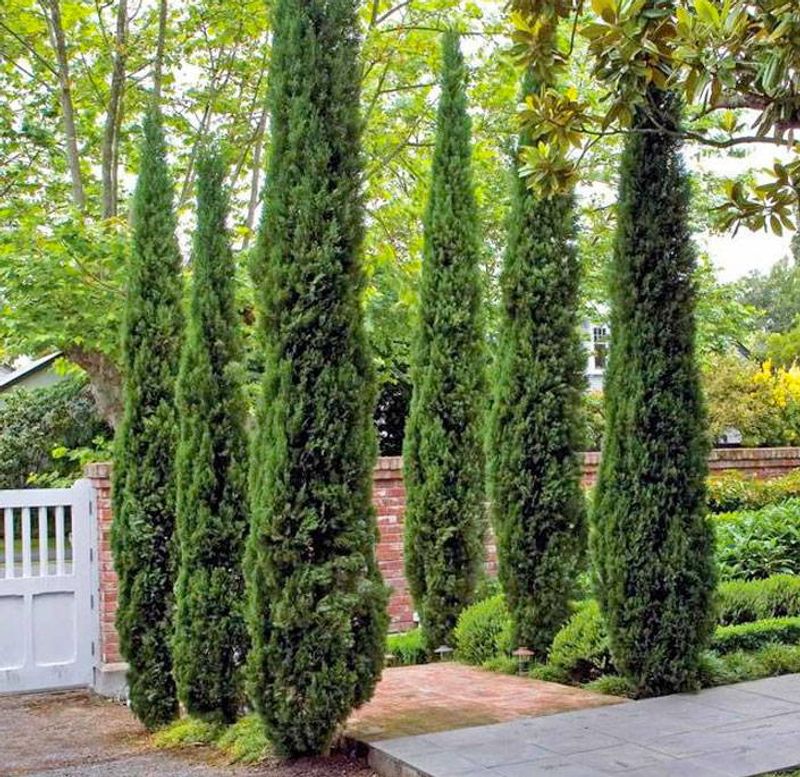
Nothing says Mediterranean villa faster than a row of these slim green spires standing tall against a bright sky. They take up little ground space yet climb high enough to hide a two story view.
Its scientific name is Cupressus sempervirens, and the second word roughly means evergreen in Latin, fittingly enough. Gardeners around the Mediterranean have planted it for thousands of years, so it feels right at home here.
Growth can reach a few feet per year in good conditions, which means privacy arrives sooner than expected. Mature trees in gardens often reach forty to sixty feet, yet they rarely spread wider than a few feet.
Full sun is a must, and soggy soil is its worst enemy, so pick a spot that drains well. Overwatering causes far more trouble than drought, since established trees get by on surprisingly little extra water.
Plant them roughly three to five feet apart if you want a tight green wall instead of separate columns. Their narrow shape also makes them handy along driveways and side yards where wider hedges simply cannot fit.
Spider mites can dull the foliage during hot dry spells, so a gentle rinse with the hose helps. Brown patches inside the canopy are mostly normal, since older inner foliage naturally sheds as the tree grows.
Very little pruning is needed, which I consider a gift for anyone who dreads hauling out the ladder. Cooler October days make planting easier on both you and the young trees, so this is perfect timing.
4. Carolina Cherry Laurel
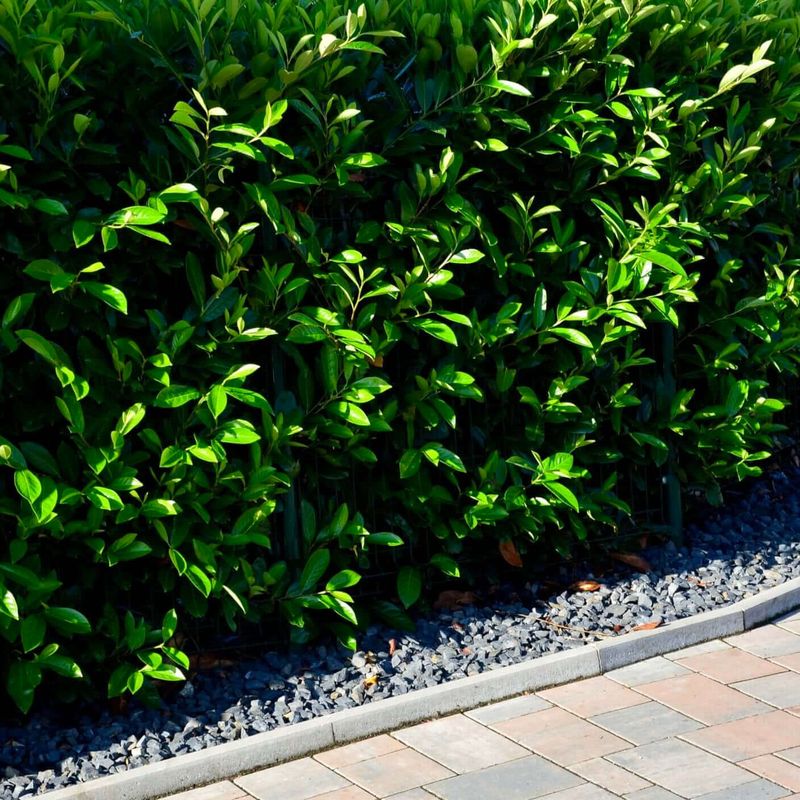
Crush a leaf from this shrub and you might catch a faint scent that reminds many people of almonds. That smell comes from natural compounds that also make the leaves toxic, which is why deer rarely nibble it.
Known to botanists as Prunus caroliniana, this evergreen comes from the southeastern United States, not the West Coast. Still, it adapts nicely to many gardens here, especially where you want a dense, glossy screen fast.
Expect roughly one to two feet of growth per year, which fills gaps without turning into a maintenance monster. It can be clipped into a formal hedge or left to grow into a small multi trunk tree.
Tiny creamy flowers cluster along the branches in late winter and early spring, and bees happily visit them. Shiny black fruits follow, and birds eat them, which sometimes means stray seedlings pop up around the yard.
Pull those volunteers while they are small, since they root quickly and get stubborn once they settle in. Keeping pets and kids from chewing the leaves or seeds is wise too, given the plant’s toxic compounds.
Full sun to partial shade suits it, and it copes with heat and wind once the roots are established. Well drained soil matters most, because roots sitting in soggy ground often lead to yellow, unhappy leaves.
Give young plants a deep drink every week or so this fall until winter rains take over the job. I’m sure you will appreciate how neat it looks with only a light trim once or twice a year.
5. African Fern Pine
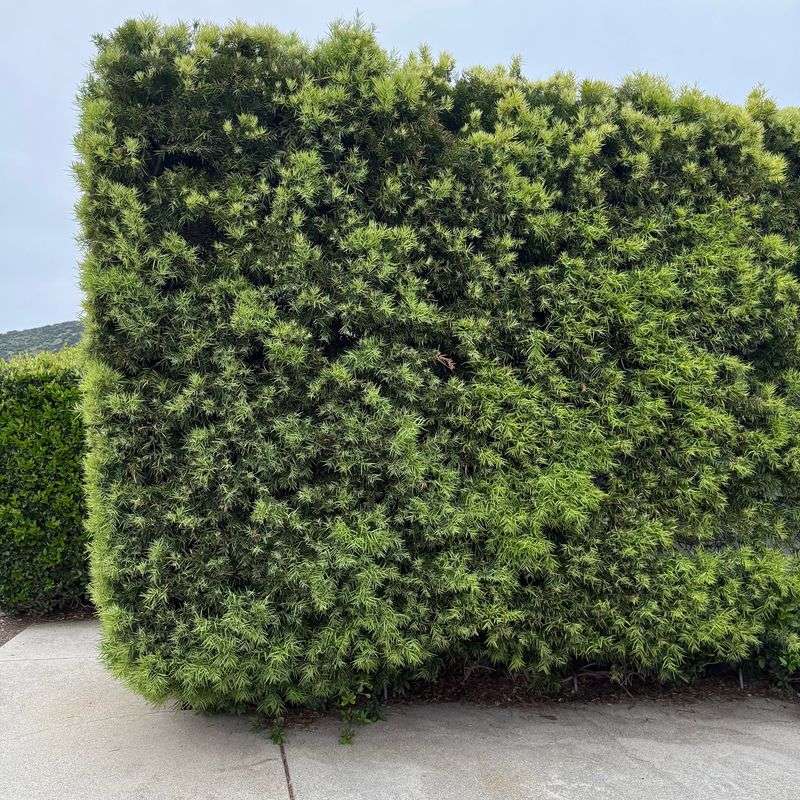
Despite the name, this graceful tree is not a fern or a true pine, which makes it a sneaky impostor. Its soft, narrow leaves droop in feathery sprays that sway with every breeze and look almost tropical.
The current botanical name is Afrocarpus gracilior, though many nursery tags still list it as Podocarpus gracilior. It comes from the highlands of eastern Africa, where cool nights and warm days resemble our coastal weather.
Growth is moderate at first, then picks up once the roots settle, eventually reaching twenty to forty feet tall. Planted closer together and pruned regularly, it also makes a thick hedge that stays dense down low.
USDA zones nine through eleven suit it best, which covers much of the coast and Southern California. Full sun or partial shade both work, and it tolerates a range of soils that drain well.
My favorite detail is its manners underground, since the roots are much gentler than aggressive ficus roots. That makes it a popular choice near patios and walkways, though giving any tree some space is still smart.
Young trees need regular watering until established, while older ones handle moderate dryness with only occasional deep soaks. Pests are fairly rare, though scale insects sometimes show up and can be managed with gentle horticultural oils.
Female trees can drop small fleshy seeds, so sweep patios now and then if your tree turns out productive. Planting this October lets the roots stretch out in mild soil before the hotter months return next year.
6. Toyon
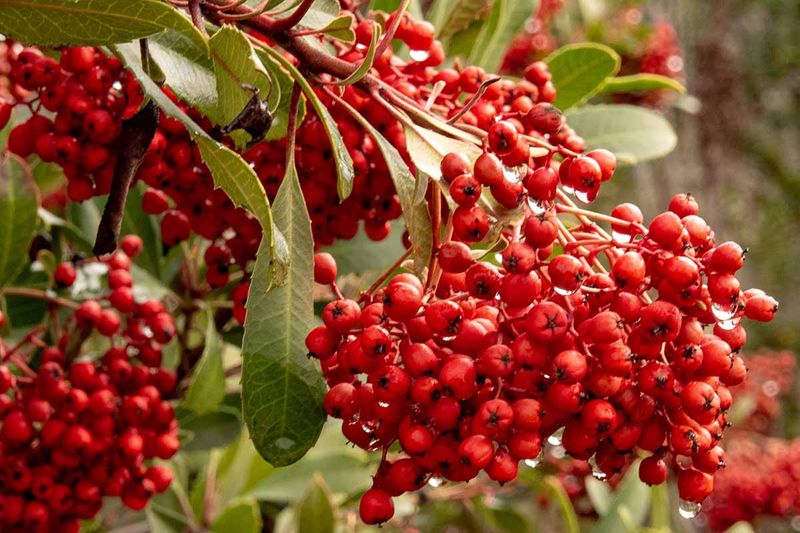
Bright red berries cover this native shrub in winter, so thickly that people once called it California holly. Many stories claim those berries helped inspire the name Hollywood, though historians still debate that charming tale.
Its botanical name is Heteromeles arbutifolia, and Los Angeles even named it the official native plant of the city. Few backyard shrubs can brag about a resume like that while asking for so little care.
As a shrub it usually grows eight to fifteen feet tall, and it can become a small tree with time. The leathery, toothed leaves stay green all year, creating a sturdy screen that feels wild and natural.
Flat clusters of small white flowers open in early summer, and bees and butterflies crowd around them eagerly. Berries start ripening in late fall, so a planting this month could feed robins and mockingbirds in future winters.
Toyon handles full sun or partial shade and grows in many soils, including sandy slopes and heavier clay. Once established, it needs little summer water, and too much irrigation can actually shorten its life.
Fall is the ideal season to plant natives like this one, because winter rain does much of the watering. Water new plants every week or two through the first dry season, then gradually taper off as roots deepen.
Pruning is simple, and you can shape it lightly in late winter to keep the screen full and bushy. Some fire safe plant lists include it, especially when the shrub stays healthy and receives occasional summer water.
7. Lemonade Berry
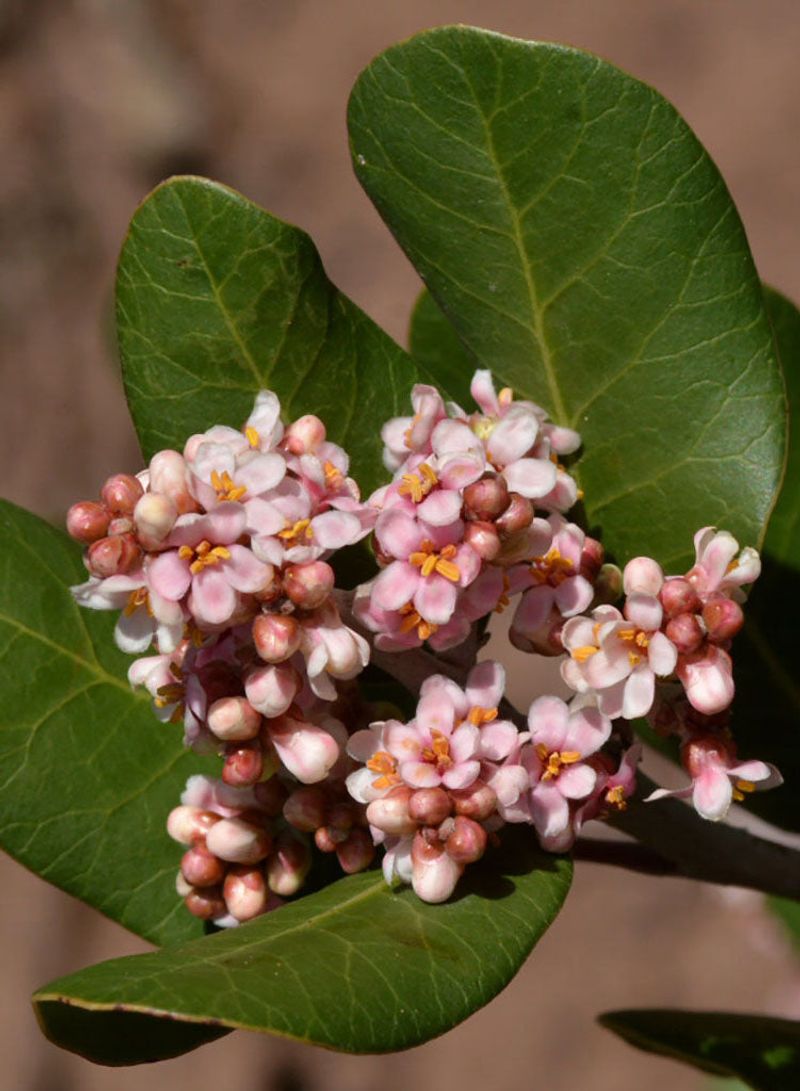
Lick one of the sticky red berries on this shrub and you will taste a tart, lemony coating. Native peoples soaked the fruit in water to make a refreshing drink long before lemonade stands existed here.
Known as Rhus integrifolia, it grows wild along coastal bluffs and canyons in Southern California and Baja California. Salty ocean breezes rarely bother it, which makes it a smart pick for gardens close to the beach.
Thick, leathery leaves stay dark green through the year, forming a dense screen that hides fences and utility boxes. Left alone, it often grows into a broad mound, but it can stretch taller with some patient training.
Pruning it into a formal hedge works surprisingly well, which is unusual for a tough native shrub like this. Some gardeners even train it into a small tree that can reach twenty feet or more over time.
Clusters of tiny pink and white flowers appear from late winter into spring, giving bees an early snack. Birds later visit for the berries, so the shrub becomes a busy little wildlife cafe in your yard.
Full sun and fast draining soil keep it happiest, and established plants need little or no summer water. Frequent summer irrigation can invite root rot, so resist the urge to baby it once it settles.
It prefers mild coastal and inland valley climates, since hard frosts in colder mountain areas can damage it. October is a wonderful time to plant one, because early rains help the roots grow strong before spring.
8. Ray Hartman Ceanothus
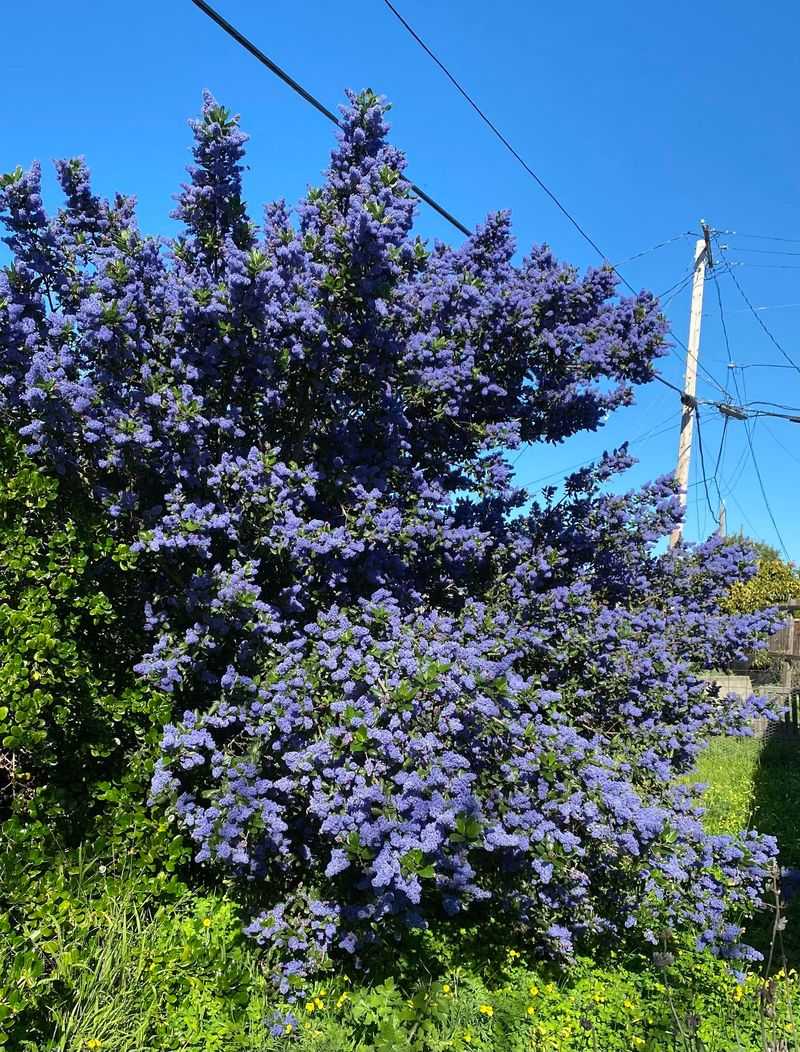
Every spring this shrub erupts in fluffy clusters of sky blue flowers, and the bees seem to lose their minds. Locals sometimes call ceanothus wild lilac, and one blooming specimen can hum with buzzing visitors all day.
‘Ray Hartman’ is a hybrid of two native species, and it ranks among the largest ceanothus varieties around. It grows quickly to about twelve to twenty feet tall and wide, so it fills a bare fence fast.
Large glossy leaves stay dark green all year, giving the screen a solid backbone even after flowers fade. You can also limb it up into a small tree, leaving room underneath for shade loving plants.
Blooms usually show up from late winter into spring, filling the air with a light, sweet fragrance. Butterflies and native bees flock to the flowers, making it a favorite for pollinator friendly gardens statewide.
Full sun and good drainage matter most, though this variety tolerates heavier clay better than many of its cousins. Once established, it needs little summer water, and frequent irrigation in hot weather can shorten its lifespan.
I believe honesty helps, since many ceanothus live shorter lives than other shrubs, though this one tends to last longer. Planting it away from lawn sprinklers is a simple trick that often helps it stay healthy for years.
Prune lightly right after flowering, because cutting into thick old wood can leave bare spots that rarely regrow. Fall planting gives it the whole rainy season to settle, so this is the perfect month to start.
9. Purple Hopseed Bush
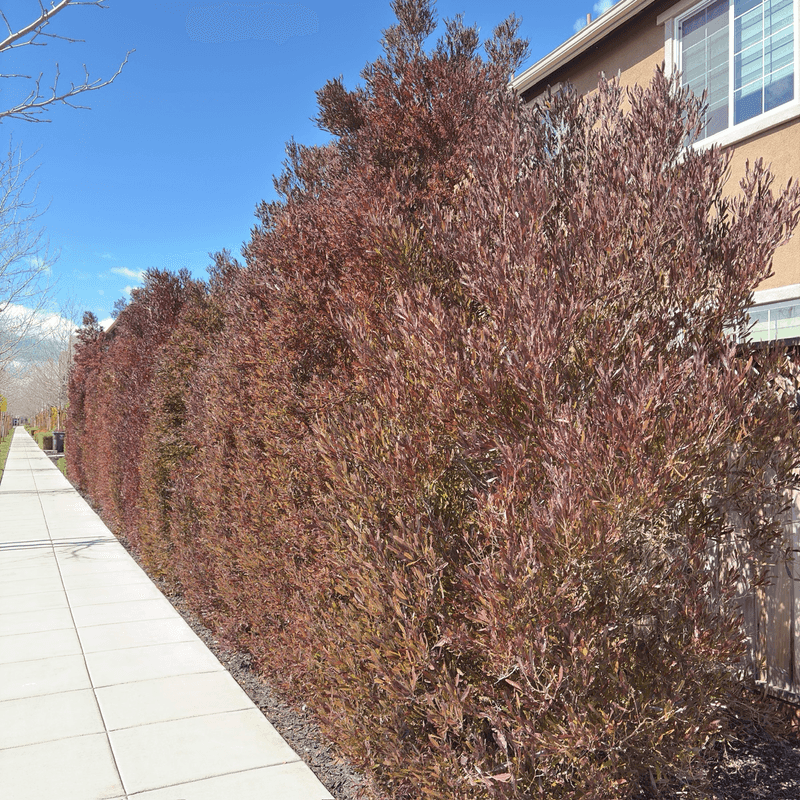
Purple leaves that glow almost bronze in the afternoon sun make this shrub a real head turner. Cooler fall weather often deepens that color, so October is when it really starts showing off.
Its botanical name is Dodonaea viscosa, and the word viscosa hints at the slightly sticky feel of new leaves. The purple form is usually sold as ‘Purpurea,’ while the plain species has bright green leaves instead.
Few shrubs grow wild across so much of the planet, including warm regions of Australia and the Americas. That wide travel history helps explain why it shrugs off harsh heat and poor soil so easily.
Plants typically reach ten to fifteen feet tall, growing quickly into a dense, upright screen with little fuss. You can clip it into a tidy hedge or train it into a small tree with a few trunks.
Papery, winged seed capsules form after the tiny flowers, often blushing pink or rosy purple as they mature. They dangle in clusters that look a bit like decorations, adding texture long after the blooms are gone.
Full sun brings out the richest purple, since shady spots often turn the foliage a duller greenish shade. Well drained soil is the main requirement, and established plants handle long dry spells with impressive toughness.
Plant it this fall, water deeply through the first year, and then let rainfall handle most of the work. I can’t imagine an easier way to add bold color and privacy to a sunny corner of the yard.