7 Things You Should Keep Out Of Your Compost Pile This Fall In Texas
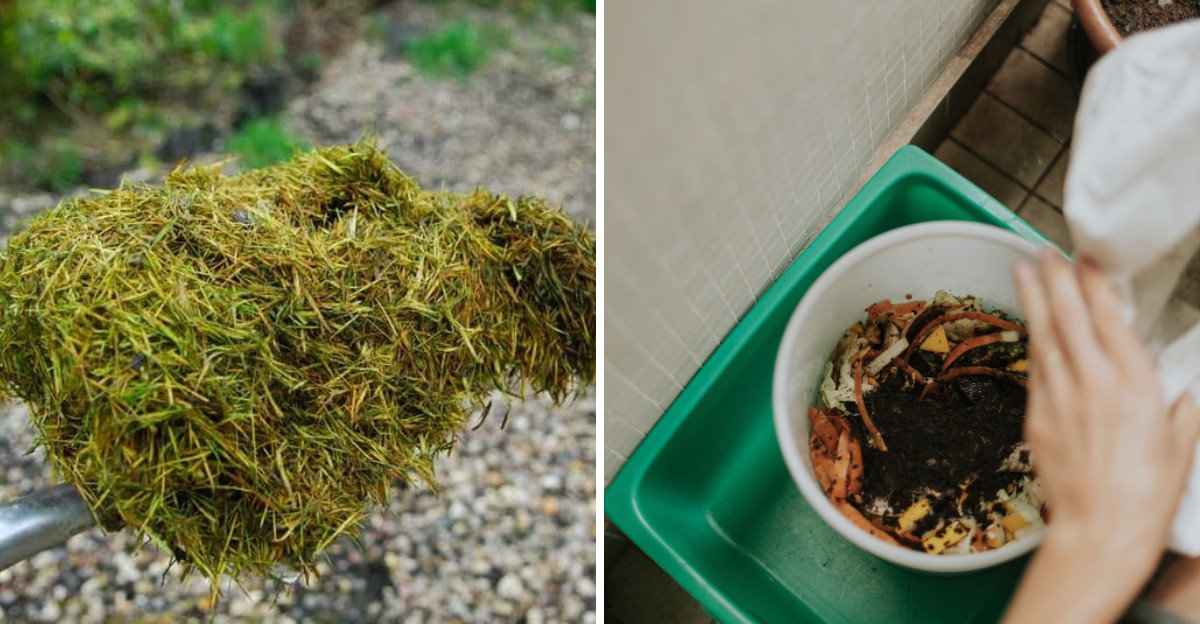
Fall cleanup in Texas produces a mountain of garden waste. Spent tomato vines, faded annuals, piles of leaves, and overgrown weeds all need somewhere to go, and the compost pile seems like the obvious answer.
Most of the time, it is. But not everything belongs in there. Some materials can sneak problems right back into your garden.
Diseased plants may carry fungal spores that survive the composting process and show up again next spring.
Weed seeds can sprout in every bed where you spread finished compost. Certain kitchen scraps attract raccoons, opossums, and swarms of flies.
Even grass clippings can cause trouble if the lawn was treated with the wrong products. A healthy compost pile should give your garden a boost, not a fresh round of headaches.
Knowing what to leave out this fall keeps your compost working for you instead of against you.
1. Sick Leaves And Diseased Plant Debris
My neighbor once spread fresh compost on her tomato bed and wondered why blight showed up again the next summer.
The answer was hiding in her pile. Last fall, she had tossed in a big heap of spotted, sick tomato vines.
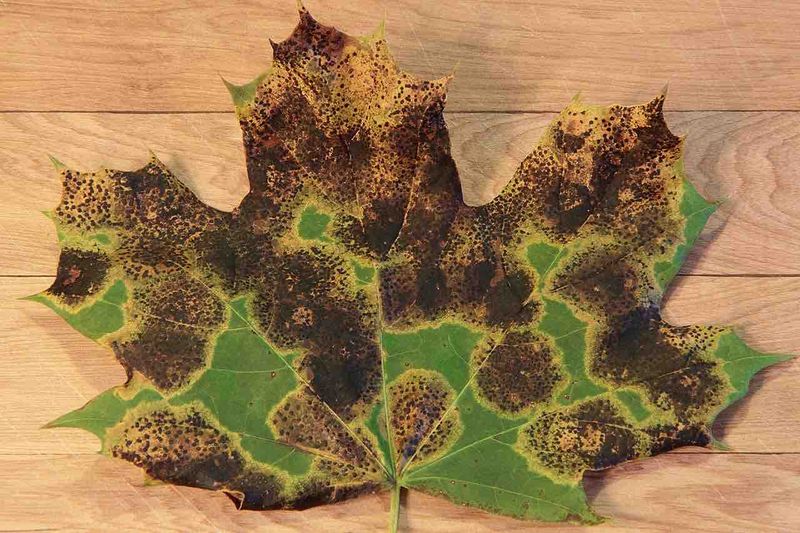
Fall cleanup in Texas often means pulling tired plants and raking leaves. Many of those leaves carry diseases like fig rust, rose black spot, and early or late tomato blight.
You can usually spot the problem by looking for brown patches, orange dust, black spots, or yellow leaves that fall early.
Here is the catch. To wipe out these germs, a compost pile needs to stay hot, around 140 to 160 degrees, for several days in a row.
Most backyard piles never get that warm. They break things down slowly, which is fine for healthy scraps but not for disease.
So the germs simply wait. When you spread the finished compost, you spread the disease right back onto your plants. It is like giving the problem a free ride into next season.
A safer plan is simple. Bag up any diseased leaves, stems, and fruit and put them in the trash.
Some Texas cities offer yard waste pickup, but check whether they accept sick plants, since some programs prefer them bagged as regular trash.
Clean your pruners after cutting sick plants, too. A quick wipe with rubbing alcohol stops germs from jumping to healthy branches. Rake fallen rose and fig leaves often so spores do not sit under the plants all winter.
Healthy leaves are still compost gold. Just keep the sick ones separate, and your garden will thank you with fewer spots and stronger growth next year.
2. Weeds Packed With Ripe Seeds
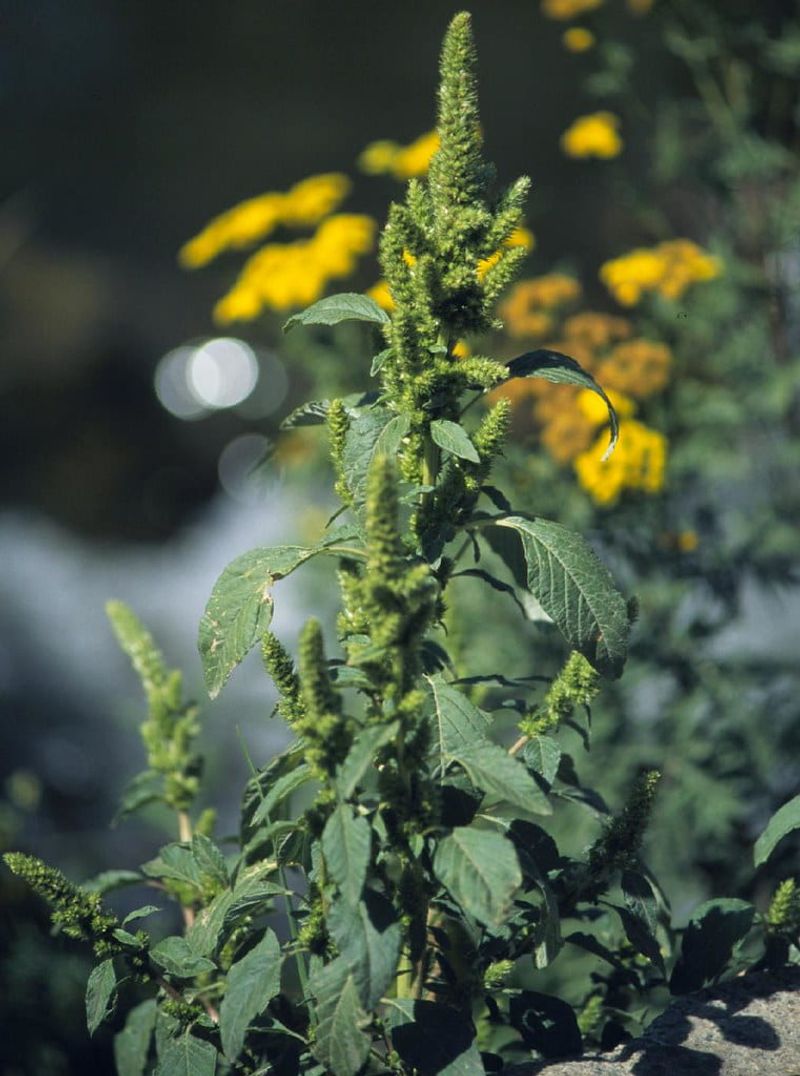
One single pigweed plant can drop more than 100,000 seeds. That number sounds wild, but it is true. Now think about tossing a few of those plants into your compost bin.
By fall, many Texas weeds have finished flowering and are loaded with seeds. Crabgrass, sandbur, ragweed, and pigweed are all common offenders.
When you pull them in October or November, those seed heads are often ripe and ready to scatter.
Your Texas Garden Changes Every Week. Your Plan Should Too.
Gardening in Texas changes quickly throughout the season. Every Friday you’ll receive a simple weekly plan showing exactly what to plant, prune, fertilize, harvest, and protect so you never miss the right timing.
Weed seeds are tough little survivors. Many can sit in a cool compost pile for months and still sprout later. When you spread that compost on your flower beds or veggie rows, you are basically planting a weed garden.
You do not have to throw every weed away, though. Green weeds that have not made seeds yet are great for compost. They add nitrogen and break down quickly.
The trick is to check before you toss. Look for seed heads, fluffy tops, or dry pods. If you see them, snip those parts off and drop them in a trash bag. The leafy rest of the plant can go into the pile.
Another smart move is to pull weeds early. Try to get them in late summer before they flower. You will have less work later and fewer seeds to worry about.
Some gardeners also use a weed tea method. They soak weeds in a bucket of water for a few weeks until the seeds rot, then pour the liquid onto the pile. It is a bit smelly, but it works.
A few extra seconds of checking now can save you hours of pulling next spring. Your back will be grateful.
3. Stubborn Invaders That Sprout Again
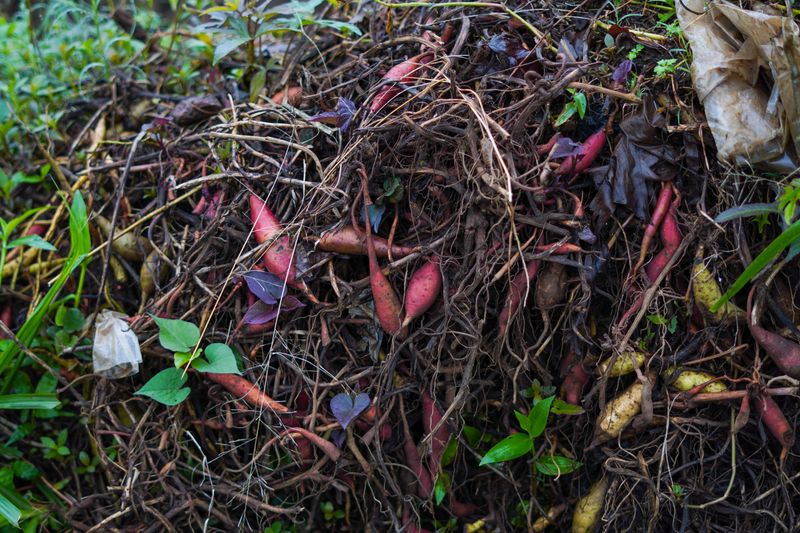
Bermudagrass is the houseguest who never leaves. You pull it out, turn your back, and somehow it is creeping across your garden bed again. Toss it in the compost, and it may just move in there too.
Some plants do not need seeds to spread. They grow back from tiny pieces of root, stem, or tuber. In Texas, Bermudagrass runners, nutsedge tubers, and the roots of invasive vines like bushkiller are some of the worst.
Nutsedge is especially sneaky. It forms small, hard nutlets underground that can stay alive for years. Even a piece the size of a pea can start a brand new plant.
Bushkiller is a fast vine that has been spreading across parts of Central and South Texas. It climbs over shrubs and fences and smothers them. Its roots can sprout again from small bits left in soil or compost.
Because backyard piles rarely get hot enough, these pieces often come out alive. Then they hitch a ride into your beds, and the battle starts all over.
Here is what works better. Put these plants in a sturdy trash bag and send them to the landfill. If you want to be extra sure, let the bag sit in the sun for a few weeks first. The heat inside will help cook the roots.
When digging them out, try to get as much of the root system as possible. A garden fork works better than a shovel because it lifts roots without chopping them into more pieces.
Staying firm with these invaders keeps your compost clean and your garden beds under your control.
4. Berries From Invasive Trees And Shrubs
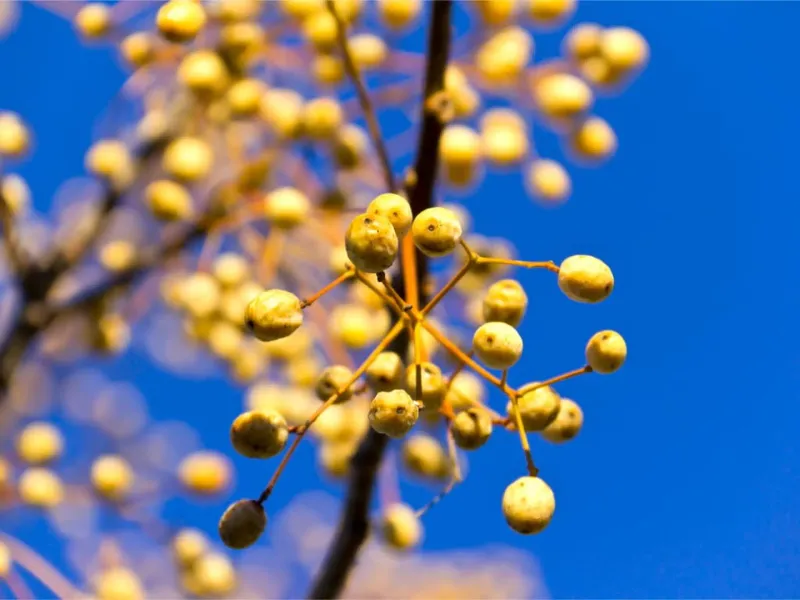
Those pretty white seeds on a Chinese tallow tree look almost like popcorn. Kids love to collect them in fall. Sadly, each one can turn into a new tree that spreads where it is not wanted.
Autumn in Texas brings big crops of berries and seeds from several invasive plants. Chinese tallow, chinaberry, and ligustrum, also called privet, are three of the most common. They grow fast, crowd out native plants, and take over fields, creeks, and yards.
Birds help spread them by eating the fruit and dropping seeds miles away. You do not want your compost pile doing the same job. Many of these seeds are hard and can easily survive a slow backyard pile.
Once you spread that compost, little seedlings start popping up in your flower beds, along your fence, and under shrubs. Before long, you are pulling baby trees every weekend.
Fun fact: Chinese tallow was brought to the United States in the 1700s, partly to make soap and candles from its waxy seeds. Today, it is one of the most troublesome invasive trees along the Gulf Coast.
The fix is easy. Rake up fallen berries and seeds and bag them for the trash. If the tree is on your property, think about replacing it with a native option like a Mexican plum, possumhaw holly, or yaupon.
Wear gloves when handling chinaberry fruit. It is toxic if eaten, so keep it away from children and pets.
A clean sweep in fall means fewer surprise saplings in spring. Your yard and the local wildlife will both be better off.
5. Clippings From Lawns Sprayed With Herbicides
Curly, twisted tomato leaves can leave a gardener scratching their head. You water, feed, and care for your plants, yet they look sick and stunted. Sometimes the cause is a surprise hiding in your grass clippings.
Certain lawn weed killers use long-lasting chemicals. Names to watch for include aminopyralid, clopyralid, picloram, and triclopyr. They are designed to stay active, and they do that job very well, even after composting.
These chemicals can last for months or even years in compost. Tomatoes, peppers, beans, peas, potatoes, and sunflowers are extra sensitive. Even tiny amounts can cause cupped leaves, poor fruit, and weak growth.
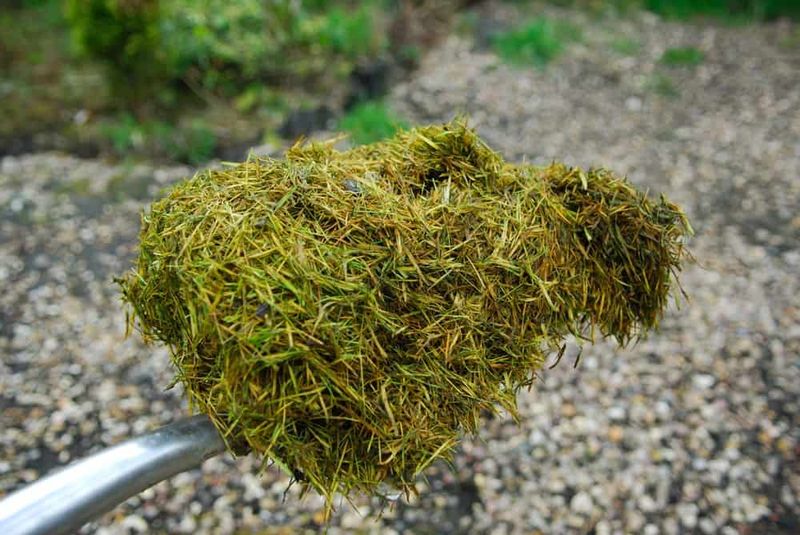
Grass clippings are normally a great green ingredient for compost. They add nitrogen and help heat up the pile. So you do not need to skip them completely, just be careful about where they came from.
If you or a lawn service treated your grass this fall, read the product label first. Many labels clearly warn against composting clippings or using them as mulch on gardens. If the label is unclear, look up the active ingredient online.
Be careful with clippings, hay, or manure from neighbors and farms too. Animals that eat treated hay can pass the chemicals through in their manure.
Here is a quick test. Plant a few bean seeds in a pot with some of your compost. If the seedlings look twisted or odd after a couple of weeks, do not use that batch on your veggies.
When in doubt, leave treated clippings right on the lawn. They will break down there and feed your grass instead.
6. Meat Scraps, Dairy, And Greasy Leftovers
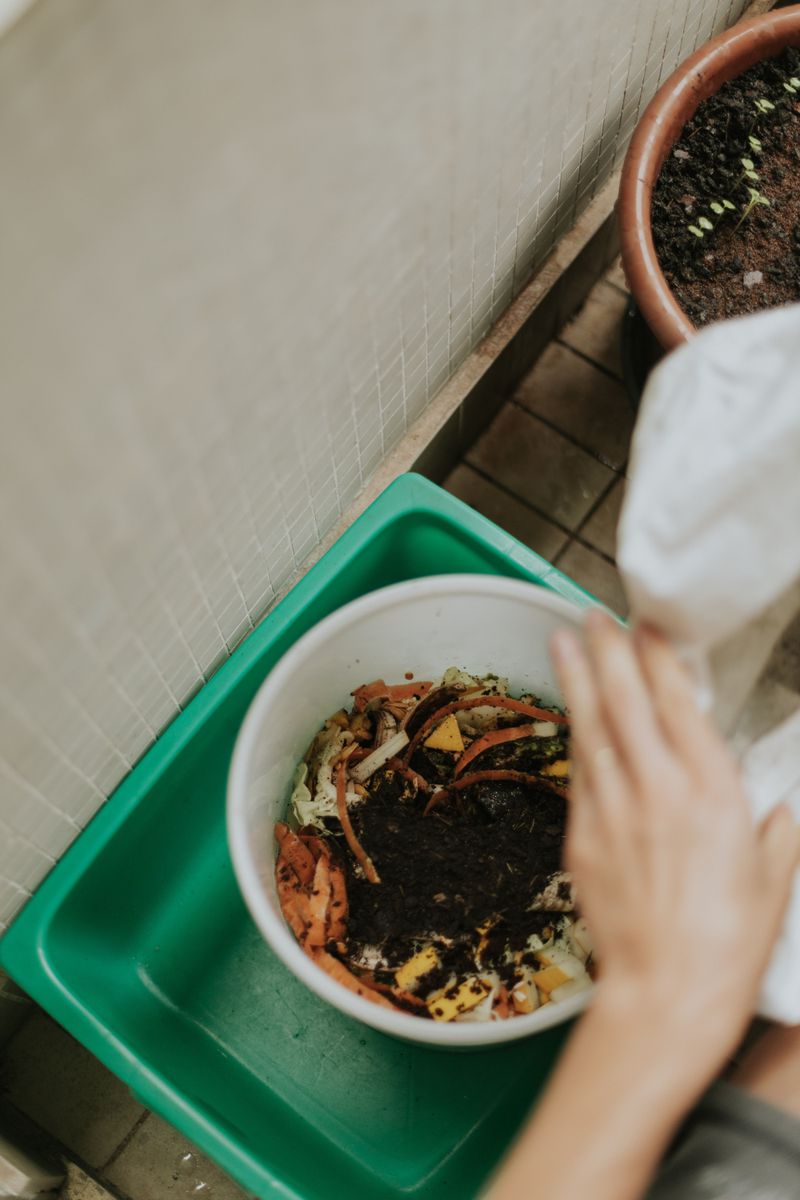
Ever hear a clatter in the backyard at 2 a.m.? There is a good chance a hungry raccoon found something tasty in your compost. Food scraps like meat and cheese are an open invitation.
As fall settles in across Texas, wild food gets harder to find. Raccoons, opossums, rats, skunks, and even stray dogs go looking for easy meals. A compost pile with leftover chicken or a bit of cheese smells like a buffet to them.
Meat scraps, bones, fish, milk, butter, yogurt, and greasy foods all fall into this group. Fried leftovers and cooking oil count too. These items break down slowly and can make the pile smell terrible.
Grease is a special problem. It coats other materials and keeps air and water from reaching them. That slows the whole compost process and can turn the pile slimy and sour.
Rats are the biggest worry. Once they find a steady food source, they may set up a home nearby. That can lead to bigger problems around your house or garage.
Stick with plant-based kitchen scraps instead. Fruit peels, veggie trimmings, coffee grounds, tea bags, and crushed eggshells are all great choices. Bury fresh scraps a few inches deep in the pile to cut down on smells.
For meat and dairy, use your trash can or look into a special system like bokashi, which ferments food waste in a sealed bucket. Some cities also offer food waste pickup.
Keep the pile clean, and your nights will stay quiet. The raccoons can go find dinner somewhere else.
7. Dog And Cat Waste
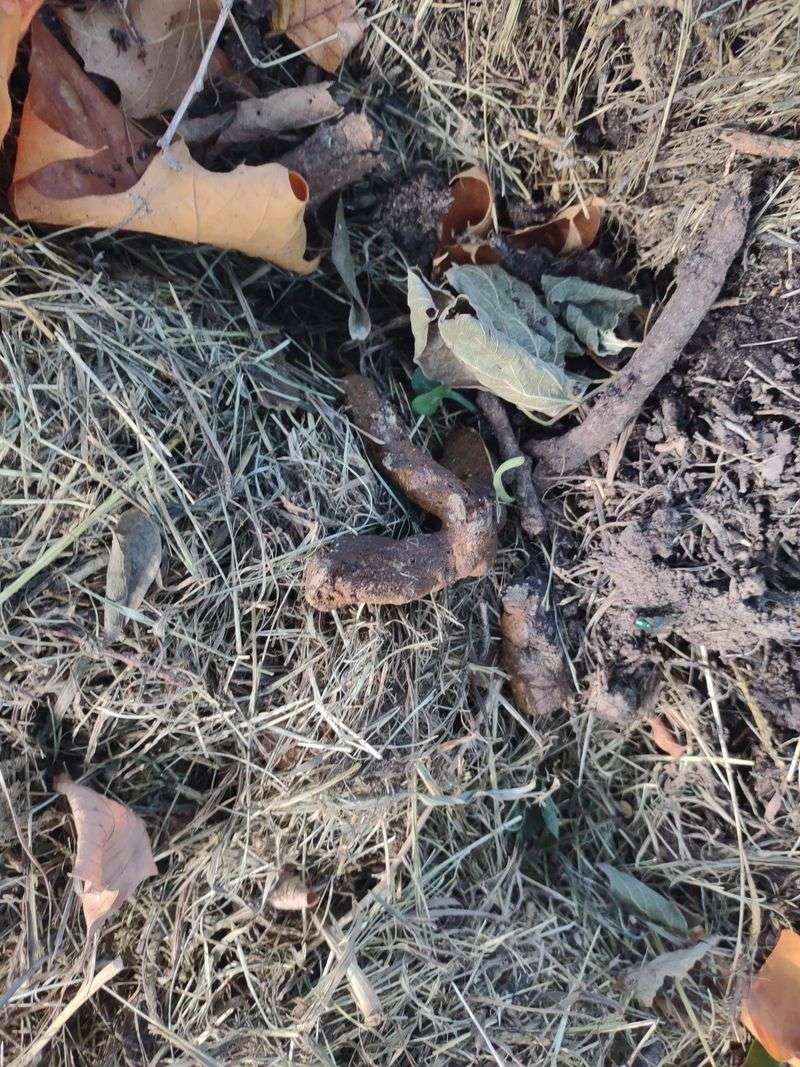
Let’s be honest. Scooping the yard is nobody’s favorite chore, and dumping it in the compost might seem like a clever shortcut. After all, it is natural, right? Unfortunately, this is one shortcut worth skipping.
Dog and cat waste is very different from cow or horse manure. Pets eat meat-based diets, and their waste can carry parasites and harmful bacteria. Roundworms, hookworms, and germs like E. coli and salmonella are some of the common ones.
Cat waste can also carry toxoplasma, a parasite that is especially risky for pregnant women. Roundworm eggs are tough and can stay alive in soil for years.
A home compost pile usually does not get hot enough to wipe out these germs. So when you spread the compost, you could be spreading them onto your vegetables or into the grass where kids play.
That is why pet waste should never go into compost meant for food gardens, play areas, or lawns where children roll around. The risk is simply not worth it.
So what should you do instead? Bag the waste and put it in the trash. That is the simplest and safest choice for most families.
Some pet owners use a pet waste digester, which is a small in-ground bin that breaks down waste away from gardens.
Others use a separate compost pile only for ornamental trees and shrubs, far from edible plants. If you try this, keep it well away from wells, creeks, and vegetable beds.
Also skip cat litter in your compost, even the kinds labeled natural. Your garden and your family will stay safer and healthier.