California Gardeners Are Running Out Of Time To Prepare For These Santa Ana Winds
Some of the most important garden work of the year happens during calm, unremarkable afternoons. The air sits still, the to-do list grows, and the season keeps moving regardless.
Southern California’s dry offshore winds tend to arrive from fall into winter, often with only a few days of notice.
When they do, plants dry out fast, loose objects take flight, and the stakes shift from tidy gardening to genuine safety.
Nobody can predict the exact date of the next big blow, which makes the quiet stretches beforehand especially valuable.
Most of the necessary prep fits comfortably into a single weekend.
One principle outranks every chore on any list: people come first, and an official order to leave always takes priority over the yard.
Clear Roofs And Gutters Of Dry Leaves
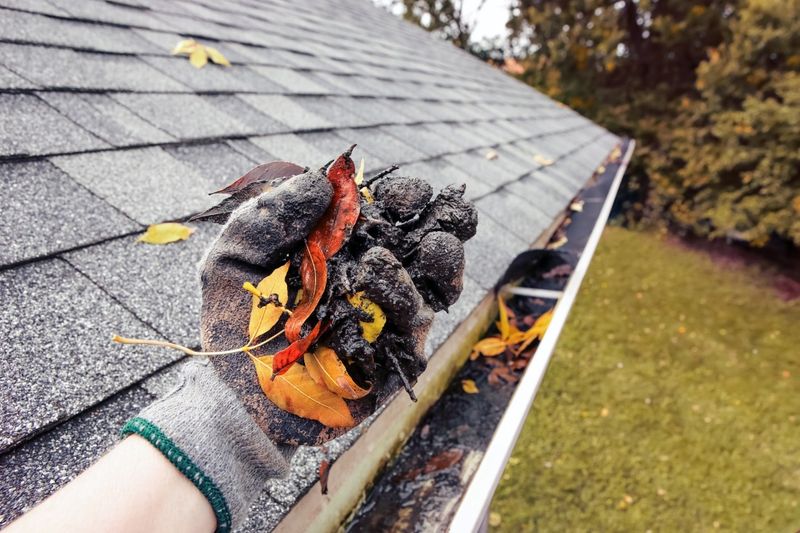
Tiny glowing embers can travel long distances on a strong wind, and CAL FIRE notes that flying embers rank among the main ways homes ignite during wildfires. A gutter stuffed with crunchy leaves gives those sparks an easy landing spot.
The work starts at the top. A sturdy ladder on flat ground, with a helper holding it steady, makes the job safer, and gloved hands or a small plastic scoop clear leaves, pine needles, and twigs from gutters.
Sweeping or blowing debris off the roof follows, with close attention to valleys where two slopes meet, since leaves love to pile up there.
Commonly missed spots deserve a look too. The space beneath solar panels, the tops of patio covers, and the corners of decks can all hold dry material that catches an ember as easily as a gutter.
Bagging debris right away matters, since a heap of dry leaves beside the house simply moves the problem a few feet. The green waste bin or a haul-away trip solves it.
Safety stays front and center. Roof work on a windy day is best avoided entirely, and skipping the job makes sense for anyone feeling unsteady.
A gutter service offers a smart option for steep or two-story homes.
A clean roof ranks among the simplest ways to help a house stand up to fire season, which makes it a natural first task on the weekend list.
Move Combustibles Away From The House
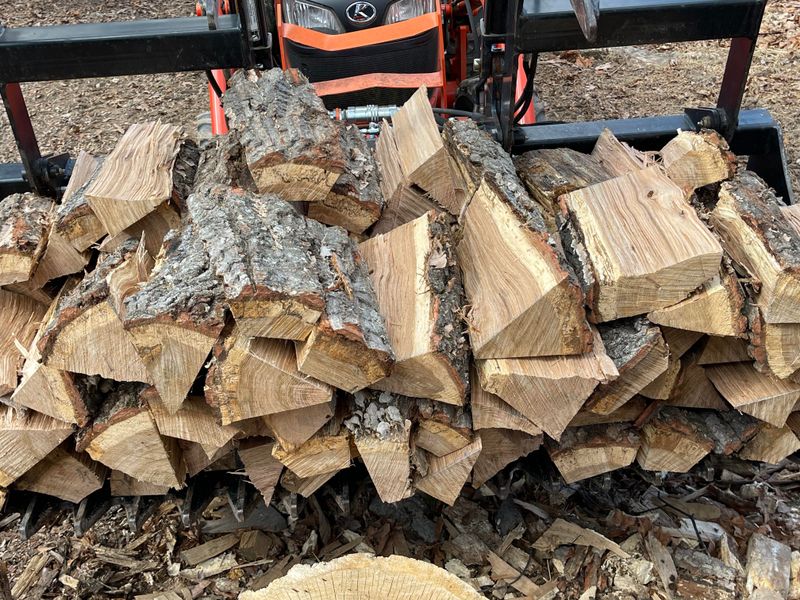
A tidy firewood stack resting against the back wall looks handy in December. During a wind event, though, it becomes fuel sitting inches from the home.
CAL FIRE’s defensible space guidance treats the first five feet around a house as the most critical area, often called the ember-resistant zone or Zone 0.
Gravel, pavers, or bare soil suit this strip far better than bark mulch, consistent with the Zone 0 rules approved this year.
A slow loop around the house reveals the usual culprits. Firewood and lumber piles belong at least 30 feet from structures, while patio cushions, doormats, and outdoor rugs can catch embers easily.
Stacks of cardboard, old pots, leftover building scraps, and propane tanks or gas cans parked near walls or under decks all deserve relocation.
Your California Garden Changes Every Week. Your Plan Should Too.
Gardening in California changes quickly throughout the season. Every Friday you’ll receive a simple weekly plan showing exactly what to plant, prune, fertilize, harvest, and protect so you never miss the right timing.
Cushions and fabric items move indoors or into a closed garage when strong winds appear in the forecast. Fuel cans belong in a safe, approved spot away from the house, and dry leaves come out from under decks, where they hide in shady corners.
Wooden fences can act like a fuse leading fire straight to the walls. A fence connected to the house benefits from swapping its last few feet for a metal gate or panel, a small change that breaks the chain.
This step amounts to tidying with a purpose, since every item moved leaves one less thing for a spark to catch.
Prune Weak Branches Before The Next Gust
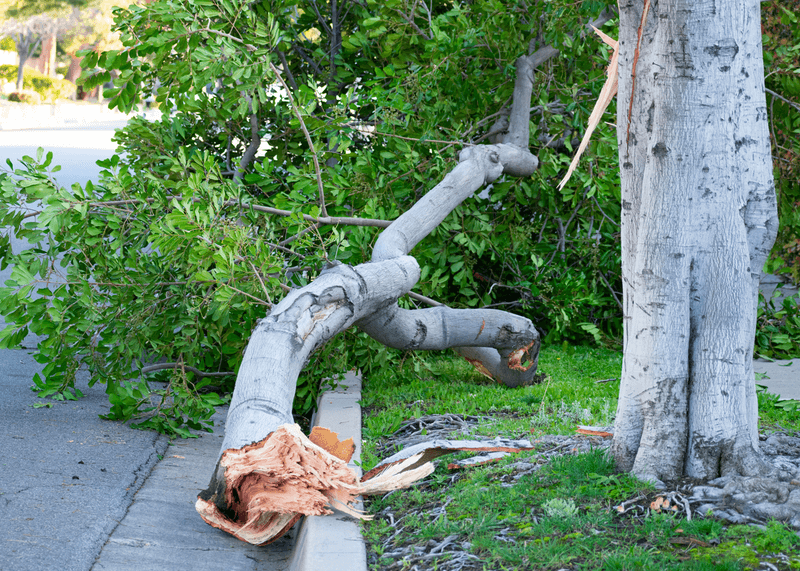
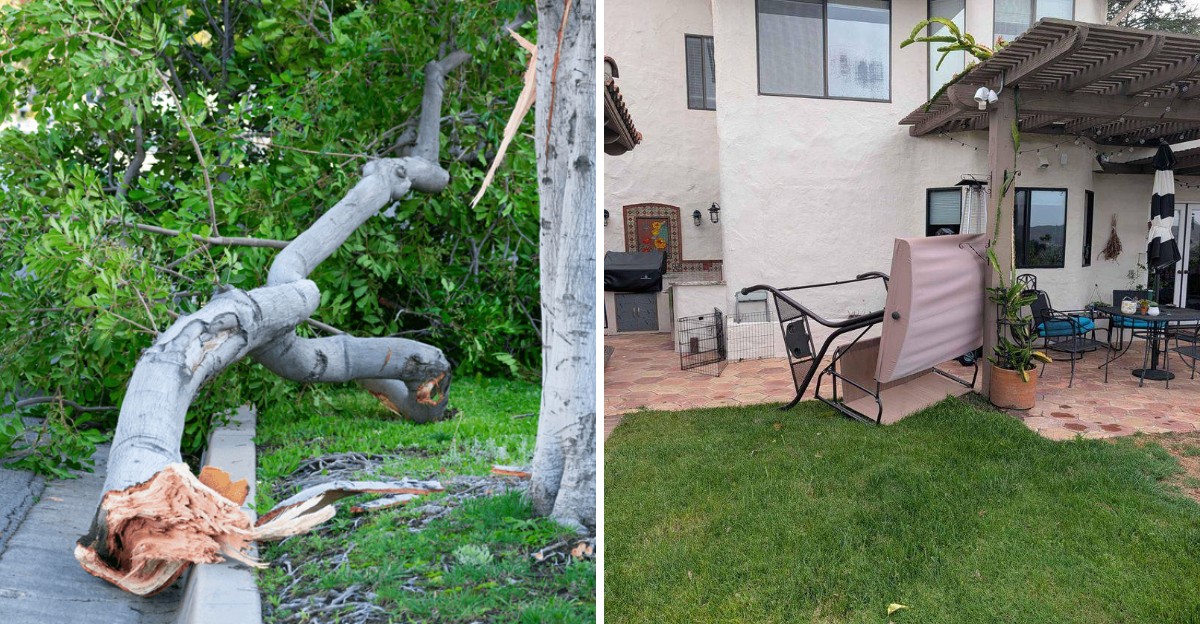
A sharp crack during a windstorm usually means a limb has failed. Santa Ana gusts can top 60 miles per hour in some canyons and passes, and weak branches often break first.
A careful look upward, before the wind does the testing, reveals risky branches. Brittle wood with no leaves, deep cracks, peeling bark, or fungus on the trunk all signal trouble.
Crossing branches that rub against each other also weaken over time, and limbs hanging over a roof, driveway, or power lines deserve extra scrutiny.
Zone 0 rules approved this year also call for branches at least five feet above roofs and ten feet from chimneys in designated fire hazard areas.
Small, brittle twigs reachable from the ground are fair game for a homeowner. Clean, sharp pruners or a pruning saw, wiped with household disinfectant, work best, with each cut placed just outside the branch collar, the slightly swollen ring where a branch meets the trunk.
UC ANR advises against topping, since chopping off a tree’s top produces weak new growth that breaks easily later.
Larger jobs belong with professionals. Any branch near power lines requires the utility or a qualified line-clearance crew, while large limbs call for an insured, certified arborist.
Timing helps too. Waiting until a Red Flag Warning appears is best avoided, since tree crews book up quickly.
Heavy pruning right before a wind event can also backfire, as thinning a tree too much shocks it. A light, careful trim now keeps the tree strong and the roof unharmed.
Stake Young Trees And Tall Plants
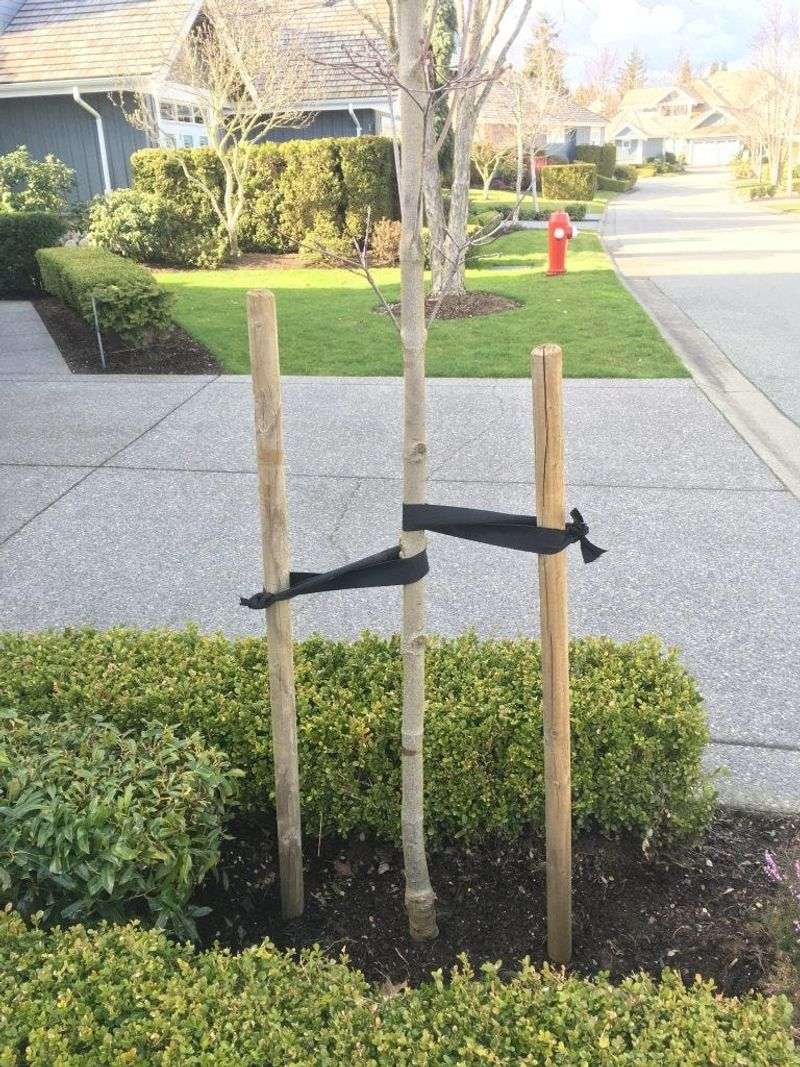
A young lemon tree planted in fall can end up leaning badly after a single windy night. Young trees and tall plants carry shallow roots, so strong gusts can push them right over.
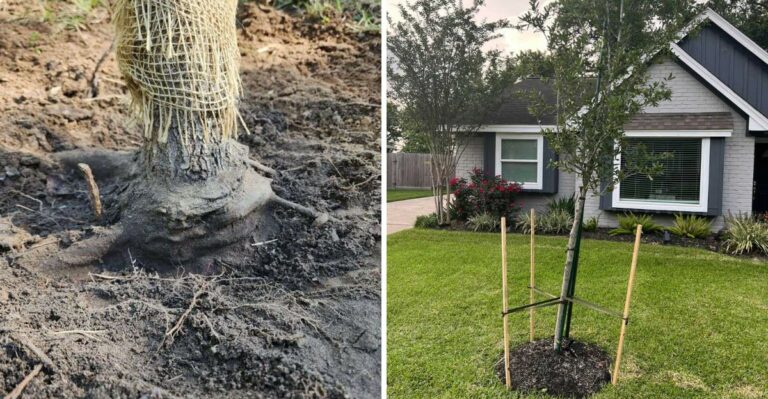
Staking provides a helping hand. UC ANR suggests two stakes placed on opposite sides of the trunk, outside the root ball, set so the tree sits between them along the usual wind direction.
Soft, stretchy ties made from rubber, cloth, or tree tape work best, looped loosely around the trunk in a figure-eight. The tree should still sway a little, since gentle movement helps the trunk grow thicker and stronger.
Bare wire is best avoided, since it can cut into bark.
Tall garden plants need support too. Tomatoes, dahlias, sunflowers, and climbing vines can snap at the stem, so sturdy stakes, cages, or trellises installed before the wind picks up make a real difference.
The trellis itself needs firm anchoring as well. Low ties, placed only as high as needed to keep the tree upright, help the trunk build strength.
Stakes serve as a temporary aid rather than a permanent fixture. Removing them after about a year, or once the tree stands on its own, prevents a weak trunk.
Ties deserve a check every few months, with any snug ones loosened. Fall-planted trees benefit most from this setup, since wind season arrives before roots have fully settled.
Water Plants Deeply Ahead Of The Wind
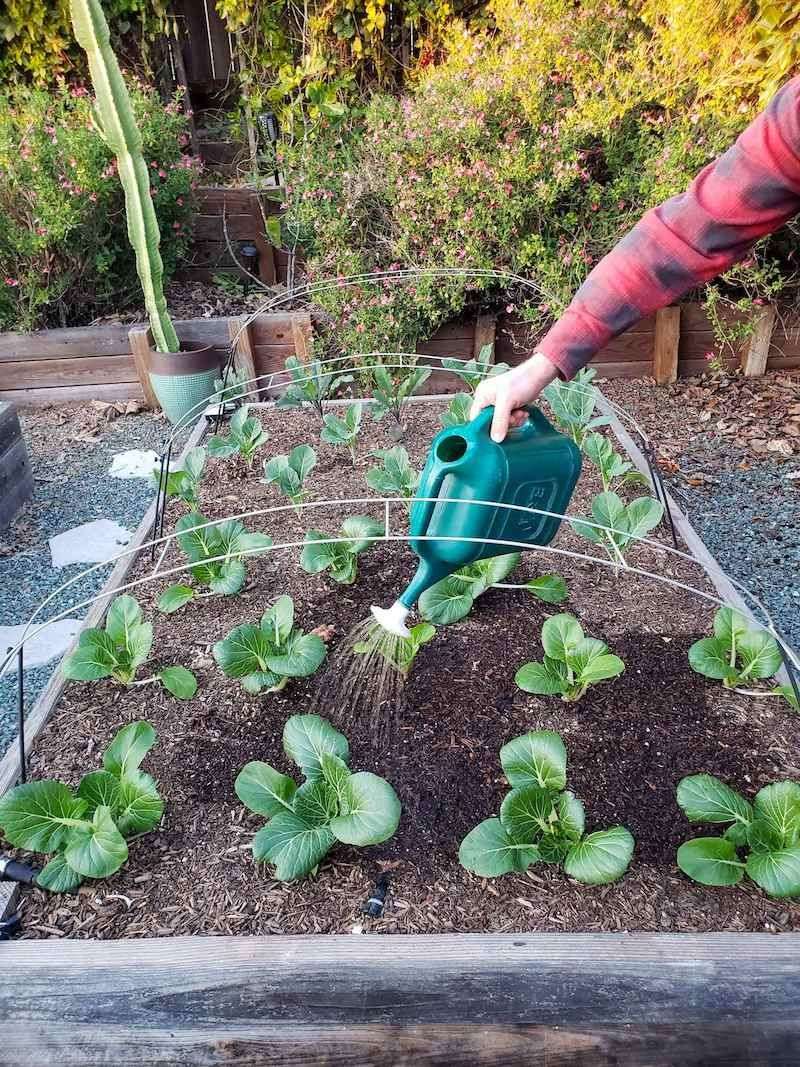
Santa Ana winds work like a giant hair dryer aimed at the garden. Humidity can drop into the single digits, and plants lose water through their leaves faster than roots can replace it, leaving crispy, browned leaf edges behind.
A deep drink a day or two before the wind helps considerably. Plants handle stress better when their soil holds plenty of moisture, and slow, deep watering that soaks several inches down reaches far more roots than a quick sprinkle.
Soaker hoses, drip lines, or a hose on a slow trickle all work well, aimed at the base of plants rather than the leaves. Early morning offers the best timing, since less water evaporates before sinking in.
Young trees, new plantings, and potted plants deserve extra attention, since they dry out fastest.
Local rules still apply. Many California cities and water agencies set watering days, hours, or limits, so a quick check of the water district’s website comes first, and some areas offer rebates for drip systems.
Mulch helps lock in moisture, kept a few inches from trunks and stems. Near the house, gravel or rock takes the place of wood mulch, in line with fire safety guidance.
Sprinkler cycles scheduled during the wind event itself mostly blow away, so pausing them on those days saves water. Healthy, well-watered plants simply prove tougher and recover faster once the gusts calm down.
Secure Loose Furniture And Pots
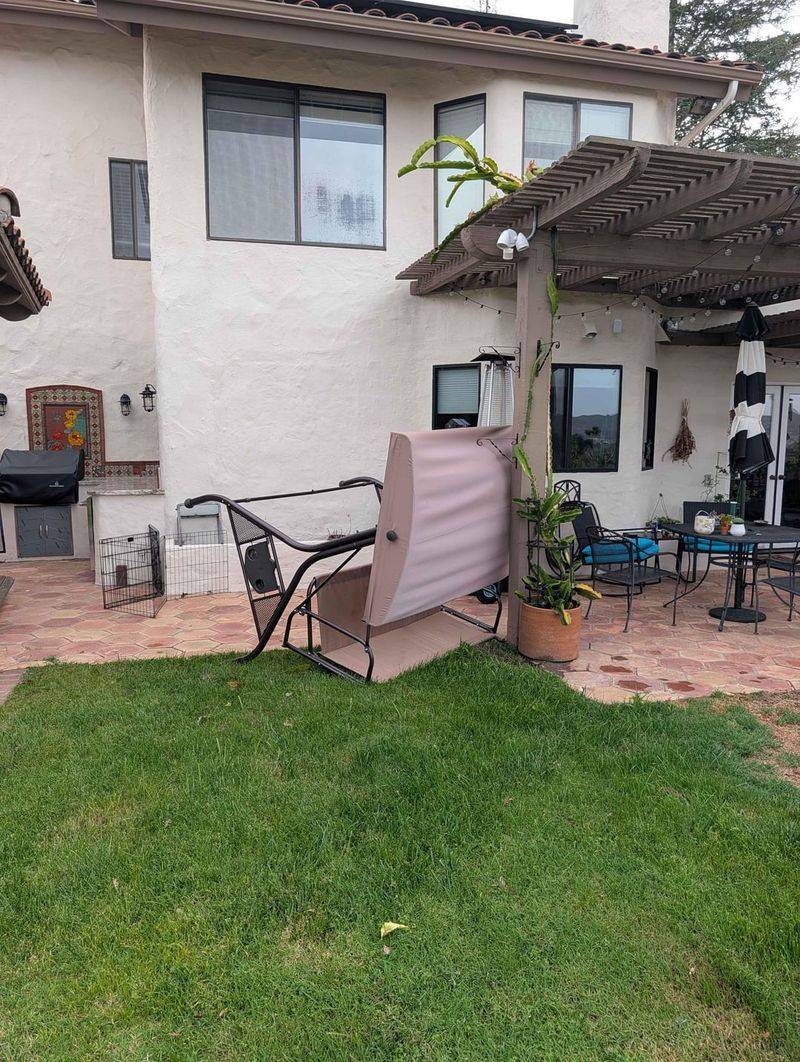
A patio chair cartwheeling across the yard looks almost comical for about one second, until it smashes a window. Strong winds can turn everyday outdoor items into flying hazards.
Umbrellas and lightweight furniture come first. Patio umbrellas fold up or come down completely, while plastic chairs and tables can be stacked and stored in a garage or shed.
Trampolines, children’s toys, and trash bins also need anchoring or a move indoors, and trampoline anchor kits make a worthwhile purchase in wind-prone areas.
Potted plants deserve special care. Tall, top-heavy pots topple easily and can crack or crush the plant inside, so a sheltered spot beside a wall or fence on the downwind side helps.
Grouped pots shield one another, and small pots can lie on their sides in a protected corner. Lightweight plastic pots slipped inside heavier ceramic ones gain extra ballast.
Hanging baskets and wind chimes swing hard and can break, so setting them on the ground makes sense. Garden decorations, bird feeders, and solar lights also need securing or tucking away.
Larger items such as sheds, shade sails, and greenhouses may need extra anchoring. Straps deserve tightening and stakes a check for depth, and shade sails come down before a strong event, since they catch air like a boat sail.
A quick walk around the yard with a critical eye works wonders. A single question for each item, whether it could blow away, settles what needs attention now.