The Alabama Gardening Move That Pays Off Months Later
You are about to overlook a prime planting window Alabama gives you. Soil here stays warm long after the air turns crisp.
Roots keep growing underground while your shrubs show no sign of effort. Plant now, and you give them months to spread before summer arrives.
Spring plantings get far less time to build roots before July. Alabama’s clay-heavy soil rewards you when you dig wide, not deep.
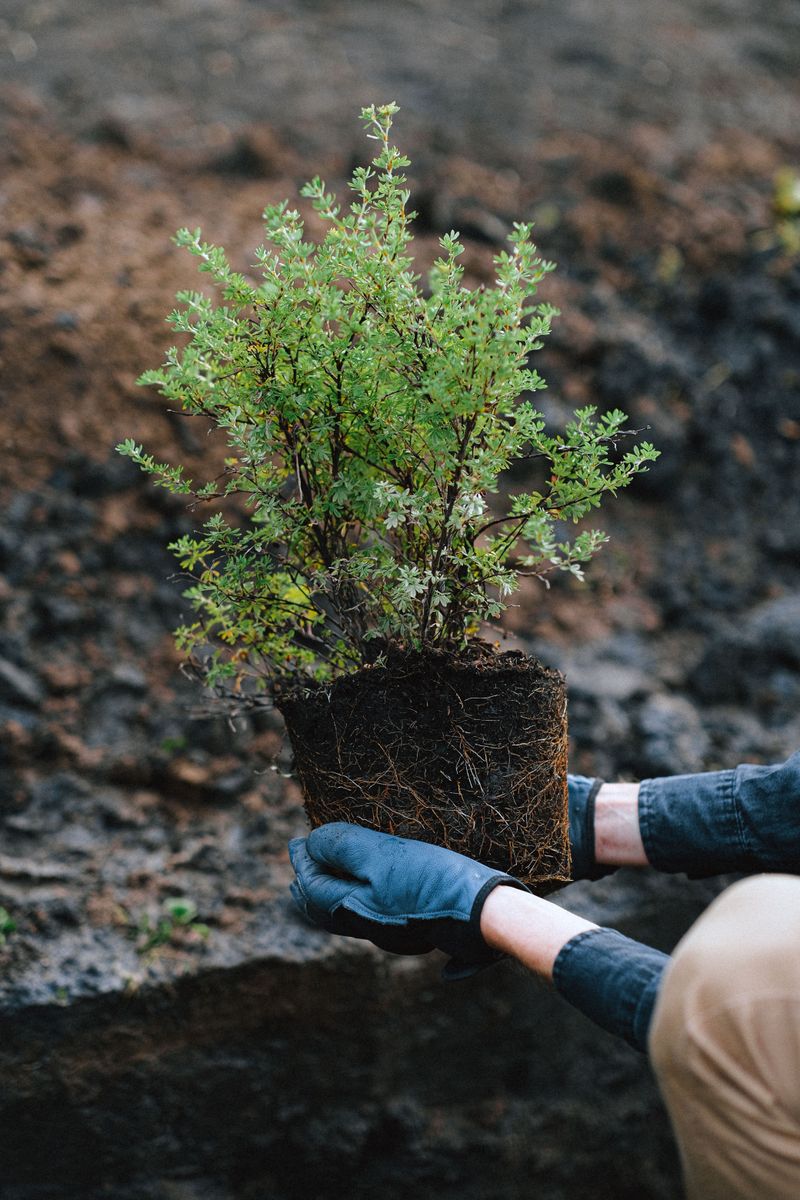
Dig the hole far wider than the root ball and leave the bottom firm. Tease apart any roots circling the ball so they reach outward.
Water deeply, mulch thick, and skip the fertilizer until spring. Frost stays on the surface while your new roots keep working below.
Your reward arrives in early spring, while spring-planted shrubs nearby are still catching up. Pick the right shrub and that head start becomes your edge.
October Planting Grows Roots For Spring Success
Ask longtime Alabama gardeners or extension guides, and you will hear much the same advice. Fall is ideal for trees, shrubs, and hardy perennials.
The idea sounds backwards at first, since spring feels like the natural season for new growth. Yet planting in October gives roots a head start that spring plantings often lack.
Above the ground, your new plant may look quiet and a little sleepy. Below the surface, roots keep spreading through soil whenever it stays warm enough.
Alabama winters are usually mild, with only short cold snaps in most of the state. That means roots get several months of steady, easy growing time.
By the time spring arrives, the plant already has a strong underground support system in place. It can focus on leaves and flowers instead of adjusting to the move.
Compare that to a shrub planted in May, right before the peak summer heat shows up. It has to grow roots and handle hot days at the same time.
Many spring plantings spend their whole first summer working to establish and needing frequent water. Fall plantings often handle that first summer with far less stress overall.
So the move that pays off months later is simple: plant now, not next spring. Your future self, sweating in July, will thank you for the extra effort.
Think of it as planting a little savings account in your yard. The interest shows up as fuller growth, brighter blooms, and fewer replacement trips to the nursery.
How Warm Soil And Cool Air Help Roots
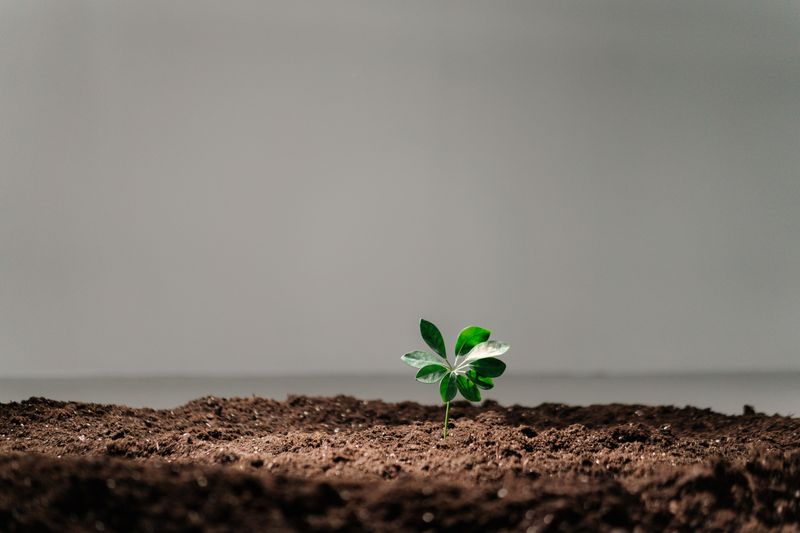
Your backyard soil has been storing summer heat since September. The soil stays warm long after the air starts feeling crisp and cool.
Soil heats up slowly over summer and gives up that heat slowly in fall. In October, Alabama soil typically stays warm enough for new roots to thrive.
Roots love that kind of warmth, and they grow quickly when soil feels comfortable. Meanwhile, cooler air slows down leaf growth, so the plant is not stretched thin.
Think of it like a student who finally gets a quiet study hall. All the plant’s energy goes underground, where it matters most for future health.
Your Alabama Garden Changes Every Week. Your Plan Should Too.
Gardening in Alabama changes quickly throughout the season. Every Friday you’ll receive a simple weekly plan showing exactly what to plant, prune, fertilize, harvest, and protect so you never miss the right timing.
Cooler weather also means less stress from evaporation and intense afternoon sun. New plants lose less water through their leaves, so they are less likely to wilt.
Rain helps, too, though October is usually Alabama’s driest month of the year. New plantings still need careful, regular checking until winter showers become more frequent.
Pests and diseases also tend to slow down as temperatures drop across the state. Fewer bugs chewing on tender leaves means a calmer start for young plants.
Spring planting works the other way around, which explains why it can be harder. Warm air pushes leaves to grow fast while the root system is still small.
That mismatch leaves plants leaf-heavy and short on roots as summer arrives. Fall planting reverses the pattern and lets roots establish well before summer.
Gardeners in Huntsville, Birmingham, and Mobile all benefit from this same soil science. The details shift a bit by region, but the basic idea holds steady.
The Best Fall Window Across Alabama
Timing matters, and Alabama is a long state with more than one personality. A gardener in Florence and one in Fairhope face different calendars.
North Alabama usually sees its first frost in late October or early November. Planting from late September through mid-November gives roots plenty of time to settle.
Central Alabama, including Birmingham and Montgomery, gets a little more breathing room. October through early December works well for most trees and shrubs.
South Alabama and the Gulf Coast enjoy the longest fall planting window of all. Many gardeners there plant comfortably from October right into January.
A soil thermometer can take out the guesswork and is an inexpensive tool at garden centers. Root growth continues while soil temperatures stay above about 40 degrees Fahrenheit.
Early in the window is usually better than late, especially for evergreens. Shrubs like hollies and camellias appreciate extra weeks to settle before cold snaps.
Check the weather forecast before you dig, and pick a cloudy, mild stretch if possible. Planting right before a gentle rain is even better for new roots.
Try to avoid planting when the ground is soggy or frozen solid. Wet clay compacts easily, limits oxygen to roots, and drains poorly after heavy rain.
Garden centers often hold fall sales, so check your local nurseries. Shopping in October can save money while giving plants the best possible start.
The Alabama Cooperative Extension System offers free planting guides and gardening resources. Checking one takes a few minutes and can help you plan your season.
The Watering Mistake That Trips Up Gardeners
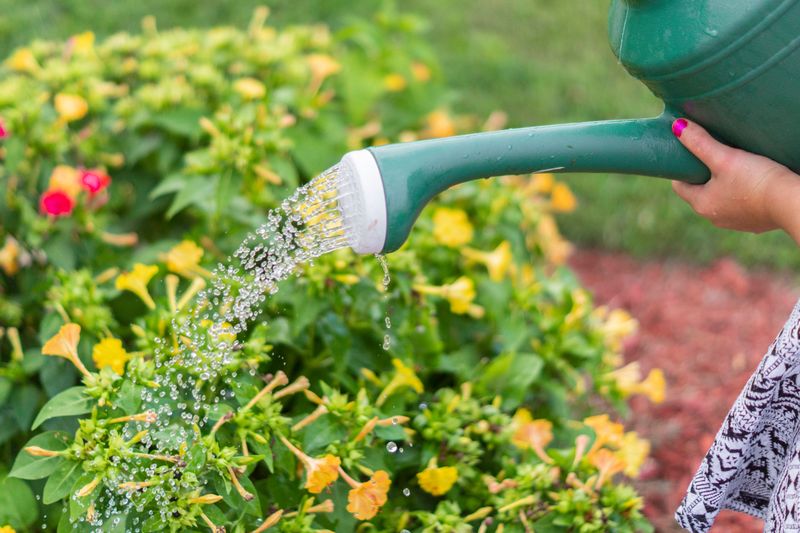
Picture this: you plant a gorgeous new azalea, then forget about it until spring. That story can end with dry, browned leaves and a very slow start.
Cool weather tricks many gardeners into thinking new plants do not need water. Fall plantings still need regular drinks until their roots spread into surrounding soil.
A newly planted shrub only has the small root ball it came with from the nursery. That root ball can dry out quickly, even when the ground nearby feels damp.
Aim for about one inch of water per week, counting any rain that falls. A simple rain gauge stuck in the yard makes tracking easy and cheap.
Stick a finger several inches into the soil near the root ball before watering. If it feels dry, give the plant a slow, deep soak.
The opposite mistake causes trouble, too, especially in Alabama’s clay-heavy, slow-draining soils. Too much water fills the air pockets that roots need to breathe.
Soggy roots can rot, and yellowing leaves are often the first warning sign. Good drainage and patience help you find a healthy middle ground.
Keep watering through winter during dry spells, particularly before a freeze. Moist soil holds heat better than dry soil, which helps protect tender roots.
Most new trees and shrubs need careful watering for their first full year. Larger trees may need attention for two or three years before they fend for themselves.
Setting a phone reminder sounds silly, but it works surprisingly well. Your plant cannot ask for a drink, so a little nudge goes a long way.
Mulch And Winter Care That Protect New Roots
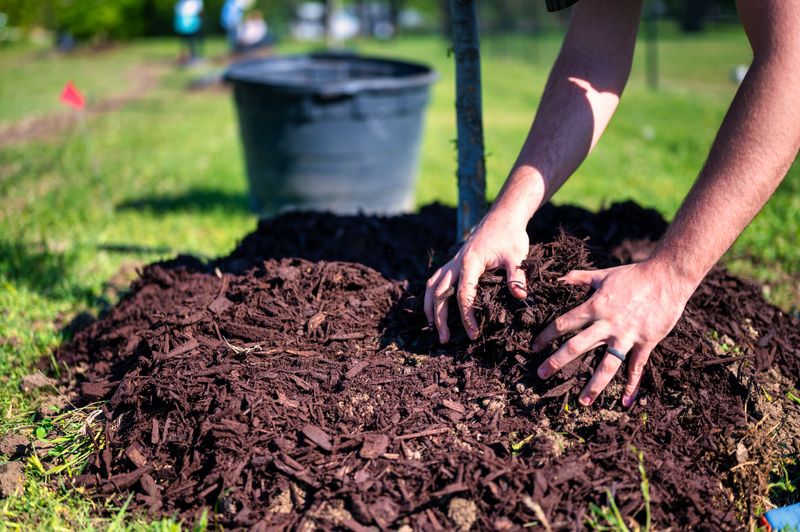
A good layer of mulch works like a fuzzy blanket tucked around a sleeping plant. It keeps soil temperatures steady when Alabama weather swings from mild to frosty overnight.
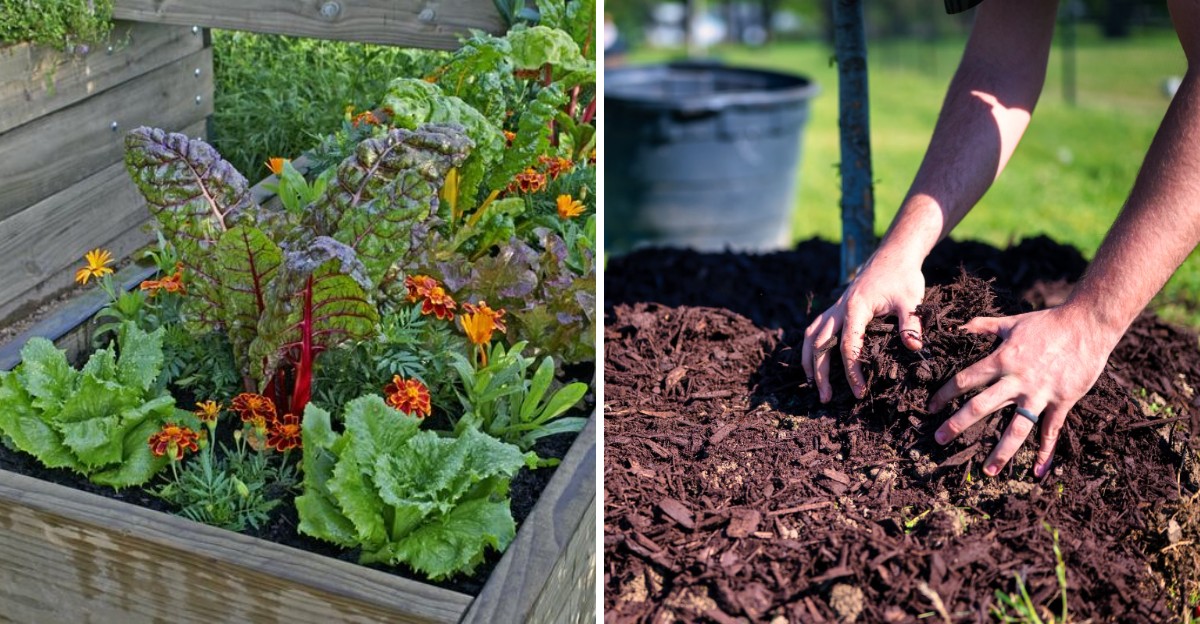
Spread two to three inches of pine straw, shredded bark, or chopped leaves around new plantings. Pine straw is a Southern favorite because it is cheap, pretty, and easy to find.
Keep mulch a few inches away from trunks and stems, though. Piling it up against bark invites rot, bugs, and hungry rodents looking for winter shelter.
Mulch also holds in moisture, which means less watering during dry winter weeks. As it breaks down, it feeds the soil and improves crumbly Alabama clay over time.
Skip heavy fertilizer in fall, even though it seems like a helpful gift. Feeding now can push tender new leaves that freeze during the first cold snap.
Wait until spring, when plants begin pushing fresh growth, to add fertilizer. A soil test from your local extension office shows which nutrients your yard may need.
Young trees in windy spots may need a stake for their first winter. Remove the support after a year so the trunk learns to stand strong alone.
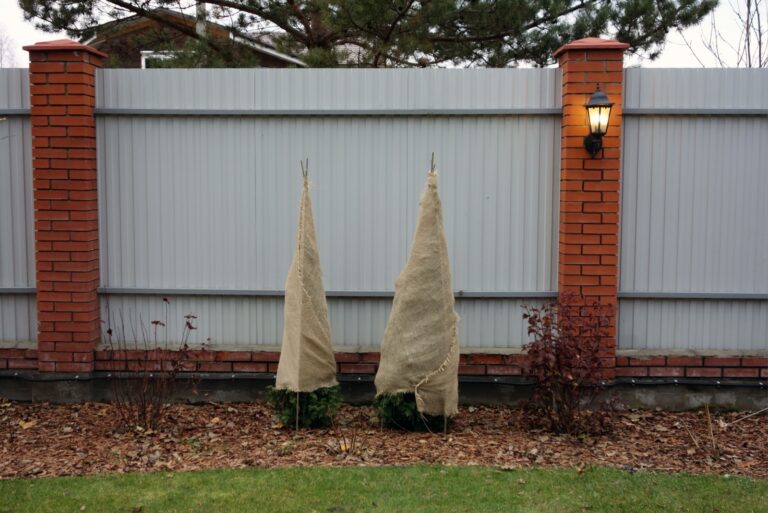
Keep an old bedsheet handy for surprise freezes that hit tender plants. Drape it over them at night and remove it the next morning once temperatures climb.
Avoid plastic touching the leaves, since it transfers cold and can do more harm than good. These small habits take minutes but protect weeks of hidden root growth.
A Spring Payoff Worth The Wait
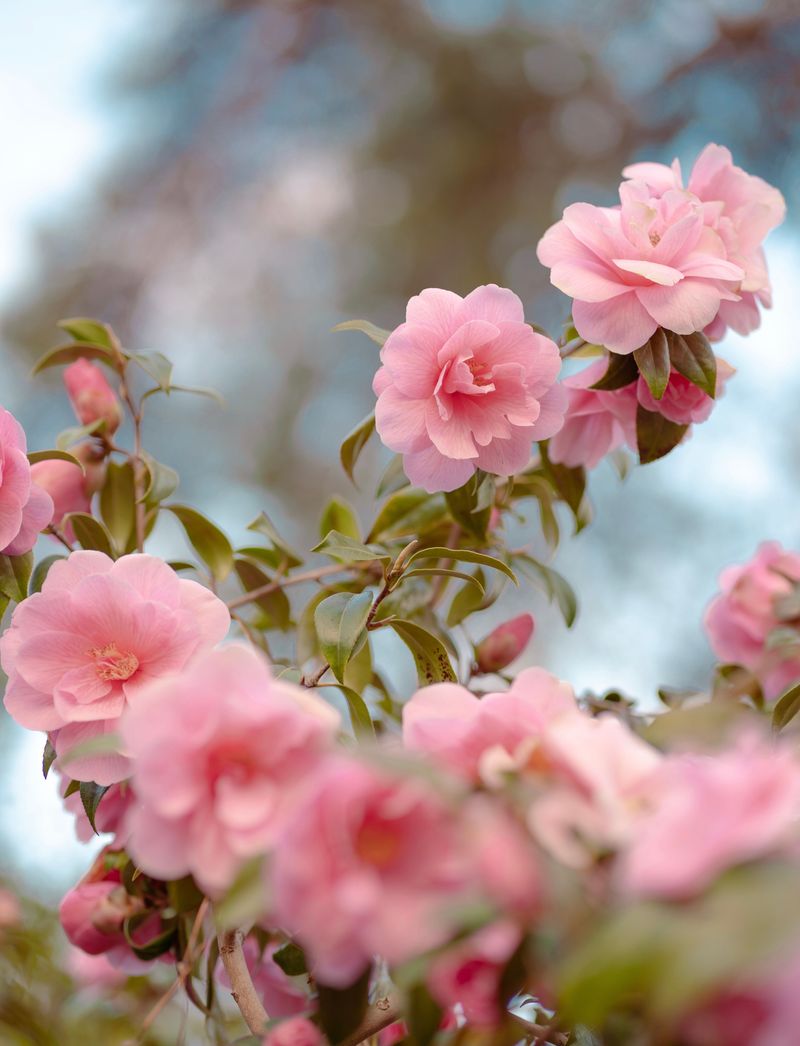
Many Southern gardeners plant camellias each fall, and their yards bloom from late winter into spring. Gardeners like to say the best gardening happens where nobody can see it.
Come March and April, fall plantings show off what all that underground work accomplished. Leaves unfold thicker, branches fill out, and growth looks noticeably steadier.
Spring-planted shrubs nearby may look smaller and more fragile by comparison. They are still busy building roots while fall plantings are busy growing.
The real test comes in July, when Alabama heat and humidity feel like a steam room. Established roots reach deeper moisture, so fall plantings handle dry spells with more grace.
You will likely spend less time dragging the hose around on hot afternoons. That alone feels like a reward when the thermometer hits ninety-five.
Fewer plants need replacing, which means fewer trips and less money spent at the garden center. A healthy start also helps plants resist pests and diseases later on.
Pollinators benefit, too, especially when healthy native perennials fill in and bloom well. Bees and butterflies find more to eat, and your garden hums with life.
Over several years, those small October efforts add up to a mature, thriving landscape. Trees planted this fall could be shading your porch within a decade.
Snap a photo of each new planting today, then take another next June. Seeing the side-by-side difference makes the waiting feel well worth it.
So grab a shovel while the weather feels friendly and the soil stays warm. Next spring, your yard will do the bragging for you.