12 Plants That Hold California Slopes Before El Niño Rains
Last winter I watched a muddy river of soil slide off a bare hillside, and my stomach dropped. Your slope could look fine right now in October, yet one big storm can change that fast.
Forecasters keep talking about El Niño, but nobody can promise exactly how wet this California winter will be. I believe preparing early beats scrambling with sandbags and tarps at midnight during a pounding rainstorm.
Bare dirt is the real troublemaker here, and loose soil washes away fast under heavy rain. Living roots act like underground netting, and they hold the ground together far better than any mulch.
Early fall is a sweet spot for planting in California, and cooler days help young roots settle in. The twelve picks below look lovely on a hillside and ask for surprisingly little water after they settle.
1. Twin Peaks Coyote Brush
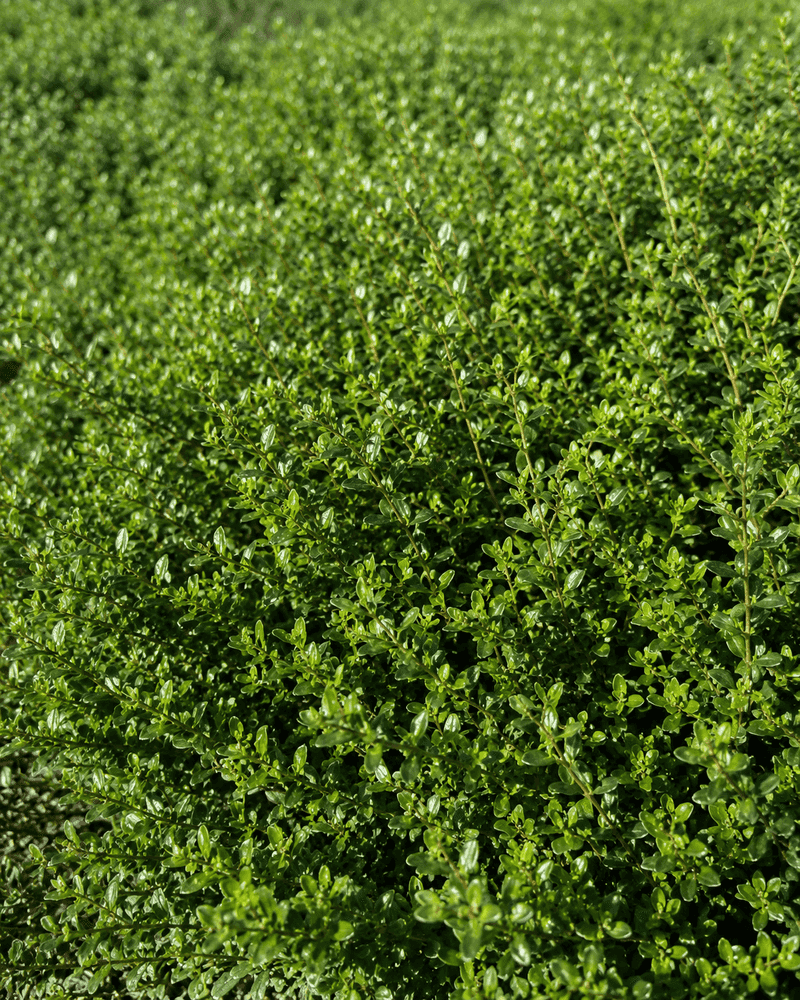
Few shrubs stay this low and still blanket a steep slope like a thick green carpet across the hillside. Twin Peaks is a male selection of coyote brush, so it skips the fluffy white seed mess of wild plants.
Each plant grows roughly two feet tall and can stretch about eight feet wide over just a few seasons. Small, toothed leaves stay dark green all year, and the dense branches shield bare soil from pounding winter raindrops.
Full sun suits it best, though it handles some afternoon shade in hotter inland gardens without much fuss at all. Once roots settle in, the shrub needs only occasional deep watering during the long dry stretches of each year.
Deer usually pass it by, which makes it a smart pick for hillside gardens near open wild land and canyons. Space plants about six feet apart on a slope, and they should knit together into one steady mat over time.
October planting gives roots a real head start, because the first fall storms soak them before winter fully arrives. Add a light mulch around each young plant, then let the cooler weather and rain do most of the heavy lifting.
2. Yankee Point California Lilac
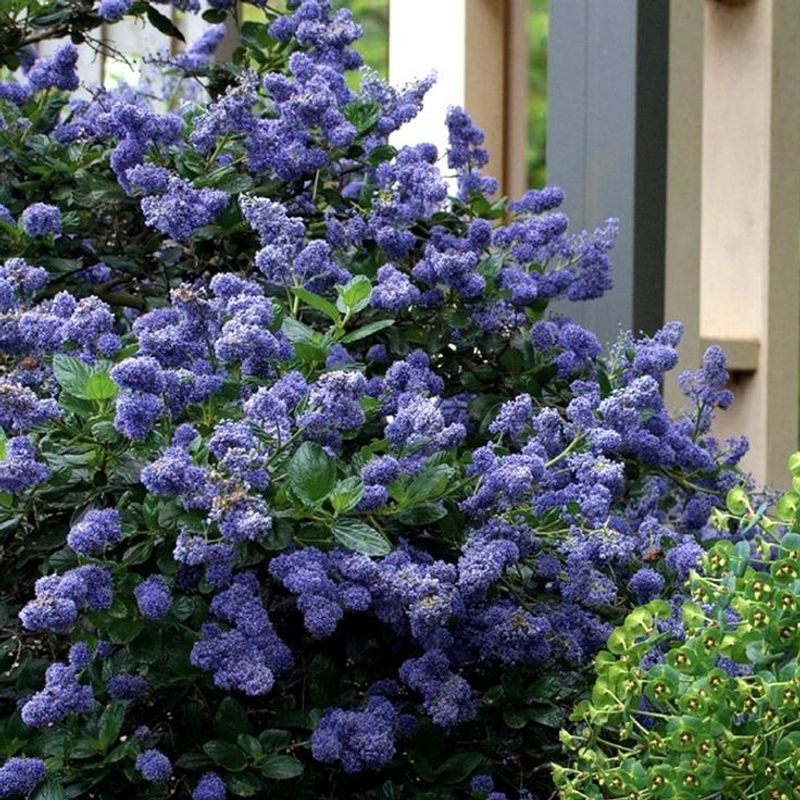
Blue clouds of tiny flowers cover this ceanothus in late winter, and bees crowd the blooms on sunny afternoons. Yankee Point is a fast grower, and I love how quickly it turns a bare bank into solid green.
Plants usually reach two to three feet tall, yet they can sprawl as wide as twelve feet across in time. Glossy, dark leaves overlap like shingles on a roof, which helps break the force of heavy falling rain.
Coastal gardens suit it beautifully, while hot inland spots call for some afternoon shade to keep the leaves happy. Fast drainage matters a lot here, because soggy clay around the roots can cause serious trouble for ceanothus.
Skip summer watering once it settles in, since extra water in warm soil often shortens its life span. Many ceanothus plants live around a decade, so treat it as a speedy helper while slower shrubs grow up nearby.
Your California Garden Changes Every Week. Your Plan Should Too.
Gardening in California changes quickly throughout the season. Every Friday you’ll receive a simple weekly plan showing exactly what to plant, prune, fertilize, harvest, and protect so you never miss the right timing.
Planting in early fall lets roots spread into moist soil before the biggest storms of the season roll in. Pair it with manzanita or sage, and you get fast coverage now plus long-lasting roots for later years.
3. John Dourley Manzanita
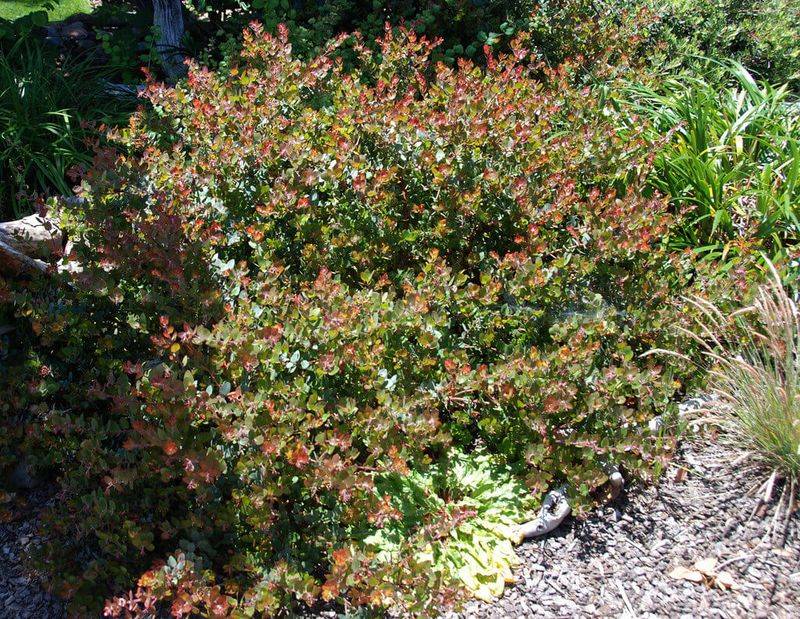
New leaves on this manzanita glow coppery red, like tiny flames flickering across a low green mound each spring. John Dourley is one of the friendliest manzanitas for home slopes, and it forgives more than most relatives do.
Expect a mounding shrub about three feet tall that can spread to roughly ten feet wide with patience. Growth is slow at first, so I suggest planting a few extra and filling gaps with mulch meanwhile.
Pink and white flowers shaped like little lanterns dangle in winter, offering early food for hummingbirds and native bees. Small reddish berries follow the blooms, and the name manzanita fittingly means little apple in Spanish.
Full sun or light shade works fine, and the plant handles soils that drain fairly well without heavy amendment. Water deeply but rarely once it settles, because frequent summer sprinkling often invites root rot in these shrubs.
Fall is the classic manzanita planting season, and October timing lets roots stretch into rain-softened ground before winter. Its dense mat also helps block weeds, which means less time on your knees pulling invaders off steep banks.
4. California Sagebrush
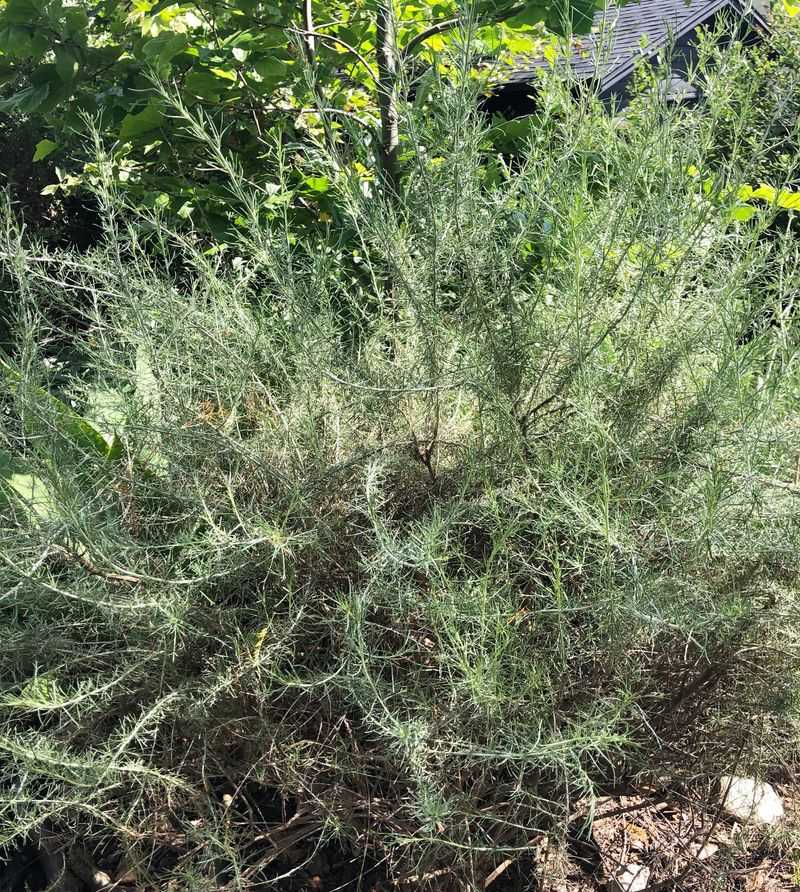
Brush your hand across this shrub and you will smell why some folks nickname it cowboy cologne. Soft, silvery threads of foliage release a sharp, clean scent that hangs in the air for quite a while.
Coastal sage scrub, a classic native plant community, leans heavily on this shrub across many sunny coastal hillsides. Plants typically grow two to five feet tall, and their fibrous roots grip loose, sandy soil quite well.
Full sun and fast-draining soil keep it healthiest, and poor soil suits it better than rich garden beds. Summer water is rarely needed, and too much irrigation tends to make the shrub floppy and surprisingly short-lived in gardens.
During long dry spells it may drop some leaves and look scruffy, which is a natural way to save water. Fresh growth returns once cooler weather and rain arrive, so October is often when it starts perking up.
Young plants set out now should get a few deep soakings every couple of weeks until winter rain becomes steady. Avoid planting it right against your house, since its aromatic oils make it burn readily during wildfire season each year.
5. Toyon
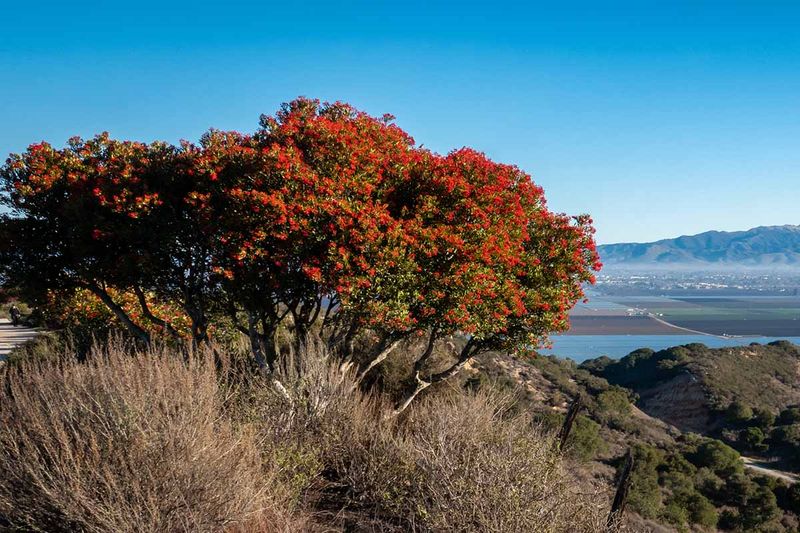
Hollywood reportedly owes its name to this shrub, since early settlers called it California holly for its berries. Los Angeles even named toyon its official native plant in 2012, a fun bit of trivia for garden visitors.
Toyon grows into a dense evergreen shrub six to ten feet tall, and some reach small-tree size eventually. Deep roots anchor steep ground well, which makes it a strong backbone plant for the upper part of slopes.
Leathery leaves with saw-toothed edges stay glossy all year, and they shrug off heat with surprising grace. Clusters of white flowers open in early summer, then bright red berries ripen just in time for winter.
Robins and cedar waxwings flock to those berries, so your slope can double as a winter bird cafe. Sun or part shade both work, and the shrub tolerates heavy clay as well as rocky serpentine soils.
Give young plants a deep drink every few weeks until steady rain arrives, then let nature handle the watering. Planting toyon this October means sturdier roots by spring, plus a head start on those festive red clusters.
6. Deergrass
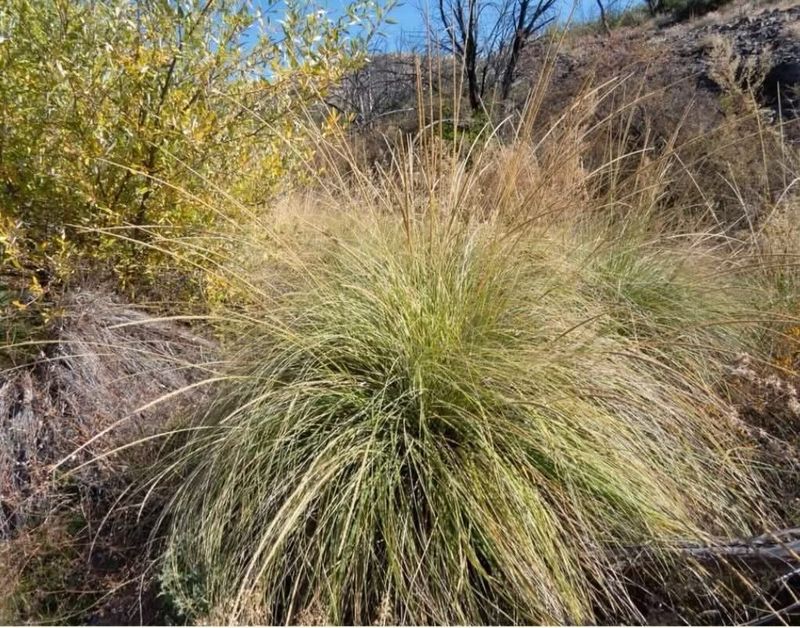
Native basket weavers have gathered the slender flower stalks of deergrass for generations, prizing their strength and length. In a garden, those same tall spikes sway in the breeze like a fountain frozen mid-splash on the hillside.
Each clump grows three to five feet tall and wide, forming a thick tuft that rarely needs much care. Underneath, a mass of fibrous roots grips soil tightly, and planted in groups the clumps slow rushing runoff.
Space plants a few feet apart in staggered rows, so water hitting one clump meets another just downhill. Full sun brings the best plumes, though the grass manages some light shade in hotter inland valleys too.
Silvery flower spikes appear from late summer into fall, so October visitors often catch them at their peak. Fresh plantings handle many soil types, yet good drainage keeps the crown from sitting in soggy ground.
Once established, deergrass is very drought tolerant and asks for only occasional deep water in the hottest months. Cut old foliage back every few years in late winter, and fresh green blades will spring up from the base.
7. Purple Needlegrass
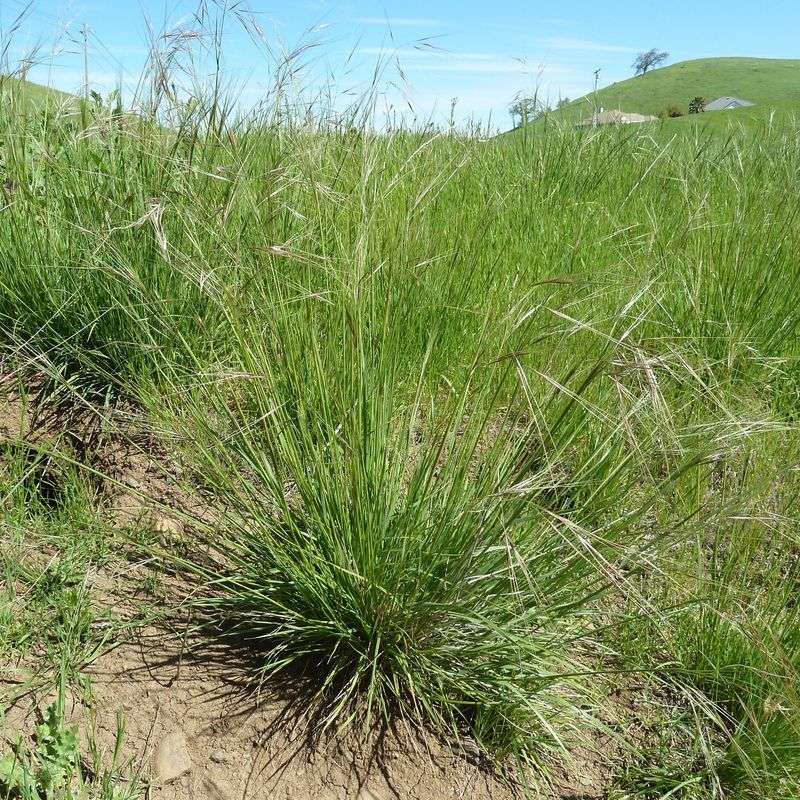
Purple needlegrass became the official state grass in 2004, and some clumps are thought to live for many decades. Its feathery seed heads glow purple in spring, then fade to a soft silvery tan as summer heat builds.
Each bunchgrass usually grows one to three feet tall, but its real power hides well below the surface. Roots can reach remarkable depths, according to native plant groups, which helps lock hillside soil firmly in place.
Being a cool-season grass, it wakes up with the first fall rains and grows actively through the winter months. That timing makes October planting ideal, because young roots can expand right when storms are most likely.
Full sun or partial shade both work, and clay or serpentine soils rarely slow this tough grass down. After setting seed, the clumps go dormant and turn straw colored, which is perfectly normal summer behavior.
Avoid watering heavily in summer, because extra moisture invites weeds that crowd out the slower native clumps. Mix it with wildflowers like lupine or poppies, and your slope can become a tiny piece of restored grassland.
8. California Fuchsia
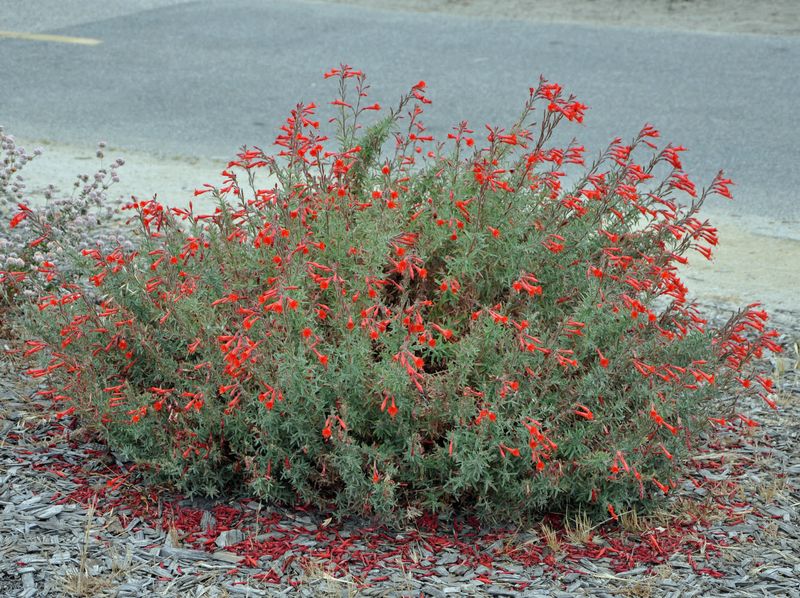
Hummingbirds treat this plant like a roadside diner, zipping in for nectar right when most gardens look tired. Bright scarlet trumpets are blooming now in early fall, which makes October a thrilling time to shop for it.
Plants grow one to three feet tall and spread underground by rhizomes, filling gaps between larger slope shrubs. Fuzzy gray-green leaves feel soft to the touch, and they reflect harsh sunlight on hot afternoon slopes.
Lean, gritty soil with quick drainage keeps it compact, while rich soil tends to make it floppy and sprawling. Full sun brings the most flowers, and established plants handle drought well with only occasional summer water.
Runners can wander farther than you expect, so give it room or edge it with rocks to guide the spread. Deer usually leave it alone, which I count as a big win for hillside gardeners near wild areas.
Once flowering slows in late fall or winter, cut stems down close to the ground to encourage tidy new growth. Fresh shoots return as the days warm, and the whole cycle of color starts over again the following year.
9. Theodore Payne Buckwheat
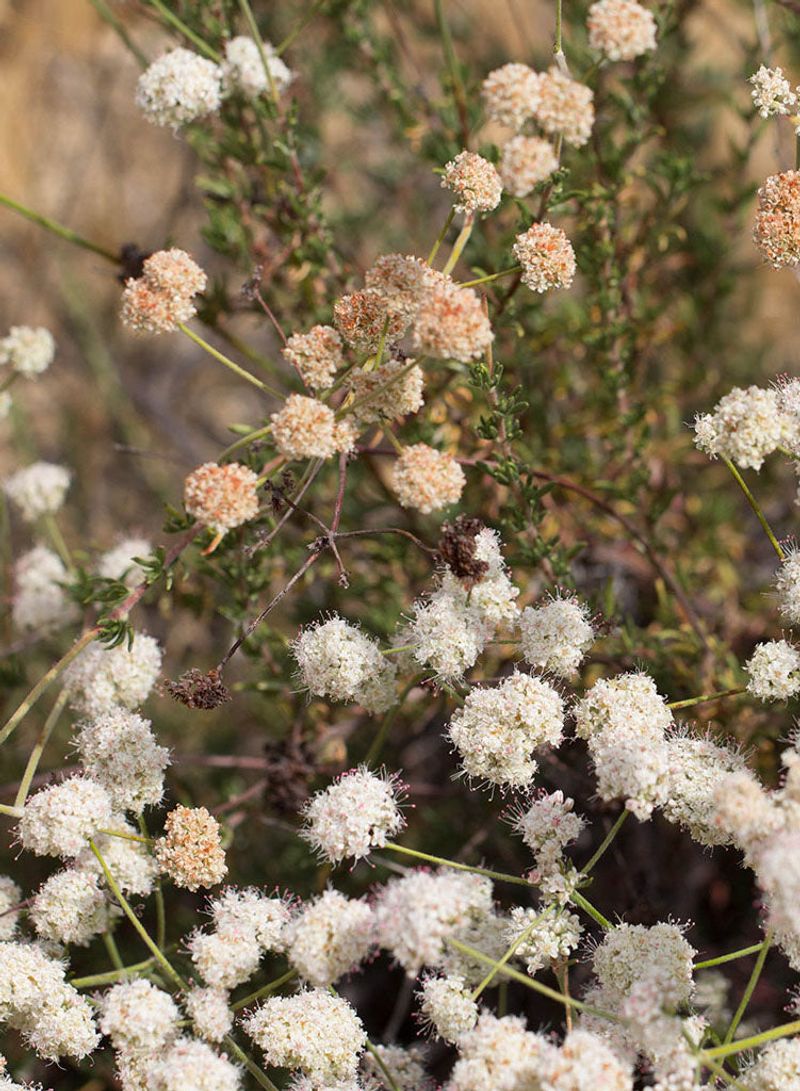
Theodore Payne was an English-born nurseryman who spent decades championing native plants, and this buckwheat carries his name proudly. Compared with wild forms, this selection stays low and spreading, which makes it ideal for covering open banks.
Expect a dense mat about a foot or two tall, sprawling several feet wide with tiny, needle-like leaves. Leaves are green above and woolly white beneath, a clever trick that helps the plant hold onto moisture.
Pale pink and white flower clusters cover the plant in warm months, and bees and butterflies swarm them eagerly. By fall the blooms dry to a rusty brown, and I think that warm color looks wonderful in October sunshine.
Full sun and well-drained soil keep it thriving, and little or no summer water is needed after the first year. Overwatering is the main way gardeners get into trouble, so let nature handle most of the irrigation.
Plant a few together on a gentle slope, and their spreading branches soften the impact of falling rain. Leave the dry flower heads standing until late winter, since small birds enjoy picking seeds from them.
10. Evergreen Currant
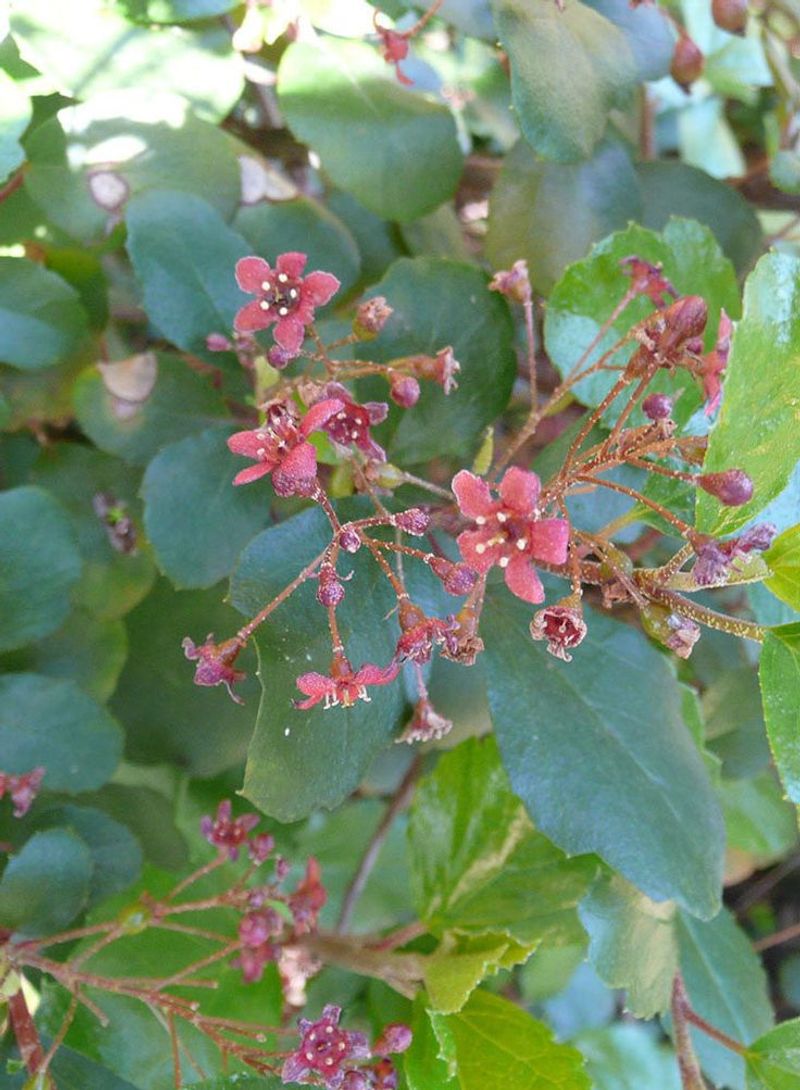
Shady slopes under oaks often stump gardeners, yet this low currant happily rambles where sun-loving plants struggle. Native to Santa Catalina Island and northern Baja, it brings an island charm to dim corners of the yard.
Arching reddish stems spread outward and can root wherever they touch moist ground, building a wider mat over time. Plants usually stay two to three feet tall while stretching several feet across, perfect for knitting shaded soil together.
Crush a glossy leaf and sniff, and you will catch a spicy, fruity scent drifting up from the foliage. Small pinkish to maroon flowers appear in late winter and spring, sometimes followed by little red berries.
Part shade to full shade works best, and the plant handles the dry summer conditions beneath native oaks nicely. That matters a lot, because oaks dislike regular summer water near their trunks, and this currant needs very little.
Set young plants out in October, then water them deeply until winter rain takes over the job for you. A thick layer of fallen oak leaves makes a fine natural mulch, so resist the urge to rake underneath.
11. Canyon Prince Wild Rye
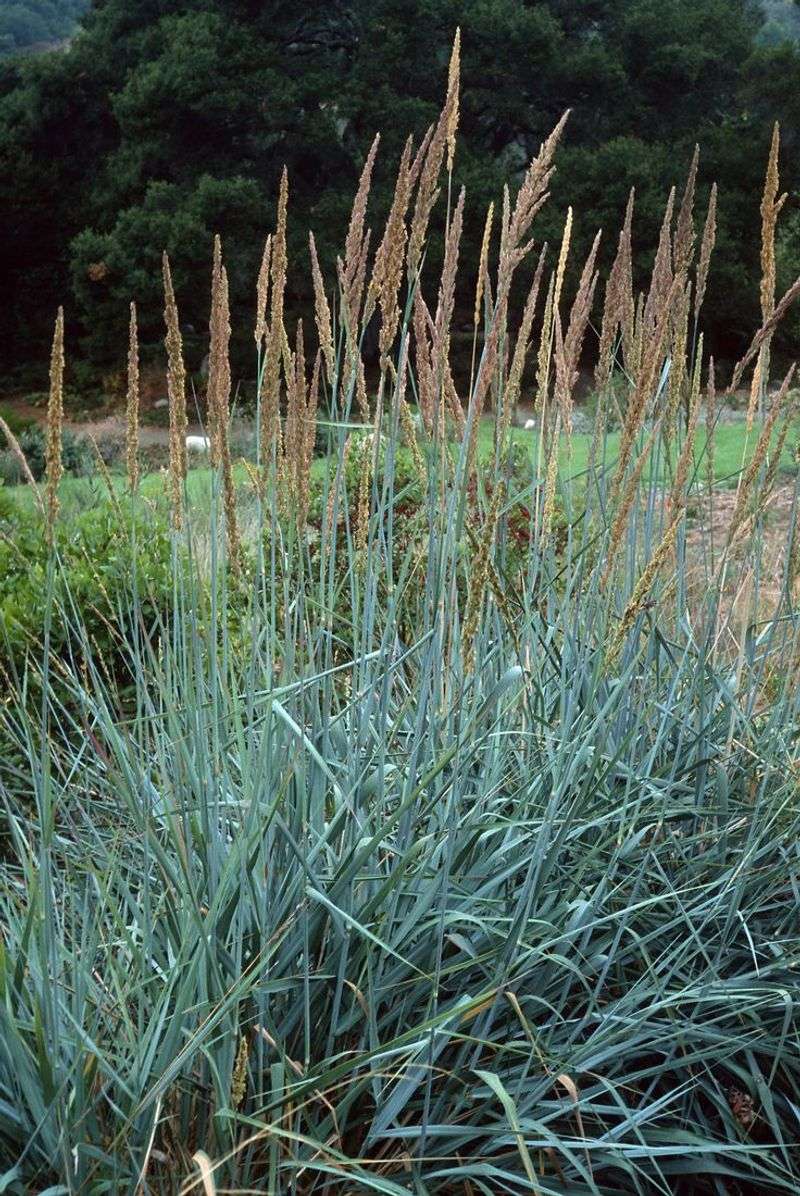
Silvery blue blades make this grass look frosted, even on a warm October afternoon when everything else looks dusty. Canyon Prince was discovered on tiny Prince Island in the Channel Islands, then introduced to gardeners by native nurseries.
Plants grow about two to three feet tall and slowly spread by underground rhizomes into wide, sturdy colonies. Those creeping roots weave through loose soil like stitches in a quilt, which helps hold steep banks in place.
Full sun brings the bluest color, though some light afternoon shade works fine in hot inland gardens too. Drainage helps, yet this rye tolerates clay as well as salty or alkaline soils better than most grasses.
Tall flower spikes rise above the leaves in summer, then mature to light brown for a soft, wheat-like look. Some gardeners trim the spikes off to keep the focus on that stunning blue foliage, which I find hard to argue with.
Planting in early fall gives rhizomes time to spread before heavy rain, and established clumps need little summer water. Shear tired foliage in late winter if it looks shabby, and bright new blades will push up quickly.
12. Common Yarrow
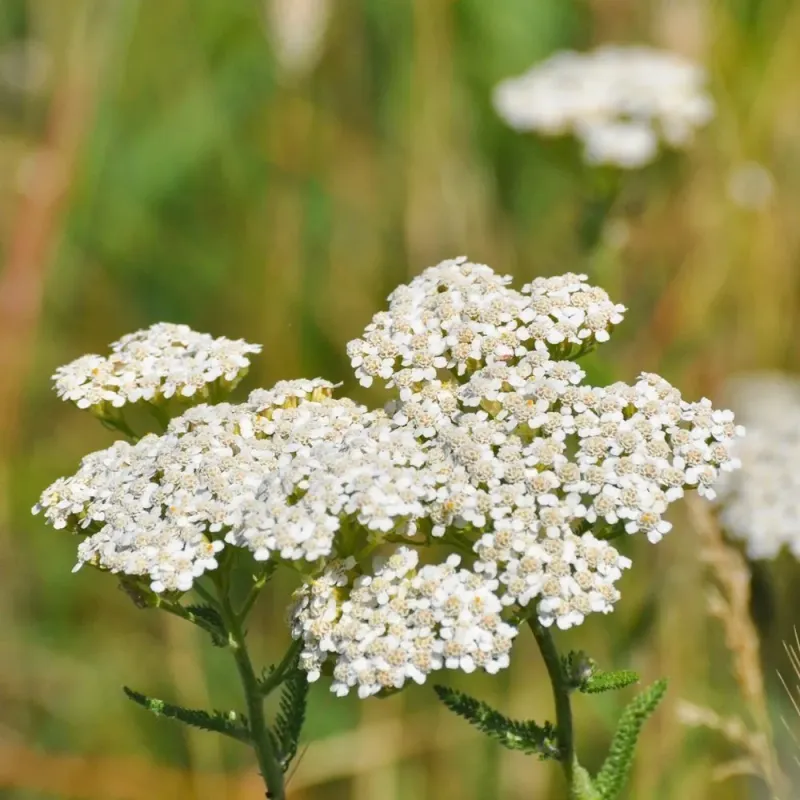
Thousand-leaf is the literal meaning of millefolium, and one glance at the feathery foliage shows how it earned that name. Common yarrow is native across much of North America, including many hillsides and meadows here in the West.
Plants spread steadily by underground rhizomes, forming a soft mat that grips the top layer of soil. Low clumps reach a few inches when mowed, while flowering stems can rise one to three feet tall.
Flat clusters of tiny white flowers bloom in late spring and summer, drawing butterflies and helpful native bees. Some gardeners mow it a few times a year, turning it into a tough, lawn-like cover for gentle slopes.
Full sun and lean, well-drained soil suit it best, and drought rarely bothers established patches of yarrow. Rich soil and heavy watering make stems flop over, so resist the temptation to pamper this easygoing plant.
Seeds or plugs set out in October can root deeply before winter, ready to protect soil when storms hit. I like tucking yarrow between bigger shrubs on a slope, where it fills bare gaps that rain would otherwise erode.