Why Your California Peach Tree Blooms But Never Produces Fruit
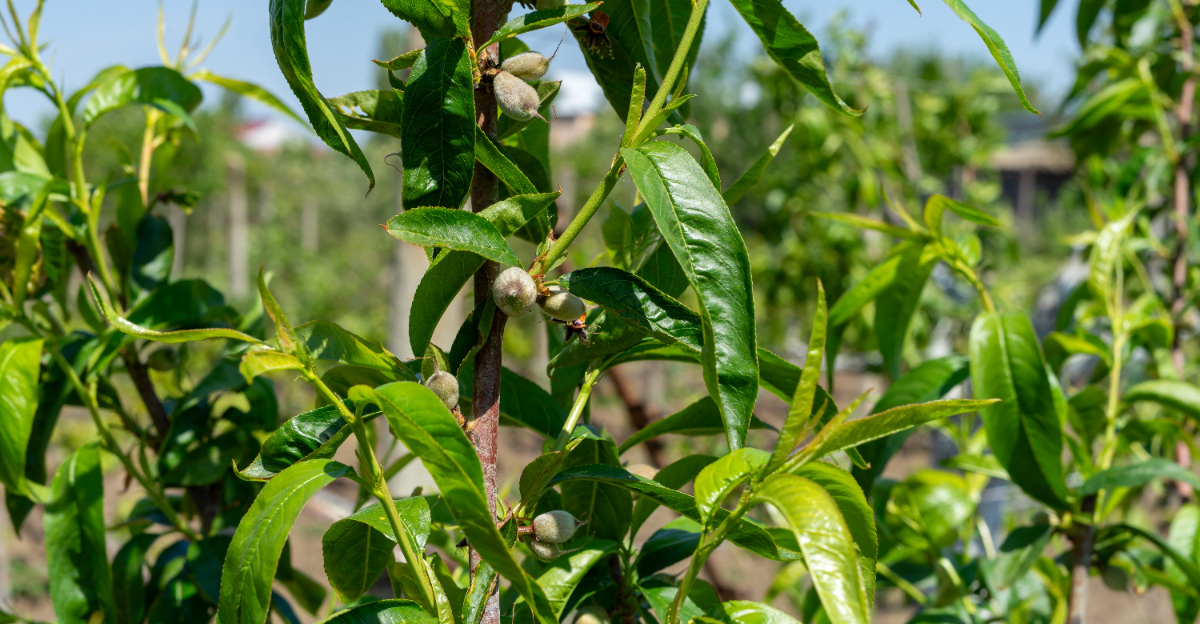
A peach tree covered in blossoms is one of the most promising sights in a California garden. All that pink flowering, all that potential, and then nothing.
The blooms drop, the weeks pass, and you end up with a tree full of leaves and zero fruit. It happens more often than most people realize, and the frustration of watching it unfold after months of anticipation is very real.
The infuriating part is that a tree that blooms looks healthy. It’s doing something right.
So why isn’t it finishing the job? The answer almost always comes down to one of a handful of specific and very fixable reasons.
Chill hours, pollination problems, frost timing, thinning habits, and a few other factors that don’t get nearly enough attention until something goes wrong.
Understanding what’s actually standing between your peach tree and a real harvest is the first step toward making sure next season looks a lot more like what you had in mind.
1. Not Enough Chill
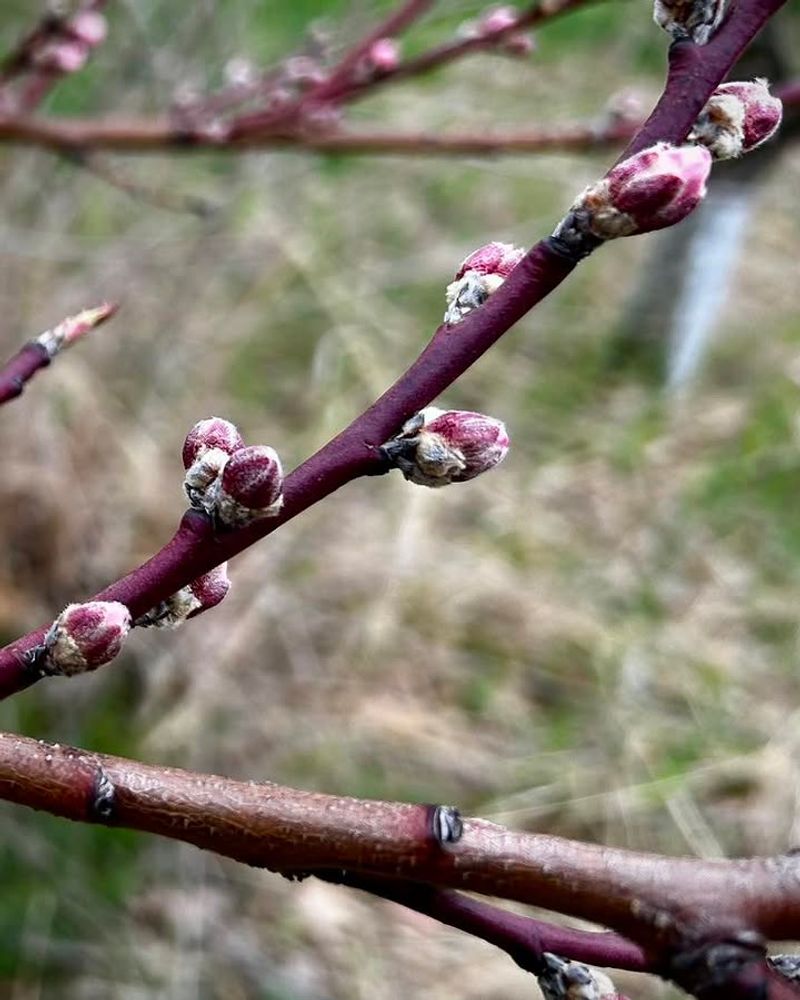
Here is something most people never think about: peach trees actually need cold weather to produce fruit. It sounds strange, but it is true.
Every winter, peach trees require a certain number of “chill hours,” which are hours when the temperature stays between 32 and 45 degrees Fahrenheit.
In California, especially in Southern California and low-elevation areas, winters can be too mild to give your tree what it needs. Without enough chill hours, the tree gets confused.
It may bloom on schedule, but the fruit never develops properly because the tree was never fully dormant in the first place.
Most standard peach varieties need between 700 and 1,000 chill hours each winter. Coastal and inland valley areas in California often fall short of that number.
This is one of the most common reasons California gardeners see flowers but no fruit.
Check your local chill hour average before planting or troubleshooting. You can find this information through the UC Cooperative Extension office in your county.
Knowing your local chill hours is honestly the most important piece of information a California peach grower can have.
2. Frost Hit The Blooms
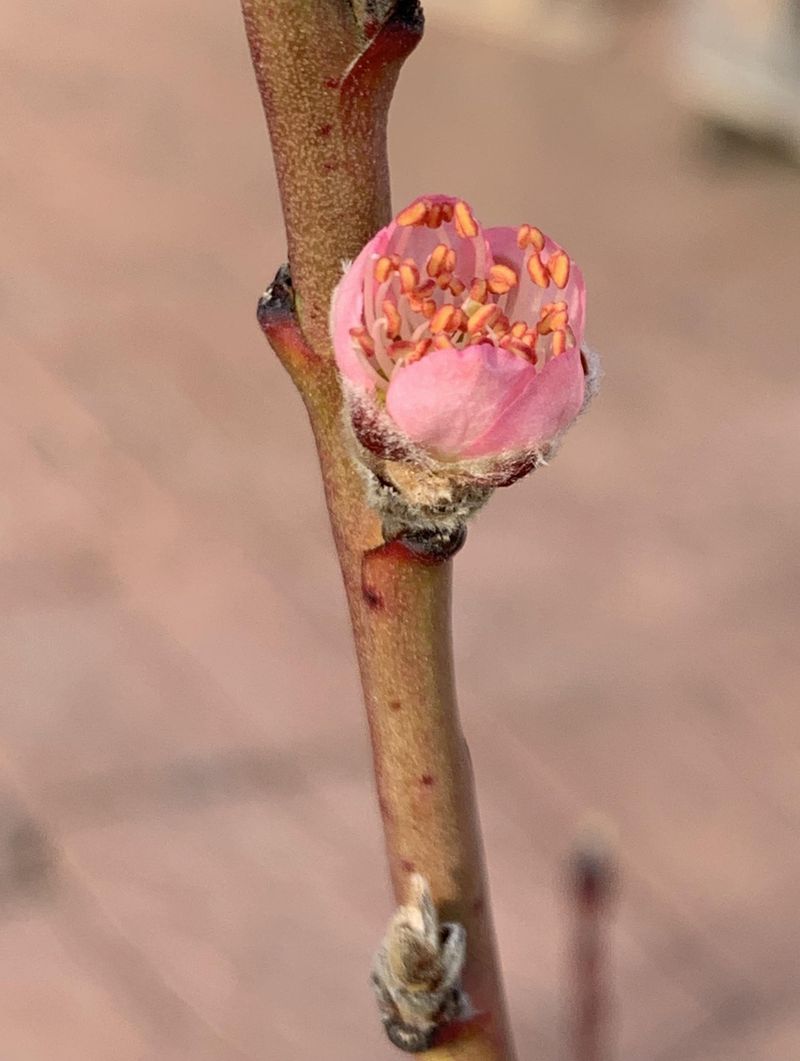
Peach trees in California tend to bloom early, sometimes as early as February. That timing can be a real problem.
Late-season frost events, which still happen regularly in the Central Valley and foothill regions, can wipe out an entire year of fruit in just one cold night.
When frost hits open blooms, it damages the delicate reproductive parts inside the flower. The petals may look fine at first glance, but the center of the flower turns brown and mushy.
Once that happens, no fruit will form from those blooms, no matter how well you care for the tree afterward.
You can protect your tree by covering it with frost cloth or old bedsheets on nights when temperatures are expected to drop below 28 degrees Fahrenheit. String lights placed under the cover can also add just enough warmth to make a difference.
Acting fast is key.
Pay close attention to weather forecasts during bloom season. California weather can shift quickly, and a single unexpected frost can cost you the whole harvest.
Your California Garden Changes Every Week. Your Plan Should Too.
Gardening in California changes quickly throughout the season. Every Friday you’ll receive a simple weekly plan showing exactly what to plant, prune, fertilize, harvest, and protect so you never miss the right timing.
A little preparation goes a long way toward protecting those precious early blossoms.
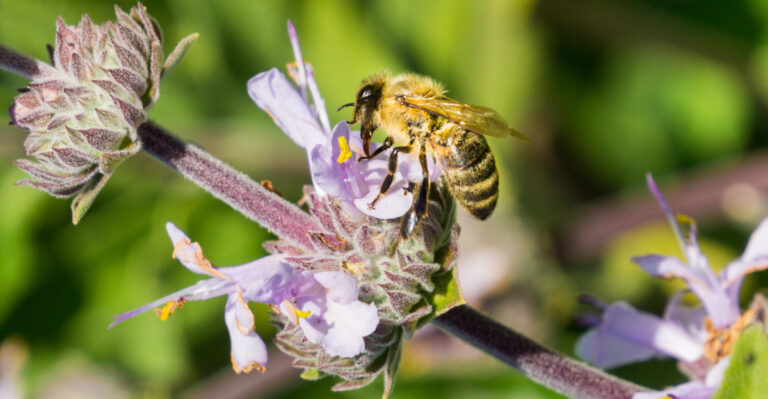
3. Bees Missed The Flowers
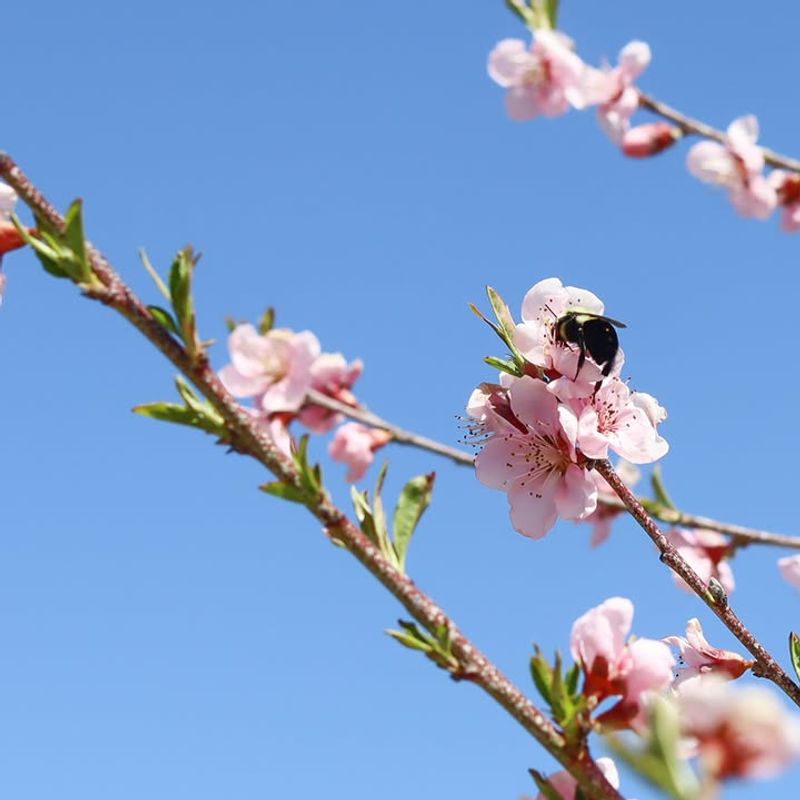
Peach trees need pollinators to set fruit. Without bees visiting the flowers and moving pollen around, the blossoms simply fall off without producing anything.
It is a quiet problem that many gardeners overlook entirely.
California has seen a significant decline in wild bee populations over the years, and urban and suburban gardens are feeling that impact. If your yard lacks flowering plants that attract bees, or if you or a neighbor recently used pesticides, bee activity around your peach tree could be very low during bloom time.
You can hand-pollinate your tree using a small, soft paintbrush. Just dab it gently inside each open flower to transfer pollen from bloom to bloom.
It takes some patience, but it genuinely works and can save your harvest when bee activity is low.
Planting bee-friendly flowers nearby, like lavender, borage, or California poppies, can help attract more pollinators to your yard. Avoid spraying any pesticides while your tree is in bloom.
Even products labeled as safe can harm bees if applied during active flowering. Give your pollinators every advantage you can.
4. Too Much Nitrogen
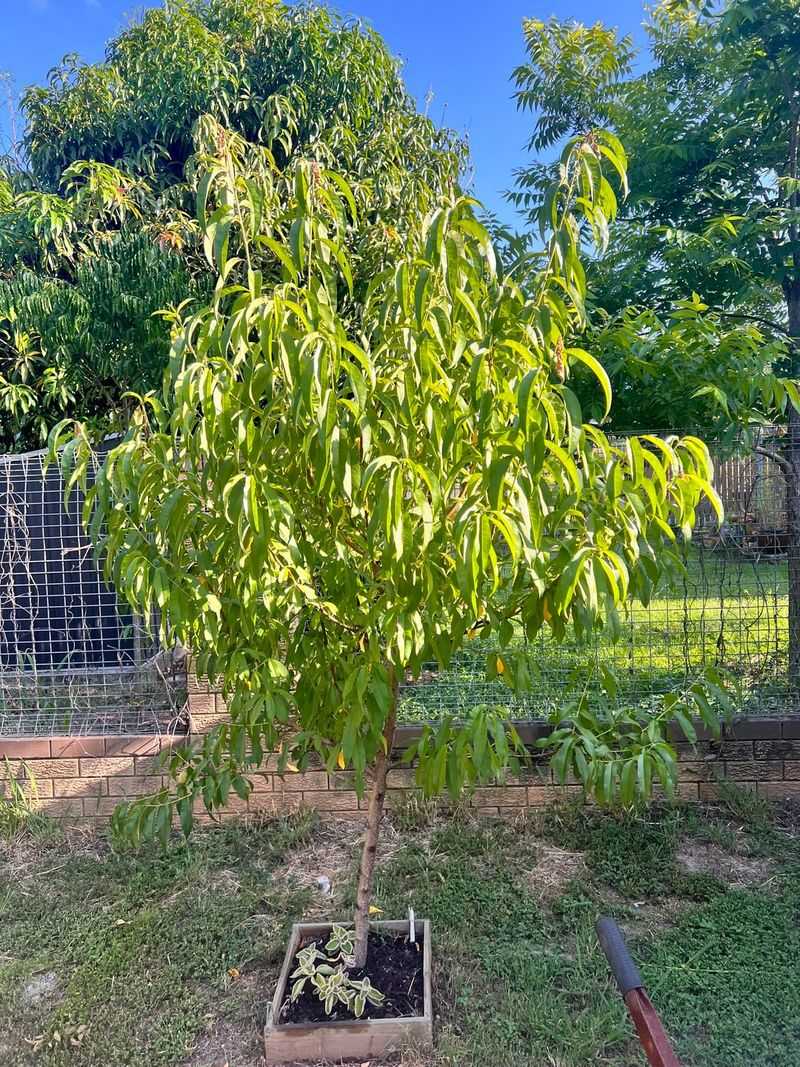
Walk up to a peach tree covered in thick, dark green leaves but zero fruit, and there is a good chance nitrogen is the culprit. Nitrogen is the nutrient most responsible for leafy, green growth.
When a tree gets too much of it, all its energy goes into growing leaves and branches instead of producing fruit.
Many California gardeners fertilize their fruit trees generously with general-purpose fertilizers, not realizing those products are often high in nitrogen.
Using a lawn fertilizer near your peach tree or over-applying compost can have the same effect.
The tree looks incredibly healthy on the outside but is essentially stuck in a permanent growth mode.
Peach trees need a more balanced approach to feeding. In most California soils, a light application of a low-nitrogen fertilizer in early spring is usually all that is needed.
Getting a basic soil test first can tell you exactly what your soil already has.
Pull back on the fertilizer and see what happens the following season. Sometimes the fix is simply doing less.
Letting your tree focus its energy on fruiting rather than growing is one of the easiest adjustments a California gardener can make.
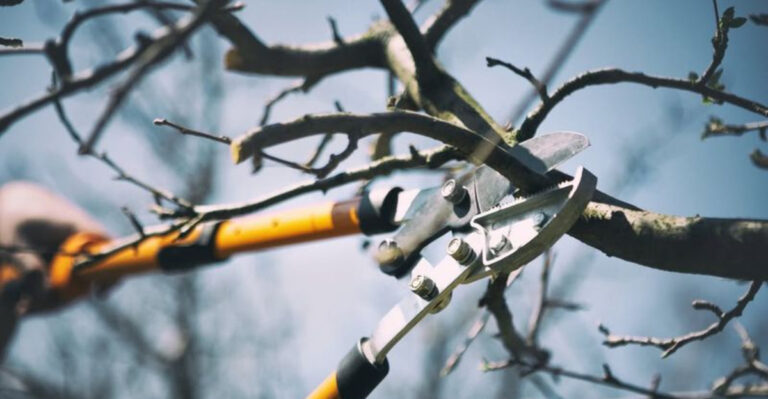
5. Pruned At The Wrong Time
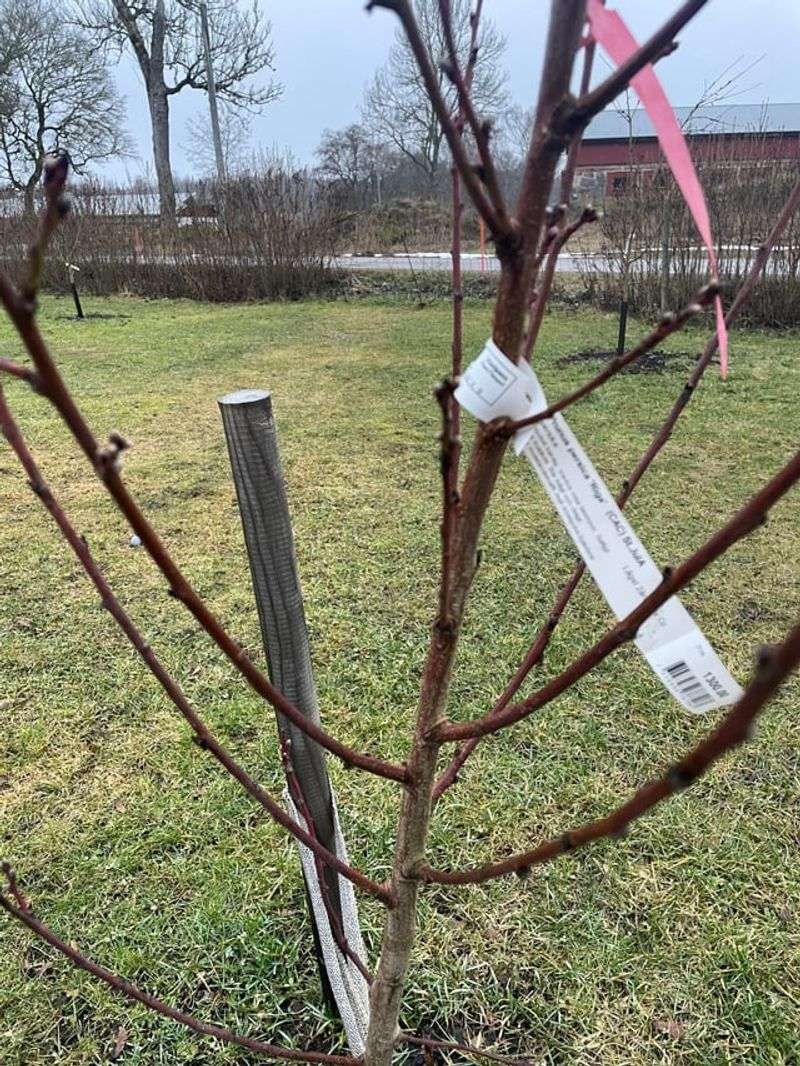
Timing your pruning correctly can make or break your peach harvest. Peach trees produce fruit on branches that grew the previous year.
Those are called one-year-old wood, or last season’s new growth. If you prune at the wrong time, you could be cutting off the very branches that would have given you fruit.
A lot of well-meaning California gardeners prune their trees in fall or late summer, thinking they are tidying things up before winter.
But fall pruning removes the young branches loaded with fruit buds that were set during the growing season. By spring, there is simply nothing left to produce peaches.
The best time to prune a peach tree in California is during late winter, just before new growth begins. That is usually late January through February in most parts of the state.
At that point, you can clearly see the healthy, reddish new growth and remove only the older, less productive wood.
Light, regular pruning every year keeps the tree open to sunlight and air, which also helps with fruit production. Think of pruning as a way to guide the tree rather than just cut it back.
A little knowledge about timing changes everything.
6. Heat Dropped The Fruit
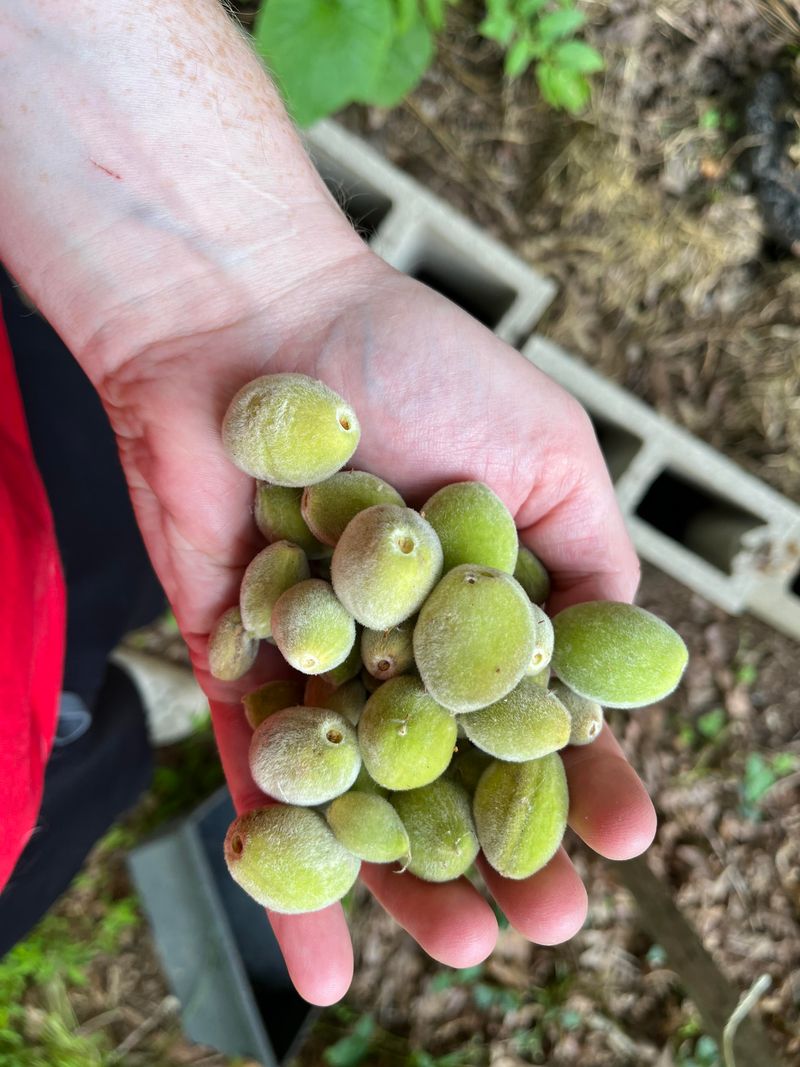
California summers are beautiful, but they can be brutal for peach trees. Extreme heat, especially temperatures that climb above 100 degrees Fahrenheit for several days in a row, can cause a peach tree to drop its developing fruit before it ever ripens.
This is the tree protecting itself under stress. In the Central Valley and Inland Empire areas of California, summer heat waves are common.
When the temperature spikes, the tree loses water faster than it can absorb it through its roots. Dropping fruit is the tree’s way of reducing its water demand to survive the heat.
Deep, consistent watering during hot spells is one of the best ways to prevent heat-related fruit drop. Peach trees need about two to three inches of water per week during the summer.
A layer of mulch around the base of the tree helps keep the soil cooler and holds in moisture.
Watering in the early morning gives the tree the best chance to stay hydrated through the heat of the day.
Drip irrigation systems work especially well for peach trees in California because they deliver water slowly and directly to the root zone where it is needed most.
7. Wrong Peach Variety
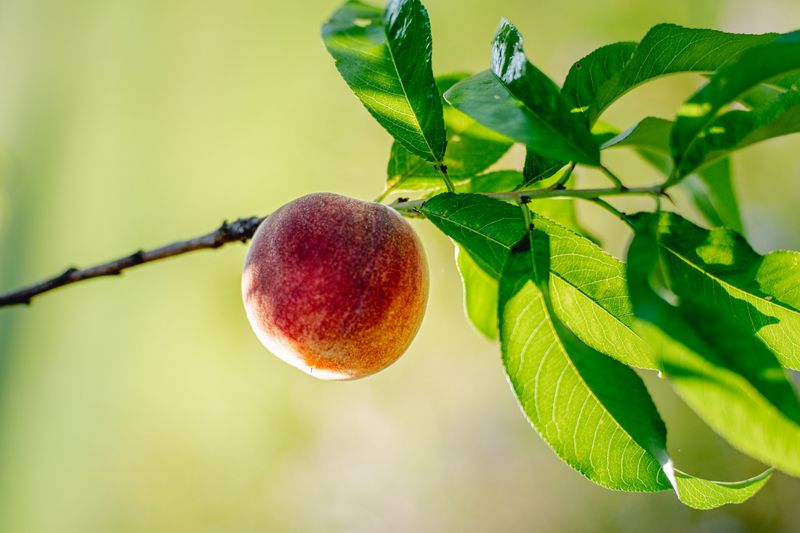
Not every peach variety is built for every part of California. Picking the wrong variety for your specific location is one of the most common and easily overlooked reasons a peach tree never produces fruit.
California is a big, diverse state with wildly different climates from one region to the next.
High-chill varieties like Elberta or Red Haven need hundreds more chill hours than most coastal and Southern California gardens can provide.
Planting one of these in San Diego or the Bay Area is setting yourself up for disappointment.
The tree will bloom, but without enough cold weather in its past, it cannot complete the fruiting process.
Low-chill varieties were developed specifically for warm-winter climates like much of California. Varieties such as Desert Gold, Florida Prince, and Tropic Snow need as few as 150 to 300 chill hours.
These are the ones that actually thrive and produce in warmer California regions.
Before buying a tree, check the chill hour requirement listed on the tag or ask your local nursery.
Matching the variety to your specific California climate is the single smartest move you can make. The right tree in the right place makes all the difference in the world.