Arizona Native Shrubs That Beat Oleander Along Fence Lines And Driveways
Oleander has lined Arizona fences and driveways for decades, but it drinks more water than many people realize, and every part of it is toxic to pets and kids. Native shrubs can do the same screening job while sipping far less water and handling 115-degree afternoons without complaint.
Many of them also feed hummingbirds, bees, and quail, turning a plain property line into a working piece of habitat. Here are ten tough desert natives worth planting where oleander used to grow.
1. Hopbush (Dodonaea viscosa)
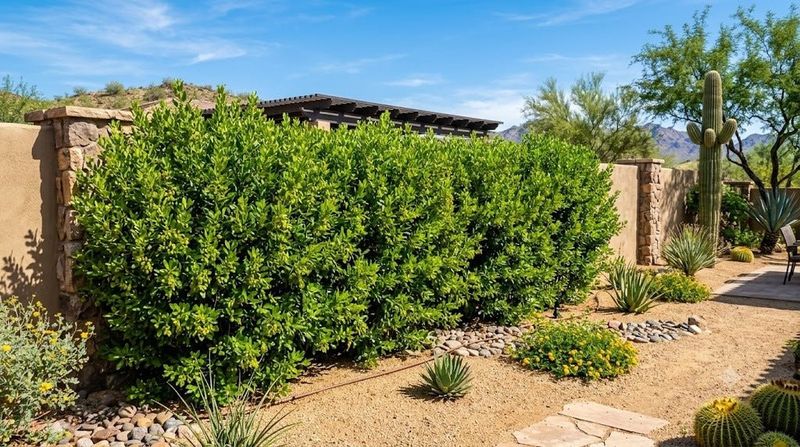
Picture a hedge that grows fast, stays green all year, and asks for almost nothing in return. Hopbush is that rare plant, and it has quietly become a favorite of Phoenix and Tucson landscapers who need a living screen in a hurry.
Plants can reach 10 to 12 feet tall and roughly half as wide, filling the gap along a block wall in just a couple of seasons. You can shear it into a tidy formal hedge or let it grow loose and airy for a softer look.
The papery seed capsules turn pinkish in spring, and old-timers once used them as a stand-in for hops when brewing, which is how the shrub got its name.
Hopbush handles full reflected sun from a driveway, alkaline soil, and long dry spells once settled in. Leaf litter is light, so it will not bury your gravel or clog a pool filter.
For a stronger screen, mix it with other natives on this list to create a varied hedgerow that birds will happily use for cover.
Plant in October or November, water deeply every week or so through the first summer, then taper off. After the second year, occasional deep soaks during long dry stretches are usually enough.
2. Arizona Rosewood (Vauquelinia californica)
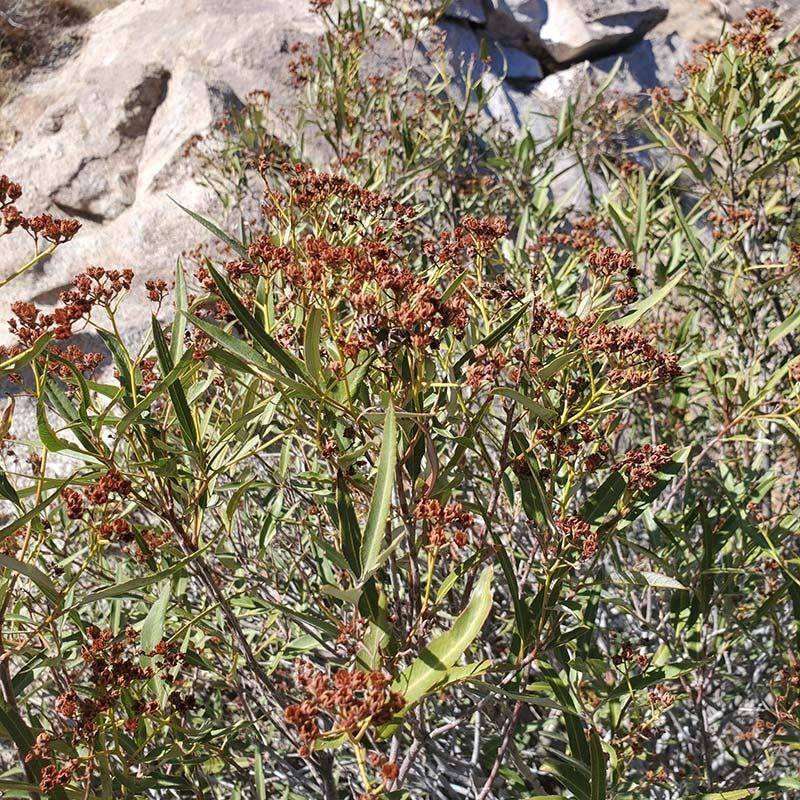
If oleander had a polite, well-behaved native cousin, it would be Arizona rosewood. The two look surprisingly similar from a distance, with dark, narrow evergreen leaves and an upright shape, yet rosewood comes without the toxic sap that worries pet owners.
Mature plants grow 10 to 15 feet tall and form a dense wall of foliage that blocks headlights, street views, and nosy neighbors. In late spring and early summer, flat clusters of small white flowers cover the tips, drawing bees and other pollinators.
The shrub has no thorns, so pruning near a walkway or car door is painless.
Growth is slower than oleander, and that is honestly a perk. You will spend far fewer weekends hauling trimmings to the curb.
Rosewood also tends to be low in pollen allergens, a nice bonus for anyone who sneezes through spring.
Give it full sun or light afternoon shade and soil that drains well. Caliche pockets should be broken up before planting so roots can push down.
Once established, a deep watering every two to four weeks in summer often keeps it looking sharp, with even less needed in winter. Buy the largest size your budget allows if you want privacy sooner.
3. Fairy Duster (Calliandra eriophylla)
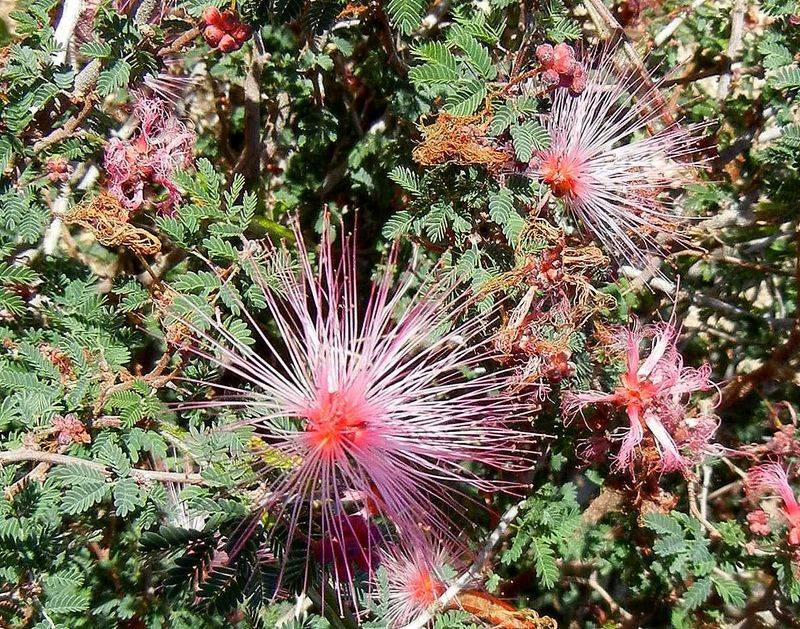
Hummingbirds seem to have a sixth sense for fairy duster. Plant one along a driveway edge and you may spot a tiny visitor zipping in within days of the first bloom.
Your Arizona Garden Changes Every Week. Your Plan Should Too.
Gardening in Arizona changes quickly throughout the season. Every Friday you’ll receive a simple weekly plan showing exactly what to plant, prune, fertilize, harvest, and protect so you never miss the right timing.
Not every property line needs a towering wall. Fairy duster stays low and rounded, usually around 3 feet tall and 4 feet wide, which makes it ideal along a short fence, beside a mailbox, or where you still want to see oncoming traffic when backing out.
The fine, feathery gray-green leaves give a soft texture against hardscape.
In late winter and spring, fluffy pink-and-white flowers look like little powder puffs. Bees, butterflies, and birds all stop by, so even a small strip of these shrubs adds real habitat value.
Quail sometimes nibble the seed pods later in the season.
A close relative, Baja fairy duster, offers bright red blooms and grows a bit larger if you want more height and color. Both handle blazing heat, though the native pink type is especially hardy during cold snaps.
Water every week or two during its first summer. After that, fairy duster can often get by on rainfall plus a monthly soak in the hottest months.
Skip heavy pruning, since a light trim after flowering keeps the natural shape best.
4. Desert Hackberry (Celtis pallida)
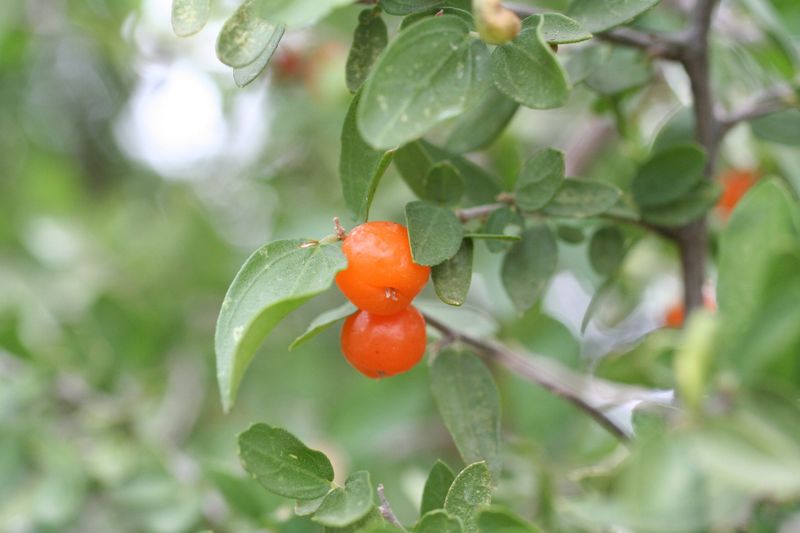
Ask a birdwatcher about desert hackberry and expect a big smile. Few shrubs in the Sonoran Desert pack in as much wildlife value per square foot.
Desert hackberry grows into a dense, tangled mound up to 10 feet tall, with zigzag branches armed with short thorns. That spiny structure is exactly why birds love it.
Cardinals, verdins, thrashers, and quail duck inside to hide from hawks and stray cats, and some build nests deep in the branches.
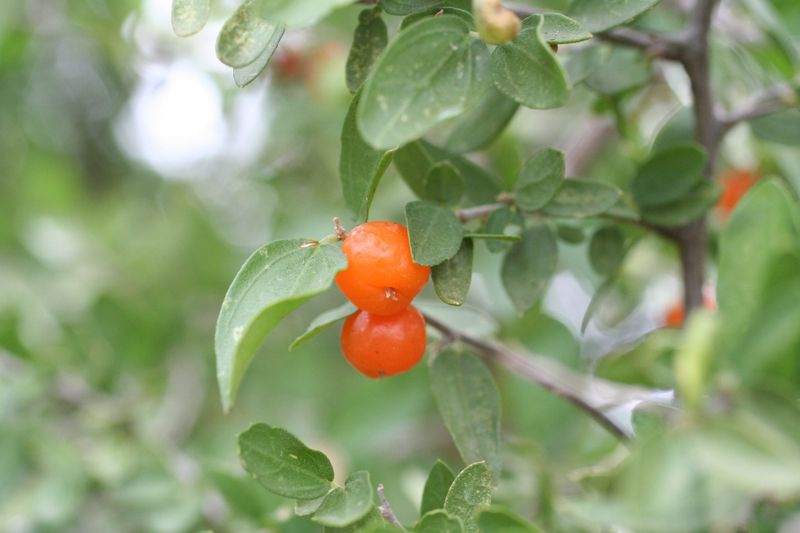
Small orange berries ripen in late summer and fall, giving birds a sweet snack right when they need it. The tiny greenish flowers are easy to miss, yet they feed native bees early in the year.
Along a back fence, a row of hackberry becomes a mini wildlife corridor that hums with life.
The thorns also make it a natural security barrier, discouraging people from cutting across your lot. Just keep it a few feet back from walkways and car doors so nobody gets snagged.
Hackberry is semi-evergreen and may drop leaves during severe drought or frost, then leaf out again. It tolerates poor, rocky soil and reflected heat with ease.
After establishment, it can often thrive on natural rainfall with an occasional summer drink.
5. Arizona Yellow Bells (Tecoma stans var. angustata)
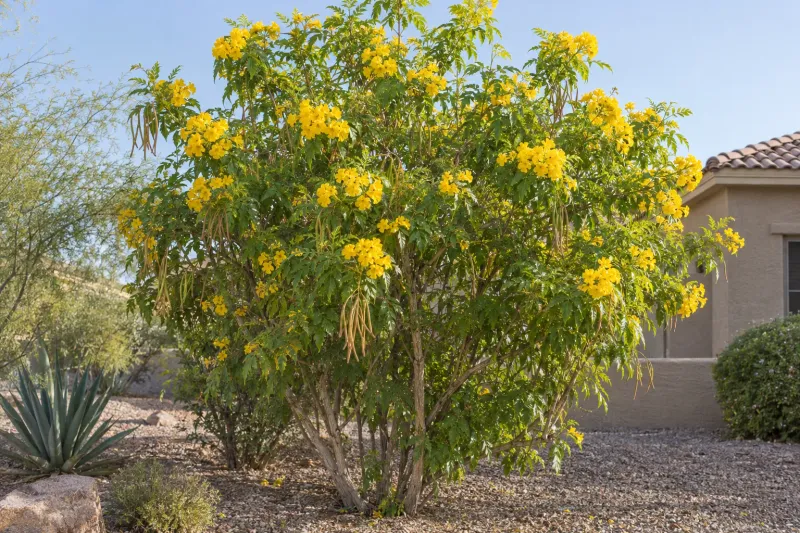
When July hits 112 degrees and most plants look exhausted, Arizona yellow bells keeps right on blooming. Bright trumpet-shaped flowers glow like little lanterns against glossy green leaves from spring until the first cool nights of fall.
The native form, sometimes sold as Arizona yellow bells, is tougher and more cold-hardy than the tropical types found at big-box stores. It typically grows 6 to 8 feet tall along a fence, filling space with a loose, airy screen that blooms in waves.
Hummingbirds treat those yellow trumpets like a refueling station, and carpenter bees and other pollinators visit all day. If your goal is a yard that feels alive, few shrubs deliver more color and motion during the toughest months.
Yellow bells loves full sun and reflected heat, which makes it perfect for a hot west-facing wall or the edge of a sunny driveway. Hard frost may nip the tips in winter, but plants usually bounce back quickly in spring.
Simply cut back damaged growth in late February.
Deep watering every one to two weeks in summer keeps flowers coming, while winter needs are minimal. Seed pods can look messy, so snipping them off encourages even more blooms.
6. Littleleaf Sumac (Rhus microphylla)
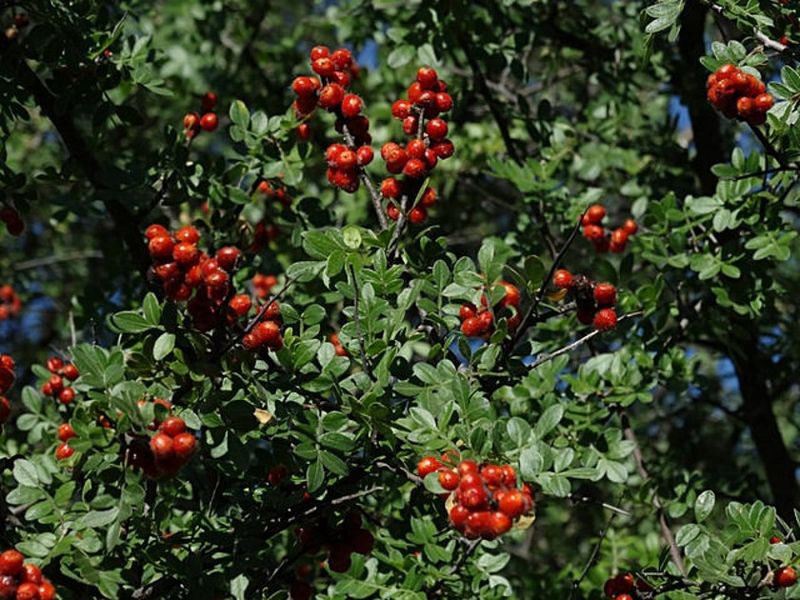
Some shrubs give you one good season. Littleleaf sumac gives you four, which is pretty impressive for a plant that rarely needs a hose.
Early spring brings clusters of small white flowers before the leaves fully appear, feeding hungry bees after winter. Summer shows off a dense mass of tiny leaves, and fall can bring touches of red and orange, a rare treat in the low desert.
Then reddish-orange berries ripen and hang on, giving birds and small mammals a valuable food source.
The shrub reaches about 8 to 12 feet tall and wide, with stiff branches that make a solid, informal screen along a rural fence or large lot. It is deciduous, so expect some winter thinning, but the branch structure still offers visual separation and shelter for birds.
Littleleaf sumac shrugs off alkaline soil, rocky ground, and intense heat. Fun fact: the fuzzy, tart berries of many sumacs have long been used to make a lemony drink, which earned some relatives the nickname lemonade berry.
Plant in fall for the best start. Water weekly for the first few months, then gradually stretch to monthly soaks.
Once settled, it often survives on rainfall alone in wetter years.
7. Desert Willow (Chilopsis linearis)
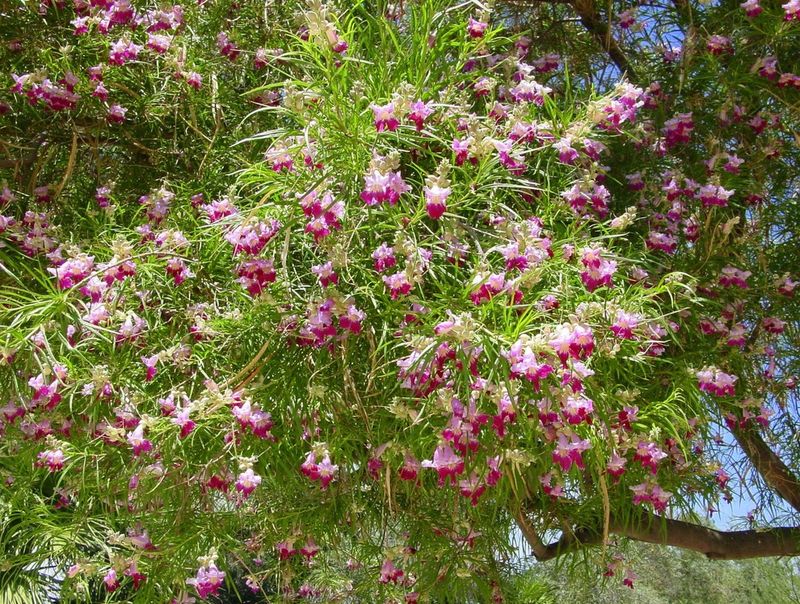
Technically a small tree, desert willow has a secret talent. Leave it multi-trunked and skip the lower pruning, and it becomes a big, bushy screen that softens a long driveway with flowers all summer.
Its orchid-like blooms come in shades of pink, lavender, burgundy, and white, depending on the variety. Hummingbirds and bees work the flowers from late spring into early fall, even during brutal heat waves.
The long, narrow leaves give it a willow look, though it is not related to true willows at all.
Plants can grow 15 to 25 feet tall, so they suit wide spaces near fences, corners of lots, or the far end of a driveway. Because it drops leaves in winter, desert willow lets warm sunlight reach your yard in cooler months while providing light shade in summer.
That seasonal trick makes it a handy choice beside a west wall.
Choose seedless varieties like Bubba or Timeless Beauty if you dislike the long, skinny seed pods. Birds will still visit for insects and nesting spots.
Deep, infrequent watering builds strong roots. Every two weeks in summer works for young plants, then much less once established.
8. Jojoba (Simmondsia chinensis)
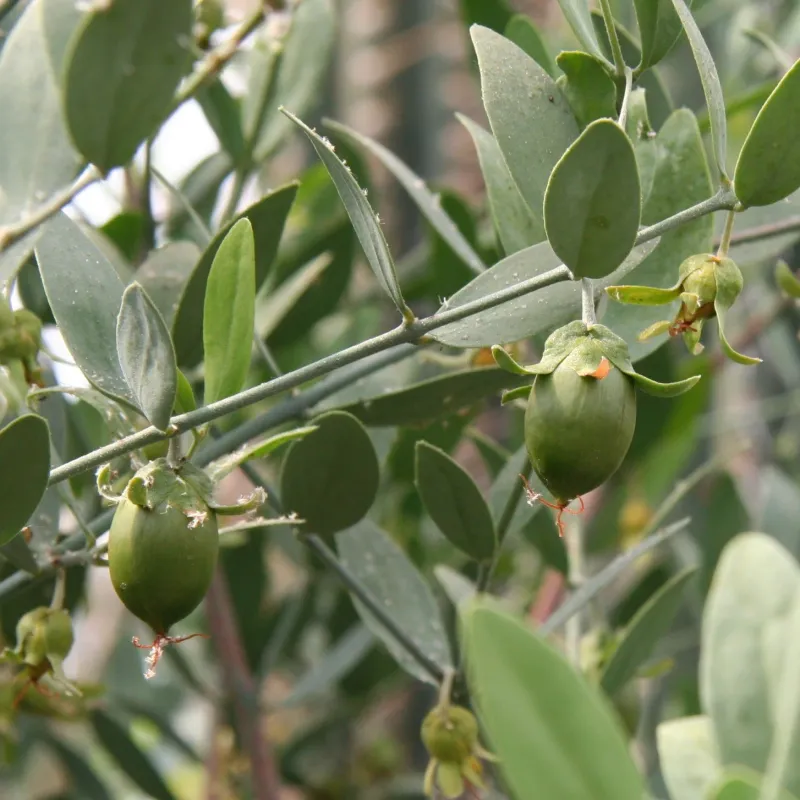
Long before it showed up in shampoo bottles, jojoba was quietly anchoring rocky hillsides across the Sonoran Desert. That same toughness makes it one of the most dependable hedges you can plant in Arizona.
Jojoba has thick, leathery, blue-gray leaves held upright on the stems. That vertical angle is a clever survival trick, letting the leaves dodge the harshest midday rays.
The result is an evergreen shrub that looks calm and cool even when the thermometer climbs past 110.
Plants usually grow 6 to 10 feet tall and take well to shearing, so you can shape a neat, formal hedge along a front wall or keep it loose and natural. Growth is slow at first, then steady once roots dig in.
Female plants produce acorn-like seeds that ground squirrels and quail enjoy.
Jojoba is famously stingy with water. After establishment, it often needs only a deep soak once a month in summer, and sometimes nothing extra in winter.
Avoid overwatering, which causes more trouble than drought ever will.
Plant in full sun with excellent drainage. Since its flowers are wind-pollinated and small, pair it with a bloomer like yellow bells for pollinator appeal.
9. Texas Ranger (Leucophyllum frutescens)
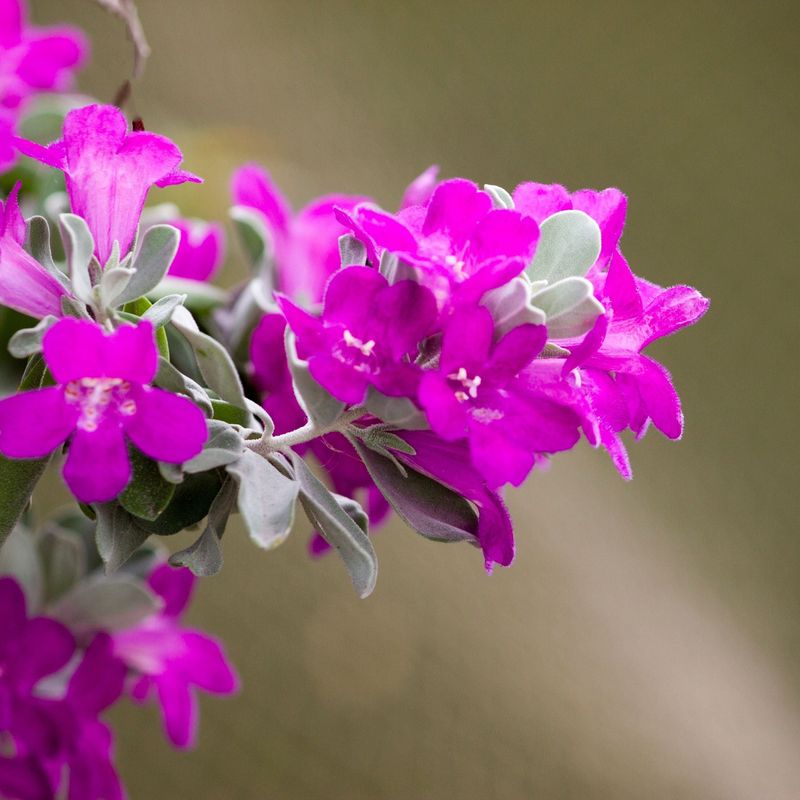
Old-timers call it the barometer bush, and for good reason. A day or two after monsoon humidity rolls in, Texas ranger can burst into a cloud of purple, pink, or lavender flowers almost overnight.
Strictly speaking, it is native to the Chihuahuan Desert just east of Arizona, but it has proven itself as one of the most reliable desert-adapted shrubs in Phoenix and Tucson yards. Silvery or green leaves stay on year-round, and plants typically reach 5 to 8 feet tall along driveways and fences.
The silver foliage reflects sunlight, helping the plant stay comfortable beside hot pavement where many shrubs struggle. Bees swarm the blooms after summer storms, making it a great late-season pollinator plant.
Here is the big care secret: please put away the hedge trimmers. Shearing Texas ranger into tight boxes and balls removes the flower buds and stresses the plant.
Let it grow in its natural, rounded shape, and only thin out a few older branches in late winter if needed.
Overwatering causes yellowing and weak growth, so water deeply but rarely. Once established, a soak every three to four weeks in summer is usually plenty.
Varieties like Rio Bravo and Heavenly Cloud offer different colors and sizes.
10. Desert Ruellia (Ruellia peninsularis)
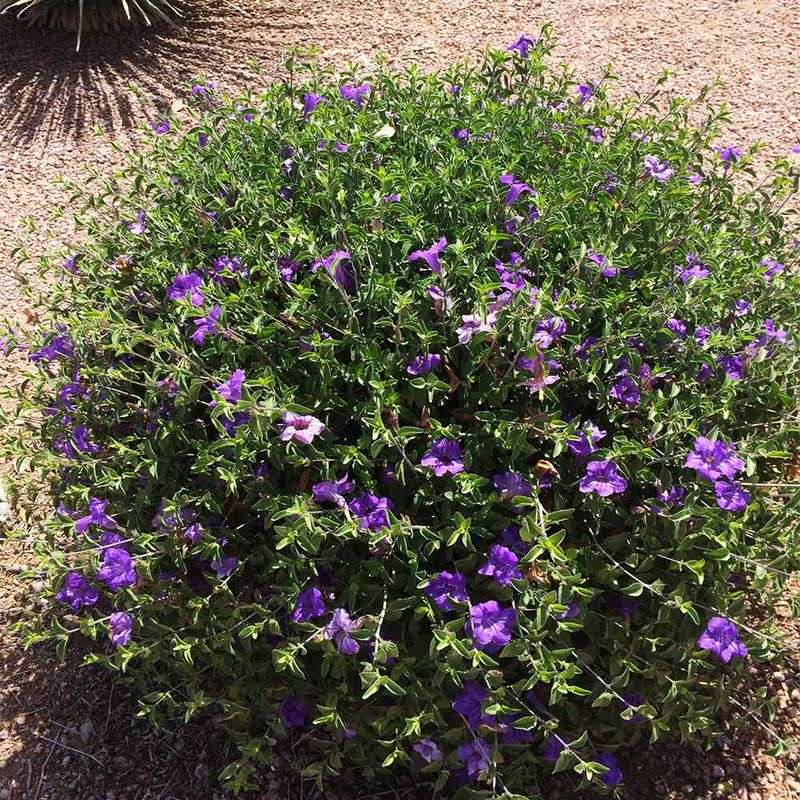
Got a narrow strip between the fence and the driveway where nothing seems to survive? Desert ruellia was practically made for that awkward spot.
Native to Sonora and Baja, this compact shrub stays around 3 to 4 feet tall and wide, with pale stems and small green leaves. From spring through fall, violet-blue trumpet flowers pop open, especially after summer rains.
Butterflies, native bees, and the occasional hummingbird drop by for nectar, so even a tiny planting adds pollinator activity.
Ruellia thrives in brutal reflected heat and keeps a tidy shape without much pruning. It fills the lower layer beneath taller screens like rosewood or hopbush, creating a layered hedge that looks fuller and gives wildlife more places to rest.
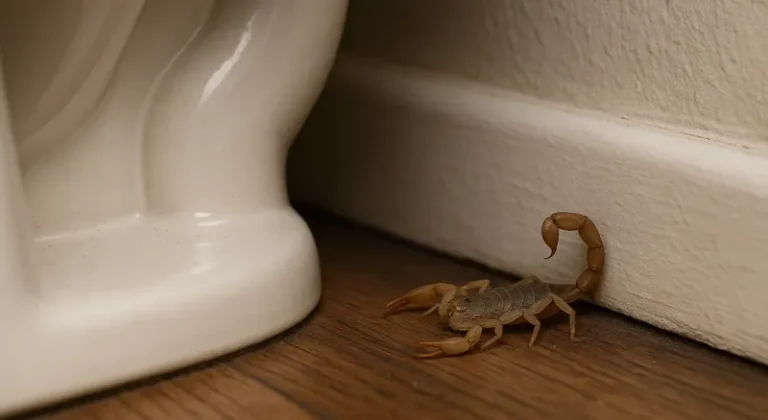
One more practical perk: compact, open shrubs that you trim up off the ground leave fewer dark, cluttered hiding spots near walls than overgrown oleander thickets. Keeping a little space beneath shrubs and watering in the morning so soil dries by evening may help make the area less inviting to scorpions.
Water weekly during the first summer, then every two to three weeks in heat. A light cleanup trim in late winter keeps it fresh for the next round of blooms.