7 Christmas Cactus Tasks Arizona Gardeners Must Do Now To Set Up Holiday Blooms
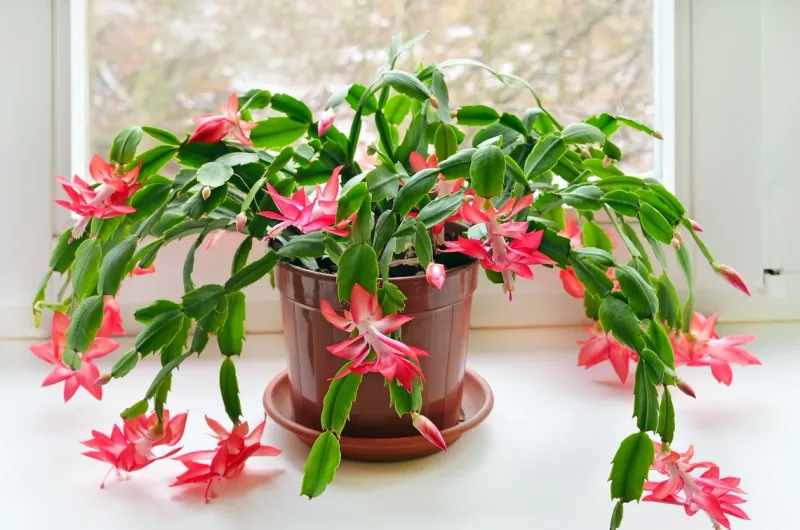
Getting a Christmas cactus to burst with color right around the holidays feels like magic, but it really comes down to timing and a few smart moves you make in early fall. Here in Arizona’s low desert, our dry air, warm days, and sudden cold snaps make this plant behave a little differently than it would back east.
The good news is that a handful of simple tasks, done now, can set your cactus up for a jaw-dropping display of pink, red, or white flowers. Let’s walk through the seven things worth doing before the holidays arrive.
1. Monitor Arizona Nighttime Temperatures and Plan the Indoor Move
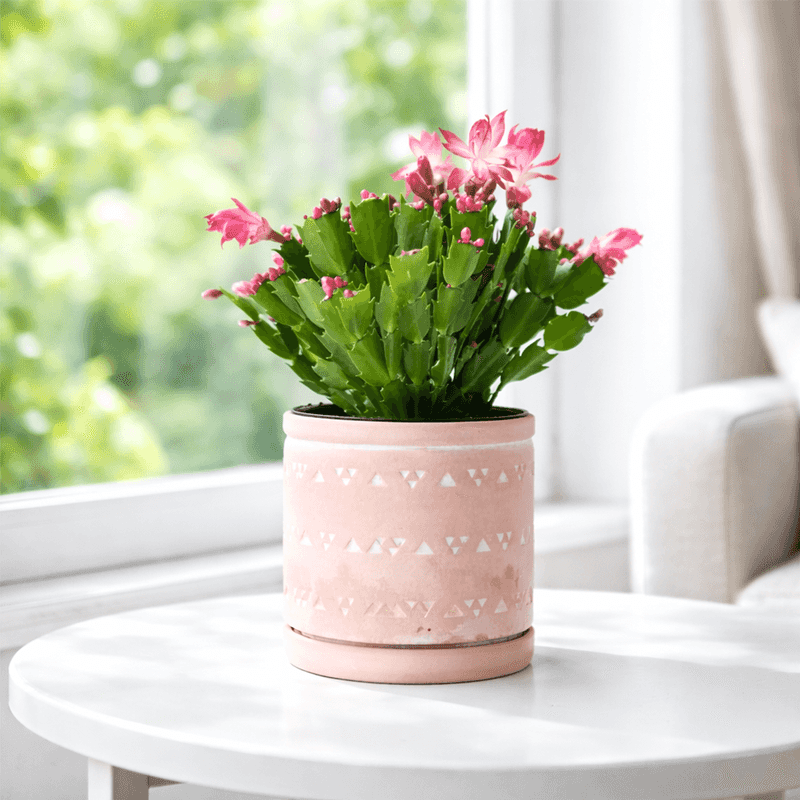
Temperature is the secret handshake that tells a Christmas cactus it’s time to make buds. These plants love cool nights between 50 and 59 degrees Fahrenheit to kick off flowering, which is exactly the range Arizona fall evenings start hitting in late September and October.
Keep an eye on your local forecast as the month rolls on. The moment nighttime lows creep toward the low 50s consistently, or a frost warning pops up, it’s time to bring your plant inside.
Christmas cacti are tropical at heart and can suffer real damage when temperatures dip too low or frost settles overnight.
Once your cactus is indoors, park it somewhere with bright, indirect light rather than harsh, direct sun through a hot window. A spot near an east-facing window often works beautifully in a desert home.
Planning this move ahead of time saves you from a panicked midnight rescue when the first cold front sweeps through. Watch the thermometer, mark your calendar, and your plant will thank you with a healthy round of budding.
2. Ensure Arizona-Appropriate Light and Darkness Cycles
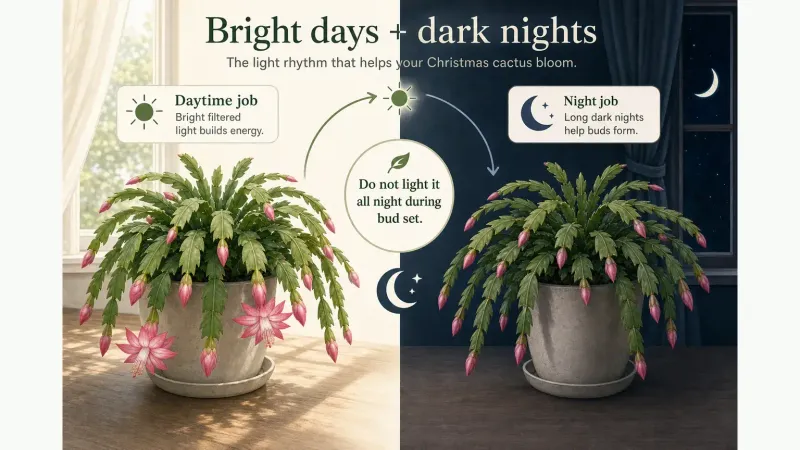
Here’s the trick most folks miss: Christmas cacti bloom in response to long nights, not just cool ones. To trigger flowers, your plant needs 12 to 14 hours of uninterrupted darkness every single night for roughly six to eight weeks, starting in late September or early October.
During daylight hours, the cactus still craves bright, indirect light to fuel itself. So the goal is a clear split between busy, bright days and long, truly dark nights.
The sneaky part in an Arizona home is artificial light. A lamp flicking on in the evening, a TV glow, or even a hallway light can interrupt that darkness and confuse the plant into skipping blooms.
Pick a low-traffic room like a spare bedroom, closet, or quiet corner where no lights turn on after sunset. Some gardeners even drape a box or dark cloth over the plant each evening, then uncover it in the morning.
Stick with the routine for those few weeks, and you’ll see tiny buds appear right on schedule for the holidays.
3. Adjust Arizona Watering for Bloom Induction
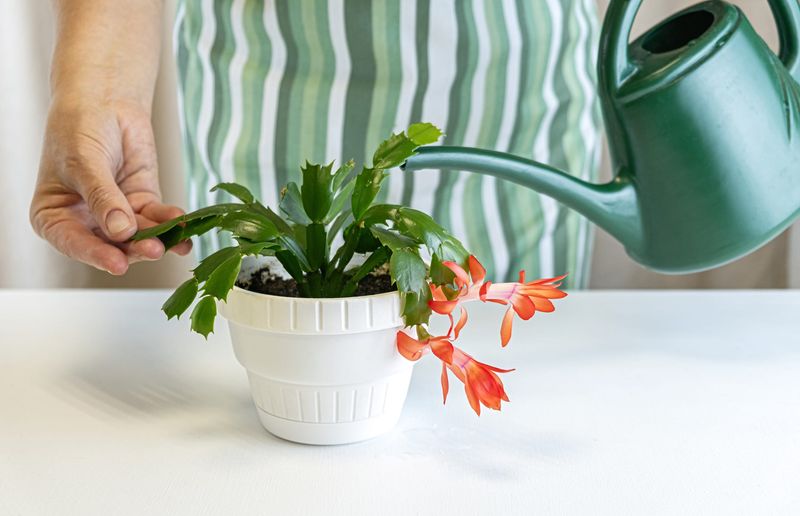
Less water in fall is one of the kindest things you can do for a blooming Christmas cactus. As early fall and mid-October arrive, start stretching out the time between waterings so the soil dries almost completely before you add more.
Your Arizona Garden Changes Every Week. Your Plan Should Too.
Gardening in Arizona changes quickly throughout the season. Every Friday you’ll receive a simple weekly plan showing exactly what to plant, prune, fertilize, harvest, and protect so you never miss the right timing.
The catch is balance. You want the plant on the dry side to mimic the drier season of its native habitat, but you don’t want the flat segments to shrivel or turn limp.
If they start looking wrinkled, that’s your cue to give it a drink.
A good habit is to poke a finger an inch or two into the soil. If it feels dry down there, water thoroughly and let the excess drain out completely.
For Arizona gardeners already used to water-wise living, this pull-back fits right into a low-water mindset. You’re conserving water and nudging the plant toward blooming at the same time.
Once buds have formed and flowers open, you can ease back into slightly more regular watering to keep those blossoms fresh and bright through the season.
4. Cease Arizona Fertilization
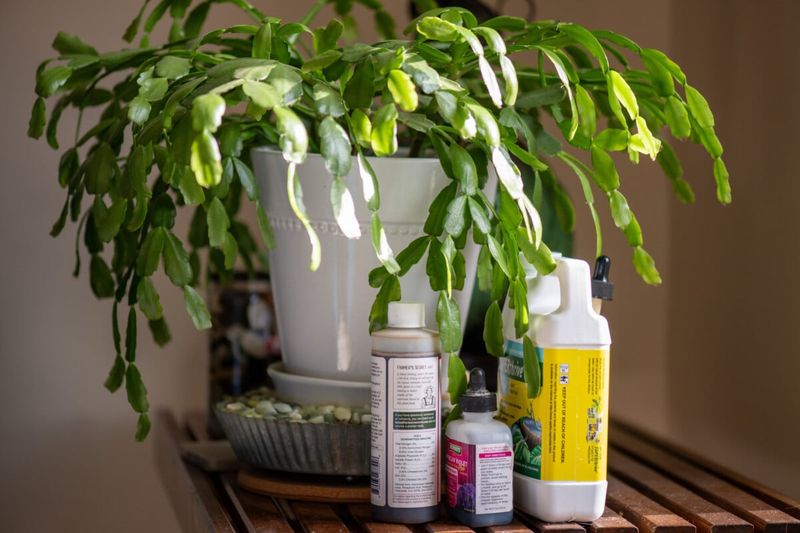
Putting away the fertilizer might feel counterintuitive when you want a big show, but this is exactly the move that steers energy toward flowers. By the end of August or early September, Arizona gardeners should stop feeding their Christmas cacti entirely.
Fertilizer pushes leafy, green growth. If you keep feeding during the bud-forming window, the plant happily grows more flat segments instead of channeling its energy into blossoms.
That’s the opposite of what you’re after this time of year.
Think of it like telling your plant the growing season is winding down. With the extra nutrients cut off, it shifts gears from building foliage to setting buds.
You can resume a gentle feeding schedule later, once blooming has wrapped up and the plant enters its active growth phase again in spring. A balanced houseplant fertilizer diluted to half strength works well then.
For now, resist the urge to give it one last snack. Skipping the fall feeding is a small, easy step that pays off in a fuller, more colorful display when the holidays roll around.
5. Provide Arizona Humidity
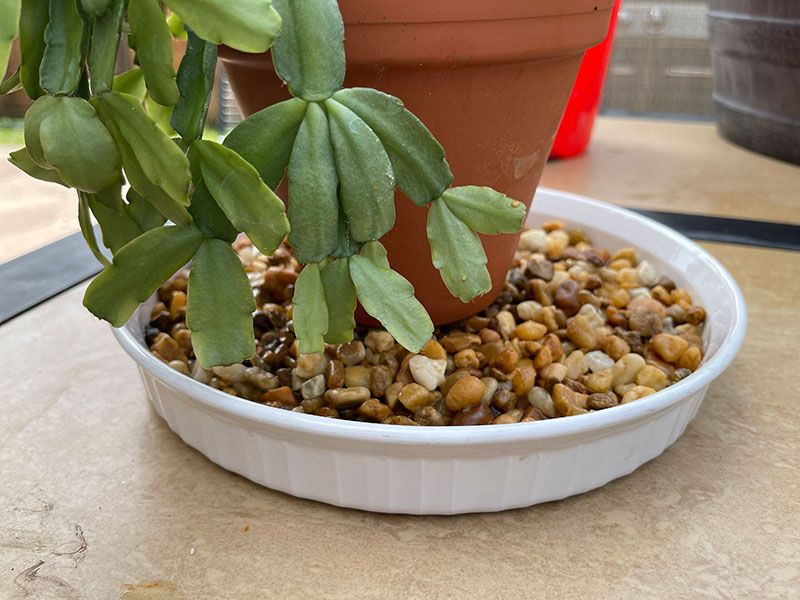
Our desert air is famously dry, and that can leave a bloom-hungry Christmas cactus longing for a bit more moisture in the atmosphere. Come September, giving your plant a humidity boost helps it prepare for a healthy round of flowering.
One easy method is the pebble tray. Fill a shallow dish with small stones, add a little water, and set the pot on top so the base sits above the waterline, not in it.
As the water evaporates, it lifts the humidity right around the plant.
Misting works too, especially while buds are forming. A light spritz every few days adds a touch of moisture without soaking anything.
Grouping your cactus near other houseplants can also create a small pocket of shared humidity, which is a nice bonus in an Arizona living room.
Just avoid overdoing it to the point of constantly wet leaves, since that can invite problems. A little extra humidity goes a long way toward keeping buds plump and preventing them from dropping before they ever open into flowers.
6. Conduct a Pre-Winter Arizona Pest Inspection
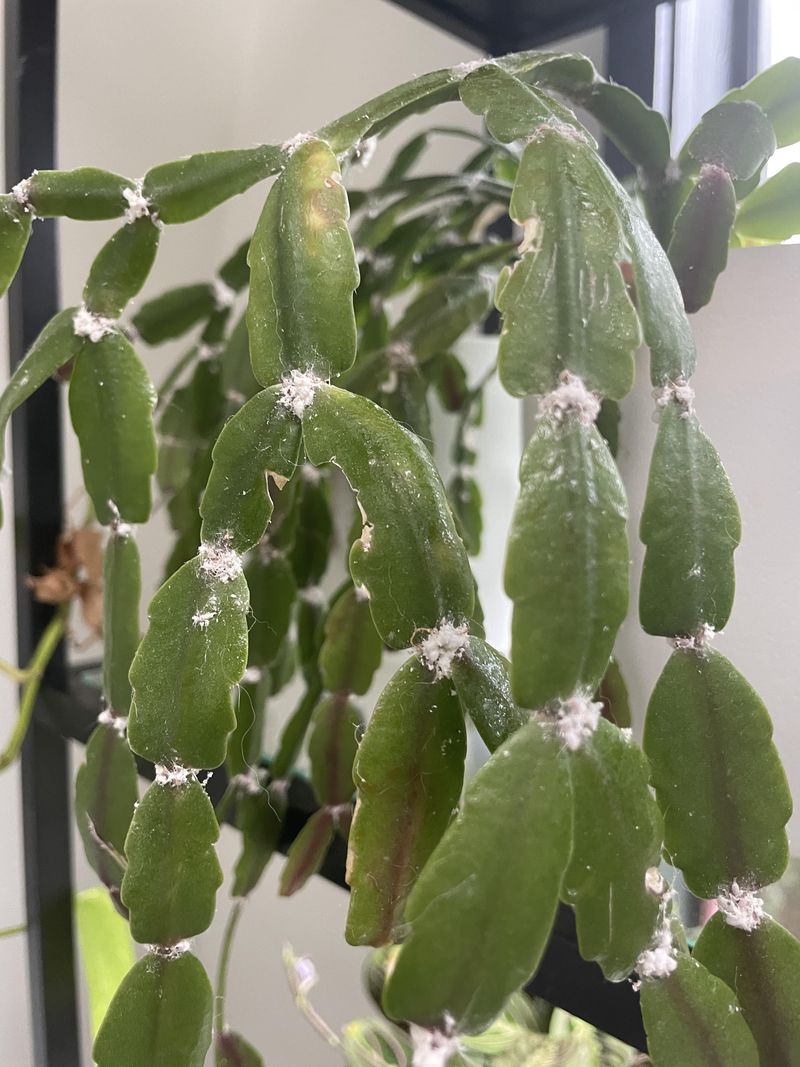
Any plant that spent the toasty Arizona summer outdoors likely picked up a few hitchhikers, and you’ll want to catch them before they move inside with you. A careful pest check is a must before your Christmas cactus crosses the threshold into your home.
Mealybugs are the usual suspects. They look like tiny bits of white cotton tucked into the joints between segments and along the stems.
Fungus gnats and spider mites can show up too, so give the whole plant a slow, thorough once-over.
Turn the pot, peek under the segments, and inspect the soil surface. If you spot pests, dab them with a cotton swab dipped in rubbing alcohol or rinse the plant gently before bringing it in.
Catching these critters early keeps them from spreading to every other houseplant in your Arizona home. One infested cactus can quickly become a whole windowsill of problems.
Taking ten minutes for this inspection now saves you weeks of frustration later. A clean, pest-free plant settles into its indoor spot happier and more ready to focus its energy on producing those holiday blooms.
7. Avoid Repotting and Pruning in the Arizona Fall
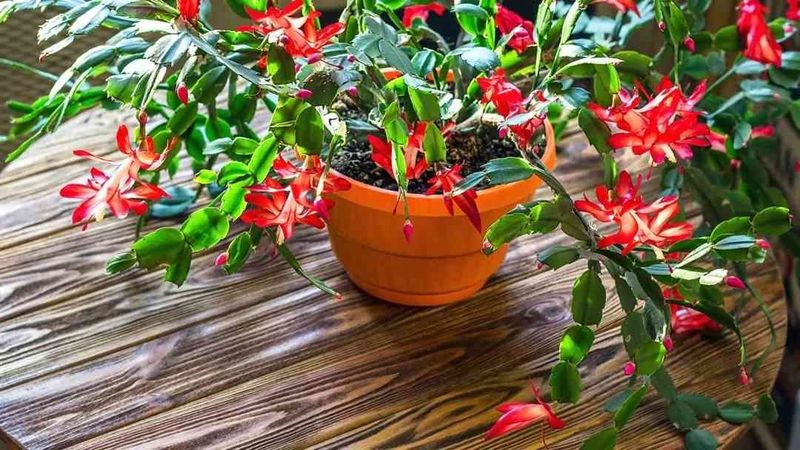
Sometimes the best gardening task is knowing what not to do. From September onward, resist any urge to repot or prune your Christmas cactus, no matter how root-bound or leggy it might look.
Both jobs stress the plant right when it’s working hard to set buds. That stress often triggers bud and flower drop, leaving you with a bare plant instead of a festive one when the holidays arrive.
A Christmas cactus actually enjoys being a little snug in its pot, so a tight fit won’t hurt it during this season. Whatever shaping or dividing you’re itching to do can wait.
The right time for these chores is after blooming finishes, usually in late winter or early spring. That’s when the plant is entering active growth and can bounce back from the disturbance with fresh, vigorous shoots.
For now, leave it be. Let it sit in its darkness routine, sip its occasional water, and quietly build up those buds.
Patience here is what separates a spectacular holiday display from a disappointing pile of dropped flowers on the floor.