Wilting Plants In Louisiana This October? Check The Soil Moisture
Your droopy plant may send mixed signals, and water may not help. Louisiana heat in October tempts you to believe thirsty leaves need water.
Wilting often signals the opposite problem, and you can spot the clue. Soggy roots struggle for air when you pour water onto soil already holding plenty.
Roots need oxygen, and saturated clay in Louisiana squeezes air out of the soil. Fall humidity keeps the root zone damp days after the surface looks dry.
Meanwhile, opportunistic fungi in that wet soil weaken roots and mimic thirst. Compacted beds, shallow pots, and heavy mulch hold even more moisture.
Test before you water, because a finger pushed deep tells you more than leaves. Intense sun, nutrient gaps, and crowded roots wear the same limp costume. Discover the quick soil check that reveals the true cause before you water again.
1. Push A Finger Into The Soil First
Gardeners often report watering a drooping hibiscus daily for a week, only to find the soil underneath was soaked like a sponge. The plant kept sagging despite that care.
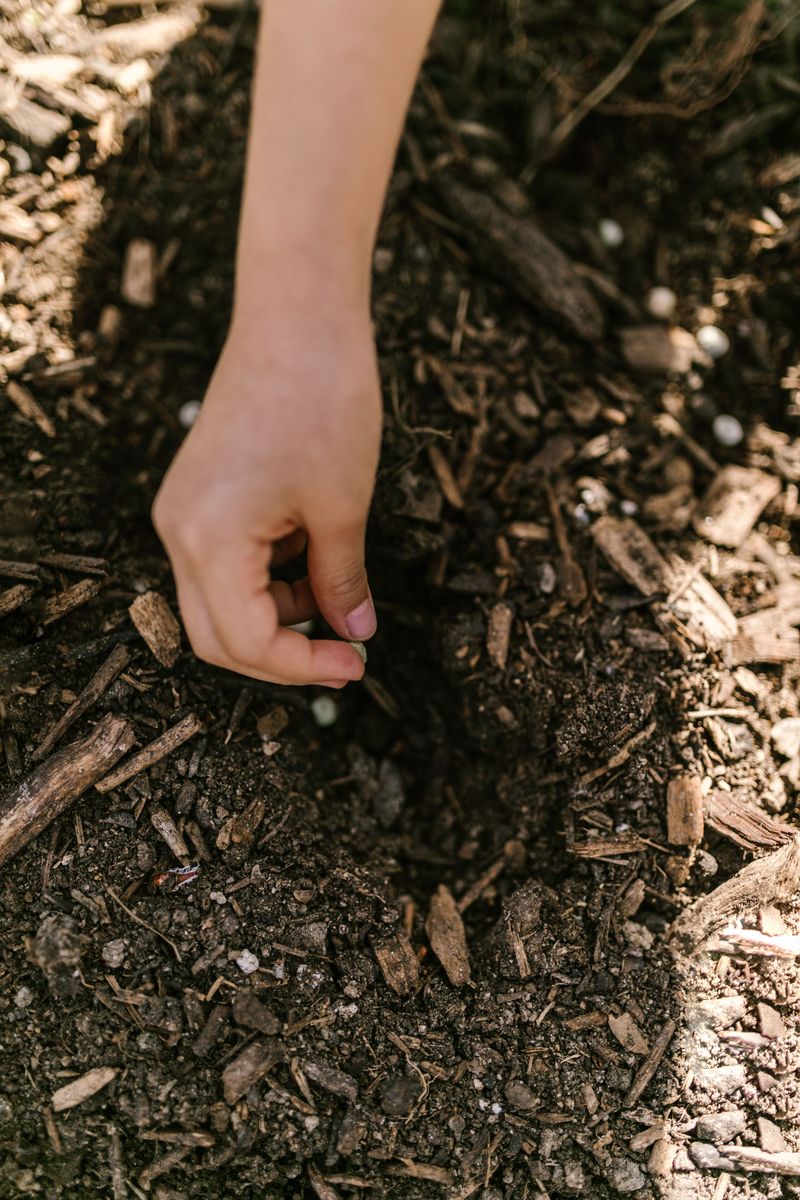
Your finger is a useful garden tool you already own, and it costs nothing. Push it about two inches into the soil near the base of the plant.
If the soil feels dry and crumbly at that depth, your plant is thirsty. If it feels cool, damp, or sticky, hold off on watering for now.
Louisiana weather in October can swing from dry spells to surprise downpours in just a few days. That makes guessing unreliable, so testing first helps you avoid common errors.
Wilting from too much water looks almost the same as wilting from too little. Roots sitting in wet soil cannot breathe, so they stop sending water up to the leaves.
Afternoon heat can cause brief wilting that fades by evening, so recheck then. Check at the same time each day, like after breakfast. A quick daily habit reveals how fast your soil dries.
Check a few spots in each bed, since shady corners stay wet longer than sunny ones. One spot may fool you, but several tell the story.
Wash your hands afterward, especially if you use fertilizer or compost in your beds. Your plants will thank you with perky leaves instead of droopy frowns.
Kids often enjoy helping with this job because it feels like a treasure hunt. Let them call out dry or damp and you gain a tiny garden inspector.
2. Water Deeply In The Cool Morning
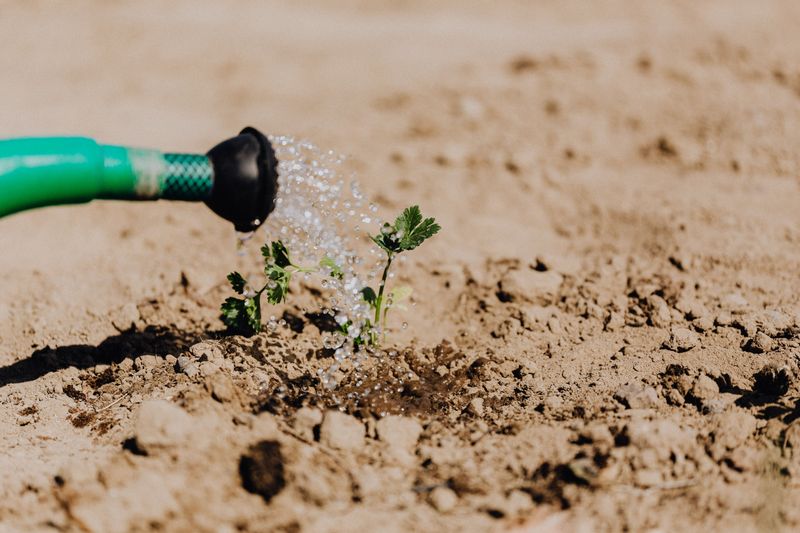
Picture sunrise in Baton Rouge, with dew still sparkling on the grass and birds chattering. That calm early hour is an ideal time for giving thirsty plants a drink.
Morning watering lets moisture soak deep before the afternoon sun heats things up. Less water evaporates, so more of it actually reaches the roots where it matters.
Deep watering means soaking the soil six to eight inches down, not just wetting the top. Shallow sprinkles train roots to stay near the surface, where they dry out fast.
Your Louisiana Garden Changes Every Week. Your Plan Should Too.
Gardening in Louisiana changes quickly throughout the season. Every Friday you’ll receive a simple weekly plan showing exactly what to plant, prune, fertilize, harvest, and protect so you never miss the right timing.
A slow trickle from a hose or a soaker hose works much better than a quick spray. Let it run until the water sinks in instead of running off.
Evening watering might seem easier after a long day, but it can cause trouble. Leaves that stay wet overnight in humid Louisiana air invite fungus and leaf spots.
Aim the water at the base of each plant instead of showering the leaves. Roots do the drinking, so the soil is where your effort pays off.
Many established plants need about one inch of water per week, counting rain. In October, that might mean watering once or twice weekly if skies stay dry.
If you use a sprinkler, set a small tuna can in the bed to measure the amount. When it fills to about one inch, you have given a solid weekly soak.
Grab your coffee, enjoy the quiet, and let the hose do the slow work. Your garden and your morning mood both get a refreshing boost.
3. Watch For Soggy Soil After Storms
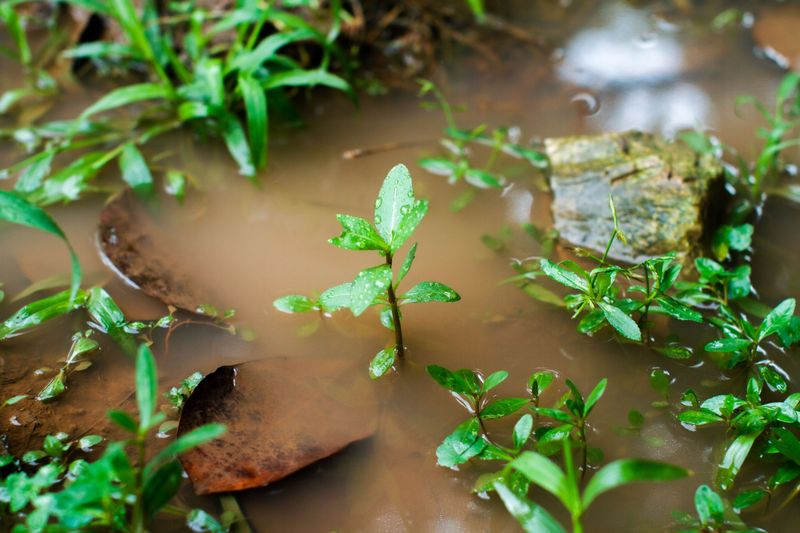
Hurricane season officially runs through November 30, and October storms can still roll through Louisiana. A single tropical system can dump several inches of rain in one afternoon.
Too much rain can make plants wilt just as badly as a drought. Waterlogged soil pushes out the air pockets that roots need to breathe and stay healthy.
Signs of soggy soil include puddles that linger, a sour smell, and sometimes green moss on the ground. Yellowing lower leaves often show up a few days after heavy rain.
Roots left sitting in water too long can start to decay and turn brown and mushy. Healthy roots should look white or tan and feel firm when you gently check.
After a big storm, skip your regular watering schedule for several days. Let the soil drain and dry a bit before you add even a drop more.
Low spots in the yard collect water like a bathtub, so notice where puddles form. Those areas may need raised beds or plants that enjoy wet feet, like irises.
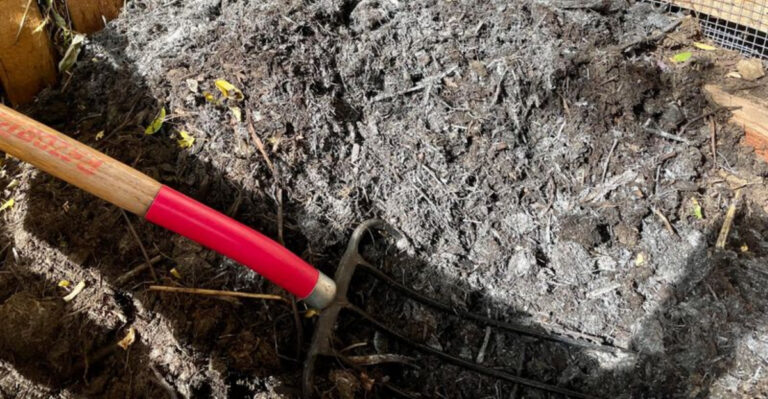
Gently loosening compacted soil with a garden fork can help water drain faster. Be careful not to damage roots, and work slowly around the edges.
Empty extra water from saucers after storms. Standing water in a saucer keeps roots wetter than they need to be.
Louisiana gardeners learn to respect the rain as much as the sun. Paying attention after each storm keeps plants from getting more water than needed.
4. Spread A Layer Of Mulch Around Roots
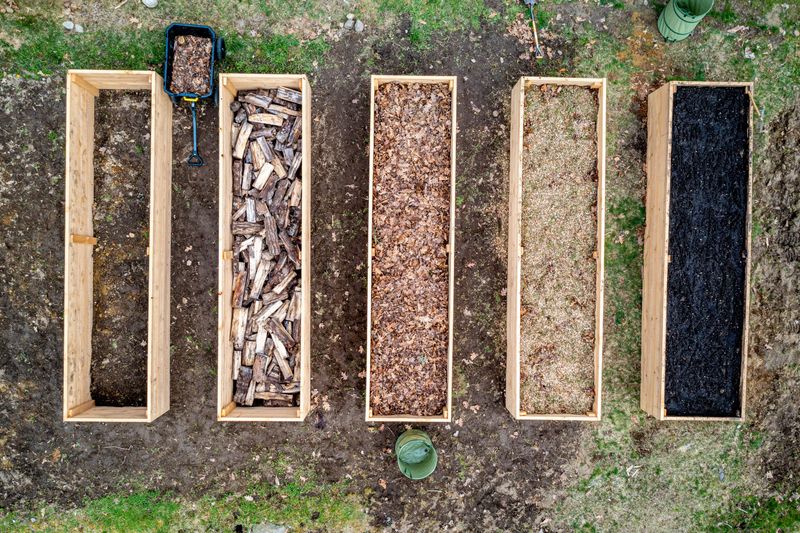
Think of mulch as a cozy blanket that tucks your garden in for fall. It keeps moisture in, blocks weeds, and protects roots from wild temperature swings.
Louisiana soil can dry out quickly on sunny October afternoons, even when mornings feel cool. A two to three inch layer of mulch slows that drying a lot.
Pine straw is a local favorite because it is cheap, easy to find, and looks tidy. Shredded hardwood, pine bark, and chopped leaves also work very well.
Spread mulch in a ring around each plant, like a flat donut. Leave a few inches of space between the mulch and the stem or trunk.
Piling mulch against stems traps moisture right where you do not want it. That can lead to rot, bugs, and unhappy plants that start to droop.
Too much mulch causes problems too, since thick layers can keep rain from reaching the soil. Stick to that two to three inch range for the best balance.
Fall leaves from your own yard make free mulch if you run them over with a mower first. Whole leaves can mat together and block water, but shredded ones break down nicely.
Over time, mulch rots into the soil and adds helpful nutrients. Top it off each fall to keep the layer fresh and working hard.
Once you see how much less you water, mulch may become your favorite garden trick. Your plants stay steady, and you get more free time on weekends.
5. Check Potted Plants More Often
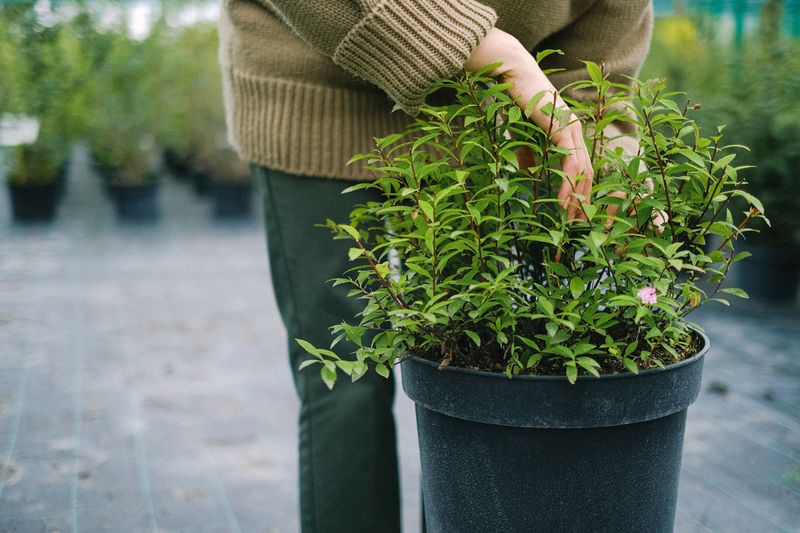
Container plants live in tiny apartments compared to plants growing in the ground. With less soil to hold water, pots can dry out very quickly.
A sunny porch in Lafayette can still hit the mid-80s in early October. On days like that, a small clay pot might need water every single day.
Terra cotta pots breathe through their walls, which is great for roots but drains moisture quickly. Plastic and glazed pots hold water longer, so they need less frequent watering.
Lift your pot after watering to feel how heavy it is when soaked. Lift it again a day or two later, and the lighter weight tells you it is thirsty.
Hanging baskets dry out even faster because wind hits them from every side. Check them daily, and water until you see drips coming from the bottom.
Pots should have drainage holes. Pots should have drainage holes. Without holes, water pools at the bottom and gradually damages the roots while the leaves droop above. Decorative outer pots work if the inner nursery pot drains.
If soil pulls away from the sides of the pot, it has become too dry. Water may rush straight through, so soak the pot in a tub for twenty minutes.
Grouping pots together creates a little pocket of shade and humidity. Plants share that moisture, and you can water them all in one quick trip.
As temperatures cool later in the month, your pots will need water less often. Keep checking regularly, because the right schedule shifts with the season.
6. Try A Cheap Moisture Meter
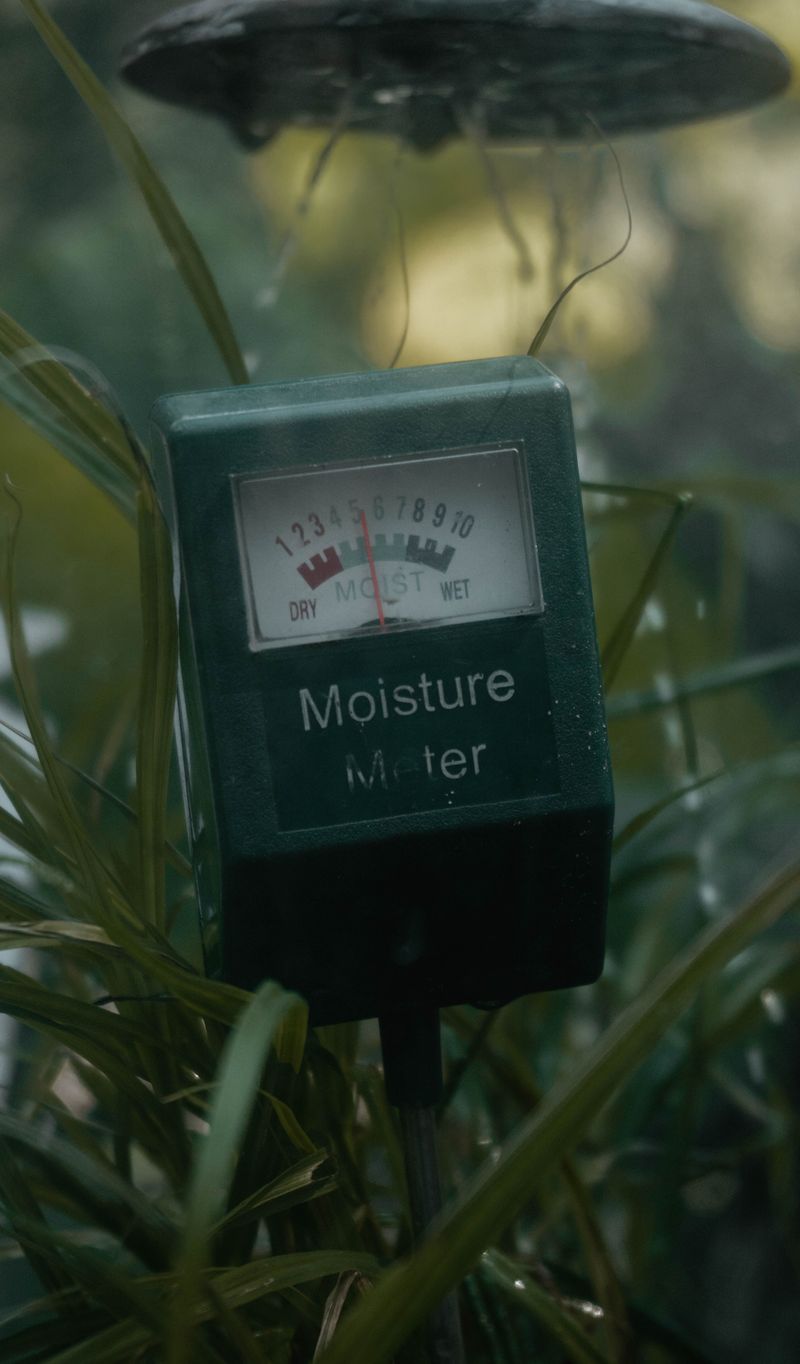
Gadgets can feel excessive in the garden, but a moisture meter earns its spot. Many are inexpensive, though cheap models can lose accuracy within a few seasons.
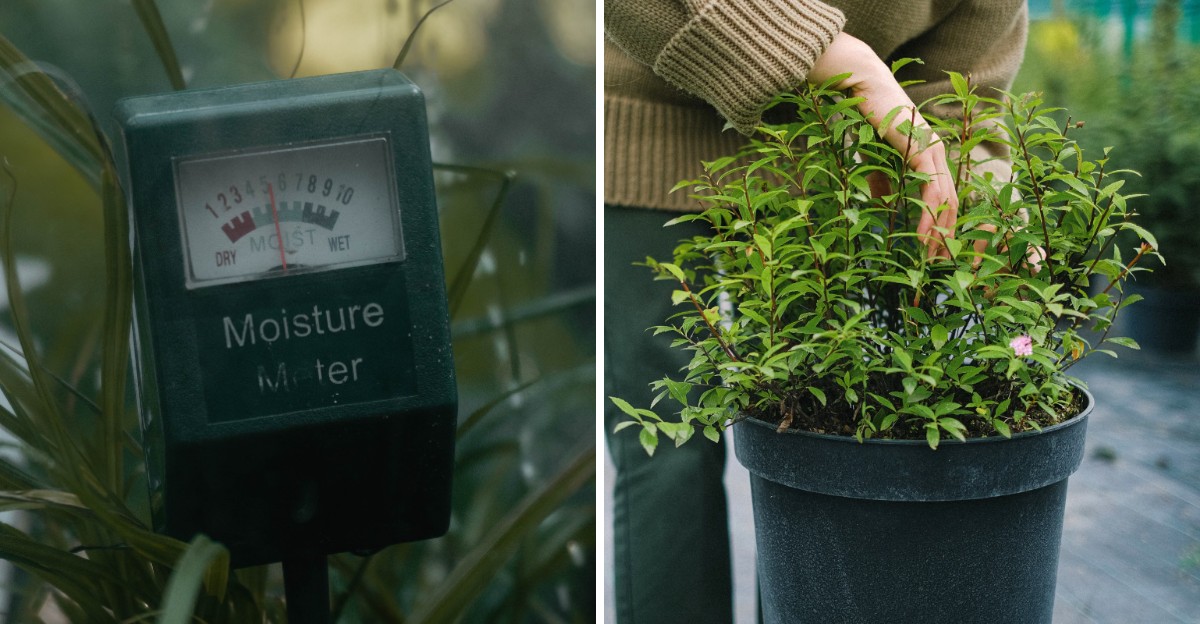
A moisture meter has a long metal probe that you push into the soil. A dial then shows a number, usually from one to ten, telling you how wet it is.
Low numbers mean dry soil, middle numbers mean moist, and high numbers mean wet. Many garden plants do well in the middle range, though scales vary and lavender, rosemary, and succulents prefer drier soil.
Meters are especially helpful for deep pots and big flower beds where fingers cannot reach. They read moisture down near the roots, where wilting problems often start.
Push the probe in gently and pull it straight out to avoid bending it. Wipe it clean after each use to stop rust from forming.
Rocky or very hard soil can damage the tip, so water lightly first if the ground is tough. Avoid leaving the meter sitting in the soil for days at a time.
Some meters also measure light and soil pH, though readings on inexpensive models can be unreliable. Still, moisture is the feature you will use most.
Try testing a few plants before and after watering to see how numbers change. You will get a feel for what your garden needs.
For beginners or busy families, a meter takes the guesswork out of garden care. It turns a droopy mystery into a simple number anyone can read.
7. Improve Heavy Clay With Compost
Many parts of Louisiana have dense clay soil that sticks to your boots after rain. That heavy clay holds water like a bucket, which can waterlog roots.
Clay particles are so tiny that they pack together tightly with almost no air space. Water drains slowly, and roots struggle to spread out and breathe.
When clay dries out, it can become very hard and crack open across beds. Then water runs off the surface instead of soaking down to thirsty roots.
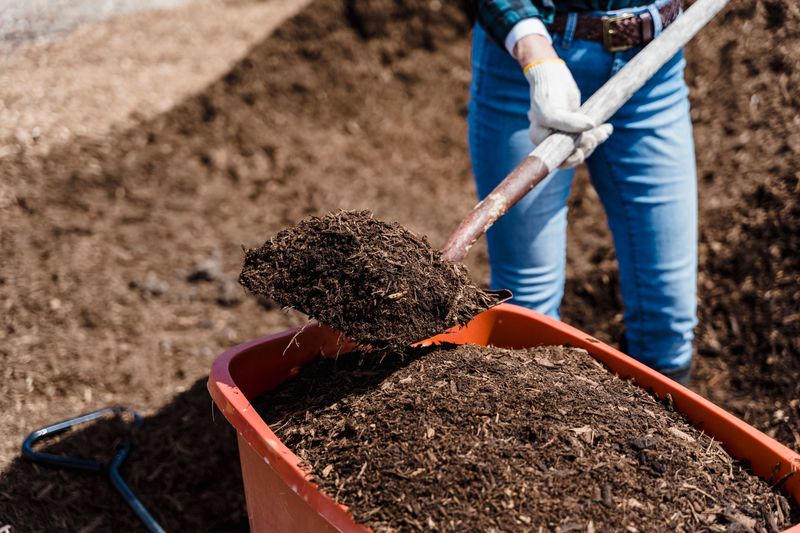
Compost gradually helps with both of these problems at once. It loosens heavy soil, adds air pockets, and helps the ground hold just the right amount of moisture.
October is a great month to work compost into garden beds across Louisiana. The weather is milder, and soil life stays active through the cooler fall days.
Spread two to three inches of compost over the bed and mix it into the top six inches. A garden fork or shovel does the job with a little elbow grease.
You can make compost at home from fall leaves, grass clippings, and kitchen scraps like veggie peels. Garden centers also sell bagged compost if you want a faster start.
Avoid adding sand alone to clay, since the mix can form a dense, hard mass. Compost works far better and feeds helpful earthworms at the same time.
Improving clay takes patience, and a few seasons of compost make a big difference. Each year, your soil becomes softer, darker, and better at balancing water.
8. Adjust Watering As Nights Cool Down
A pleasant change often reaches Louisiana in October when the first cool front arrives. Folks pull out sweaters, and gardens get a welcome break from the heat.
Cooler nights mean the soil loses less water to evaporation each day. Plants also grow more slowly in cooler weather, so they drink less than in August.
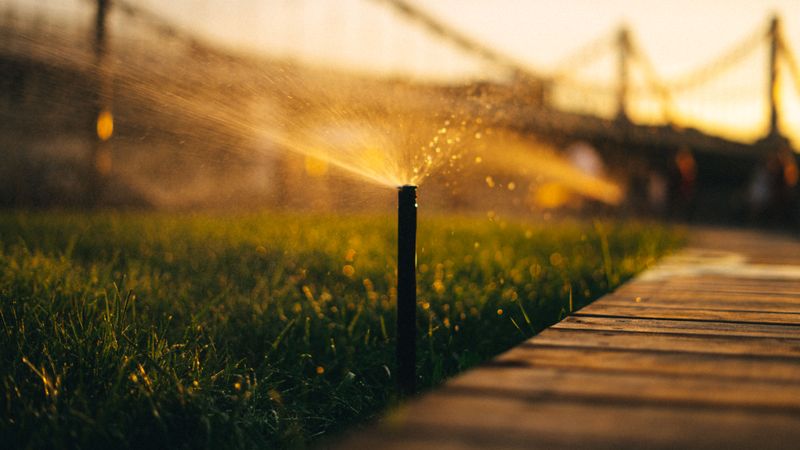
Many gardeners keep their summer watering schedule running longer than needed into fall. Sprinklers set on timers can soak beds that are already plenty moist.
Take a few minutes to adjust any automatic timers once nights dip into the 60s. Cutting back to once or twice weekly often works well for many beds.
Shorter days also mean less sunlight, which slows how fast moisture disappears from the ground. Shady spots may stay damp for days after a single watering.
Keep an eye on the forecast, since warm spells can still pop up in late October. A sudden hot week might call for an extra drink for your plants.
Newly planted fall flowers like pansies and snapdragons still need steady moisture while roots settle in. Check them more often than older shrubs and established perennials.
Writing quick notes on a calendar can help you track rain, watering days, and plant moods. After one season, you will spot helpful patterns for next fall.
Matching your watering to the weather is a practice many professionals rely on. Listen to the soil, watch the sky, and your garden will stand tall all season.