The Louisiana Yard Prep Checklist Worth Following Before Hurricane Season
Hurricane season doesn’t send a warning text. It just shows up, usually on the one weekend your yard is least ready for it.
Every year, the same scene plays out across Louisiana. Homeowners sprint outside at the last minute, chasing lawn chairs across the grass while the sky turns a color that means business.
A yard prep checklist can mean the difference between a lawn that shrugs off a storm and one that becomes a hazard. A wobbly branch or loose planter can turn into a projectile once the wind picks a fight.
Most of these fixes take an afternoon, not a weekend, and the payoff shows up fast. Early prep changes the whole equation. While a tropical wave is still just a blip over the Atlantic, your yard can already be one step ahead of it.
1. Inspect Trees And Shrubs For Decaying Or Weak Branches
Decaying branches are ticking clocks. One good gust can turn a rotting limb into a battering force aimed straight at your roof.
Walk your entire Louisiana yard slowly before storm season begins. Look up at every tree and shrub with fresh eyes, like you are seeing them for the first time.
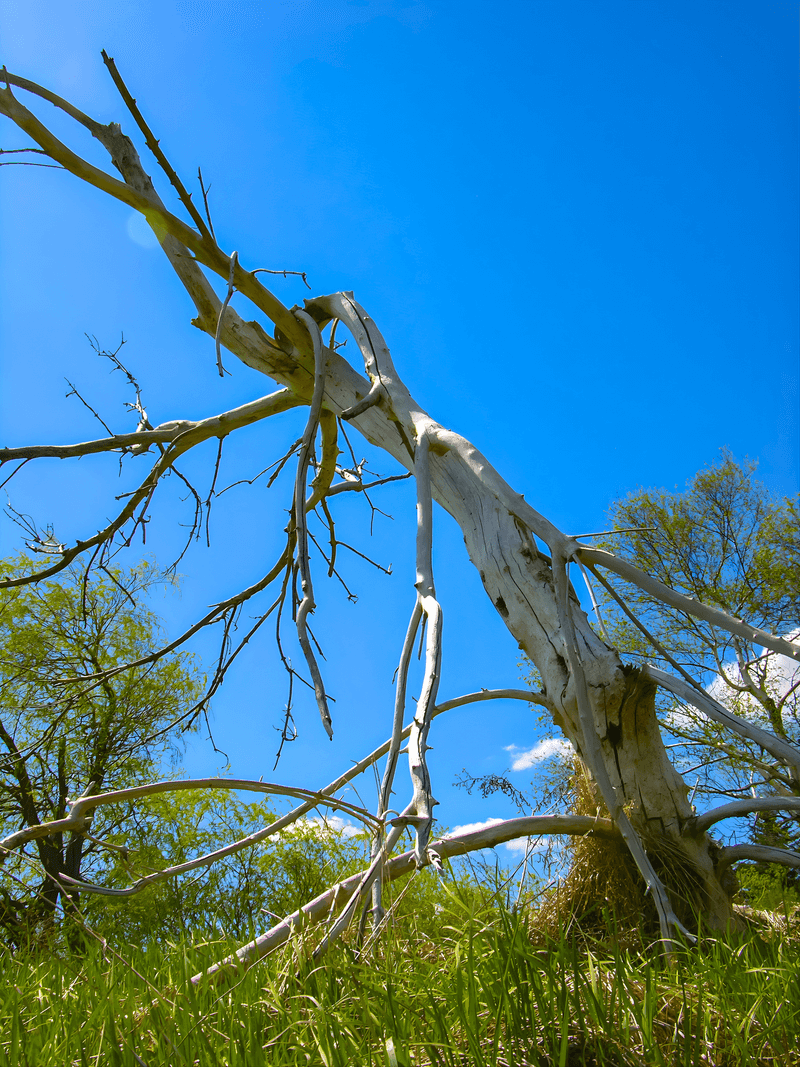
Decaying branches often look gray or brittle compared to healthy wood. They may have no leaves, cracked bark, or a hollow sound when tapped.
Weak branches are just as dangerous as rotted ones. A branch that grows at a sharp angle or crosses another branch is under constant stress.
Hiring a certified arborist is the smartest move for large trees. They can spot problems you might miss from the ground.
For smaller shrubs and low-hanging limbs, a clean pair of loppers and some gloves are all you need. Cut at the collar, not the trunk, to help the tree heal properly.
Do not ignore trees near the fence line either. A neighbor’s damaged tree can fall onto your property just as easily as your own.
Documenting the condition of your trees with photos is also a smart habit. Insurance companies often ask for before-and-after evidence when storm damage claims are filed.
Starting this inspection early gives you time to schedule professional removal if needed. Waiting until June means competing with every other homeowner for the same tree service appointments.
2. Trim Branches Away From The Roof And Power Lines
A branch scraping your shingles on a calm day will punch straight through them during a Category 2 storm. That gentle rubbing sound you hear at night is your roof slowly wearing down.
Trimming branches away from the roof is one of the highest-impact tasks on the Louisiana yard prep checklist worth following before hurricane season. It protects both your structure and your budget.
Aim for at least six feet of clearance between any branch and your roofline. During high winds, branches sway much farther than they appear to at rest.
Power lines are a different challenge altogether. Avoid trimming branches near electrical lines yourself, no matter how reachable they look.
Your Louisiana Garden Changes Every Week. Your Plan Should Too.
Gardening in Louisiana changes quickly throughout the season. Every Friday you’ll receive a simple weekly plan showing exactly what to plant, prune, fertilize, harvest, and protect so you never miss the right timing.
Call your utility company instead. Many providers in the Gulf South offer free trimming services when branches pose a threat to their infrastructure.
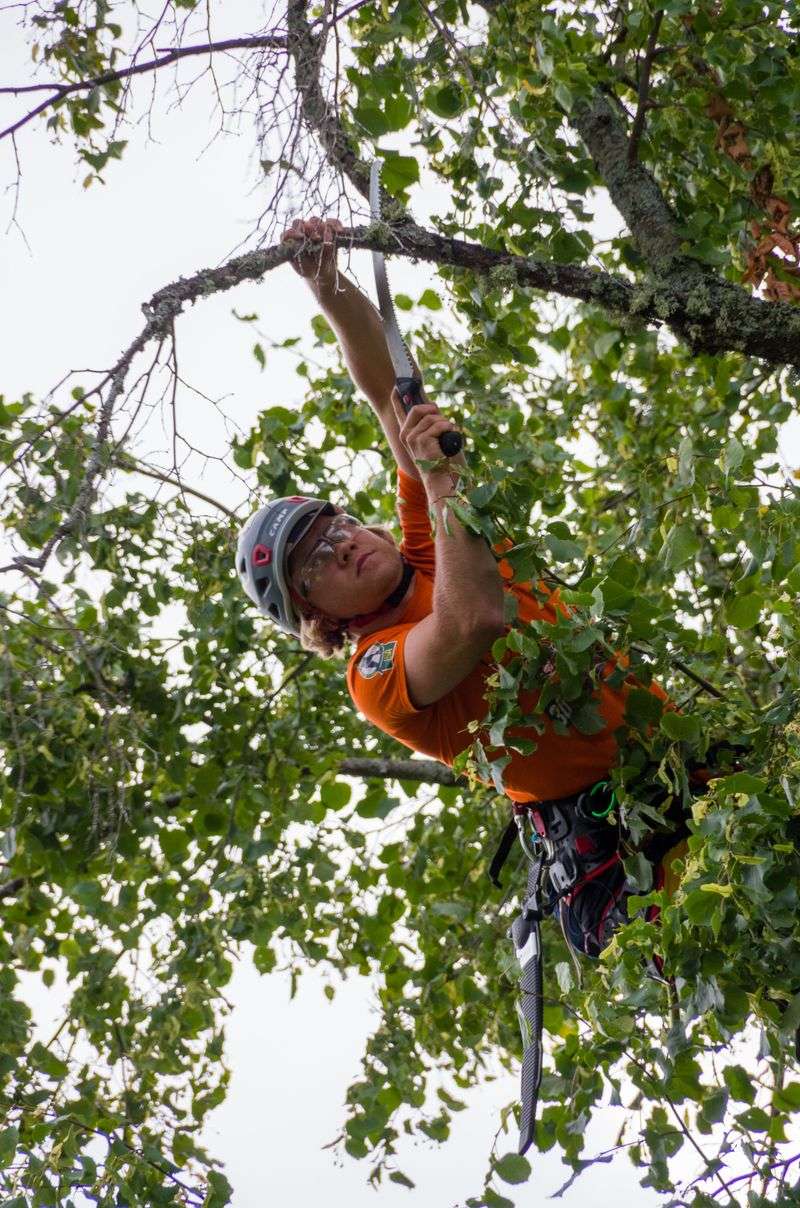
For branches over your roof that are within safe reach, a pole saw works well. Cut from the outside of the branch inward to avoid tearing the bark.
Timing matters here too. Trimming during late winter or early spring gives trees time to recover before the heat of summer arrives.
Freshly cut trees are slightly more vulnerable to disease and pests. Sealing large cuts with a proper wound dressing adds a layer of protection during that recovery window.
Your roof is your home’s helmet. Keeping branches clear of it is one of the simplest ways to protect everything underneath.
3. Clear Gutters And Downspouts Of Debris
Clogged gutters during a storm are basically decorative at that point. Water has nowhere to go, so it backs up under your shingles and pours down your walls instead.
Clearing gutters before hurricane season is one of the most overlooked steps in yard prep. Most homeowners clean them in fall and forget about them entirely until something goes wrong.
Spring pollen, seed pods, and Spanish moss are notorious for packing gutters tight in the Gulf South. A single afternoon of cleaning can prevent thousands of dollars in water damage.
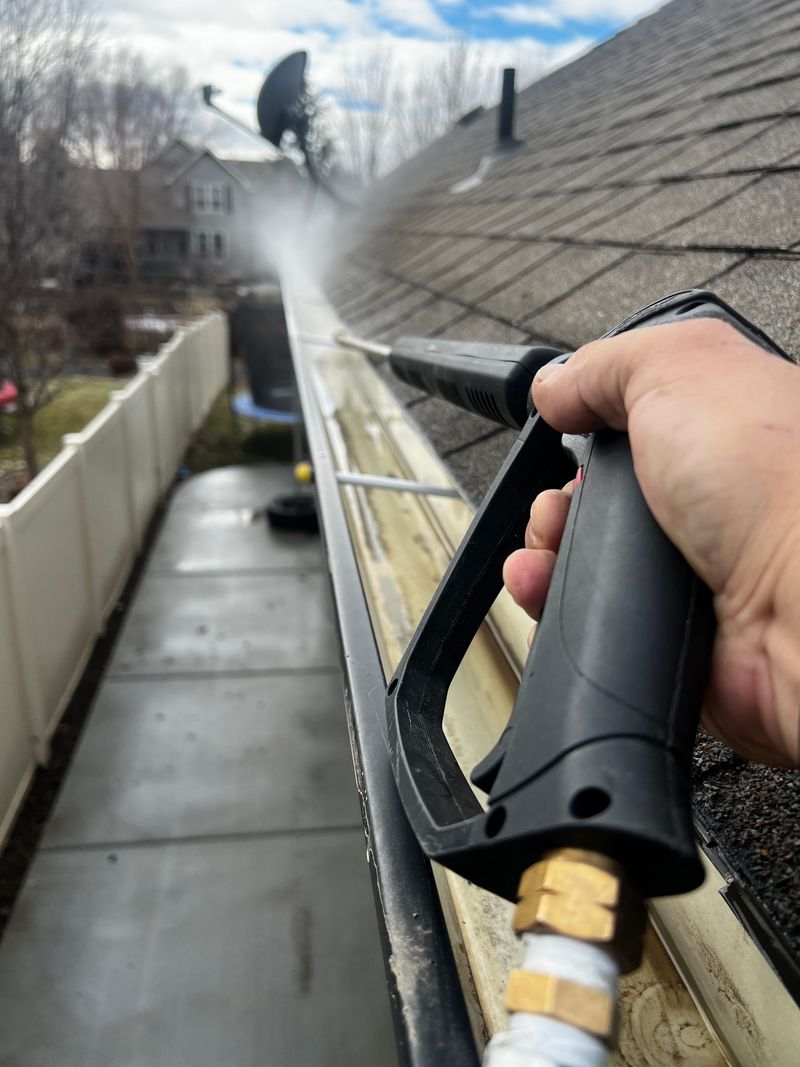
Start by scooping out the bulk of the debris with a gutter scoop or gloved hands. Then flush the entire system with a garden hose to check for slow spots or blockages.
Pay close attention to downspouts. A clogged downspout is often worse than a clogged gutter because the blockage is hidden and harder to clear.
Use a plumber’s snake or a strong burst of water pressure to clear any stubborn downspout jams. Make sure water exits at least three feet away from your foundation.
Gutter guards can reduce future buildup, but they are not a permanent fix. Debris still collects on top of the guards and needs seasonal attention.
After cleaning, check for any sections that sag or pull away from the fascia board. Loose gutters can detach entirely during high winds, causing additional damage to your siding.
Clean gutters move water fast and efficiently. That speed matters enormously when a storm dumps several inches of rain in under an hour.
4. Check Yard Drainage And Slope Soil Away From The Foundation
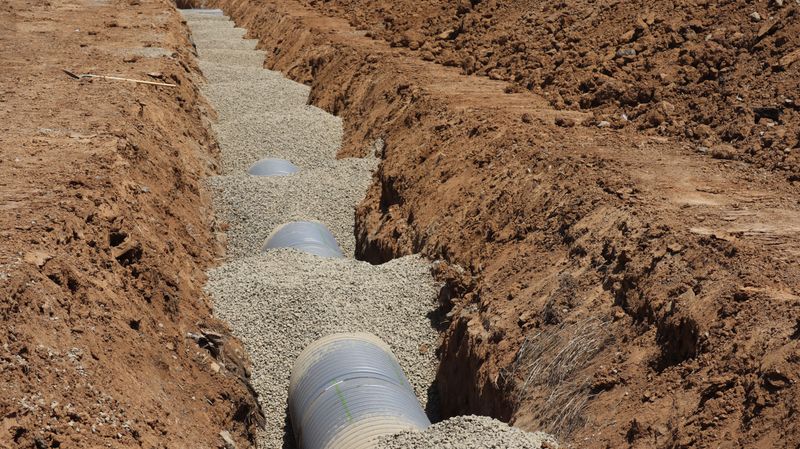
Standing water near your foundation is a slow disaster playing out in real time. Every heavy rain pushes moisture closer to your slab or crawl space.
Proper yard drainage is a critical piece of storm prep that most people skip entirely. It is not as obvious as trimming a tree, but the damage from poor drainage is just as costly.
The ground around your home should slope away from the foundation at a rate of about one inch per foot. That gentle angle is enough to redirect water during even heavy rainfall events.
Walk your Louisiana yard after a moderate rain and look for puddles that linger more than an hour. Those low spots are your warning signs.
Filling low areas with topsoil or compactable fill is a straightforward weekend project. Rake the new soil smooth and give it a few weeks to settle before the rainy season arrives.
French drains are another solid option for yards with chronic drainage problems. They redirect water underground and release it safely away from the structure.
Foundation vents and crawl space openings should also be checked. These openings can flood quickly when water pools against the foundation during a storm surge or heavy downpour.
Adding a layer of mulch around garden beds helps absorb surface water before it reaches your home. Just keep mulch at least two inches away from wood siding or trim.
Good drainage is invisible when it works. You only notice it when it fails, and by then the damage is already done.
5. Secure Mulch And Loose Garden Materials
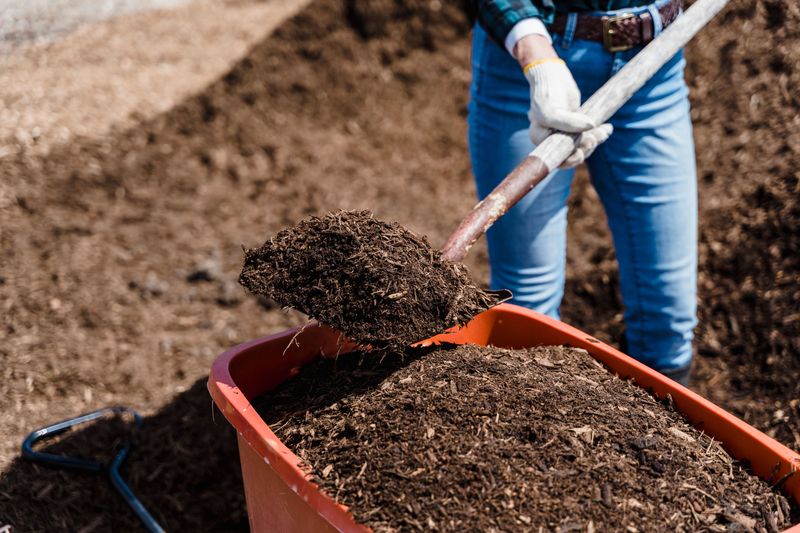
Mulch looks harmless on a sunny afternoon. But at 80 miles per hour, a fistful of wood chips turns into a sandblaster against your windows and siding.
Securing loose garden materials is an easy step that homeowners often underestimate. Lightweight items in the yard can cause serious damage when storm winds arrive without much warning.
Standard shredded mulch is especially prone to becoming airborne. Consider switching to heavier options like rubber mulch, river rock, or pine bark nuggets in areas close to your home.
Edging materials like plastic borders and decorative stones can also shift during flooding. Remove lightweight edging before a storm and store it in the garage or shed.
Garden stakes, plant cages, and wire trellises should all come down before high winds arrive. Even a small tomato cage can snap off and fly a surprising distance.
Potted herbs and small container plants near the garden bed need to move indoors or into a sheltered area. Do not assume a heavy pot will stay put on its own.
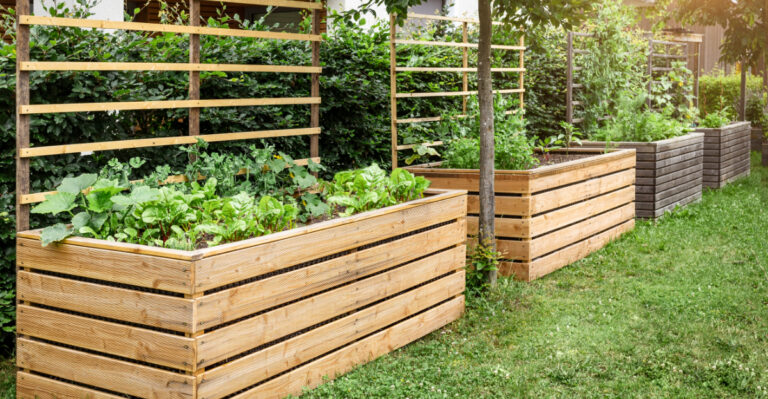
If you have raised garden beds with loose soil, consider covering them with landscape fabric weighted down by bricks. This prevents significant erosion during a storm surge or heavy rainfall.
Bird feeders, wind chimes, and garden art should be removed and stored safely. These decorative pieces are often the first things to go airborne during a storm.
A tidy garden before storm season is not just about aesthetics. It is about making sure your Louisiana yard does not become a danger zone for your neighbors too.
6. Remove Or Tie Down Loose Outdoor Items Like Pots And Decorations
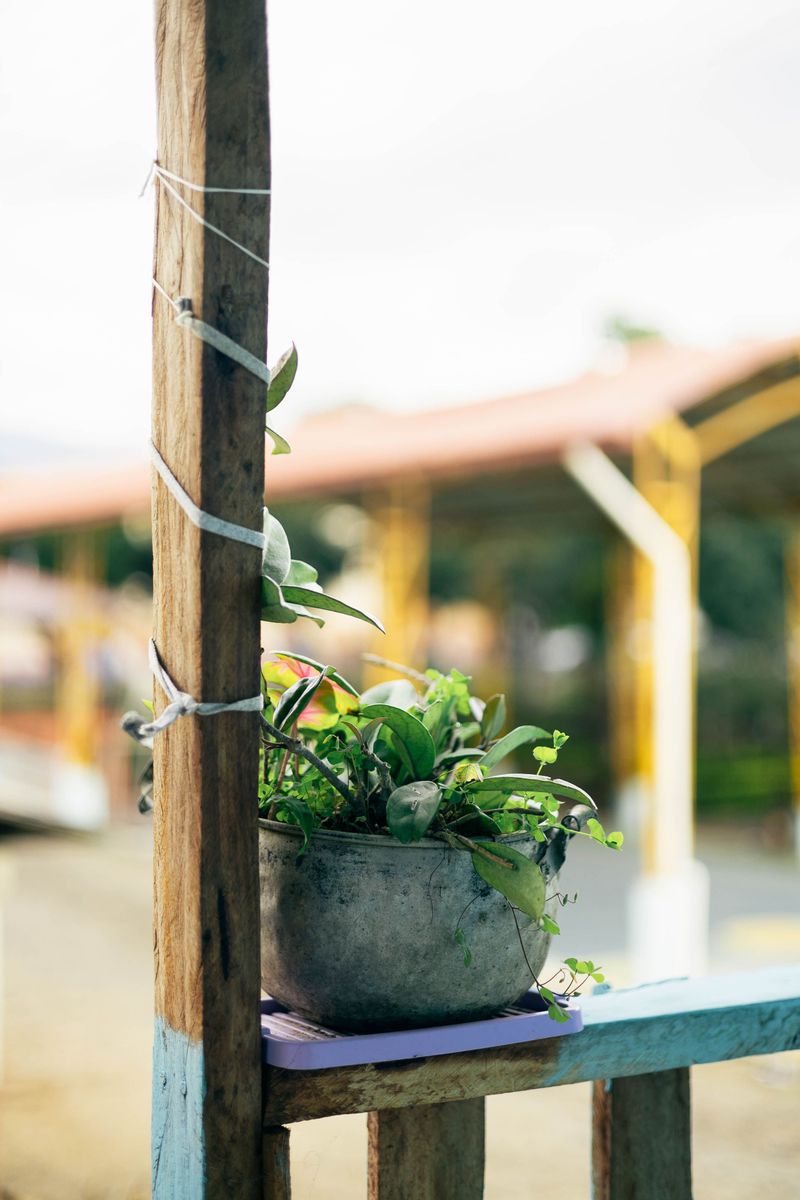
That ceramic pot you love on the front porch turns into a heavy, fast-moving object during a Category 1 storm. Wind does not care how pretty your decor is.
Removing or securing loose outdoor items is one of the most time-sensitive tasks on any storm prep list. The Louisiana yard prep checklist worth following before hurricane season puts this near the top for good reason.
Start a full sweep of your outdoor spaces at least 48 hours before a named storm arrives. Waiting until the last minute means rushing, forgetting things, and running out of storage space.
Patio furniture is one of the biggest concerns for most homeowners. Tables, chairs, and umbrellas should be moved into the garage or strapped together with heavy-duty ratchet straps.
Planters, garden statues, and decorative lanterns all need to come inside. If something cannot be moved, secure it to a fixed structure using hurricane straps or bungee cords rated for outdoor use.
Do not overlook children’s outdoor toys. Slides, playsets, and sandboxes can shift dramatically in high winds, especially if the ground becomes saturated.
Grills are another commonly forgotten hazard. A propane grill should be moved into the garage with the tank disconnected and stored separately.
Doormats, welcome signs, and wreath hangers are small but mighty projectiles. Toss them in a bin or behind a closed door before the storm arrives.
Every item you bring inside is one less thing that can hurt someone or damage property. That peace of mind is worth every minute of effort.
7. Clean Storm Drains Of Leaves And Grass Clippings
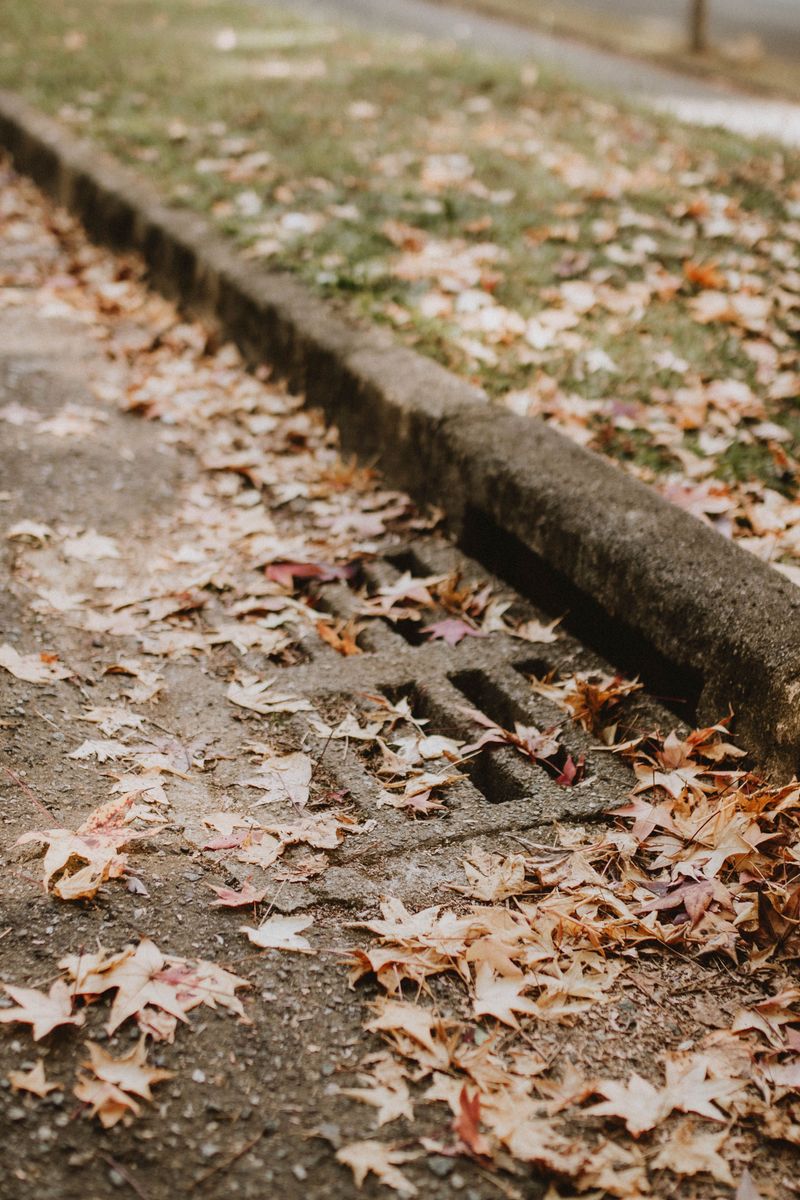
A blocked storm drain during a tropical storm turns your street into a river in under an hour. That is not an exaggeration in low-lying Gulf South neighborhoods.
Cleaning storm drains near your property is a civic act that also protects your own home. Flooded streets push water back toward yards and foundations faster than most people expect.
Grass clippings are one of the top culprits for clogged drains. When clippings wash into a drain opening, they mat together and form a plug that even moderate rain cannot push through.
After every mow, blow or sweep clippings away from the curb and drain opening. This small habit makes a significant difference in how well your street handles heavy rainfall.
Leaves from fall and spring shed seasons also collect near drains. A quick rake and bag session around the storm drain on your block takes about fifteen minutes.
See if your municipality has a storm drain adoption program. Many local governments encourage residents to maintain the drain nearest their home as a community service.
Do not use a pressure washer to clean a storm drain unless you know where the water flows. Some systems connect directly to waterways, and flushing debris downstream can create problems elsewhere.
A simple hand rake and a pair of gloves are all you need for this task. Clear the grate fully and check that water flows freely when you run a hose over it.
Keeping drains clear is one of those quiet, unglamorous tasks that saves entire blocks from flooding. Your neighbors may not thank you, but their dry floors will.
8. Schedule A Septic Tank Cleanout If Applicable
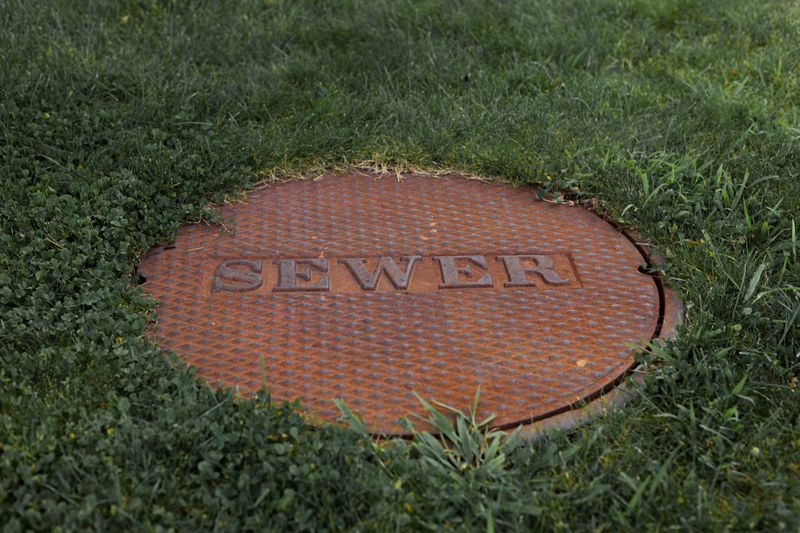
Your septic system works quietly underground every single day. But a flooded, overfull tank during a hurricane can back up into your home in the worst possible way.
Scheduling a septic tank cleanout before storm season is a step that rural and suburban homeowners often push off until it becomes an emergency. Do not let that be you this year.
Floodwaters can saturate the drain field surrounding your tank, making it impossible for the system to process waste properly. A full tank combined with a saturated field is a recipe for sewage backup inside your home.
Most tanks should be pumped every three to five years under normal conditions. If you are overdue, before hurricane season is the perfect time to get it done.
Call a licensed septic service provider in your area at least four to six weeks before peak storm season. Slots fill up quickly as homeowners start thinking about preparedness in late spring.
Ask the technician to inspect the inlet and outlet baffles while they are on-site. Damaged baffles can cause solids to escape into the drain field, leading to costly repairs down the road.
Also check the tank lid and access risers for cracks or loose fittings. Floodwater entering through a compromised lid can overwhelm the system almost instantly during heavy rain.
Mark the location of your tank and drain field clearly in your yard. Emergency crews and repair technicians need to find it quickly after a storm event.
A clean, well-maintained septic system is one less crisis during an already stressful storm season. Following the Louisiana yard prep checklist worth following before hurricane season means taking care of what is underground too.