Planting Georgia Garlic In Spring Instead Of Fall Could Cost You Bigger Bulbs
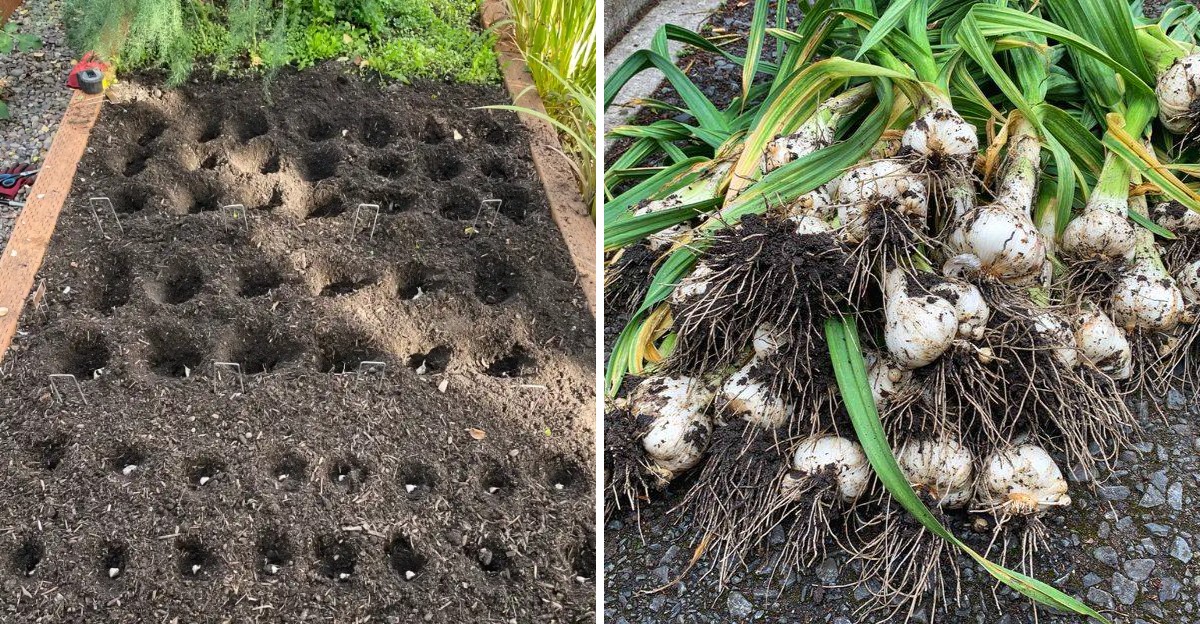
Garlic planted in spring can still grow, but waiting that long may leave you with smaller bulbs than you expected at harvest.
Unlike many vegetables, garlic benefits from spending winter in the ground. Fall planting gives cloves time to establish roots before warmer weather encourages leafy growth.
That early start can make a difference when the plant begins forming bulbs.
In Georgia gardens, planting garlic during the cooler months generally provides a longer growing period before summer heat arrives. Spring planting shortens that window and may limit bulb development.
Choose healthy planting cloves and a sunny spot with soil that drains well.
Give your garlic enough time to establish rather than rushing the process later. The planting season you choose can influence what you eventually pull from the ground.
1. Fall Planting Gives Garlic More Time To Establish Roots
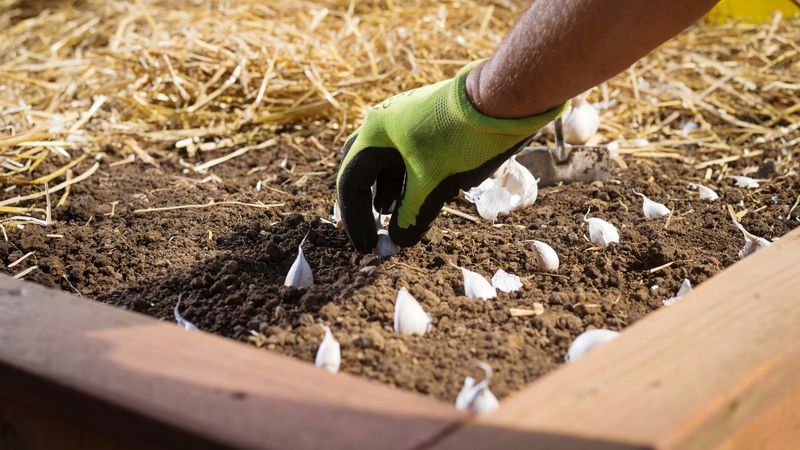
Roots come first, and garlic is in no hurry. A clove planted in fall spends its early weeks building a root system before much green growth shows above the soil.
That underground start matters more than most people expect.
Across much of Georgia, gardeners commonly plant garlic from October into November, though timing can shift with your area and the weather that year. Cooler soil tends to encourage root growth without pushing the plant too fast.
A clove with a strong root system can pull up water and nutrients more easily once spring growth kicks in.
Picture two plants side by side in March. One has been rooting since fall, while the other was just tucked into the ground a few weeks ago.
Odds are good that the fall-planted garlic will look sturdier, with more leaves already forming.
Leaves are important because each one helps feed the bulb later. More healthy leaves before bulbing begins often means more energy available for bigger cloves.
Mild winters help here too, since garlic can keep growing slowly through cool spells.
To give your cloves the best start, plant firm, healthy ones from a reliable source. Grocery store garlic may be treated or poorly suited to your climate, so seed garlic from a garden supplier is usually a safer pick.
2. Spring Planting Often Results In Smaller Bulbs
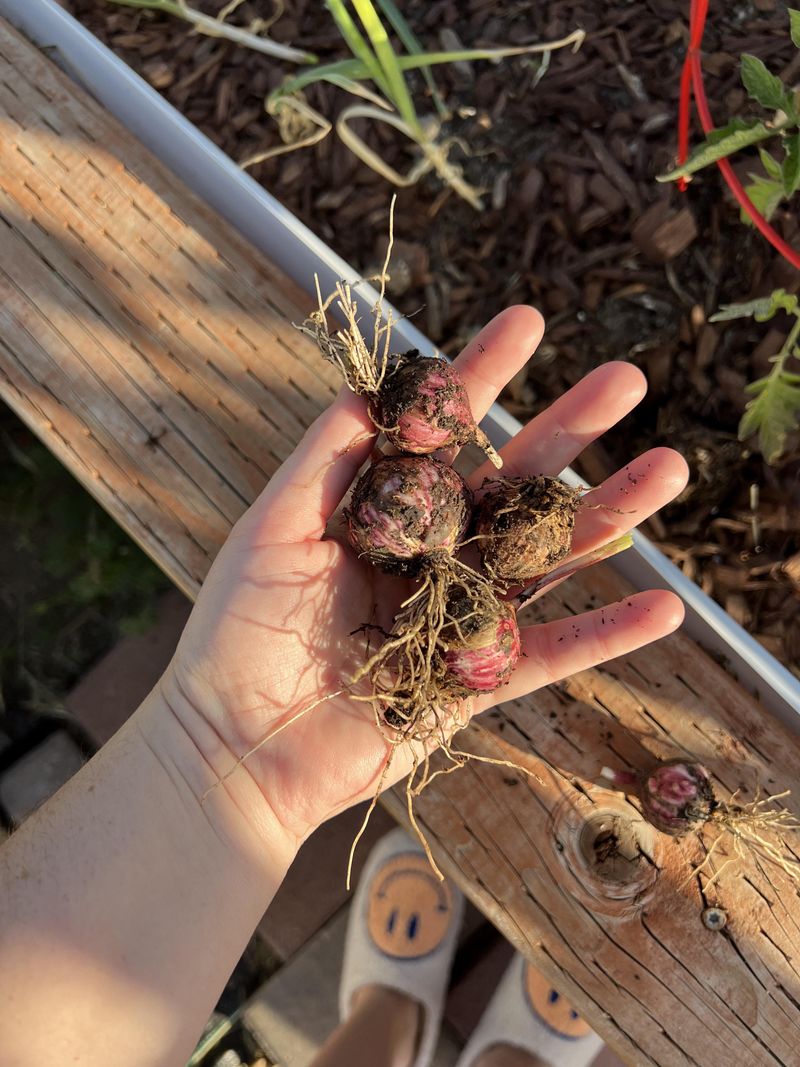
Small bulbs are the most common complaint from spring garlic planters. Some gardeners even pull up rounds, which are single solid cloves with no divisions.
Those rounds are still edible, but they are not what most people hoped to grow.
Garlic usually starts forming bulbs as days get longer and temperatures rise. A spring-planted clove has only a short window to grow leaves before that switch happens.
Fewer leaves at bulbing time generally means less stored energy for the bulb.
Warm weather arrives fairly early in Georgia, especially in the middle and southern parts of the state. That can shorten the spring growing period even more than in northern states.
Results are not identical every year, of course.
A cool, long spring might help a late planting catch up a bit, while a sudden warm spell could push bulbs to form early. Soil quality and steady moisture also affect the final size.
Your Georgia Garden Changes Every Week. Your Plan Should Too.
Gardening in Georgia changes quickly throughout the season. Every Friday you’ll receive a simple weekly plan showing exactly what to plant, prune, fertilize, harvest, and protect so you never miss the right timing.
If spring is your only option, try to plant as early as the ground is workable. Keep weeds pulled, since garlic competes poorly with them.
Rounds you harvest can be replanted that fall, where they may divide into a full bulb the next season.
3. Cold Weather Helps Garlic Prepare For Bulb Development
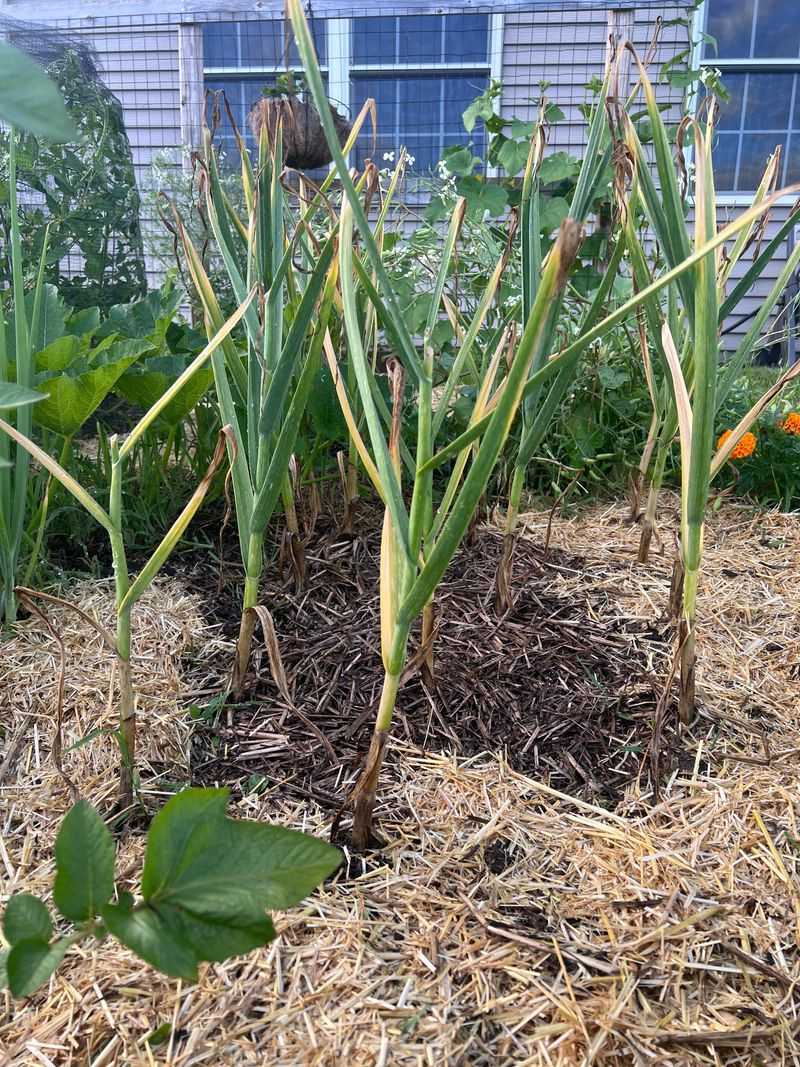
Chilly weeks are not the enemy of garlic. Most varieties actually need a stretch of cool temperatures to trigger good bulb formation later on.
Gardeners call this exposure to cold vernalization.
Without enough chill, garlic may grow leaves but form poorly divided bulbs. Some plants produce one large clove instead of several smaller ones.
Winters vary quite a bit from north to south Georgia, which affects how much natural cold your garlic receives. Mountain areas usually get plenty, while coastal and southern gardens may get less.
Fall planting lets the weather handle this step naturally.
Some growers in warmer spots chill their seed garlic in the refrigerator for several weeks before planting. Your local Extension office can suggest whether that step makes sense for your area and variety.
Keep stored cloves away from fruit like apples, which give off gases that may affect sprouting.
Mulch helps during the colder months without stopping the chill garlic needs. A few inches of straw or shredded leaves can steady soil temperatures and hold in moisture.
Hard freezes rarely harm established garlic, though heaving soil can push shallow cloves upward. Gently press any lifted cloves back down if that happens.
4. Softneck Garlic Is Better Suited To Warmer Growing Regions
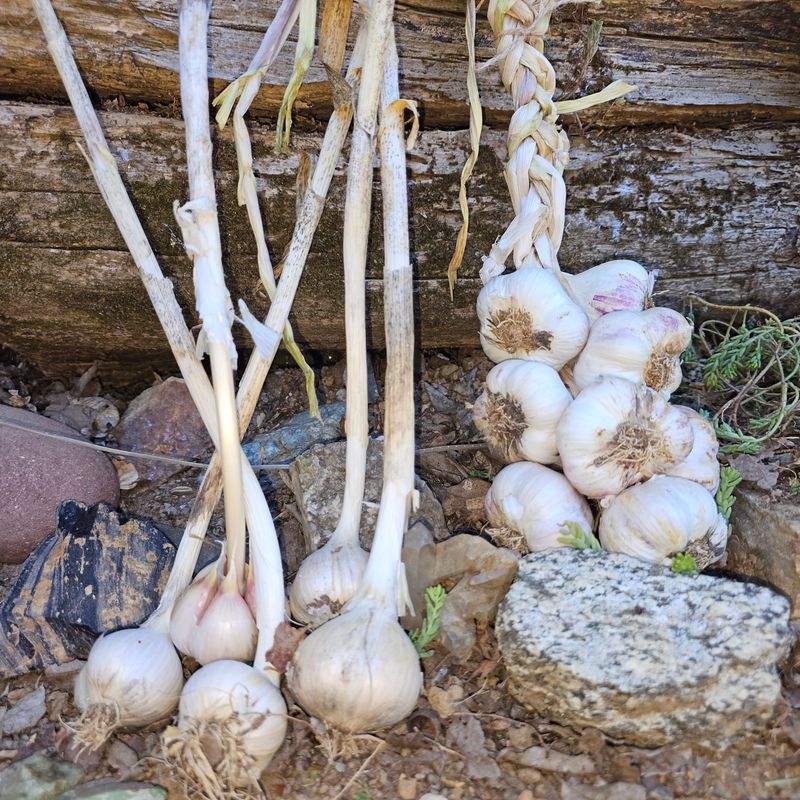
Variety choice can quietly decide your harvest. Garlic falls into two main groups, hardneck and softneck, and they handle warm winters differently.
Softneck types generally tolerate mild climates better than most hardnecks.
Hardneck garlic tends to need longer, colder winters to bulb well. In much of Georgia, those conditions are not reliable outside the northern mountains.
Softnecks also store longer, and their flexible stems can be braided for hanging.
Artichoke-type softnecks such as Inchelium Red and California Early are popular picks in Southern gardens. Creole types are another group that many warm-climate growers like, with rich color and good flavor.
Elephant garlic is also common here, though it is technically closer to a leek.
Performance still depends on your local soil, weather, and care. A variety that thrives for one neighbor may do just okay in your yard.
Trying two or three types side by side is a practical way to learn what works best for you.
Buy seed garlic from regional suppliers when possible, since stock grown in similar conditions may adapt more easily. Save your largest, healthiest bulbs for replanting next fall.
5. Planting At The Right Depth Supports Healthy Growth
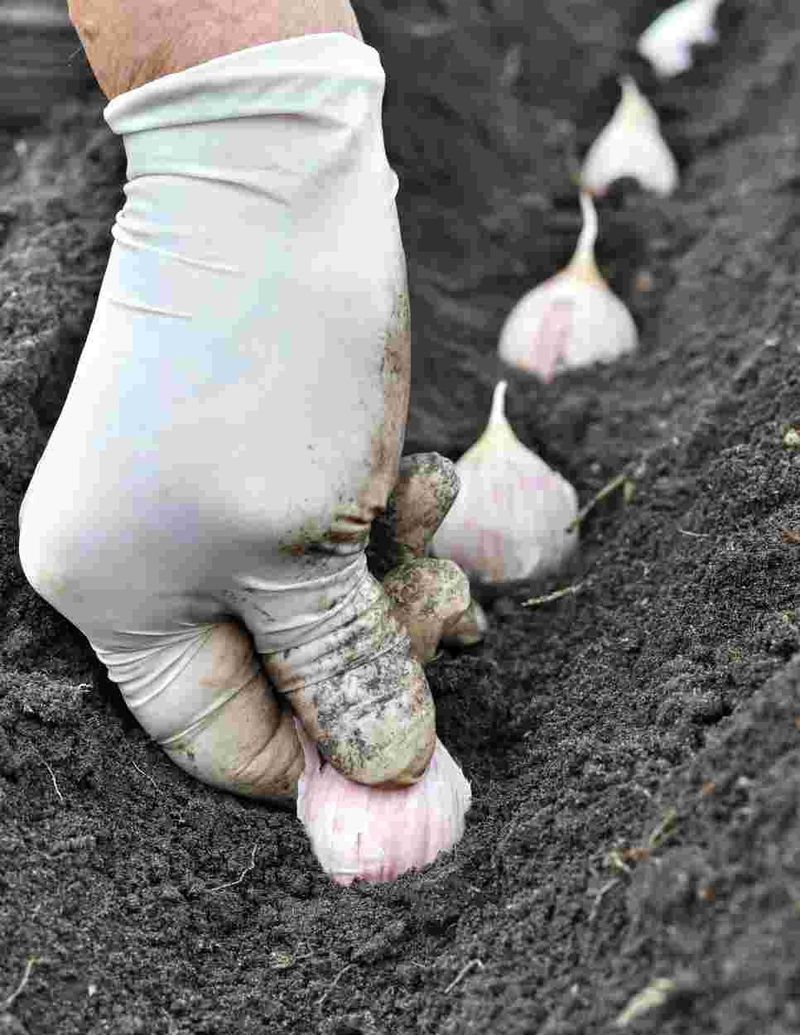
Depth sounds like a small detail until bulbs come up lopsided. Getting it right gives each clove a steady place to root and grow.
Most guides suggest setting cloves about one to two inches deep, pointed end up.
Planting too shallow can leave cloves exposed to drying out or heaving during cold snaps. Going too deep may slow emergence, especially in heavy soil.
Spacing matters just as much as depth.
Leaving roughly four to six inches between cloves gives bulbs room to expand. Rows can sit about a foot apart, which makes weeding much easier.
Here in Georgia, clay soils are common, so loosening the bed before planting can help roots spread. Mixing in compost improves texture and adds organic matter.
Separate bulbs into cloves only a day or two before planting so they stay fresh.
Keep the papery wrapper on each clove, since it offers some protection in the soil. Choose the biggest cloves for planting, because larger cloves often produce larger bulbs.
After planting, water gently to settle the soil around each clove. A light layer of mulch can follow once the bed is set.
6. Well-Drained Soil Helps Prevent Cloves From Rotting
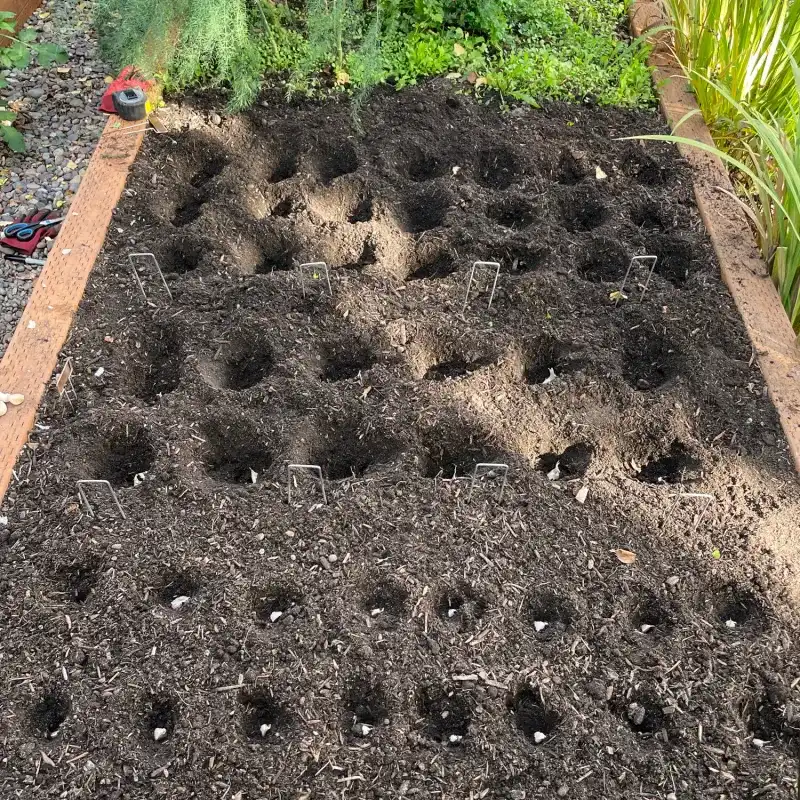
Soggy ground can ruin garlic faster than cold ever will. Cloves sitting in wet soil for long stretches are more likely to develop rot and fungal problems.
Drainage is worth checking before you plant a single clove.
Winter rain can be heavy in parts of Georgia, and red clay tends to hold water. A low spot that puddles after storms is a poor place for garlic.
Raised beds are one simple fix.
Lifting the soil even a few inches lets extra water move away from the cloves. Adding compost can also help clay drain better while holding enough moisture for roots.
Try a quick test by digging a hole about a foot deep and filling it with water. If it still holds water many hours later, consider improving drainage or choosing another spot.
Garlic does need steady moisture during active spring growth, though.
Watering when the top inch of soil feels dry usually works well. Many growers ease off watering as bulbs near maturity, which may help with curing and storage.
Rotating where you plant garlic each year can also lower the chance of soil-borne disease building up.
7. Proper Timing Helps Garlic Reach Harvest Size Before Summer Heat
Heat changes everything for garlic. Once temperatures climb and days lengthen, the plant shifts its focus and leaf growth slows down.
Bulbs that started early have a head start when that shift comes.
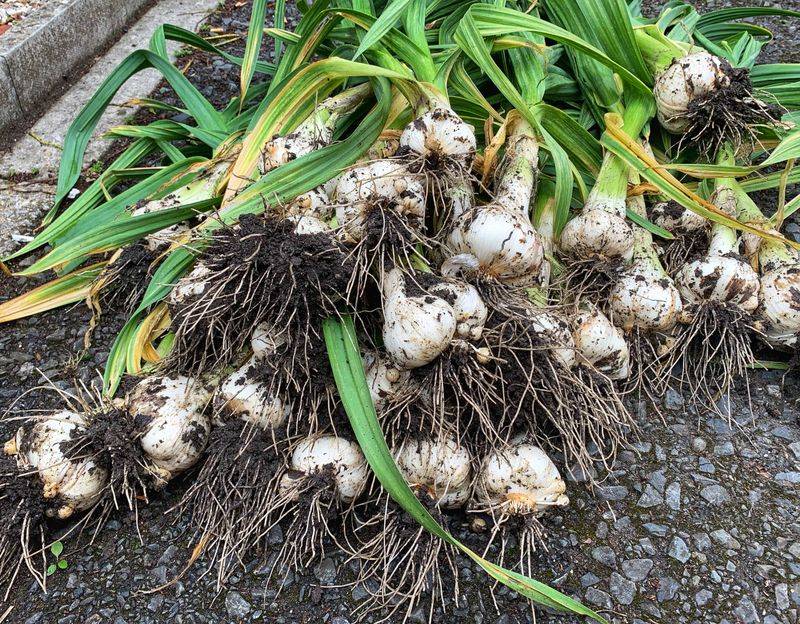
Fall-planted garlic in Georgia is often ready to harvest from late May into June, depending on variety and location. Southern parts of the state may see earlier harvests than the mountains.
Watch the leaves instead of the calendar.
Many growers dig when the lower few leaves turn brown while several upper leaves stay green. Each green leaf represents a protective wrapper around the bulb.
Waiting too long can cause bulbs to split open, which shortens storage life.
Digging a test bulb is a smart move if you are unsure. Loosen the soil with a garden fork rather than yanking stems, since bruised bulbs store poorly.
After harvest, cure garlic in a shady, airy spot for a few weeks. Humid weather may stretch that curing time a bit.
Once the skins feel papery and the necks are dry, trim the roots and store bulbs somewhere cool and dry. Set aside your best heads for planting again this fall.