Why You Should Never Prune Your Christmas Cactus In Fall In North Carolina
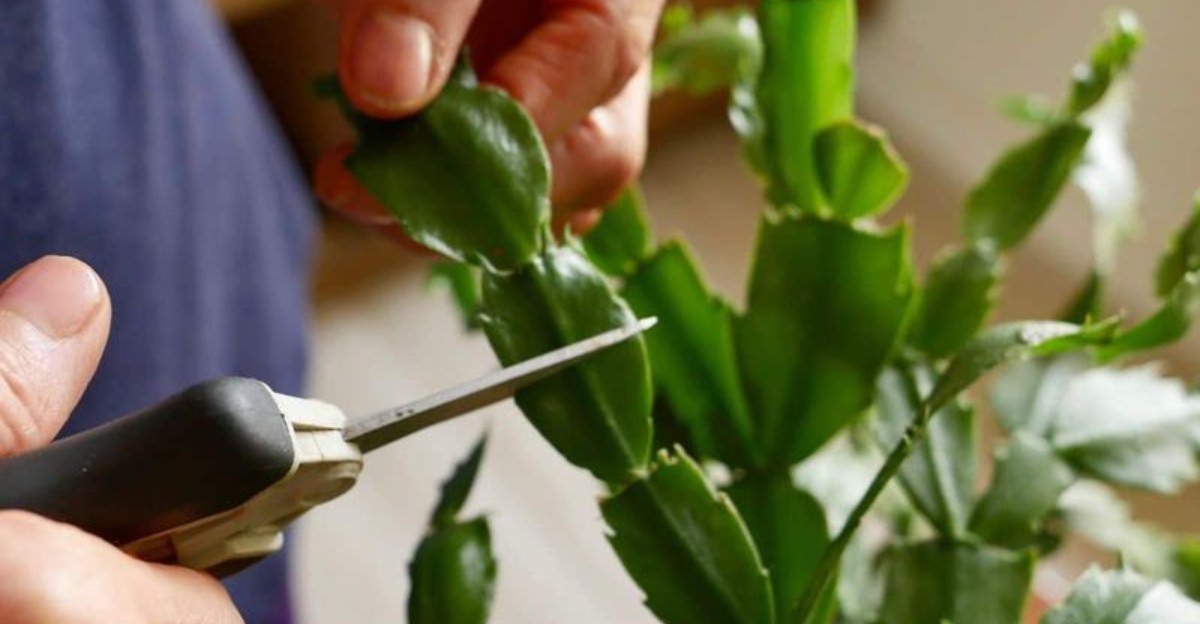
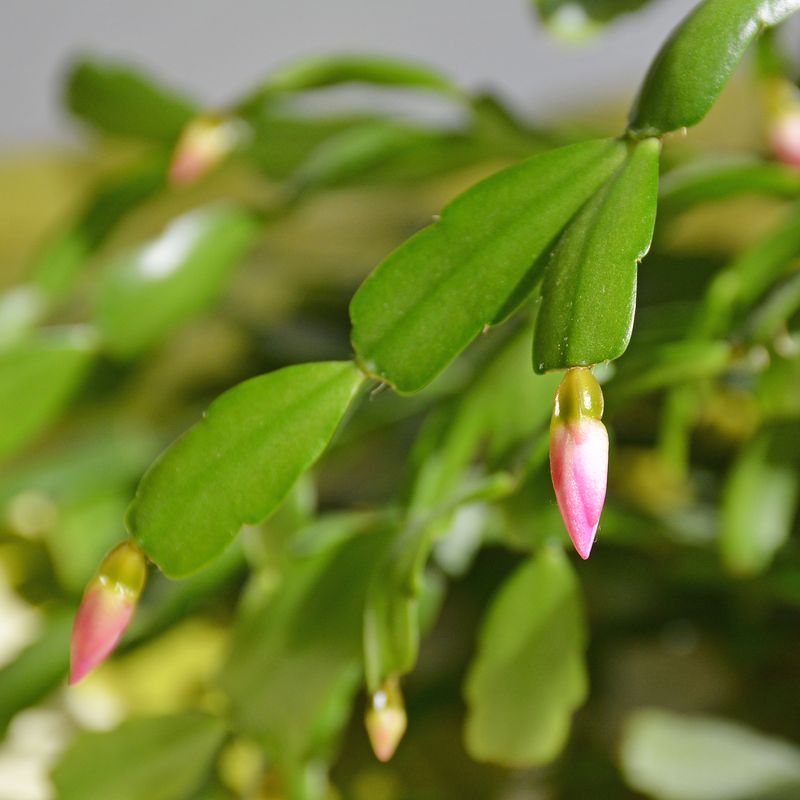
Flower buds on this holiday favorite form at the tips of the stem segments, the exact spot scissors hit. A quick fall trim in North Carolina can quietly remove a whole season of bright pink and red blooms.
Cool October nights and long hours of darkness signal the plant to start building those tiny flower buds. Extension experts point to nights near 50 to 55 degrees as the sweet spot.
Plenty of gardeners trim their plant in autumn and end up with a tidy shape and zero flowers by December. You need to learn the right timing first, so keep those garden snips in the drawer for now.
North Carolina gardeners have a real advantage in fall, with mild days and crisp nights doing most of the work. So what else should you skip this October to get the fullest, brightest holiday show on your windowsill?
Your Scissors Would Snip Off This Year’s Flower Buds
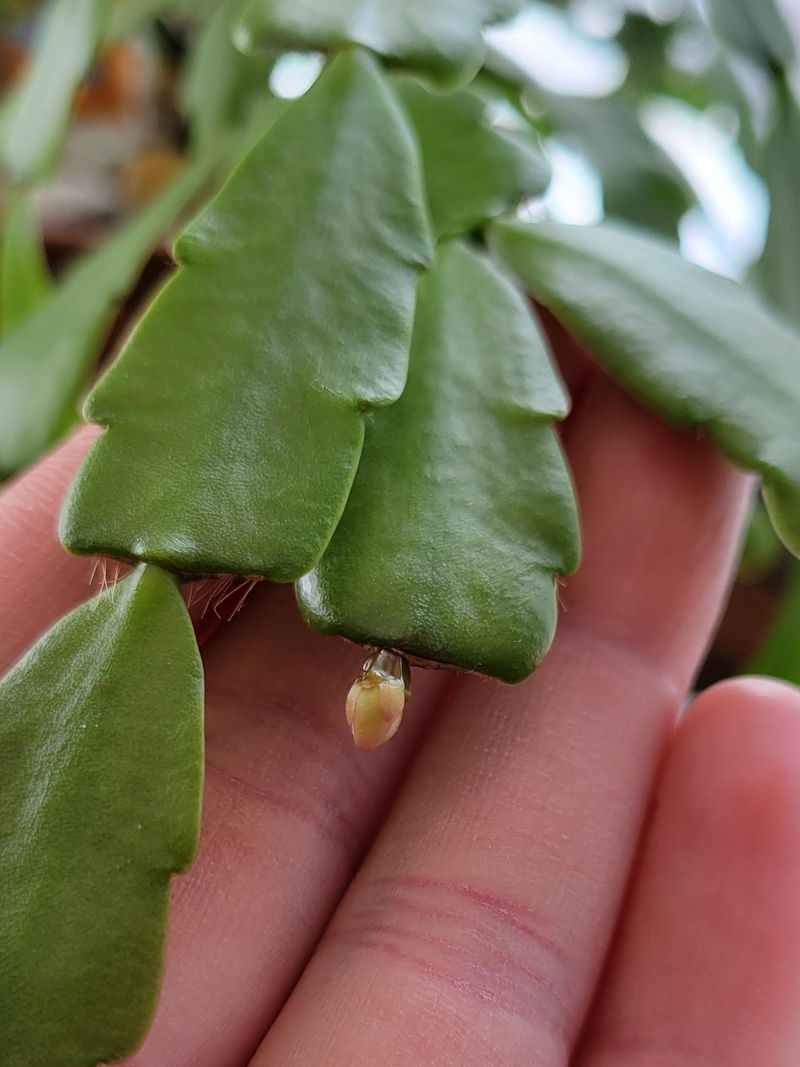
Flower buds on a Christmas cactus appear at the outer tips of the flat, jointed stem segments called phylloclades. Cutting those tips in October means removing the exact spots where your holiday color was getting ready to form.
In North Carolina, Christmas cactus plants typically begin setting buds sometime between late September and early November each year. Those buds start out tiny, so you could easily miss them while shaping a plant that looks leggy.
A single snip might remove one bud, but a full trim can take away dozens of future blooms at once. The plant also needs time to grow new tips, and that regrowth rarely finishes before the holidays arrive.
Fresh segments that sprout after a fall cut usually stay leafy and green instead of producing flowers this season. Most of those new tips will mature over winter and carry blooms the following year with patience.
Take a close look at the stem ends right now, and you may spot small pink or reddish bumps forming. Those little nubs are the start of your flowers, so treat them like treasure until they open.
Gardeners who skip fall pruning often enjoy blooms that last several weeks through Thanksgiving, Christmas, or even New Year’s. Leaving the shape a little messy for now is a small price for that kind of cheerful holiday display.
Put the pruners away until after the last flower fades, then revisit the idea of shaping your plant. Your patience this fall pays off with a fuller, brighter show right when you want the color most.
Fall Is Bud-Building Season For Your Plant
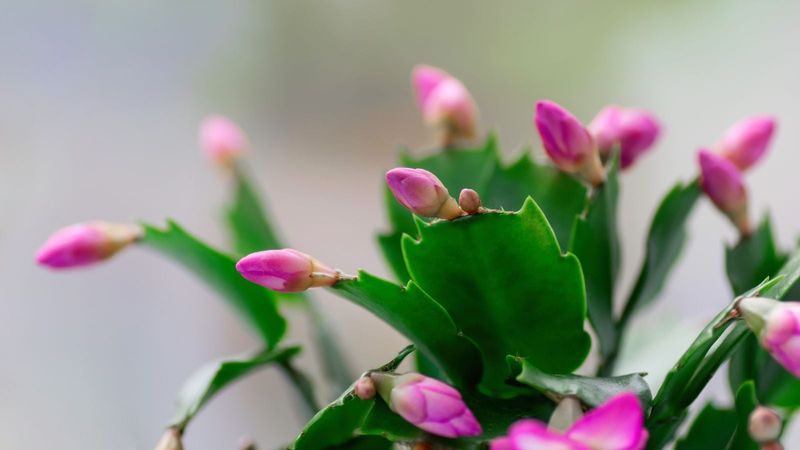
Nature runs a clever signal system for this plant, and the switch flips once autumn nights grow long and cool. Christmas cactus is a short-day plant, which means darkness plays a huge role in starting flower buds.
University extension experts note that about 12 to 14 hours of steady darkness each night helps trigger bud formation. Cooler temperatures around 50 to 55 degrees can also push the plant to bloom with fewer dark hours.
North Carolina falls deliver those conditions beautifully, with October nights often dipping into the fifties across much of the state. Mountain areas cool down first, while the Piedmont and coast follow a few weeks later in the season.
Your North Carolina Garden Changes Every Week. Your Plan Should Too.
Gardening in North Carolina changes quickly throughout the season. Every Friday you’ll receive a simple weekly plan showing exactly what to plant, prune, fertilize, harvest, and protect so you never miss the right timing.
During this stretch, the plant shifts its energy away from growing new stems and toward building flowers instead. Pruning interrupts that shift because it encourages fresh leafy growth right when the plant should focus on blooms.
Think of it like asking a baker to rebuild the kitchen in the middle of the busiest holiday week. The work might get done eventually, but the cookies would almost surely come out late or not at all.
Many growers also notice that buds form more evenly on plants left alone through October and early November. Steady conditions matter, so avoid moving the pot around or changing its routine during this sensitive period.
Respecting this natural rhythm is one of the easiest ways to get reliable flowers without any special tricks. Let the season do its quiet job, and your plant will likely reward you with a colorful surprise.
Your Plant Needs Every Stem Tip Right Now
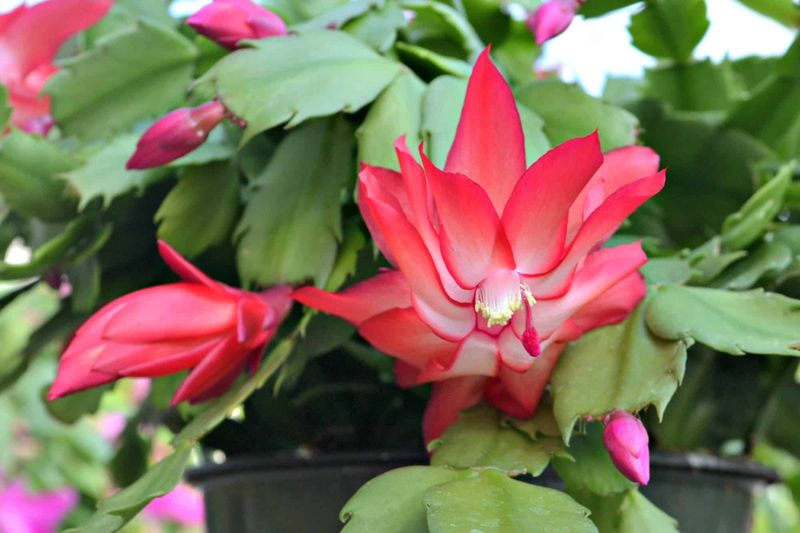
Every flat segment on your plant works like a tiny battery, storing water and energy for the bloom season ahead. Removing segments in fall shrinks that reserve right when the plant needs it most for flowering.
Christmas cactus is a tropical forest plant from the mountains of southeastern Brazil, where it grows on trees. Those roots and stems evolved to hold moisture carefully, so each segment plays a real role in plant health.
Fall cuts also create stress, and stressed plants are more likely to drop buds before they ever open. Bud drop is a common complaint, and extension experts link it to sudden changes in light, water, or temperature.
Adding a pruning shock on top of the usual fall move indoors can be one change too many. Many North Carolina gardeners keep their plants on shady porches, so the trip indoors already asks a lot.
Fresh wounds on the stems can also invite rot if the cuts stay damp in cool, low-light indoor rooms. Healing slows down in fall, so a clean cut that closes quickly in spring may linger now.
Leaving every tip in place gives your plant more spots to form buds and more stored energy to support them. A slightly wild look in October usually turns into a fuller, more generous flower display by December.
If a stem snaps by accident, simply leave the rest of the plant alone and keep the broken piece. That piece can root in moist potting mix later, giving you a bonus plant to share with friends.
A Late Winter Trim Works Far Better
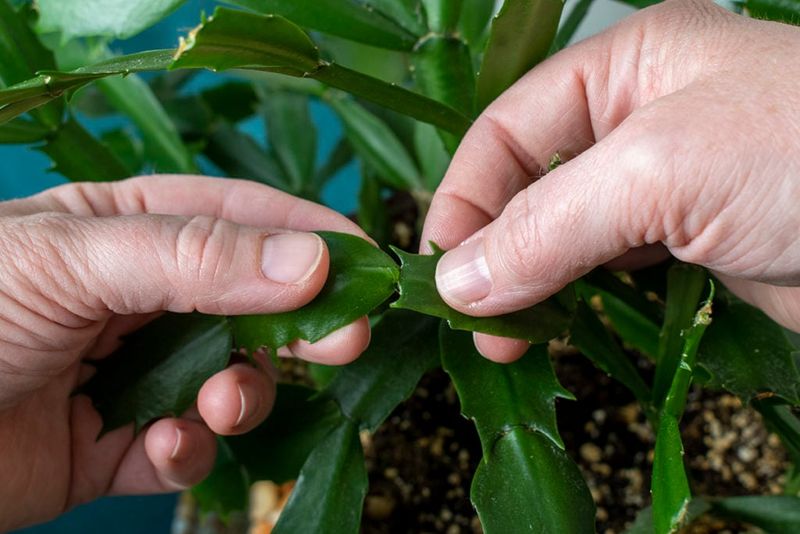
Timing is everything with this plant, and the best pruning window opens shortly after the last flowers fade. For most North Carolina homes, that means late winter, often sometime between late January and early March.
Many growers wait a few weeks after blooming ends, which gives the plant a short rest first. After that pause, the plant is ready to push out fresh growth as days get longer and brighter.
The technique is simple and needs no fancy tools, since the stems separate easily at their natural joints. Grip a segment gently, then twist it off where it connects to the next one down the stem.
Removing one to three segments per stem is usually enough to encourage branching and a bushier, rounder shape. Try not to remove more than about a third of the plant at one time to limit stress.
Each new branch that forms in spring becomes another spot for flower buds the following fall season. That means a smart trim in late winter can noticeably increase the number of blooms you enjoy later.
Some gardeners also do a light shaping in late spring, but finishing all cuts by early summer works best. That schedule gives new stems several months to mature before cool weather triggers the next round of buds.
Jot a reminder on your calendar now so the right moment does not slip past in the busy new year. Your future self will thank you when that plant fills out nicely and blooms like a champ next fall.
You Can Still Help Your Plant This October
Skipping the scissors does not mean doing nothing, because October offers several simple ways to support those forming buds. Most of the work involves light, temperature, and water, which are easy to manage at home.
Outdoor plants in North Carolina can stay out a bit longer while nights remain above the mid forties. The cool natural darkness outside helps set buds, but bring the pot inside well before the first frost.
Indoors, choose a spot with bright, indirect light during the day and real darkness at night. A spare bedroom or quiet corner works well, since lamps and television glow can confuse the plant’s timing.
Water a little less than usual during this stage, letting the top inch of soil dry between drinks. Soggy roots invite rot, while bone-dry soil can cause buds to shrivel and fall off early.
Hold off on fertilizer once buds appear, since extra feeding mostly encourages leafy growth over flowers right now. Keep the plant away from heating vents, fireplaces, and drafty doors that swing open on chilly evenings.
Once buds reach a decent size, try not to move or rotate the pot more than you need to. Sudden shifts in light direction can cause buds to drop, which is a frustrating sight in late November.
Grooming is fine, though, so feel free to pick off any shriveled or yellowed segments by hand. Removing a damaged piece here and there is very different from a full fall pruning of healthy stem tips.
Smart Habits Keep Next Year’s Blooms Coming
Honestly, a fall trim rarely harms the plant itself, so this rule is really about protecting your flowers. A plant cut back in October will likely bounce back fine, just without much holiday color this year.
Results can also vary across North Carolina, since homes, light levels, and local temperatures differ quite a bit. A plant in a warm Raleigh apartment may set buds later than one on a cool Asheville porch.
Building a simple yearly routine takes the guesswork out and keeps your plant on a healthy blooming schedule. Prune in late winter, feed lightly through the growing months, and give it bright shade outdoors when weather allows.
As September and October arrive, shift your focus to darkness, cooler nights, and slightly drier soil. Leave the scissors in a drawer until the flowers finish, no matter how shaggy the stems start looking.
Fun fact for plant lovers, many Christmas cactus plants live for decades and get passed down through families. Some North Carolina households proudly grow cuttings that came from a grandmother’s plant many years ago.
Those late winter cuttings make wonderful gifts, and they root easily in a small pot of damp potting mix. Sharing them spreads the joy and gives you a good reason to prune at the proper time.
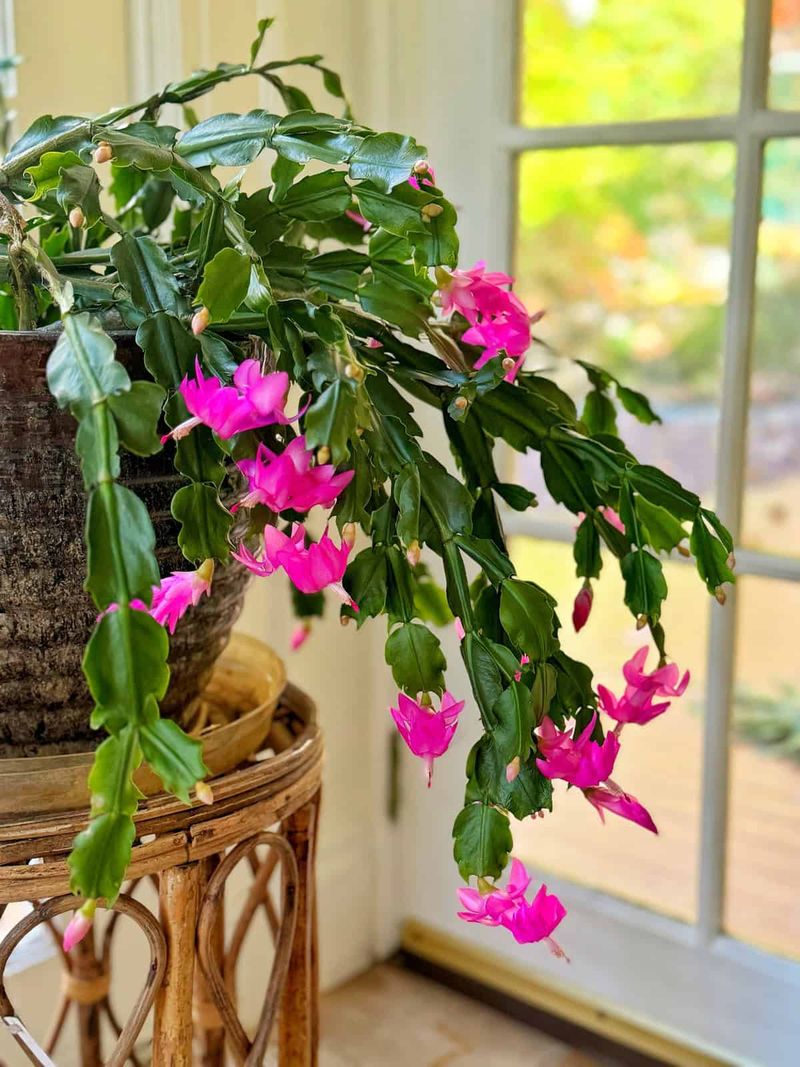
Patience in fall is the secret ingredient, and it costs nothing more than leaving your plant alone awhile. Come December, those untouched stem tips can light up your living room with cheerful pink, red, or white blooms.