What A Fox Turning Up In Your North Carolina Yard Is Actually Telling You
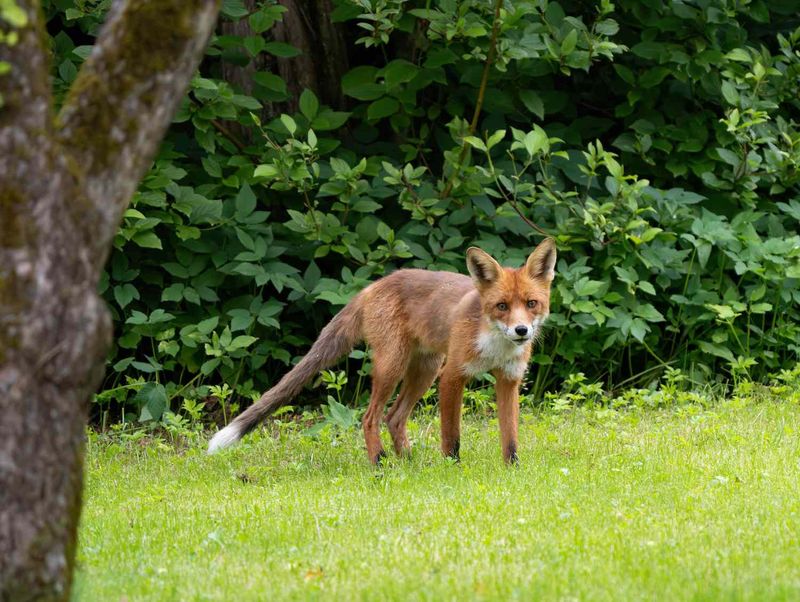
You step outside on a quiet Tuesday morning, coffee in hand, and there it is: a fox trotting along your back fence like it owns the place. Before you call animal control or start Googling “fox in yard danger,” take a breath. What that fox is actually telling you is simpler and more useful than most people expect. It found something here worth stopping for, and figuring out what that something is will tell you more about your yard than the fox ever could.
The Fox Found Something Usable Here
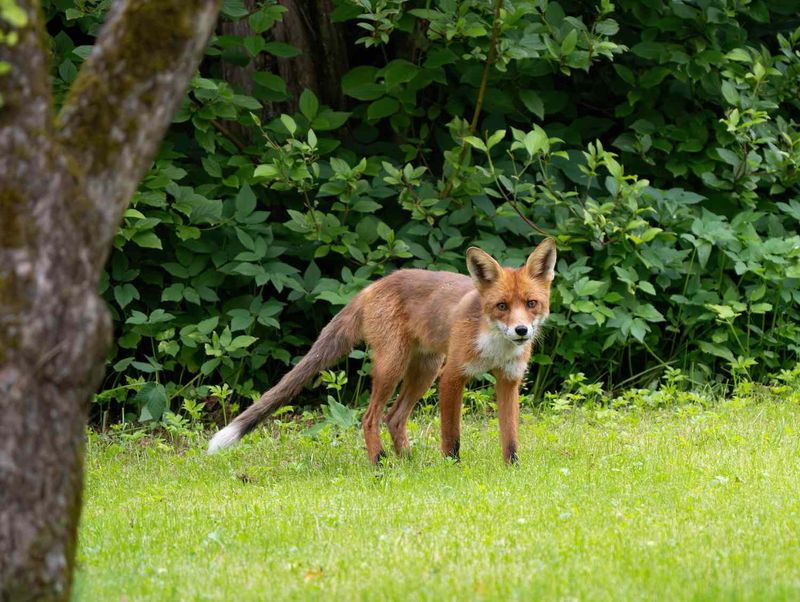
Spotting a fox in your yard is genuinely interesting, but the most useful thing you can do is resist the urge to assign it a big meaning right away. The fox did not show up to grade your landscaping or certify that your property has achieved some wildlife milestone. What it found was simpler: food, cover, a sheltered path, or some combination of the three.
According to the North Carolina Wildlife Resources Commission, red foxes are generalist feeders and opportunists. They move through a wide range of habitat types, eating whatever is accessible, from mice and meadow voles to fruit, insects, birds, and scavenged scraps. One sighting may simply mean the fox was passing through the broader neighborhood and your yard happened to sit along a convenient route.
That distinction matters. A single fox crossing your lawn does not confirm a rodent infestation, prove that the property is ecologically balanced, or signal that something has gone wrong. The stronger, safer read is this: wildlife activity is present, and something nearby made the visit worthwhile.
That is actually a useful clue, not a crisis. NC State Extension’s wildlife guidance frames these sightings as an invitation to observe and inspect rather than react. Walk the yard with fresh eyes before you do anything else. The fox handed you a reason to look closer, and looking closer is exactly the right first move.
Edges And Cover Make Easy Fox Highways
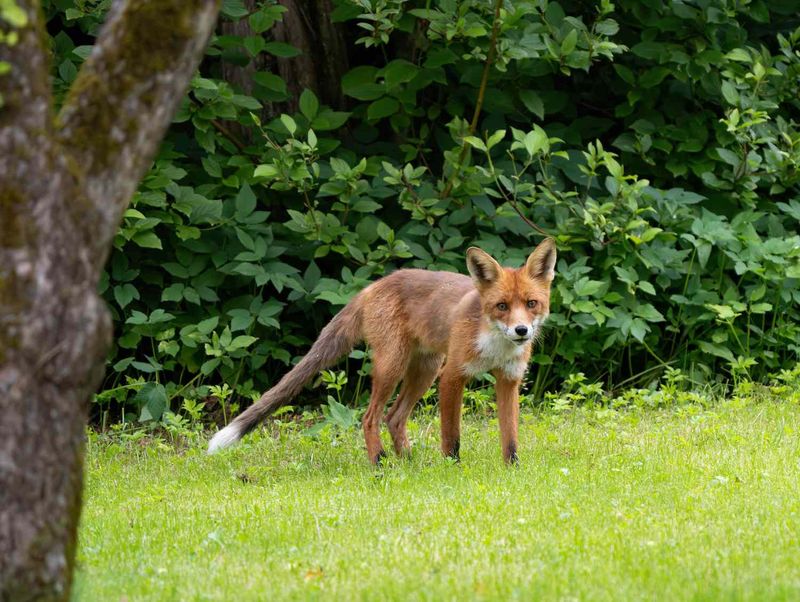
North Carolina yards that sit beside woods, open fields, creek corridors, vacant lots, or unmanaged vegetation are practically marked on a fox’s mental map. Those transition zones between habitat types, what ecologists call edges, concentrate prey and provide the kind of broken cover a fox prefers for hunting and moving unseen. A yard with a tree line behind it, a brushy fence row on one side, and a drainage ditch nearby is not an unusual place to find a fox. It is exactly the kind of place a fox looks for.
The North Carolina Wildlife Resources Commission describes the red fox diet as broad and flexible: mice, meadow voles, rabbits, birds, insects, fruit, vegetation, and even pet food or garbage when those are accessible. The NC State Extension Animal Damage Control guide reinforces that foxes readily adapt their diet to whatever is available in a given area, which is part of why they thrive across so many North Carolina landscapes, from the Piedmont’s patchy suburbs to the Coastal Plain’s farm edges.
Your North Carolina Garden Changes Every Week. Your Plan Should Too.
Gardening in North Carolina changes quickly throughout the season. Every Friday you’ll receive a simple weekly plan showing exactly what to plant, prune, fertilize, harvest, and protect so you never miss the right timing.
Penn State Extension’s habitat management research notes that ornamental plantings, brush piles, rock walls, sheds, decks, and crawl spaces all provide the kind of low-to-the-ground cover that foxes use when moving through developed areas. Your backyard shed is not suspicious. It is just good cover from a fox’s point of view.
A fox using a habitat edge is not the same as a fox that has decided your yard is a permanent food source. Most sightings reflect an animal on the move, working a hunting route that extends well beyond your property line. That is worth keeping in mind before you take any action at all.
Read The Yard Before You Blame The Fox
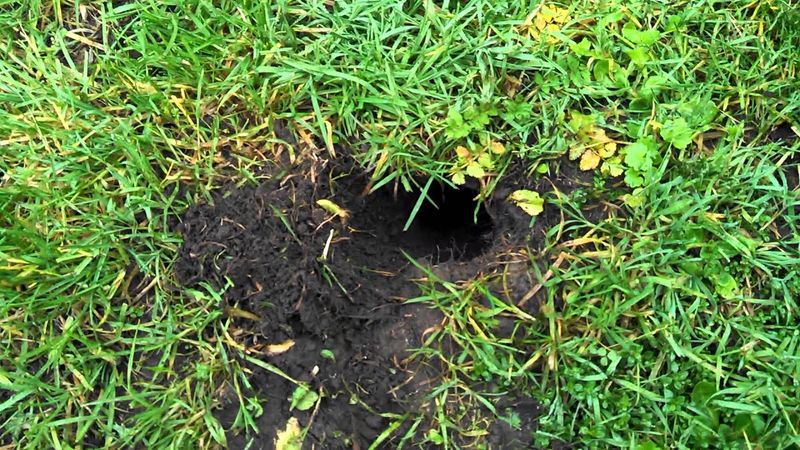
Before the fox becomes the story, spend 15 minutes walking your property and reading what is already there. Rodent activity leaves marks that are easy to miss until you know what to look for: small holes roughly 1 to 2 inches across near foundations or garden beds, narrow runways pressed through unmown grass, gnawed bulbs or plant stems at ground level, and small dark droppings near food sources. Rabbit browsing shows up as clean, angled cuts on low stems, usually below 18 inches off the ground.
Check the areas around bird feeders carefully. NC State Extension’s wildlife chapter notes that seed falling beneath feeders is a reliable attractor for mice, and mice attract the animals that eat them. Also look for spilled pet food, scattered chicken feed, unsecured garbage, and fallen fruit from any trees on or near the property. Those are the kinds of resources that keep a fox coming back rather than simply passing through.
The North Carolina Wildlife Resources Commission points out that foxes are drawn by a wide range of food and cover sources, not just natural prey. So the question is not only whether rodents are present but whether anything else on the property is functioning as an open invitation.
Repeated sightings over several days, fresh tracks in soft soil, scat near a regular path, or prey remains in the same general area are stronger signals that the property is actively supplying something useful. A single crossing, though, may tell you very little beyond the fact that a fox was in the neighborhood that morning.
A Sighting Is Not A Garden Health Score
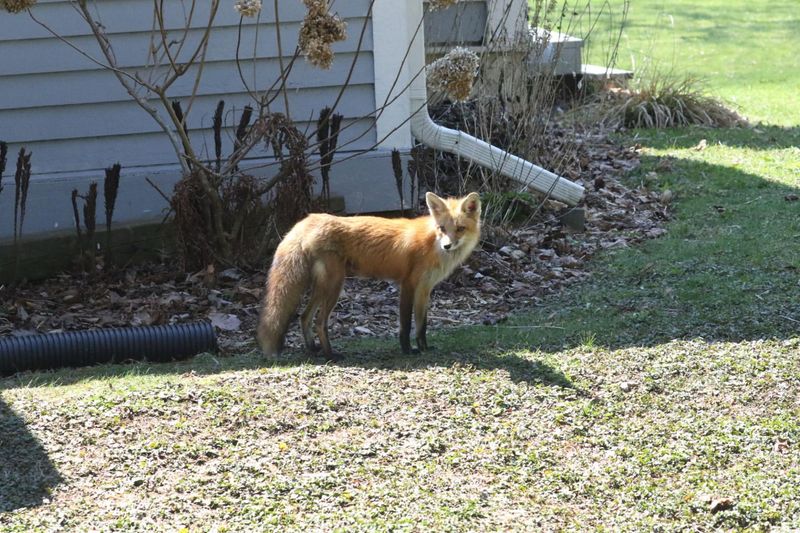
There is a popular idea circulating on gardening pages that a fox in the yard is basically nature handing you a certificate of ecological excellence. The sighting gets framed as proof that the property is balanced, that pests are under control, and that the whole system is humming along. That framing is more satisfying than it is accurate.
What the fox actually confirmed is narrower: it found accessible food, cover, or a useful route. According to the North Carolina Wildlife Resources Commission, foxes eat mice, voles, rabbits, birds, insects, fruit, garbage, and pet food. The NC State Extension Animal Damage Control guide describes them as adaptable feeders that shift their diet based on what is available, not animals with a fixed assignment to manage your rodent population.
Foxes do eat mice and voles, and that is a real part of how food webs work in North Carolina yards. But a fox hunting along a territory that covers multiple properties is not a dedicated pest-control service for your garden beds. It ranges well beyond your fence line, it eats a wide variety of foods, and its presence does not mean you will see fewer ticks, Japanese beetles, stink bugs, or garden diseases this season. Those connections are not established by the available research.
A yard can also be good wildlife habitat and still have genuine conflict. Dense shrubs, brush piles, and bird feeders benefit birds and pollinators while also providing cover and food for rodents and foxes. The sighting is one data point. It does not score the whole yard, and it does not replace the inspection you still need to do.
Remove The Invitation, Not Every Wild Corner
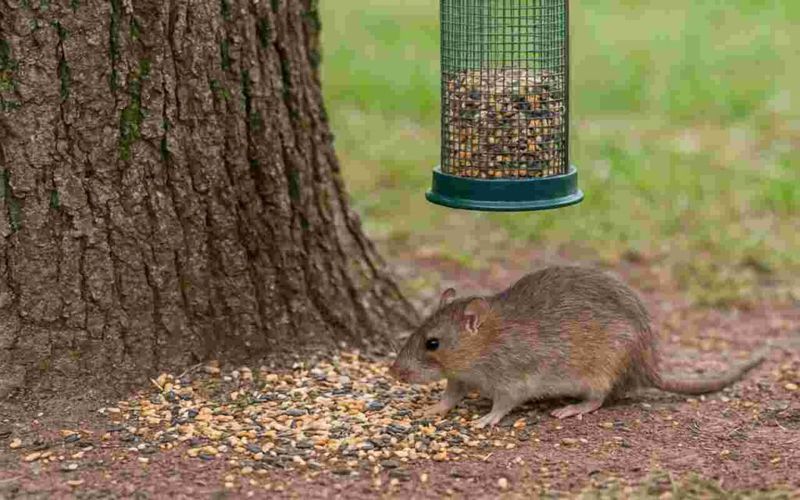
Once you know what the fox found, the practical response is almost always sanitation rather than landscape demolition. Bring pet food inside every evening. Clean up spilled birdseed beneath feeders, because that seed feeds mice, and mice are a reliable reason for a fox to keep returning. Store birdseed and chicken feed in metal containers with tight-fitting lids, since plastic bins are not a serious barrier for a motivated rodent.
Secure garbage-can lids and remove fallen fruit from beneath any trees on the property.
NC State Extension’s wildlife management guidance recommends these sanitation steps as the first line of response when wildlife is lingering near a property. The North Carolina Wildlife Resources Commission similarly notes that accessible food is a primary reason foxes stay in residential areas, and removing it is more effective than trying to discourage the animal directly.
What you should not do is strip out every shrub, brush pile, and unmown patch just because a fox appeared. Those features support birds, pollinators, toads, and other wildlife you genuinely want around. The goal is to remove the specific attractant causing the problem, not to sterilize the yard.
Skip the internet remedies too. Fox urine, ammonia, and predator-scent products are widely sold but not reliably supported by research. And avoid rodenticide. University of Minnesota Extension’s pesticide safety guidance warns that animals can be poisoned by eating rodents that have already consumed toxic bait, which puts pets and the fox itself at risk.
Sanitation and exclusion are slower to feel satisfying, but they actually work.
Protect Poultry And Pets Without A Chase
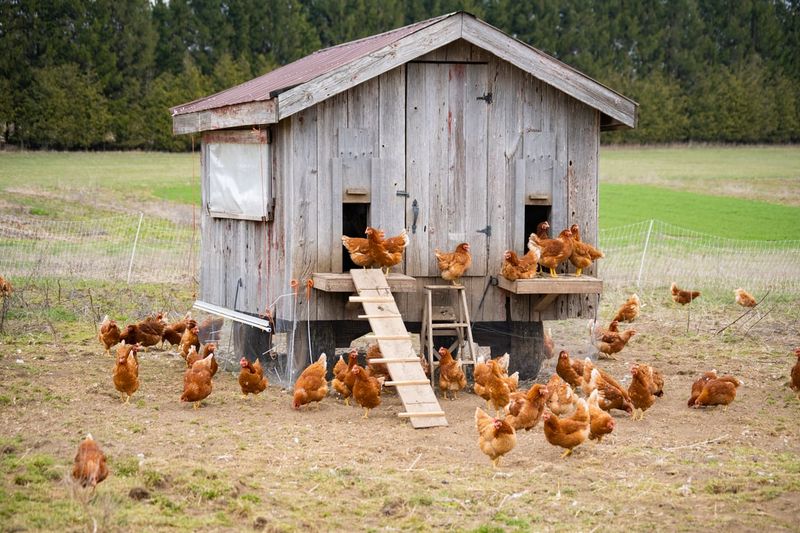
For anyone keeping chickens in the Piedmont or anywhere else in North Carolina, a fox sighting is a practical reminder to audit the coop, not a reason to panic. NC State Extension’s guide to keeping garden chickens is clear that a secure coop is the foundation of protecting backyard flocks. That means tight-fitting doors with actual latches, a floor or apron that prevents a fox from digging under the walls, and birds confined inside at night when fox activity tends to peak.
Feed and water management matter too. Chicken feed left accessible overnight attracts rodents, and rodents attract the predators that eat them. Utah State University Extension’s backyard chicken guidance recommends pulling feeders inside at dusk and storing feed in sealed containers as a standard practice, not just a response to a specific sighting.
For dogs and cats, the guidance is straightforward. Keep dogs from chasing or cornering a fox. Keep cats indoors or under close supervision, especially at dawn and dusk. A fox is not typically a threat to a large dog, but smaller pets and kittens are more vulnerable, and a cornered fox will defend itself.
Do not try to feed the fox, approach it, chase it off with noise, or stage a close photograph. Utah State University Extension’s fox behavior guidance and the North Carolina Wildlife Resources Commission both caution that habituation to people increases conflict over time. Secure the animals and the food, then give the fox space to move on. That is the proportionate response.
Daylight Does Not Diagnose Rabies
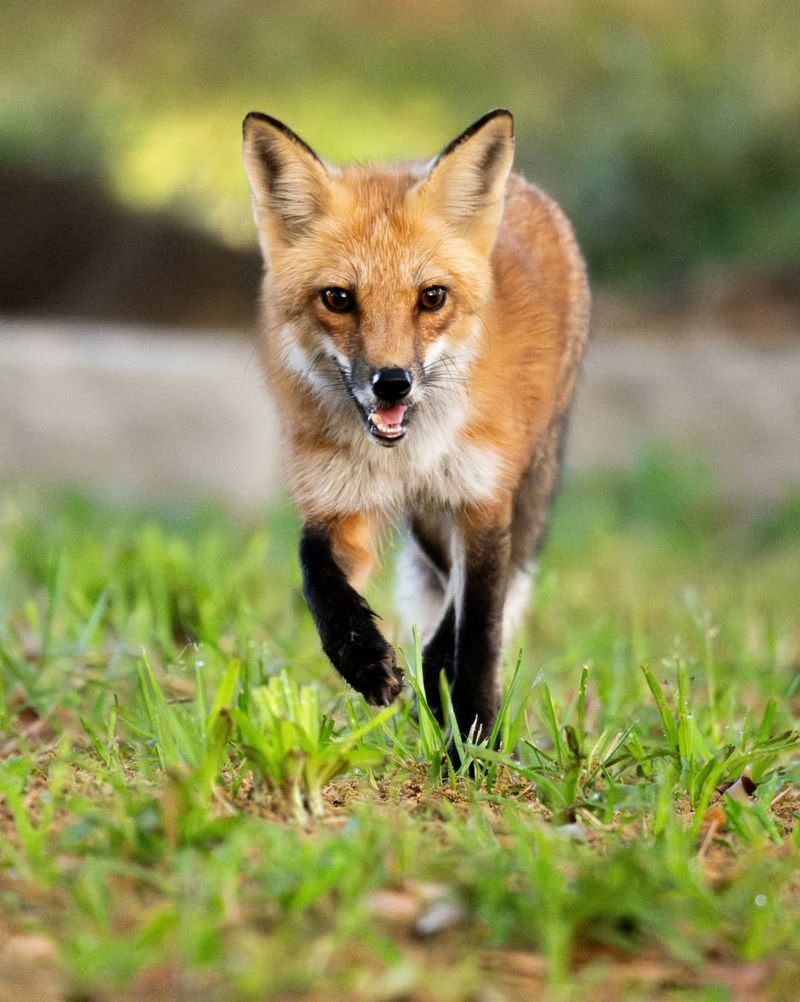
Seeing a fox in the middle of the afternoon is the detail that sends most people straight to a search engine, convinced they are looking at a sick animal. Here is where the common assumption gets things wrong. Daytime activity alone is not evidence of rabies. The North Carolina Wildlife Resources Commission notes that foxes may shift their activity in response to food availability, and Utah State University Extension states plainly that a fox seen during daylight hours is not automatically cause for alarm.
What should actually raise concern is a change in behavior, not a change in schedule. Watch for abnormal aggression toward people or animals without provocation, severe disorientation or circling, unusual tameness that makes the animal approachable, paralysis or an inability to move normally, and excessive salivation. CDC guidance for veterinarians on rabies identifies these behavioral and neurological signs as the meaningful indicators, not timing alone.
A fox that is trotting purposefully, pausing to sniff, and moving away when it notices you is behaving like a fox. Keep your distance, bring pets inside, and let it go.
If a fox bites or scratches a person or pet, act immediately. Wash the wound with soap and running water for a full 15 minutes, then contact a healthcare provider, your local health department, or a veterinarian right away. CDC rabies prevention guidance is direct on this point: do not handle the animal or its carcass, and do not delay getting medical advice. The 15-minute wash is not optional, it is the first and most important step.
Let The Fox Leave A Useful Clue
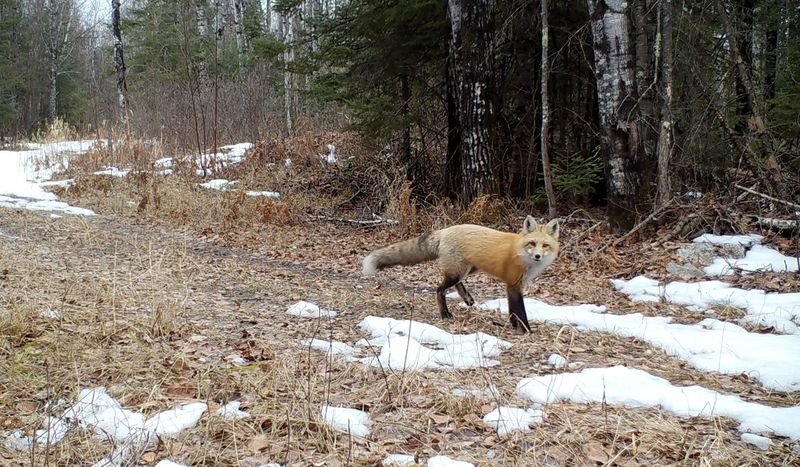
The most useful thing a fox sighting can do is prompt you to pay attention to patterns rather than react to a single moment. Watch over the next several days. If the fox returns repeatedly to the same corner of the yard, that corner is worth inspecting for the specific resource drawing it back. If it was a one-time crossing, that is genuinely common and does not require any action beyond the sanitation steps already covered.
A trail camera placed at a safe distance can document activity without putting you or the fox in an uncomfortable situation. NC State Extension’s wildlife guidance recommends observation and inspection as the starting point before any management decision. What you see over a week tells you more than a single sighting ever could.
If you find what looks like a den under a deck, shed, or brush pile, do not seal it immediately. Fox kits may be present in spring and early summer, and blocking an active den can trap young or cut them off from the adult. Confirm the den is empty before taking any action, and contact a qualified local wildlife professional for guidance on timing and method. Utah State University Extension cautions against handling or disturbing an active den without professional guidance.
For trapping, relocation, or removal, North Carolina has regulations that may involve seasons, licenses, permits, or other requirements. Contact the North Carolina Wildlife Resources Commission or a licensed wildlife damage-control professional before attempting any of those steps. The fox that crossed your yard was not delivering a verdict on the property. It was following a resource, and now you know to look for it.