What It Really Means When Snakes Are More Active In Your California Yard After Rain
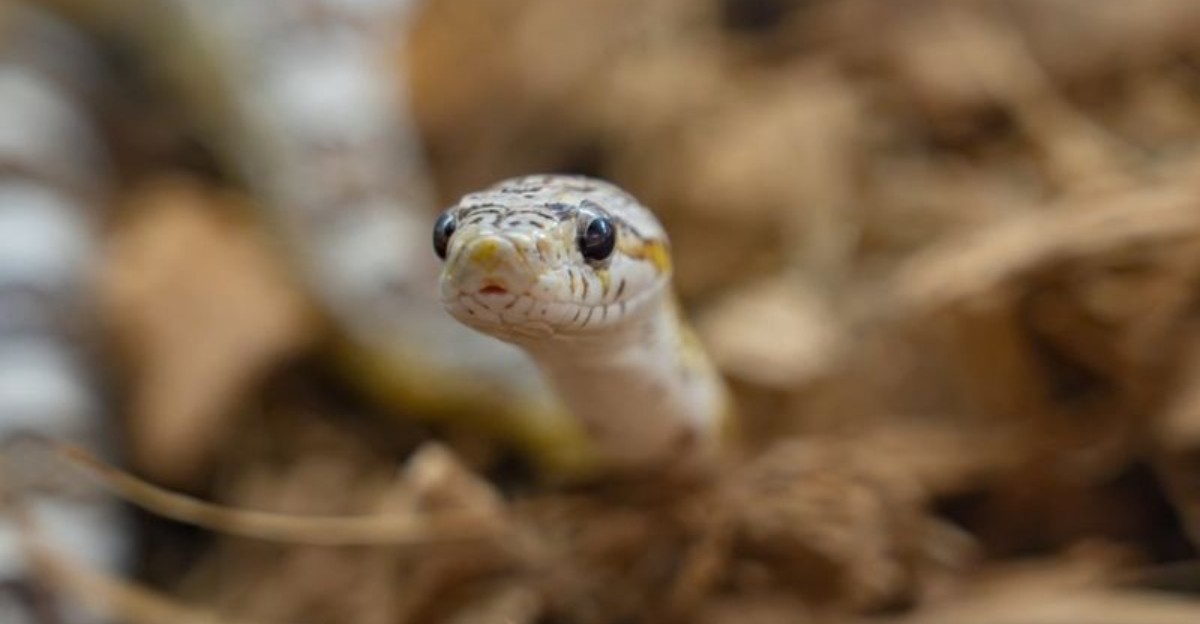
A soaking storm changes the rhythm of a California yard almost overnight. Puddles form, soil softens, and a whole cast of creatures suddenly appears where they rarely showed before.
Snakes often join that crowd, and their sudden visibility can feel unsettling.
The reasons behind it, though, are refreshingly simple, rooted in water, food, temperature, and shelter.
Fall rain adds another layer, arriving just as many reptiles begin preparing for the colder months ahead.
Most snakes encountered around homes pose little threat and help keep rodents in check, though rattlesnakes share much of the state too.
Understanding what drives their movements replaces worry with practical awareness. A good flashlight and a few sensible habits handle most of the rest.
Rain Flushes Snakes From Flooded Burrows
An underground room slowly filling with water would send anyone looking for the exit, and snakes respond the same way.
Many California snakes spend their days tucked inside rodent burrows, rock cracks, and spaces beneath logs.
Heavy rain can soak or flood those hideouts quickly. Water seeps into tunnels dug by gophers and ground squirrels, sending snakes out in search of drier ground.
That drier ground often lies right where people walk. Low-lying yards near creeks or canyons often see this pattern most after heavy storms.
A yard may suddenly resemble a snake highway, though most traffic comes from displaced residents rather than new arrivals.
They’re simply seeking higher, drier spots to wait out the weather.
Raised surfaces attract them most. Patios, concrete slabs, porch steps, and the tops of retaining walls stay drier than the ground, while woodpiles offer shelter above the mud.
A daylight walk around the yard after a storm makes a smart habit. A careful look before reaching toward wood stacks, pots, or garden gear prevents surprises.
Any snake spotted deserves a safe distance and room to move on by itself.
Over the long term, fewer hiding spots near the home help. Clearing clutter, junk piles, and tall weeds close to the house reduces shelter options.
Fewer cozy refuges leave a flooded-out snake fewer reasons to choose the porch as its temporary stopover.
Prey Becomes More Active After Rain
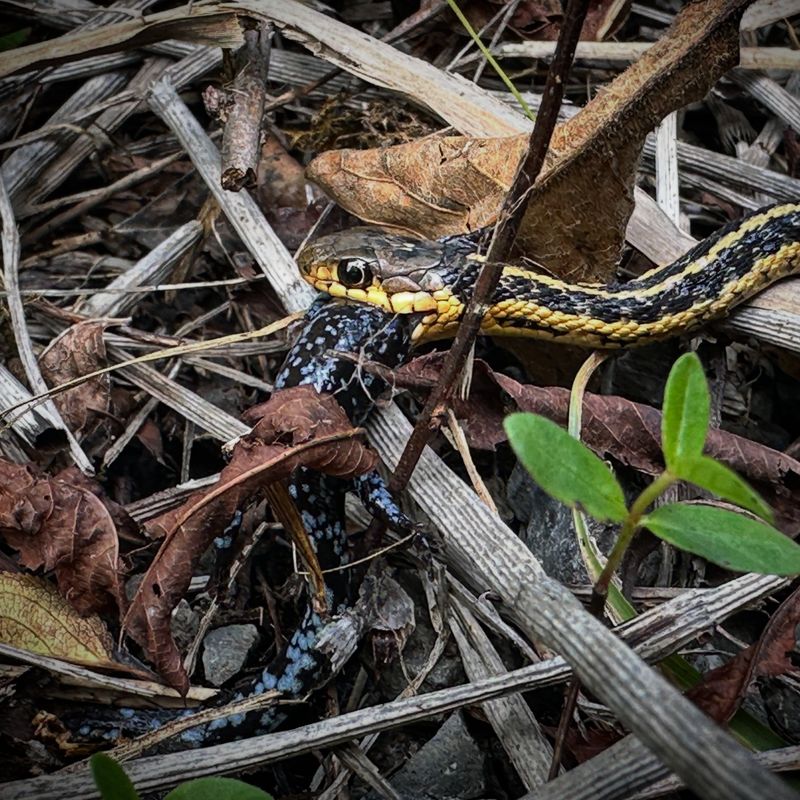
Frogs start calling, mice scurry along fence lines, and beetles and worms rise from soaked soil. After a good rain, the entire backyard food web wakes at once.
Snakes notice. As hunters, they go where the meals are, and rodents often grow busier after storms because their burrows are wet and they need to forage.
Amphibians such as Pacific chorus frogs and toads emerge in big numbers on damp nights.
Insects matter too, in a roundabout way. Bugs feed lizards, frogs, and small rodents, which in turn feed snakes, so a rainy evening can turn a yard into a sprawling buffet.
Garter snakes especially favor wet weather, since they eat frogs, tadpoles, slugs, and worms that thrive after rain.
Gopher snakes and rattlesnakes focus more on rodents, following mice and gophers on the move. Kingsnakes, another common resident, even eat other snakes, rattlesnakes included.
Your California Garden Changes Every Week. Your Plan Should Too.
Gardening in California changes quickly throughout the season. Every Friday you’ll receive a simple weekly plan showing exactly what to plant, prune, fertilize, harvest, and protect so you never miss the right timing.
Reducing the food supply helps limit visits. Birdseed and pet food belong in sealed containers, and spilled seed beneath feeders deserves cleanup, since it draws mice.
Leaky hoses and drains that create year-round puddles are worth fixing too.
Covered compost and low vegetation near the house discourage rodents further. Fewer rodents mean fewer reasons for a hungry snake to linger.
The goal isn’t eliminating every meal, just removing a few dishes from the menu. Persistent rodent issues call for a licensed pest professional.
Snakes Drink Rainwater From Surfaces
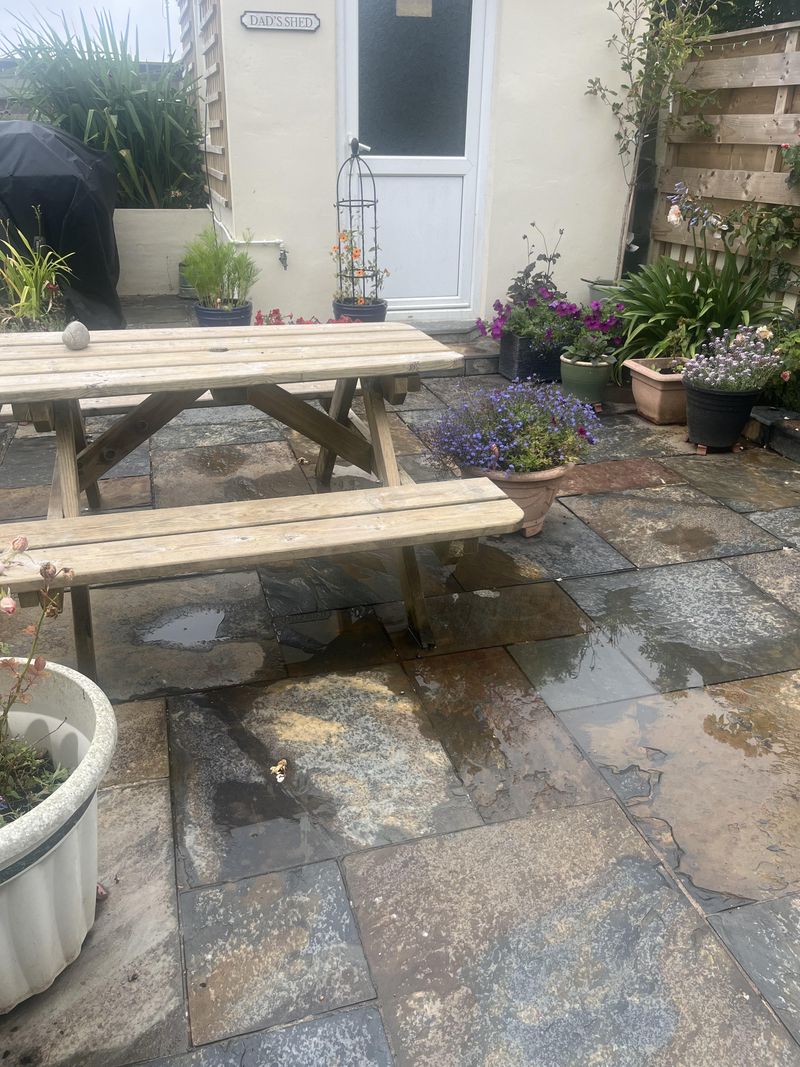
Some snakes sip water droplets right off their own coiled bodies. After months of dry weather, a California rain shower amounts to a free drink delivery.
Researchers have observed rattlesnakes coiling tightly during rain to collect water on their scales.
Much of the state stays dry for long stretches, and natural water can be hard to find, especially in summer and early fall.
When rain finally arrives, snakes take advantage of shallow puddles, wet leaves, and drops beading on rocks or pavement.
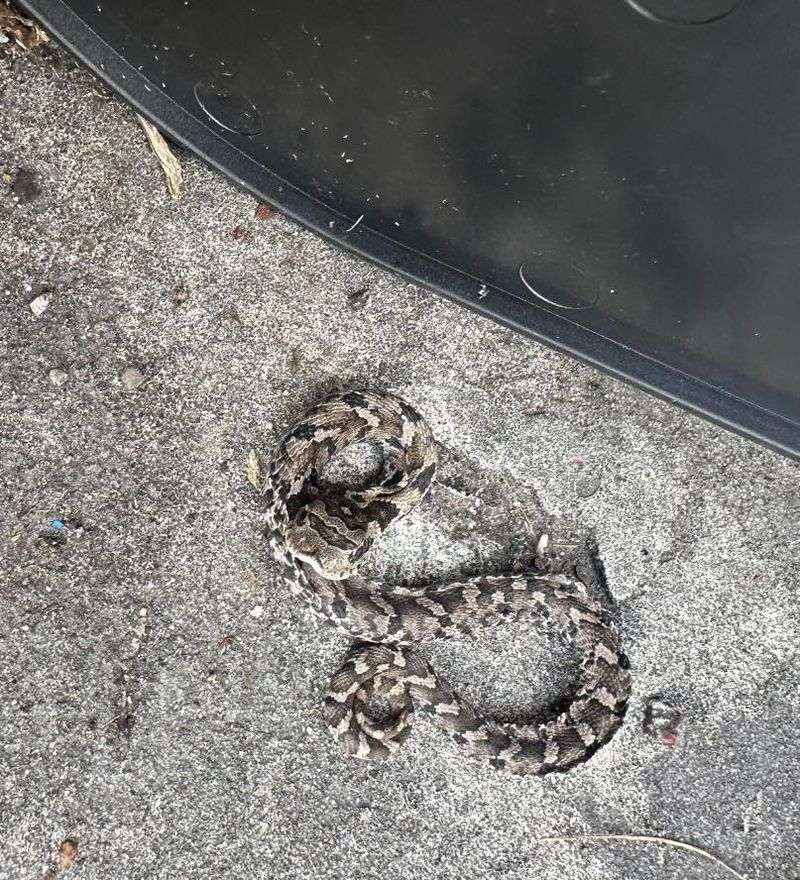
Flat, hard surfaces collect water nicely. Patios, driveways, birdbaths, and the rims of plant saucers all hold small pools, so a snake may stretch out simply to drink.
Some snakes linger near standing water for a while, possibly rehydrating while warming slightly. Either way, the visit usually stays short.
Once a snake drinks, it typically moves along in search of food or shelter.
Managing water makes a yard less inviting. Emptying saucers under pots after storms, filling low spots where puddles linger, and directing downspouts away from doorways all help.
Leaky irrigation can attract snakes year-round, so repairing drips and broken sprinkler heads makes sense.
Moisture also draws the frogs and rodents snakes eat. Less standing water means fewer thirsty visitors, scaly or otherwise.
Birdbaths can stay, ideally placed away from doors and refreshed often, since clean water also limits mosquito breeding.
Damp Warm Evenings Draw Them Out
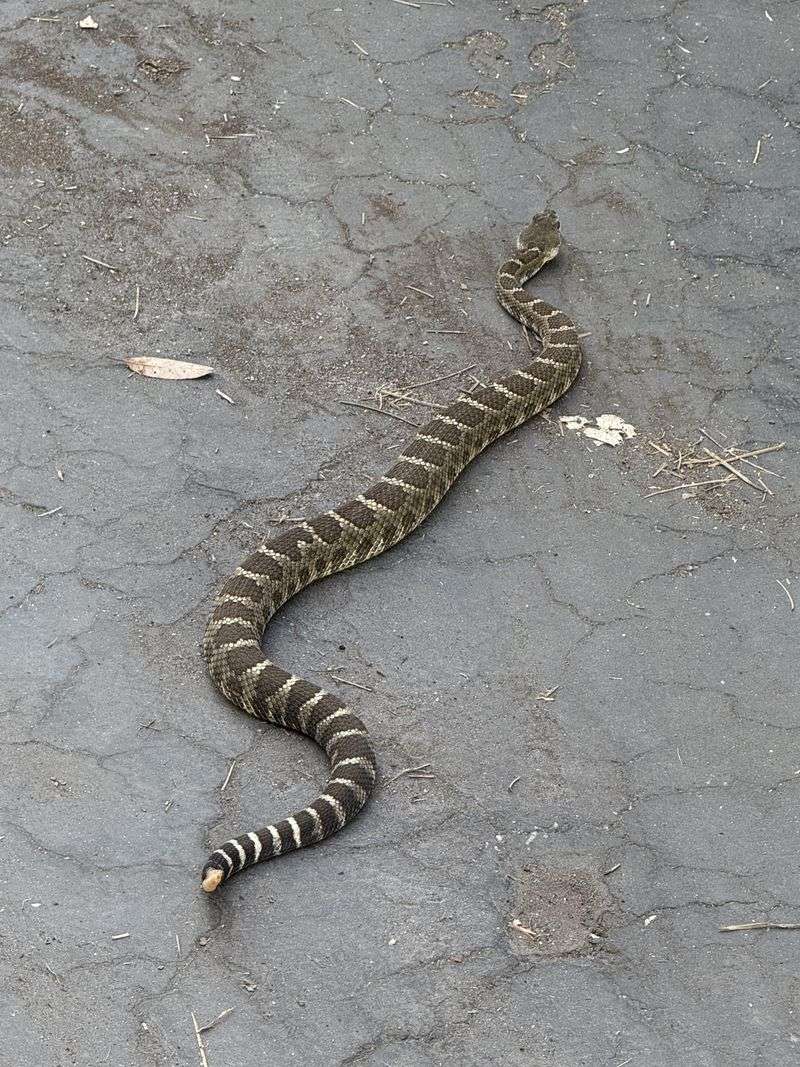
A common misconception holds that snakes emerge only on hot, sunny afternoons. In reality, a mild, humid evening after rain can be prime time.
Snakes are cold-blooded, with body temperature tied to their surroundings. Very hot days push them into shade, and cold nights slow them down.
A warm, damp evening sits right in their comfort zone.
Moist air also helps them move without drying out. The ground holds some of the day’s heat, and pavement can stay warm after sunset.
Snakes may stretch across driveways or sidewalks to absorb that leftover warmth. Warm October evenings in Southern California and inland valleys often fit this pattern.
Rattlesnakes often grow more active at dusk and at night during warmer months. After a storm, that habit can align with busy prey and comfortable weather.
The result means more snakes crossing paths just as people take out trash or walk the dog.
Evening routines benefit from a few adjustments. Outdoor lights switched on before stepping out, a flashlight for quick trips to the mailbox or garage, and clear paths all reduce risk.
Cutting through grass or ground cover after dark is best avoided.
Pets do best on a leash during evening walks, especially near brush or rocks. Curious dogs often get bitten on the face or legs while sniffing.
A little caution on those balmy nights keeps everyone safe while snakes go about their own business.
Fall Rain Triggers Shelter Seeking
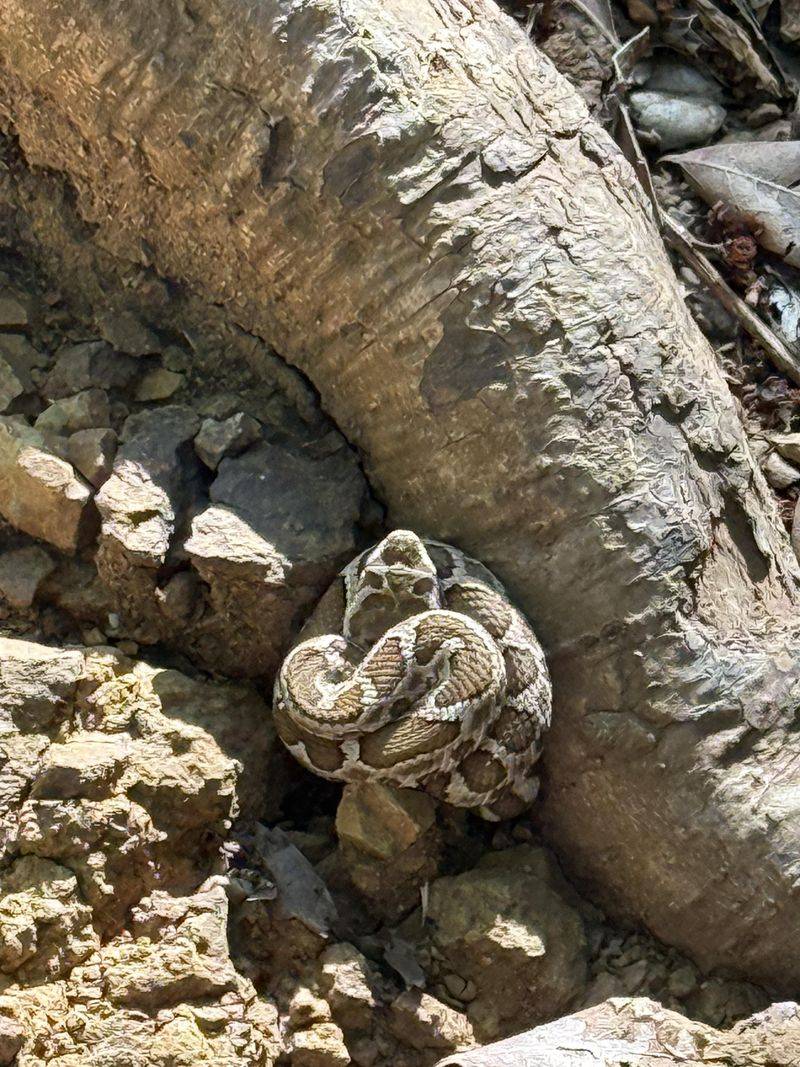
October and November bring shorter days, cooler nights, and often the first real soaking rain. For many California snakes, those signals mean the search for a winter home begins.
Snakes don’t hibernate exactly like bears. Instead, they enter a resting state called brumation, slowing down and hiding in protected spots that stay above freezing.
Rodent burrows, rock crevices, and deep spaces under foundations make popular choices.
Fall rain can trigger this search. Cooler, wetter weather pushes snakes to travel, sometimes farther than usual, and their routes may cut through yards, gardens, and garages.
Rattlesnakes sometimes gather in shared winter dens, often on rocky slopes. Homes near hillsides, open space, or canyons may notice more traffic during these weeks.
The encouraging part is that this movement stays seasonal and short.
Fall makes an ideal time to seal the home. Gaps under doors, cracks in foundations, and openings around pipes or vents deserve attention.
Spaces larger than about a quarter inch can be closed with sturdy materials such as hardware cloth or caulk.
Crawl spaces and sheds need a close look as well, with tight-closing doors and intact screens. Leaf piles and stacked boards near walls make easy winter hideouts and deserve cleanup.
A little sealing in autumn keeps snakes settling outdoors, where they belong, rather than in the garage.
Confirming no animal is already inside before sealing an opening prevents trapping one within.
Wet Soil Disturbs Their Cover
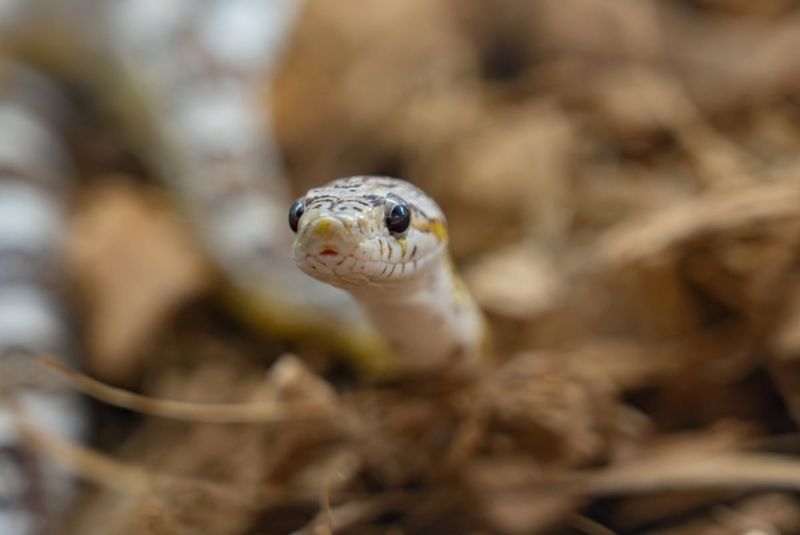
A windy storm can leave a yard looking rearranged, with branches across the lawn, leaves piled in corners, and soil washed away from rocks and edges.
All that shifting changes where snakes can hide.
Soggy ground can collapse small tunnels and cracks, and runoff may wash out loose dirt beneath stones or boards. Snakes that were safely tucked away suddenly lose their roof.
Fresh debris creates new hiding places too. A fallen palm frond, a toppled pot, or a pile of storm-blown leaves can become instant shelter within hours.
Cleanup brings the most surprises. A lifted branch or tarp can reveal a snake beneath, and bites often happen when hands or feet land near a hidden animal.
Storm cleanup works best at an unhurried pace. Thick gloves, sturdy shoes, and a rake, shovel, or long-handled tool keep hands away from debris.
Boards and objects lifted so they tip away from the body give any hidden snake an escape route.
Removing piles promptly, rather than leaving them for weeks, prevents new shelters from forming. Firewood stacked off the ground and well away from the house helps too.
CAL FIRE guidance places firewood at least 30 feet from structures, a distance that also keeps rodents and snakes farther from the home.
Trimmed shrubs allow a clear view beneath. A tidy, open yard leaves snakes fewer places to settle after the storm.