The Reason Stink Bugs Are Suddenly Showing Up Inside Your Home
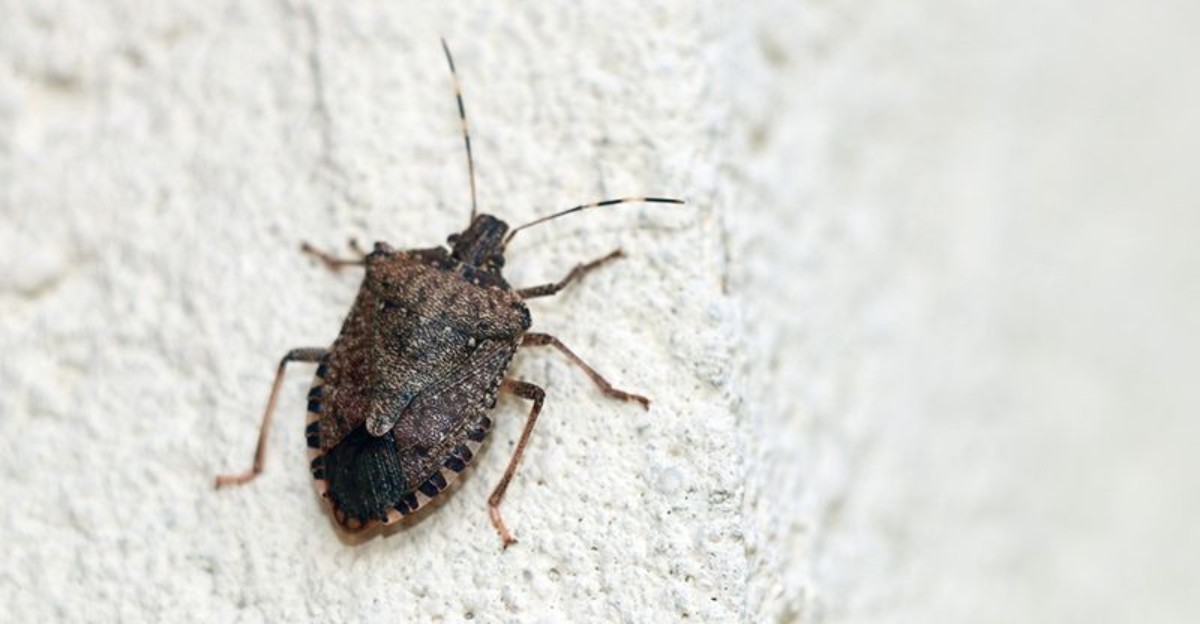
Stink bugs can gather indoors in surprisingly large numbers, and one Maryland home reportedly had more than twenty-six thousand collected from it. Most homes see far smaller numbers, but fall visits are common in many states.
Your walls might be hosting a smaller version of that crowd right now this chilly October. The bugs crawl toward sunny siding on cool afternoons, and some slip quietly past loose window frames.
I find their timing fascinating, and I believe it explains much of the sudden fall surprise. They are not breeding in your kitchen, and they are not looking for your food either.
Their reason is simpler than most people expect. So what draws these smelly shield-shaped visitors indoors during the first crisp weeks of autumn each year?
Your House Feels Like A Winter Shelter To Them
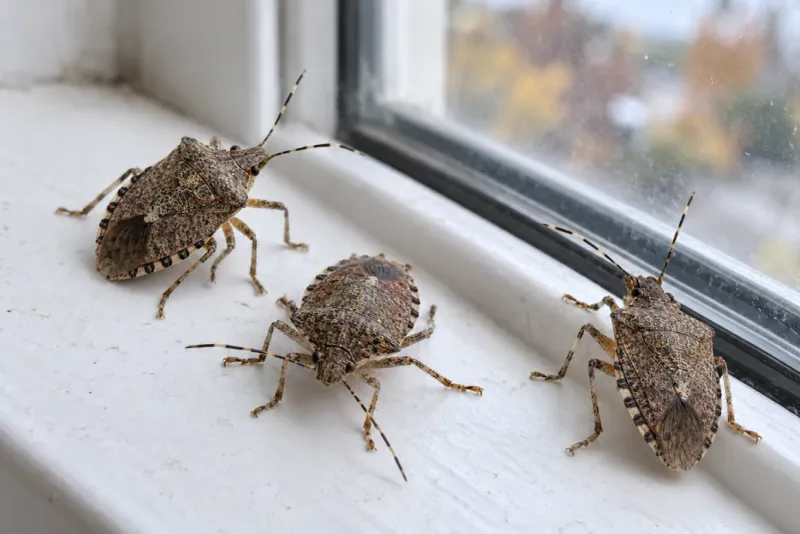
Think of a stink bug as a tiny camper hunting for a sheltered spot before the cold arrives. The brown marmorated stink bug, the common household species, spends winter resting inside protected places like your walls.
In the wild, these insects often tuck themselves under loose tree bark or inside dry rock crevices. Houses offer a similar hiding spot, but with better protection from wind, rain, and freezing nights.
University extension experts call this resting period overwintering, and it is the main reason they show up indoors. The bugs are not hungry for your snacks, and they do not chew wood, fabric, or wiring.
Instead, they slow their bodies down and wait quietly for warmer weather to return next spring. Most of them settle in attics, wall spaces, or behind siding, where you rarely spot them at all.
A handful get lost along the way and end up crawling across your curtains or ceiling lights. Those wanderers are the ones you notice, but many more may be hiding out of sight nearby.
The species arrived from eastern Asia and was first identified in Allentown, Pennsylvania, in the late 1990s. It has since spread to most states, which explains why so many homeowners now meet it each fall.
Knowing their goal helps a lot, because you can stop treating them like a sign of a dirty house. Their visit is about warmth and shelter, and how clean your kitchen is makes little difference.
Shorter Fall Days Flip Their Internal Switch
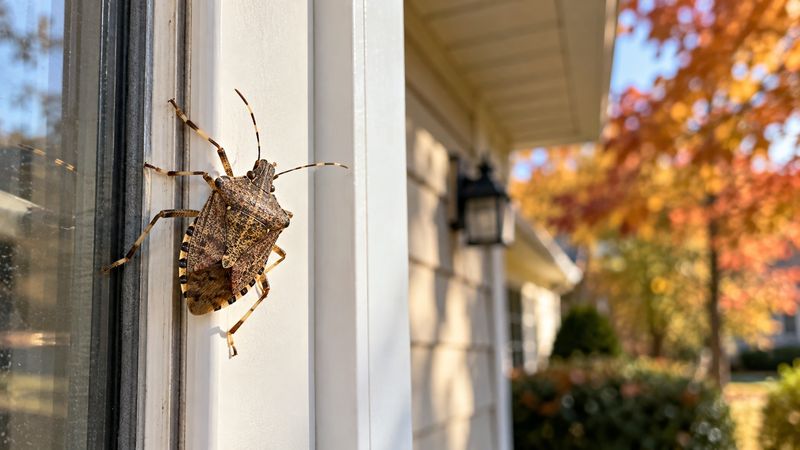
Every autumn, a quiet signal goes off in nature, and stink bugs respond to it like clockwork. Shrinking daylight and cooler temperatures tell their bodies that winter is coming soon, so they start searching.
Entomologists describe this change as diapause, a resting state that works a bit like a long nap. During diapause, the bugs stop breeding and stop eating much, saving energy until the warm season returns.
Late September through October is usually the busiest stretch for this movement in many parts of the country. You may suddenly see dozens gathered on a sunny wall one afternoon, even if you saw none last week.
That sudden crowd is the reason the arrival feels so abrupt, even though the pattern repeats each year. Warm afternoons following chilly mornings seem to trigger the biggest flights toward houses, according to extension researchers.
South and west facing walls soak up the most heat, so they often attract the largest groups. Light colored siding near open fields, orchards, or wooded edges can draw even more of these travelers.
The bugs also release a scent that tells others a good shelter has been found nearby. Scientists call it an aggregation pheromone, and it helps explain why one bug quickly turns into twenty.
Personally, I like watching the weather forecast in early fall to guess when they will show up next. A sunny, mild day after a cold snap is your cue to check windows, doors, and porch lights.
Squashing One Is A Mistake You Will Smell
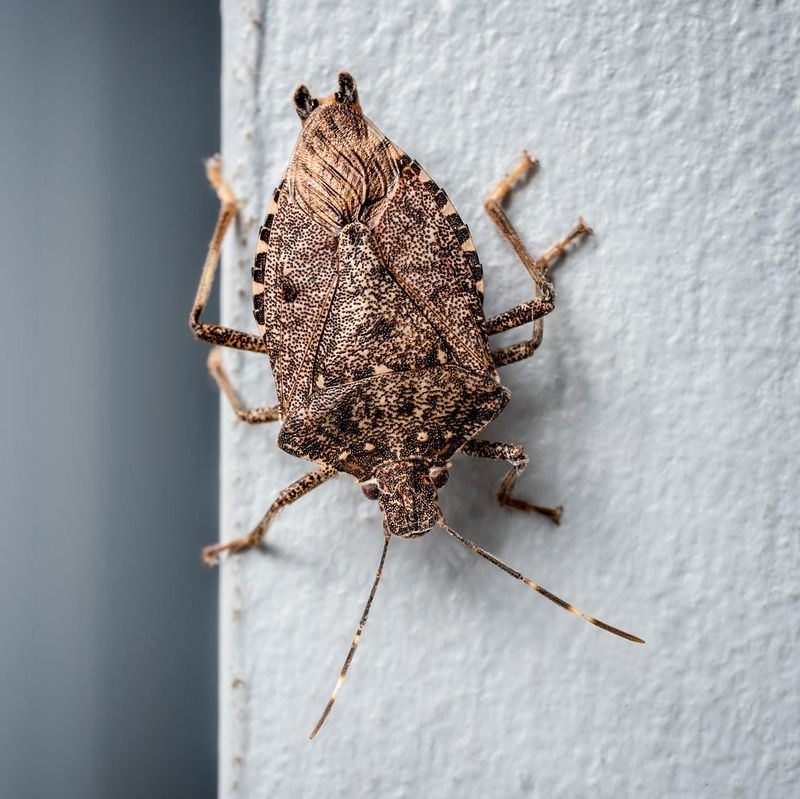
Grab a tissue, squeeze, and you will learn quickly how these insects earned their famous, unfriendly name. Stink bugs have special glands that release a sharp odor when they feel crushed, threatened, or disturbed.
Many people compare the scent to cilantro, while others say it smells like dirty socks or burnt rubber. Either way, that smell can linger on your hands, carpet, or curtains for a surprisingly long time.
Crushing them can also leave a brownish stain on light fabrics, painted walls, or pale window sills. That mess takes more scrubbing than most people expect, especially on soft furniture or cream colored rugs.
Another common mistake is grabbing a can of household insecticide and spraying every bug you see indoors. Extension services generally discourage indoor spraying, since it adds chemicals to your home without solving the problem.
Bugs left inside wall spaces after spraying can also attract carpet beetles, which feed on insect remains. So the quick fix can create a second pest issue that sticks around long after the stink bugs.
The bugs are mostly harmless to people and pets, since they do not bite and do not spread disease. A few people do notice mild skin irritation after handling them, so gloves or a tissue are wise.
A living room that smells like crushed cilantro for a whole afternoon is something most people want to avoid. A gentle approach works better, and the next section covers simple tools that keep your hands clean.
A Vacuum Or Soapy Jar Handles Them Best
Somewhere in your closet sits one of the best stink bug tools around, and it plugs into the wall. A regular vacuum cleaner lets you scoop up wandering bugs quickly without touching or squashing a single one.
The catch is that the vacuum may smell afterward, so many people use an old or spare one. Empty the bag or canister outdoors right away, and seal the contents in a plastic trash bag.
Some extension specialists suggest slipping a knee-high stocking into the vacuum hose and securing it with a rubber band. The stocking traps the bugs inside the hose, keeping the odor out of your machine’s main chamber.
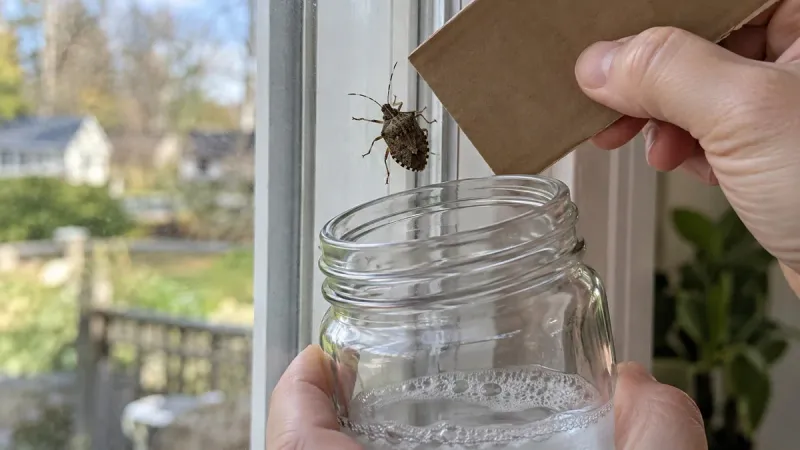
For a low-tech option, fill a jar or small bucket with water and a few drops of dish soap. Hold it under a resting bug and nudge it gently, since startled stink bugs tend to drop straight down.
The soap breaks the water’s surface tension, so the insect sinks instead of floating back out again. I like this method because it feels calm, costs almost nothing, and keeps the smell mostly contained.
Simple homemade light traps, like a desk lamp shining over a pan of soapy water, can catch a few more. Results vary from house to house, so treat traps as a helper rather than a full solution.
Patience matters here, because removing bugs indoors only handles the ones that have already slipped past your windows. You may need to repeat the process for several weeks while the fall movement slowly winds down.
Warm Winter Days Can Wake Them Up
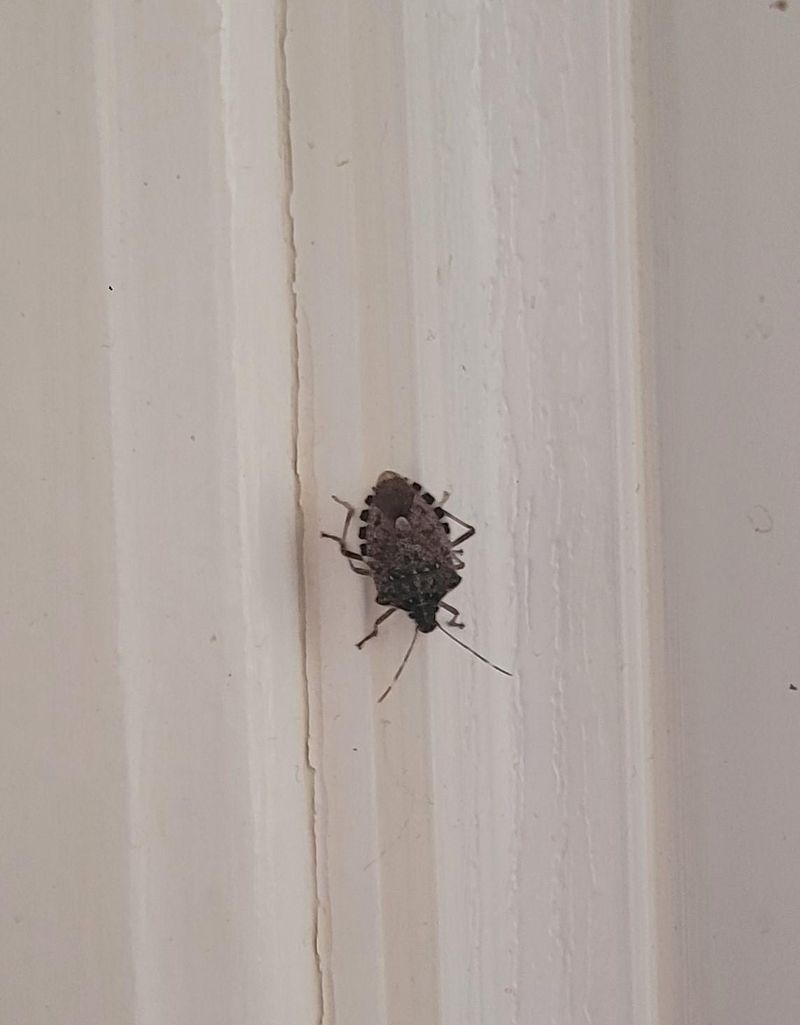
January can bring a strange visitor buzzing clumsily around your kitchen light, even with snow piled outside. That bug probably entered your walls back in October and simply woke up a little too early.
Warm sunny days or heat from your furnace can fool resting stink bugs into thinking spring has arrived. They crawl out of wall gaps toward the light, often landing on windows, lamps, or bright ceilings.
Their movements look slow and confused, and honestly, they seem as surprised to see you as you are. These early risers rarely feed and do not reproduce inside your home, so their numbers stay steady indoors.
Many of them simply weaken over time, since they burn through stored energy without any food source. Keep your vacuum or soapy jar handy through winter, because a few stragglers may appear every couple of weeks.
Once real spring weather arrives, the bugs that survived in your walls will try to head back outside. Some exit the same way they came in, while others get turned around and end up indoors again.
Outdoors, they feed on fruits, vegetables, and ornamental plants, including apples, peaches, tomatoes, peppers, and sweet corn. Farmers and gardeners worry about them far more than homeowners, since their feeding leaves fruit dimpled and scarred.
Seeing a winter stink bug is not a sign of a new problem, so there is no reason to panic. It simply tells you where gaps exist, which makes it a handy clue for your next sealing project.
Sealing Tiny Gaps Keeps Next Year Quieter

A stink bug can squeeze through surprisingly small openings, so a careful walk around your house really pays off. Look closely at window frames, door edges, utility pipes, dryer vents, and spots where siding meets the trim.
Fill cracks with a good silicone or silicone-latex caulk, which holds up well through changing fall weather. Larger holes around pipes or cables can be packed with expanding foam, copper mesh, or steel wool.
Torn window screens deserve a quick patch, since even a small rip works like an open invitation. Replace worn door sweeps and weather stripping, especially on doors that face the sunny south or west.
Window air conditioners are a sneaky entry point, so remove them in early fall or seal their edges tightly. Attic vents and chimney openings also benefit from fine mesh screening that still lets fresh air flow freely.
Timing matters, so mark your calendar to finish sealing by early September next year, before the rush starts. If you are reading this in October, sealing now still helps reduce the number of late arrivals indoors.
Outdoor insecticide sprays on siding offer limited help, according to extension guides, and they often wear off quickly. Physical barriers like caulk and screens usually give you better results for far less money and worry.
I believe a free afternoon with a caulk gun is one of the smartest gifts you can give your home. You will likely still see a few stink bugs, but far fewer will crash your cozy autumn evenings.