Why Your Florida Oranges Are Splitting Right Before Harvest
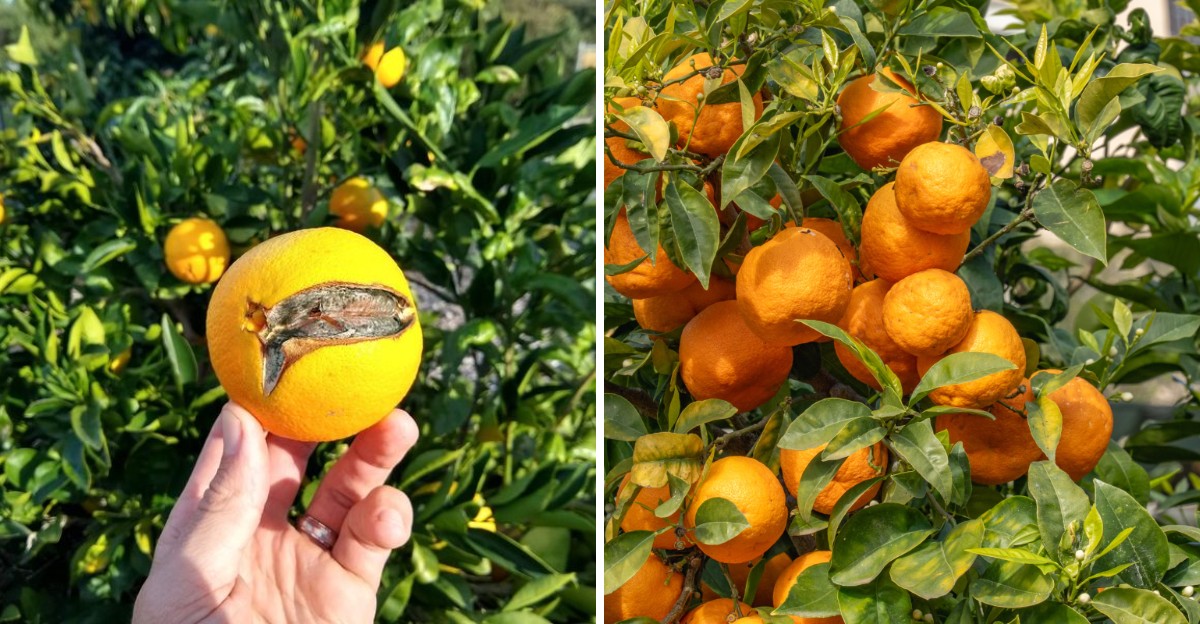
You eyed that fruit all season, picked a day, and then a crack ran down its side like a bad windshield.
Splitting hits Florida citrus right when the payoff should arrive, and the timing feels almost personal. The tree looked healthy.
The leaves looked fine. Nothing in your routine seemed off, and the crop went sideways anyway.
The cause isn’t random, and it rarely traces back to one bad day. A few quiet factors stack up over weeks, and the final crack is only the last domino to fall.
Some of them sit squarely in your control.
Spot the pattern early and you can save next season’s harvest, even if this year’s batch took a hit.
Look closely at the fruit still hanging before you pick another one. The tree has been giving you hints.
1. Fruit Splitting Peaks From August Through Fall
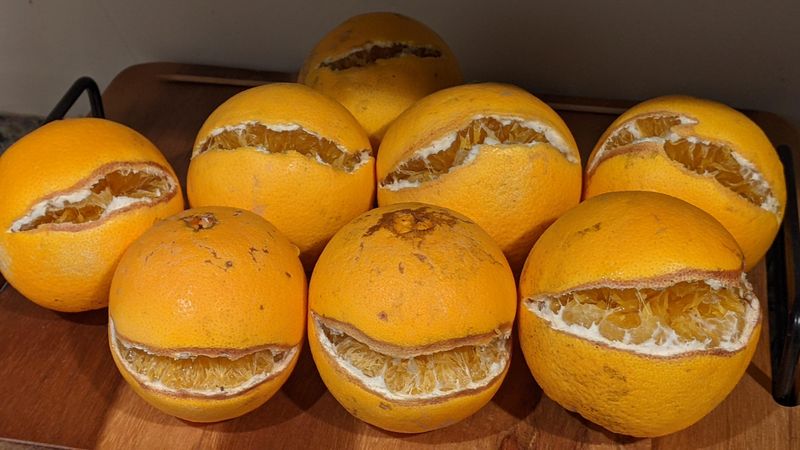
Mark your calendar, because split oranges follow a schedule. Most cracking in Florida shows up between July and November, with the worst stretch from August into fall.
Why then? Late summer is when your oranges grow the fastest.
The rind usually reaches its full size around September or October, while the juicy pulp inside keeps getting bigger.
Picture a kid in a growth spurt wearing last year’s jeans. Something has to give, and on an orange, the weak spot is usually the bottom end, called the stylar end.
Florida weather adds fuel to the fire during these months. Summer storms, tropical systems, and steamy humidity all show up right when the fruit is most fragile.
So what can you do with this timing? Start walking your trees more often once August arrives.
A quick stroll every few days helps you catch trouble early.
Look closely at the bottom of each orange. Small cracks often start there and spread fast in warm, wet weather.
Keep notes in a notebook or on your phone. Write down when splits first appear and what the weather was doing that week.
After a season or two, you will spot your own grove’s pattern. That knowledge helps you plan watering and care before the risky months even begin, instead of scrambling after the damage shows up.
2. Heavy Rain After A Dry Spell Is The Usual Trigger
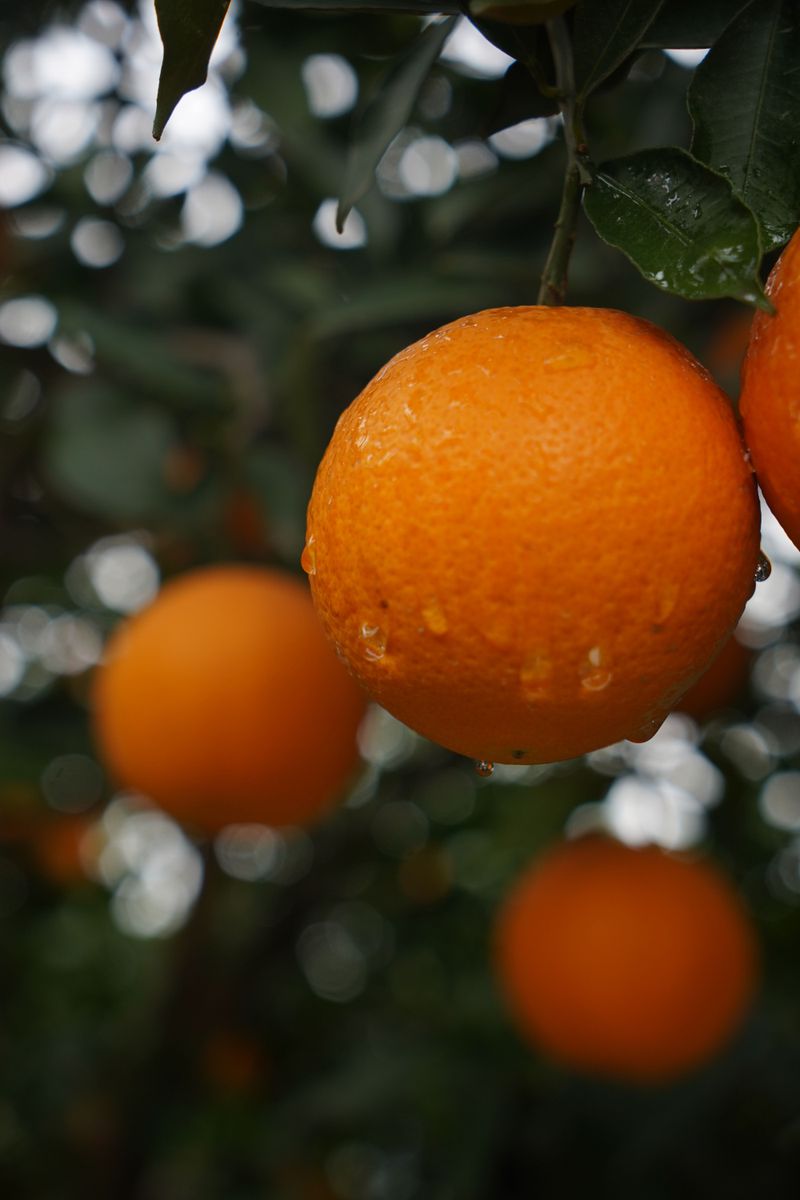
Imagine skipping lunch and dinner, then eating a giant buffet in five minutes. Your stomach would not be happy, and your orange tree feels much the same way after a sudden soaking.
During a dry spell, the tree conserves water and the fruit grows slowly. The peel gets used to that slower pace and becomes a bit firm.
Then a big Florida thunderstorm rolls in. The roots gulp water fast, and that water rushes straight into the fruit.
Inside, the pulp swells quickly. The rind has no time to adjust, so it bursts open along a seam.
Watering by hand can cause the same problem. A long dry stretch followed by a heavy hose session acts just like a surprise storm.
Your Florida Garden Changes Every Week. Your Plan Should Too.
Gardening in Florida changes quickly throughout the season. Every Friday you’ll receive a simple weekly plan showing exactly what to plant, prune, fertilize, harvest, and protect so you never miss the right timing.
Quick changes in temperature and humidity also stress the fruit. A hot, dry week followed by a cool, damp one can leave peels more likely to crack.
The lesson here is simple. Trees love steady, boring conditions, not wild swings between thirsty and flooded.
You cannot control the rain, of course. You can, however, keep the soil from drying out too much between storms, so the next downpour does not hit like a tidal wave.
Watch the forecast during late summer. A few days of planning can protect a whole season of fruit.
3. The Fruit Swells Faster Than The Peel Can Stretch
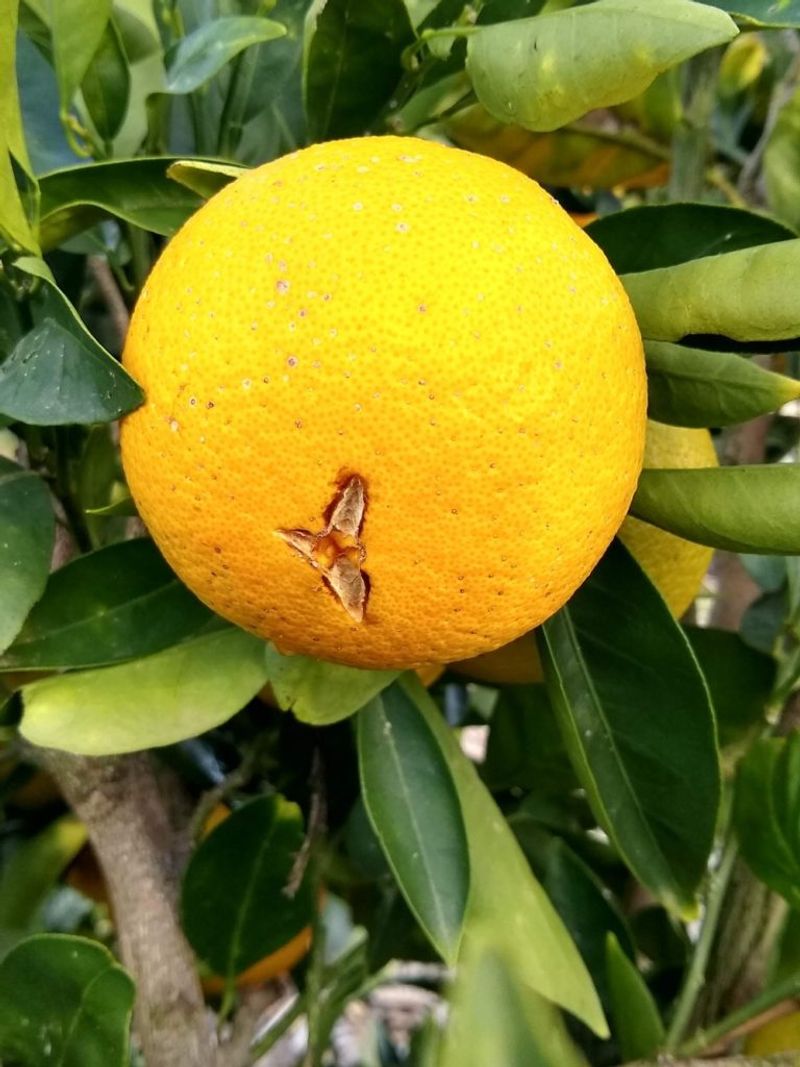
Think of an orange peel as a balloon made of living skin. Blow too much air in too quickly, and pop goes the balloon.
Inside every orange, juicy little sacs fill up with water and plant sugars. As they grow, they push outward against the rind.
Usually the peel keeps up by building new material as the fruit expands. It is a slow, careful process, kind of like knitting a sweater one row at a time.
Trouble starts when water and sugars pour in too fast. The pressure inside climbs, but the peel cannot make new tissue quickly enough to make room.
Eventually the rind tears. The split most often starts at the bottom, or stylar end, where the peel tends to be thinnest.
From there, the crack can grow longer and wider. Some splits are tiny slits, while others open up enough to show the segments inside.
Here is a fun fact for your next garden chat. Scientists call fruit splitting a physiological disorder, meaning it is caused by growing conditions, not by a bug or a germ.
That is actually encouraging. Since conditions cause the problem, smart care can lower the risk, and the rest of this list shows you how.
4. Navels, Valencias And Hamlins Split The Most
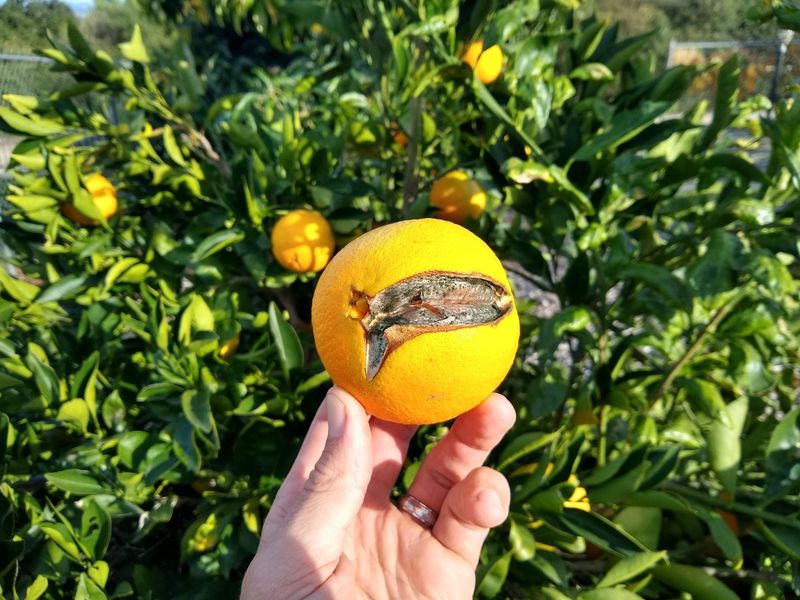
Not every orange plays by the same rules. Some varieties are tougher, while others crack under pressure like a nervous contestant on a game show.
In Florida, Valencia, Hamlin, and navel oranges see the most splitting. Murcott mandarins, sometimes sold as honey tangerines, are on that list too.
Navels are the biggest worriers of the bunch. That little belly button at the bottom is actually a tiny second fruit, and it creates a natural weak spot where cracks love to start.
Hamlins are early oranges, picked in fall. Their main growth happens right during the stormy season, which puts them in the danger zone.
Valencias hang on the tree a long time and get harvested in spring. They spend many months facing weather swings, so splits have plenty of chances to appear.
Meanwhile, grapefruit and tangelos tend to handle things better. Their peels seem more forgiving when the water suddenly surges.
So what does this mean for you? If you are planting a new tree, think about which type fits your patience level.
If you already grow navels or Hamlins, no need to panic. Just give them extra attention in late summer, with steady watering and closer checks, and you can still enjoy a fine harvest.
5. Heavy Crops Raise The Odds
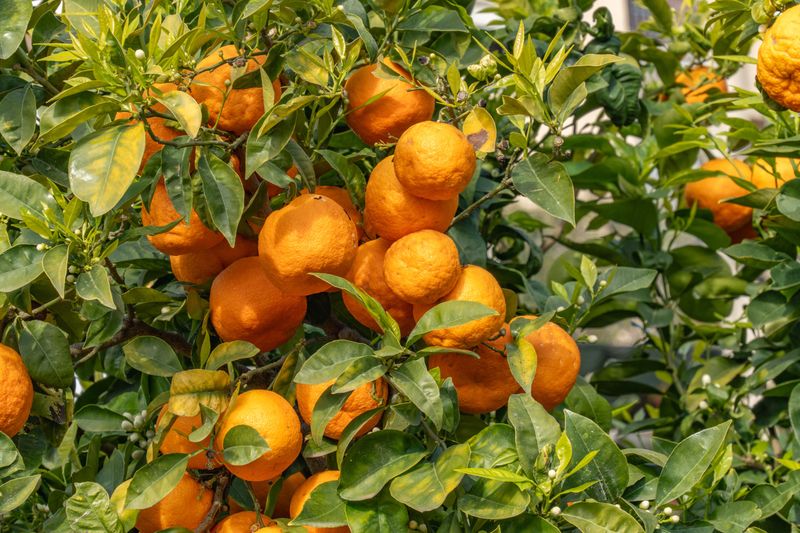
A branch sagging with oranges looks like a dream come true. Before you start bragging to the neighbors, though, know that a huge crop can bring extra splitting.
Here is why. Every orange on the tree is competing for the same water, nutrients, and sunlight.
When fruit is packed into tight clusters, some oranges get less than their fair share. They may grow unevenly and end up with thinner rinds.
Thin peels are like cheap plastic bags. They hold up fine until you put too much inside, then they rip.
So a crowded tree hit by a sudden rainstorm is a perfect setup for cracks. More fruit means more chances for things to go wrong.
What can a home grower do? On young or small trees, gently remove a few of the smallest fruits when they are about marble-sized.
Focus on clusters where several oranges are jammed together. Leaving one or two healthy fruits gives each one more room and resources.
It feels strange to toss baby oranges, I know. Still, fewer fruits often means bigger, sweeter oranges with sturdier skin.
Also keep up with feeding during big crop years. A heavily loaded tree uses nutrients fast, so regular fertilizing helps every orange build a stronger, more stretchy peel.
6. Thin Peels From Low Potassium Make It Worse
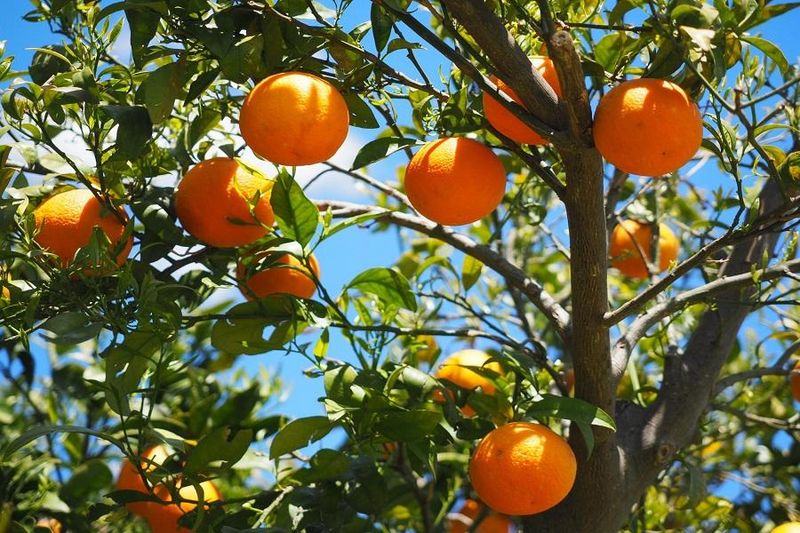
Potassium might sound like something from science class, but your orange tree treats it like a vitamin. Without enough of it, peels come out thinner and weaker.
This mineral helps build strong, flexible rind tissue. When potassium runs low, the tree struggles to make sturdy skin for its fruit.
A thin peel cannot handle much pressure. So when a heavy rain sends water rushing inside, it splits far more easily.
Florida soils make this tricky. Our sandy ground drains fast, and nutrients like potassium can wash away with all that summer rain.
So how do you help? Use a fertilizer made for citrus, and check the label for a good amount of potassium, shown as the third number.
Follow the package directions instead of guessing. Too much fertilizer can cause its own problems, and balance matters.
A soil test is a smart move too. Your local UF/IFAS Extension office can explain how to collect a sample and read the results.
Spread fertilizer evenly under the tree’s canopy, not piled against the trunk. Then water it in lightly.
Feeding on a regular schedule through spring and summer helps the tree store up what it needs. By late summer, those oranges will wear thicker, tougher jackets ready for stormy weather.
7. Keep Trees Watered Steadily During Dry Spells
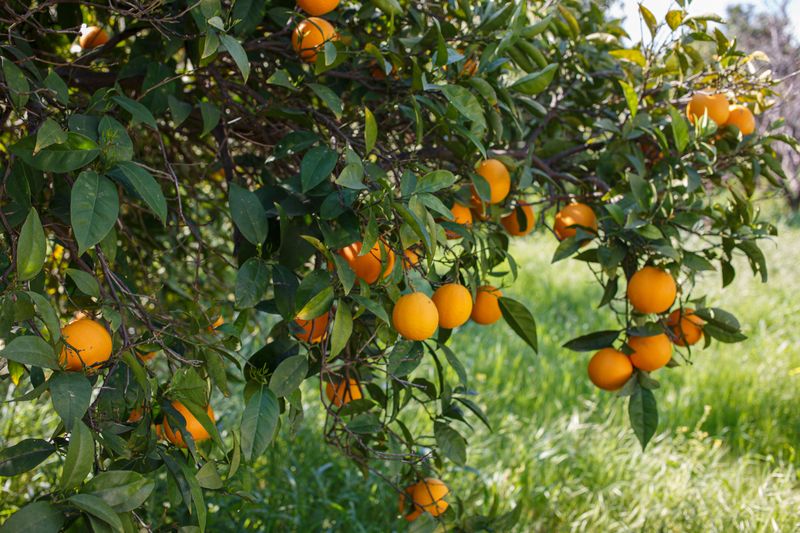
Steady wins the race in the orange grove. Your tree does best when its roots never swing from bone dry to soaking wet.
During dry spells, give the tree regular drinks instead of waiting until the leaves curl. Consistent moisture helps the peel stay stretchy and ready for growth.
Deep watering matters more than quick sprinkles. You want moisture to reach the deeper soil where the main roots live.
A drip system or soaker hose is a great helper here. Both deliver water slowly, right to the root zone, with less waste and less surface puddling.
Try this simple test before watering. Push a finger or a small trowel a few inches into the soil, and water if it feels dry down there.
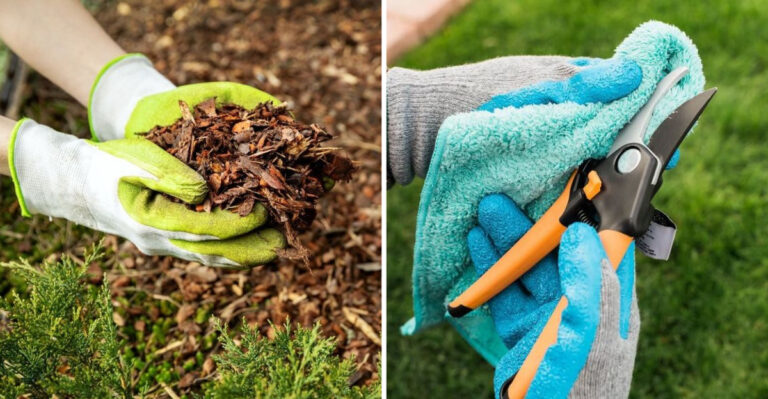
Mulch is another easy win. Spread a few inches of wood chips or pine straw around the tree, keeping it several inches away from the trunk.
Mulch acts like a sunhat for the soil. It slows evaporation and keeps moisture levels more even between waterings.
Early morning is the best time to water. Less water disappears in the heat, and the leaves dry off fast.
With steady care, a surprise storm becomes less of a shock. The fruit simply keeps growing at a calm, comfortable pace.
8. Don’t Irrigate Right Before Or After A Big Rain
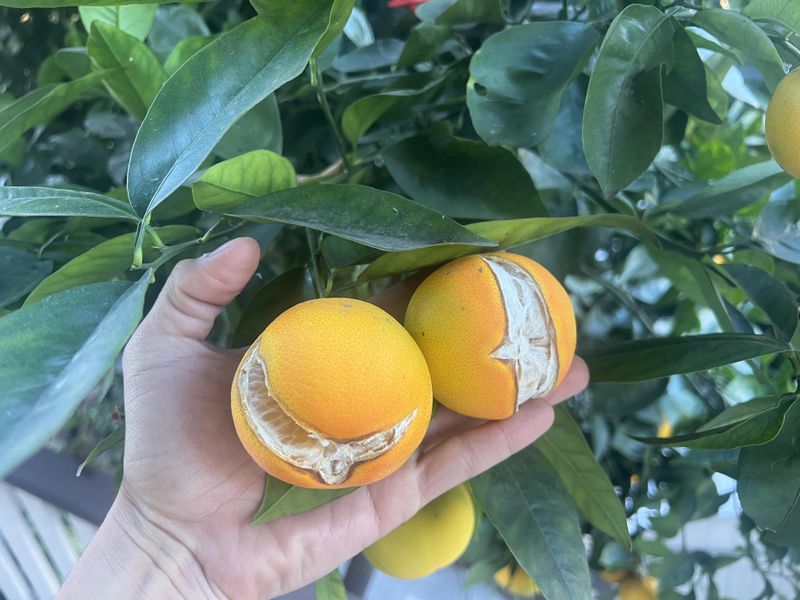
Picture this: you water your tree on Monday, then a tropical downpour dumps three inches on Tuesday. Your oranges just got double-dosed, and their peels may pay the price.
Extra water piled on top of heavy rain creates a big surge. That rush pushes fruit to swell fast, and splits often follow.
The fix is simple. Check the weather forecast before you turn on the hose or sprinklers.
If a big storm is coming in the next day or two, skip watering. Let the sky handle the job.
After a heavy rain, hold off for a while too. Wait until the soil starts to dry a few inches down before watering again.
Automatic sprinklers can be sneaky troublemakers. A timer does not know it rained yesterday, so it may water anyway.
Consider adding a rain sensor to your system. These handy gadgets pause watering when enough rain falls, and they are fairly cheap.
Changing your schedule with the seasons helps as well. Florida’s rainy summer needs far less watering than the dry spring months.
Think of yourself as the tree’s personal weather manager. By smoothing out the ups and downs, you give the peel a fair shot at keeping up with the growing fruit.
9. Pick Up Split Fruit Before It Rots
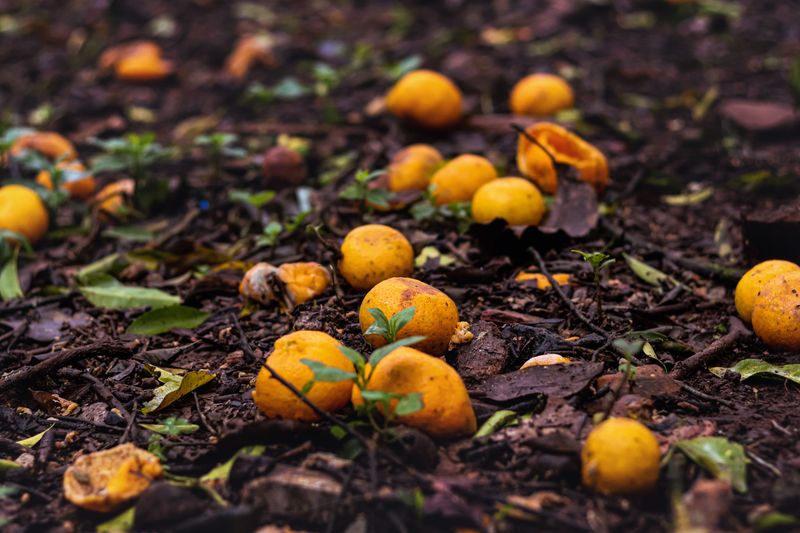
Sadly, a split orange cannot be fixed. Once that peel cracks open, the fruit is done for eating and needs to go.
Leaving it around causes bigger trouble. The open, juicy flesh invites mold, fungus, and other germs to move right in.
Those rotting oranges then become a launch pad. Spores and pests can spread from them to the healthy fruit hanging nearby.
Fruit flies, ants, and even raccoons love a free sugary snack. A ground full of mushy oranges rolls out the welcome mat for all of them.
So make cleanup part of your routine. Pull cracked fruit off the branches and gather any oranges that have dropped.
Wear gloves, since rotting fruit gets slimy and sticky fast. A bucket with a lid keeps the smell and the flies under control.
Bag the fruit and toss it in the trash. Avoid adding it to a nearby compost pile, where it might keep spreading problems.
Try to do a sweep every few days during splitting season. Quick, regular cleanups are much easier than one huge, smelly chore.
Your reward is a cleaner yard and healthier fruit. The oranges that made it through will have a much better chance of reaching your kitchen table.