Why Stink Bugs Keep Finding Their Way Into Michigan Homes This Time Of Year
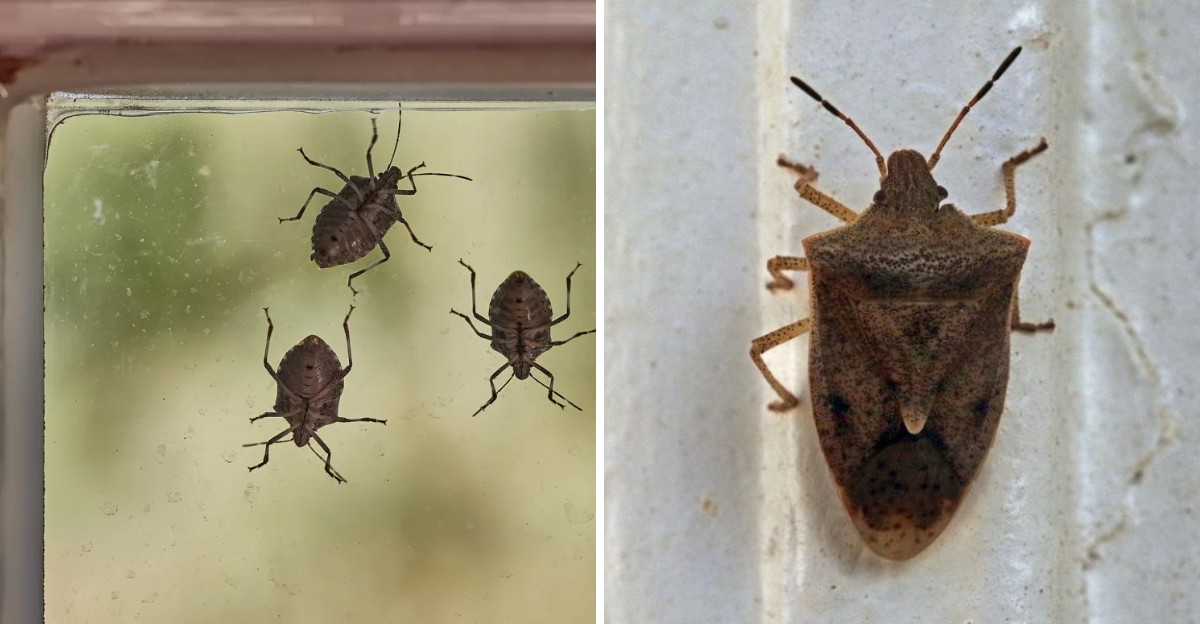
Stink bugs are not looking for your food or your furniture. They want a warm place to wait out winter. As nights cool, brown marmorated stink bugs leave fields and gardens in search of shelter.
Sunny walls attract them first. From there, they follow small cracks around windows, doors, siding, and vents. Once a few find a good spot, they release a scent that draws others, which is why a small number can become a crowd.
Indoors, they stay mostly quiet until warm days wake them. They do not breed or damage the house, but they release a bad odor if crushed. Sealing gaps before they settle in is the most effective step you can take.
1. They’re Searching For A Winter Hideout
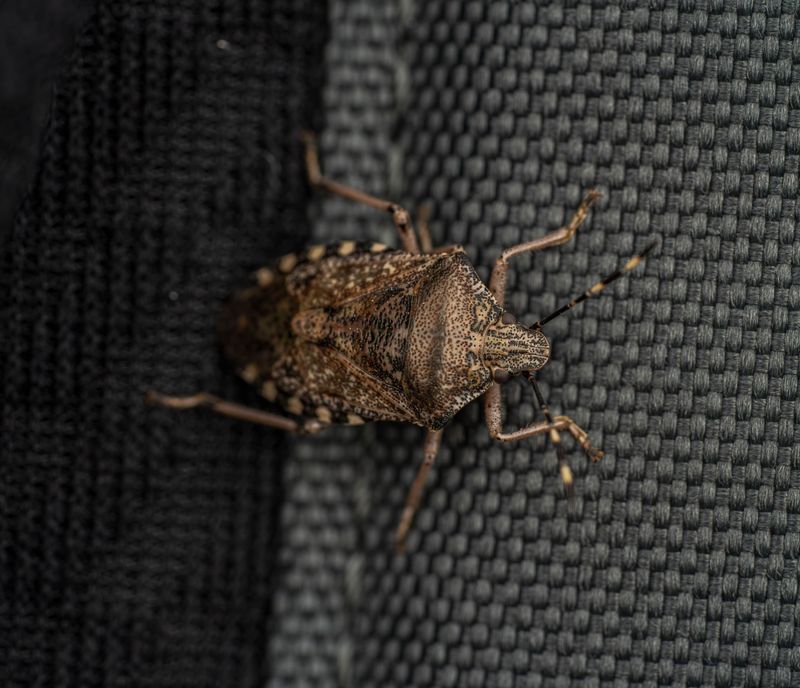
Every fall, a quiet migration happens right outside your windows. Brown marmorated stink bugs, known to scientists as Halyomorpha halys, start leaving gardens and fields and heading straight for houses.
They are not trying to bother you on purpose, though it can sure feel that way. These shield-shaped insects came from Asia and were first found in the United States in Pennsylvania in the late 1990s.
Since then, they have spread to most states, including Michigan. Like many insects, they cannot handle freezing weather out in the open.
As days grow shorter and nights turn chilly, adult stink bugs stop eating and look for a safe place to rest. Scientists call this resting state diapause, and it works a lot like a long winter nap.
The bugs need somewhere dry, sheltered, and out of the wind until spring arrives. Your home checks every box on their wish list.
Wall spaces, attics, and gaps behind siding feel a lot like the cracks in tree bark and rocky cliffs they would use in the wild, only better. A house stays steady and protected, which is exactly what a sleepy bug wants.
Most homeowners notice the biggest crowds from September into October. Warm afternoons during that window often bring dozens of bugs crawling across sunny walls and window screens.
Knowing the timing helps you get ready before the rush begins. Michigan winters make this search even more urgent.
Long stretches of snow and frigid nights push stink bugs to find cover early, so they start scouting houses while the leaves are still changing color. Getting your home sealed by late summer gives you a real head start.
2. Warm Fall Days Get Them Moving
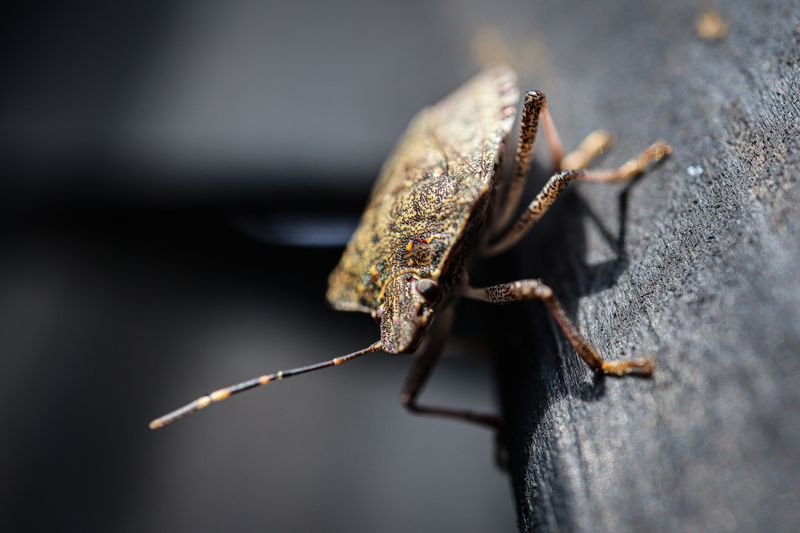
Sunshine in October feels like a gift, but stink bugs love it even more than we do. These insects are cold-blooded, which means their energy rises and falls with the temperature around them.
On chilly mornings they barely move, yet a warm afternoon can turn them into busy little pilots. When the air heats up, stink bugs take flight and crawl in search of shelter.
A single warm spell can bring a sudden burst of bugs landing on your walls, especially the sides that soak up the most sun. Many folks are surprised to see a quiet house covered in bugs by three in the afternoon.
Your Michigan Garden Changes Every Week. Your Plan Should Too.
Gardening in Michigan changes quickly throughout the season. Every Friday you’ll receive a simple weekly plan showing exactly what to plant, prune, fertilize, harvest, and protect so you never miss the right timing.
Michigan sometimes gets unusually warm stretches in mid October, and those days give stink bugs perfect travel weather. Bright skies and mild air let them move in large numbers toward homes. If the forecast calls for a warm, sunny day, expect company.
Here is a smart habit to build. On warm afternoons, take a quick walk around your house and check sunny walls, window frames, and door frames. South and west sides usually get the most visitors because they hold heat the longest.
Removing the bugs is easy and costs almost nothing. Fill a container with water and a few squirts of dish soap, then hold it under a cluster and gently knock the bugs in. The soap breaks the surface of the water so they cannot crawl back out.
A little effort on those golden afternoons goes a long way. Every bug you catch outside is one less bug sneaking into your living room later. Keep that soapy container near the door so it is always ready.
3. They Squeeze Through Surprisingly Small Gaps
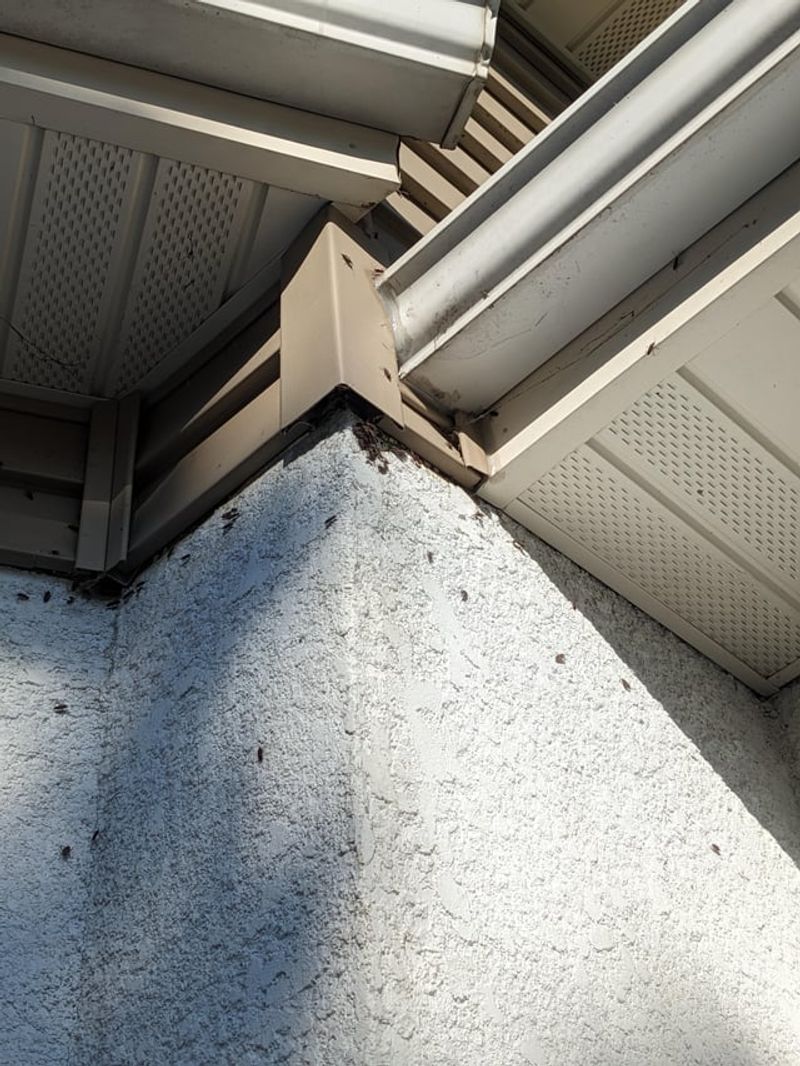
Hold a credit card sideways and look at how thin it is. A stink bug can slip through a gap not much wider than that. Their flat, shield-shaped bodies are built for squeezing into tight places, and your house is full of them.
Common entry spots include cracks around windows and doors, loose siding, and openings near soffits and fascia boards along the roofline.
Bugs also wiggle through gaps where utility lines, cable wires, and pipes enter the house. Dryer vents and outdoor faucets are other favorite doorways.
The good news is that sealing these spots is a weekend project most people can handle. Grab a tube of quality caulk and walk slowly around your home, looking closely at every seam and corner.
Silicone or silicone-latex caulk works well for small cracks around frames and trim. Doors deserve special attention.
Install door sweeps on exterior doors and replace worn weatherstripping so no light shines through when the door is closed. If you can see daylight, a bug can find its way in.
Screens matter too. Patch or replace any torn window screens, and add fine mesh screening over attic and other vents so air can flow while bugs stay out. Even a tiny rip can let in a steady line of insects.
Michigan has plenty of older homes, and age often brings settling, shrinking wood, and loose siding.
Those small shifts create dozens of hidden openings over the years. Sealing them not only blocks stink bugs but also keeps out drafts, which can help lower your heating bill during long winters.
4. Window Air Conditioners And Attic Vents Are Easy Entry Points
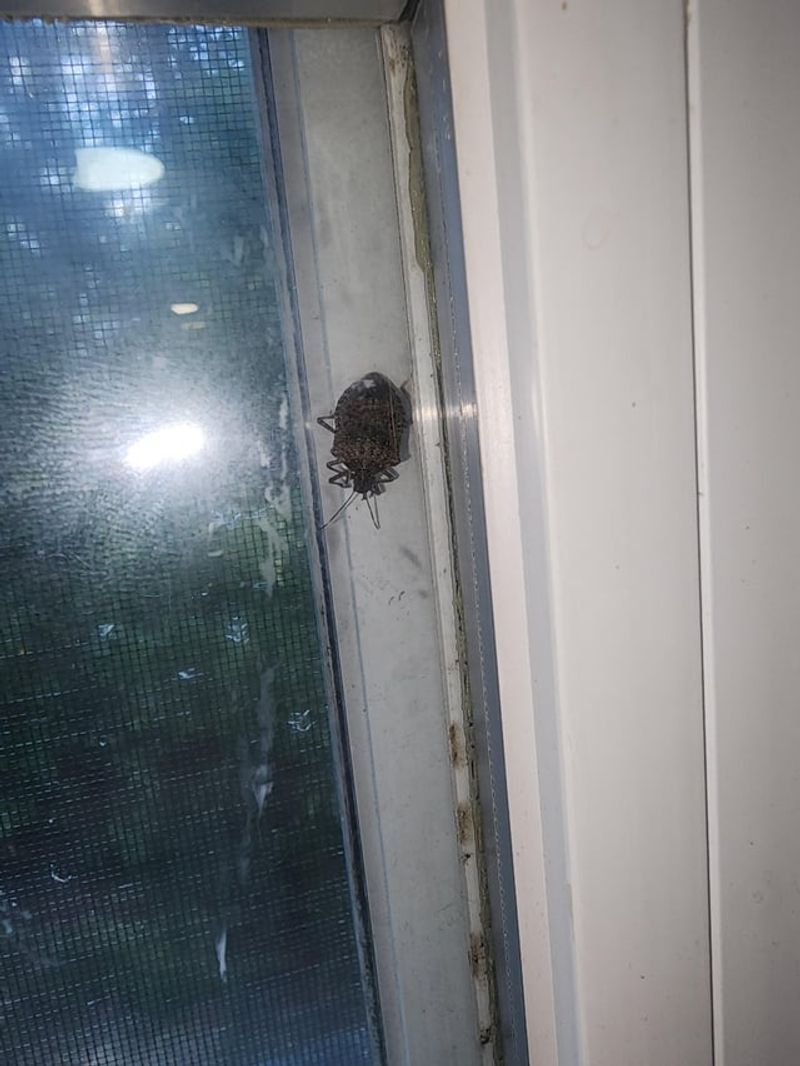
Sneaky entry points often hide in plain sight. That trusty window air conditioner that kept you cool in July might be working as a welcome mat for stink bugs in October. Many people never think twice about it.
Window units rarely fit perfectly. The plastic side panels, foam strips, and edges leave small gaps that bugs find in no time. Once inside the frame, they can crawl right into your room or tuck themselves into the unit itself.
Attic and soffit vents cause similar trouble. If the screens are torn, missing, or poorly fitted, bugs can march straight into the attic and settle in for the season. Chimneys without caps offer another wide-open path from the roof down into the house.
Fixing these problems is simpler than it sounds. The easiest step is to remove window air conditioners once the hot weather ends and close the window tightly.
If taking the unit out is not practical, seal the gaps around it with foam insulation strips or weatherstripping.
Next, take a look at your vents. Use a flashlight or binoculars to check attic and soffit vents from the ground, and replace any damaged screening with fine metal mesh. A chimney cap with a mesh screen keeps out bugs, birds, and squirrels all at once.
Michigan homeowners often leave window units in place well into fall, waiting for one last hot day that may or may not come. Unfortunately, that delay lines up perfectly with peak stink bug season. Pulling the unit in September can save you a lot of hassle later.
5. Homes Near Fields And Woods Draw More Bugs
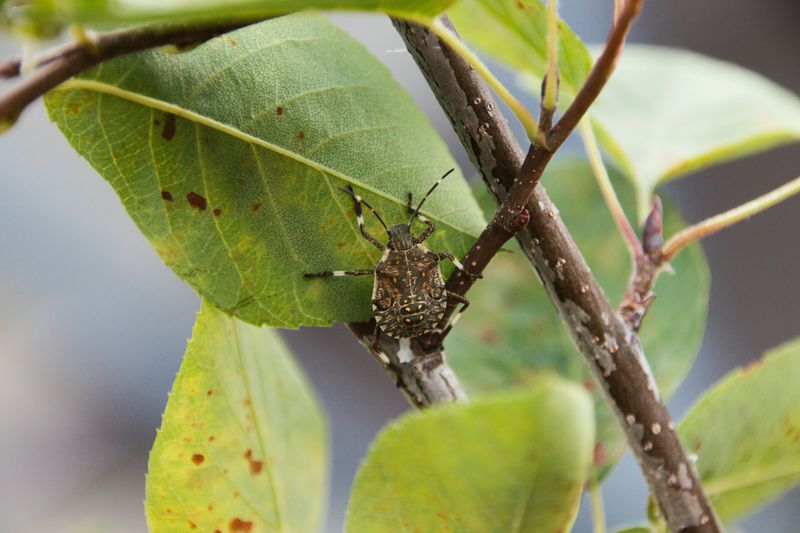
Location really does matter, and not just for real estate. If your house backs up to an orchard, a cornfield, or a patch of woods, you may notice far more stink bugs than a friend living in town. There is a good reason for that.
All summer long, stink bugs feed on a huge menu of plants. They pierce and suck juices from apples, peaches, sweet corn, soybeans, tomatoes, peppers, and many trees and shrubs.
Farmers and gardeners often spot dimpled, scarred fruit as a sign of their feeding. When fall arrives, those well-fed bugs leave their summer spots and fly to the nearest shelter they can find.
Homes sitting close to their feeding grounds are the first stop. That is why houses beside crops and woodlots can see huge numbers almost overnight. You cannot move your house, but you can work smarter.
Pay close attention to the sides of your home that face woods, fields, or orchards, since those walls usually get hit the hardest. Make those areas your top priority when sealing cracks and checking screens.
During September and October, check those same walls more often, especially on warm days.
A quick daily look lets you catch clusters early and remove them before they find a way in. Keeping shrubs and vines trimmed back from those walls also makes it harder for bugs to hide.
Michigan is packed with farmland, fruit orchards, and woodlots, from the cherry country up north to the apple growers on the west side of the state. Plenty of homes sit right beside these areas. For those families, a little extra attention each fall pays off.
6. They Follow Each Other To The Same Spots
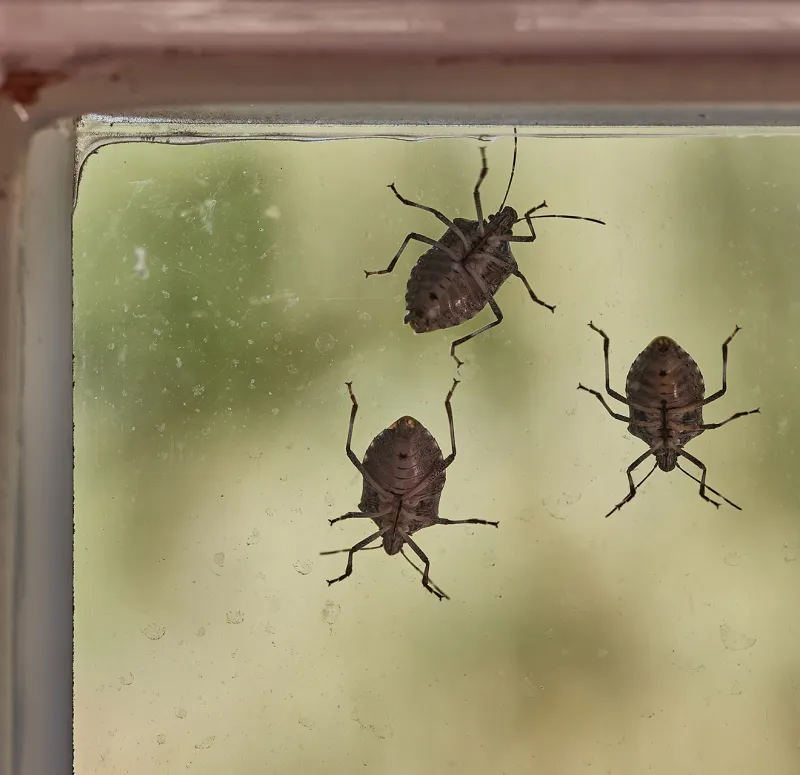
Ever notice how stink bugs seem to pile up in the exact same corner every year? That is not bad luck. These insects talk to each other using chemical signals, and their messages can bring a whole crowd to one spot.
Male stink bugs release a scent called an aggregation pheromone that draws other stink bugs in. Once a few bugs discover a cozy, protected place, the scent tells others where to go. Before long, one bug becomes ten, and ten becomes a hundred.
Researchers have even used this pheromone in traps to monitor stink bug populations on farms. Traces of the scent and the bugs themselves may help explain why certain homes get chosen again and again.
A house that had trouble last year often sees bugs return to the very same walls and windows.
Smart homeowners can turn that habit into an advantage. Each fall, jot down where stink bugs gather, whether it is a certain window, a corner near the roof, or the frame around the back door. A quick note on your phone works great.
Use those notes to guide next year’s sealing work. Focus on the problem areas first, because they are most likely to attract another crowd. Fill cracks, fix screens, and check weatherstripping in those spots before September rolls around.
When clusters do show up, remove them right away with your soapy water container or a vacuum. Clearing them quickly can mean fewer bugs following later.
In Michigan, the same homes are often affected year after year, so a little record keeping can make a real difference over time.
7. Bugs Already Inside Walls Wander Into Rooms
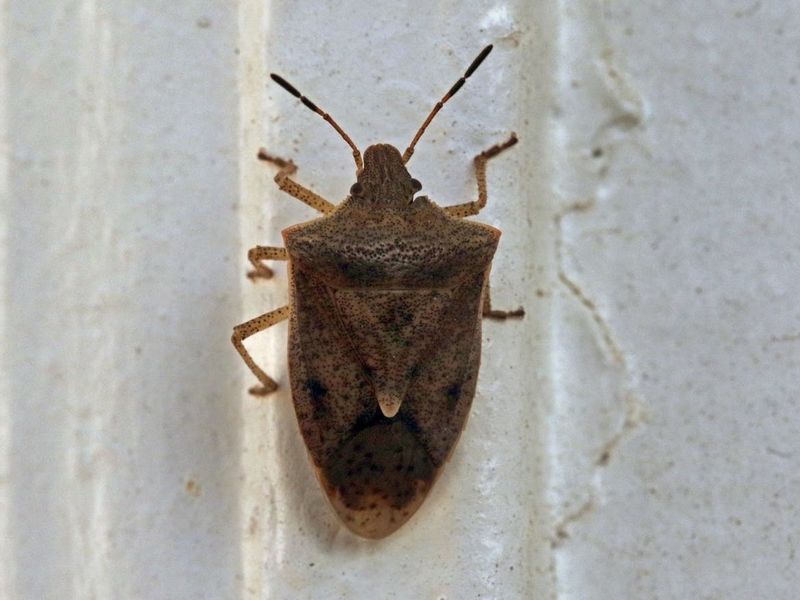
You sealed every crack, so why is a stink bug buzzing around your kitchen light in January? It feels unfair, but there is a simple explanation. Those bugs likely slipped into your walls or attic weeks ago, before you finished your sealing work.
Hidden bugs stay sleepy most of the winter. On sunny days, though, walls and attics warm up, and the bugs wake for a bit and start wandering. Many follow light and warmth right into your living spaces.
Thankfully, they are harmless to people and pets. Stink bugs do not bite, do not damage your home, and do not breed or feed indoors. They are simply lost and confused houseguests.
A vacuum is your best friend here. Suck up any bugs you see, then empty the bag or canister outdoors right away so the smell does not linger. Some people keep an old vacuum just for this job.
Whatever you do, avoid crushing them. Squishing a stink bug releases that famous odor, which some describe as smelling like cilantro or old socks.
Skip indoor insecticide sprays too, since they are not very effective and the bugs inside the walls will still keep coming out.
Instead, close off their indoor exits. Seal gaps around light fixtures, ceiling fans, electrical outlets, window trim, and baseboards where bugs sneak out from inside the walls. Foam outlet gaskets are cheap and easy to install.
In Michigan, stink bugs often keep popping up indoors from fall all the way into spring. A steady routine of vacuuming and sealing keeps the visits short and manageable until warmer weather sends them back outside.