These Venomous Creatures Live In Alabama (Know What To Watch For In Your Garden)
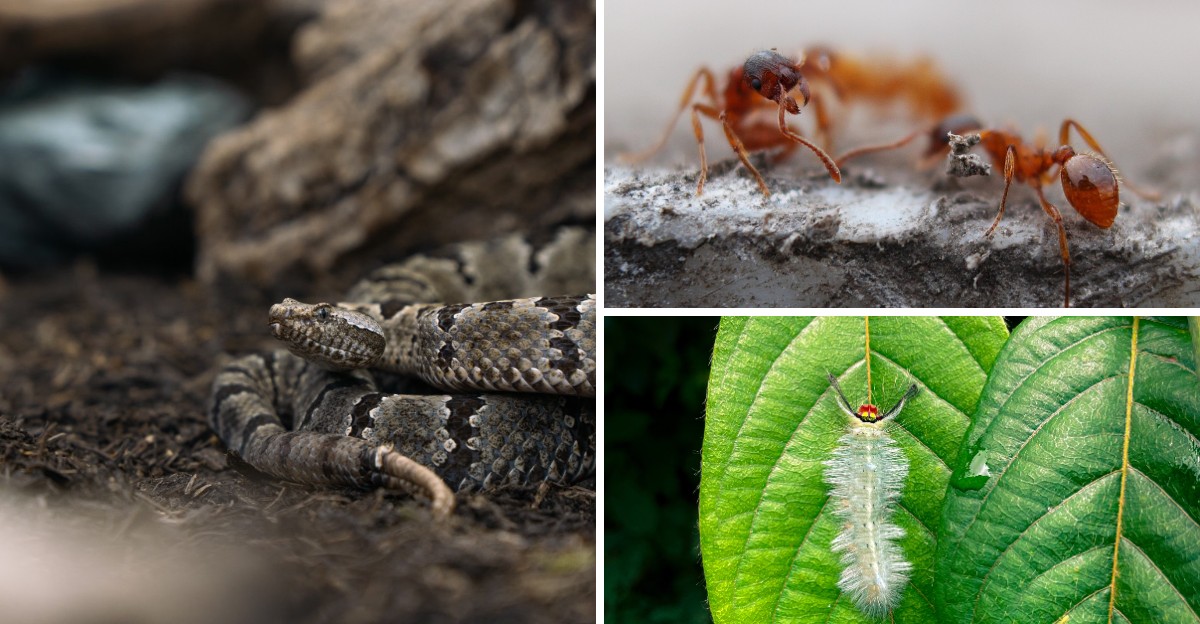
A leaf pile shifts under your glove, and you stop short. October in Alabama pulls you outside, but cooler nights push venomous visitors toward your beds.
Stored warmth beneath mulch draws biters that move fast and carry venom. Sheds hide a glossy black loner marked with a red hourglass.
Cardboard boxes shelter a tan wanderer with a violin shape on its back. Mounds crumble under your boots and release a defensive, stinging swarm within seconds.
Soft, fuzzy tufts on oak leaves hide spines that sting on even light contact. Thick gloves help, yet sharp instincts protect you better than leather.
Camouflage can mislead gardeners, so you scan the ground before you grab. Alabama gardens reward your caution with calm afternoons and bright, full flower beds. Learn how these garden visitors blend into mulch and shed corners before you reach in.
1. Copperheads Hiding In The Leaf Litter
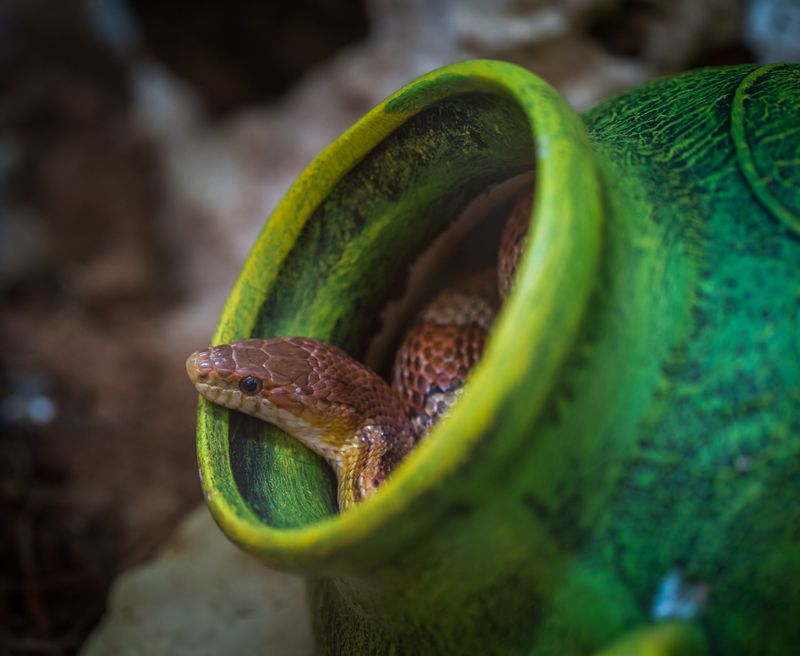
Picture a snake dressed for fall, with copper and tan bands that blend into dry leaves. Copperheads are the venomous snake Alabama gardeners meet more than others.
Their hourglass pattern looks wide on the sides and narrow across the back. Young ones have bright yellow tail tips they wiggle to lure frogs.
Bites happen when people reach into mulch, woodpiles, or thick ground cover without looking. October is busy for copperheads, since they hunt hard before winter rest.
Wear sturdy gloves and use a rake to move leaf piles before your hands go in. Keep firewood stacked off the ground and away from your back door.
Their venom is painful and can injure tissue, so even a healthy adult needs medical care. Any bite deserves a quick trip to the emergency room for proper care.
Stay calm, remove rings and watches, and keep the bitten limb still. Skip the old cut-and-suck trick, because it causes more trouble than help.
Copperheads would rather freeze than chase you, so give them space to slip away. They also eat mice, which makes them odd but useful garden neighbors.
Check the soil around your foundation plants on warm afternoons, since these snakes bask near sunny stone edges. A flashlight helps at dusk, when their coloring fades into the shadows beside your steps.
Pets deserve a thought too. Keep dogs on a leash near brush piles, and call your vet at once if your pet yelps and swells.
2. Cottonmouths Near The Garden Pond
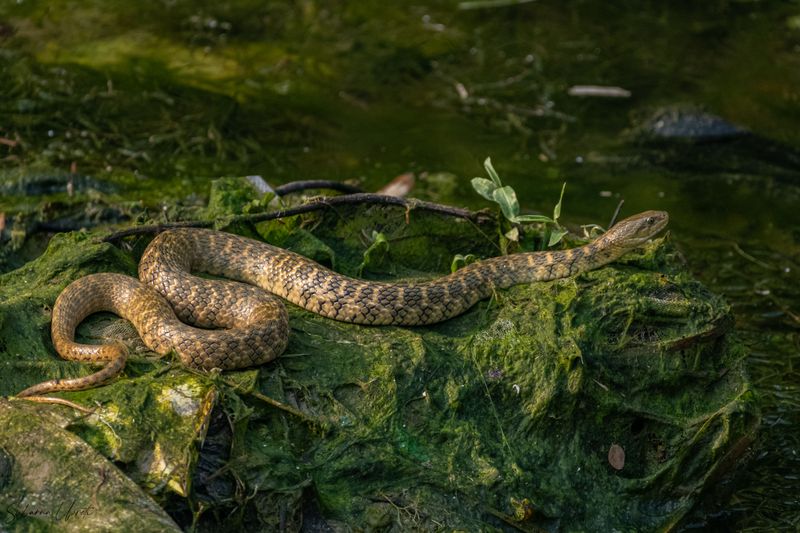
Got a pond, creek, or soggy corner in your yard? Then a cottonmouth might think your property is a lakeside vacation home.
These thick, dark snakes love water and warm rocks near it. When upset, they open their mouths wide to flash a bright white lining.
That cottony warning is their way of saying back off politely. Take the hint and step away slowly without poking at it.
Plenty of harmless water snakes get mistaken for cottonmouths during summer and fall. Cottonmouths often float high on the water, though swimming style alone is not a reliable clue.
Your Alabama Garden Changes Every Week. Your Plan Should Too.
Gardening in Alabama changes quickly throughout the season. Every Friday you’ll receive a simple weekly plan showing exactly what to plant, prune, fertilize, harvest, and protect so you never miss the right timing.
They also have a blocky head and a dark stripe through each eye. Harmless water snakes can look similar, so give any thick water snake plenty of space.
Trim tall grass around ponds so you can see where you step. Wear rubber boots when cleaning out drainage ditches or water gardens.
A cottonmouth bite can cause serious swelling and lasting tissue trouble. Call 911 or head straight to a hospital if one strikes. Fishing frogs out of your pond? Use a net instead of bare hands, just to be safe.
Fall brings cooler water, so these snakes spend more afternoons sunning on flat stones and low branches. Scan the pond edge before you carry buckets or hoses toward the water.
Keep garden paths lit and mowed near the shoreline. Tell your family where you are working, and carry your phone.
3. Timber Rattlesnakes On The Woodland Edge
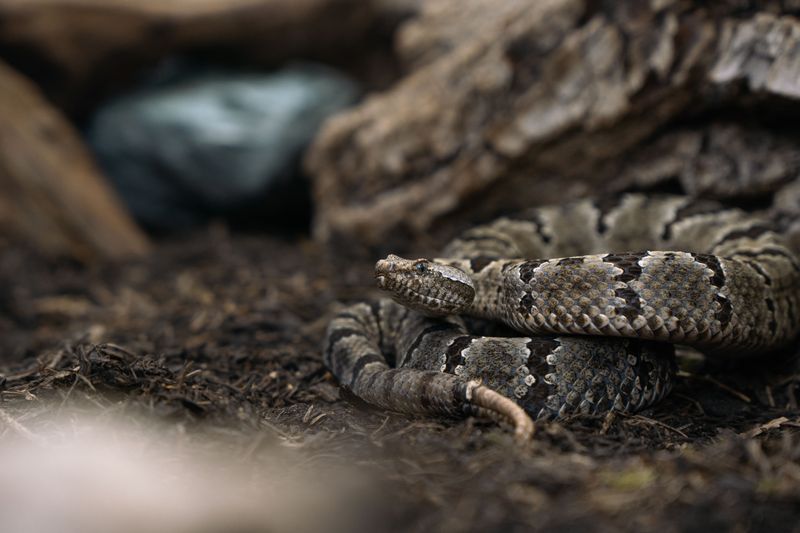
Some neighbors knock before visiting, and timber rattlesnakes do something similar with their tails. That dry buzzing sound is a clear request for personal space.
Timber rattlers wear dark zigzag bands over gray, tan, or yellow skin. Many have a rusty stripe running down the middle of their back.
Homes near forests or rocky hillsides see them more often than city yards. In October, they travel toward winter dens, so sightings can jump.
One surprise about these snakes is their patience. A timber rattler may sit in one ambush spot for days, waiting for a passing mouse.
That patience means they could be resting beside a log you plan to move. Check fallen wood and brush with a long stick first.
Clear away clutter like old boards, tarps, and scrap metal near your house. Fewer hiding spots mean fewer surprise meetings.
If you hear a rattle, freeze, locate the snake, then back away slowly. Their venom is strong, so a bite is a medical emergency. Treat them with respect, and they will happily go about their business.
Leaf blowers and loud mowers can hide the rattle, so pause often and listen. Wear tall leather boots when you work near brush, rock walls, or old stumps.
A rattler left alone may move on after some time, so keep your distance until it leaves. Take a photo from a safe distance, and call a local wildlife helper to relocate it if it settles near your door.
4. Eastern Coral Snakes Under Garden Debris
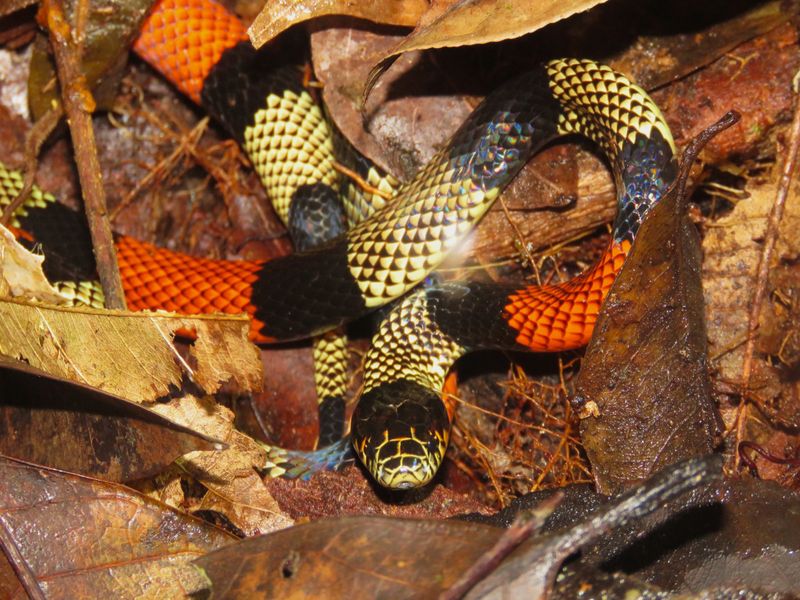
A familiar color rhyme about red and yellow bands helps people spot a coral snake. Eastern coral snakes wear bold bands of red, yellow, and black. In their pattern, the red rings touch the narrow yellow ones.
Harmless look-alikes, like scarlet kingsnakes, have red touching black instead. Still, rhymes can fail, so treat a banded snake carefully.
Coral snakes are shy and spend much of their time hidden. They tuck under pine straw, mossy logs, and loose garden mulch.
South Alabama sees them more often, especially in sandy, piney areas. Gardeners pulling weeds by hand are the folks likely to meet one.
Their mouths are small, but their venom affects the nervous system. Symptoms can be delayed for hours, which tricks people into skipping care.
Get medical help right away, even if the bite seems minor. Doctors would rather check you early than chase problems later.
Use long-handled tools to turn over mulch and wear gloves for weeding. Teach kids to admire colorful snakes with their eyes only.
Sandy beds near pine trees deserve extra care in October, when cooler air sends these snakes under loose cover. Lift pots and boards with a tool, then step back and look before you reach.
Coral snakes are small and calm, and bites usually follow handling or accidental pinning. Leave a banded snake alone, note where it sits, and call animal control for safe removal.
5. Black Widows In The Shed Corners
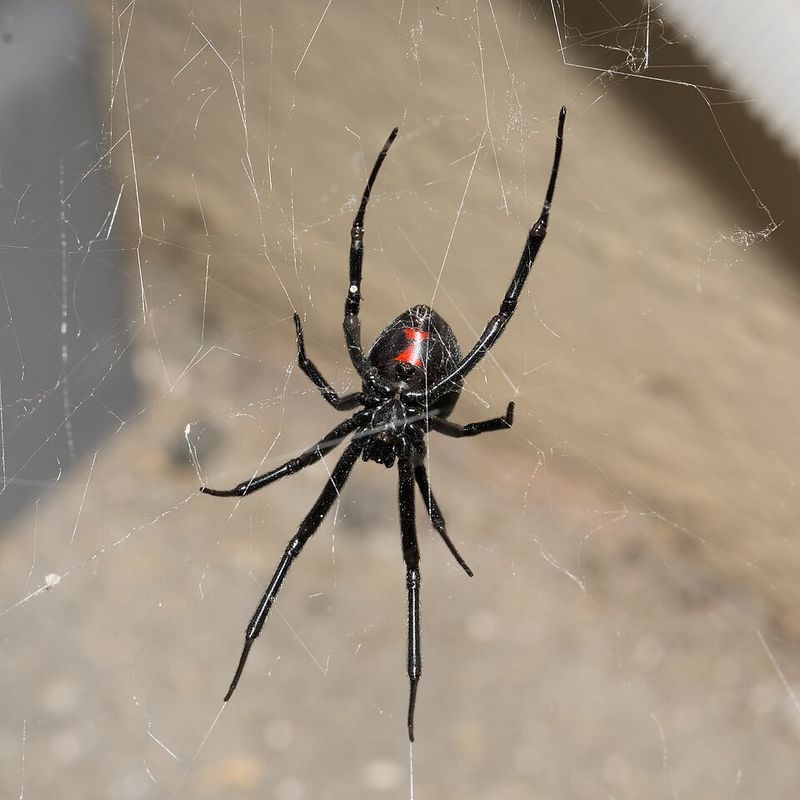
Shiny, black, and famous for a red hourglass, the black widow is a well-known Alabama spider. She prefers quiet, cluttered places away from busy feet.
Flower pot stacks, sheds, and the undersides of patio furniture are favorite hangouts. Her web looks messy and tangled, not neat like a wheel.
Females are the ones to watch, since males are small and harmless. A bite can cause muscle cramps, sweating, and belly pain.
Healthy adults usually recover with medical help, but kids and older folks need extra care. Call a doctor quickly if you suspect a bite.
Fall cleanup season brings plenty of chances to grab something with a spider attached. Shake out gloves and boots before slipping them on.
Wear gloves when lifting buckets, pots, or old lumber. Sweep away webs in dark corners with a broom before reaching inside.
Store tools on hooks instead of in piles on the floor. Less clutter means fewer cozy nooks for spiders to build homes.
Black widows are not aggressive, so bites happen by accident. A little caution keeps both of you happy.
Look for the glossy bulb of her body and the red mark on her underside when you tip a pot. Use a flashlight to peek into dark gaps first.
Her egg sacs look like small, papery, tan balls hung in the web. Leave removal to a broom and gloved hand, and wash up afterward.
6. Brown Recluses Tucked In Storage Boxes
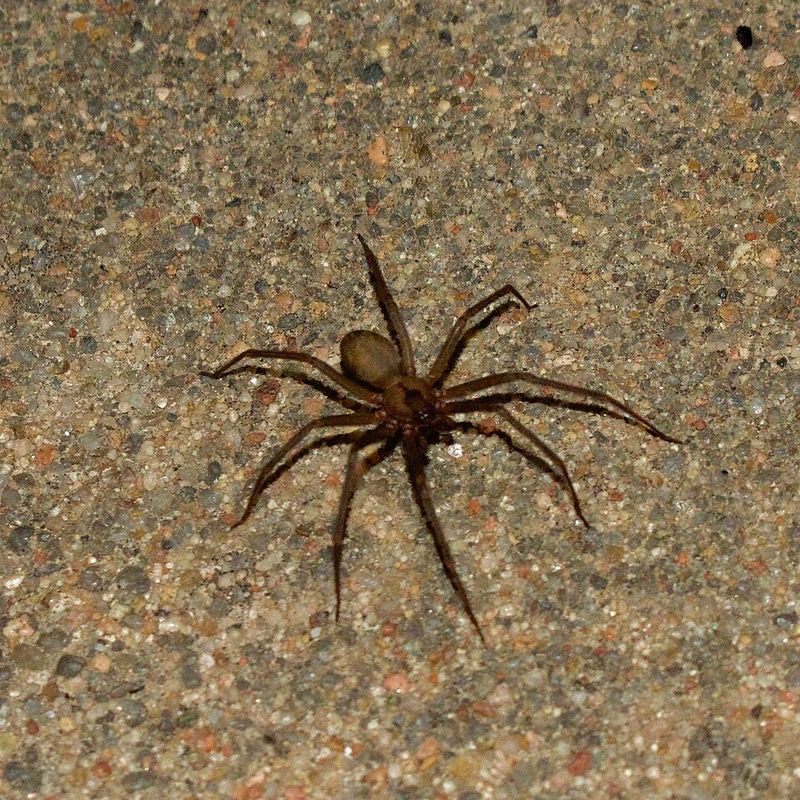
True to its name, the brown recluse is a devoted homebody that avoids attention. You might share a garage with one for months and not notice.
Look for a light brown spider with a darker violin shape on its back. It also has six eyes instead of the usual eight, though that takes a close look.
These spiders love cardboard boxes, old clothes, and stacked garden supplies. October cleanouts often stir them from their hiding places.
A recluse bite might go unnoticed at first. A recluse bite might go unnoticed at first. Over a few days, some bites turn into sore, slow-healing spots. Many suspected recluse bites turn out to be something else.
See a doctor if a bite grows red, painful, or starts to look like a blister. Catching the spider in a jar can help doctors identify it.
Swap cardboard boxes for plastic bins with tight lids. Spiders struggle to climb in, and your seed packets stay drier too.
Shake out garden clothes hanging in sheds before wearing them. Sticky traps placed along walls can show whether recluses are around. Patience and tidy storage often help more than a spray can.
Cool October nights send recluses toward warm corners, so check shelves behind paint cans and seed trays. Wear gloves and move items slowly toward you instead of reaching deep inside.
A vacuum hose clears webs and egg sacs from baseboards and ceiling corners. Empty the bag outdoors, then seal it.
7. Fire Ants Building Mounds In The Lawn
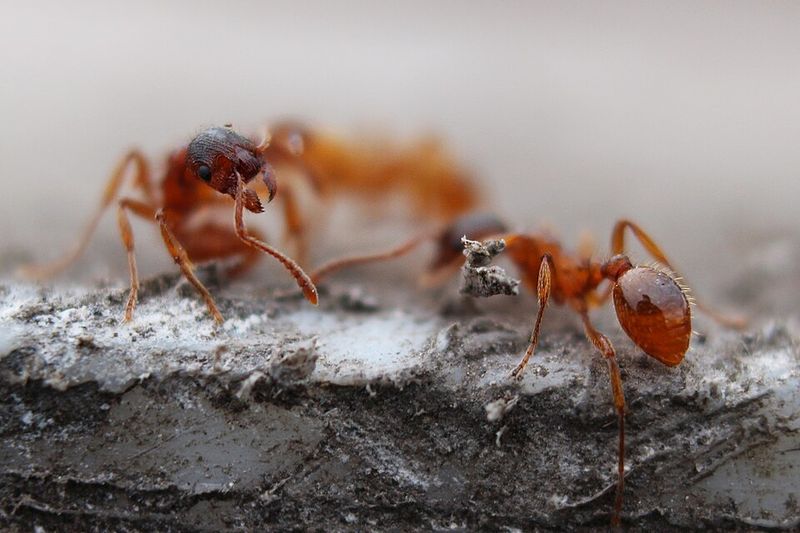
Step on the wrong dirt pile in Alabama, and your ankles will feel the stings fast. Fire ants are tiny, but they work as a coordinated team.
Their mounds look like fluffy heaps of soil with no clear opening on top. After rain, new mounds can pop up almost overnight.
Disturb one, and hundreds of ants swarm out within seconds. Each ant bites to grip, then stings again and again.
Stings leave itchy, white pimple-like bumps that show up within a day. Try not to scratch them open, since that can lead to infection.
Some people have strong allergic reactions with swelling or trouble breathing. Those symptoms need emergency care right away.
Fall is a smart time to treat mounds, because colonies are busy feeding before winter. Baits spread around the lawn work slowly but reach the queen.
Wear closed shoes and tuck pants into socks while gardening near mounds. Brush ants off quickly rather than swatting them.
These introduced ants arrived from South America through Mobile in the 1930s. They are now widespread across Alabama.
Scan the ground before you kneel, especially near flower bed edges and sunny paths where mounds appear. A quick look saves your knees and your weekend.
Wash stung skin with soap and water, then apply a cold pack to calm the burn. Antihistamine cream can ease itching, and a pharmacist can suggest the right one.
8. Puss Caterpillars Hiding On Oak Leaves
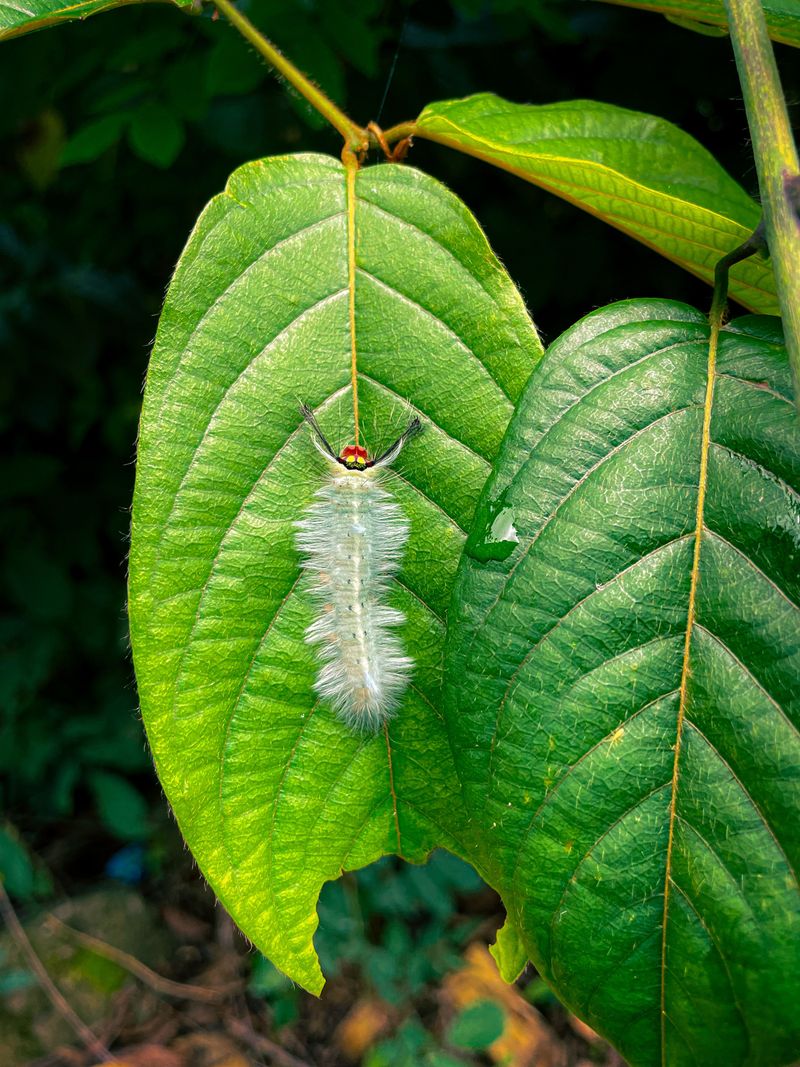
It looks like a tiny toupee crawling across an oak leaf. Do not let the fluffy hair fool you, though.
The puss caterpillar hides venomous spines under that soft, cat-like fur. Touching one can cause a sharp, burning pain.
Pain can spread up an arm and last for hours. Some people also get headaches, nausea, or a red grid pattern on their skin.
Oaks, elms, and maples are favorite snacks, along with shrubs near patios. Fall is prime caterpillar season in Alabama yards.
Kids are often stung because the furry look feels huggable. Teach little ones to admire fuzzy bugs without touching them.
If stung, press tape on the spot and peel it off to remove spines. Wash the area with soap and water, then use an ice pack.
Watch for swelling or breathing trouble, which means you need medical help quickly. Many stings fade with time and home care.
Wear gloves when pruning shrubs or raking under trees this month. A quick glance at leaves before grabbing a branch can spare you an afternoon of discomfort.
Look for a small, teardrop shape with a tapered tail and fur in shades of tan, gray, or rust. Scan leaf undersides closely.
Two more venomous snakes live in Alabama, the pygmy rattlesnake and the large eastern diamondback, so respect any rattle you hear.
Fallen leaves can still carry spines, so rake with gloves and long sleeves. Keep a roll of tape in your toolbox so first aid is ready.