How To Choose A Safe Tree Service In Alabama After A Hurricane And Avoid Common Scams
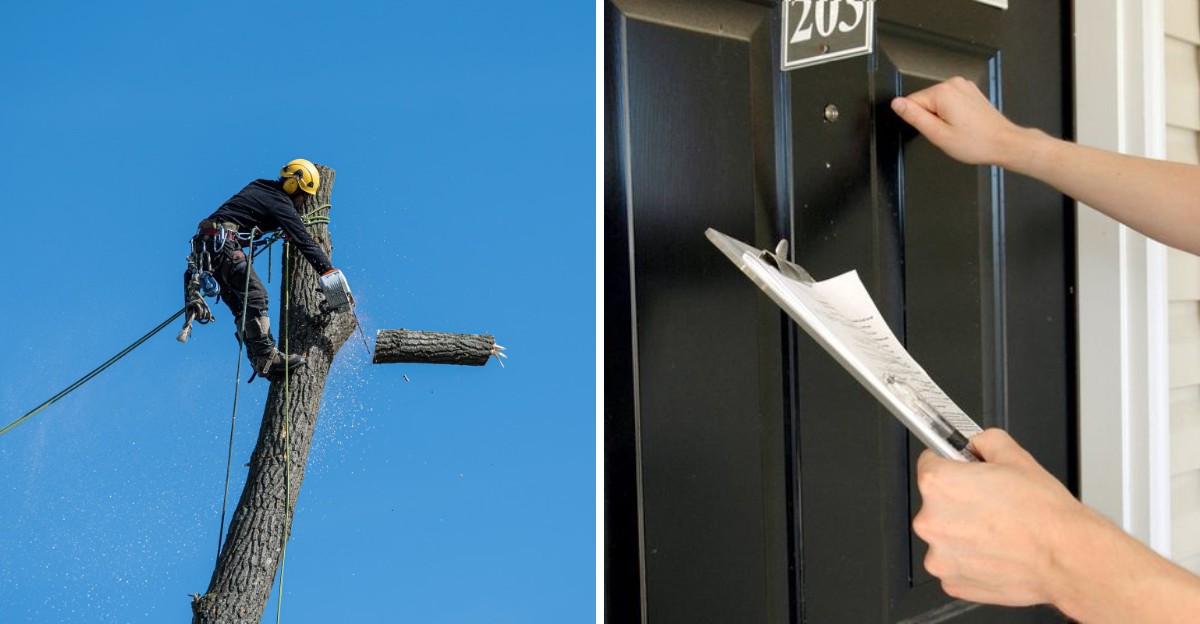
A stranger in a pickup just offered to clear your fallen tree by lunch. His truck carries no company name, and his plates come from far away.
Storms bring honest helpers and dishonest contractors to your street at the same time. Unqualified crews target Alabama neighborhoods because you are rattled and eager to move on.
Pressure tactics are common, so you should expect a demand for cash upfront. Walk away when you hear that offer, because reputable pros write estimates.
Demand a local business license, then verify it with your Alabama city office yourself. Photograph your damage before anyone touches your property.
Call your insurer and ask what repairs they cover. Your neighbors remember which crews returned last season to finish the job.
Trust paperwork, references, and a written contract over a charming smile. Ask questions before you sign anything.
1. Verify Insurance And Workers Comp Coverage

Picture a heavy oak limb slipping off a rope and falling onto your carport roof. If the crew has no insurance, that repair bill could land squarely on you.
Liability insurance covers damage to your house, cars, fences, and even your neighbor’s shed. Workers compensation covers the crew if someone gets hurt while working on your property.
Without that second policy, an injured worker may seek payment from you or your homeowners insurance. One fall from a ladder can turn into months of lawyer calls and stress.
So ask every company for a certificate of insurance before anyone climbs a single branch. A real business will email it quickly and will not act annoyed by the request.
Next, call the insurance agent listed on the certificate and confirm the policy is active today. Paper can be faked, but a quick phone call takes about five minutes.
Check the coverage amounts while you are on the line with the agent. Industry sources suggest at least one million dollars in general liability for tree work.
Also make sure the policy covers tree removal specifically, not just mowing or basic landscaping. Some lawn crews carry cheap plans that exclude climbing and crane jobs.
October storms can leave Alabama yards buried under fallen limbs and branches. Taking ten minutes to verify insurance protects your home long after the branches are hauled away.
Keep a copy of the certificate with your storm records and photos. That folder will help if your own insurer has questions later on.
2. Confirm Local Roots And A Real Business Address
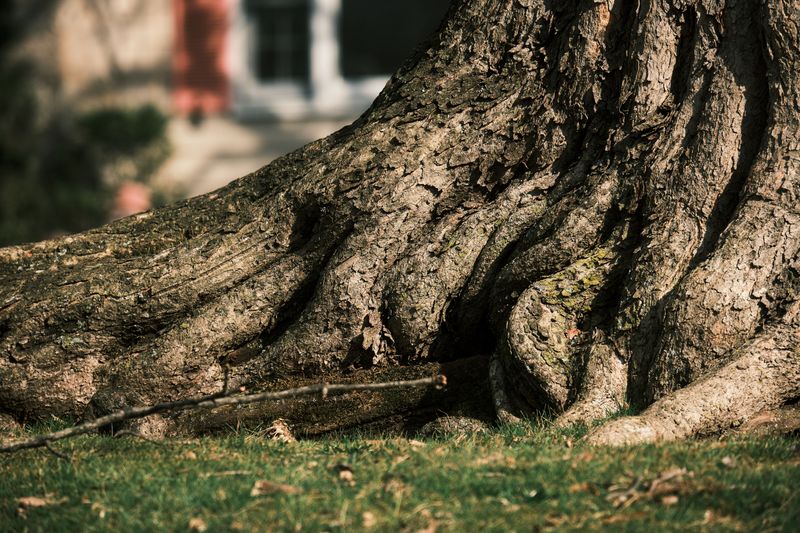
Ever tried to call a business back and heard nothing but a disconnected line? That can happen after hurricanes when traveling crews leave town quickly.
Local companies have a reason to do good work because their reputation lives in your town. They will still be around next spring if a stump sprouts or a fence needs fixing.
Start by asking for a physical business address, not just a cell number or post office box. Then look it up on a map and see if a real shop or yard exists.
Your Alabama Garden Changes Every Week. Your Plan Should Too.
Gardening in Alabama changes quickly throughout the season. Every Friday you’ll receive a simple weekly plan showing exactly what to plant, prune, fertilize, harvest, and protect so you never miss the right timing.
Next, check the Better Business Bureau and search the company name with the word complaints. Reviews from Mobile, Baldwin County, or your nearby towns carry extra weight.
Ask neighbors, church friends, or your local Facebook group who they trusted after past storms. People along the Gulf Coast remember Hurricane Sally and who showed up honestly in 2020.
Some city and county offices also require a business license for tree work. A quick call to your city hall can confirm whether the company is registered there.
Be careful with brand-new websites or company names that sound almost exactly like a well-known local firm. Copycats count on tired homeowners not reading the details closely.
A company with deep local roots is easier to hold accountable. It will answer your call when problems come up later.
Write down the owner’s full name as well as the company name. Knowing who is responsible makes follow-up calls much easier down the road.
3. Ask For Certified Arborists On The Crew
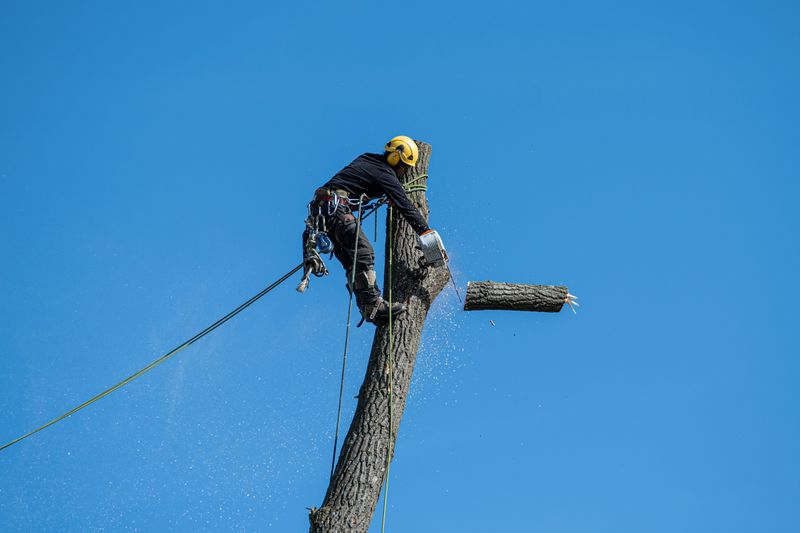
Chainsaw work requires real training, especially on storm-damaged trees. Untrained hands put everyone nearby at risk.
Certified arborists have passed exams through the International Society of Arboriculture, often called the ISA. They study tree biology, safe cutting methods, and how storm-damaged trees behave.
That knowledge matters a lot after a hurricane, when trunks may be cracked, twisted, or under heavy tension. A bent tree can spring back with enough force to break bones.
An arborist can also tell you which trees can be saved and which ones truly need removal. Some less scrupulous crews may push for removal because it pays more.
You can check any certification number on the ISA website in just a few minutes. Ask for the arborist’s name and number, then look it up yourself.
Certification is a quality marker, not a legal requirement, so also weigh insurance, references, and experience.
Also ask whether that arborist will actually be on your job site. Some companies have one certified person on paper while untrained workers do the climbing.
Good crews wear helmets, eye protection, ear protection, and chainsaw chaps while working. They also set up cones and rope off the area so kids and pets stay safe.
If you see workers in flip-flops climbing a leaning tree without ropes, that is a warning sign. Thank them politely and decline their services.
Alabama has more than twenty million acres of forest, so trees are an important part of the state’s landscape and economy. Treating them with care after a storm keeps both your yard and your family safer.
4. Demand A Detailed Written Estimate First
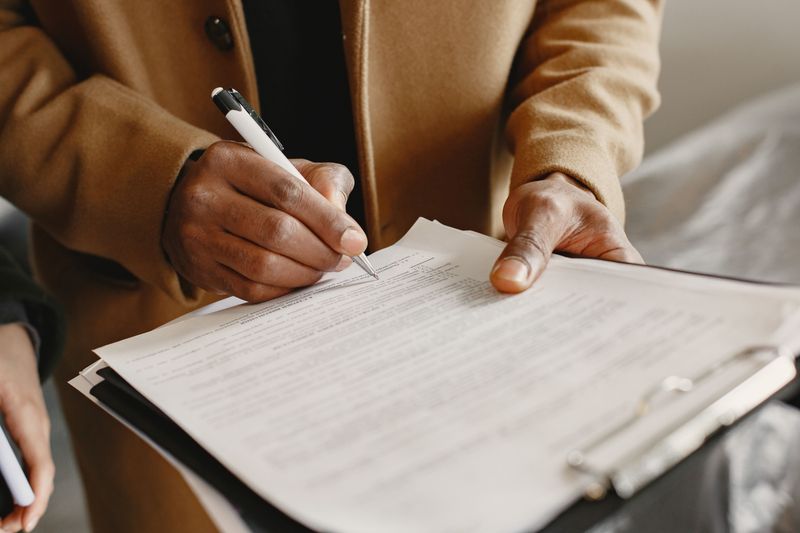
Handshake deals feel friendly and old-fashioned, but they cause big trouble after storms. Memories get fuzzy fast when the bill shows up much higher than expected.
A solid written estimate lists exactly which trees will be trimmed or removed and how. It should also mention who hauls away the logs, limbs, and leaves.
Ask whether stump grinding is included, because many companies charge extra for it. Find out if wood chips stay in your yard or get carted off.
The estimate should show a total price, the payment schedule, and an expected start date. It should also include the company name, address, phone number, and insurance details.
Try to get at least three estimates from different companies before choosing. Prices after a hurricane can vary significantly, and comparing helps you spot numbers that seem odd.
Be wary of any bid that is far lower than the others. Unusually low prices sometimes mean no insurance, rushed work, or surprise fees added later.
Read the fine print slowly, even if you feel tired and overwhelmed from the storm. Look for vague phrases like additional charges may apply without any clear explanation.
Once you agree, both you and the company owner should sign and date the contract. Keep a copy somewhere safe, along with photos of the yard before work begins.
In October, cooler mornings make cleanup more pleasant, but crews stay busy for weeks. A clear contract keeps your job from slipping through the cracks during the rush.
5. Refuse Large Cash Payments Up Front

Alabama homeowners often hear this story after hurricanes. A crew asks for half the money in cash, promises to return tomorrow, and does not come back.
Large up-front cash payments are a common warning sign of a storm scam. Once that cash leaves your hand, getting it back is very difficult.
Reputable companies often have enough money and equipment to start work before full payment. Some may ask for a small deposit on huge jobs, but it should be reasonable.
Many consumer experts suggest keeping any deposit to about ten percent or less. Pay the rest only after the work is finished and you have inspected the yard.
Use a check or credit card whenever you can instead of cash. Those payment methods leave a paper trail, and credit cards may let you dispute fraudulent charges.
Write the check to the company name, not to an individual worker’s personal name. If someone insists on a personal name, treat that as a warning.
Watch out for apps or wire transfers requested by people you just met. Scammers often prefer payment methods that move money instantly and cannot be reversed.
Get a written receipt for every single payment, even small ones. The receipt should show the date, amount, company name, and what the payment covered.
Feeling pressured is part of the trick, so give yourself permission to slow down. A good crew will understand, and a bad one will grumble and drive away.
Either way, your wallet comes out ahead. Taking time to compare crews helps when many arrive at once.
6. Be Cautious With Unsolicited Door-To-Door Offers
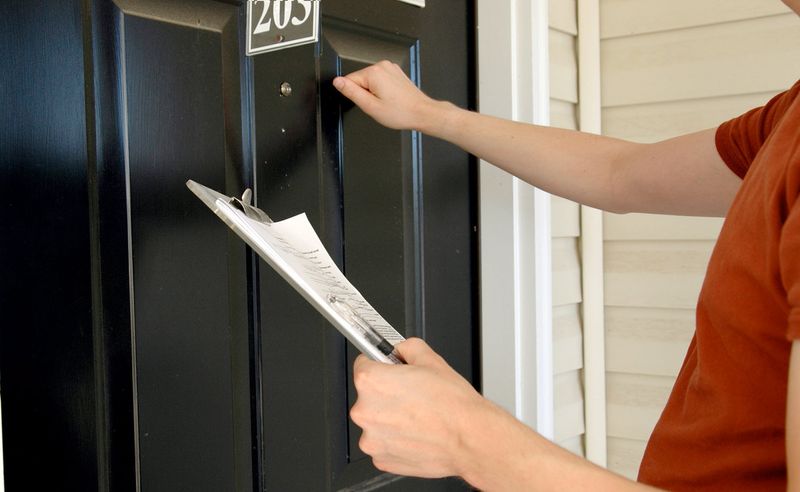
After a storm, someone may knock on your door offering quick cleanup, armed with a chainsaw, a magnetic sign, and a smooth sales pitch.
Storm chasers travel from state to state following hurricanes. Some of them go door to door, offering fast cleanup for quick cash.
Not every traveling crew is dishonest, since some reputable companies help in big disasters. Still, door-to-door offers deserve extra caution, especially in the first chaotic days after a storm.
Look closely at the truck and equipment before talking money. Out-of-state plates, no company name, and worn-out gear are all reasons to slow way down.
Pay attention to pressure tactics like saying they are only in the area today. Another classic line is claiming they have leftover materials from a nearby job.
You do not have to open the door or agree to anything on the spot. Take a business card, if they have one, and do your own research later.
Federal rules may give you a three-day cancellation right on some door-to-door sales over a set amount, though exemptions apply, including some emergency repairs you request. Ask about that right and make sure it appears in writing.
Snap a photo of the license plate and the person’s ID if something feels off. Share it with your neighborhood group so others can stay alert too.
Some Alabama towns require door-to-door sellers to carry a permit from city hall. Asking to see that permit can discourage a scammer.
7. Avoid Signing Insurance Claim Rights Away
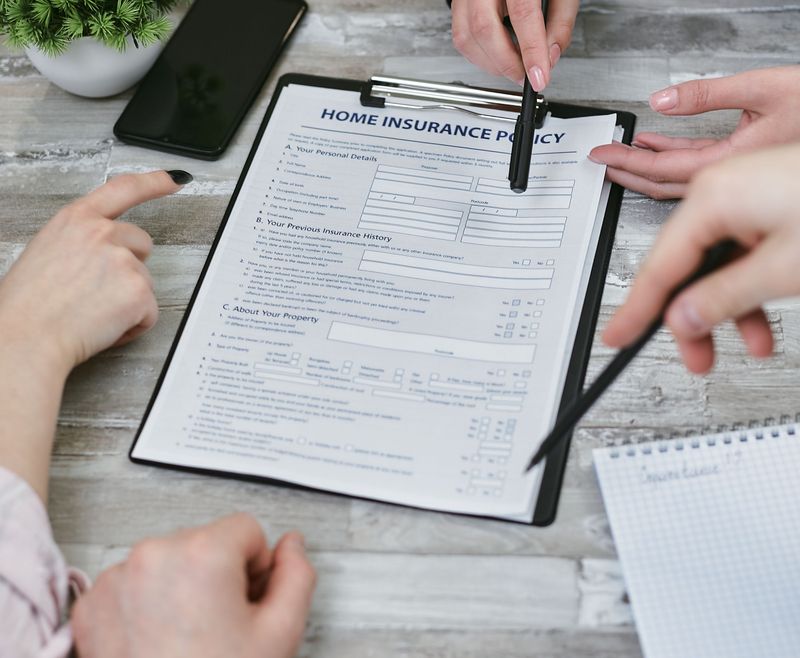
Paperwork is a common tactic among storm scammers. One quick signature on a clipboard can hand over control of your insurance money.
The document is often called an assignment of benefits, or AOB for short. It lets a contractor deal directly with your insurance company and collect payment for the claim.
That might sound helpful when you are exhausted and surrounded by fallen limbs. Unfortunately, some contractors have used it to inflate bills, delay claims, or dispute claims with insurers on your behalf.
Read every page before you sign, no matter how rushed the worker seems. If the words assign, benefits, or direct payment appear, stop and ask questions.
Call your insurance agent first and ask how tree removal is covered under your policy. Many policies only pay when a tree hits a covered structure like your house or fence.
Your agent can explain limits, deductibles, and what proof you need for the claim. That knowledge makes it harder for anyone to pad the bill or twist facts.
Be suspicious of contractors who offer to waive or cover your deductible. Hiding a deductible from your insurer can count as insurance fraud in many states, so ask your agent about Alabama rules.
Take lots of photos and videos of storm damage before any work begins. Save them in a cloud folder so they are safe if your phone gets lost.
Keep control of your claim by talking with the adjuster yourself. A trustworthy tree company will gladly provide invoices and photos without demanding your signature on extra forms.
8. Report Price Gouging To The Attorney General
Charging three thousand dollars to move one small limb is unfair to homeowners. In Alabama, it may also break the law during a declared state of emergency.
Alabama has a law against unconscionable pricing that applies while the governor’s emergency declaration is in effect. It targets businesses that raise prices far above normal for essential goods and services.
Tree removal and debris cleanup can fall under that protection after a hurricane. The law generally treats prices twenty-five percent or more above the recent average as a benchmark, not an automatic violation.
Confirm the current rules with the Attorney General’s office.
If a quote seems significantly unfair, write down the company name, price, date, and what was offered. Save texts, emails, and estimates as proof, since evidence makes complaints much stronger.
You can file a complaint with the Alabama Attorney General’s Consumer Interest Division online or by phone. Their staff collects reports and investigates companies that take advantage of storm victims.
Reporting scams also helps your neighbors, even if you did not lose any money. One complaint can connect the dots with dozens of others across the county.
You can also report fraud to local police, the Better Business Bureau, and your insurance company. Each group tracks patterns and can warn other families before more harm happens.
October is a great time to save these phone numbers, since hurricane season runs through November. Put them on the fridge next to the takeout menus and the emergency flashlight.
Speaking up might feel awkward, but it shows scammers that Alabama folks pay attention. Strong communities protect each other, one phone call at a time.