The Simple Thing Alabama Homeowners Should Do For Their Trees Before Winter
Your trees look healthy, yet their roots may be quietly thirsty. Drought in autumn hides underground, where you cannot see the stress building.
Feeder roots near the surface lose moisture fast in your dry clay. Alabama autumns can leave you weeks without meaningful rain.
Then winter greets you with wild swings between balmy afternoons and sudden freezes. Warm spells coax sap upward, and a quick frost stresses the bark on your oaks.
Dry trees enter dormancy carrying fewer stored sugars into your spring. You notice that shortfall later as thin canopies and sluggish leaf growth.
Extension experts across Alabama recommend deep watering during dry spells. Moist soil holds heat better than dry soil, shielding your tree roots from frost.
Better still, you need only a hose and some patience. Timing, though, decides how much of that water your trees use.
A Long, Slow Soak Before The First Frost
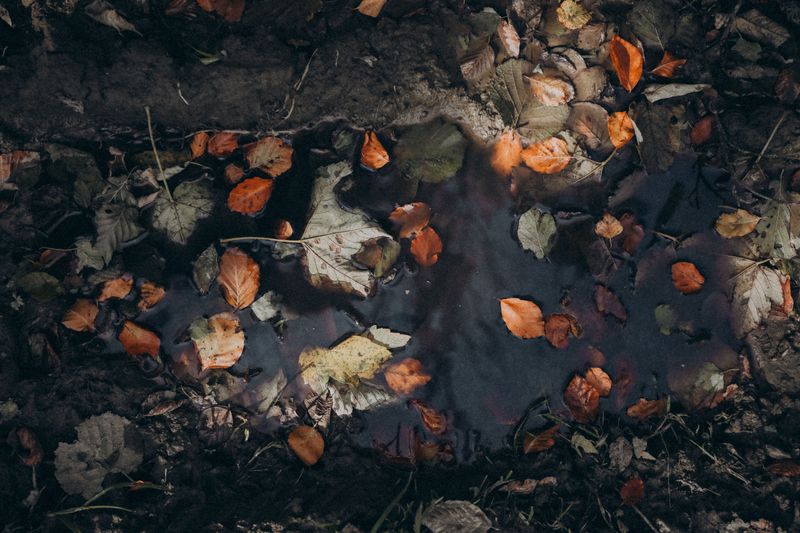
Picture a dry kitchen sponge left sitting on the counter for a whole week. Pour a splash on it, and most of that liquid just runs off the stiff surface.
Dry Alabama soil acts much the same way after a hot, dry summer. The simple answer for your trees is a deep, slow drink of water before winter.
Deep watering means soaking the ground so moisture reaches 12 to 18 inches down. That is the zone where most feeder roots live and do their work.
A quick spray wets only the top inch, which dries out within hours. A long soak builds a reserve that roots can sip from for weeks.
Moist soil also holds heat better than dry soil does during cold snaps. That extra warmth helps protect tender roots when temperatures dip below freezing.
Even bare trees keep losing some moisture through bark and twigs in winter. Evergreens like Southern magnolias and pines lose even more through their leaves.
If the ground is dry when the cold arrives, roots cannot replace that lost moisture. Twigs and buds lose moisture, and the tree begins spring with fewer reserves.
Young trees planted in the last two or three years need it most. Their roots are still small and cannot reach deeper, hidden moisture on their own.
So the key habit worth adding to your fall list is this deep soak. Your hose, a little patience, and a few mild mornings are all you need.
Alabama’s Fall Dry Spell And Thirsty Roots
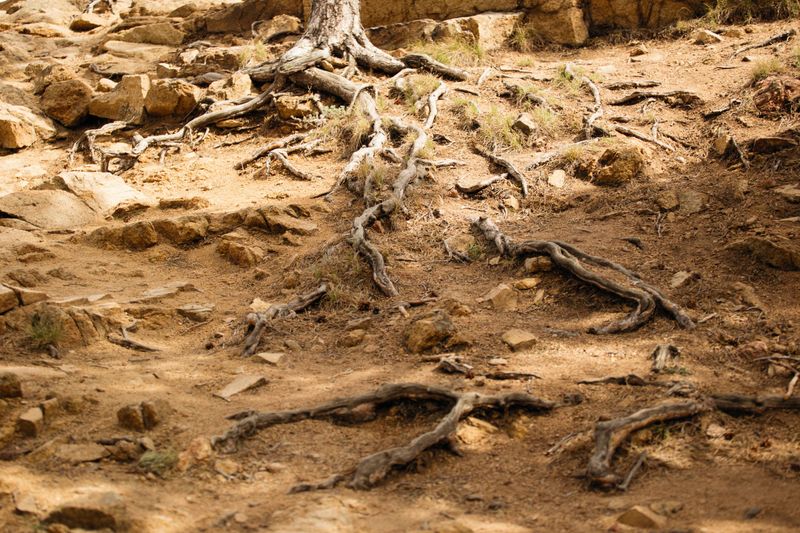
Most folks think of late winter and spring as Alabama’s rainy season, and inland they are right. What surprises many people is how dry September and October can turn.
Fall is often one of the driest stretches of the year across the state. Some years bring weeks without a single meaningful rain, from Huntsville to Mobile.
Tropical storms can drop heavy rain in a single day, then move on. Much of that water runs off hard ground instead of sinking in slowly.
Meanwhile, the summer heat has already pulled moisture from the soil for months. Red clay, common across much of Alabama, hardens and forms cracks when dry.
Your Alabama Garden Changes Every Week. Your Plan Should Too.
Gardening in Alabama changes quickly throughout the season. Every Friday you’ll receive a simple weekly plan showing exactly what to plant, prune, fertilize, harvest, and protect so you never miss the right timing.
Once dry, clay soil absorbs water slowly, so rain often runs off the surface. Sandy soils down south have the opposite problem and drain too fast.
Either way, the roots under your trees can end up sitting in dusty ground. Leaves may look okay, but the tree is quietly running low on reserves.
Watch for early leaf drop, curled or scorched leaf edges, and thin canopies. Those clues often mean roots have been thirsty for a while.
Drought stress also makes trees more susceptible to boring insects and fungal disease. A well-watered tree has better natural resistance.
Checking your local rainfall totals is easy with a cheap rain gauge. If you get less than one inch in a week, your trees could use help.
Large, established trees mainly need extra help once drought signs appear. Instead of trusting the calendar, trust the soil under your feet.
The Right Window For Fall Watering
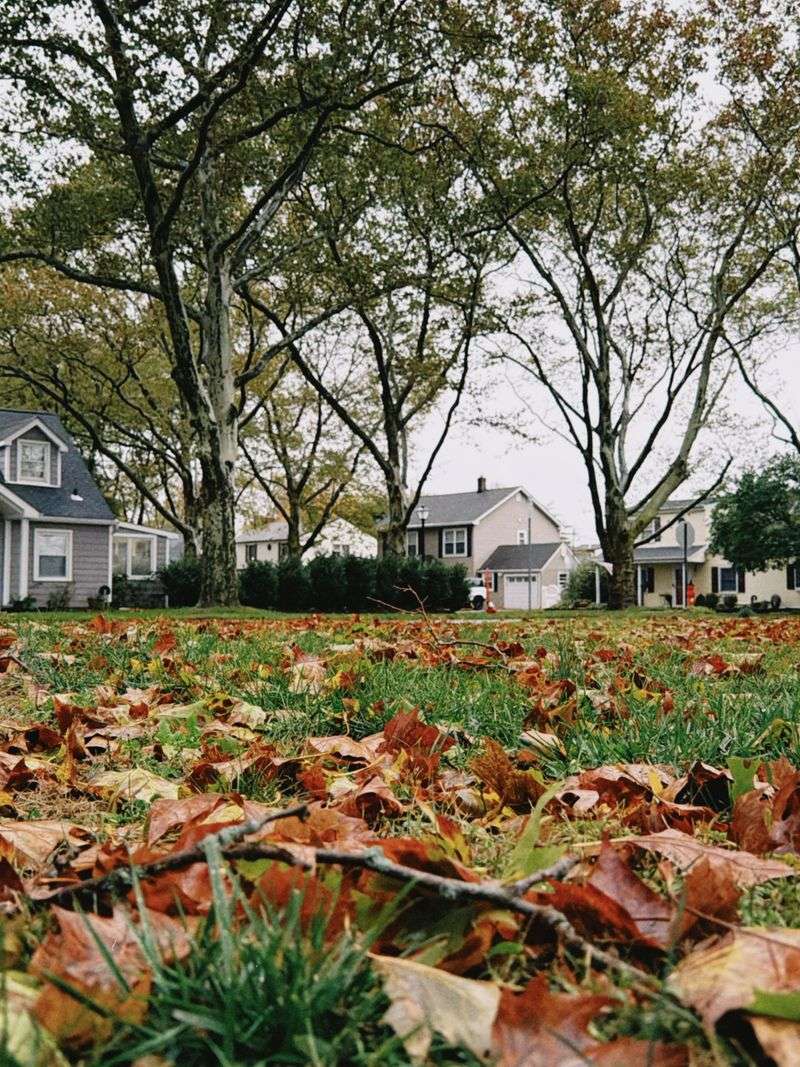
Timing matters, whether you are frying green tomatoes or caring for trees. Start too late, and the ground may already be cold and stiff.
The sweet spot for Alabama runs from September until the first freeze. In North Alabama, the first freeze often arrives in early to mid-November.
Gulf Coast yards usually get more time, sometimes into December or later. Check your local frost dates so you know how many weeks you have.
In early fall, you are right on schedule to start watering. Plan on one deep soak every week or two when rain is scarce.
Keep going until the soil starts to cool and trees drop most leaves. Roots keep growing in fall, even after the branches look sleepy.
Warm soil and cool air make autumn a busy season underground. Roots use this quiet time to spread out and store energy for spring.
Water in the morning or early afternoon when temperatures are mild. That gives moisture time to soak in before any chilly night arrives.
Skip it when the ground is frozen or a hard freeze is expected that night. Frozen soil cannot absorb anything, so the water just puddles.
During a dry winter, a mid-month soak on a warm day still helps. Pick an afternoon above 40 degrees and let the hose run slowly.
Marking reminders on your phone makes the habit easy to keep. Think of it as a standing lunch date with your oak tree.
The Quick Sprinkle Mistake
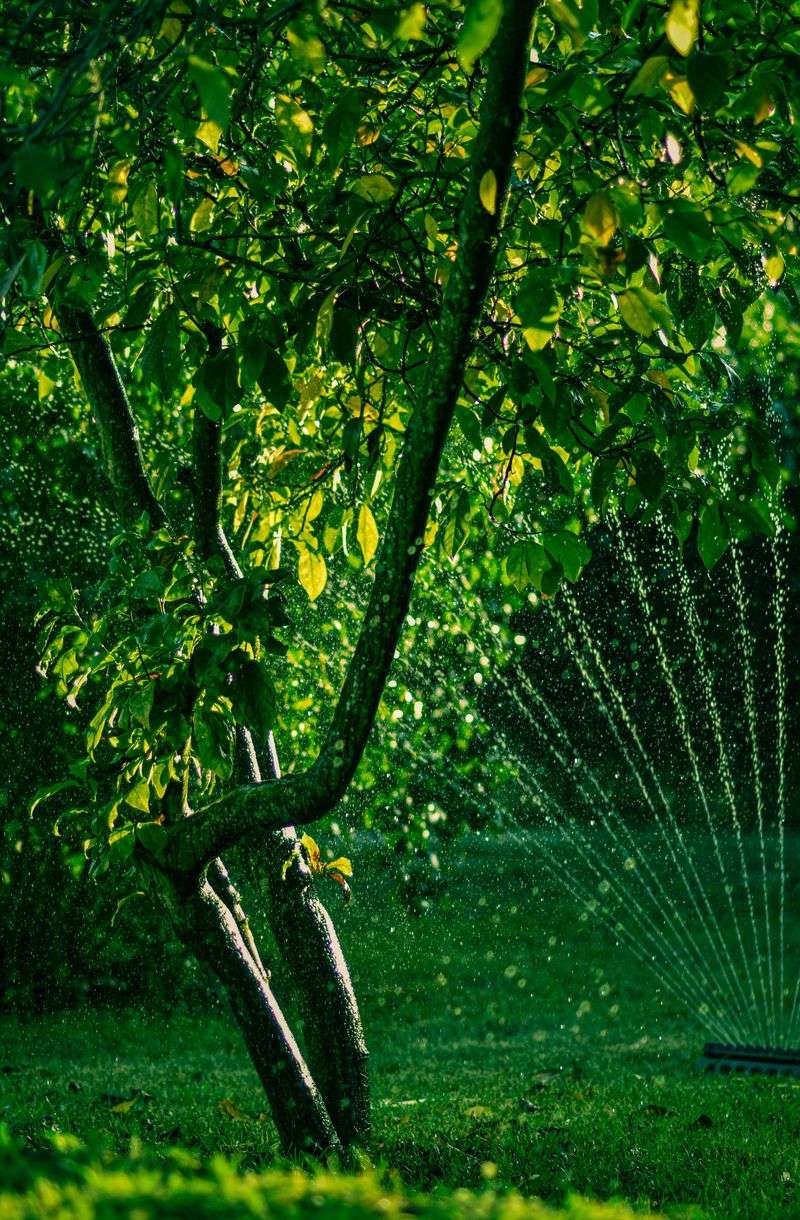
Standing in the yard with a hose for five minutes feels pretty productive. That brief shower does little for a tree.
Short, shallow watering is a common error homeowners make with trees. It only dampens the top layer, where grass roots grab most of it first.
Frequent shallow watering encourages tree roots to stay near the surface. Shallow roots dry out faster and are more exposed to cold weather.
Lawn sprinklers cause the same problem because they spread water thin and wide. They are built for grass, not for a thirsty forty-foot pecan.
Another slip is spraying water right against the trunk. Absorbing roots spread across the whole root zone, often well past the branch tips.
Arborists call the edge of the branches the drip line, a useful landmark. Water that whole root zone evenly, not the bark itself.
Overdoing it causes trouble too, especially in heavy Alabama clay. Soggy soil squeezes out air, and roots need air to breathe and stay healthy.
Push a long screwdriver into the ground to check your work. If it slides in 12 inches or more with ease, the soak reached the root zone.
If it stops after an inch, the soak did not go deep enough. Mushy, sour-smelling mud means you should back off and let it dry.
Fixing these slips is not hard once you know what to look for. In most cases, a slow soak does more than a lot of spraying.
A Simple Fall Soaking Routine
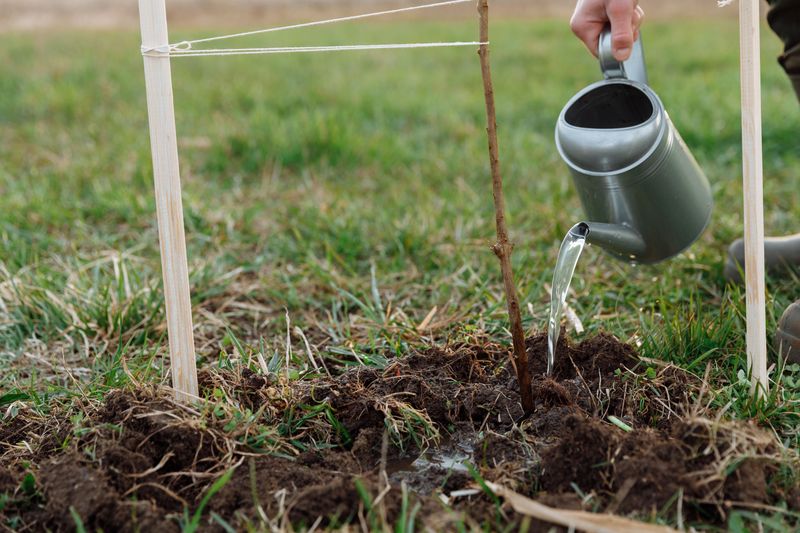
My neighbor swears by an old soaker hose and a kitchen timer. Her dogwoods come through winter in good shape year after year.
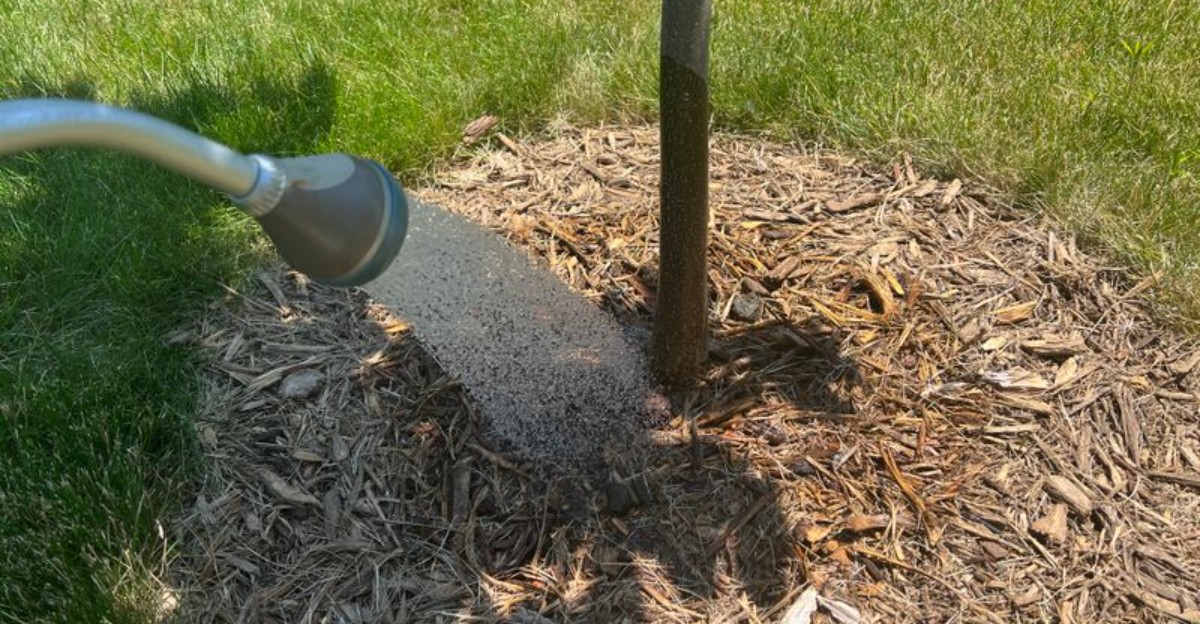
You do not need fancy gear to give trees a proper fall drink. A soaker hose, a garden hose, or a watering bag all work well.
Start by finding the drip line, the outer edge of the branches. Coil a soaker hose in a loose spiral from near the trunk to past that line.
Turn the faucet low so water drips out slowly instead of gushing. Slow flow gives clay soil the time it needs to absorb each drop.
A handy guide is about ten gallons for each inch of trunk diameter. A tree with a six-inch trunk would need roughly sixty gallons per soak.
To measure your flow, time how long it takes to fill a five-gallon bucket. Then do some quick math and set your timer.
For young trees, zippered watering bags are a real time-saver. Fill them up, walk away, and let them leak slowly for several hours.
Spread two to four inches of mulch over the root zone afterward. Keep it a few inches away from the trunk like a doughnut, not a volcano.
Mulch slows evaporation, keeps roots cozy, and cuts down on thirsty weeds. Pine straw is cheap, local, and looks tidy in most Alabama yards.
Finish by giving each tree a quick look for broken limbs. Now is a great time to notice problems before storms and ice arrive.
Why Fall Watering Pays Off In Spring
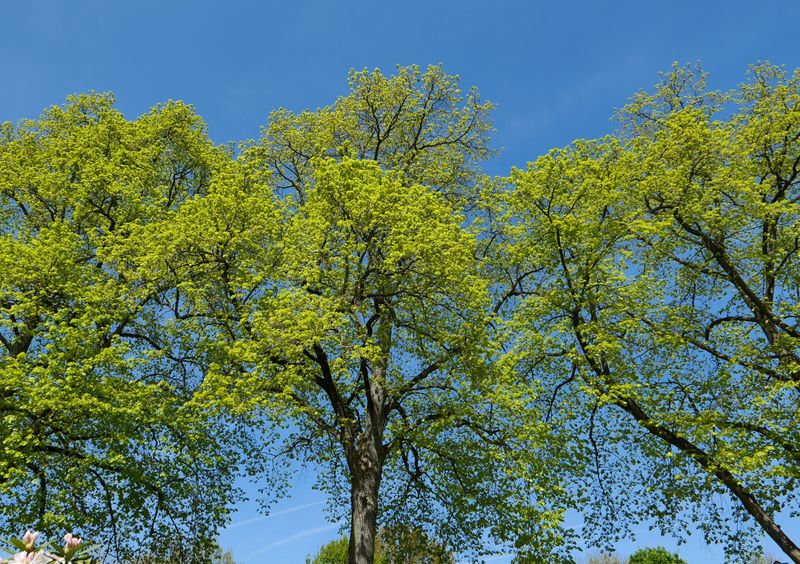
Come spring, you may see the payoff from those slow fall soaks. Well-watered trees often leaf out more evenly and hold a fuller canopy.
Trees that head into winter well hydrated tend to handle freezes better. Adequate moisture limits winter drying, which helps protect twigs and buds.
Many arborists consider fall watering a low-cost, high-value habit. It costs little and can help you avoid costly tree care later.
Healthy roots also anchor trees more firmly in the ground. That matters in a state known for spring storms and powerful straight-line winds.
A drought-stressed tree can take years to show the effects of a single dry year. Branches may thin gradually, so the decline is easy to miss at first.
Steady fall care helps prevent that gradual decline and keeps trees vigorous. Think of it as a savings account that pays out in shade.
Big shade trees can lower summer cooling bills and raise property values. Protecting them is good for your wallet as well as your view.
Birds, squirrels, and pollinators depend on healthy trees for food and shelter. Oaks support more insect species than almost any other native tree.
Making this a yearly habit takes only a few hours each fall. Add it to your calendar right next to football season and pumpkin spice.
Next spring, grab a glass of tea and admire the fresh green canopy. Your trees will be thanking you in the best way they know how.