Florida Is One Of The Few Places You Can Plant Strawberries In Fall, And Now Is The Time
While gardeners in colder states are hauling empty pots to the shed and calling it a season, Florida is just getting warmed up. The soil is still warm, the air has finally turned kind, and a sweet secret is hiding in that cooler breeze.
It smells like sunshine, tastes like candy, and grows best right when other parts of the country are bracing for frost. Yes, it is strawberry season, and The Sunshine State is one of the few places where fall is the right time to plant them.
No farm required, no fancy greenhouse either. A sunny patch, a few good habits, and a little patience can carry you straight through to spring harvest.
The planting window is open right now, so grab your gloves and get started.
1. Why Florida Flips The Usual Strawberry Calendar
Strawberries love cool nights and mild days, and that is exactly what Florida offers from late fall through early spring. In colder states, gardeners plant in spring and wait for summer berries.
Here, summer heat is the real problem, not winter cold. Long, steamy months stress strawberry plants and invite pests and rot.
So growers simply flip the schedule and plant when the heat breaks.
Fun fact: the Plant City area near Tampa is often called the Winter Strawberry Capital of the World. Farms there ship berries across the country while much of America is covered in snow.
The state grows a huge share of the winter strawberries sold in grocery stores. When you plant in your own yard, you are following the same rhythm those big farms use.
That gives you a proven plan instead of a guess.
Treat strawberries like a cool-season crop, similar to lettuce or broccoli. They put down roots in fall, grow leaves through early winter, and start making fruit when days are short and pleasant.
By the time late spring warms things up again, your harvest will be mostly finished. Many home gardeners pull the plants then and start fresh the next fall.
It might sound odd at first, but once you taste a sun-warm berry in February, the backwards calendar makes perfect sense.
2. Planting Dates That Matter Most
Timing can make or break a strawberry patch. Plant too early and the lingering heat stresses young plants.
Plant too late and you lose precious weeks of harvest.
For most of The Sunshine State, the sweet spot runs from about early October to mid-November. North Florida gardeners usually aim for October, while folks in central areas often plant in late October.
South Florida growers can push into November.
A simple test helps. Wait until daytime highs settle into the low to mid 80s and nights start to dip.
That is your signal that roots can grow without baking.
Keep an eye on the forecast during your first week. If a surprise heat wave rolls in, give plants extra water and a bit of afternoon shade with a light cloth.
New transplants are a little like toddlers on their first day of school, so they need some extra care.
Your Florida Garden Changes Every Week. Your Plan Should Too.
Gardening in Florida changes quickly throughout the season. Every Friday you’ll receive a simple weekly plan showing exactly what to plant, prune, fertilize, harvest, and protect so you never miss the right timing.
Write your planting date in a notebook or phone app. Strawberries often start producing flowers about four to six weeks later, and berries follow a few weeks after that.
Tracking dates helps you plan better each year.
Many garden centers stock transplants for only a short time in fall. Call ahead or shop early so the healthiest plants do not sell out before you get there.
3. Best Strawberry Varieties
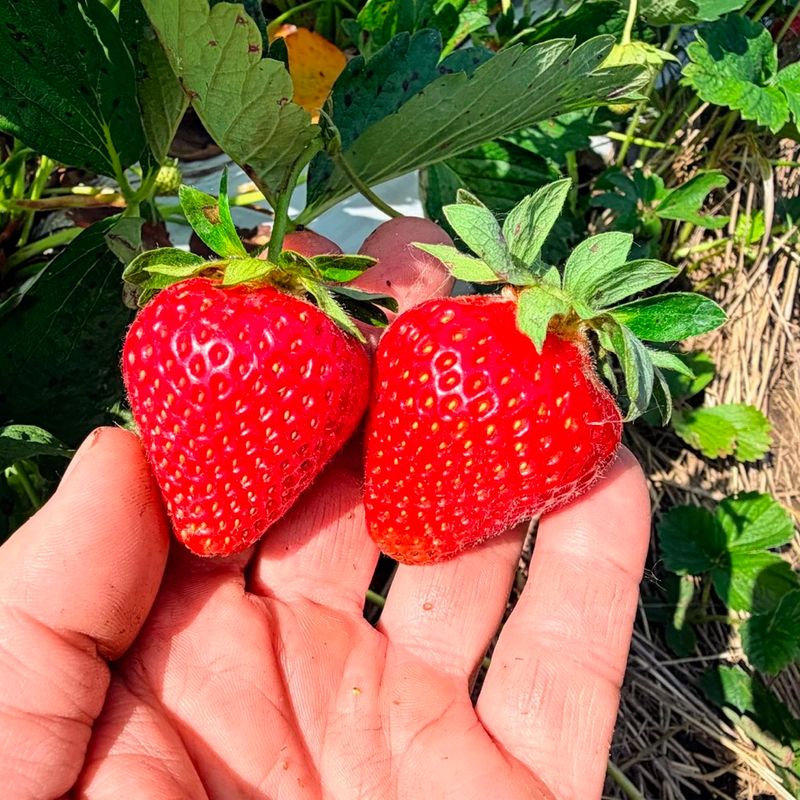
Not every strawberry plant handles southern weather well. Choosing a variety bred for warm winters gives you a big head start.
The University of Florida runs a strawberry breeding program, and its plants grow on farms across the state. Names like Florida Brilliance, Sweet Sensation, and Florida Pearl are great picks for home gardens.
They were tested in local conditions and tend to fruit early.
Florida Brilliance makes firm, shiny berries and handles changes in weather nicely. Sweet Sensation is famous for its sugary flavor and large fruit.
Florida Pearl is a fun one, with pale pinkish-white berries that taste a bit like pineapple.
Look for short-day varieties. These plants start making flowers when days get shorter, which fits perfectly with fall planting.
Everbearing types sold in big-box stores up north may not do as well in the South.
Buy transplants, also called plugs, rather than seeds. Seeds take far too long and usually will not fruit in one season.
Healthy plugs should have green leaves, a firm crown, and white roots.
Try planting two or three kinds side by side. Comparing flavor and size becomes a tasty little science project, and you will learn which ones your family loves best.
4. Prepping Sandy Soil For Sweet Berries
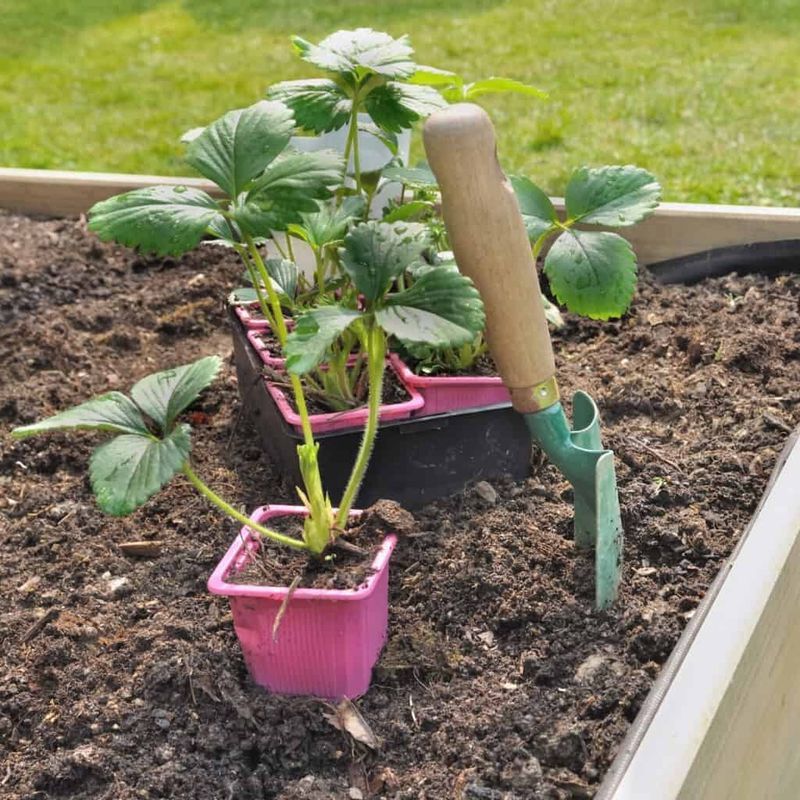
Ever dug a hole in your yard and found nothing but pale sand? You are not alone.
Much of the state has sandy soil that drains fast and holds few nutrients.
Strawberries want loose, rich ground that stays slightly moist. The fix is easy.
Mix two to three inches of compost or aged manure into the top eight inches of soil before you plant.
Soil pH also matters. These plants like slightly acidic ground, around 5.5 to 6.5.
A cheap test kit from a garden store or your county extension office will tell you where you stand.
Raised beds are a smart choice in many Florida yards. They warm up quickly, drain after heavy rains, and let you control the soil mix.
Even a bed six to eight inches high helps a lot.
Shape your rows into slightly mounded ridges. Commercial farms do the same thing, building raised beds covered in plastic.
The mound keeps the crown above soggy ground and helps berries stay clean.
Work in a slow-release fertilizer made for vegetables at planting time. Follow the label closely, since too much can burn tender roots.
A little preparation now pays you back with plump, juicy berries later.
5. Planting Strawberry Crowns The Right Way
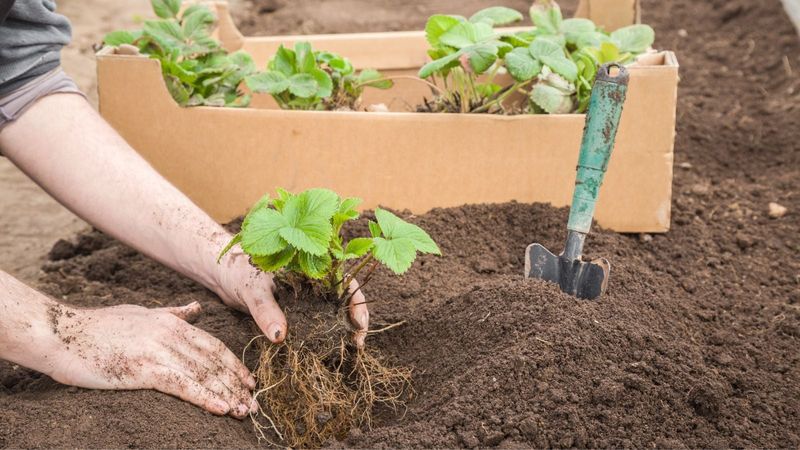
Here is a tiny detail that trips up lots of beginners: crown depth. The crown is the thick center where leaves meet roots, and placing it right is a big deal.
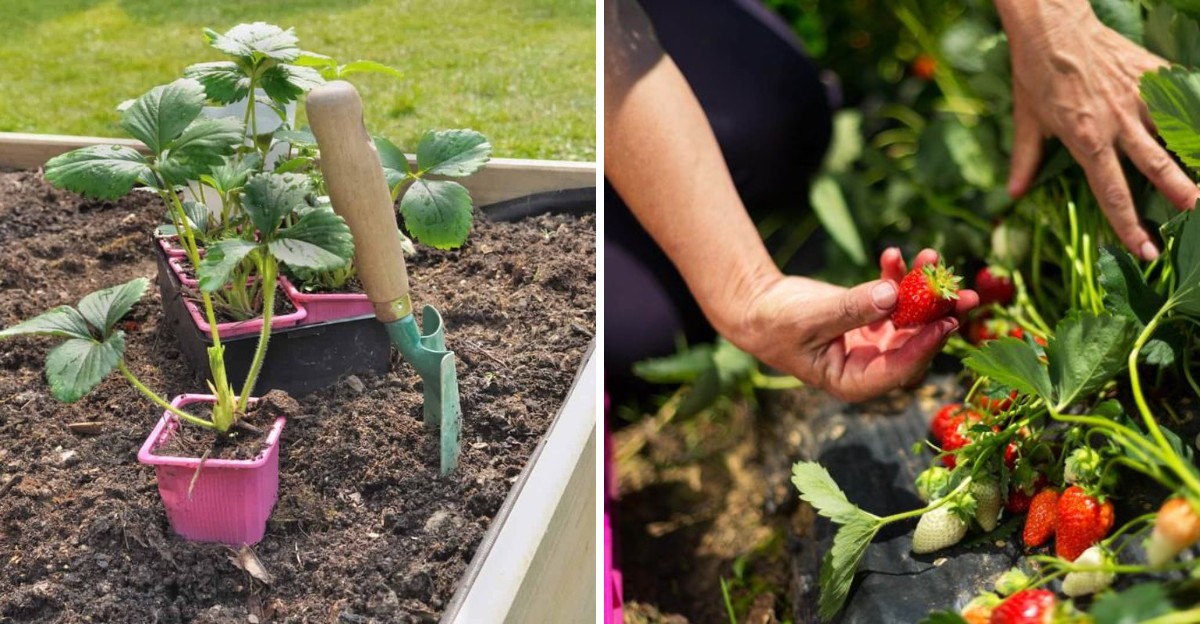
Set each plant so the crown sits right at soil level. If it is buried, it can rot.
If it sits too high, roots dry out in the breezy Florida sun.
Dig a hole wide enough to spread the roots out instead of folding them. Fill in gently, press the soil down, and water right away.
That first drink settles the soil around every root.
Space plants about 12 inches apart in rows, or use a staggered pattern in raised beds. Crowded plants compete for light and stay damp, which leads to problems.
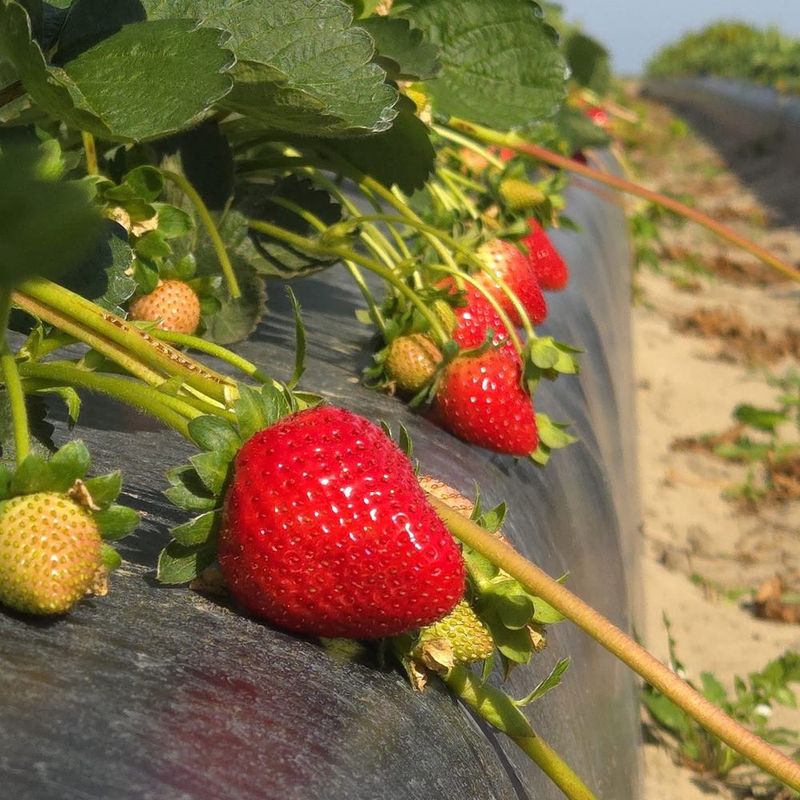
Many local growers lay plastic mulch over their beds before planting and cut small holes for each plug. The plastic holds moisture, blocks weeds, and keeps fruit off the dirt.
At home, pine straw works nicely too.
For the first week or two, keep soil evenly moist. Some farms mist new plants several times a day during warm spells.
A home gardener can water lightly each morning and check again in the afternoon. Soon you will see fresh leaves unfurling, a happy sign your plants have settled in.
6. Watering Smart Through Fall And Winter
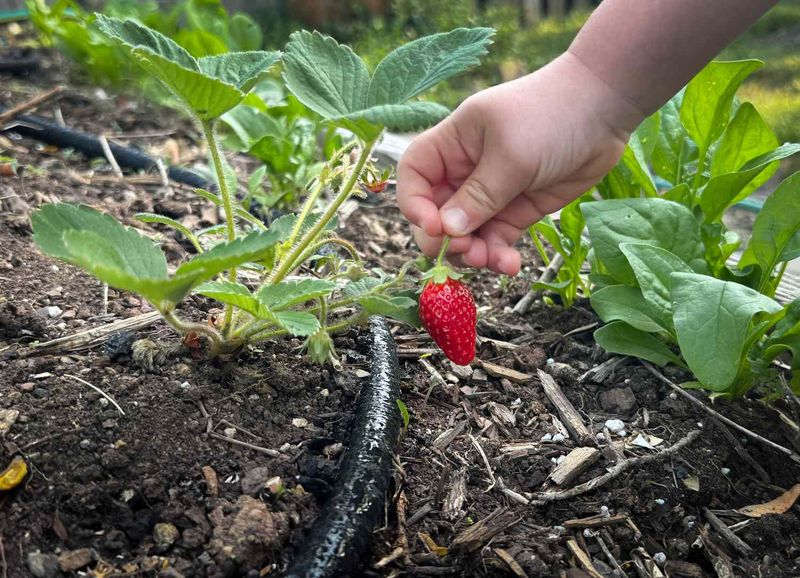
Water is the quiet hero of any strawberry patch. Too little, and berries shrink.
Too much, and roots turn mushy.
Aim for about one inch of water each week, including rain. Sandy ground dries quickly, so you might need to water more often in Florida than gardeners do elsewhere.
Push a finger into the soil, and if the top inch feels dry, it is time.
Drip irrigation or a soaker hose is a smart upgrade. Both send water straight to the roots and keep leaves dry.
Wet leaves invite fungus, especially on humid nights.
Water in the morning whenever you can. Plants drink up what they need, and the sun dries any splashes before evening.
Night watering leaves foliage damp for hours.
Winter brings another use for water that surprises newcomers. When a rare freeze threatens, large farms run sprinklers all night.
As water freezes on the plants, it releases a little heat that protects flowers.
Home gardeners usually find covering plants easier. Toss an old sheet or frost cloth over the bed before sunset and remove it in the morning.
A simple timer on your hose can also save time and keep things steady, so your berries never have to wait for a drink.
7. Keeping Pests And Mold Away In Humidity
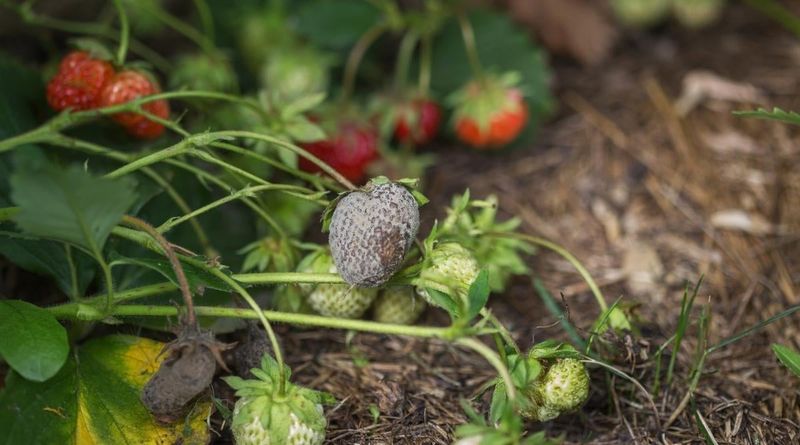
Sweet berries attract more than just hungry kids. Birds, slugs, and tiny mites all want a taste too.
Gray mold is one of the biggest troubles in humid Florida weather. It shows up as fuzzy gray patches on fruit.
Pick off any spoiled berries quickly and toss them in the trash, not the compost.
Good airflow is your best defense. Proper spacing, morning watering, and clean mulch all help leaves stay dry.
Remove old, brown leaves every week or so.
Spider mites hide under leaves and cause speckled, yellowish spots. A strong spray of water from the hose can knock many of them off.
Insecticidal soap is another gentle option for home gardens.
Birds can be sneaky thieves. Light bird netting draped over hoops keeps them out while letting sunlight in.
Some gardeners hang shiny old CDs nearby to startle them.
Slugs and snails come out on damp nights. Check under mulch with a flashlight and pick them off, or set out shallow dishes of beer as traps.
Walk through your patch every couple of days. Catching problems early means small fixes instead of big headaches.
Your county extension office can also help identify any mystery spots or bugs you find.
8. Growing Strawberries In Pots
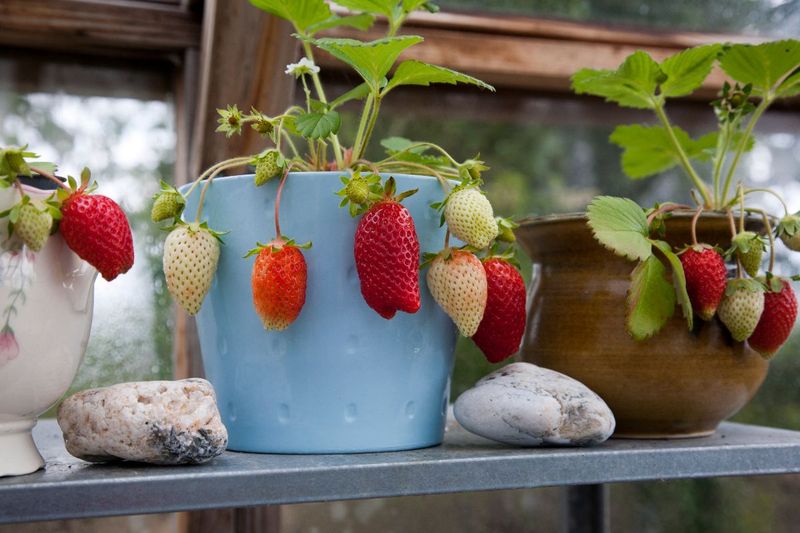
No yard? No problem.
Strawberries do well on apartment balconies and screened lanais, which makes them a great fit for small-space gardeners.
Containers work wonderfully across Florida because you control the soil and can move plants when weather shifts. Pick pots at least 12 inches wide with drainage holes.
Hanging baskets, window boxes, and stacking towers all work too.
Use a quality potting mix, not soil from the ground. Add a scoop of compost and some slow-release fertilizer.
Plant one to three crowns per pot, depending on size.
Place containers where they get six to eight hours of sun. A south-facing spot is usually best during winter.
Screened porches are a bonus since they help keep birds away.
Potted plants dry out faster than garden beds. Check them daily, especially on breezy days.
If water runs straight through, the mix may need a refresh.
Feed container plants every two weeks with a liquid fertilizer once flowers appear. Nutrients wash out of pots quickly with each watering.
One nice perk is freeze protection. When cold nights arrive, just roll or carry the pots inside a garage.
Kids especially love container patches, since they can pick a snack right outside the back door.
9. Harvest Tips For The Sweetest Berries
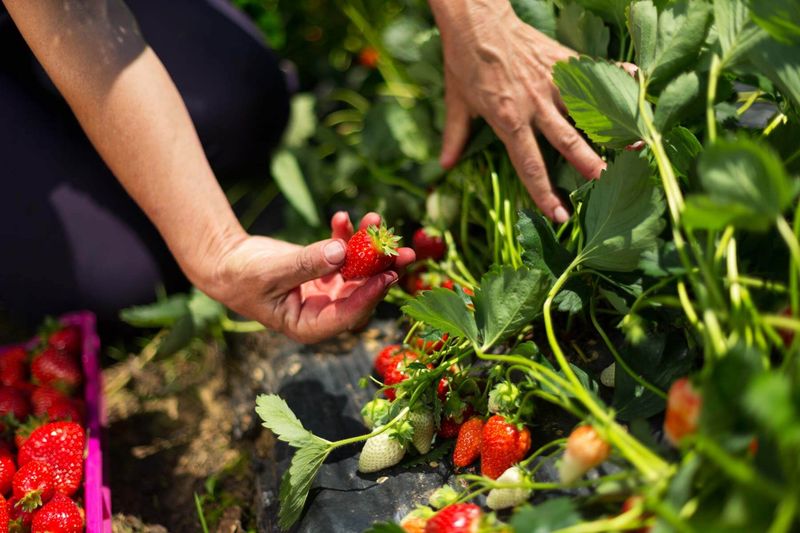
Nothing beats biting into a berry still warm from the sun. That moment usually arrives in Florida gardens somewhere between December and February.
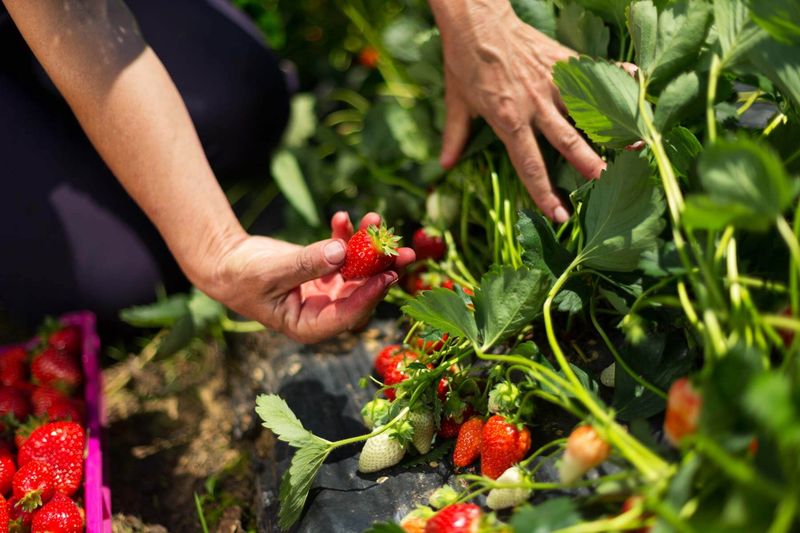
Pick berries when they are fully red from tip to stem. Strawberries do not keep ripening much after they are picked, so patience matters.
A half-white berry will stay sour.
Harvest in the cool of the morning. Berries are firmer then and last longer in the fridge.
Pinch the stem just above the fruit instead of pulling, which can harm the plant.
Check plants every two or three days during peak season. Ripe fruit left on the vine attracts pests and can turn soft fast.
Regular picking also encourages more flowers.
Store berries unwashed in a single layer on a paper towel. Rinse them right before eating.
Most homegrown berries taste best within two or three days.
If you end up with a big haul, try freezing some on a baking sheet, then moving them to bags. They are great for smoothies later.
Jam is another tasty option.
A healthy patch often keeps producing into April. Many local towns celebrate the season too, like the famous Florida Strawberry Festival in Plant City each late winter, a fun trip for berry lovers.