What To Do For A California Avocado Tree Before The First Cold Snap
Shorter days and cooler nights are settling over California, and backyard avocado trees are heading into their most delicate season.
Glossy leaves look perfectly healthy now, yet a single clear, still night later this winter can change that by morning.
Young trees feel it most.
The good news is that preparation rarely takes long, and much of it relies on simple materials already sitting in a garage or shed.
Timing matters as much as technique, from the hours before cold arrives to the weeks after it passes.
Each careful step builds on the last, giving a tree its best chance to greet spring with fresh growth. A little attention now can spare a lot of disappointment later.
1. Know Your Variety’s Cold Limit
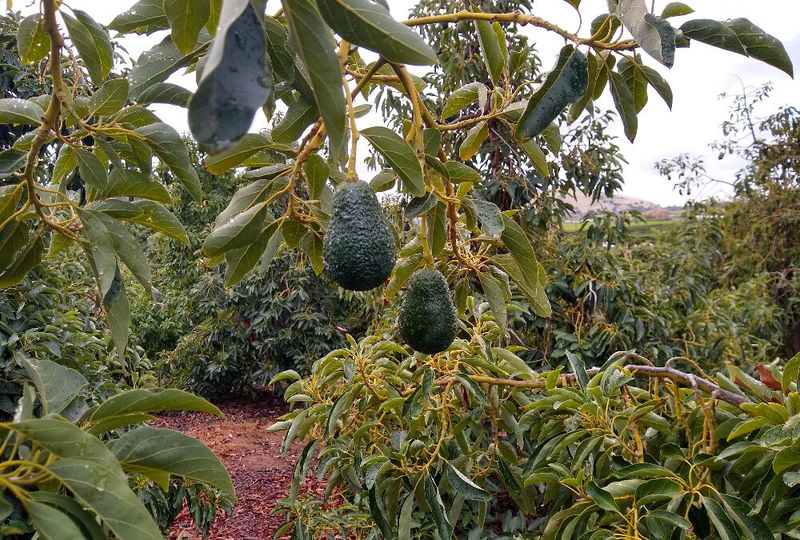
Two avocado trees standing side by side can react to frost in completely different ways. The reason comes down to family background, since varieties trace back to three groups.
Each group handles cold at its own level.
UC ANR lists a critical temperature of about 25 degrees Fahrenheit for Mexican types such as Duke, Mexicola, Zutano, and Bacon.
Hybrids such as Fuerte hold to about 28 degrees, while Guatemalan-type varieties, including the popular Hass, start suffering damage at about 29 degrees.
Hass is the tree most Californians plant, and it happens to be one of the more sensitive choices. Zutano and Bacon sit on the tougher end of the scale.
Those figures apply to mature, healthy trees. UC ANR notes that other conditions can push them a degree or two higher, and duration matters as much as the low.
Three or four hours at 29 degrees can hurt more than a brief dip to 25.
Age matters just as much. Young trees in their first few years have thin bark, small canopies, and little stored energy.
A plant tag or nursery receipt reveals the variety, and comparing that number with the forecast low shows when protection makes sense.
Low spots often run colder than the forecast, since cold air flows downhill and pools like water. An inexpensive outdoor thermometer near the tree tells the real story.
2. Water The Soil Deeply Before A Frost
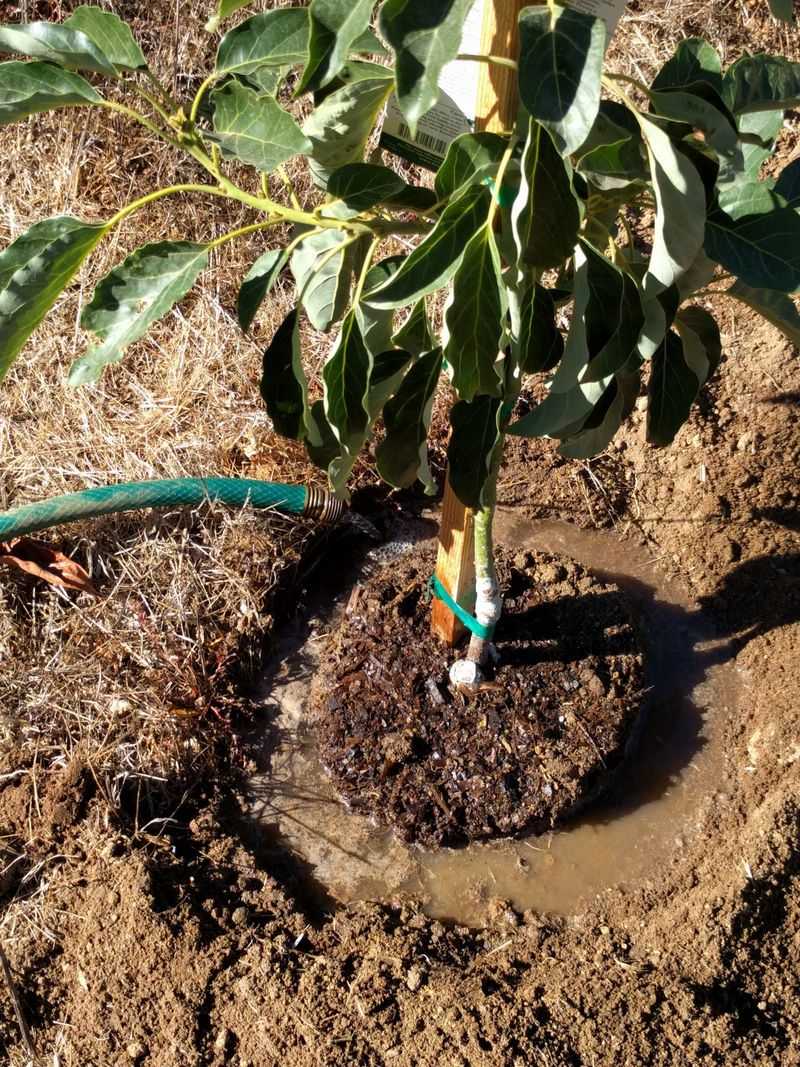
A deep watering a day or two before cold arrives offers simple insurance. Dry, dusty soil makes one of the worst beds for a young avocado on a frosty night.
Moist soil acts like a warm battery under the tree.
Wet ground absorbs more of the sun’s heat during the day than dry ground does. After dark, it slowly releases that warmth to the air around the tree.
UC ANR points to this as an easy layer of frost protection.
Dry soil is full of tiny air pockets, and air conducts heat poorly, so dry ground stays cool and releases little warmth overnight.
Water fills those gaps and helps heat move up from deeper layers.
A slow, deep soak works far better than a quick splash. Gentle water at the drip line, where the outer leaves end, should moisten the top several inches.
A soaker hose or slowly dripping hose handles the job well, and a finger pushed into the soil confirms when to stop.
Your California Garden Changes Every Week. Your Plan Should Too.
Gardening in California changes quickly throughout the season. Every Friday you’ll receive a simple weekly plan showing exactly what to plant, prune, fertilize, harvest, and protect so you never miss the right timing.
Timing helps too. Watering early lets the surface warm in afternoon sun before nightfall, while watering at sunset gives the soil no time to store heat.
One caution keeps this step from backfiring. Avocado roots dislike soggy ground, and cold weather slows drying, which raises the risk of root rot.
Ground already damp from rain needs no extra water. Moist is the target, not muddy.
3. Cover Young Trees At Dusk
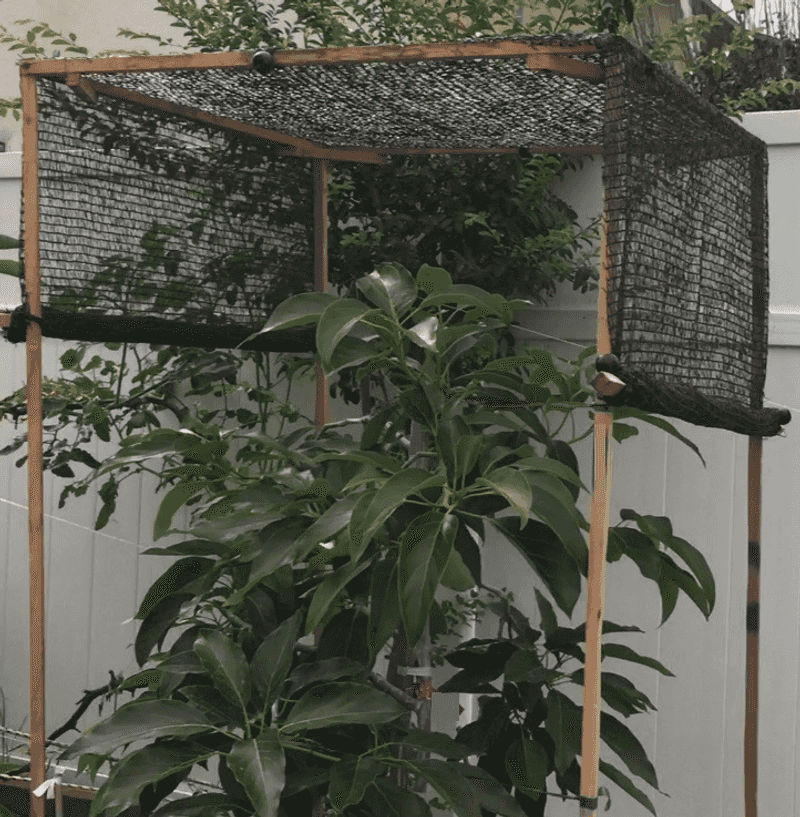
A plastic tarp tossed straight onto a small tree at midnight often leaves burned-looking leaves wherever the plastic touched. Covering helps, but technique decides the outcome.
Frost cloth makes the best choice. UC ANR notes that a frost cloth cover usually gives at least about 5 degrees of protection.
On many California nights, that small cushion is all a young Hass needs to stay comfortable.
A simple frame comes first. Stakes, bamboo poles, or PVC pipe around the tree hold fabric away from leaves, since cloth resting on foliage lets cold pass straight through.
The cloth works best reaching the ground on all sides. Real warmth rises from the soil, and the cover traps it like a tent.
Bricks or sandbags along the edges keep wind from sneaking underneath.
Covers go on at dusk, while the ground still holds the day’s warmth. Waiting until late at night means much of that heat has already escaped skyward.
Removal comes in the morning once temperatures climb. A cover left on all day can trap too much heat and block sunlight from the leaves.
Folded and kept handy, the cloth stays ready, since cold nights often arrive in a row.
Old cotton sheets can substitute in a pinch, though they offer less protection and grow heavy when wet. Plastic is best avoided unless held well away from foliage.
4. Add Outdoor Incandescent Lights Under The Cover
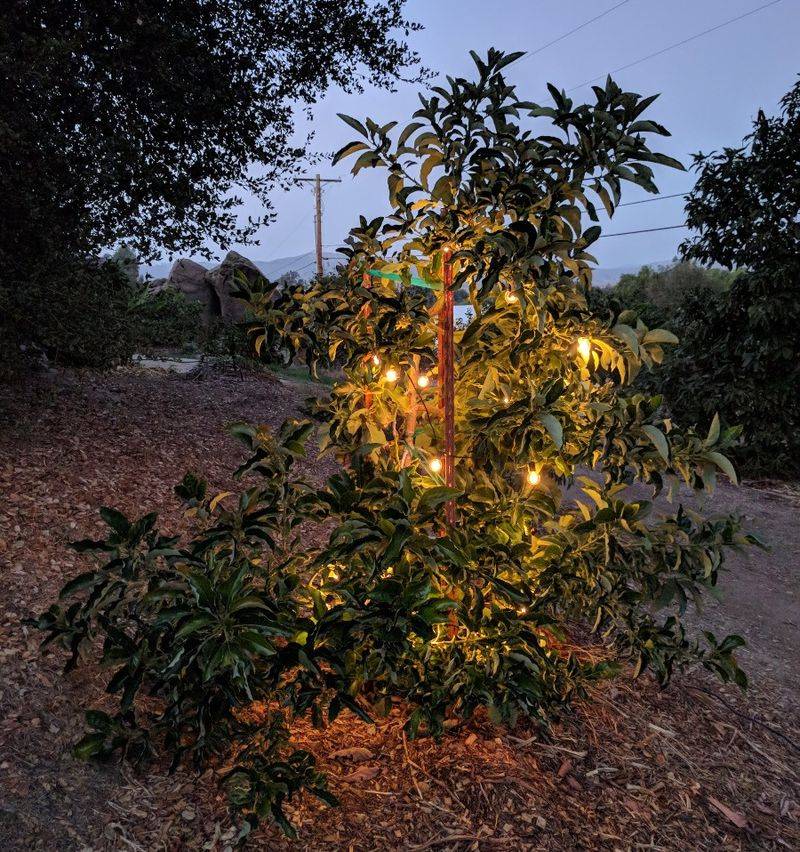
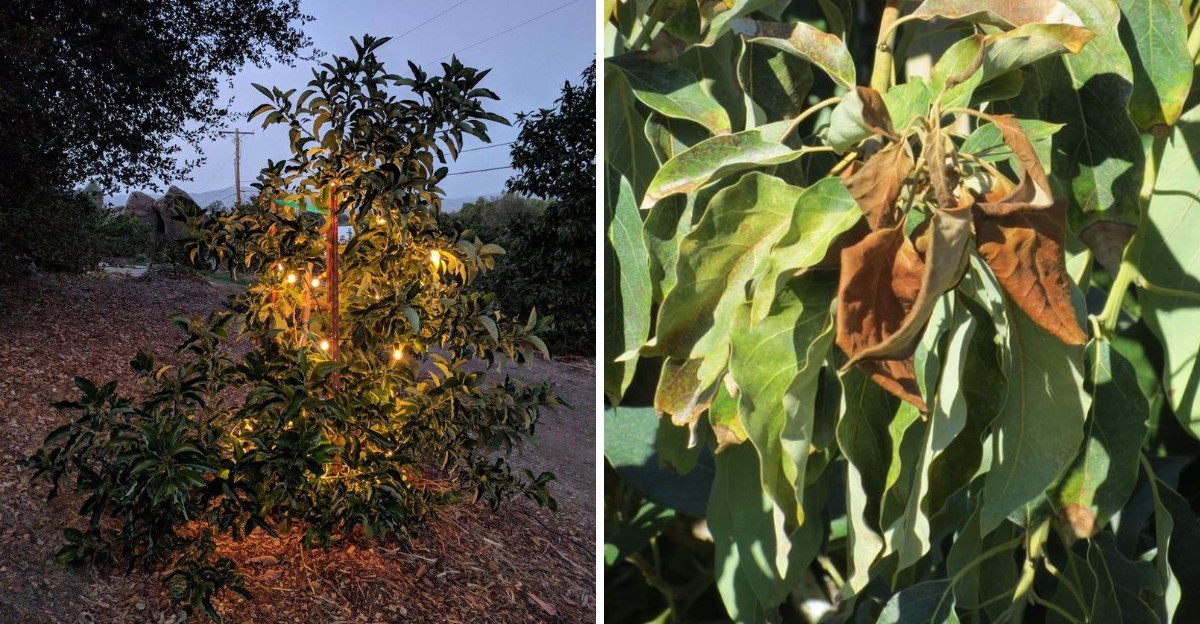
Old holiday lights stored in the garage can finally earn their keep. A string of incandescent bulbs under a frost cover adds gentle heat right where the tree needs it.
Incandescent bulbs make light by heating a thin wire, so much of their energy comes off as warmth.
Modern LED lights stay cool by design, so they look festive yet do almost nothing to warm a tree. For frost duty, the old-style bulbs win.
Lights rated for outdoor use, plugged into an outdoor-rated extension cord, make the safe choice. A GFCI outlet adds protection, especially near damp soil and dewy fabric.
Cords deserve a check for cracks before each season.
Lights strung loosely through branches and around the trunk spread warmth evenly. Bulbs pressing against frost cloth or touching leaves directly raise the risk of scorching.
The lights work best paired with the cover. Without cloth, their small heat floats off into the night sky almost instantly.
Together, they turn a simple tent into a snug pocket of air.
Lights switch on at dusk with the cover and off when the cloth comes away in the morning. A simple outdoor timer saves a chilly trip outside.
Cords and plugs work best kept off wet ground and away from dry leaf litter, and lights left unattended for days are best avoided.
As a bonus, the glowing tent adds a little early holiday cheer to the yard.
5. Wrap Young Trunks Against Cold
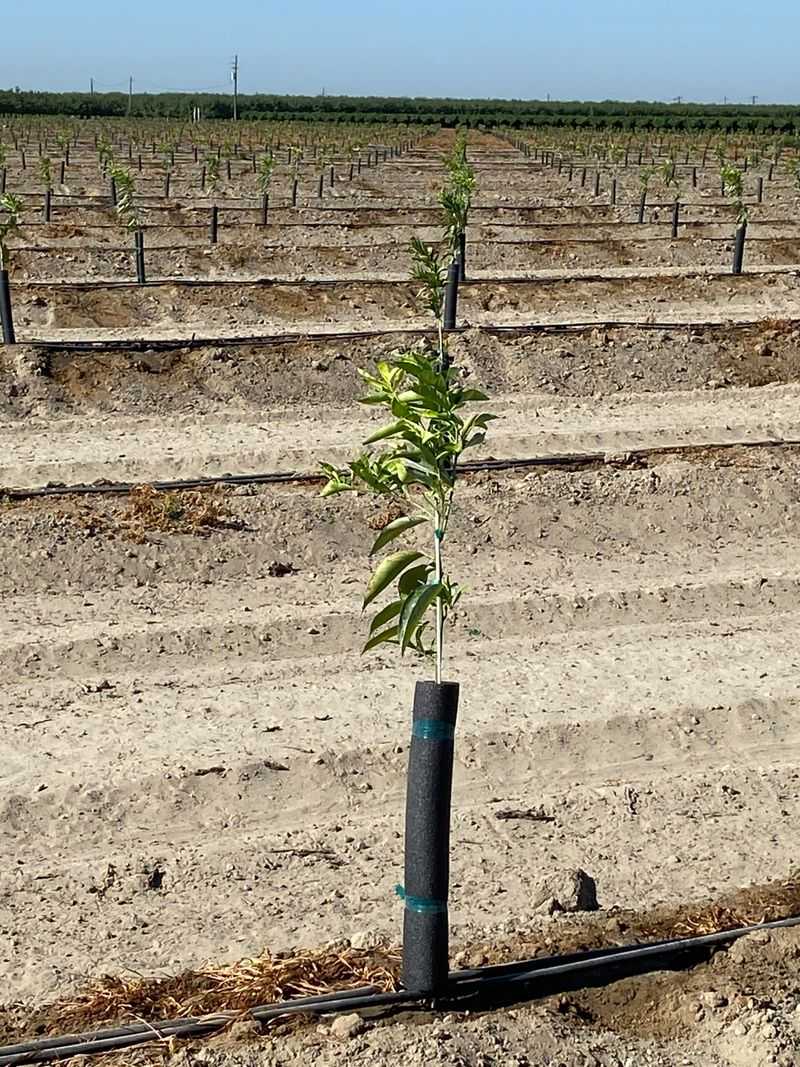
Leaves get most of the attention during a frost, yet the trunk serves as the tree’s lifeline. On a young avocado, it’s thin and green, with little tough bark.
A hard freeze can split or scar it.
UC ANR recommends wrapping young trunks to reduce cold damage. Much like a scarf, the wrap slows heat loss and keeps inner tissue from dropping as low as the outside air.
Several materials do the job, including foam pipe insulation, commercial tree wrap, corrugated cardboard, or a few layers of burlap.
Wrapping starts at the soil line and moves upward toward the lowest branches, with each turn overlapping slightly.
Soft twine or tape holds the wrap snug rather than tight. Young trunks grow fast, and anything cinched hard can pinch the bark, so adjustments every few weeks help.
A protected trunk matters even when the top suffers damage. A healthy trunk can push out fresh shoots in spring, while a damaged trunk means a much bigger setback.
This small step pays off well.
A peek under the wrap now and then reveals moisture, insects, or snails hiding out.
Removing the wrap once frost season ends, often by March in many areas, lets bark see daylight and stay healthier through the warm months.
Wraps that stay dry work best, so a quick check after each rain helps catch soggy material before it holds water against the bark.
6. Mulch With Wood Chips Kept Off The Trunk
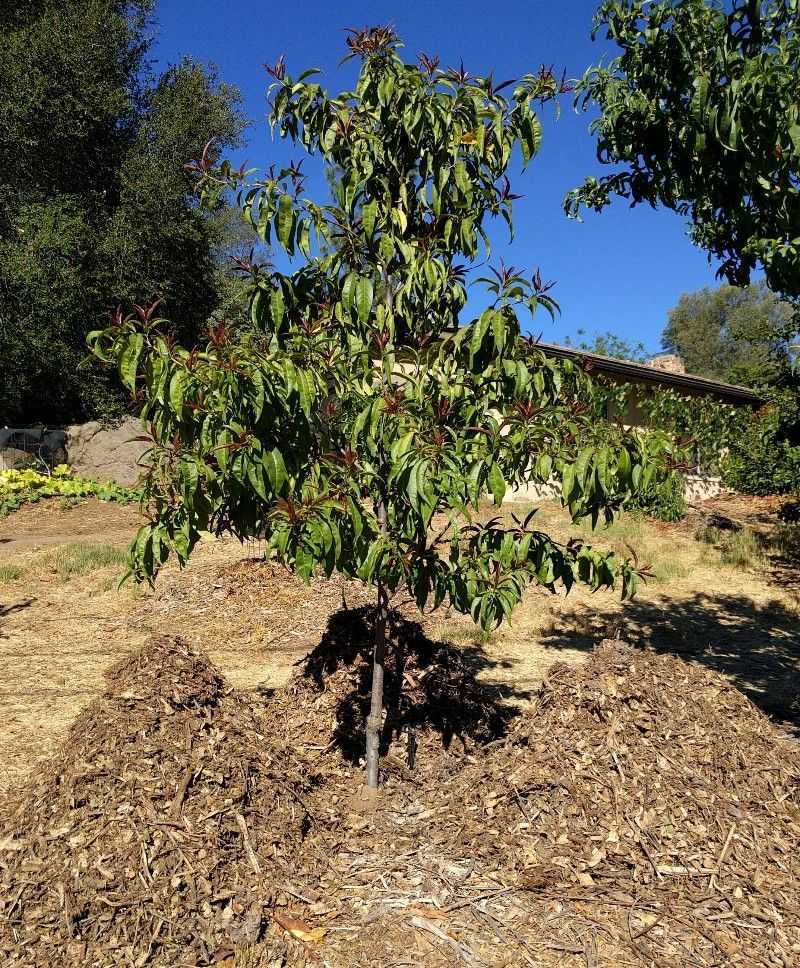
Well-kept avocado orchards share a common sight, a thick carpet of chunky wood chips under every tree. Avocado roots are shallow and love a loose, airy blanket on the soil.
UC ANR suggests composted, wood-based mulch for avocados. Coarse chips break down slowly, feed helpful soil life, and buffer delicate feeder roots from temperature swings.
They also help the soil drain, which avocados especially appreciate.
A layer several inches deep, spread from near the trunk out past the drip line, covers the root zone, which stretches farther than most people expect.
A wide ring beats a small doughnut every time.
Many gardeners miss one detail. Mulch works best pulled back a few inches from the trunk, since chips piled against bark hold moisture there and invite rot and disease.
A small open circle around the base, like a moat around a castle, keeps the trunk dry.
Fresh, uncomposted wood can tie up nitrogen as it breaks down, so aged material makes the safer pick. Many cities and tree trimmers offer free or inexpensive chips.
Mulch goes down well ahead of frost season. A deep layer can block some soil heat, so thinning it under the canopy before a hard freeze helps.
Within five feet of the house in designated fire areas, Zone 0 rules exclude wood chips, so avocados planted that close need a different approach.
7. Paint Exposed Trunks With Diluted White Latex
Cold California weather often brings bright, cloudless days. That sunshine can mean trouble for an avocado, since harsh winter sun on a stressed tree can bleach leaves and burn bark.
UC ANR notes that avocado leaves may yellow or bleach on cold, sunny days because they struggle to process light at low temperatures.
Frost damage worsens the problem. When cold strips leaves away, the trunk and branches suddenly sit in full sun with nothing to shade them.
Avocado bark is thin and burns easily, a bit like skin that rarely sees summer.
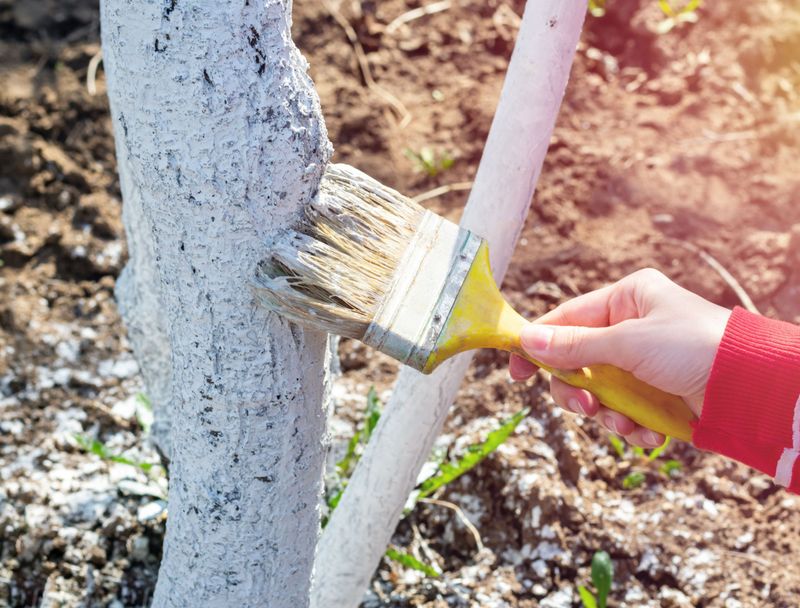
UC ANR recommends a simple fix. White interior latex paint mixed 50:50 with water, brushed onto exposed trunks and larger sun-facing branches, reflects sunlight and keeps bark cooler.
Interior latex works better than exterior paint, since exterior formulas often contain mildew-fighting additives that can be harsh on living bark. Plain white works best.
Young trees benefit from a coat right after planting, with touch-ups whenever rain wears it thin.
Older trees that lose leaves to frost may need fresh coverage on newly bared limbs.
Old clothes make sense, since this job gets drippy. An inexpensive brush and a bucket handle everything.
The finished trunk may look like it wandered out of a Halloween ghost story, and that pale coat protects it through the bright months ahead.
Fall offers a convenient window for this step, ahead of the cold, clear stretches that usually arrive in December and January.
8. Wait For New Growth Before Cutting Frost Damage
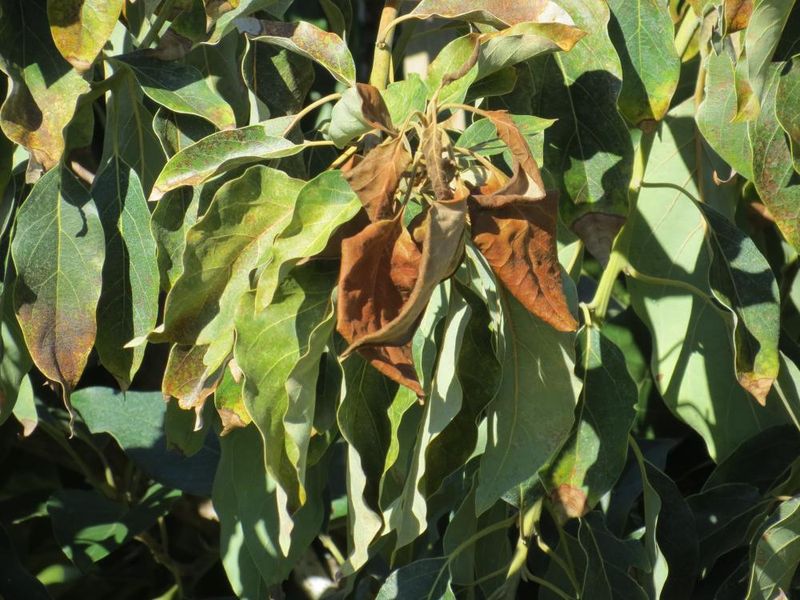
The morning after a hard frost, a tree may look like a sad mess of droopy, darkened leaves. The urge to reach for pruners comes quickly.
Patience serves the tree far better.
Frost damage shows up as water-soaked, brown, or discolored twigs and leaves. Some of that tissue is truly lost, while some only looks rough.
From the outside, telling the two apart right away is nearly impossible.
UC ANR advises waiting until new growth appears before cutting. In spring, healthy buds push fresh shoots, and the line between living and lost wood becomes clear.
Trimming back to that point then happens with confidence.
Patience protects the tree in another way. Damaged leaves still shade the bark below, while early removal exposes more wood to sunburn and can trigger tender growth.
That new growth could suffer on the next cold night.
Watering deserves close attention during recovery. A tree with fewer leaves uses far less water, and cool soil dries slowly.
Too much water at this stage can lead to root rot, a far harder problem to fix than a few brown twigs.
UC ANR also suggests holding nitrogen fertilizer until midsummer or later after a freeze, giving the tree time to recover.
Soil moisture checks with a finger or probe, steady mulch, and fresh white paint on bare limbs all help. By summer, many frosted trees look surprisingly fresh.