Why Bok Choy Bolts Or Splits During A Warm Fall In North Carolina
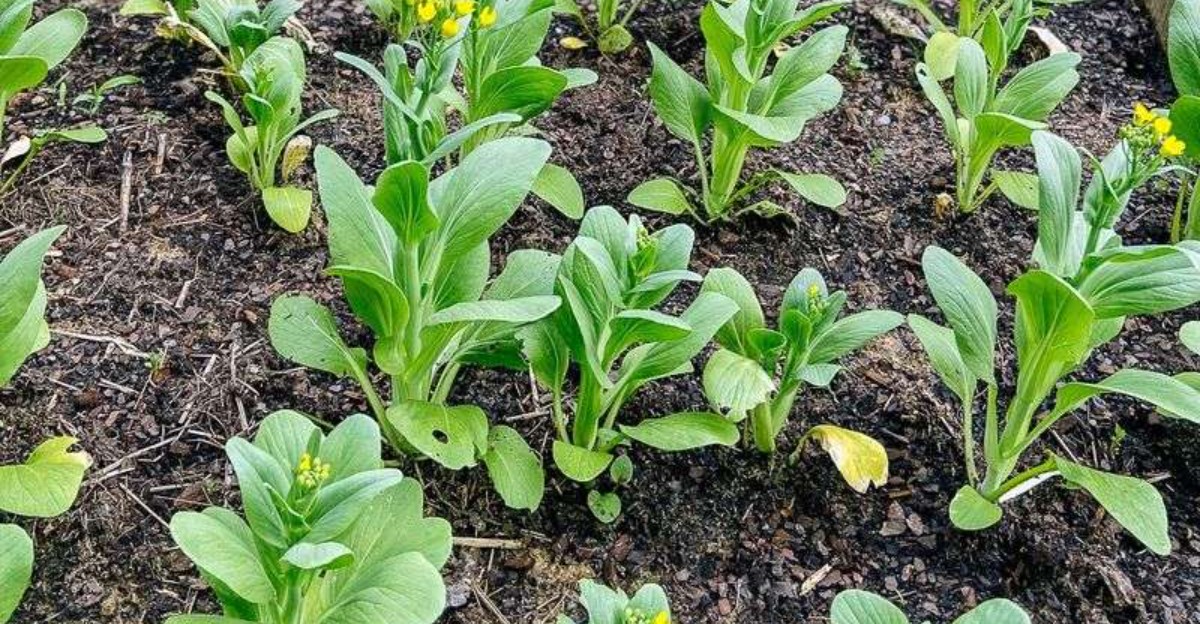
Bok choy is meant to be a cool-weather crop, so a warm fall can confuse it. Heat is a signal for the plant to flower. Once it bolts, the stalks lengthen, the leaves turn bitter, and the harvest is over.
Stress speeds this up, including dry spells and sudden temperature swings. Splitting is a different problem. When a dry period ends with heavy water, the plant swells faster than its stalks can stretch.
North Carolina’s patchy, unpredictable fall rain makes both problems more likely. Variety matters, since some types resist bolting better than others.
Consistent moisture and a little shade can help. Understanding the cause lets you adjust, and keep your bok choy tender and sweet.
1. Warm Spells Push It Toward Flowering
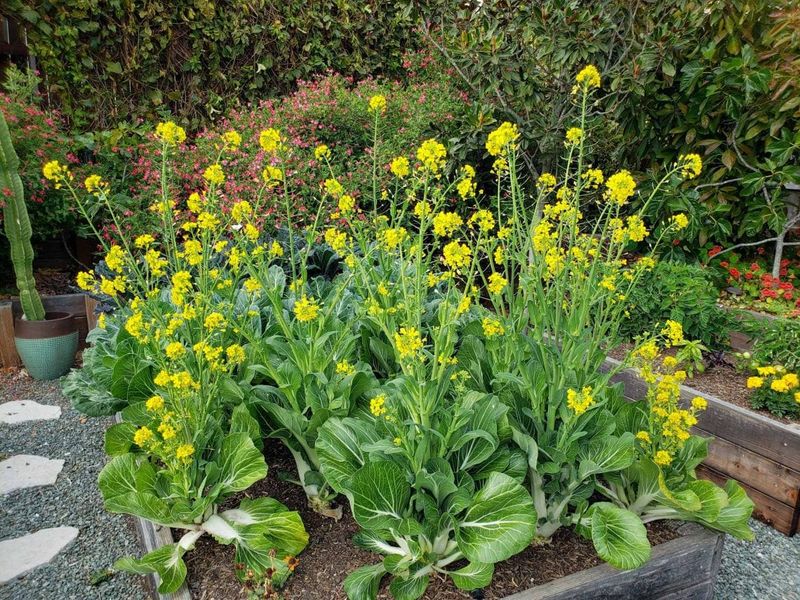
Bok choy (Brassica rapa subsp. chinensis) loves sweater weather. It grows best when days stay mild, roughly in the 60s, and nights turn crisp. When the thermometer climbs into the 80s, the plant starts to feel pressure.
Heat acts like a fast-forward button on its life cycle. Instead of making more tender leaves, the plant shifts its energy into a flower stalk, a process gardeners call bolting. Soon, small yellow blooms appear at the top, and the leaves and stalks turn tough and bitter.
Why does it happen so quickly? Bok choy is a cool season crop, and its goal is to make seeds before conditions get worse. A warm stretch signals that time might be running short, so the plant hurries up.
You end up with something pretty to look at but not very tasty for stir-fry night. Timing your sowing makes a big difference. Wait until the worst summer heat has passed and daytime temperatures begin to ease before planting your fall crop.
During a surprise hot spell, a piece of shade cloth or an old sheet propped up on stakes can block harsh afternoon sun and cool the bed a few degrees.
Keep an eye on the forecast, too. If a string of warm days is coming and your plants are close to full size, harvest them right away. Bok choy keeps well in the fridge for several days, so picking a little early beats losing the crop.
North Carolina falls love to play tricks. Cool nights can give way to afternoons that feel like summer, and this October brought warmer than normal stretches across much of the state. Staying alert to those swings helps your greens stay sweet.
2. A Cold Snap Followed By Warmth Can Trigger Bolting
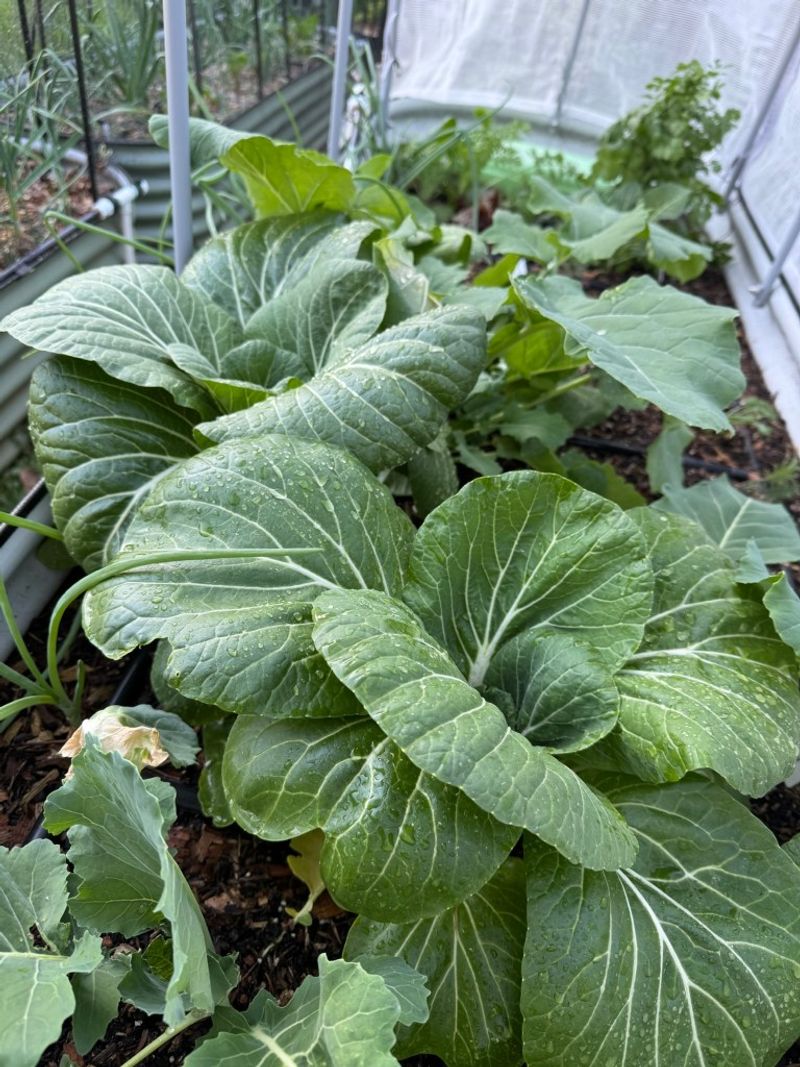
Here is a twist that surprises many gardeners. Cold weather, not just heat, can lead bok choy to bolt. The trouble comes when chilly days are followed by a warm-up. Plants keep track of temperature in their own quiet way.
When bok choy sits through several days below about 50 degrees Fahrenheit, some plants read that chill as winter. Then, when warm sunshine returns, they act as if spring has arrived and rush to send up flowers.
Young plants can be especially sensitive to this mix-up. A week of cool nights in early fall, followed by a sunny 75-degree afternoon, may be all it takes. The result is a garden bed full of skinny stalks and yellow blossoms long before you expected them.
Your North Carolina Garden Changes Every Week. Your Plan Should Too.
Gardening in North Carolina changes quickly throughout the season. Every Friday you’ll receive a simple weekly plan showing exactly what to plant, prune, fertilize, harvest, and protect so you never miss the right timing.
Luckily, you have some easy tools on your side. Lightweight row cover, sometimes called garden fabric, traps a little warmth from the soil and can keep tender plants a few degrees cozier during a cold snap.
Drape it loosely over hoops or right on the plants, and pin the edges down with rocks or soil staples. Variety choice matters as well.
Seed packets often label certain types as slow to bolt, and those plants handle temperature changes with more patience. For mature heads, the safest move is simple: pick them before a big swing hits. Fall in North Carolina rarely settles into a steady pattern.
A frosty morning in the Piedmont can turn into a T-shirt afternoon by lunchtime. Watching the ten-day forecast and keeping row cover handy will help your bok choy stay focused on leaves instead of flowers.
3. Dry Soil Adds Stress
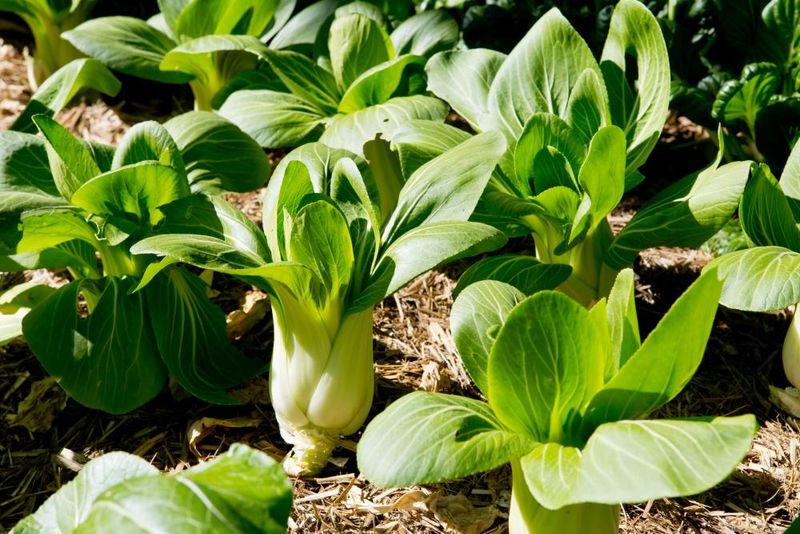
Think of bok choy as a thirsty sprinter. It grows fast and wants a steady drink the whole way. Without enough water, it tires out quickly.
The roots are shallow, so they stay mostly in the top few inches of soil. When that layer dries out, the plant has no deeper supply to tap into. Stress builds, leaves grow tough and stringy, and the plant may decide to bolt early to make seeds while it still can.
Watering well is the best cure. During dry weather, give your bed a deep soaking about once or twice a week instead of a quick daily sprinkle. A deep drink encourages roots to stretch down, which helps them handle the next dry stretch.
Mulch is your quiet helper here. A two-inch layer of straw, shredded leaves, or grass clippings keeps the soil cooler and slows evaporation. Fallen autumn leaves work great and cost nothing.
Before you water, check the soil with your finger. Push it down a couple of inches, and if it feels dry, it is time. If it still feels damp, wait another day.
Some towns limit sprinkler use during dry spells, so plan ahead. Hand watering with a can or hose wand still works, and drip lines or soaker hoses send water straight to the roots with very little waste.
This advice matters a lot right now in North Carolina. Much of the state has been in drought this fall, with long gaps between rains. Gardeners who keep moisture steady are the ones harvesting crisp, juicy bok choy.
4. Sudden Water After Dry Weather Causes Splitting
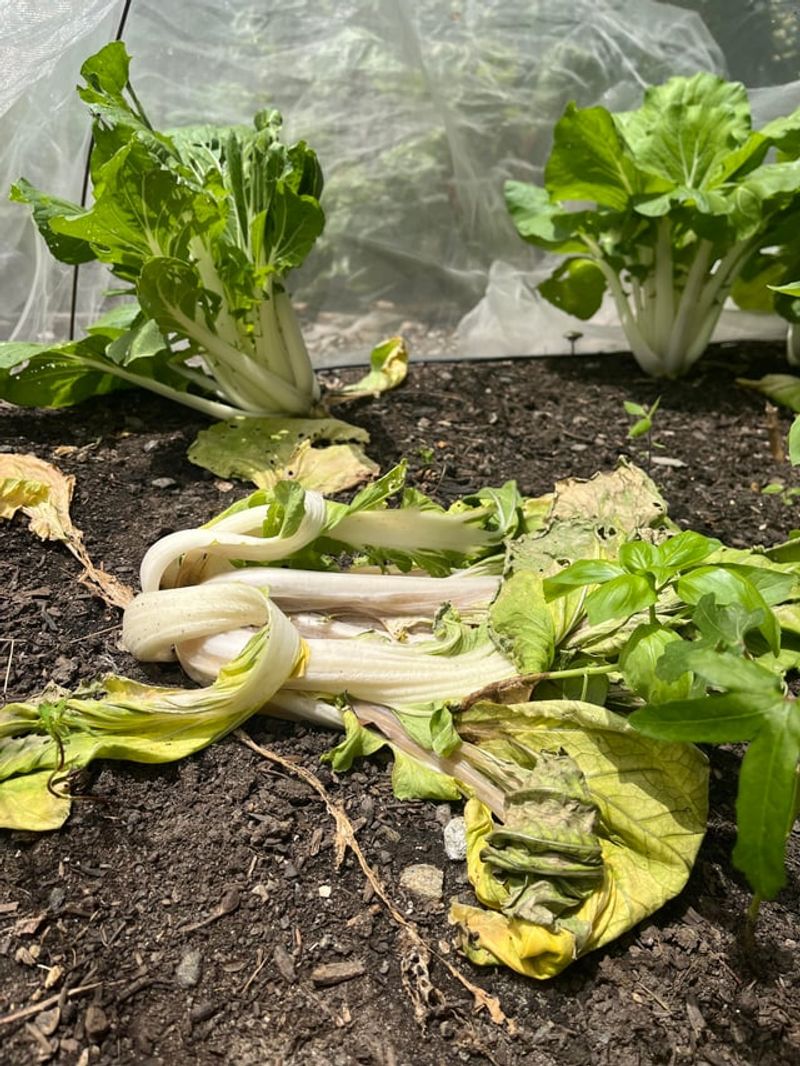
Ever bitten into an overfilled water balloon of a grape? Bok choy can act a bit like that. When it gulps too much water too fast, its stalks may crack open.
Splitting usually follows a dry spell. While the soil stays dry, the plant grows slowly and its outer tissues firm up. Then a heavy storm rolls through, or someone gives the bed a huge soaking, and the roots pull in water all at once.
Inside, the plant swells quickly, but the outer layers cannot stretch fast enough. Cracks show up along the stalks and near the base where they join. Those splits can let in rot and pests, and they make the plant look rough in the kitchen.
Steady moisture is the real secret. Water deeply and on a regular schedule, so the bed never swings from bone dry to soggy. Mulch helps here as well, since it smooths out the ups and downs.
Watch the weather apps closely during long dry stretches. If a big rain is on the way and your bok choy is already at a good size, pick it before the storm arrives. A slightly early harvest is far better than a bed of cracked heads.
Small splits are not a total loss, either. Trim away the damaged part and cook the rest soon, since cracked stalks do not store well.
In North Carolina, dry fall weeks often end with a soaking from a passing storm or tropical system. Knowing that pattern lets you stay one step ahead of the rain.
5. Plants Left Too Long Go To Seed
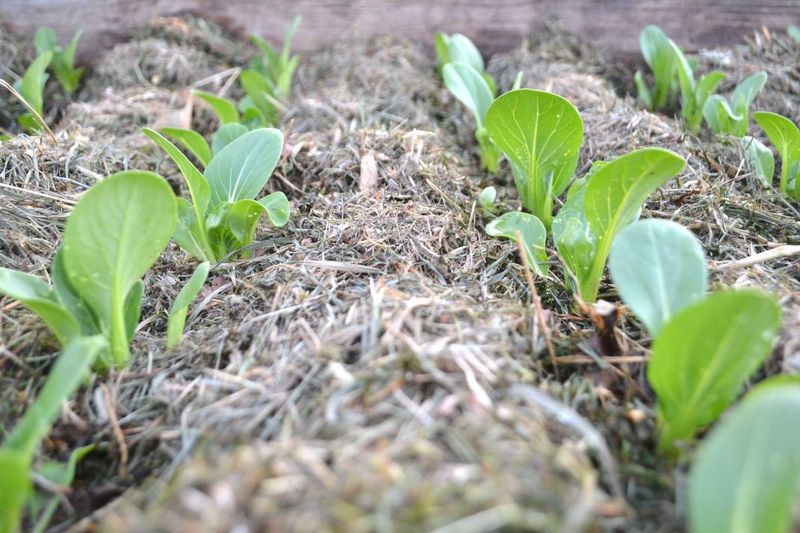
Patience is a fine garden habit, but bok choy does not reward waiting too long. Once a plant hits full maturity, flowering is the next natural step on its calendar. Leave it in the ground past its prime, and a seed stalk is almost sure to follow.
Every plant runs on a life cycle. Bok choy grows leaves first, then makes flowers and seeds to start the next generation. Warm weather speeds that clock up, so a plant that looked perfect on Monday might be bolting by the weekend.
Start by reading the seed packet. It lists days to maturity, often somewhere around 30 to 60 days depending on the type. Mark your calendar so harvest day does not sneak up on you.
Baby bok choy is a smart way to beat the clock. Pick plants when they are small, about 4 to 6 inches tall, for tender, sweet leaves that cook in minutes. Full-size types should come out as soon as they reach a good size and feel firm.
Want a steady supply without a sudden flood of greens? Sow a short row every couple of weeks. That way, a fresh batch is always coming along, and you never feel tempted to leave older plants standing too long.
Harvesting is easy. Cut the whole plant at soil level, or snip outer leaves and let the center keep growing for a bit.
North Carolina falls often stay warm, which makes plants grow faster than expected. That shorter window means checking your bed often pays off in crunchy, delicious meals.
6. Crowding And Transplant Shock Stress The Plants
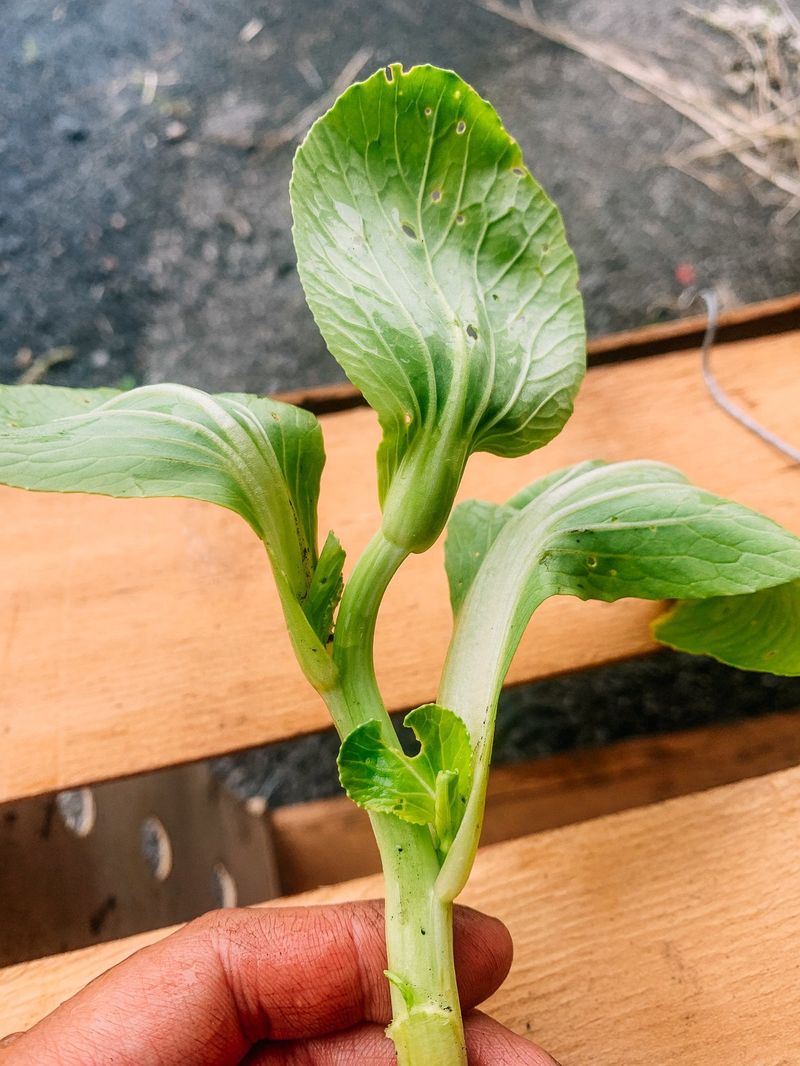
Picture a crowded school bus on a hot day. Nobody is happy, and everyone wants more room. Bok choy seedlings feel much the same when they grow packed together.
Plants in tight spaces fight for water, nutrients, and light. That constant competition creates stress, and stressed bok choy often reacts by bolting early. Transplants face a similar problem when their roots get damaged or tangled.
Root-bound seedlings are a common culprit. When roots circle around and around inside a small cell, the plant struggles to settle into the garden. Add rough handling at planting time, and the shock can push it straight toward flowering.
Thinning fixes the crowding issue. Once seedlings have a few true leaves, snip extras at soil level so remaining plants sit about 6 to 12 inches apart, depending on the variety. Smaller baby types can stay closer, while big full-size heads need more space.
Bonus tip: those thinned sprouts make a tasty salad. For transplants, timing is key. Set them out while they are young, usually three to four weeks old, before roots fill the container. Slide them out gently, keep the root ball together, and avoid pulling on the stems.
Water right after planting to help roots settle in. Keep the soil moist for the first week, and consider planting on a cloudy day or in the evening to reduce stress.
Many North Carolina gardeners sow fall bok choy thickly or buy crowded cell packs at garden centers. A little care at planting time leads to stronger, slower-bolting plants.
7. Choosing The Right Variety And Timing Helps Most
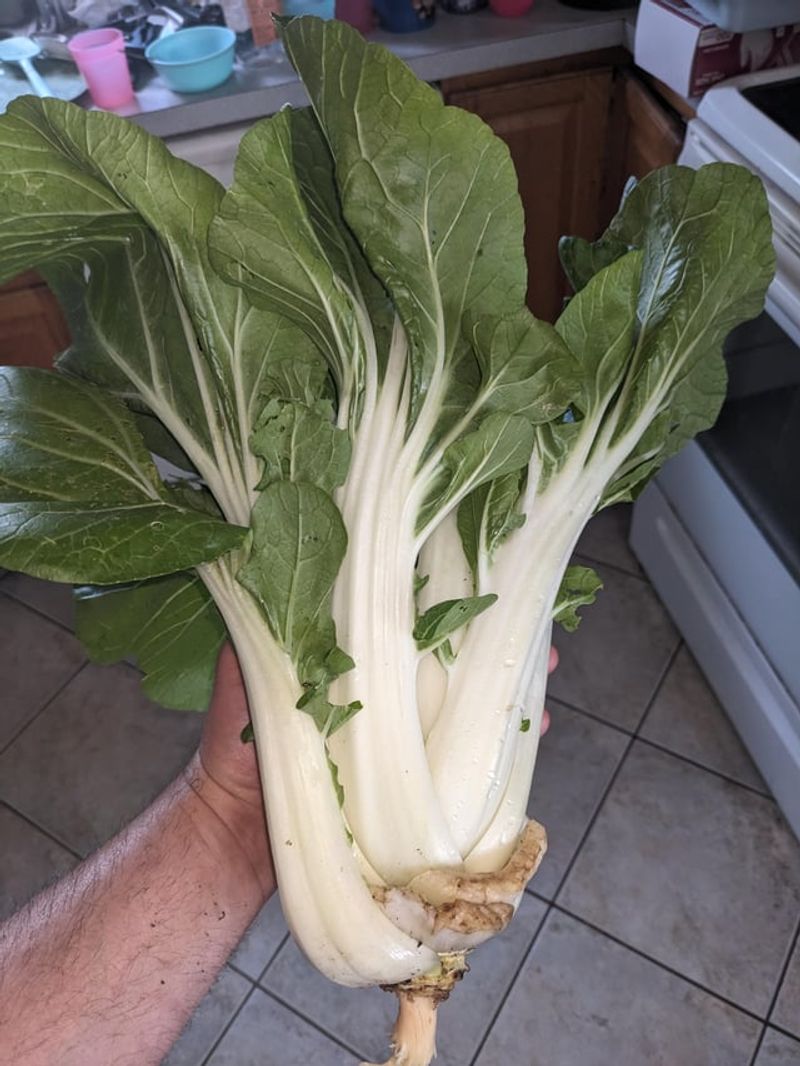
Good planning beats quick fixes every time. Of all the tricks for stopping bolting, picking the right seeds and planting at the right moment do the most work. Get those two things right, and many other problems fade away.
Plant breeders have spent years developing bok choy that holds off on flowering. Seed catalogs and packets often label these types as slow-bolting or bolt-resistant. They still bolt eventually, but they give you extra days or even weeks of good eating.
Timing matters just as much. Sowing at the right point lets plants reach maturity during the coolest, steadiest part of fall. That sweet spot keeps leaves tender and stalks crisp.
North Carolina covers a lot of ground, so planting dates shift by region. In the Mountains, cool weather arrives first, so sow in late summer, often around late July to mid-August.
The Piedmont usually does well from mid-August into early September, while the Coastal Plain can wait until September or even early October.
Baby bok choy offers a clever shortcut. Because you pick it young, often within about a month, the plants rarely have time to bolt. It is perfect for gardeners who want quick results with less worry.
Keep a simple garden notebook, too. Write down what you planted, when, and how it did. After a season or two, you will know exactly what works in your own backyard.
Fall weather here can swing wildly from week to week. Bolt-resistant varieties and smart timing give you a strong head start, no matter what the forecast brings.