8 Reasons Borage Belongs In Your North Carolina Red Clay Front Yard This Year
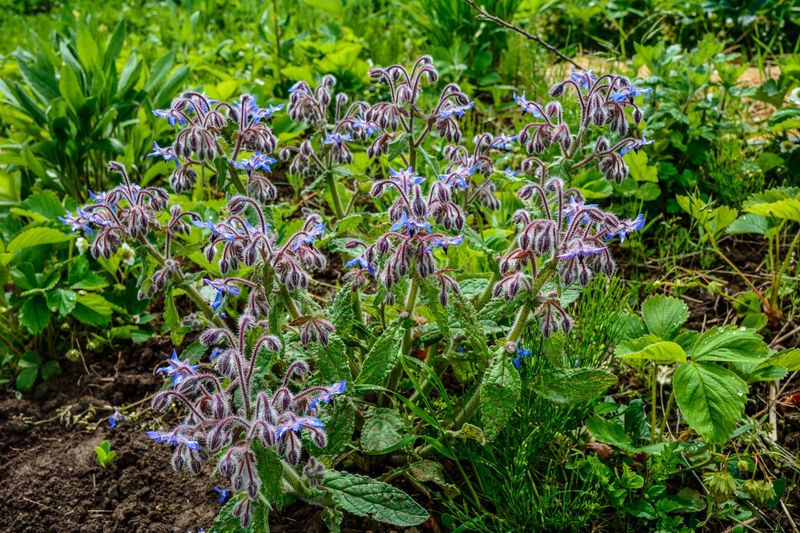
You bend down to plant something new near your mailbox, and the shovel stops cold against that packed North Carolina red clay. Sound familiar? Most of us in the Piedmont have fought that orange, brick-hard soil, wondering what will actually grow there without a fight. Borage is one plant that shrugs it all off, feeds your bees, and turns your front yard into a little living system.
Here are eight honest reasons it earns a spot this year.
1. It Actually Tolerates That Brick-Hard Clay
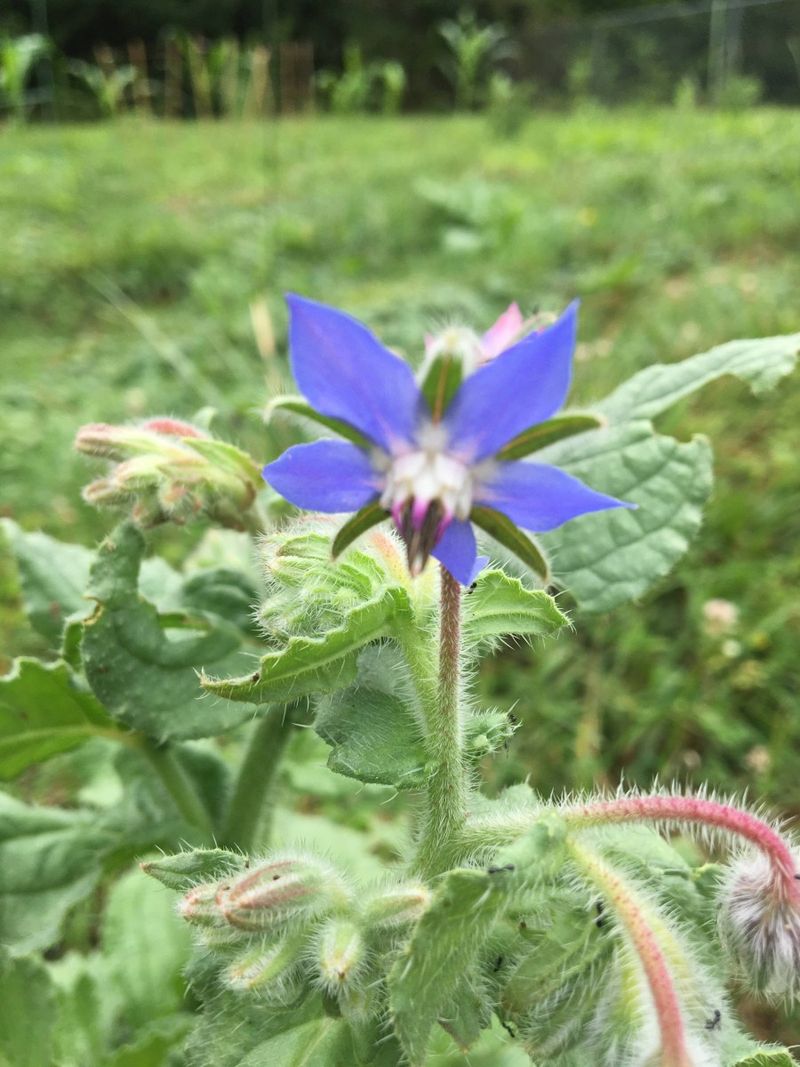
You have watched fussy flowers sulk and die in Piedmont clay, so you brace for the same story here. Borage, or Borago officinalis, does not read that script.
Its long taproot punches down through compacted soil the way a screwdriver works into a cork. That root loosens the ground as it grows, so the next thing you plant has an easier time. Many Piedmont gardeners notice their clay drains a little better after a season of borage.
Here is the honest part. It is not a magic soil fix, and one plant will not undo years of compaction. But as one layer of a slow improvement plan, it genuinely pulls its weight.
Give each plant about 18 to 24 inches of room, because it sprawls fast once it settles in. Water deeply the first two weeks while that taproot digs in, then back way off. Borage prefers to be left alone, which suits a front yard you would rather enjoy than babysit. NC State Extension notes clay improves most when living roots stay in the ground, and borage delivers that for free.
2. Bees Will Turn Your Yard Into A Hangout
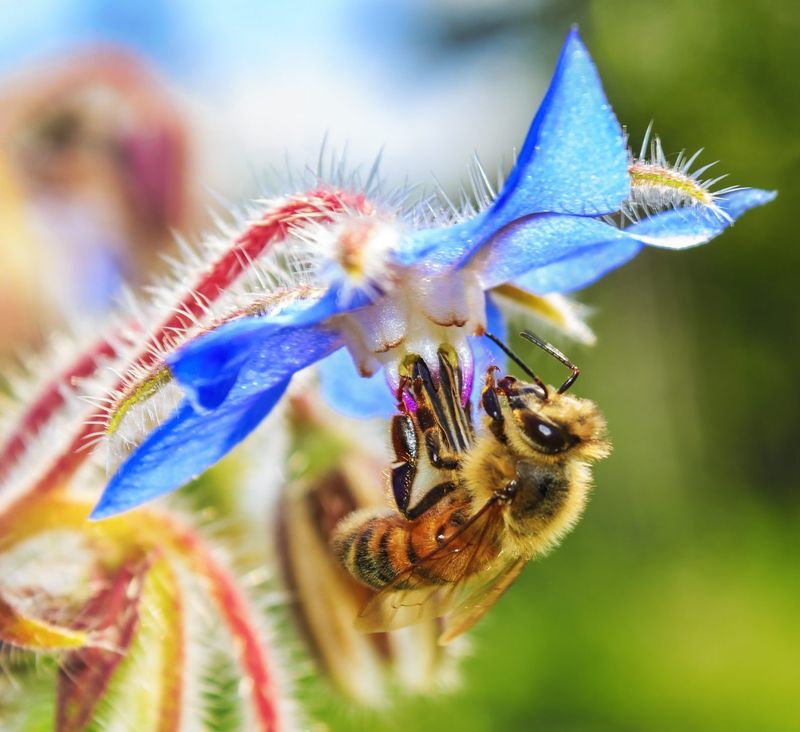
Picture a warm May morning on your front steps, coffee in hand, and a low steady hum coming from the mailbox bed. That hum is borage doing its favorite job.
The star-shaped blue flowers refill with nectar remarkably fast, sometimes within minutes of a bee visit. So a single patch keeps honeybees and native bumblebees coming back all day instead of moving on.
Why does that matter to you and not just the bees? More pollinators in the front yard means better fruit set on any tomatoes, squash, or blueberries you grow out back. It is one connected system, and borage is the welcome sign at the front gate.
Plant it in full sun, at least 6 hours a day, for the heaviest bloom. In the Piedmont you can direct sow seeds after the last frost, usually mid April, and expect flowers within 8 weeks. Keep pinching off spent blooms and it will keep pumping out new ones into fall. Your neighbors will ask what that buzzing blue plant is, and you will get to sound like the yard expert on the street.
3. Those Blue Star Flowers Are Genuinely Edible
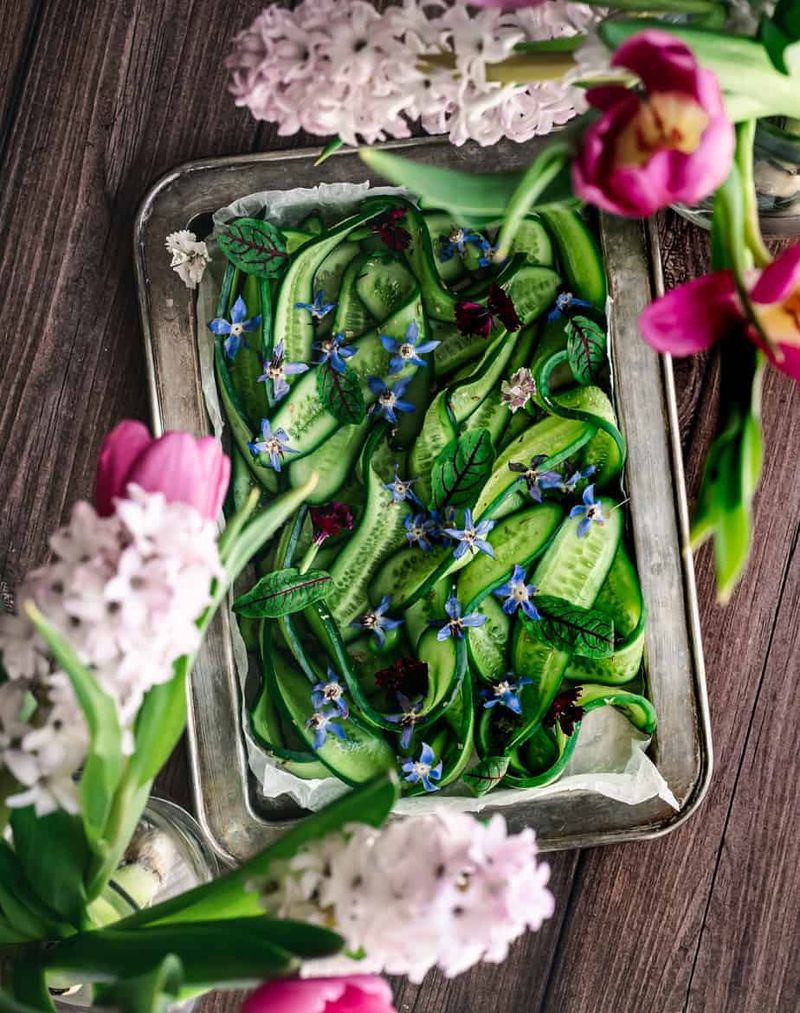
Most front-yard flowers are strictly look-but-do-not-touch. Borage breaks that rule in a way that delights kids and dinner guests alike.
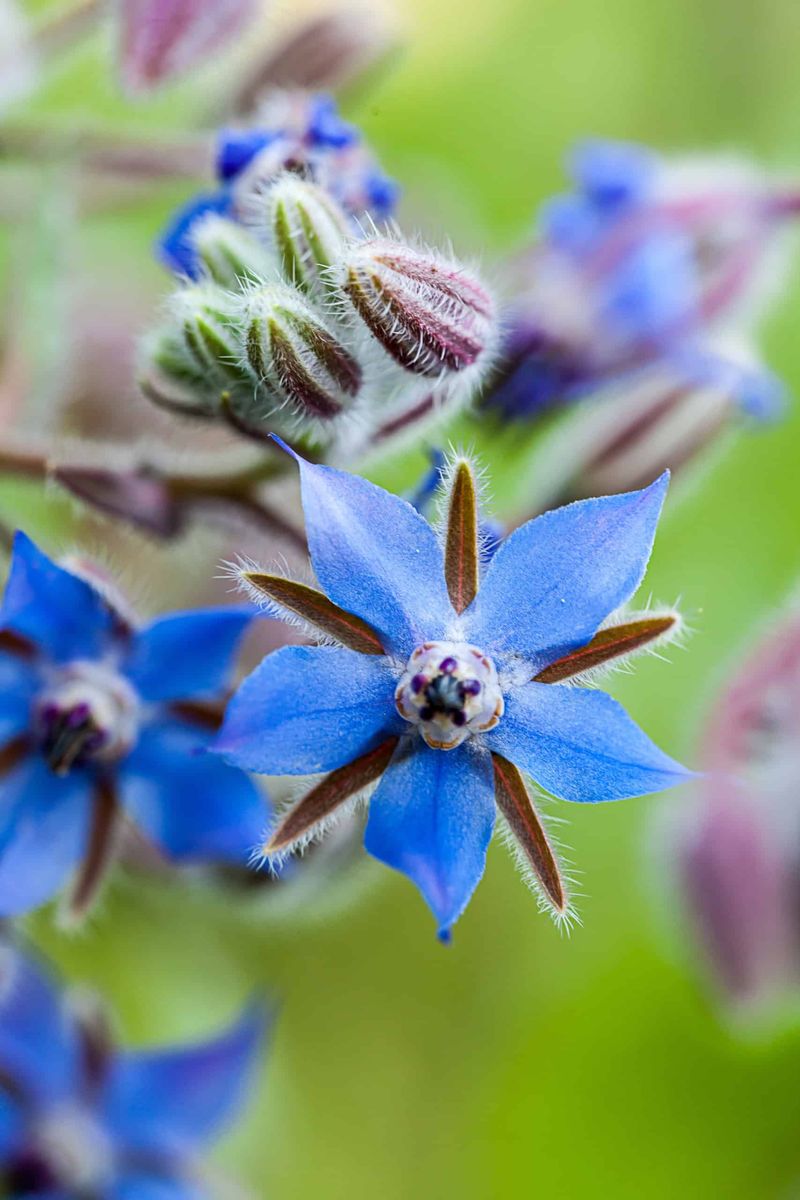
The little blue blossoms taste faintly of cucumber, cool and mild, and they are safe to eat right off the plant. Toss them in a summer salad, freeze them into ice cubes for lemonade, or scatter them across a cake for that farm-to-table look without the farm.
Your North Carolina Garden Changes Every Week. Your Plan Should Too.
Gardening in North Carolina changes quickly throughout the season. Every Friday you’ll receive a simple weekly plan showing exactly what to plant, prune, fertilize, harvest, and protect so you never miss the right timing.
The young leaves carry that same cucumber note, though they get fuzzy and coarse as they age, so pick them small. A cookout on a muggy July evening feels a touch fancier when the drinks have real flowers floating in them.
One honest caution. Borage leaves contain small amounts of natural compounds, so treat them as an occasional garnish rather than a daily green, and skip large medicinal doses. Enjoy the flowers freely and use the leaves in moderation.
Grow a plant or two near the walkway where you will actually reach for them. Snip blossoms in the cool of the morning when they are crispest. It is the rare landscaping choice that ends up on your plate.
4. It Shrugs Off Our Muggy Summers And Storms
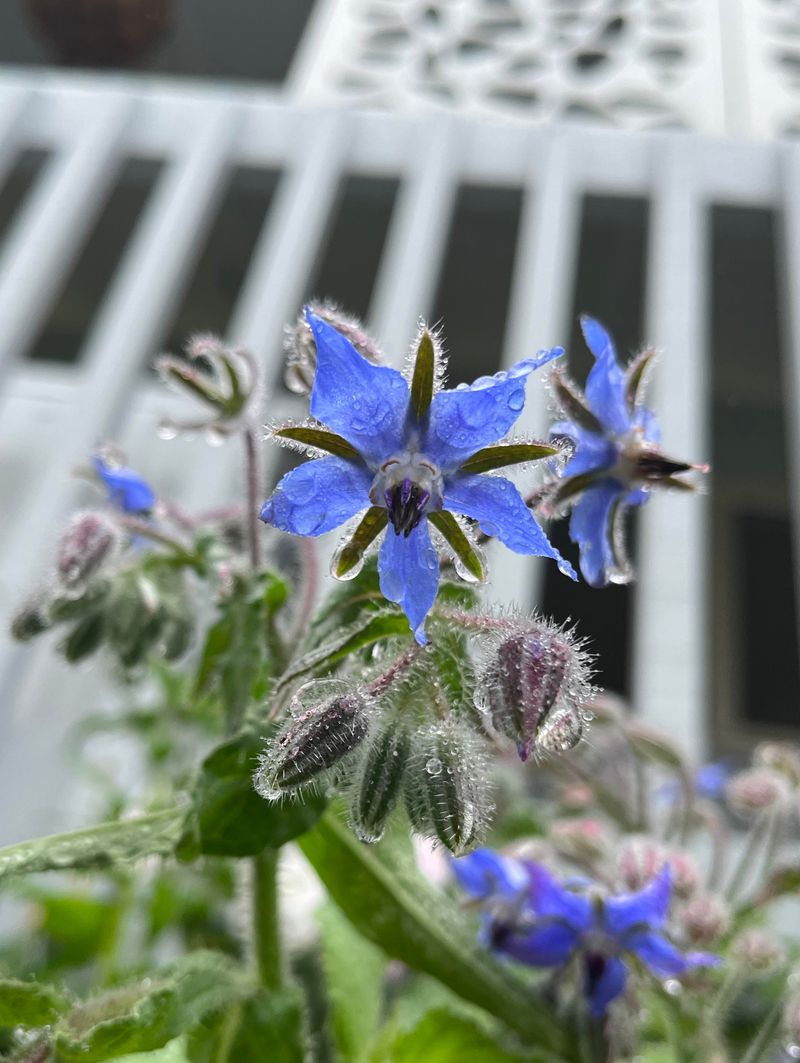
North Carolina summers are no joke. Sticky 90-degree afternoons, sudden thunderstorms, and the odd hurricane pushing rain up from the coast between June and November all test a plant hard.
Borage takes it in stride. Those fuzzy leaves and stems handle heat and humidity better than a lot of pampered ornamentals, and the plant bounces back quickly after a downpour flattens it.
Here is where it gets tricky. Heavy clay plus a tropical storm dumping 4 inches of rain can leave roots sitting in water, which no plant loves. So plant borage on a slight mound or a gentle slope where water drains away from the crown.
Give it that little bit of elevation and it will ride out the wildest afternoon storm and stand tall again by morning. During a dry August stretch, it wilts dramatically midday then perks right back up at dusk, so do not panic and overwater. A tough plant for a tough climate feels like a small win every time the sky opens up.
5. It Quietly Pulls Pest Enemies Off Your Plants
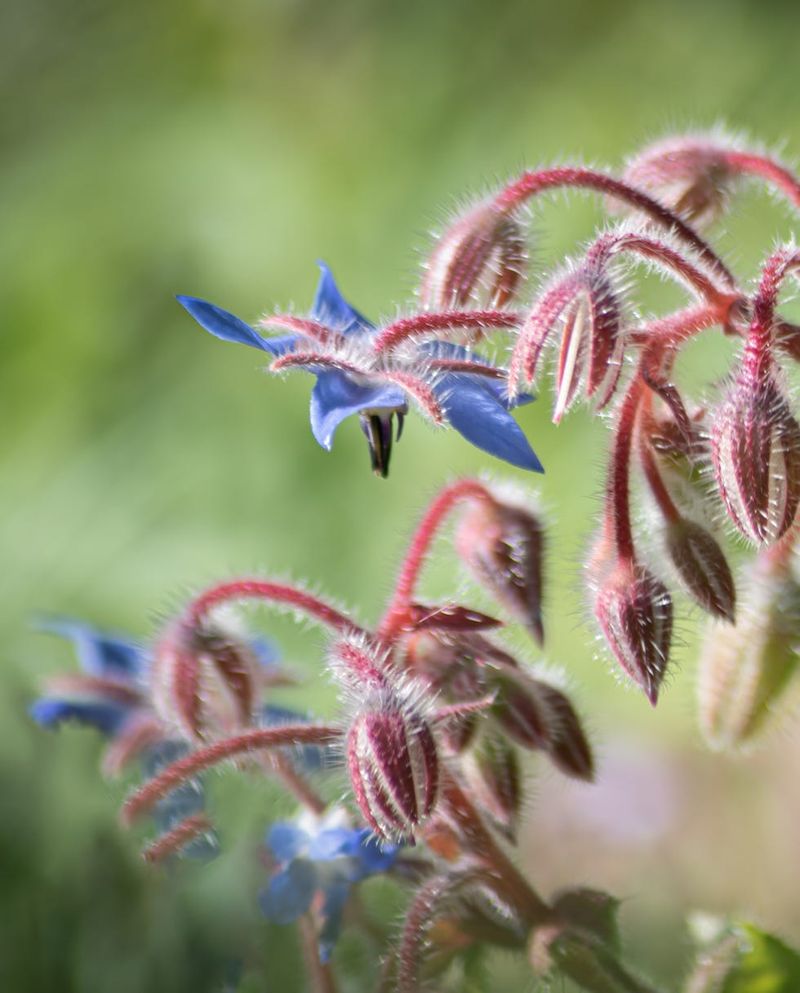
Stink bugs and tomato hornworms have a trick. They target your prized vegetables while you are not looking, and by the time you notice, the damage is done.
Borage plays defense in a sneaky way. Its flowers draw in beneficial insects like predatory wasps, lacewings, and hoverflies, the very bugs that eat aphids and hornworm eggs. So a borage patch becomes a recruiting station for your yard’s own pest patrol.
Many gardeners also plant it beside tomatoes and strawberries, and long garden tradition holds that borage may help deter tomato hornworms and improve nearby fruit. The science is softer than the folklore, so think of it as one helpful layer, not a guarantee.
Set a plant every 3 to 4 feet along a vegetable bed or front border to spread the effect. Let a few flowers go to seed and it will reseed itself for next year at no cost. Fewer chewed leaves and no spray bottle in your hand is a genuinely satisfying trade.
6. One Packet Of Seeds Fills The Bed For Years
Cheap and generous. That is the reputation borage earns fast among Piedmont gardeners watching their spending.
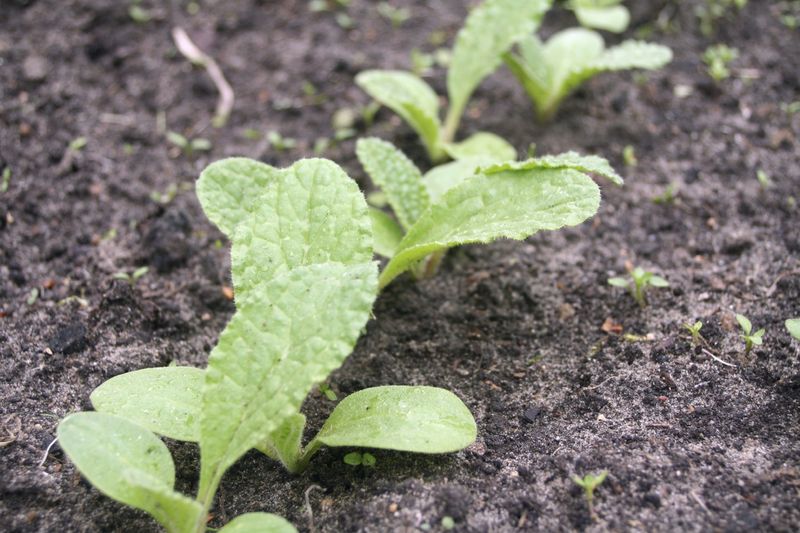
A single packet costs about the price of a fancy coffee, yet each plant drops hundreds of seeds by summer’s end. Those seeds sprout on their own the following spring, so you plant once and the bed keeps refilling itself year after year.
But there is a flip side to be honest about. Borage reseeds enthusiastically, almost too eagerly, and can pop up where you did not invite it. If you want it contained, simply clip the seed heads before they scatter, or yank the volunteers you do not want. They pull out easily since the young roots are shallow.
To start, scatter seeds directly in the soil about half an inch deep after your last frost, then thin the seedlings to roughly one every 18 inches. No transplanting, no seed trays, no fuss. Getting a whole front bed of pollinator flowers for a couple of dollars is the kind of deal that makes you feel like you gamed the system.
7. It Blooms Long Into Our Mild Fall
Come September, a lot of summer flowers throw in the towel. Borage keeps going, right through North Carolina’s long, mild autumn.
Because our first frost in the Piedmont usually holds off until late October or November, and even later toward the coast, borage often keeps flowering when the rest of the bed looks tired. That late nectar matters more than you might think.
Fall monarch butterflies migrating south, along with late-season bees stocking up before cold, need every bloom they can find. Your borage becomes a roadside diner for travelers heading to the mountains and beyond. It works alongside native fall bloomers like goldenrod and Joe Pye weed to keep the buffet open.
Leave the plant standing through the first light frosts, since a surprise cold snap will not always kill it outright. When it finally gives up, let the dropped seeds and a little leaf litter stay put over winter. That cover shelters overwintering native bees. Watching a monarch stop by your mailbox in October is a quiet payoff you will remember all winter.
8. It Turns A Boring Front Yard Into A Talking Point
Every street has that one yard people slow down to look at. With borage anchoring your front bed, it can be yours, and it takes almost no effort to pull off.
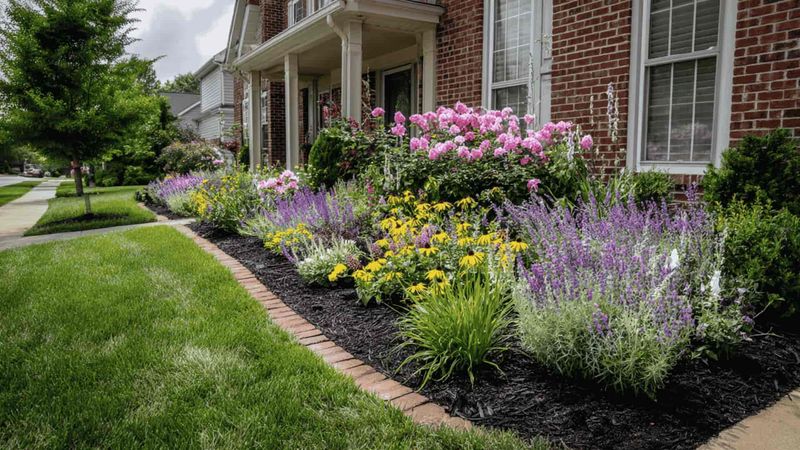
The plant grows 2 to 3 feet tall and wide, with a loose, cottage-garden sprawl and clouds of blue flowers that read as intentional rather than messy. Pair it with black-eyed Susans or coneflowers and you get a low-maintenance, high-impact border that hides how easy it really was.
More than looks, though, a front-yard borage patch signals something. It tells the neighborhood you are gardening for the bees and butterflies, not just for tidy green rectangles. On a street of clipped lawns, a living, buzzing bed genuinely stands out.
Plant it where passersby can see it, near the sidewalk or mailbox, and let it do its thing. Deadhead now and then to keep it looking fresh, and refill any bare spots with self-sown seedlings. By midsummer you will be the neighbor others stop to ask for advice, and there are few better feelings in a front yard.