8 Ohio Lawn Tasks to Finish Before the First Freeze
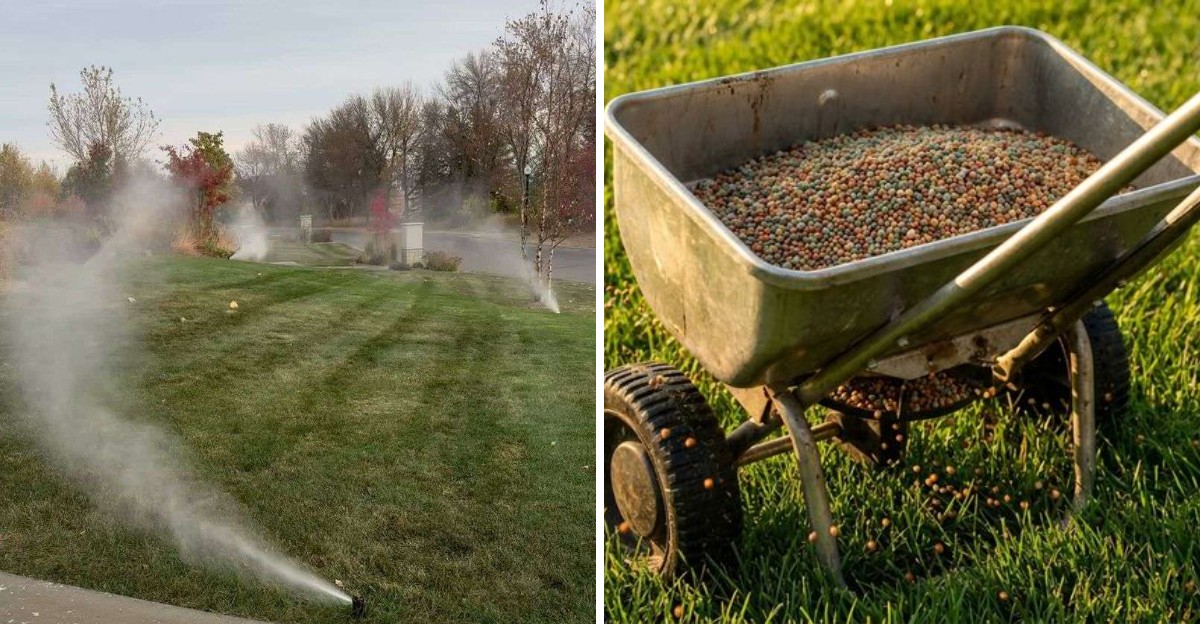
Your lawn has only a few short weeks left to get ready for winter, and the clock is loud. The first freeze in Ohio often lands in mid to late October, so October work matters more than you think.
I learned this the hard way one year with a patchy yard and a very soggy spring. Personally, I now treat early fall like the most important season on my whole lawn calendar.
Cool air feels lazy, but your grass is secretly busy underground building roots and storing energy. Ohio turf researchers call fall the key season, and the jobs below help that hidden work along.
A few chores take ten minutes, while one could save you a pricey plumbing bill next spring. Your future self, standing on soft green grass in April, will be very glad you started today.
1. Punch Holes In Packed Clay Soil
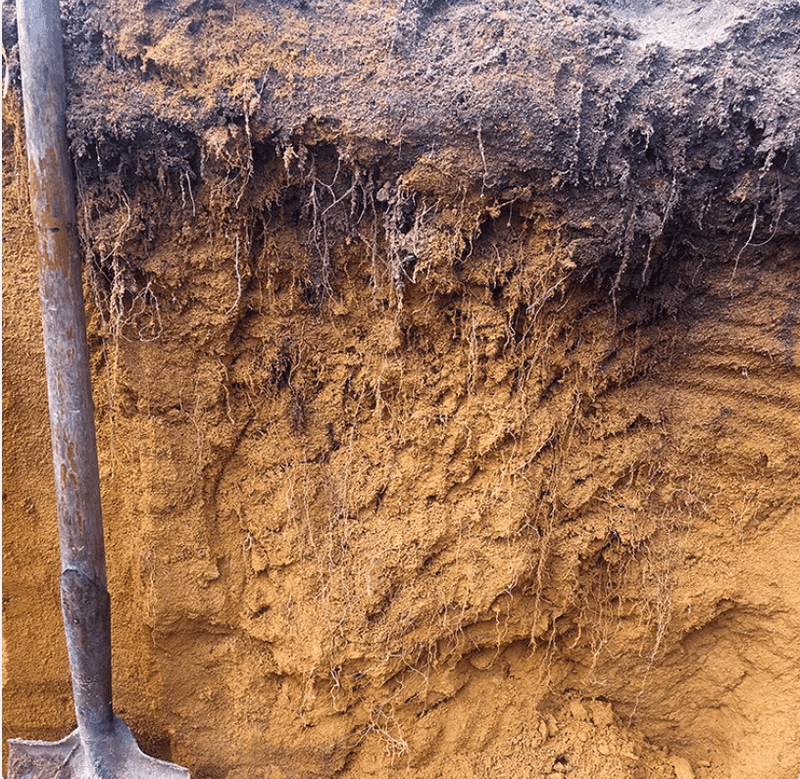
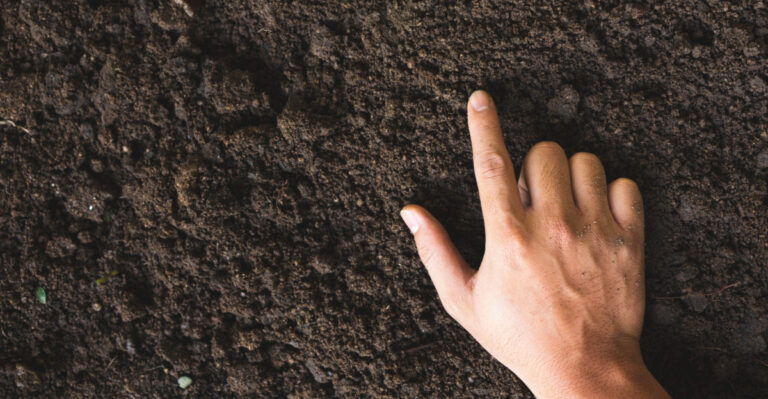
Your lawn might be gasping for air right now, and heavy clay soil is often the sneaky culprit. Walk across a packed yard after rain, and you can feel water sitting on top instead of soaking in.
Core aeration pulls small plugs of soil from the ground, leaving tiny holes scattered across the grass like sprinkles. Those openings let air and water slip down to roots that have been squeezed tight all season long.
Clay soil is common across Ohio, and it packs down fast under busy feet and heavy mowers. Compacted ground makes roots stay shallow, which leaves grass weaker when cold weather finally rolls into town.
Early fall is the sweet spot, with mid-September through early October listed as the best window. Cool-season grasses recover quickly in this mild weather, so those little holes fill in before the freeze arrives.
You can rent a core aerator from many hardware stores, or hire a lawn crew for the day. Pick a machine that pulls real plugs, since spike aerators that just poke holes can press soil tighter.
Water the lawn a day ahead if the ground feels hard, because moist soil lets the tines dig deeper. Leave the plugs on the surface afterward, and they will break down with rain and mowing in a few weeks.
I like to aerate right before seeding, since the holes give new seed a cozy place to settle. Better drainage and deeper roots now often mean a tougher lawn when next summer heat shows up again.
2. Fill Bare Spots With Fresh Seed
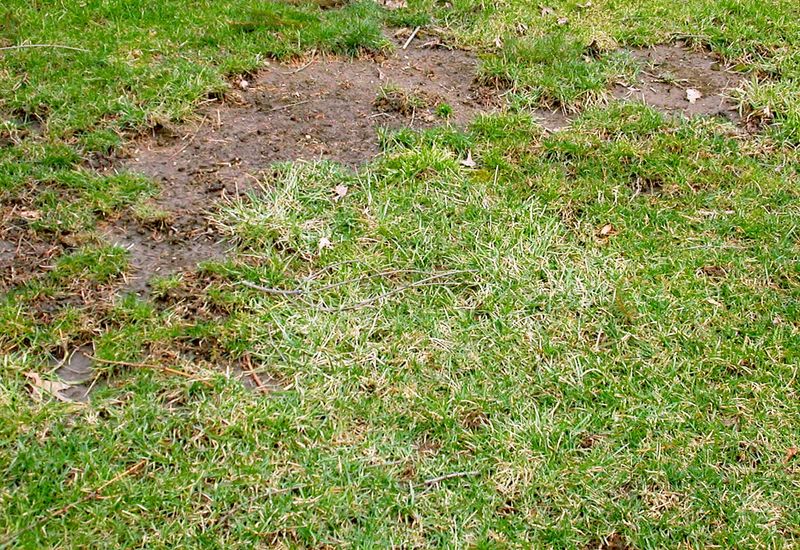
Thin patches in the lawn are basically open invitations for weeds, and fall is your chance to fix them. Warm soil helps seed sprout fast, while cool air keeps tender baby grass from wilting in the afternoon.
Timing matters a lot with this job, and the ideal window usually runs from late August into mid-September. Since we are now in early October, you are working with a shorter runway before cold weather arrives.
Young grass needs several weeks of growth to toughen up before freezing nights slow everything down for winter. If your area tends to frost early, consider patching only the worst spots now and saving bigger areas.
Your Ohio Garden Changes Every Week. Your Plan Should Too.
Gardening in Ohio changes quickly throughout the season. Every Friday you’ll receive a simple weekly plan showing exactly what to plant, prune, fertilize, harvest, and protect so you never miss the right timing.
Seed-to-soil contact is the secret that many homeowners skip, and it makes a huge difference in results. Seed sitting on top of thatch or old leaves often dries out or becomes a snack for birds.
Aerating first or lightly raking the bare spots gives each seed a snug pocket of loose soil. Choose a cool-season blend such as tall fescue or Kentucky bluegrass that suits your sun and shade.
Keep the top layer of soil moist with light, frequent watering until the new sprouts reach mowing height. Short daily sprinkles usually work better than one heavy soak, which can wash seed into little puddles.
Personally, I find watching those first green threads poke up feels like a small reward for patience. Anything that fills in now gets a head start, so spring brings a thicker carpet instead of bare dirt.
3. Feed Roots Before The Big Sleep
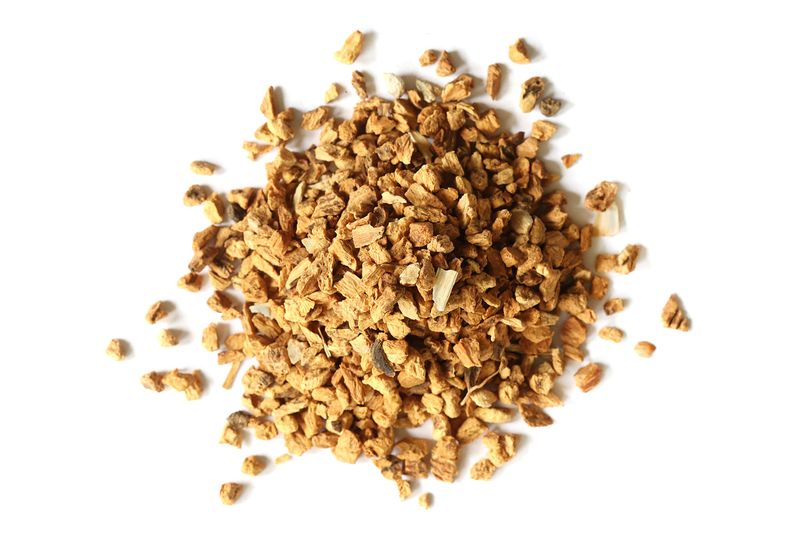
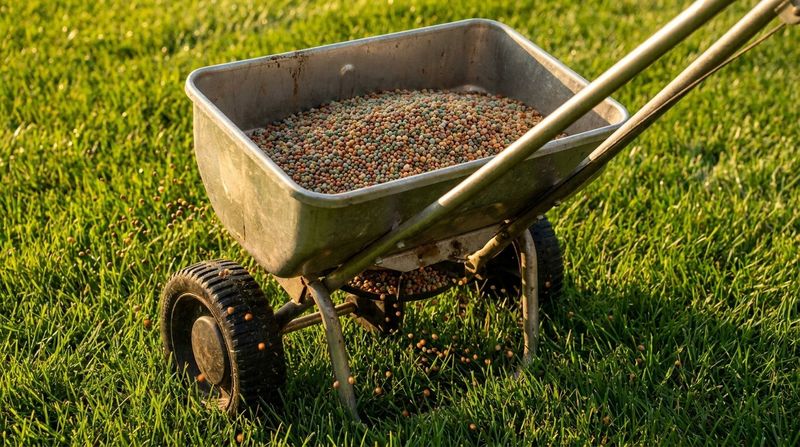
Fall is when your grass quietly stocks its pantry, and a good meal now pays off for months. Turf experts often call this the most important feeding of the year for cool-season lawns in Ohio.
An early fall application in September helps grass bounce back from the stress of hot, dry weeks. A later feeding, often between October and November, builds root reserves that power a quicker green-up next spring.
Look for a bag with roughly a 3-1-2 or 4-1-2 nutrient ratio, which many lawn pros recommend. Those numbers on the label show the balance of major nutrients, with nitrogen listed first every time.
A soil test is a smart move before you spread anything, because guessing can waste money fast. Many county Extension offices can point you toward affordable testing labs that explain exactly what your soil needs.
Spread fertilizer evenly with a broadcast or drop spreader, and overlap your passes slightly to avoid stripes. Sweep any granules off driveways and sidewalks so they do not wash into storm drains during the next rain.
Warm-season grasses like zoysia should not be fed in fall, since they are heading into dormancy instead. Most Ohio lawns are cool-season types, but a quick check of your grass type prevents a costly mistake.
I like how a late feeding feels like tucking money into a savings account for the lawn. When April arrives and your yard greens up early, you will know that fall snack did its job.
4. Catch Weeds While They Stock Their Roots
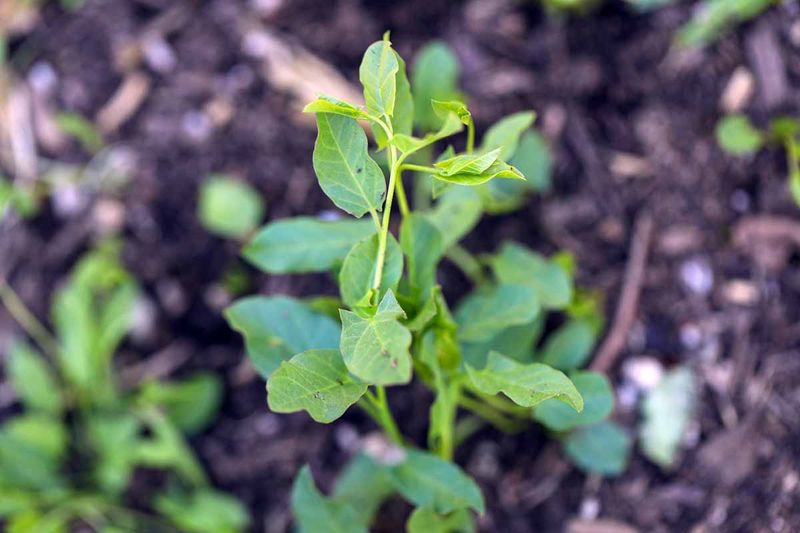
Dandelions have a secret fall habit, and it makes them surprisingly easy to target right now. As days cool, many broadleaf weeds send sugars and nutrients down into their roots to survive winter.
That downward flow is your golden ticket, because weed control products ride along with those sugars. Treating from early September through early November lets the product move into the roots more effectively.
Spring treatments often just burn the leaves, while fall applications reach deeper into the plant itself. You may notice far fewer yellow puffballs and clover patches popping up next April after a fall treatment.
Some perennial weeds and winter annuals can still be treated after a light frost, which adds flexibility. Warm-season perennial weeds are different, since they shut down quickly once the first frost arrives in your yard.
Read every label carefully, and follow the temperature and timing directions printed right on the container. Spot spraying single weeds usually works better than blanketing the whole lawn, and it uses less product overall.
Skip weed control on areas you just overseeded, since many products can harm young grass seedlings badly. Wait until new grass has been mowed a few times before treating, unless the label says otherwise.
Personally, I prefer pulling a few stubborn weeds by hand on cool mornings with hot apple cider nearby. A thick, healthy lawn is the best long-term weed control, since dense grass leaves little room for invaders.
5. Rescue Grass From The Leaf Blanket
Those crunchy golden leaves look lovely for about a week, then they start smothering your grass underneath. A thick, wet layer blocks sunlight and traps moisture, which creates a cozy home for turf diseases.
Leaf drop timing depends on where you live, so one big cleanup day often is not enough. In northeast Ohio, leaves may start falling in September and keep coming down well into November.
Southwest parts of the state often see the main cleanup work best in early to mid-November. That timing catches most leaves after they fall, but usually before heavy snow covers the yard for winter.
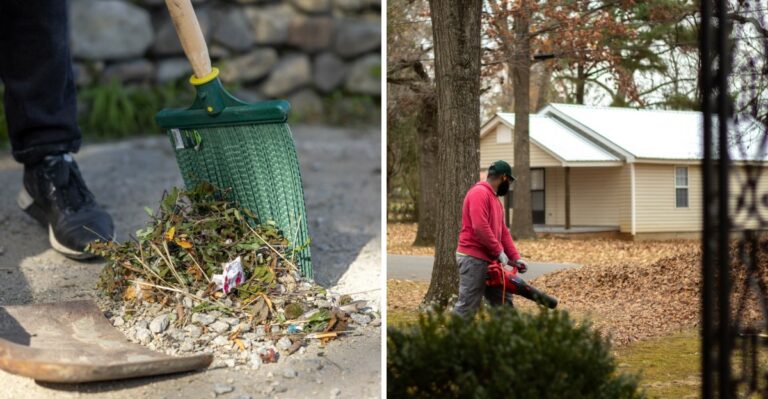
You do not have to bag every leaf, and your back will thank you for knowing that. Running a mower over light layers chops them into small bits that return helpful nutrients to the soil.
Aim for pieces about the size of a dime, so grass blades still peek through after mowing. Heavy piles are another story, and those should be raked or blown into beds or a compost pile.
Shredded leaves make wonderful mulch around shrubs and perennial beds, keeping the soil cozy through chilly winter nights. Clearing leaves off the lawn also removes hiding spots where some pests like to spend the colder months.
I can’t imagine a better excuse for a crisp afternoon outside than shuffling through leaves with a rake. Making several lighter passes through the season feels easier than one giant struggle with a soggy mat.
6. Blow The Water Out Of Sprinkler Lines
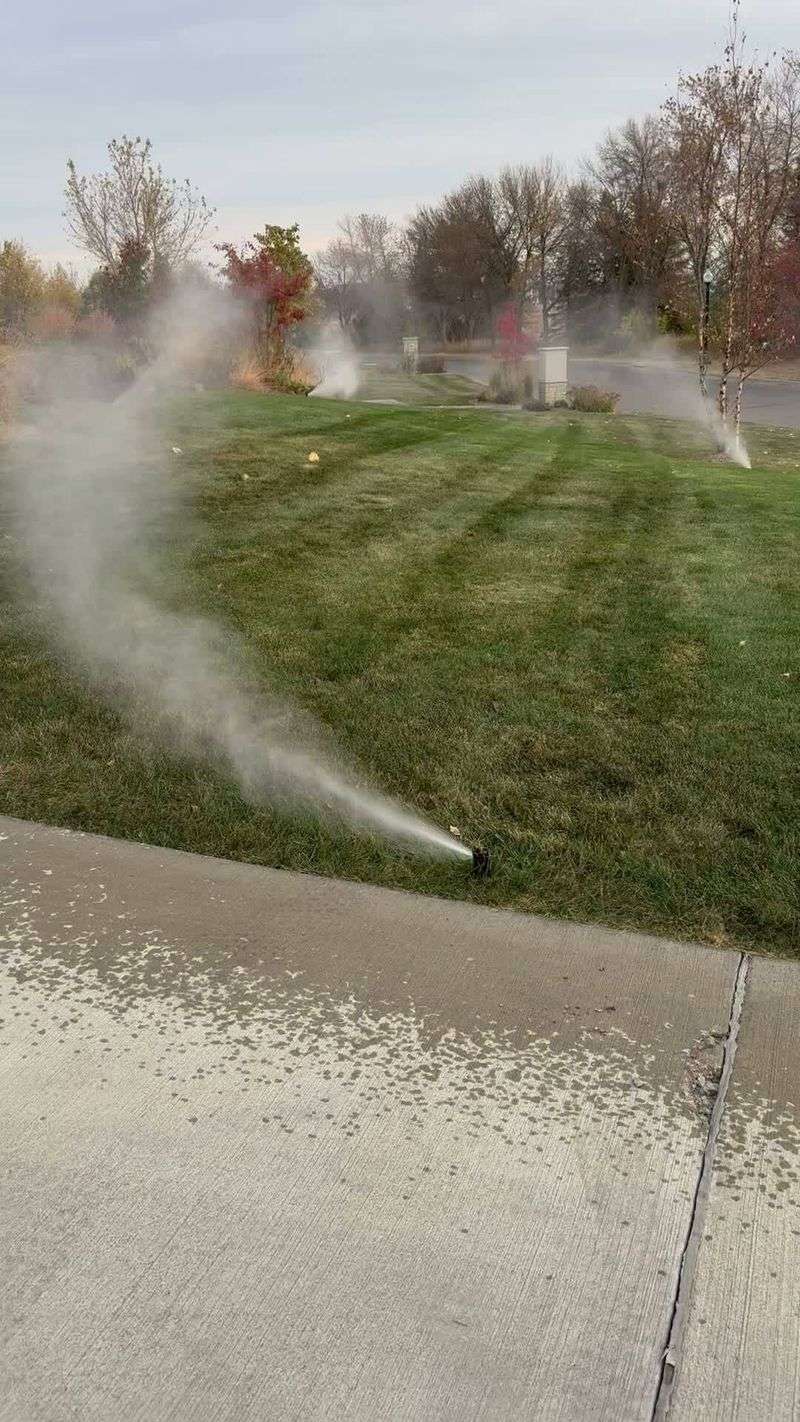
Water expands when it freezes, and that simple science fact can crack sprinkler pipes overnight in late fall. One cold snap with water still trapped in the lines can turn into a surprisingly expensive spring repair.
The first step is shutting off the main water supply that feeds your irrigation system from the house. Look for that valve in your basement or crawl space, or sometimes near the backflow device outside.
Next, every bit of water needs to leave the pipes and sprinkler heads before freezing weather settles in. Many systems are cleared by blowing compressed air through each zone until only mist sprays from the heads.
Blowouts need the right air pressure and careful steps, since too much force can damage system parts. That is why plenty of homeowners hire a pro, and many companies across Ohio offer this service each fall.
Exposed parts like the backflow preventer and any above-ground pipes also deserve some extra cold-weather protection this month. Foam pipe insulation or an insulated cover helps shield them from icy wind whipping across the yard.
Book your appointment early, because local sprinkler companies often get swamped once the forecast first mentions frost. Mid to late October is a common target, giving you time before the coldest nights roll in.
Do not forget outdoor spigots, which should be drained and protected with a simple faucet cover too. A few minutes of prep now feels much better than discovering a geyser in your yard next spring.
7. Drop The Deck For One Last Trim

Your final mow of the year deserves a little strategy, and it is not just another Saturday chore. Gradually lowering the mower deck as cold weather approaches helps the lawn head into winter in better shape.
Many lawn care sources suggest the last cut leave grass roughly 1.5 to 2 inches tall before winter. Shorter grass lets more sunlight reach the crown, which is the growing point near the soil surface.
Better airflow is another perk, since long matted grass under snow can encourage a fungus called snow mold. Snow mold shows up as gray or pinkish patches in spring, and shorter grass helps reduce that risk.
Lower the height in small steps rather than scalping the lawn all at once in one afternoon. Cutting off more than one third of the blade at a time stresses grass and weakens the roots.
Keep mowing as long as the grass keeps growing, which often continues well past the first light frost. Try to mow when blades are dry, since wet clippings clump up and smother patches of turf beneath.
Avoid mowing frosty grass in the morning, because frozen blades snap easily and footprints can leave brown tracks. Waiting until the sun melts the frost by late morning keeps the turf happier and your shoes drier.
I believe this last tidy trim is one of the most satisfying jobs of the whole season. The yard looks crisp and neat, almost like a fresh haircut before the long winter break begins.
8. Tuck The Mower In For Winter
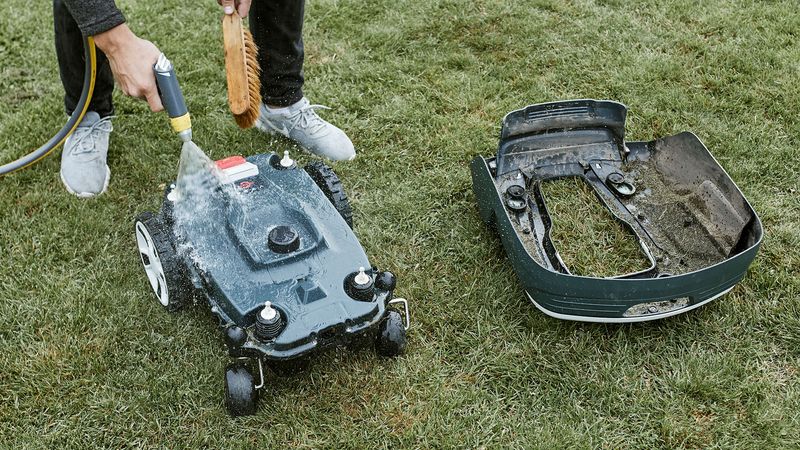
Your mower worked hard all season, and stuffing it in the shed dirty is a recipe for spring headaches. Old fuel can break down over winter, gumming up the carburetor and leaving you yanking a stubborn pull cord.
Start by cleaning the deck, scraping off caked grass that holds moisture and invites rust on metal parts. Disconnect the spark plug wire first for safety, then tip the mower according to the owner’s manual directions.
Fuel needs attention next, and you have two solid choices depending on your engine and personal preference. Add a fuel stabilizer and run the engine briefly, or drain the tank until it runs dry.
Changing the oil now removes dirty residue that could slowly harm engine parts while the mower sits idle. Swapping in a fresh air filter and fuel filter also keeps the engine breathing easy next spring.
Sharp blades cut grass cleanly, while dull blades tear the tips and leave a ragged brownish look. Fall is a great time to sharpen or replace blades, since repair shops get busy once spring arrives.
Battery-powered and electric start mowers need care too, so store batteries indoors where temperatures stay above freezing. Charge them fully before storage, and check the manual for any specific winter maintenance tips from the maker.
Personally, I find a clean, tuned mower on that first warm day feels like a small gift. A tidy shed corner with ready equipment means one less thing to worry about when the grass wakes up.