Yard Features That Could Soon Be Banned In Ohio Neighborhoods
You might assume your yard follows every rule on the books. In some Ohio towns, it might not.
Ohio towns, townships, and associations keep rewriting what counts as acceptable outside your front door. Some changes come from safety worries.
Others come from the environment, or from the neighbors who’ve simply had enough. A few of the targets surprise people, since they look perfectly ordinary and have stood in yards for decades.
Nobody mails out a warning. Homeowners usually hear about a new rule after a letter lands in the mailbox, with a time limit stamped on it and a fine hanging overhead.
A handful of features sit near the top of the watch list, and you might own one without a clue.
Walk the yard this weekend with fresh eyes. A little homework now beats a rushed teardown later.
1. Bare Dirt And Gravel Tree Lawns In Shaker Heights
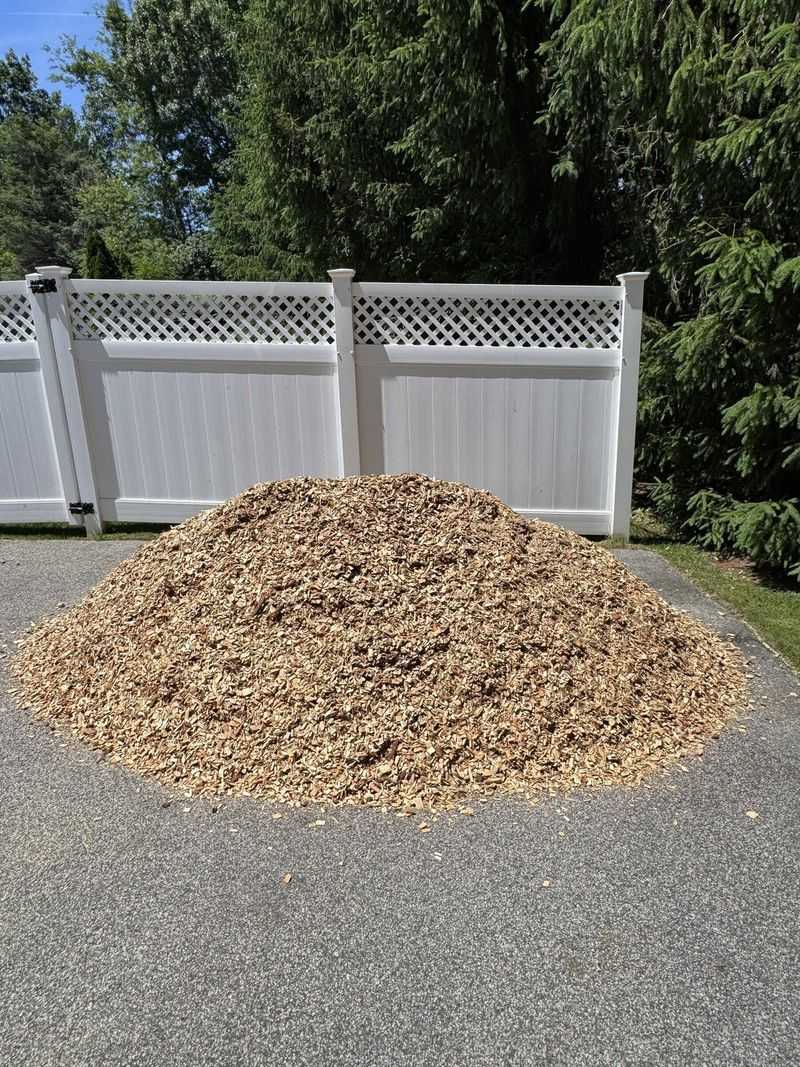
Gravel feels like a clever shortcut when grass refuses to grow. In Shaker Heights, that shortcut can land you in hot water with the city.
The strip between your sidewalk and the curb is called a tree lawn. Shaker Heights treats it as public right-of-way, even though you are the one who mows it.
City ordinances say owners cannot place or allow bare dirt or gravel in that strip. The rule came from updates meant to make landscaping codes clearer and more consistent.
Why so picky about a little patch of stones? Loose gravel can scatter onto sidewalks and streets, which creates tripping and slipping risks.
Bare dirt has its own problems, too. Rain washes it into storm drains, and it turns into a muddy mess during spring thaws.
City crews also need that space for leaf and brush pickup. A clean, planted strip makes their job faster and safer for everyone on the block.
The fix is fairly simple and budget friendly. Grass seed, low ground covers, or approved short plants all work well in most tree lawns.
Struggling with shade from a big street tree? Try a shade-tolerant fescue blend or a creeping ground cover that handles dry roots.
Before you plant anything fancy, call the city or check its website. A quick question now beats a costly redo later.
2. Leaves Blown Into The Street In Sebring
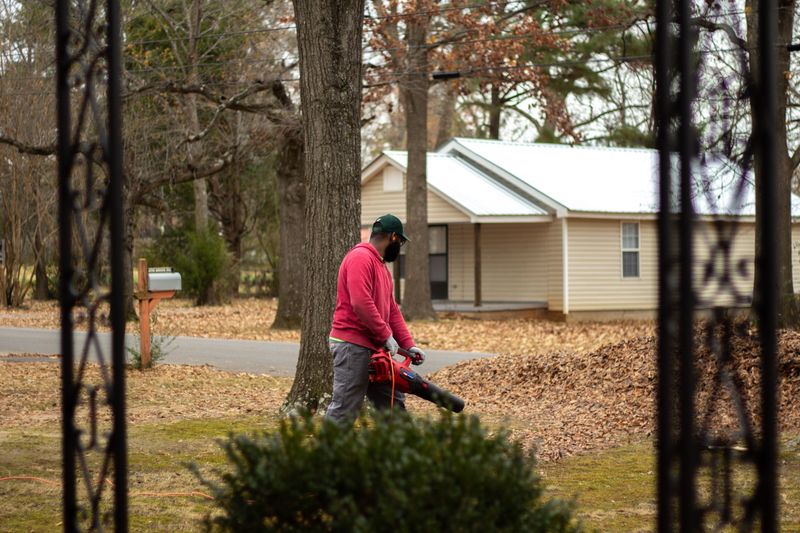
Few sounds say autumn like the roar of a leaf blower on a Saturday morning. Aiming that blast toward the curb, though, may cause more trouble than you expect.
Small towns like Sebring take street safety seriously, and many Ohio communities discourage blowing yard waste into roads. Rules vary by village, so checking local code is a smart first move.
Wet leaves on pavement act a lot like ice. Bikes, scooters, and cars can skid when tires hit a slick, soggy pile.
Storm drains are another big concern. Leaves clog grates fast, and heavy rain then backs up into streets, yards, and even basements.
Here is a fun fact to share with your neighbors. Rotting leaves release nutrients like phosphorus, which can feed algae blooms in local streams and lakes.
Your Ohio Garden Changes Every Week. Your Plan Should Too.
Gardening in Ohio changes quickly throughout the season. Every Friday you’ll receive a simple weekly plan showing exactly what to plant, prune, fertilize, harvest, and protect so you never miss the right timing.
So what should you do with that colorful mountain instead? Mulching leaves with your mower is easy, free, and great for your grass.
Shredded leaves also make wonderful compost or a cozy winter blanket for flower beds. Your garden will thank you next spring with richer soil.
If your town offers curbside pickup, follow its exact instructions. Some want bags, while others want piles placed behind the curb, not in the gutter.
A quick call to the village office clears up any confusion. Then you can enjoy that blower without worrying about a warning letter.
3. Diseased Trees Left Standing In Celina
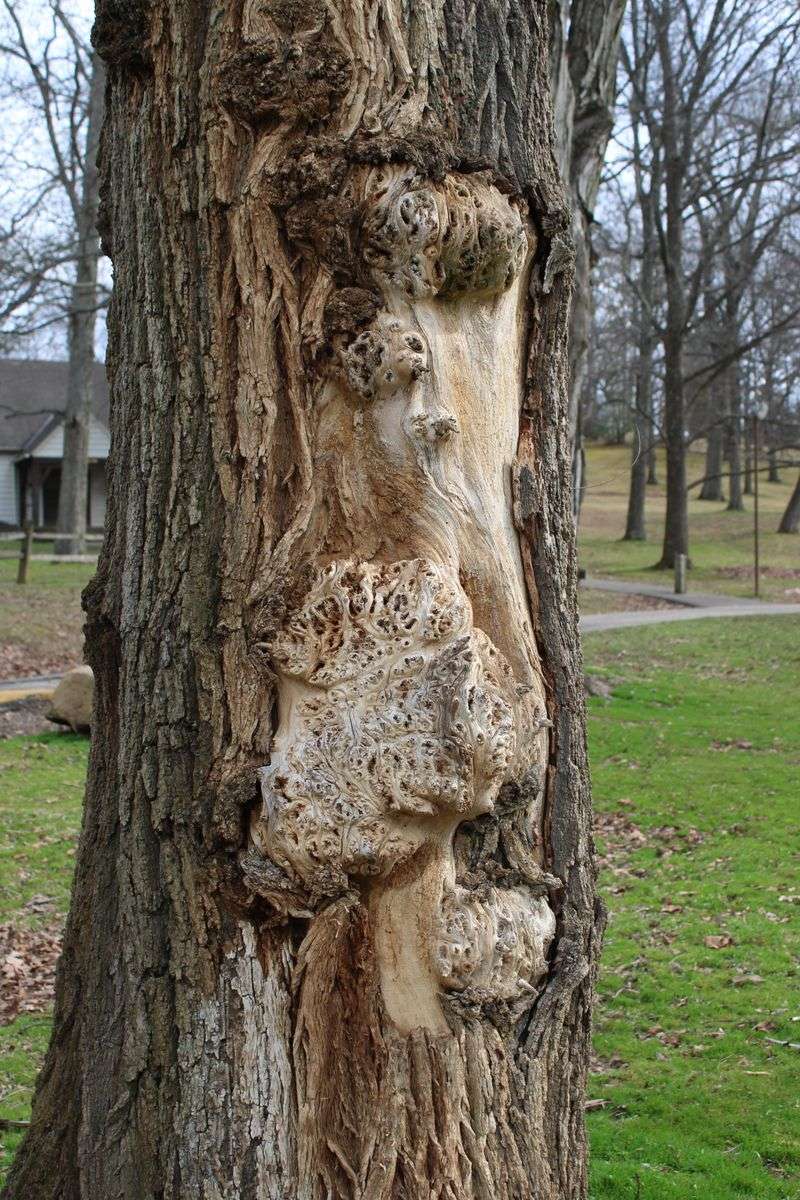
That old tree has watched your kids grow up and shaded countless summer picnics. Letting go is hard, but a sick tree can turn into a real hazard.
Celina’s codified ordinances require owners to remove diseased, lifeless, or dangerous trees on their property. The rule also covers trees that hang over public spaces like sidewalks and streets.
The goal is simple and practical. City leaders want to protect people and property from falling limbs and toppling trunks.
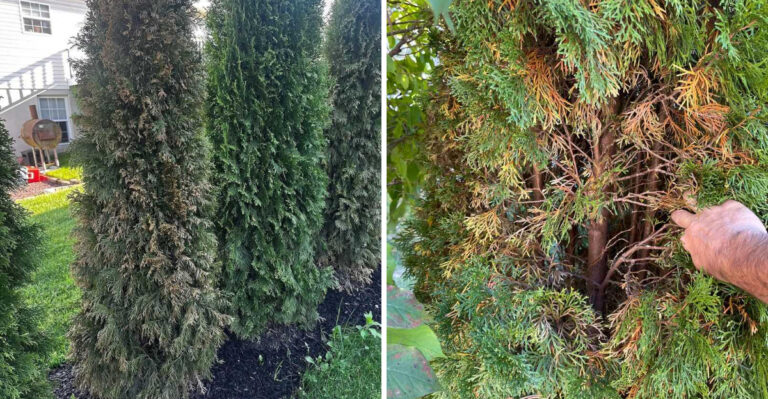
Spotting trouble early helps a lot. Look for missing bark, mushrooms near the base, deep cracks, or branches with no leaves in summer.
Another warning sign is a sudden lean that was not there before. Soft, crumbly wood near the roots is also a red flag.
Not every sad-looking tree needs to come down, though. A certified arborist can tell you if pruning or treatment might save it.
Most arborists charge a modest fee for an inspection. That cost is tiny compared to a crushed car, a damaged roof, or an injured neighbor.
If removal is needed, get a few quotes from insured tree services. Ask about stump grinding and cleanup so nothing surprises you on the bill.
Once the old tree is gone, consider planting a sturdy native replacement. A young red maple or swamp white oak can start a brand-new chapter.
4. Tree Lawn Plants Taller Than 24 Inches In Shaker Heights

Grab a ruler and head outside for a moment. In Shaker Heights, two feet is the magic number for tree lawn plants.
City ordinances generally limit plants in tree lawns to a height of 24 inches. Flower stalks do not count, and street trees cared for by the city are exempt.
There is an even stricter rule near fire hydrants. Anything growing within three feet of a hydrant cannot top six inches tall.
Think about a firefighter racing to a burning home at night. Hunting for a hydrant hidden behind ornamental grass wastes precious seconds.
Height limits also help drivers and walkers see each other. A child stepping off the curb is much easier to spot over low plants.
Luckily, plenty of beautiful options stay short and tidy. Creeping thyme, sedum, dwarf hostas, and low catmint all look lovely and behave well.
Native choices like wild strawberry or prairie smoke also fit nicely. Pollinators love them, and they rarely need much water once settled in.
Already have taller plants out front? Move them to your backyard beds, where they can stretch as high as they please.
A quick trim each June keeps everything in check. Your tree lawn stays charming, legal, and friendly to everyone passing by.
5. Leaves Raked Into Mansfield Streets
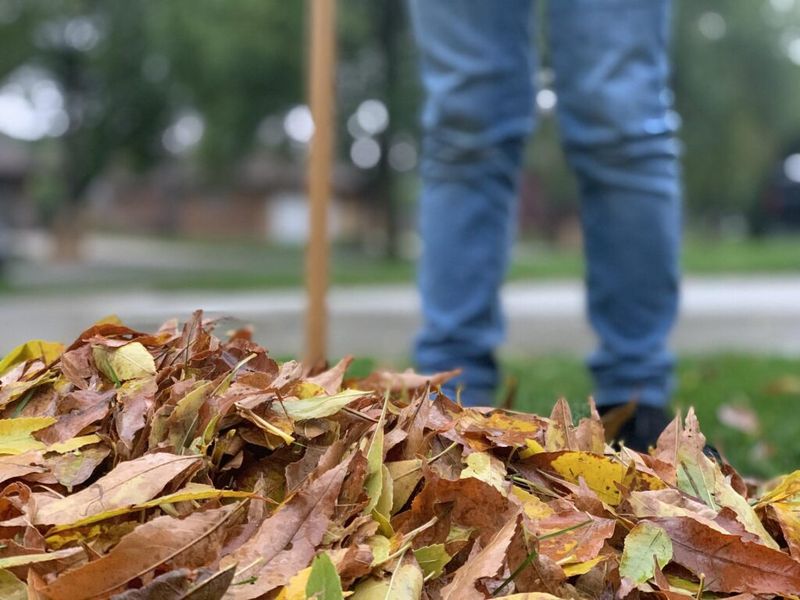
Raking leaves into a giant pile is a classic fall tradition. Jumping in is even better, but pushing that pile into the street is another story.
Many Ohio cities, including places like Mansfield, set rules on how and where yard waste goes. Specific details can change, so look up the current city code or call the service department.
Leaf piles in the road narrow driving lanes and hide the curb. Cars swerving around them can create close calls with cyclists and kids.
Gutters and drains suffer too. Once leaves pack into a grate, rainwater has nowhere to go but sideways.
Flooded corners and icy patches often follow in early winter. That makes walking to the bus stop a slippery adventure nobody enjoys.
Instead, keep your piles on your own grass or just behind the curb if collection allows it. Paper yard waste bags are another tidy choice.
Many people overlook a free gift sitting in their yard. Leaves break down into rich, crumbly leaf mold that gardeners treasure.
Pile them in a back corner with a simple wire ring around them. By next year, you will have a dark, earthy soil booster.
Your street stays clear, your drains stay open, and your garden gets a treat. That is a win on every side.
6. Hazardous Trees Ignored Past Notice In Canton
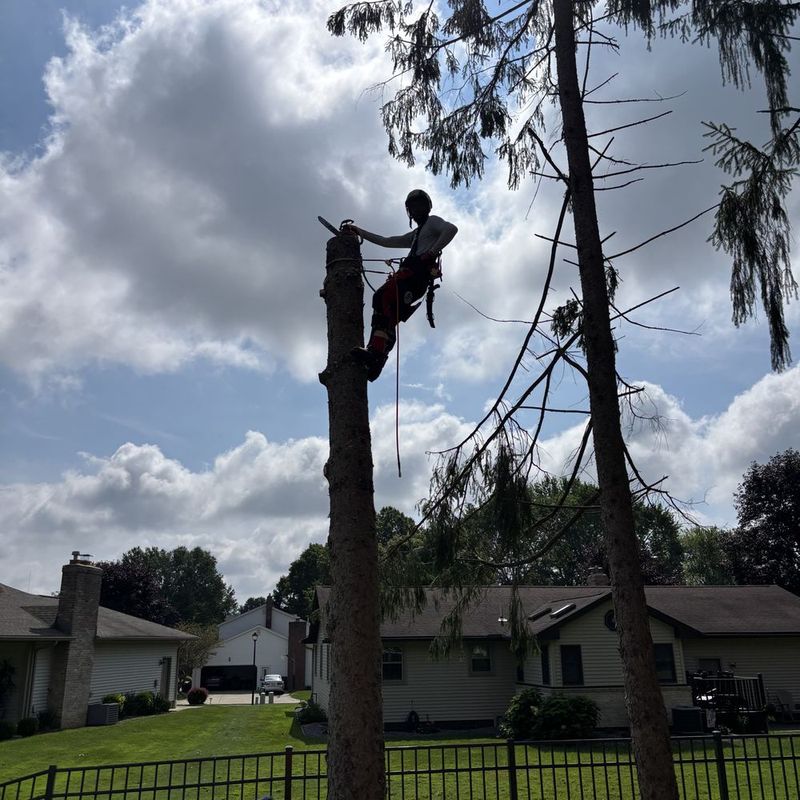
Imagine a heavy limb cracking during a summer storm and landing on a parked car. Now imagine you knew it was cracked weeks earlier.
In Canton, property owners are responsible for handling lifeless trees or parts of trees that become a nuisance or hazard. That includes trees on the tree lawn that threaten streets or sidewalks.
The city has a Tree Commission that works to keep local trees healthy and safe. Its job is to protect both the leafy canopy and the people walking under it.
Ignoring a known problem carries real risk. If you knew about a damaged tree and did nothing, you could face liability for any harm it causes.
That could mean paying for a smashed windshield, a broken fence, or worse. Insurance companies may also ask hard questions about why repairs were delayed.
So if a notice shows up, treat it as a friendly nudge, not an insult. Read it carefully and note any cutoff date listed.
Next, call a licensed arborist for an honest opinion. Sometimes a careful trim solves the issue without removing the whole tree.
Keep receipts and photos of the work once it is done. They prove you acted responsibly if questions come up later.
Acting quickly shows good faith and keeps neighbors safe. It also lets you sleep soundly through the next windy night.
7. Invasive Plants Along Shaker Heights Tree Lawns
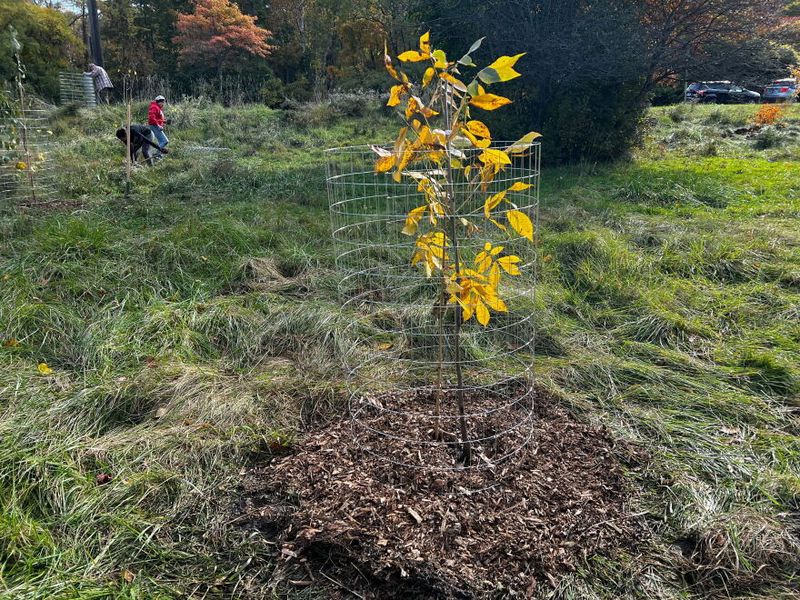
Some plants show up looking innocent and then take over like uninvited houseguests. Shaker Heights has decided those troublemakers do not belong in tree lawns.
City ordinances prohibit noxious weeds and invasive plant species in the tree lawn strip. The rules follow definitions from the Ohio Department of Agriculture.
The state labels these plants as threats to farming, natural ecosystems, and wildlife. They spread fast, crowd out native species, and offer little food for local critters.
Common offenders around Ohio include garlic mustard, Japanese knotweed, and bush honeysuckle. Callery pear, once a popular street tree, is now on the state list too.
Here is a quirky bit of history. Bush honeysuckle was once promoted for erosion control and wildlife cover before folks realized how aggressive it gets.
Pulling small invaders by hand works best in spring when soil is soft. Bag them instead of composting, since seeds can survive a backyard pile.
Larger shrubs may need digging or help from a landscaping pro. Stay patient, because roots often send up new sprouts for a season or two.
Fill the empty spaces with native ground covers or low wildflowers. Bees and butterflies will happily move into the new neighborhood.
The Ohio Department of Agriculture keeps an updated invasive list online. Bookmark it before your next garden center trip.
8. Lawn Debris Dumped Onto Vanlue Streets
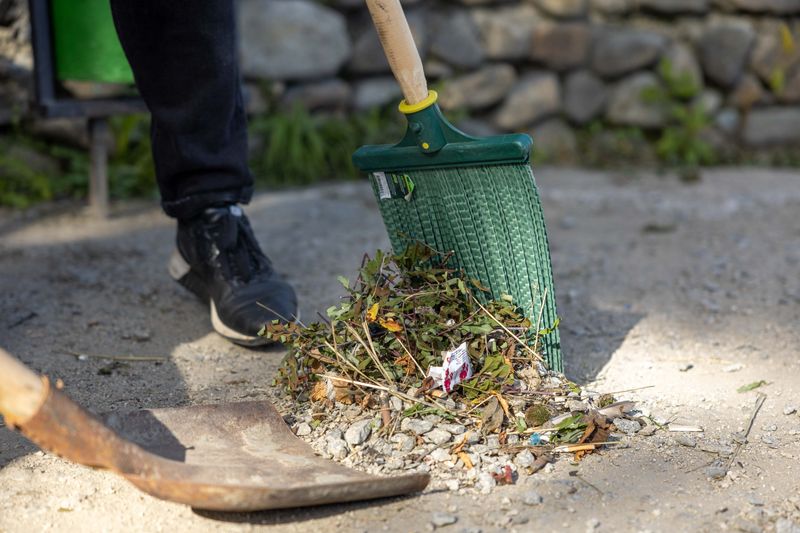
Grass clippings shooting out of a mower can land just about anywhere. When they end up on the road, a small village like Vanlue notices quickly.
Many Ohio villages have rules against dumping yard waste on public streets. Details differ from town to town, so a quick check with the village office is wise.
Clippings might seem harmless, yet they can be surprisingly slick. Motorcycles and bicycles are especially at risk on a fresh green layer.
Branches and twigs bring their own headaches. They puncture tires, scratch paint, and become flying hazards under passing wheels.
Debris also washes into ditches and drains during summer storms. Clogged culverts can flood roads and nearby fields in rural areas.
The easiest habit to build is mowing with the discharge chute pointed toward your lawn. Clippings then feed your grass instead of littering the street.
Did you know grass clippings can supply a good share of a lawn’s yearly nitrogen needs? Leaving them in place is called grasscycling, and it saves fertilizer money.
For branches, stack them neatly for brush pickup or haul them to a local drop-off site. Some neighbors even chip them for garden paths.
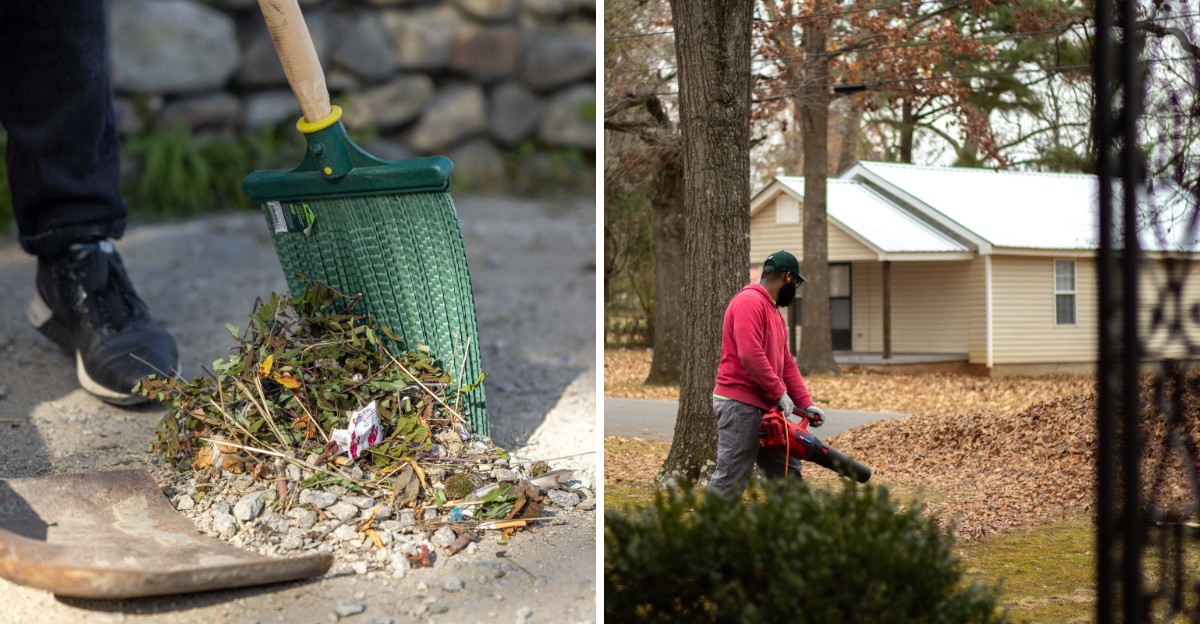
A leaf blower or broom sweeps up any strays in seconds. Your road stays clean, and the village stays happy.
9. Infected Elms Left Unburned In Belpre
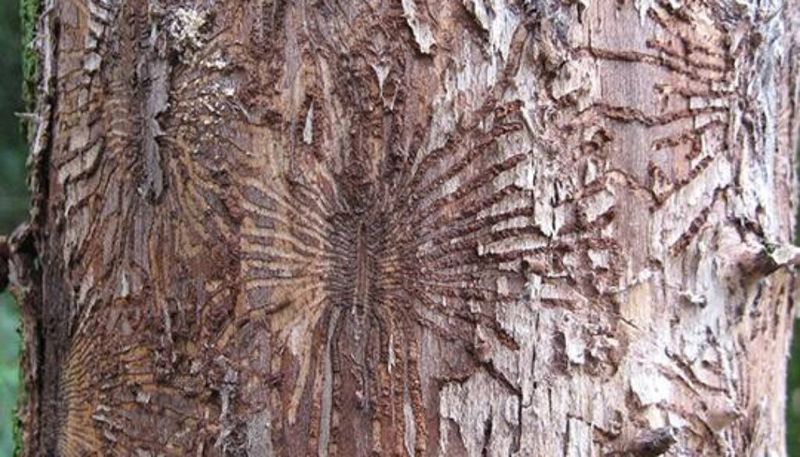
Grandparents across Ohio still talk about streets once lined with towering elm trees. Then Dutch elm disease swept through and changed those streets for good.
The fungus spreads through tiny bark beetles and connected roots. Infected wood left lying around can become a beetle nursery for the next season.
Belpre takes this threat seriously. Its city code says all elms infected with Dutch elm disease must be burned within thirty days, and the city can order owners to treat or remove infected trees that could spread trouble to trees in public places.
Burning rules can be tricky, so call city officials before you light anything. They can explain exactly how they want infected wood handled.
Watch for early warning signs in late spring or summer. Leaves that wilt, yellow, and curl on one branch, called flagging, are a classic clue.
Peel back a little bark on that branch if you can. Brown streaks in the wood underneath often point to infection.
Act fast by calling a certified arborist for a diagnosis. Catching it early may allow treatment or careful pruning to slow the spread.
Avoid stacking elm logs as firewood with the bark still on. Beetles love that setup and can carry trouble to neighbors.
If you replant, try disease-resistant elm varieties like Princeton or Valley Forge. They bring back that graceful vase shape with less worry.