Why More Ohio Homeowners Are Switching To Turf-Type Tall Fescue
Bluegrass had a good run in Ohio. Now more neighbors are quietly ripping it out, and their lawns look better for it.
Summer heat, dry spells, and weekend watering chores wore plenty of homeowners down. They went hunting for something tougher, and one grass kept coming up in conversation at every garden center.
The switch takes some planning, and the timing isn’t random. A bad start can leave you with the patchy mess you were trying to escape.
Hear them out before you reseed your own yard this year. Ohio lawns are changing, and the shift has a reason.
1. Today’s Turf-Type Varieties Aren’t Old Kentucky 31
Grandpa might wrinkle his nose when you mention tall fescue. He probably remembers Kentucky 31, a rough grass made for feeding cattle.
K-31 started out as a pasture plant, and it looked the part. The blades were wide and coarse, and the color leaned toward a pale, washed-out green.
It also grew fast, so you had to mow more often. That made it a tough sell for anyone wanting a neat front yard.
Things changed starting in the 1970s. Plant breeders began creating turf-type tall fescue just for home lawns.
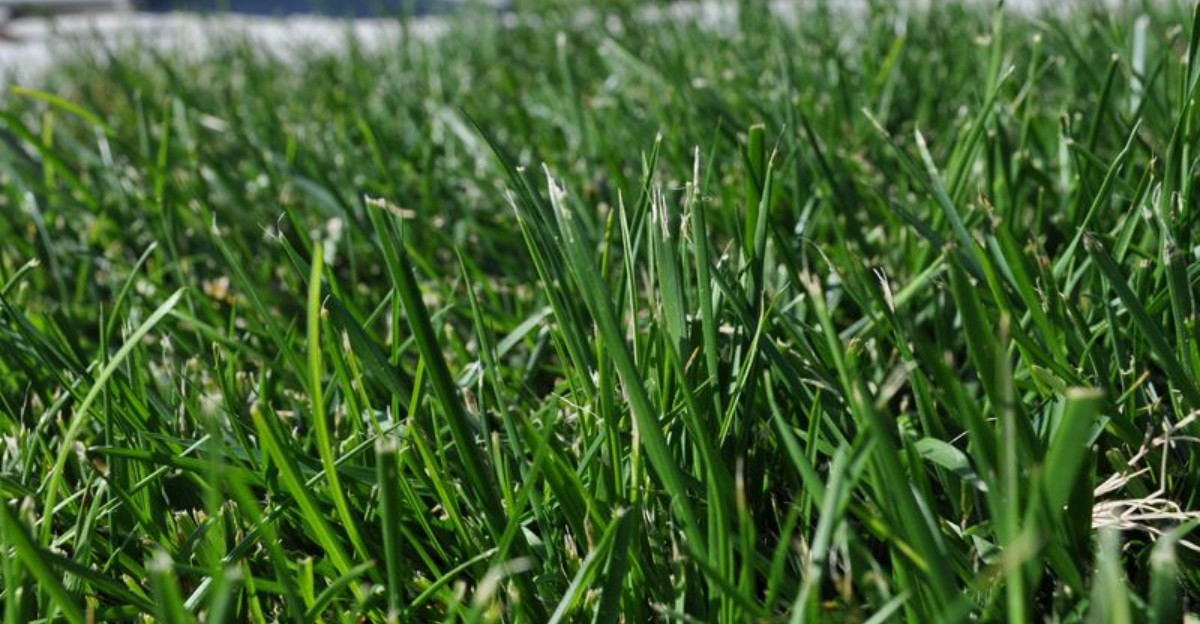
These newer types have thinner blades and a rich, dark green color. They grow thicker, too, so the lawn feels soft and full under bare feet.
Breeders also worked hard on disease resistance. That means fewer brown patches and less worry during muggy Ohio summers.
Here is a fun way to tell them apart. Run your hand across the grass, and K-31 feels scratchy while turf-type feels closer to carpet.
When shopping, read the seed bag carefully. If it lists only Kentucky 31, you are buying the old pasture grass.
Look for labels that say turf-type tall fescue, ideally with named varieties. Those names are your clue that the seed was bred for lawns, not livestock.
2. Dozens Of Varieties Now Suit Ohio Conditions
Walk into any garden center and you may feel like you are reading a race car lineup. Names like Rebounder, Speedway, and Houndog 8 fill the seed labels.
Each of those names is a turf-type tall fescue variety. Breeders have released dozens, and many perform well in our yards.
The state sits in the transition zone, a tricky spot for grass. Summers get hot and humid, while winters can turn bitter cold.
The Ohio State University Extension calls tall fescue a tough species for these swings. It handles drought and adapts to many soil types found across the state.
Blends sold around Columbus often include Rebounder, Trending, and Crossfire 4. Other strong performers include Gallardo, Grande 3, Nightcrawler, Rowdy, SR 8650, Regenerate, and Bonfire.
Local sod farms are joining in, too. Eastgate Sod offers a three-way mix of elite tall fescues built for the Cincinnati area.
So why buy a blend instead of one variety? Mixing types spreads out the strengths, so one variety can cover where another struggles.
Pennington and other brands design blends for heat, cold, shade, and disease. Pick one that matches your yard, and check the label for weed seed content before buying.
Your Ohio Garden Changes Every Week. Your Plan Should Too.
Gardening in Ohio changes quickly throughout the season. Every Friday you’ll receive a simple weekly plan showing exactly what to plant, prune, fertilize, harvest, and protect so you never miss the right timing.
3. Roots Can Reach 15 Inches Deep
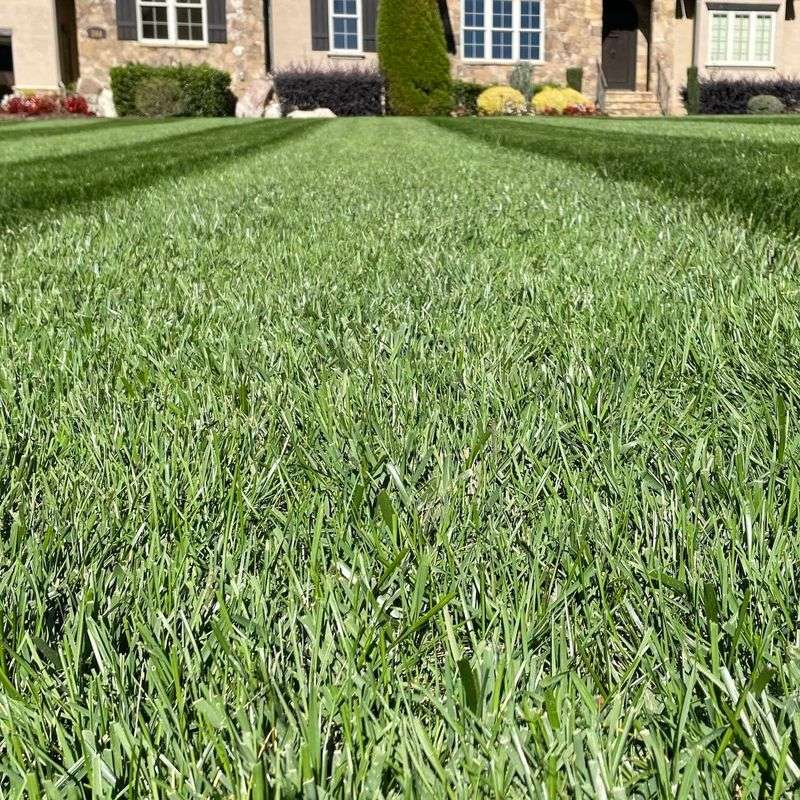
Fifteen inches. That is about the length of a school ruler plus a bit more, and turf-type tall fescue roots can easily go that far.
In good soil, they often go much deeper. Many tall fescue lawns send roots down two to three feet.
Some modern varieties, grown in ideal ground, have reached four to six feet. The University of California, Davis lists tall fescue among the deep-rooted grasses.
Why should you care about something you cannot see? Roots are the hidden engine of your lawn.
Deep roots act like long straws pulling moisture from far below. They also anchor the plant, so it stands up better to kids, dogs, and backyard games.
You can help those roots stretch even farther. Mow high, around three and a half to four inches, since taller blades feed stronger roots.
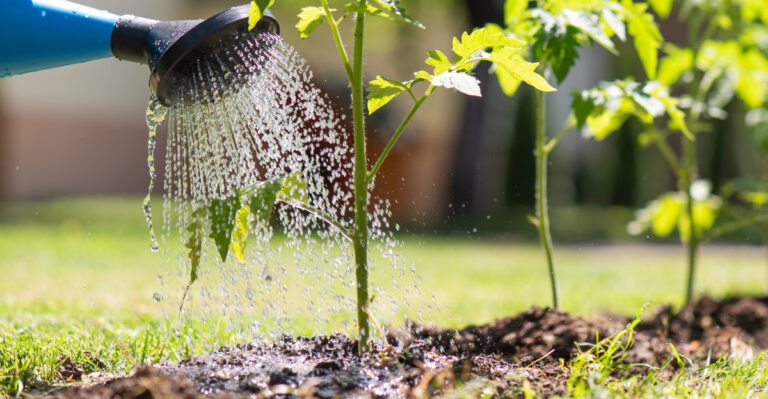
Water deeply but less often, too. A long soak once or twice a week teaches roots to chase moisture downward.
Short, daily sprinkles do the opposite. They keep roots lazy near the surface.
Want to peek? Dig a small plug with a shovel in fall and measure the roots with a tape.
The results may impress you.
4. Bluegrass Roots Stop Around 5 To 6 Inches
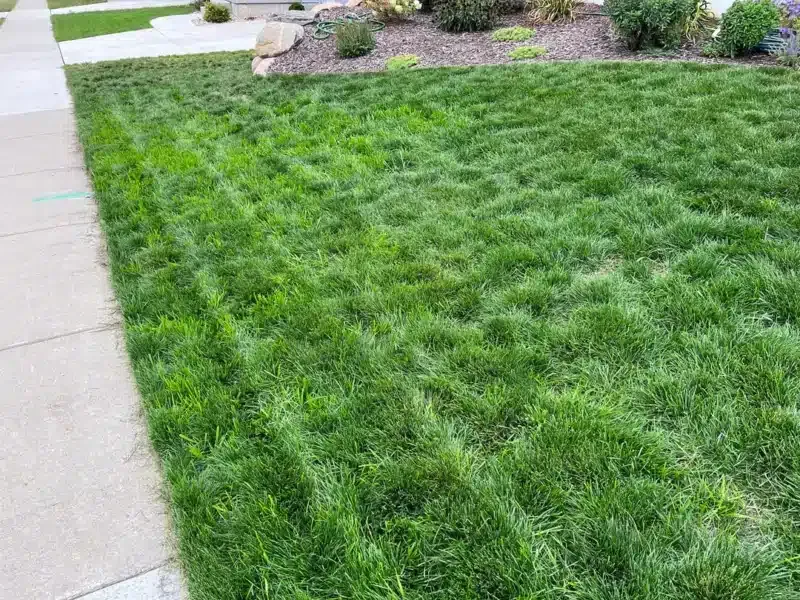
Kentucky bluegrass has long been Ohio’s sweetheart grass. It looks lush, feels soft, and spreads nicely, but its roots tell a different story.
Most bluegrass roots grow four to eight inches deep. Some sources say they can stretch to a foot, yet the busy part sits in the top five or six inches.
Think of it like a shallow kiddie pool versus a deep lake. When the weather turns dry, the kiddie pool empties first.
That shallow root zone dries out quickly in a hot spell. Bluegrass then goes dormant and turns tan to save energy.
Dormancy is a survival trick, not the end of the road. The grass usually greens up again when rain returns, but your yard looks rough in the meantime.
Shallow roots also make bluegrass more needy. It often asks for extra water and more fertilizer to keep its rich color.
None of this makes bluegrass a bad grass. It still shines in sunny spots with steady care.
The point is simply about fit. If your summers bring watering bans or long dry stretches, a deeper-rooted grass may save you stress and a pile of money.
5. Deeper Roots Mean Less Water And Fertilizer
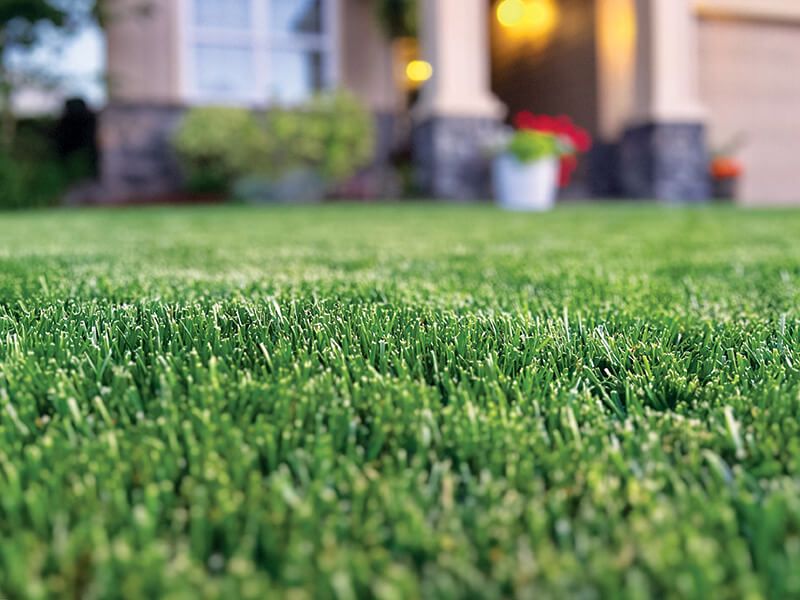
Your water bill might be the happiest part of this switch. Tall fescue needs about one inch of water per week.
That is roughly 30 percent less than the minimum Kentucky bluegrass wants. Over a long summer, those savings add up fast.
The secret is still those deep roots. While bluegrass browns during a dry spell, tall fescue can tap moisture far below the surface.
Deeper roots also help the lawn handle heat stress. The grass stays greener on those sticky August afternoons.
Fertilizer works the same way. Tall fescue does fine with low to moderate feeding, so you can skip a few bags each year.
Here is a twist many folks miss. Too much fertilizer can raise a lawn’s thirst, pushing fast top growth that needs more water.
A simple plan works well in Ohio. Feed mostly in early fall, with a lighter touch in late spring if needed.
Use a rain gauge or an empty tuna can to track watering. When it fills to an inch, you can turn off the hose.
Less water, less fertilizer, and less fuss leave you with more free weekends.
6. It Handles Shade Better Than Bluegrass

Ohio loves its big shade trees. Maples, oaks, and sycamores make summer porches pleasant, but they can be rough on grass below.
Kentucky bluegrass struggles in shade. Under a thick canopy, it thins out and leaves bare, muddy patches.
Turf-type tall fescue handles those spots much better. It grows well in partial shade, where it gets only a few hours of sun each day.
Some varieties go even further. Nightcrawler, for example, can thrive in full sun and in deep shade alike.
Picture the north side of your house, where sunlight barely reaches. That stubborn strip could finally fill in with green.
A few tricks help shady fescue succeed. Mow a little higher there, since longer blades catch more light.
Cut back on fertilizer in shade, too. Grass with less sun grows slower and needs less food.
Rake fallen leaves quickly in autumn so they do not smother young grass. Thinning a few low tree branches can also let in extra light.
Deep shade under evergreens may still be too much for any grass. For those spots, mulch or ground covers can be the smarter pick.
7. It Builds Less Thatch Than Bluegrass
Ever walked across a lawn that felt oddly spongy? That bounce is often thatch, a mat of stems and roots tangled between the grass and soil.
A thin layer is fine and even helpful. Once it gets past half an inch, though, it blocks water, air, and fertilizer from reaching the roots.
Kentucky bluegrass is known for building heavy thatch. Its spreading stems pile up, especially when owners pour on too much nitrogen.
Tall fescue grows in clumps instead of creeping runners. As a result, it usually makes very little thatch.
For many homeowners, that means fewer weekends spent renting a dethatching machine. Your rake can stay in the shed a bit longer.
Some reports do mention slightly more thatch from certain newer and dwarf fescues. Even so, the general rule holds that tall fescue builds less than bluegrass.
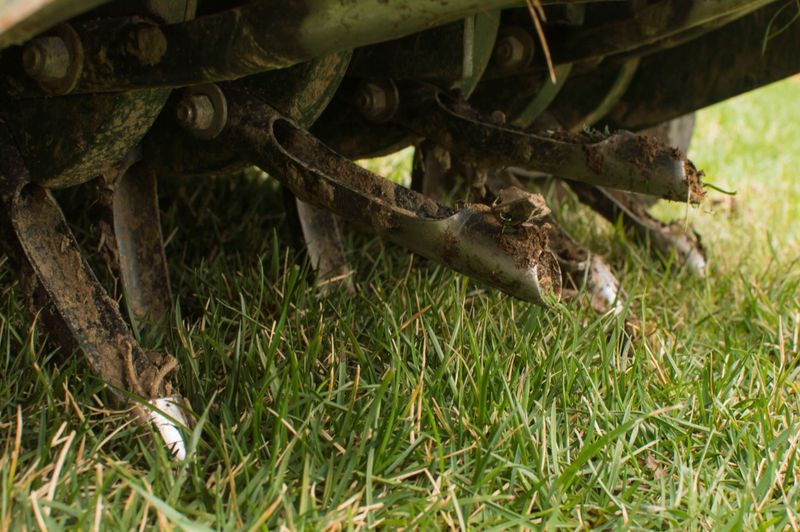
Core aeration takes care of any buildup. The machine pulls small plugs of soil, letting air and water slip down to the roots.
Early fall is a great time to aerate in the state. Pair it with overseeding, and the new seed lands right in those fresh holes for strong germination.
8. Grubs Can Still Be A Problem
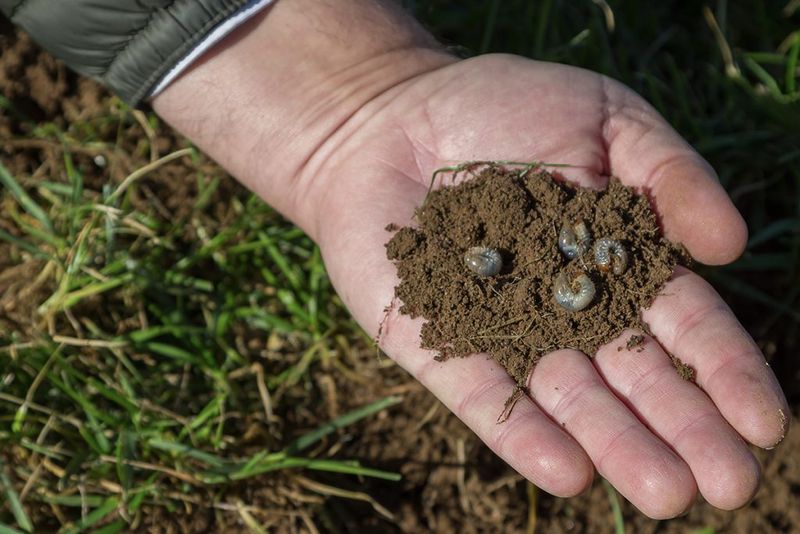
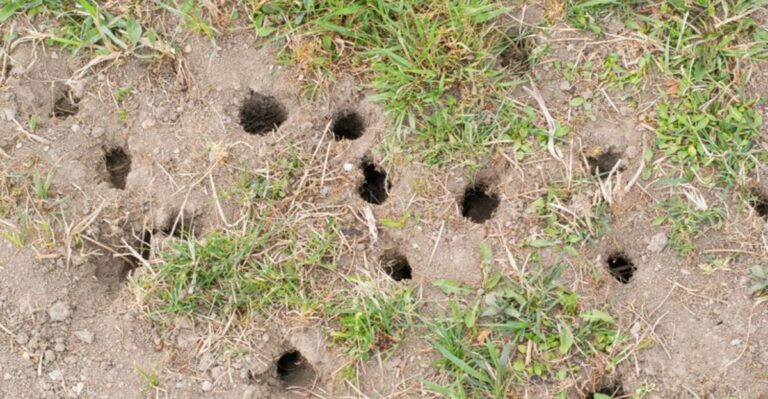
No grass is perfect, and tall fescue has a soft spot. White grubs, those curled, cream-colored larvae, still like to munch on its roots.
Grubs hatch from beetle eggs, including Japanese beetles. They feed underground, leaving brown patches and turf that peels up like a loose rug.
Good news comes with that warning, though. Tall fescue usually tolerates grubs better than bluegrass or perennial ryegrass.
Research shows fescue may not show damage until there are about 12 to 14 grubs per square foot. Bluegrass and ryegrass can struggle with just 8 to 10.
Some fescues contain endophytes, helpful fungi living inside the plant. They can fend off pests like sod webworms, but they offer little help against grubs.
So how do you check? In late summer, cut a one-foot square of sod on three sides and fold it back.
Count the grubs you find. If the number tops the danger level, it may be time to act.
Ohio State University Extension lists grubs as a challenge for fescue in certain areas. If they return every year, a preventative grub product applied in early summer can protect your lawn.
9. Mixing It With Bluegrass Can Boost Performance
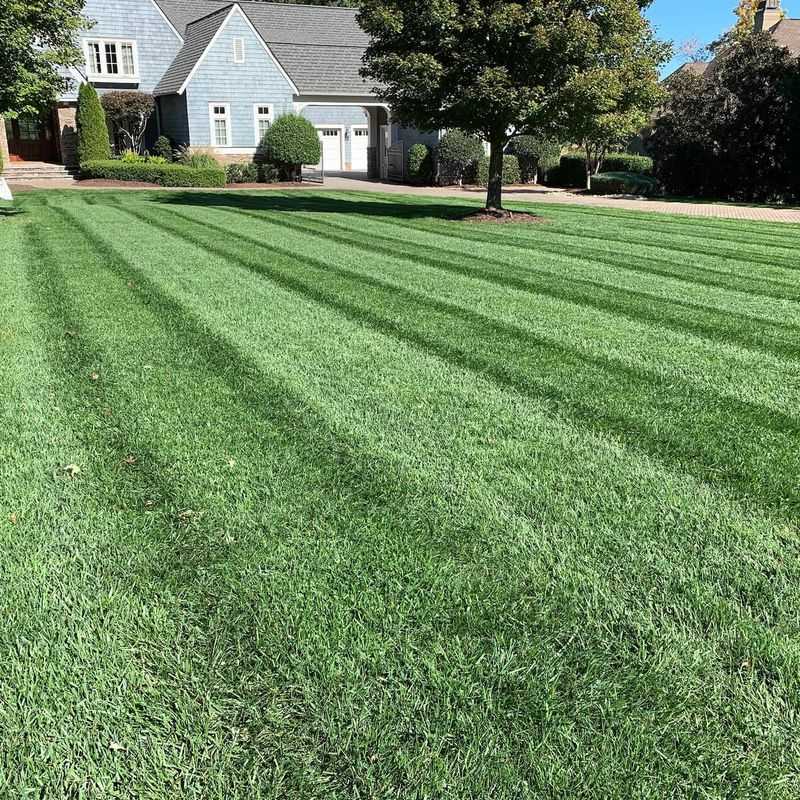
Sometimes the best answer is not either-or. Plenty of lawns blend tall fescue with a little Kentucky bluegrass, and the teamwork pays off.
Each grass brings its own gifts. Tall fescue adds toughness, deep roots, and shade tolerance.
Bluegrass adds softness and spreads with underground runners. Since fescue grows in clumps, bluegrass slips into the gaps and knits the lawn together.
That spreading habit also helps with repairs. If a dog digs a hole, bluegrass can creep in and patch it faster.
Mixing species boosts variety, too. A disease that hits one grass may leave the other alone, so the lawn stays mostly green.
Blends can also mean fewer pest problems and better results in both sun and shade. Some homeowners even see lower water and fertilizer needs.
The ratio matters, though. Experts often suggest 85 to 95 percent tall fescue by seed weight.
Bluegrass seeds are tiny, so a small share still adds many plants. Ohio State Extension has noted a mix near 95 percent fescue and 5 percent bluegrass.
Look for sod or seed labeled as a fescue and bluegrass blend.